

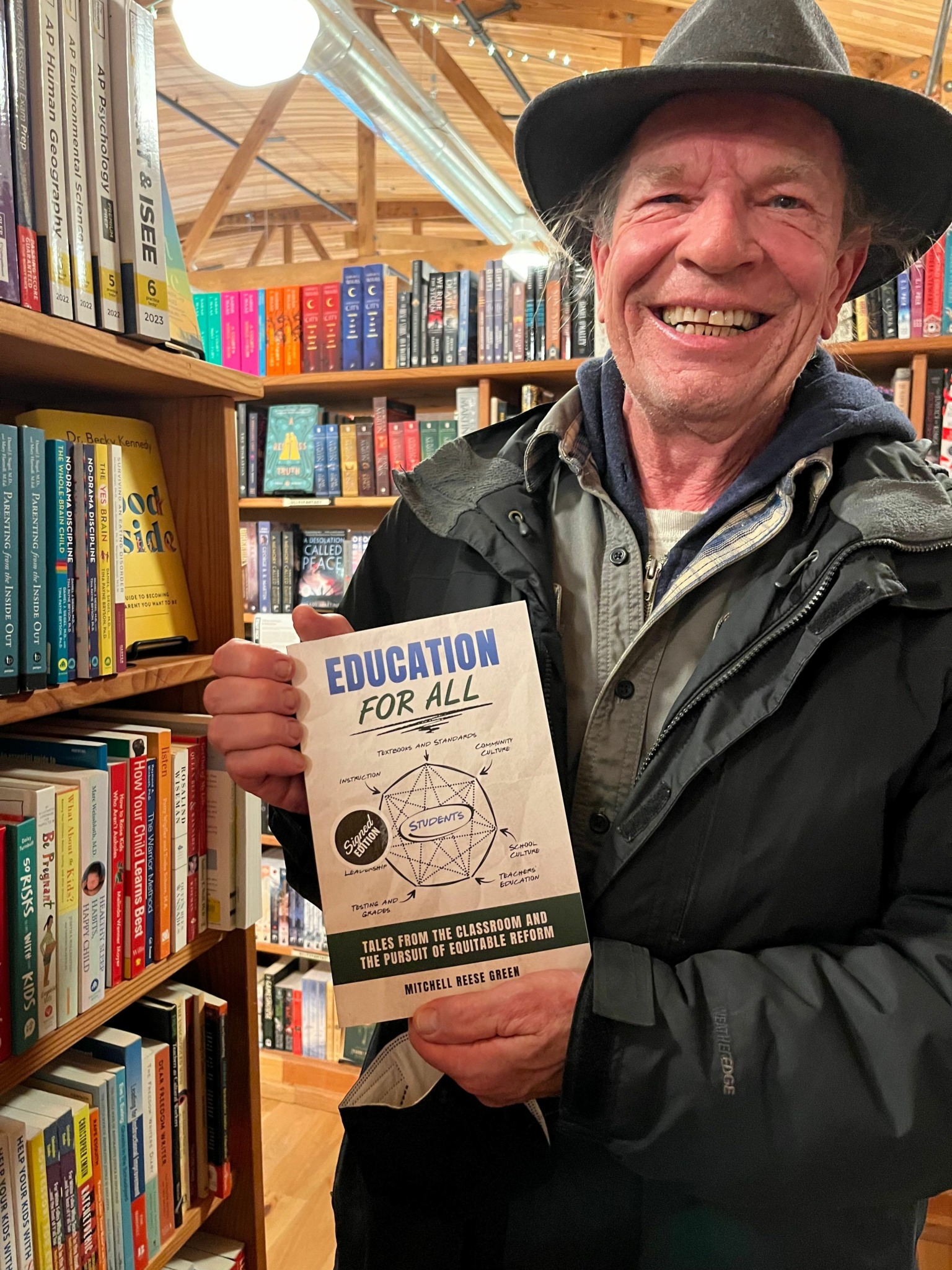

We caught up with the brilliant and insightful Mitchell Green a few weeks ago and have shared our conversation below.
Hi Mitchell, thanks for joining us today. So, let’s start with a hypothetical – what would you change about the educational system?
After 20 plus years working in public schools, I have some strong feelings about this. There are many aspects of public education that need change and clarification. Too many to describe them all, but here are some beginning thoughts.
First of all, establishing a clear purpose for public education. Believe it or not, there is no general consensus; even among educators, you’ll hear a dozen different answers: To prepare all students for college. So we can truly have an educated populace for an informed democratic republic. To foster creativity and knowledge. So kids can learn to read and write. So they have a supervised place to go while parents work. To help them make sense of the world and find their niche in life.
Each of these answers is valid in its own way. Which leads me to wonder: Does public education need only one goal? Can it have several? I don’t have an answer, but I do understand the significance of this lack of accord; people are attempting to reform a system when they can’t even agree on what purpose(s) said system should serve.
Another major problem is looking for simplistic solutions to complex problems. Just a new textbook won’r magically increase student achievement. Especially since public schools are for every child.
We group children by age and expect them to all reach the same standards while knowing that all children are not alike. Some children starting in kindergarten are writing their names and can do some mathematics, while others don’t know any letters or sounds they make and have issues with being around other children. Or consider the following description of fourht graders I worked with (names changed):
Than is a Vietnamese boy who lives with his mother (who does not speak English) and two sisters in Section 8 housing. His father died when he was an infant. He receives free lunch at school. Than is an intelligent, generally happy child, though in class he frequently talks out of turn and can be disruptive. He struggles with reading and math; his abilities are about two grades behind where they should be.
Sarah is a white girl who lives with her mother and her mother’s boyfriend in a one-bedroom apartment (Sarah sleeps on the couch). She sees her father sporadically. At school, she often wears a frown on her face, sometimes bullies other children, and receives reduced lunch prices. While witty and very athletic, she is not confident in her abilities. She performs slightly below grade level for most subjects.
Angela is an African American girl who lives with her parents and one younger sibling in a single-family home. Angela is very bright, a positive leader in the class, and full of joy. She enjoys singing and is quite musically inclined (though the music program at this school has been cut due to lack of funding). Her reading and math skills are at least two to three years ahead of her peers.
The more you think about public education in terms of individual children, it’s easy to see the complexity of creating an environment where all students have the opportunities and resources they need to succeed.
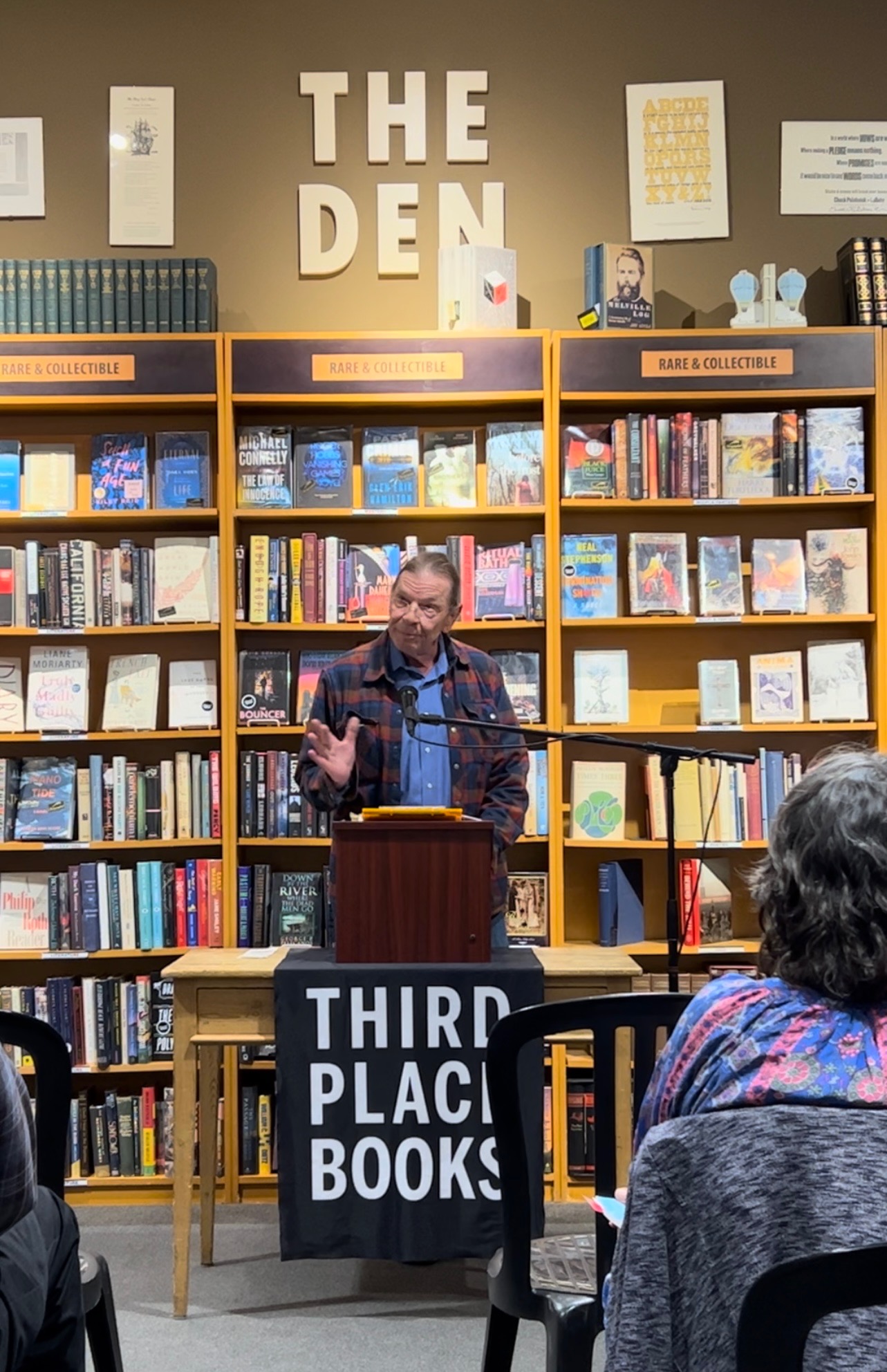
Great, appreciate you sharing that with us. Before we ask you to share more of your insights, can you take a moment to introduce yourself and how you got to where you are today to our readers.
I found my calling in teaching after working in construction and sales. I spent over two decades teaching and providing instructional support in public schools mostly in upper elementary and middle schools, but also have experience at all levels from kindergarten through post graduate school teaching curricuclum and instructional thoery to future principals.
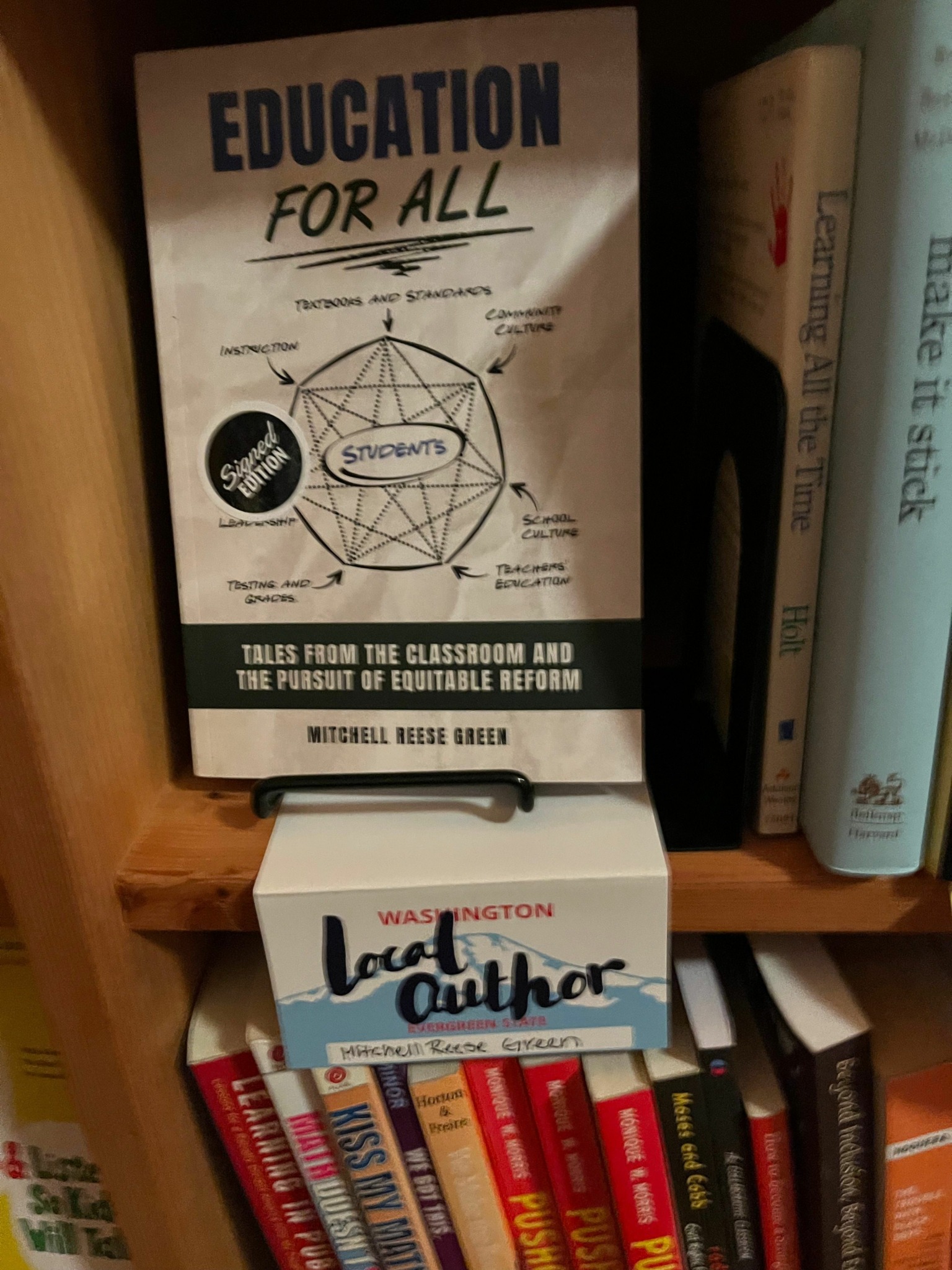
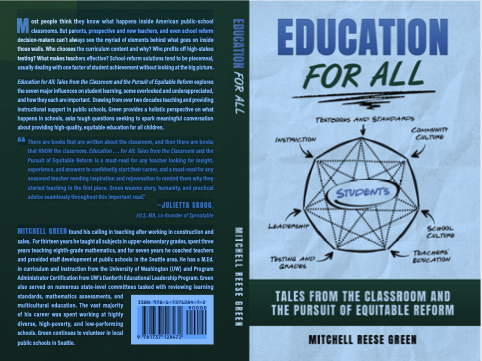
My experience inspired me to write a book, Education for All: Tales From the Classroom and the Pursuit of Equitable Reform, where I explore the seven major influences on student learning, some overlooked and under appreciated, and how they each are important. I provide a holistic perspective on what happens in schools, asking questions seeking to spark meaningful conversation about providing hih quality, equitable education for all students.
I am proud to have been a public school teacher. The human aspect- the relationships I was able to have with students and families and colleagues-is the best part of what I remember. Love and truth flowed. The biggest gift was sharing my life with students. I am blessed to still be friends with several former students many years after teaching them. Several have become teachers themselves and credit me with inspiring them to do so.
How about pivoting – can you share the story of a time you’ve had to pivot?
While I was flat on my back in a Seattle hospital, I entertained the idea of teaching for a living. Persistent back issues had led me to surgery at the age of twenty-eight, and as I made my way through a long recovery period, I realized that I didn’t want to return to my career in direct sales. The money was great, and I enjoyed being one of the national sales leaders in my company, but that was not enough incentive for me to stay. So after many hours of contemplation, I decided to explore teaching—and I never looked back.
It was an inauspicious setting in which to begin my teaching career: a creaky, drafty, decades-old, three-story brick building on a slope with one side overlooking a lake. A major freeway, built long after the school, cut a wide, noisy path thirty yards from the front door. On the side facing the freeway, so much noise permeated the classrooms’ large single-pane windows that some teachers had to use microphones to be heard. The school building was under consideration for closure because of low enrollment and badly needed repairs and renovations. Yet despite its decrepit state, it was here, in this Seattle elementary school in 1986, that I discovered my calling.
Within moments of my stint volunteering in a fourth-grade classroom, of seeing and hearing the children, feeling their energy, I knew I belonged. The peace and joy I felt inside—even after a day of observing mundane lessons; managing misbehavior, tears, laughter, and snitching; helping children with assignments; and learning how to use a Ditto machine (ask your parents if you don’t know what that is)—was powerful and reassuring; each moment made me eager for the next. And I kept that eagerness throughout the next twenty-four years.
Is there a particular goal or mission driving your creative journey?
Children, their future and a zeal for public education that is grounded in a passion for social justice, truth and love.
Contact Info:
- Website: https://www.mitchellreesegreen.com
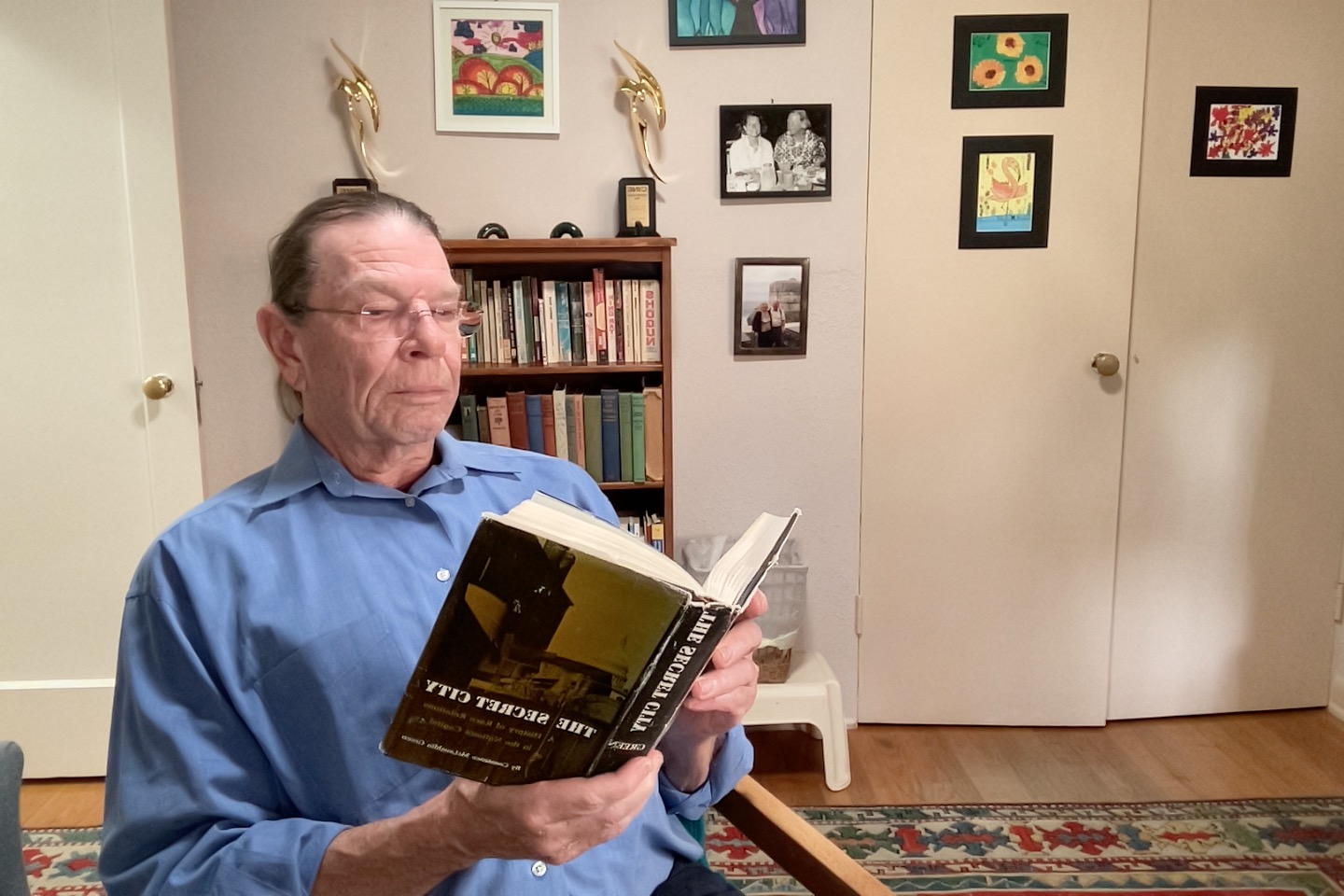

Image Credits
Mitchell Green