

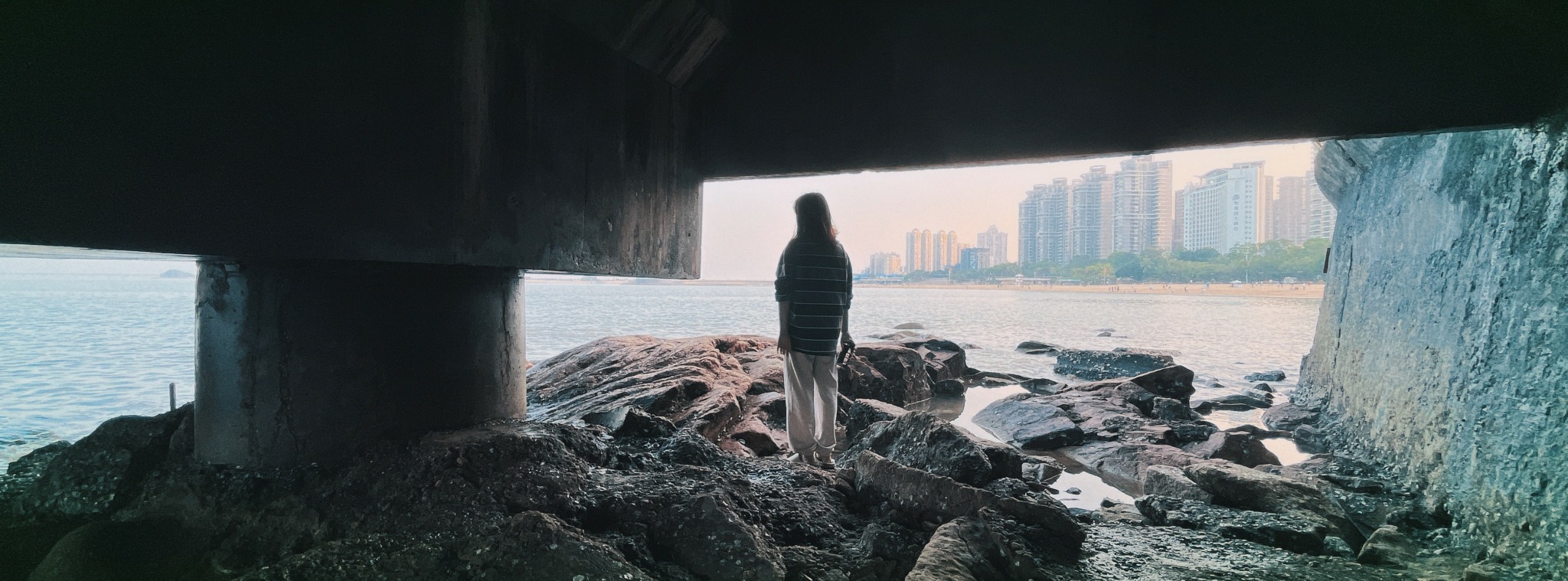

We recently connected with Minjia Du and have shared our conversation below.
Minjia, thanks for taking the time to share your stories with us today Looking back at internships and apprenticeships can be interesting, because there is so much variety in people’s experiences – and often those experiences inform our own leadership style. Do you have an interesting story from that stage of your career that you can share with us?
During my undergraduate graduation period, I worked as both the production sound mixer and post-production sound editor for a friend’s thesis short film. It was a highly valuable learning experience for me. The film paid homage to Wong Kar-wai’s style, emphasizing atmosphere and rhythm, with multiple transitions between reality and fantasy. This provided great creative opportunities and flexibility in sound design, making the process incredibly enjoyable for me. In the past, when working solely in one role, I focused mainly on dialogue clarity and certain action sounds during production sound recording. The fast-paced nature of the set, along with the need to prioritize visuals, meant that unpredictable background noise or technical issues were often left to be fixed in post-production through ADR or Foley. However, this experience made me more aware of the importance of bridging the gap between production and post-production sound.
This experience made me realize that location sound recording is not just about capturing clear dialogue but also about providing rich material for post-production sound design, ensuring a cohesive auditory atmosphere and narrative style. In a film influenced by Wong Kar-wai’s aesthetic, rhythm and mood are crucial, and sound plays a fundamental role in shaping these aspects. Because of this, I had to approach location sound with a broader perspective, thinking beyond dialogue clarity to how ambient and incidental sounds could enhance the film’s pacing and emotional depth. For example, in a scene where the protagonist sits alone in his rented apartment, the frame lingers on him lighting a cigarette, with the director aiming to create a slow, immersive sense of time passing. Traditionally, location sound recording would focus on capturing the lighter’s click and the subtle inhale of smoke, but since I was also handling post-production, I deliberately recorded additional environmental sounds—the distant hum of street noise filtering through the window, the occasional rattle of an old oscillating fan, even the soft sound of ash falling into an ashtray. These layers not only added realism but also provided more options in post-production to shape the psychological landscape of the character purely through sound.
Another key realization was how to enhance the transition between fantasy and reality through sound. The film contained multiple dreamlike sequences, and the director wanted the sound to reflect the protagonist’s subjective emotions while creating a stark contrast when reality returned. In the past, I might have approached this solely in post-production, manipulating sound through reverb, filters, and sound effects. However, since I was also responsible for location recording this time, I began thinking about differentiating these scenes from the very start. For example, during the fantasy sequences, I adjusted the mic placement to be closer to the character, reducing spatial depth to create an intimate, almost surreal soundscape. Meanwhile, for reality scenes, I ensured the boom mic captured the natural room reflections, making the dialogue sound more distant and hollow. This approach allowed for a more seamless transition in post-production, avoiding an overly artificial sound while maintaining the organic characteristics of the recorded audio.
Additionally, working on both production and post-production sound made me reevaluate the relationship between Foley and location sound. Foley is often used to compensate for missing production audio, but this experience taught me that many raw, on-set sounds carry an emotional authenticity that cannot be easily replicated in post-production. In a nighttime scene where the protagonist sits alone, the original plan was to create Foley effects for his subtle movements—his fingers brushing against the wooden table, the delicate rustle of a book’s pages. However, while recording on set, I noticed that the actor’s natural interactions with these objects produced nuanced variations—tapping the table slightly harder in moments of frustration, pausing his page-turning in contemplation, even his uneven breathing. These were details that Foley would struggle to precisely recreate. So instead of relying on Foley later, I adjusted the mic setup to capture these delicate sounds in their natural form. In post-production, only minor adjustments were needed, preserving the raw emotional texture of the scene rather than reconstructing it artificially.
This experience reinforced my understanding that location sound and post-production are not separate stages but rather an interconnected creative process. Working as both a production sound mixer and a post-production sound editor gave me a more forward-thinking approach to recording on set while also allowing me to appreciate the subtle nuances of location sound when editing. It also gave me a deeper understanding of my own limits—like how I can’t blame the production mixer for bad recordings when I am the production mixer. But in the end, despite all the self-inflicted challenges, this holistic workflow not only enhanced the film’s overall sonic storytelling but also deepened my perspective on how sound can shape narrative and emotion in a meaningful way.
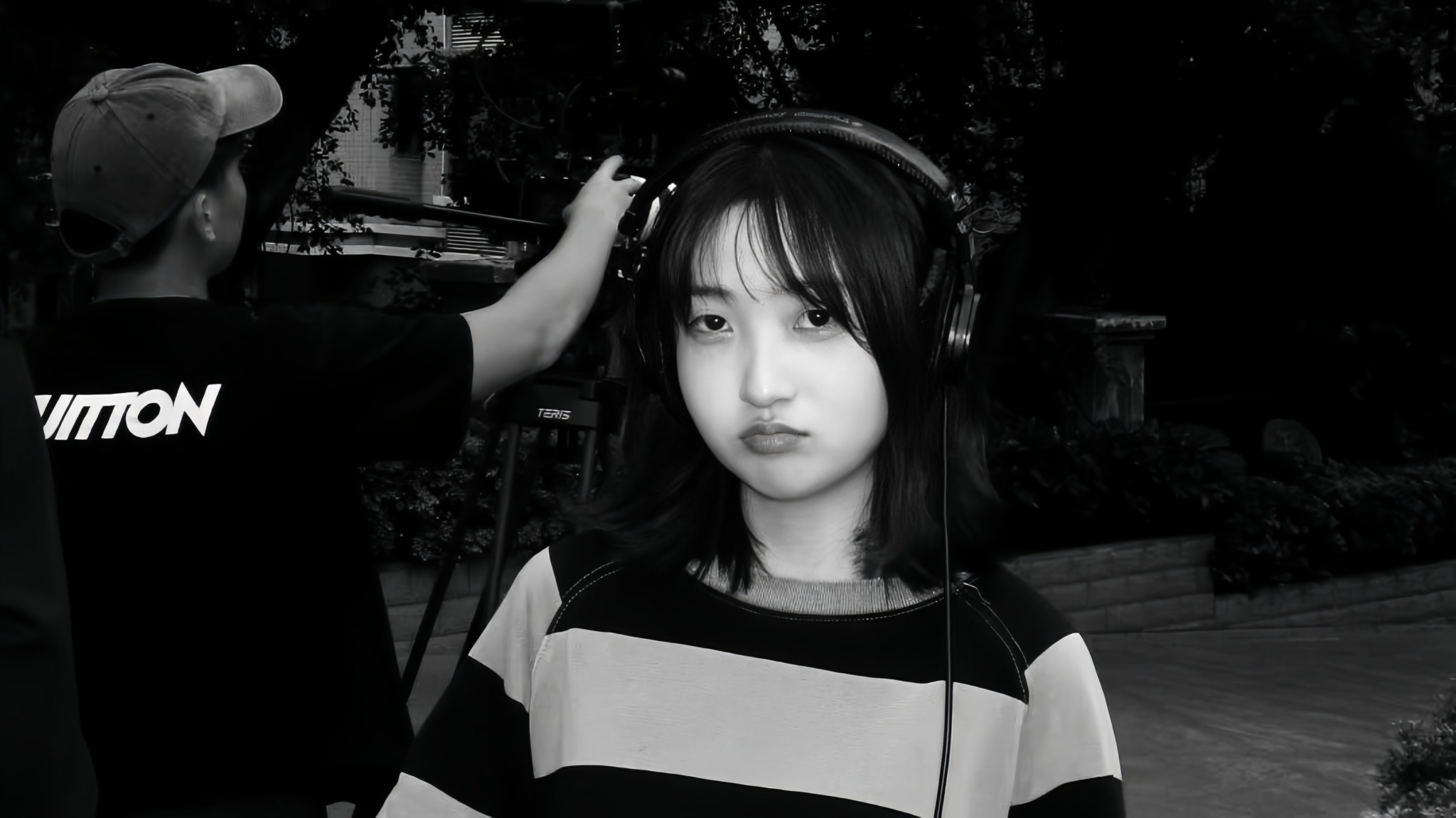
As always, we appreciate you sharing your insights and we’ve got a few more questions for you, but before we get to all of that can you take a minute to introduce yourself and give our readers some of your back background and context?
I am a film sound designer currently pursuing a graduate degree in Film and Media Production at the New York Film Academy (NYFA) in Los Angeles. I completed my undergraduate studies at Hong Kong Baptist University, majoring in Cinema and Television. Since my undergraduate years, I have developed a strong interest in the narrative function of sound, gradually turning it into my professional focus. My work primarily involves film sound design, including production sound recording, sound editing, mixing, and sound art creation. I have worked on short films, documentaries, and experimental films, with a particular expertise in using sound to shape character psychology, create atmosphere, and facilitate seamless transitions in editing.
My entry into this field was, in many ways, a stroke of serendipity. The first film production I ever participated in was as a sound person—completely by accident. It was a short film project by a senior student, and their original sound mixer had to drop out due to illness. I was merely there to help out, but somehow ended up being pulled in as a last-minute replacement. The only issue? I had absolutely no idea what I was doing. The senior quickly taught me how to operate the sound equipment right before the shoot. The recorder was an old TASCAM model that only supported memory cards under 32GB—and, of course, they forgot to bring one. As luck would have it, I happened to have a compatible card in my camera bag because I was into photography at the time. And just like that, I became the sound mixer for the day. But the real moment of revelation came when I put on the headphones for the first time—suddenly, the world sounded different. The clarity, the depth, the way every detail stood out—it was like discovering a new dimension of storytelling.
From that moment on, I started seriously studying sound design and exploring how sound can be an integral part of cinematic language. As I delved deeper into post-production sound editing, I realized that sound is not merely a supplement to visuals—it is a powerful storytelling tool that can function independently, shape emotions, and influence how audiences perceive a film. For example, in my thesis short film Dying In The Illusion, sound was not only used to enhance realism but also to reflect the protagonist’s psychological state. In scenes where reality and fantasy intertwine, I incorporated rain sounds recorded from the actual filming location. By subtly altering the texture of the rain between different sequences, I was able to signal shifts between the protagonist’s dreams and reality, adding a subconscious layer of storytelling.
What sets my work apart is my ability to integrate production sound recording with post-production sound design. In many film projects, these two processes are treated as separate, but I approach them as a continuous workflow. For instance, in certain atmospheric scenes, I pre-record environmental sounds from different distances and angles to allow for greater flexibility in shaping the spatial and auditory experience during post-production. This approach not only enhances the coherence of the sound design but also results in a richer and more immersive final mix.
One of my proudest achievements so far has been working as a sound designer on multiple independent film projects and seeing how my sound work elevates the overall cinematic experience. For me, the most rewarding moment is when a director or editor listens to the final mix and says, “This sounds amazing!” Sound is often the most overlooked element in filmmaking, but when it becomes truly indispensable to the storytelling, that is the greatest validation of my work.
I want audiences, collaborators, and potential clients to understand that sound design is not just about adding sound effects or dialogue—it is an art form that shapes emotion, guides narrative, and can even serve as the core of a film’s expression. I am dedicated to pushing the boundaries of sound in cinema, whether through subtle sonic cues that reveal a character’s inner world or bold sound-image juxtapositions that challenge perception. My goal is to create immersive, distinctive auditory experiences that leave a lasting impression.
Alright – so here’s a fun one. What do you think about NFTs?
As a film sound designer, my perspective on NFTs has evolved through personal experience. I have tried purchasing digital art and sound-related NFTs to understand how they apply to the creative industries. These personal experiences have shown me that NFTs offer a unique way for artists and creators to connect directly with audiences and collectors, particularly in digital art and music.
For example, I once bought an NFT from an independent music producer. The NFT represented a specific music track but also came with exclusive sound clips and behind-the-scenes audio of the creative process. This felt fresh and engaging because it wasn’t just an art piece—it was an interactive experience. I even gained certain privileges through the NFT, like access to private events and the chance to communicate with the artist on creative matters. This experience made me realize that NFTs are not only tools for trading but can also offer more avenues for creative expression.
However, my NFT journey also revealed some challenges. For instance, I once tried to turn some of my sound works into NFTs for sale. The initial excitement quickly gave way to practical issues. First, the technical barriers of the platforms were quite high. I had to figure out how to create and manage NFTs, which was a significant learning curve. Additionally, the NFT market is extremely competitive, and often, the actual value of a piece doesn’t necessarily reflect its artistic quality. Instead, factors like market demand, publicity, and speculative investments play a large role.
More importantly, I became concerned about the environmental impact associated with NFTs. While purchasing NFTs, I began to learn more about blockchain technology, especially the energy-intensive “mining” process. This made me reflect on how to balance the benefits and innovation of NFTs with environmental and sustainability concerns.
Overall, my experience with NFTs has shown me their immense potential in the creative field, particularly in audio and digital art. They offer new revenue streams and platforms for creators, but there are also things to consider, like market volatility, technical challenges, and environmental impact. In this constantly changing world of digital art, I believe creators need to find a balance and maintain clear judgment between innovation and sustainability.
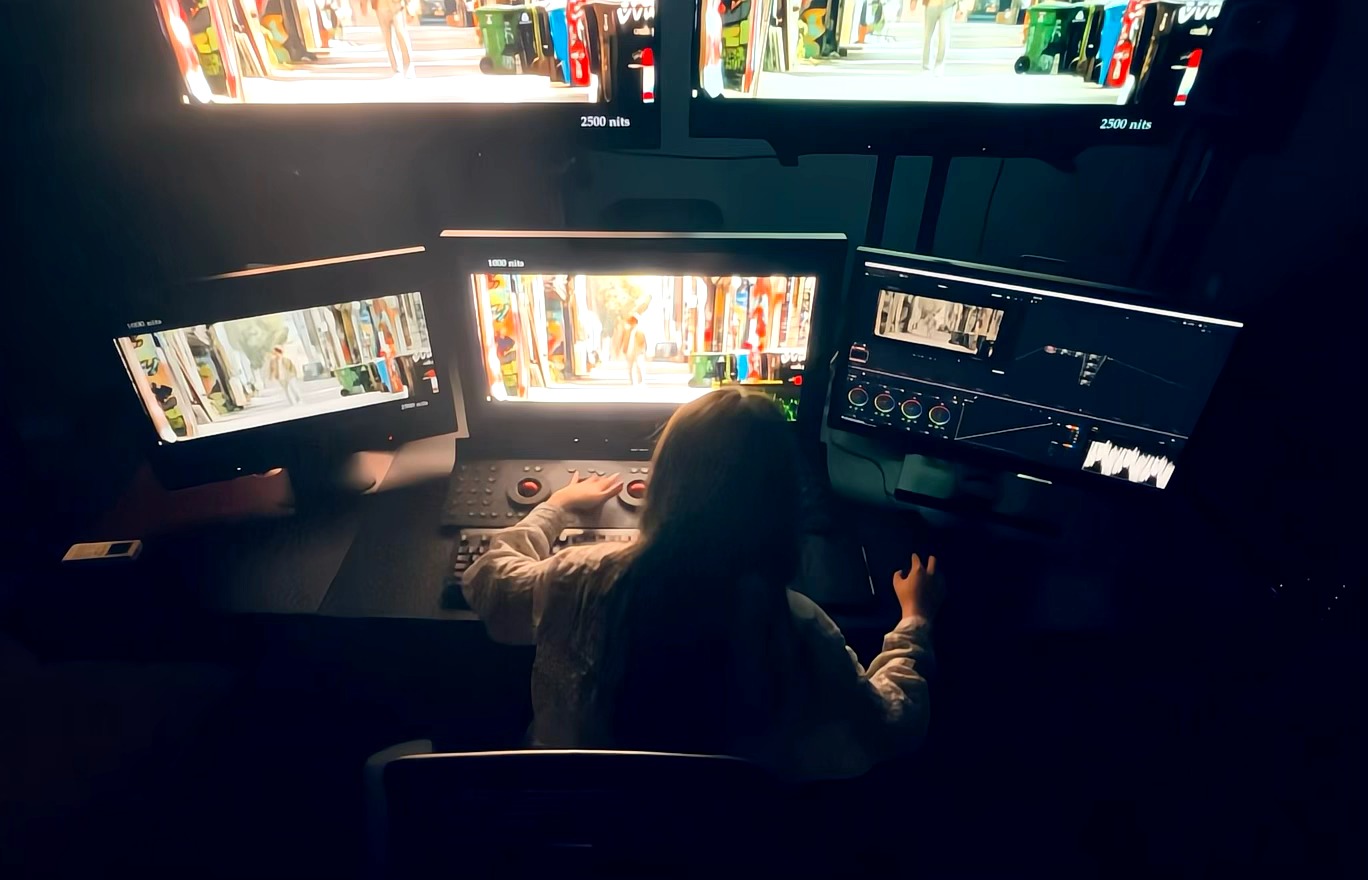
Is there something you think non-creatives will struggle to understand about your journey as a creative? Maybe you can provide some insight – you never know who might benefit from the enlightenment.
I don’t believe that non-creative individuals have difficulty understanding the journey of creative people. In fact, I’m currently doing work that leans more towards the technical side, and this shift has made me realize that, after doing a lot of creative work, I actually prefer tasks that are more technical. The reason is that I believe work and life should be separated. Work is a tool to create the conditions for life, not a part of life itself. Personally, I don’t like mixing work and life, because as long as the work isn’t something I strongly dislike and I can do it well, that’s enough. I prefer to reserve the creative aspects for small things in life, like cooking or engaging in personal activities, enjoying the simplicity and authenticity of life. In this way, I can maintain a clear boundary between work and life and avoid over-committing to work.
On the other hand, creative individuals may be more inclined to blend work and life. The passion and sense of accomplishment they get from work occupy an important part of their lives, and their work is filled with creativity and excitement. For them, this blending of work and life brings more motivation and inspiration, and it is their choice and lifestyle. It’s not that non-creative people can’t understand the creative journey; in fact, each person has their own perspective on work and life and handles it differently.
In reality, non-creative individuals also play a vital role in creative work. Creativity needs to be brought to life, and the realization of that creation requires technical support. For example, in some film projects I’ve been involved in, the creative team is responsible for the vision, while the technical team ensures that the vision can be successfully realized. Even in sound design, I work closely with the director, editor, and other team members to ensure that the creative ideas are perfectly executed on a technical level. This fusion of creativity and technology is not just one person’s responsibility; it is the result of collective effort from the entire team.
In these collaborations, creativity and technology complement each other, driving the success of a project. Everyone plays a role in their area of expertise, and through mutual understanding and support, creative work can truly be realized. Therefore, I believe that whether someone is a creative or non-creative individual, understanding each other’s work and respecting each other’s roles are key to the success of creative projects.
Image Credits
Shengze Ma