

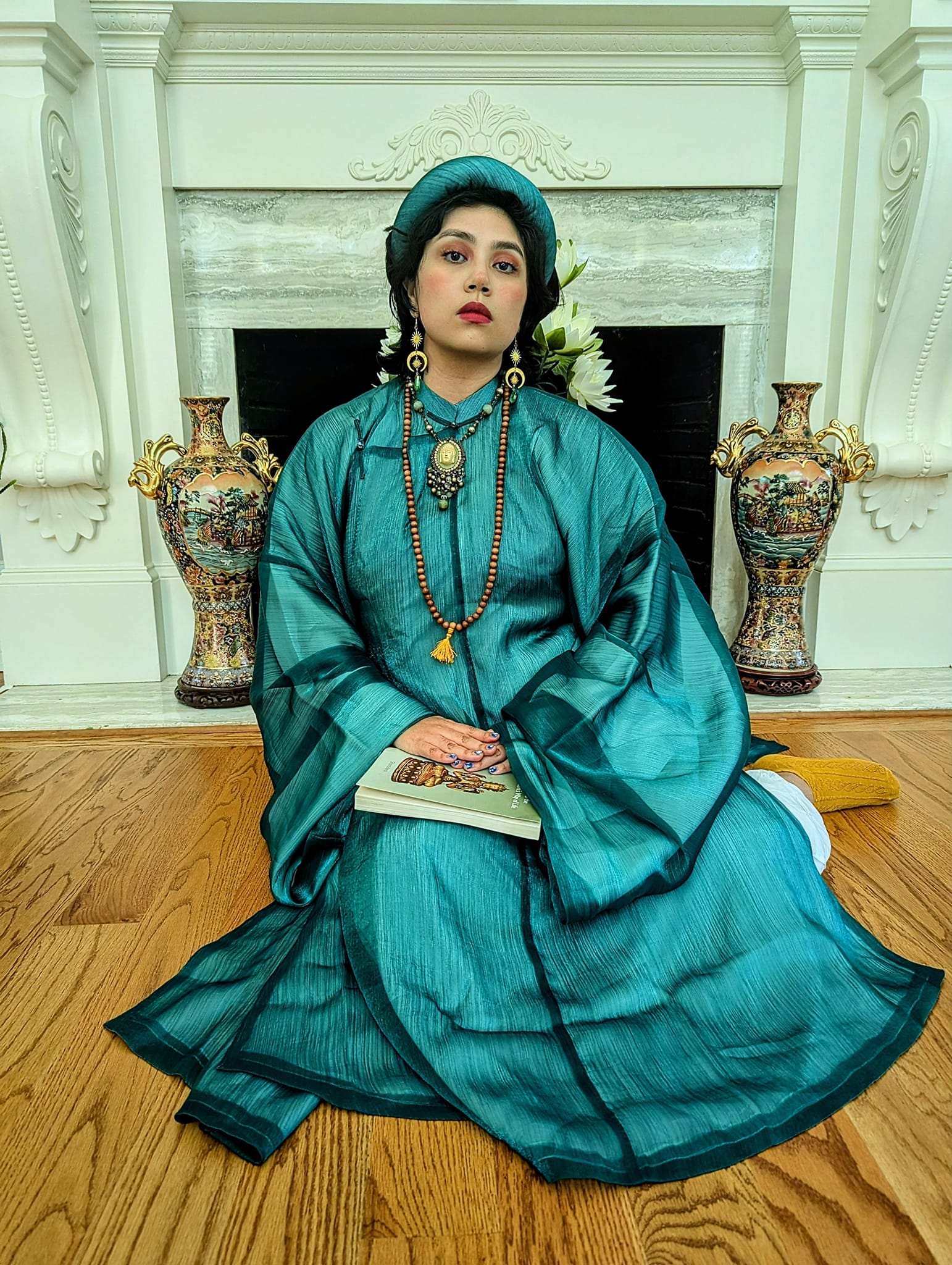

We caught up with the brilliant and insightful Minh Huynh a few weeks ago and have shared our conversation below.
Minh, thanks for joining us, excited to have you contributing your stories and insights. Learning the craft is often a unique journey from every creative – we’d love to hear about your journey and if knowing what you know now, you would have done anything differently to speed up the learning process.
Being an independent artist is like being an entrepreneur, and once I reframed my art education as entrepreneurship education, I discovered I was on the right path to success.
My art school did everything in its power to teach us about the business side of art and running a small business. However, there is no greater teacher than actually running a small business. I will divide up my education into two parts: learning the actual craft and learning the business side of art.
Learning the craft was the easy part. Why? Because the passion was already present since I was a child. It was effortless for me to sit for hours at a time learning about perspective, shading, lighting, and all the tools of digital media.
However, a child’s dreams need to meet the realities of adult bills. Learning the art of entrepreneurship with art was a grueling task. I would say it was more humbling and more difficult than learning anything in my actual craft.
Initially, before I came into art school, I had no formal education. So I dedicated 12 hours a day during my undergraduate degree to learning to use Photoshop and teaching myself to draw like a professional. All the tools were there on YouTube, free and readily accessible to other artists who want to share their process. There are some folks out here who are absolutely in love with AI prompting that claim artists “hoard their skills”; that statement couldn’t be further from the truth because the art community is more than willing to share their process online. I have had senior artists sit with me at their booths while they’re selling their work, look at my art, and tell me how I could improve. So before I came to art school and got a formal education, my education was very much a deliberate act of finding time every day to learn and then reaching out to people who have been in this industry longer than I have to learn from their skills.
Now, if 12 hours a day before getting a master’s degree seems like a lot, we haven’t even gotten to the entrepreneur part yet.
The tools I used to learn how to draw were the same ones I had to use to learn entrepreneurship. I watched videos from other people who’ve sold their art professionally, and I had to do it myself.
My first booth at a convention was shabby. It was thrown together on a minimal budget and with a cohesive brand identity. I tried to make it look nice with the resources I had, and I made a profit my first time. However, there were things I had to learn on the spot to meet specific needs that no YouTube video or other experience could teach me, other than the lived reality of working.
And you have to be humble enough and open to the greater possibility of changing your brand. You have to be open to the possibility of rebranding.
One of the hardest hurdles for me was the administrative side of the profession. I had to learn how to keep inventory, how to do sales, and how to have a sense of showmanship with my art. In this day and age, talent cannot speak for itself; there and there, definitely is an art to salesmanship that only time can teach you.
There’s a way to market the art that is present to move the pieces off the table more quickly, and those are skills that came with failures.
Art is such a personal experience, and one thing I had to really internalize is that there is a time to make art for myself as an individual, and then there’s time to make art that is marketable to a mass audience, and learning that separation was incredibly challenging, especially in the early parts of my career.
There were some pieces of mind that were personal and not moving off the shelves, and I had to set aside any feelings I may have for that piece of art and look at the bigger picture to ask why it is not moving off the shelves.
Learning to create content as an online content creator is incredibly difficult. I will say that there will never be another John Lennon in our lifetime because during that era, an artist like him could just run off to the mountains and disappear from the public eye for 6 months to create an album, and the general public unanimously agreed, “Okay, we’ll wait. We’ll let you cook, brother.”
And he came back with some of the greatest hits.
Modern artists today. Don’t have that luxury. I feel like if I don’t post on social media regularly, people’s attention spans. These days are so minimal that I become irrelevant. That is the challenge of the modern-day artist.
You can’t just be good at your craft anymore. You have to be a good salesman, you have to be good at entertaining, or you have to be more than just the craft that you’re selling, which is such a large and arduous balancing act.
Awesome – so before we get into the rest of our questions, can you briefly introduce yourself to our readers.
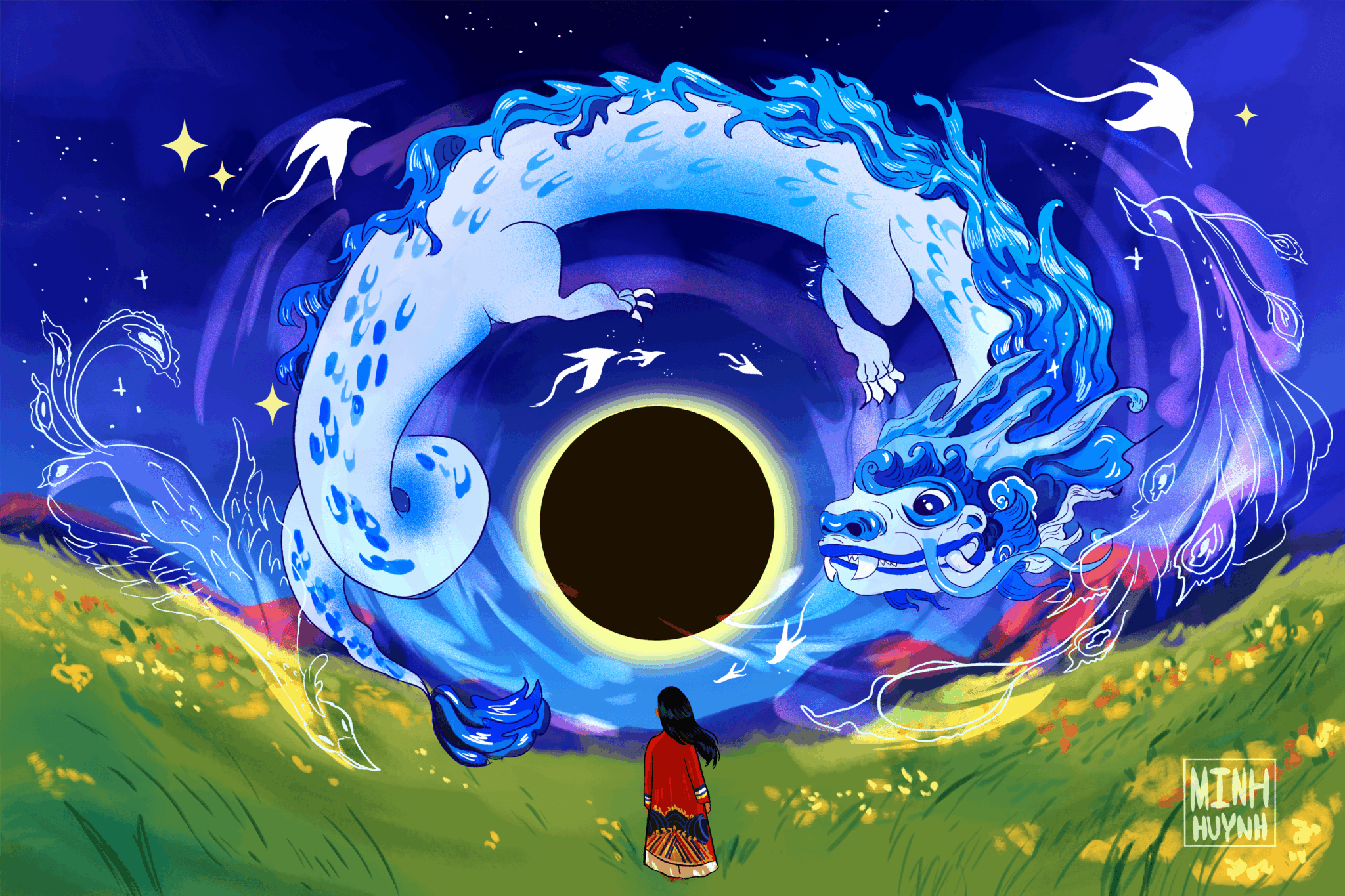
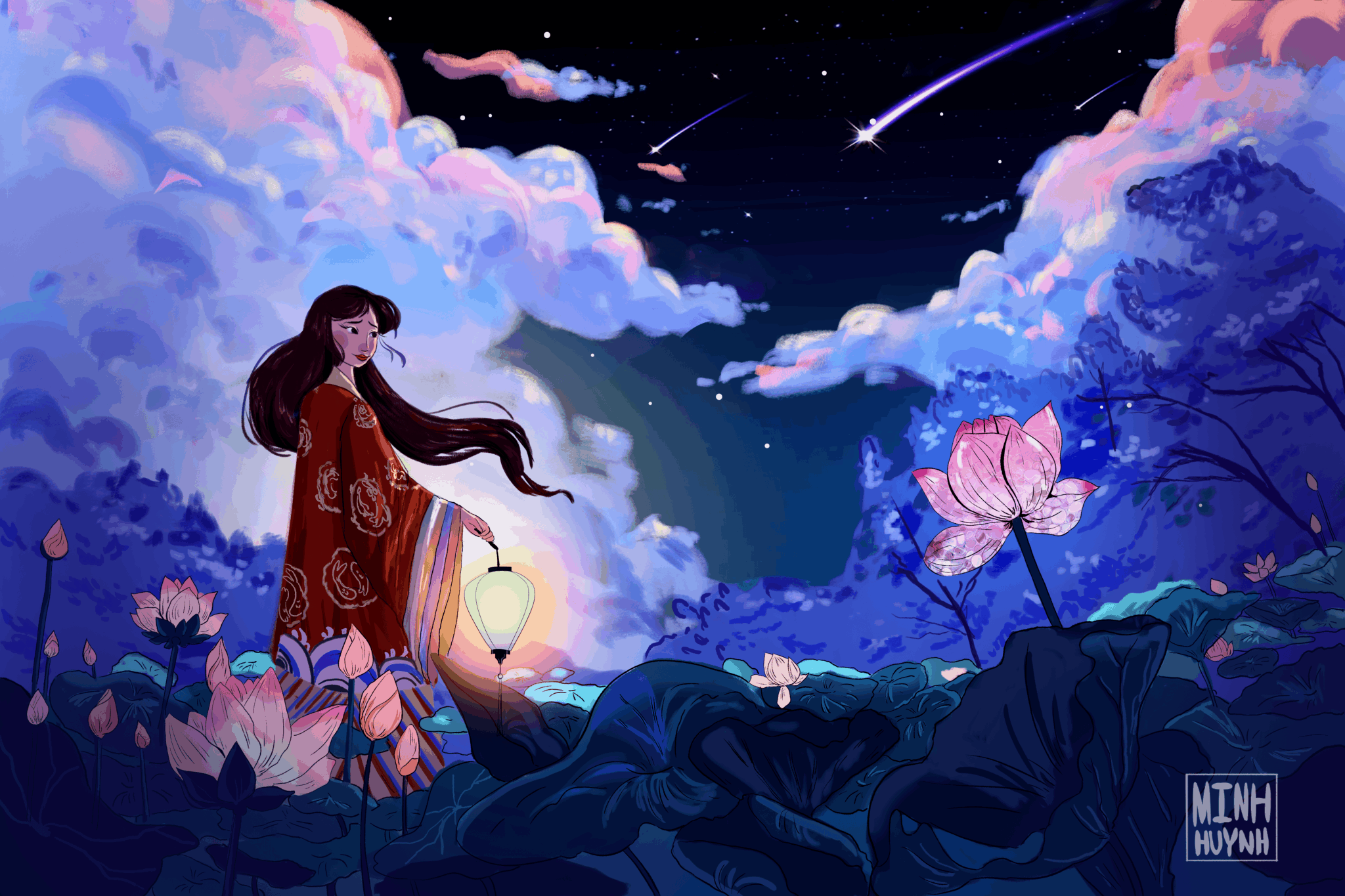
I am an illustrator, graphic designer, and art vendor. I sell art prints, posters, and stickers, and I do caricature and sketch commissions, as well as larger commissions.
My story is no different from any other artist’s, and I think that’s what makes it so special: we share a collective, collaborative experience as artists. It goes so far beyond a profession. It’s really a spiritual connection I have with other creators; we just had a desperate need to capture the emotions we’re feeling or the world around us because the sensation was so profound that it couldn’t stay inside our bodies. That is my shared lineage with every other creative person.
I started drawing people on the streets, whether it was in my hometown of Atlanta, Georgia, or on the streets of Paris, really, it was wherever I went on this Earth. I always carried a sketchbook, and I would capture people in conversation with one another or with me. That’s how I got into caricaturing and sketching. Their facial features, the fine lines, the wrinkles, the little imperfections on their faces tell a story, and I love hearing what they have to tell me.
Then, as I got older, I started drawing environments, and of course, like many other artists before me, I also went through an anime phase.
My business started off drawing everyday people in everyday situations. As a teenager, I would literally just approach people on the street and ask to draw them to see if they were interested in a commission, and, remarkably, so many people were willing to pay on the spot for a drawing of themselves.
In this strange and unprecedented world that we live in with AI, I feel like more people, more so than ever before, have actually returned to that love of analog and tangibility.
Recently, I’ve returned to my roots as a caricature artist drawing people directly on the streets as I did so many years ago, but now it’s with a different vigor, in a different cultural context.
My career came full circle in many ways because I originally worked with many corporate clients who wanted me to handle their branding in the early stages of my career. Then, I started going to more independent drawing illustrations inspired by book tropes and literature that I love, reaching what I like to call the “Bookish Girlies”, who are basically the 2014 Tumblr folks who never quite got over their fan ships but are now all grown up. People just like me. Because I am also a consumer, I want to make content and art that I would love to buy.
So my career evolved into vending and selling book-themed merchandise. However, with the rise of AI, it was a blessing and a curse. The reason why is that it weeded out all the people who never really cared for my art to begin with. They no longer commissioned me, but the people who still commissioned me were profoundly and so deeply moved by art. Those are the people I’ve always wanted to reach. So in many ways, I’ve really rediscovered or even found a new audience from my work.
And I’ve returned to my childhood love, one of the first sparks of joy I felt for life, drawing caricatures of people on the street. Because there is such a profound marvel about taking a piece of paper with nothing on it and then bringing to life something that wasn’t there. Something that’s an interpretation of reality through your brain and your lens.
It really is a form of magic that some have to use data centers in order to capture even a fragment of it.
I used to be so digital at first, but now, in this new world we live in, I actually want to return to traditional art. I’m studying older techniques of inking and caricaturing from the jazz era, and I’m seriously debating incorporating them into my branding to set myself apart from artificial garbage.
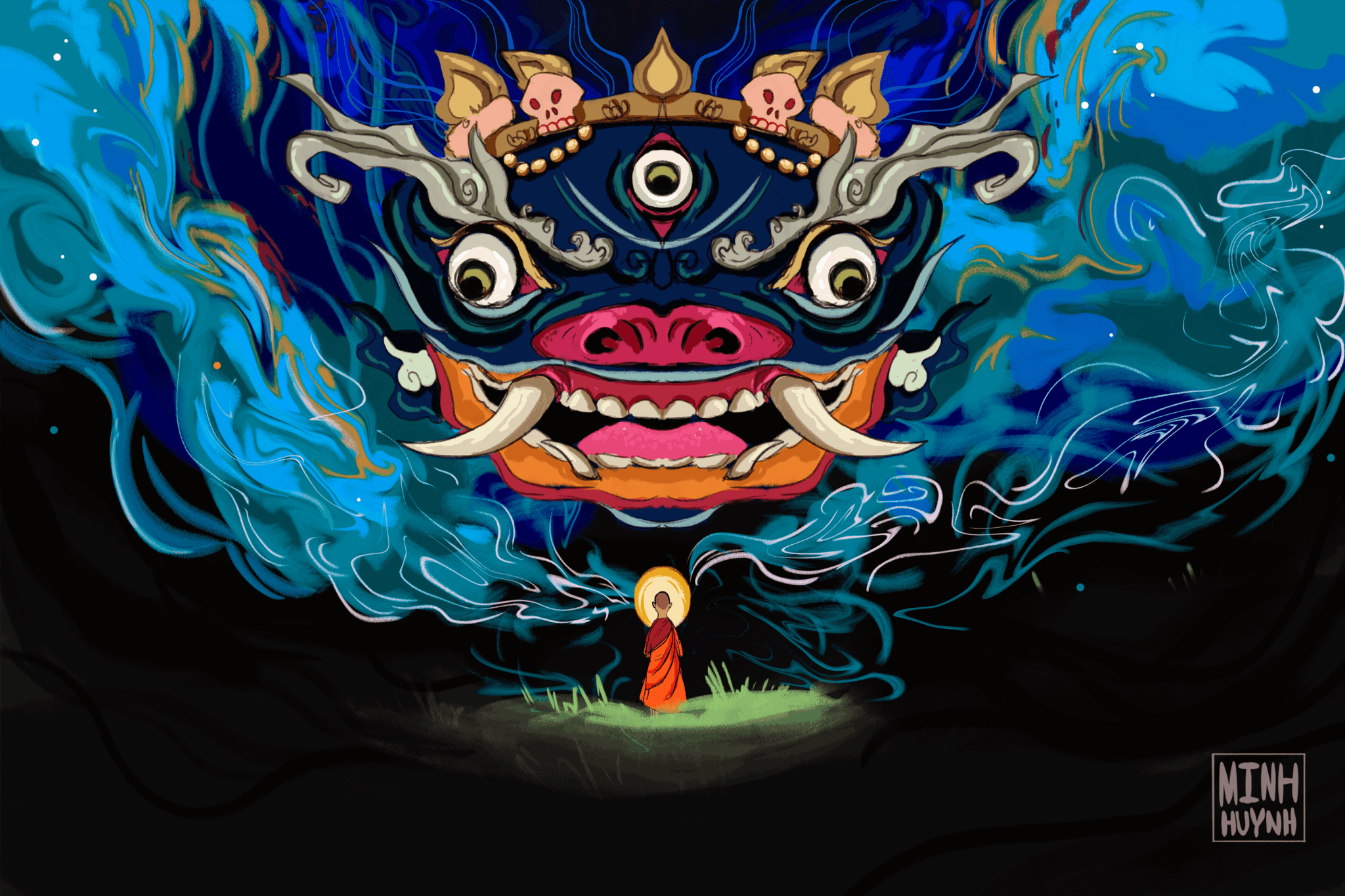
I know that this sounds so corny and hokey, but I cannot emphasize enough how important it is to have a distinct voice in this Brave New World of AI. I fell into a bit of melancholy about the whole thing when the technology first came out, and I took a break from my brand to find out who I am and what art means to me. I use art and drawing as a creative expression of my deepest spiritual faith, and I’ll talk about that further in other parts of this interview. Art is both professional and personal. I use art as a mindfulness tool to learn and explore the deep nuances of my Buddhist spiritual practice. I draw a lot of the stories that inspire me, and I stopped caring if it’s not the purest, most marketable, or most palatable. I just created, and I found my audience.
Art, by its nature, is one of the most profound expressions of a person’s inner being, given form and given tangibility. I stopped caring about competing with AI, and I started finding a new audience. I started posting as if no one was watching, posting my art online without a care.
And I got such a positive reception. Right now, I am no longer concerned with “broad mass appeal” or any other buzzword when it comes to sales or branding.
I’m going back to what I love, freely and deliberately.
For you, what’s the most rewarding aspect of being a creative?
The most rewarding aspect of being an artist is hearing how my art has touched the lives of other people. Whenever I draw an illustration, there’s always a part of me in that journey of creation. For every print that I make, every sticker, I remember exactly what songs I was listening to, I remember where I was in that time and space when I was making it, and above all else, I remember what inspired me. So, when other people find themselves in my art and add their own meaning to my pieces, I’m always fascinated to hear those stories.
One of the fun parts of vending is that you get to travel and talk to so many people from every different Walk of Life. So many different folks come and stand across from me at my booth, and they all come with their own pain, joys, and beauty that I get to hear about when they commission me to draw a portrait for them or when they tell me how much they love a work of art that I’ve made.
I’ve been vending for almost a decade now, and one thing I love is that I have a niche fan base of people who follow me, whether it’s online or in person, familiar faces. I see at various conventions I’m at. They’ll come up to me proudly, with screenshots of my stickers on their water bottles or stories about how much their relatives loved the drawings they commissioned.
And if someone doesn’t buy from me, one of the most rewarding things is just talking to people at the various places I go to. I remember meeting this lovely woman who was part of the hard-of-hearing community, and she gave me a name in sign language. She sat there with me and shared a part of her culture by giving me something so personal, like a name in her language, and I still treasure it years later. I will always remember the name that she gave me.
I love holding babies while their parents swipe my Square card reader, and I love petting puppies from the people who visit my booth.
All of those stories are woven together into the fabric of my life now. My life is rich because the people who come by are the ones who add color to what I create.
Learning and unlearning are both critical parts of growth – can you share a story of a time when you had to unlearn a lesson?
One is a joyful lesson, and the other is a painful lesson I had to unlearn.
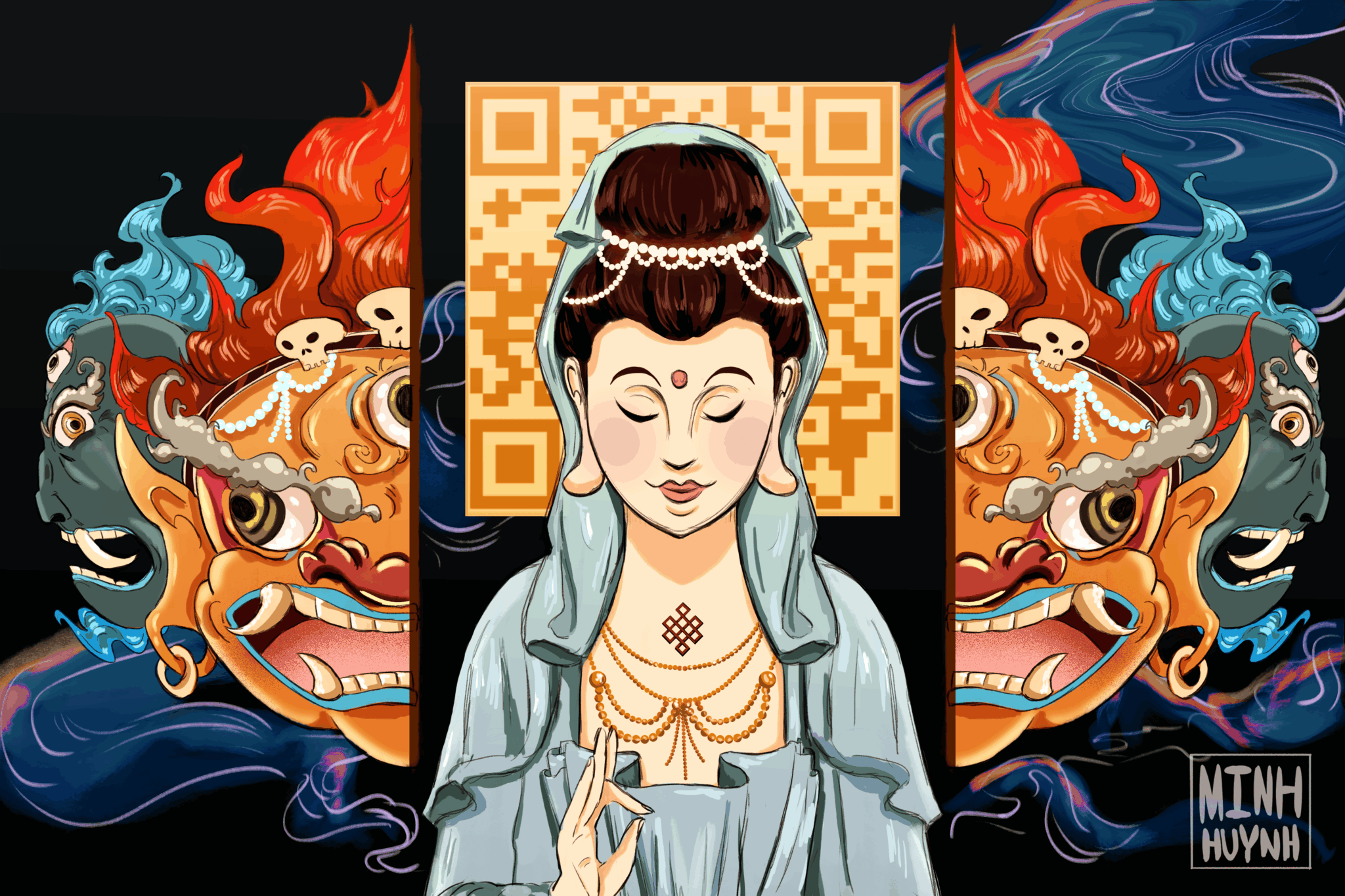
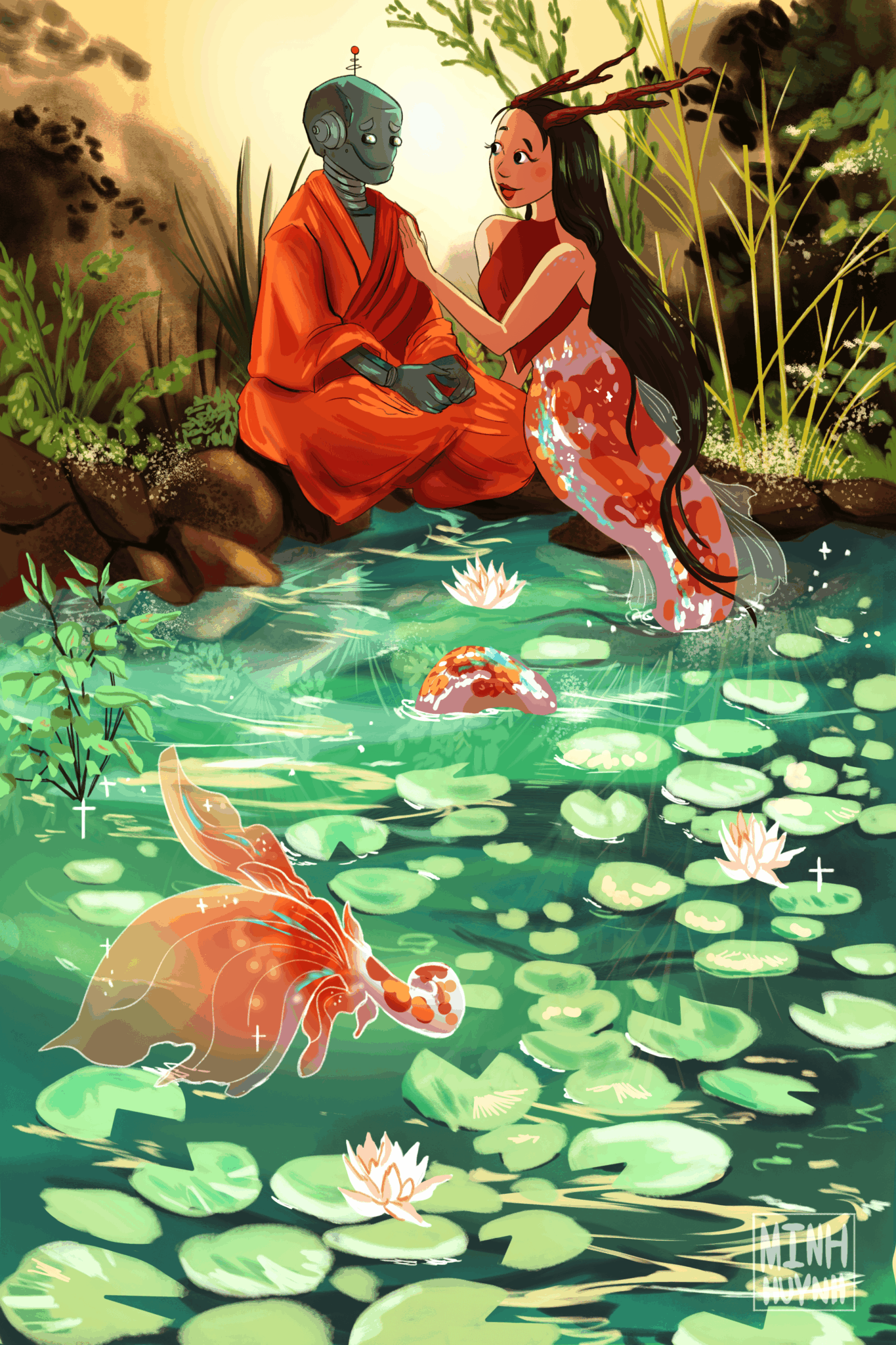
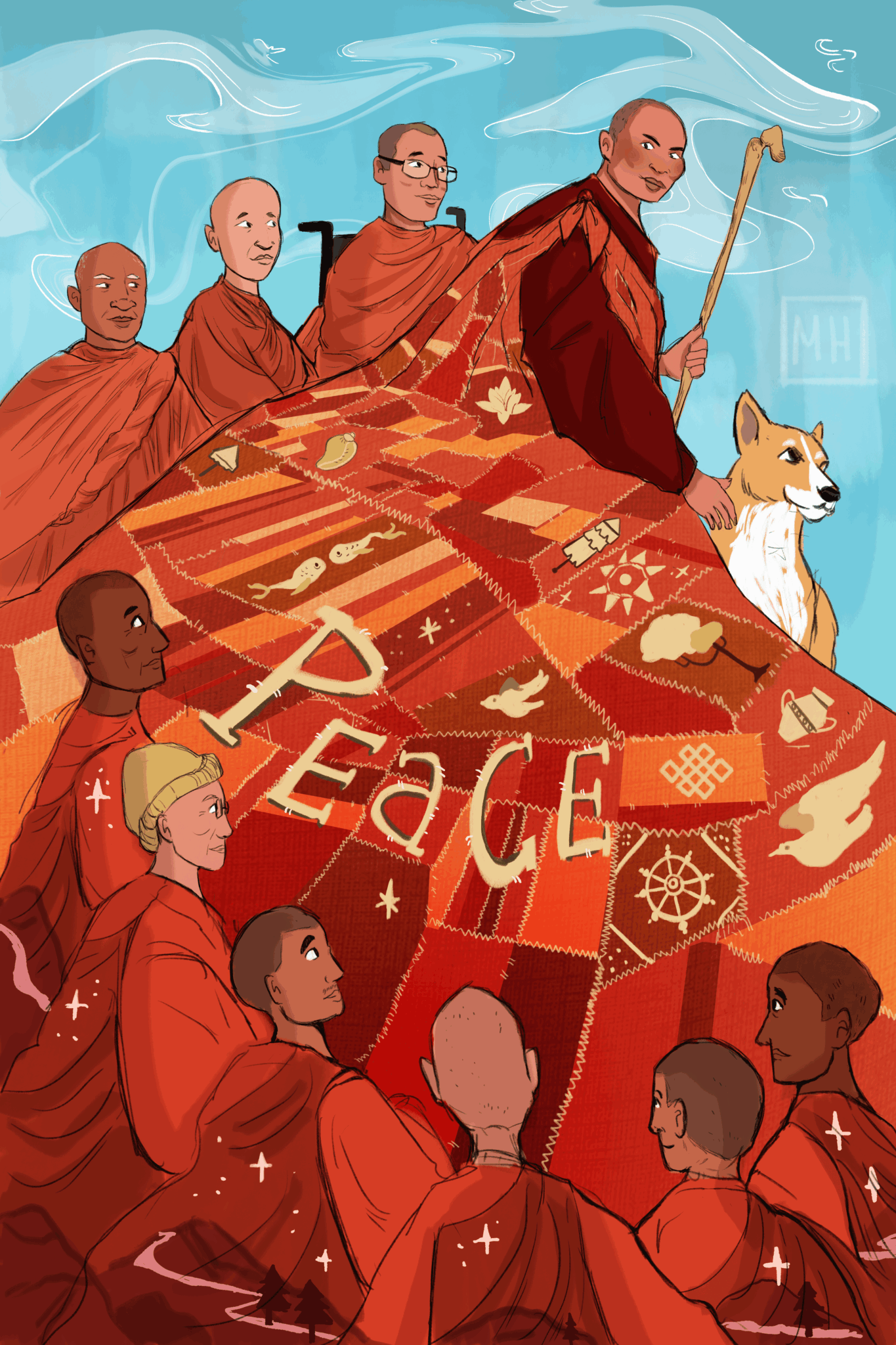
Let’s start with joy first. I love to draw Zen art. I’m a Zen Buddhist artist, and perhaps the most beautiful part of that experience is being connected to a shared lineage of other artists like me around the world, dating back to the birth of Buddhism. I never take that for granted, and I’m always reminded of all the other skills artists who came before me whom I see as my spiritual ancestors.
My father once told me that nobody would appreciate my art in the West. It’s too niche. It’s too narrow. In the beginning, I mostly drew as a form of meditation. It’s hard for me to sit still. My mind is always wandering, so the mindfulness comes out in my drawings. I posted some of it online, and I’ve gotten nothing but positive feedback. Over the years, I’ve been recognized by international spiritual leaders, but, more importantly, perhaps by young Asian Americans who are so detached from their cultures because of the immense pressure to assimilate, my art offers them a connection back to their ancestral heritage.
So I’m happy I didn’t listen to my father.
My art does touch people, but of course, there is a part two.
Lesson number two: your art isn’t for everyone, which is why you also need a plan B and make art you may not like.
Nothing touches my soul more than Zen Buddhism. It is the spiritual practice that I follow, and it has also become a distinct part of my brand. However, I also acknowledge that it’s not for everyone. You have to diversify and draw things you may not want to draw as part of your brand, but you need to find ones that still touch another aspect of your personhood.
For me, I love the 1950s. I love vintage style and fashion, so a segment of my art touches on that. I love to read. As part of my brand, I draw a lot of book merchandise, and I find like-minded people who also love literature through my art.
These two lessons sound contradictory, but their root is finding that balance.
Never listen to somebody who says that your art is not marketable. If you’re drawing it for yourself, you are a market demographic; you will find your people. But in the same breath, not everyone is going to be your people, and you should cast your net a little wider to another demographic. You don’t have to please everyone, but you have to please enough people to make a profit and a living.
Contact Info:
- Website: https://minhhuynhillustrations.com
- Instagram: @minh_for_the_huynh
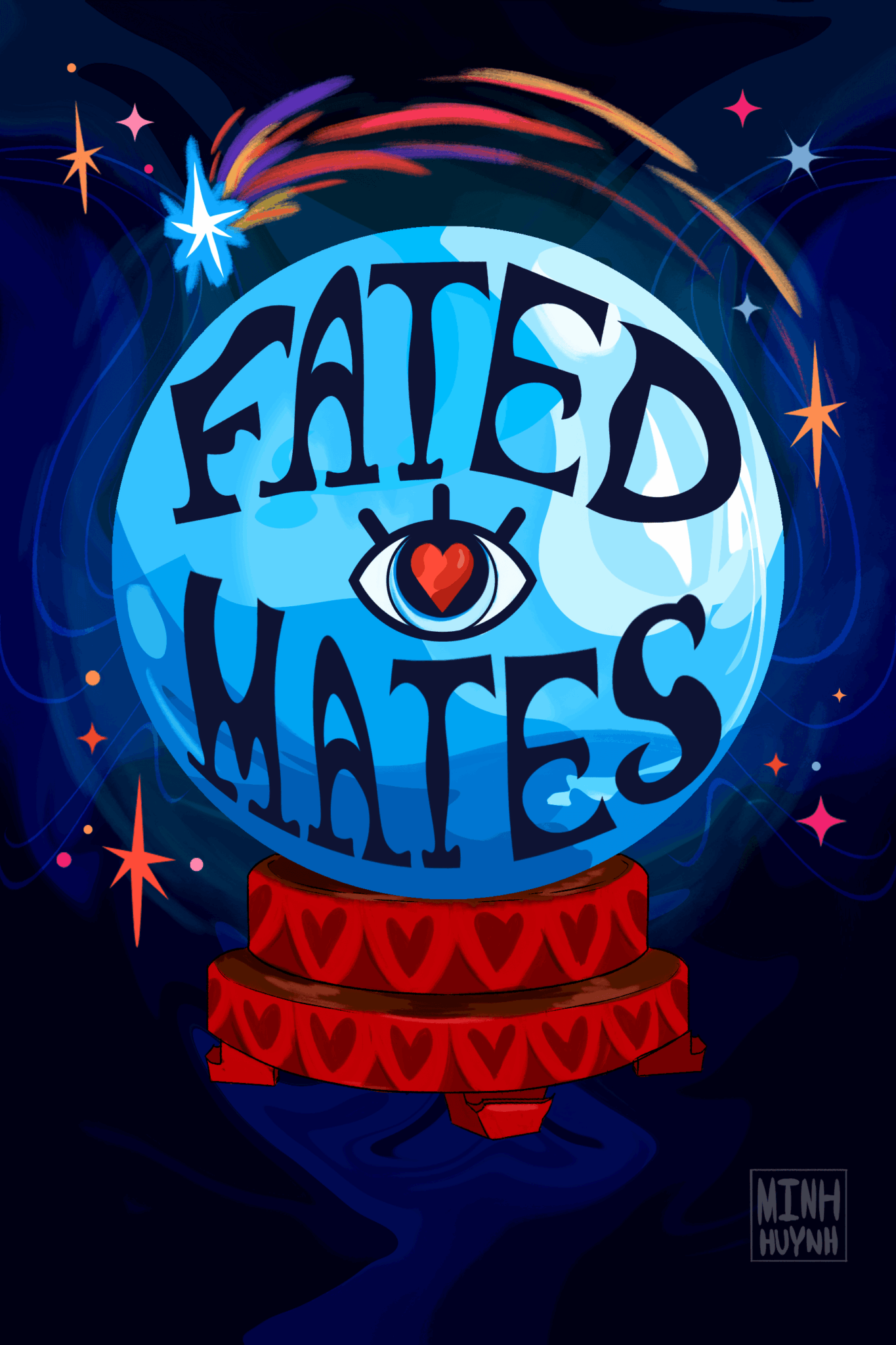
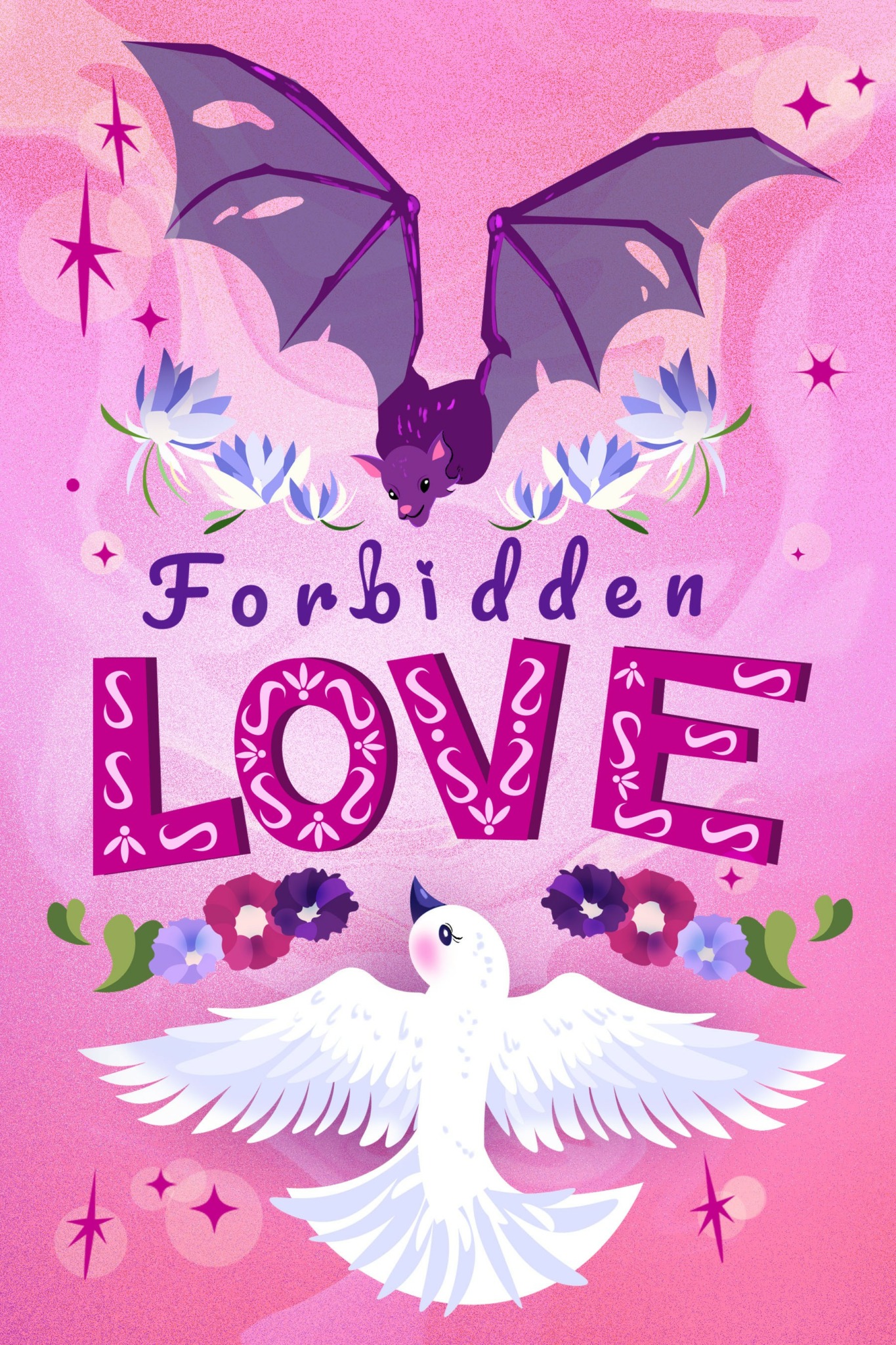
Image Credits
All work was done by the artist, Minh Huynh