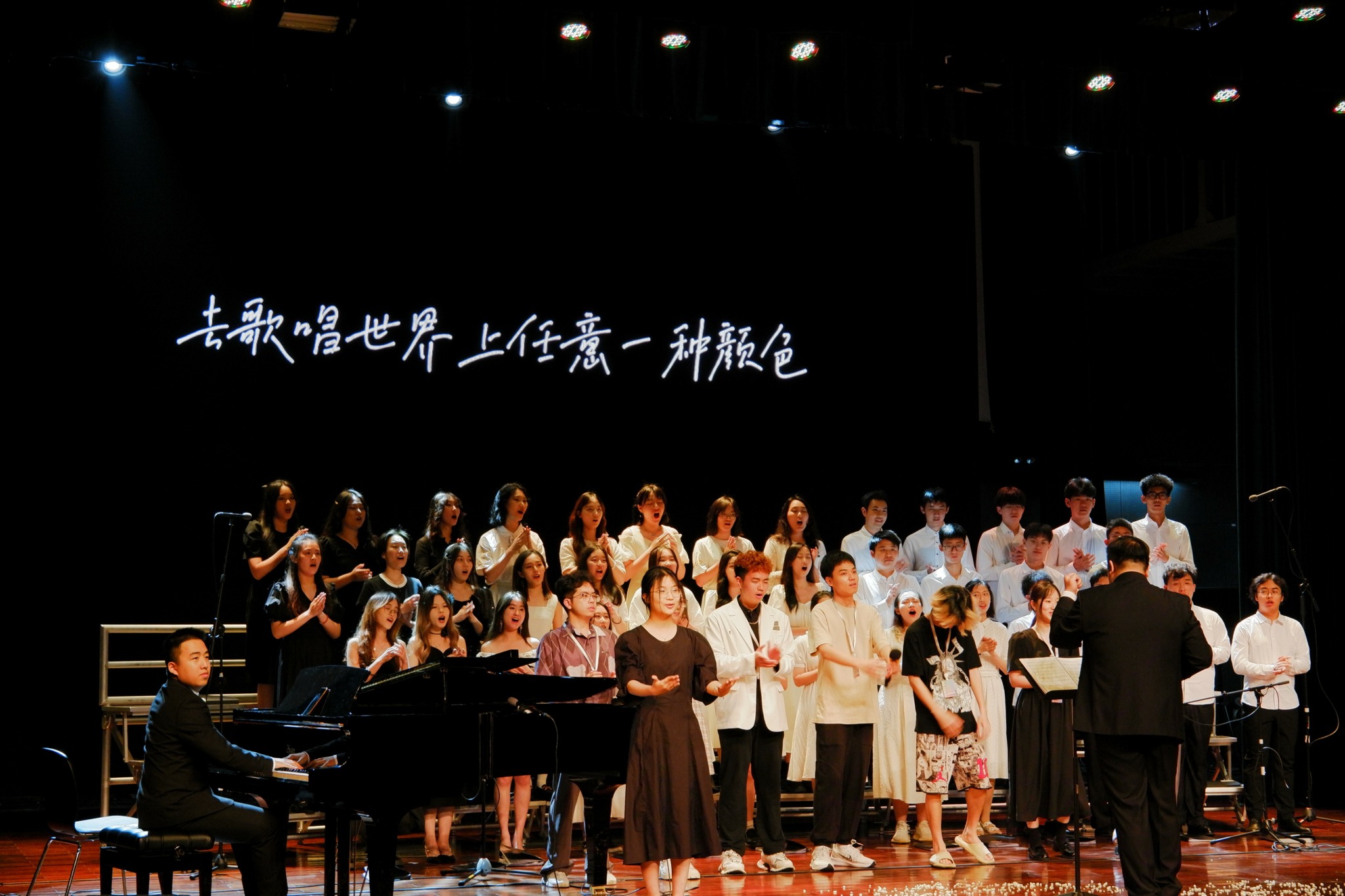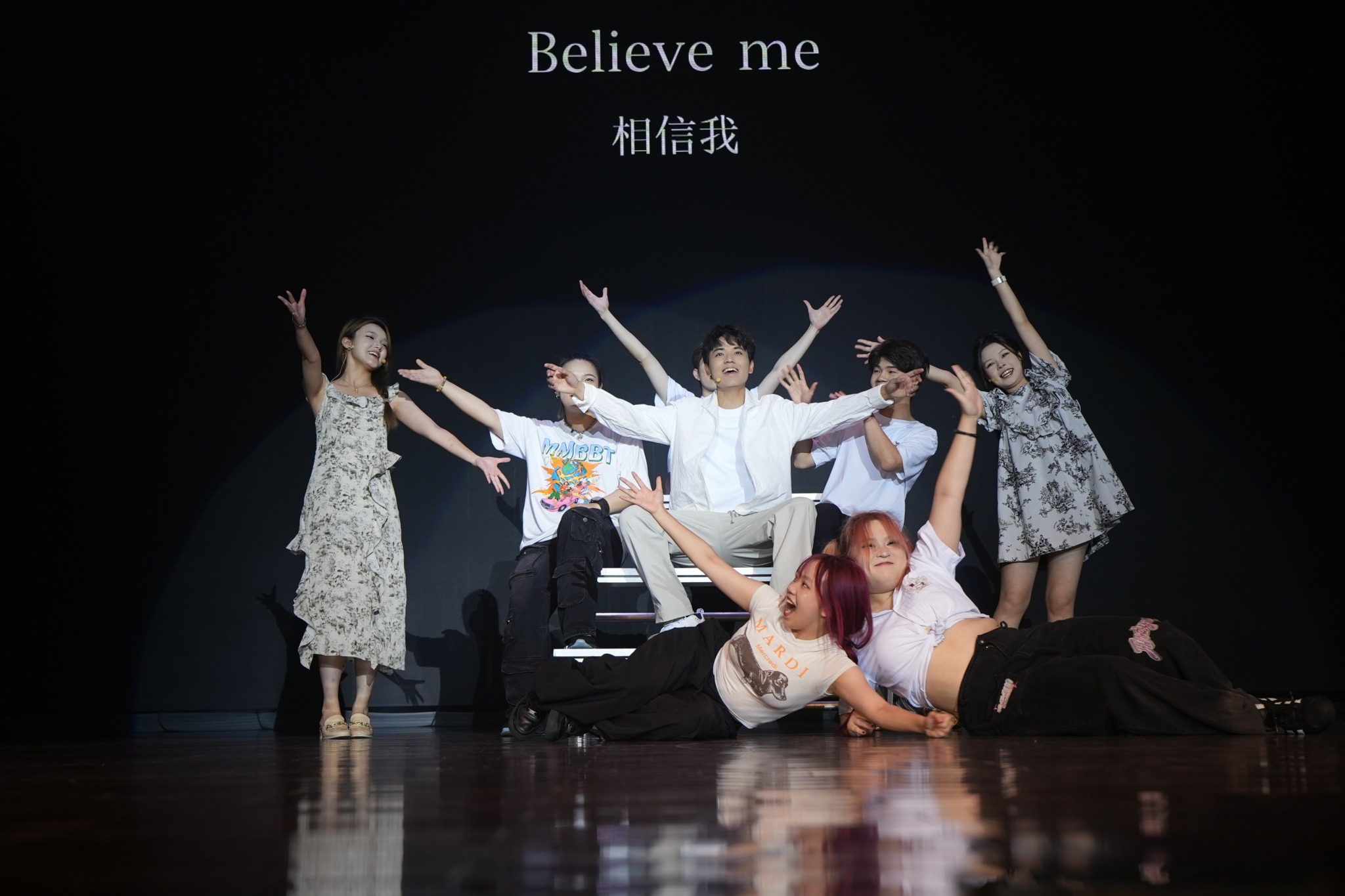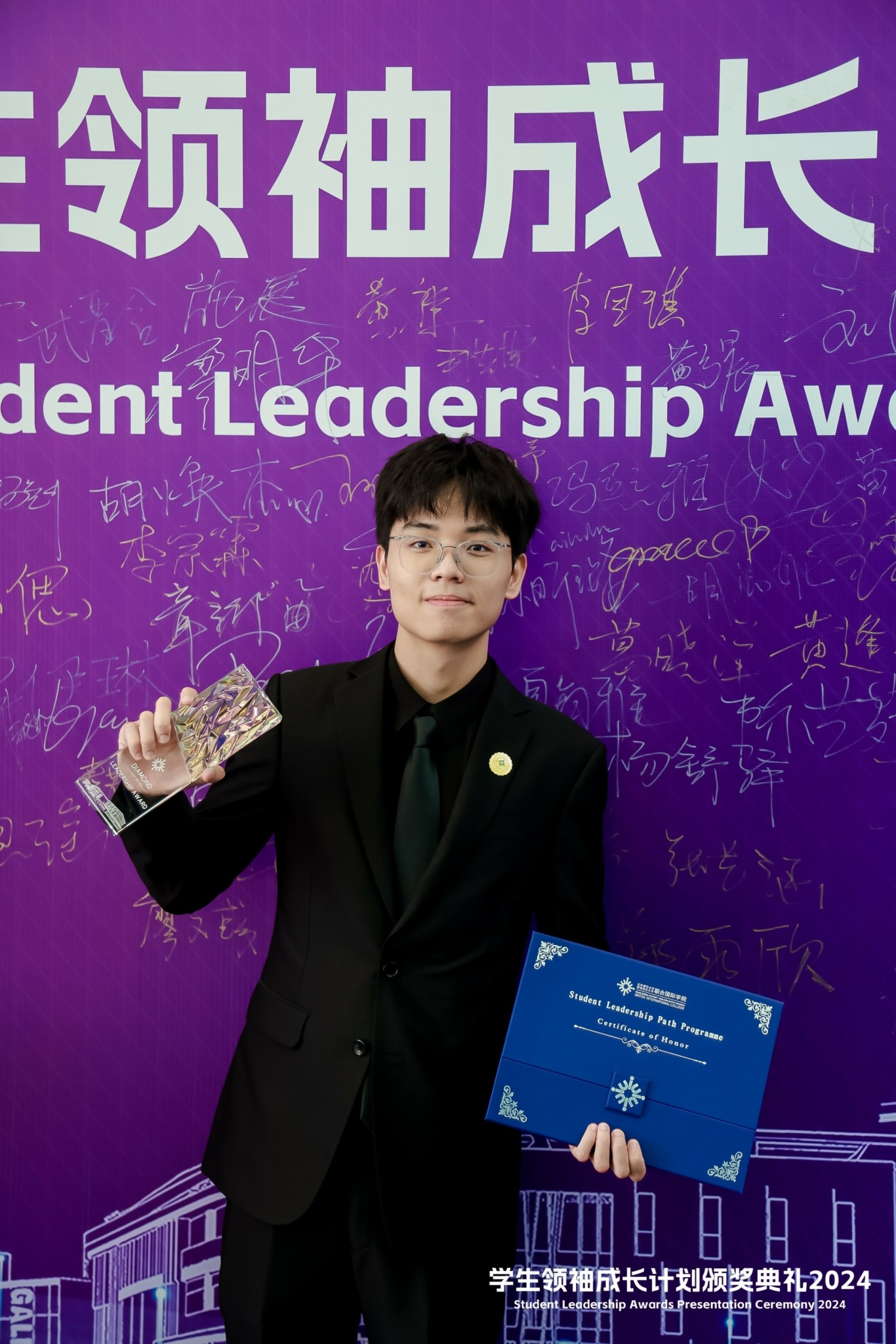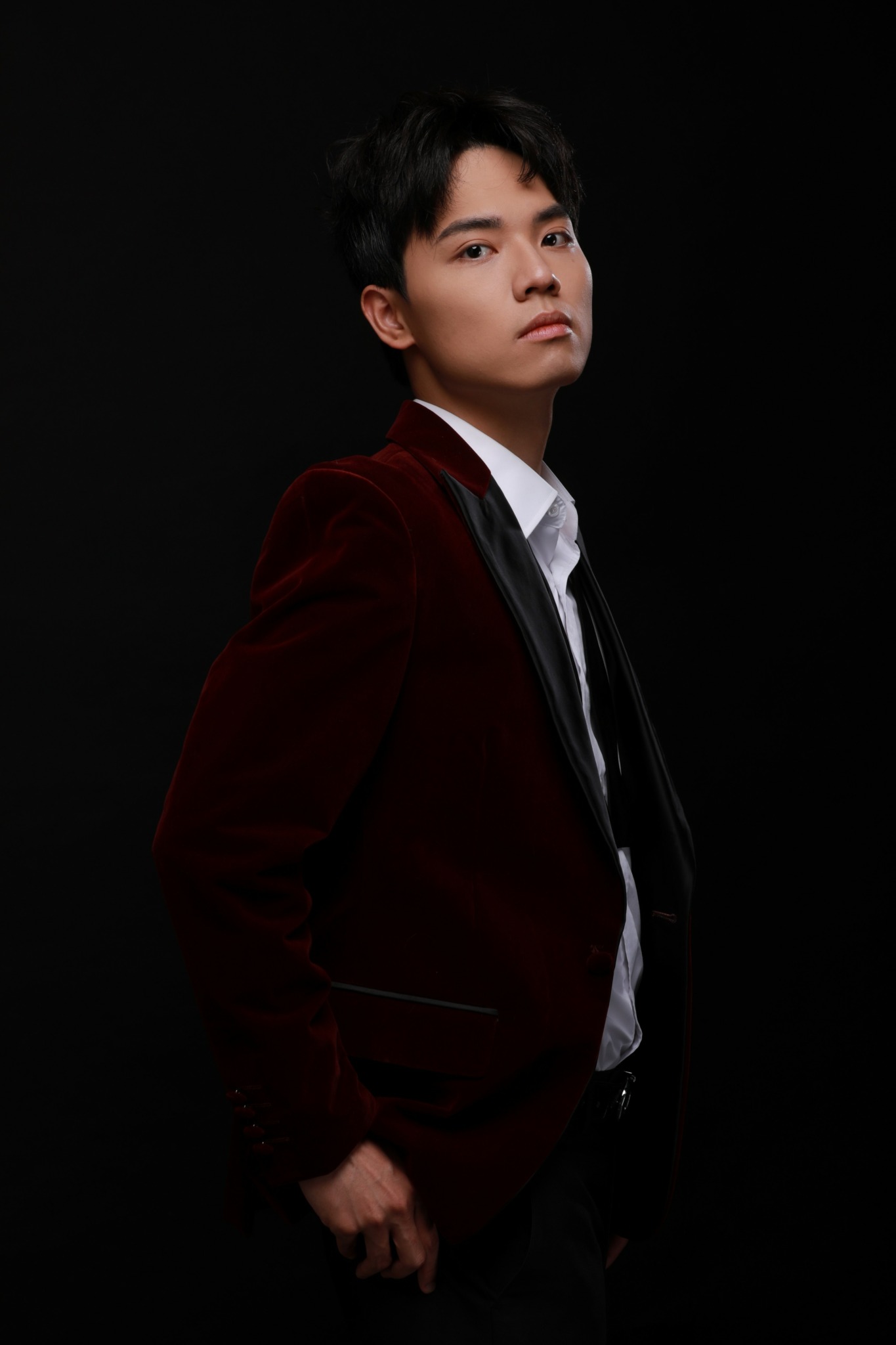

We were lucky to catch up with Minghua Liao recently and have shared our conversation below.
Minghua, thanks for joining us, excited to have you contributing your stories and insights. We’d love to hear about when you first realized that you wanted to pursue a creative path professionally.
In the fourth grade of elementary school, I began my journey in learning music. The first instrument I learned was the guitar. I have to say, learning the guitar was a real struggle for me back then—I could never quite press the strings correctly to form the chords. I don’t remember exactly what happened, but I told my parents that I wanted to become a musician and performer. Even though learning the guitar didn’t bring me joy, that dream was firm.
A year later, I gave up learning the guitar and switched to vocal music. I was happy to learn and sing some of my favorite songs. I longed to stand on stage and sing like the singers I admired, and that became one of my sources of motivation. So, I officially embarked on my vocal training and worked hard toward the goal of becoming an artist.
Stage performances fascinated me, but I was also afraid of performing. When I was about four or five years old, I made a mistake during a performance. My face turned completely red, and I felt extremely embarrassed. For my younger self, it was undoubtedly a huge blow. Because of this, for a long time after I started learning music, I lacked the courage to step onto stages that offered me opportunities to perform. Even choir competitions with my classmates made me extremely anxious and nervous. This state persisted until high school—I was afraid to sing and perform in front of people. I feared I wasn’t good enough, worried about cracking notes or going off-key, and dreaded anything that could embarrass me on stage.
It wasn’t until I began truly professional training that things started to change. My teacher preferred teaching in a group setting, where students took turns performing on stage while the others observed and learned from below. At first, I liked to go last because many students would leave by then, meaning fewer people would see me perform. My teacher noticed this and helped me build confidence. After forming friendships with the other students, I gradually overcame this psychological barrier. I started participating in competitions and practicing with friends, which helped me gain the courage to step on stage. By my final year of high school, I took part in the school’s singing competition and performed in front of a large audience—it was my first major performance. A good ranking and encouragement from my friends restored my confidence in performing on stage.
I began striving for music-related exams. Improvements in my singing technique made me less afraid of performing on stage, but I didn’t realize that singing had stopped bringing me joy and had instead become a burden. I started obsessively pursuing technical perfection, aiming for flawless performances like a singing machine. I even struggled to understand the lyrics of the songs deeply. Failures in exams made me question the dream I had held onto for so long—I began to doubt my talent and efforts.
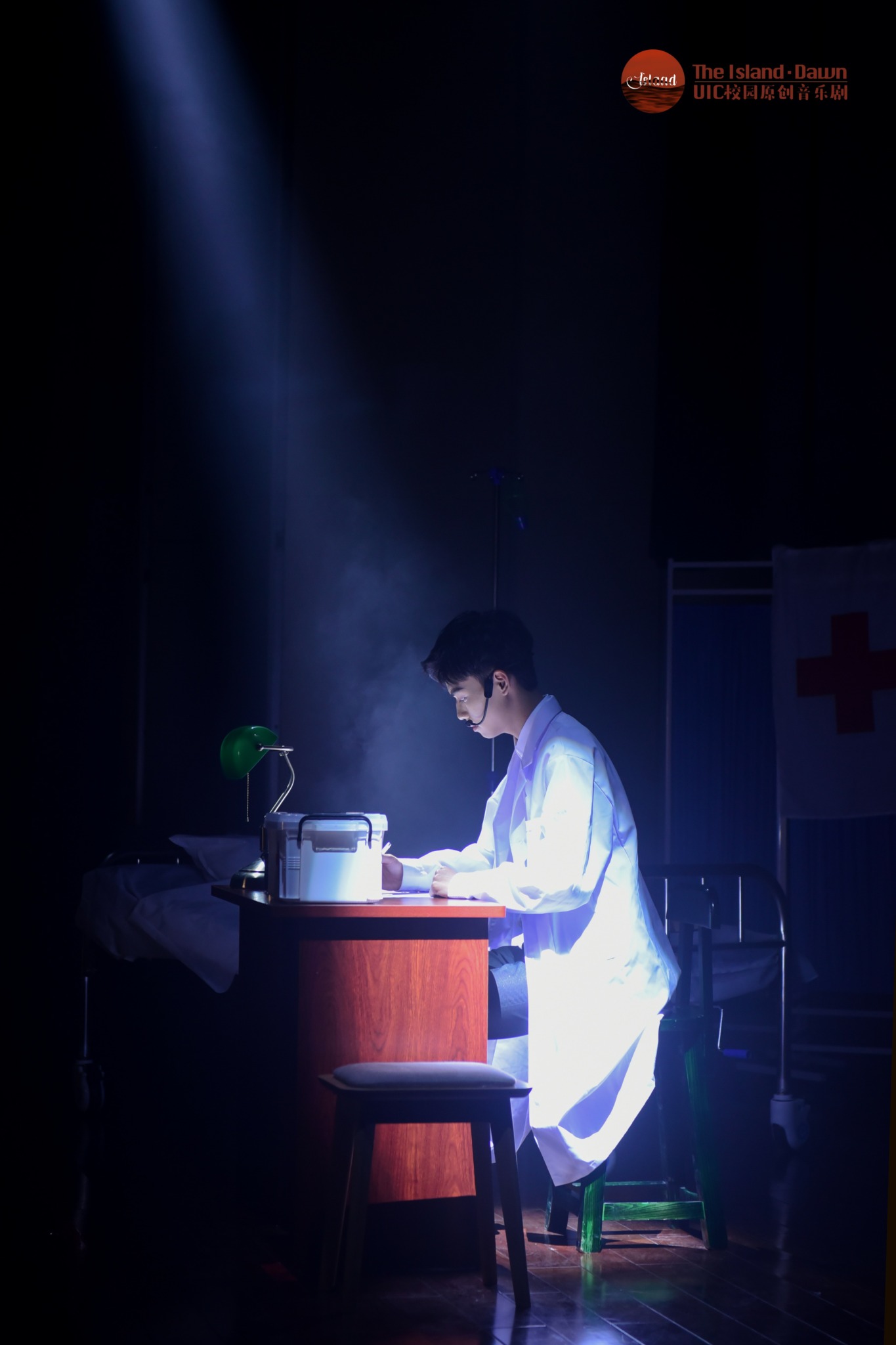
When I entered university, I decided to change my previous mindset. I joined many clubs, participated in numerous performances and competitions. It was this shift that brought me a crucial opportunity to alter my career trajectory—a role in an original campus musical. From scriptwriting to stage planning, our crew developed deep friendships. I often discussed different interpretations of my character with the director, exploring every line and every movement, searching through countless possibilities to find the choices that best matched our vision of the role. The entire process was fun and challenging—it was the first time I deeply understood the art of musical theater.
Musical theater is not simply singing or drama. Although I can’t define this great art form, I know what element attracts me the most—the story. I found a guiding light: music is a vehicle for expressing stories. Every melody and every word is an essential part of a story. So, I began exploring stories, eager to become a storyteller.
I started creating various stages in clubs—whether it was acting, planning, or directing, I produced works that I’m still proud of. My goal is to tell these stories to everyone who needs them, to become a storyteller. And now, I am here, looking forward to all the possibilities the future may hold.
Minghua, before we move on to more of these sorts of questions, can you take some time to bring our readers up to speed on you and what you do?
My name is Minghua Liao. I am from China, and I am currently a second-year graduate student in the Vocal Performance: Musical Theatre program at NYU.
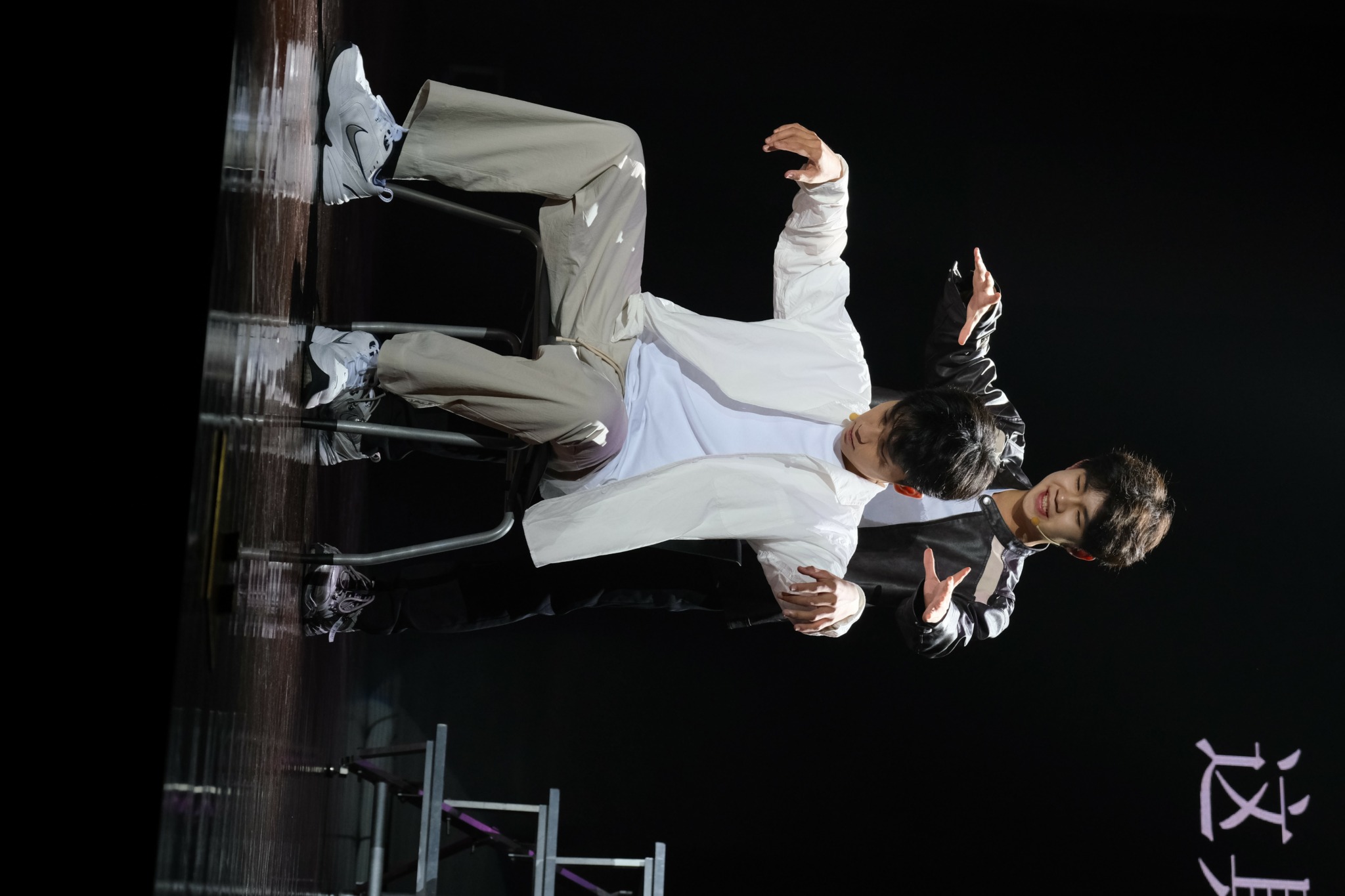
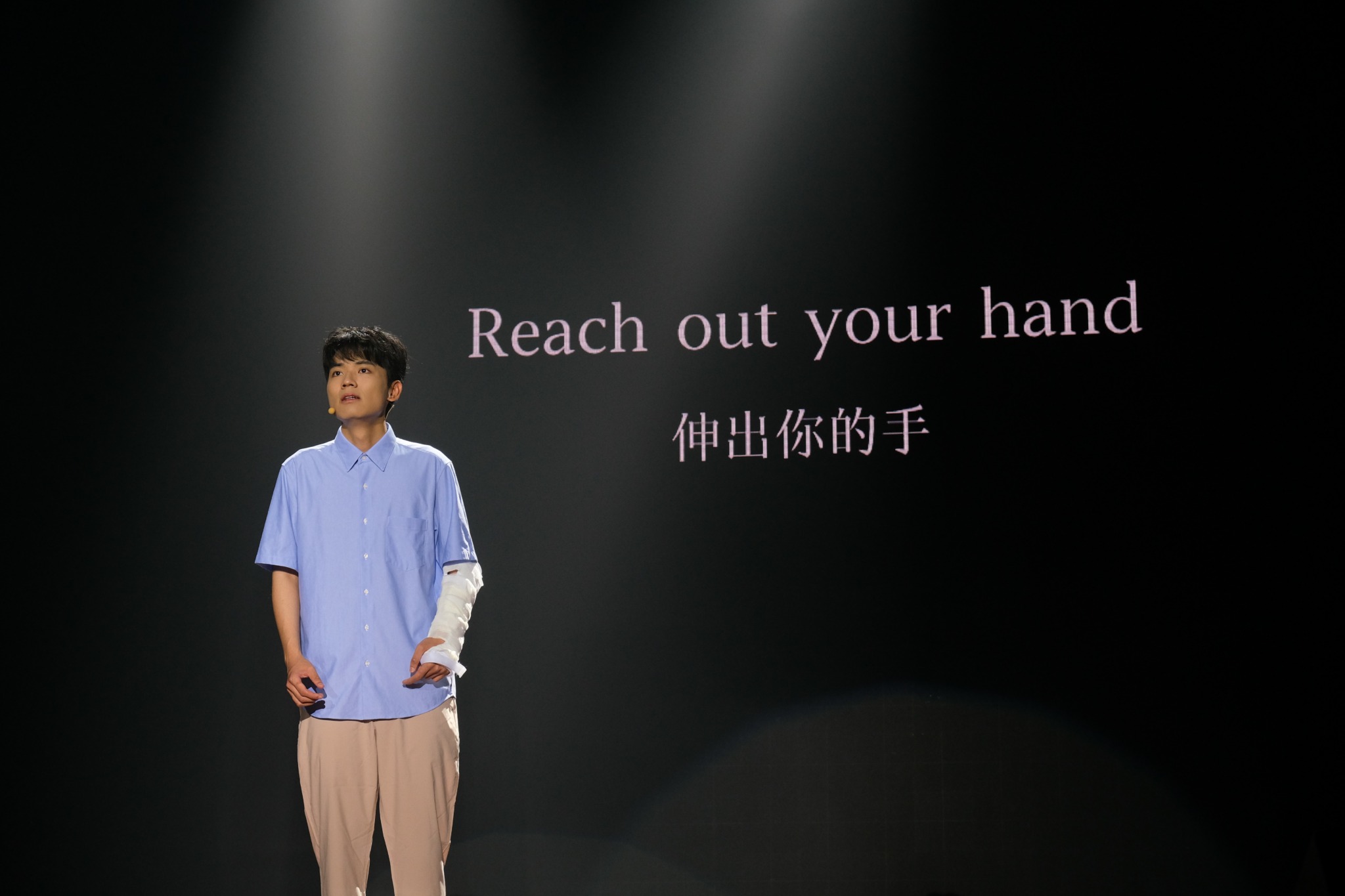
My musical theatre journey truly began with an original musical project at my university. I take great pride in having built a stage career that isn’t limited to just performing. I treat every campus club concert and my own recitals as platforms for storytelling. I have designed numerous stages and written many stories. I love focusing these stories on marginalized groups in society, which also includes some of my own personal experiences and observations. I want these narratives to make visible the struggles of people facing hardships in life or within society—including those dealing with depression, individuals experiencing school bullying or other forms of abuse, and others. While I can’t claim to change their circumstances, I hope to bring their existence into the public eye. I believe that visibility is the most powerful starting point for any meaningful change.
While sharing these stories with the audience, my greatest aspiration is to depict the underlying causes and the psychological states of the characters in a way that allows the audience to empathize deeply. For instance, I aim to portray the connection between the psychological and physiological states of people with depression—what it feels like during an episode, their physical condition, and so on. Or, explore the complex social dynamics between the bullied and the bullies, along with their contrasting mental states. Only when people truly understand and can empathize with their experiences can we genuinely help them.
What do you find most rewarding about being a creative?
As an artistic or creative professional, I believe imagination and execution are two of the most valuable qualities.
For me, imagination is the finest tool for both creating and discovering stories. Whether it’s delving into a character’s inner world, constructing a scene, or designing a single movement or an entire stage, imagination allows me to expand without limits, free from the constraints of time and space. A brilliant idea can strike at any moment, anywhere. Throughout this process, imagination also helps me clarify what I truly want, what I wish to express, and how I intend to present it to the audience. All of this, I believe, is the most precious asset for a creative individual.
Execution is the indispensable partner to imagination. It enables me to capture every idea, ensuring no spark of inspiration is wasted—because each one is unique and valuable. Execution is also responsible for turning concepts into reality, transforming rich imagination into tangible art presented before the audience. It is the powerful ally that gives imagination its force and form.
In your view, what can society to do to best support artists, creatives and a thriving creative ecosystem?
Free and equal expression allows the artistic ecosystem to thrive. Today, we live in a world of freedom of speech, enjoying the rights granted by society and law to express our personal views. This has led to the emergence of diverse perspectives in society, which is a positive development. However, when exercising our right to free expression, we must ask ourselves: Are we expressing and discussing our views equally and objectively? Are we understanding and accommodating voices that differ from our own? Are we being considerate of others’ feelings or maintaining civility when we express ourselves?
In my understanding, no two debatable viewpoints are entirely irreconcilable, because those engaged in discussion inevitably see issues from different angles. As art serves as a medium for creators to express their perspectives, it is almost inevitable that some of these perspectives will clash with those of others. In such situations, what we need to do is to fully understand both the viewpoints and the perspectives behind them, express ourselves and engage in discussions with equality and objectivity, and avoid extreme attacks or bullying. This approach will ultimately support a healthy and dynamic creative ecosystem for art.
Contact Info:
- Instagram: leo_mhliao
- Other: Rednote: 唐纳华Leo