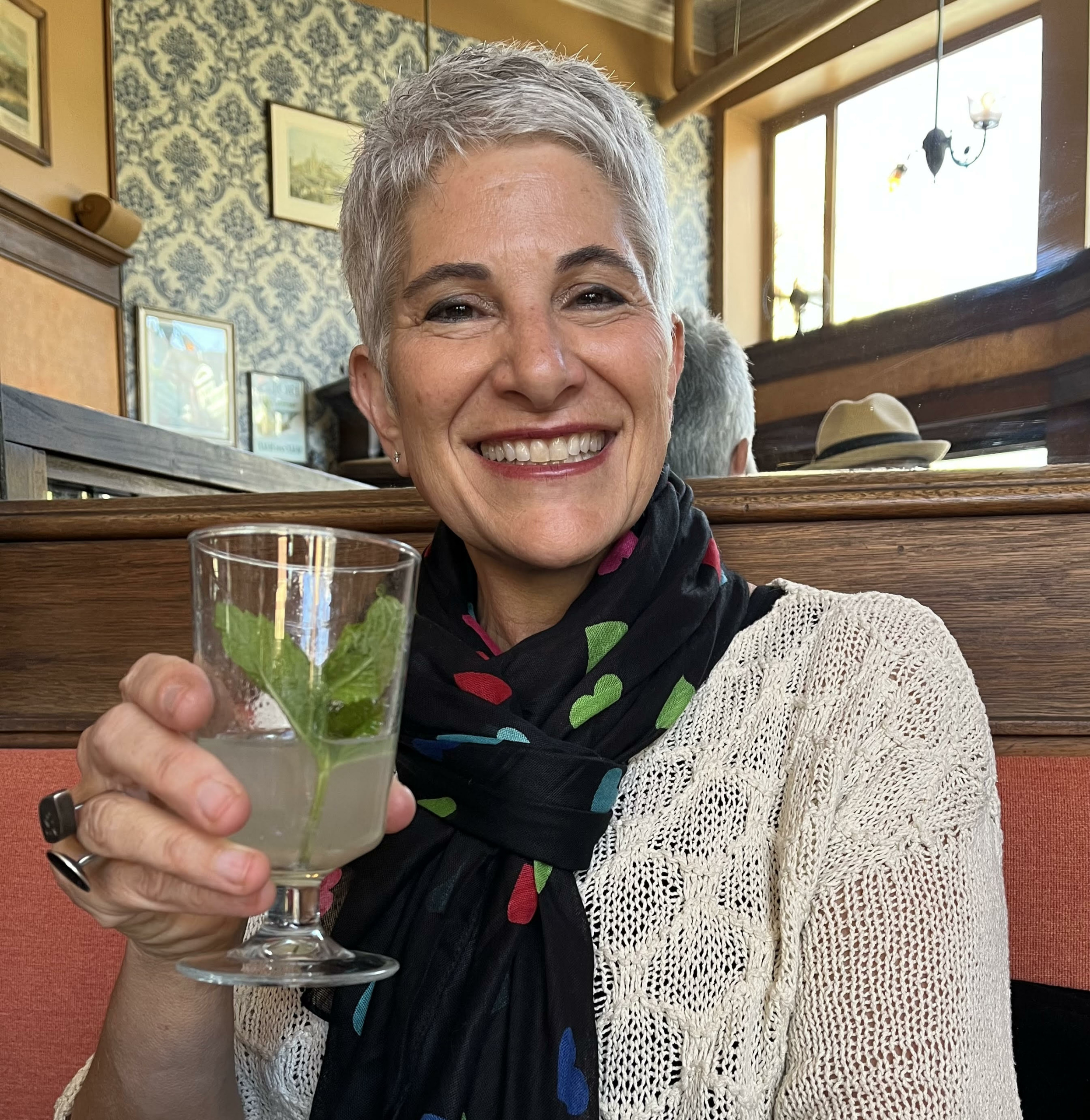
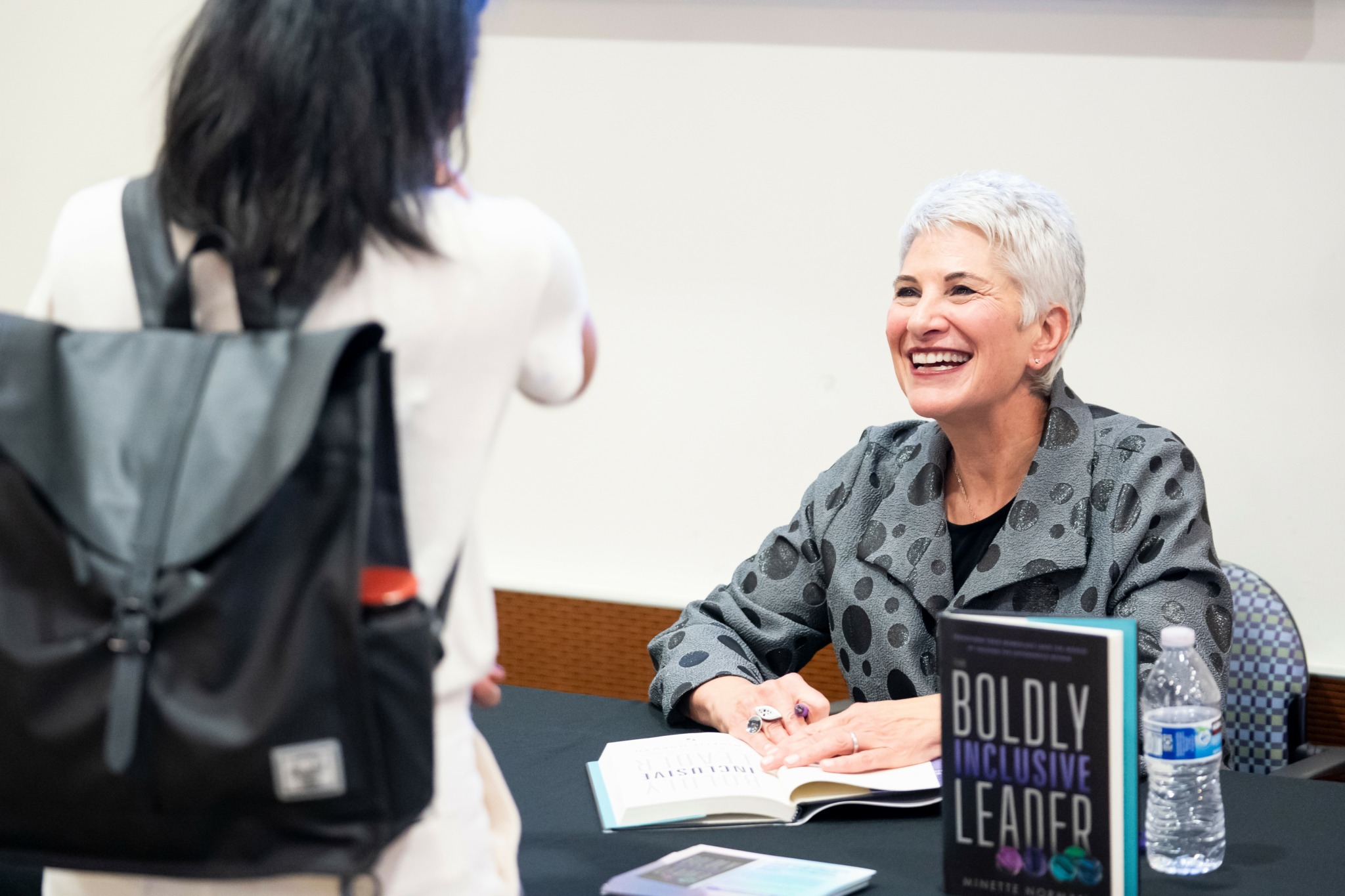
We caught up with the brilliant and insightful Minette Norman a few weeks ago and have shared our conversation below.
Minette, appreciate you joining us today. Any thoughts around creating more inclusive workplaces?
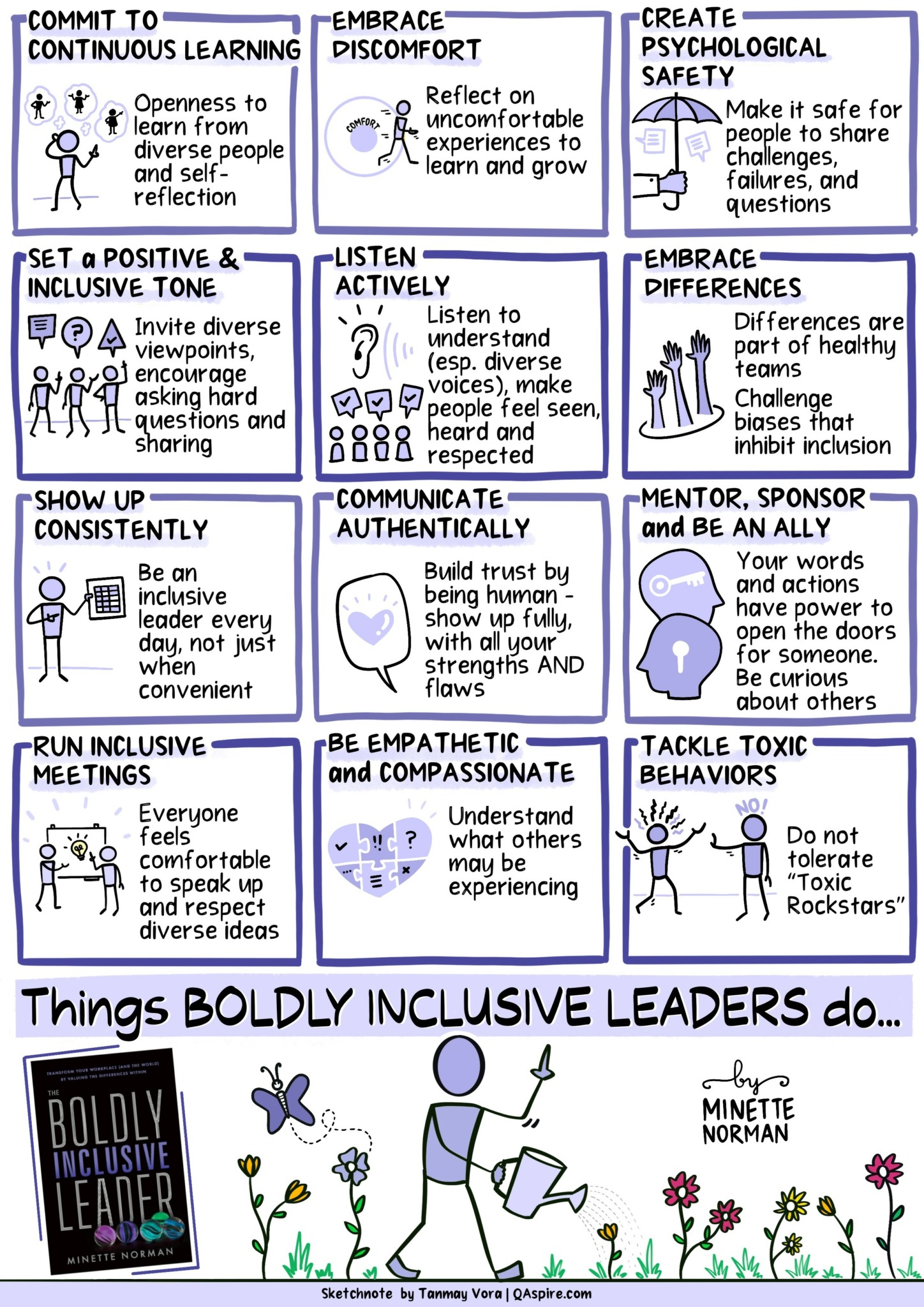
Leaders play a crucial role in fostering an inclusive environment, and many leaders are unaware of the impact of their everyday behavior. Consciously or unconsciously, leaders set the tone with what they communicate and stay silent about, what they reward and punish, and how they respond and interact with their team members and colleagues.
What does it mean to feel included at work? It means that everyone is seen, heard, and valued for who they are and how they think. It also means that everyone has the same opportunities as others. To create an inclusive workplace culture, we must ensure that no one feels like an outsider. That means that we need to be open to different ideas and perspectives. We have to listen with curiosity, even when we disagree. We need to get to know people we don’t naturally “click” with.
What I saw all too often in my decades in the software industry was the prevalence of in-group and out-group dynamics. The people in the in-groups got the interesting assignments, higher visibility, and more opportunities. They were listened to and respected when they spoke. The people in the out-groups were often overlooked for promotions, stretch assignments, and opportunities to interact with senior leaders. They were ignored, interrupted, or put down when they spoke.
Creating a more inclusive workplace means challenging our prevailing norms and behaviors to eliminate the in-group and out-group dynamics. A great place to start is to reevaluate how you run meetings. A few tips for more inclusive meetings:
– Send an agenda and pre-reading material to give people time to prepare. If you don’t do this, you’ll find that the extroverts and strongest personalities will dominate the meeting while others stay silent.
– Establish ground rules for meetings to ensure everyone can fully participate.
– Try time-boxed turn-taking to ensure everyone has a chance to speak, and no one monopolizes the airtime.
– Consider the “no one speaks twice until everyone speaks once” rule.
– Use online whiteboard tools to capture ideas silently before discussing them.
As always, we appreciate you sharing your insights and we’ve got a few more questions for you, but before we get to all of that can you take a minute to introduce yourself and give our readers some of your back background and context?
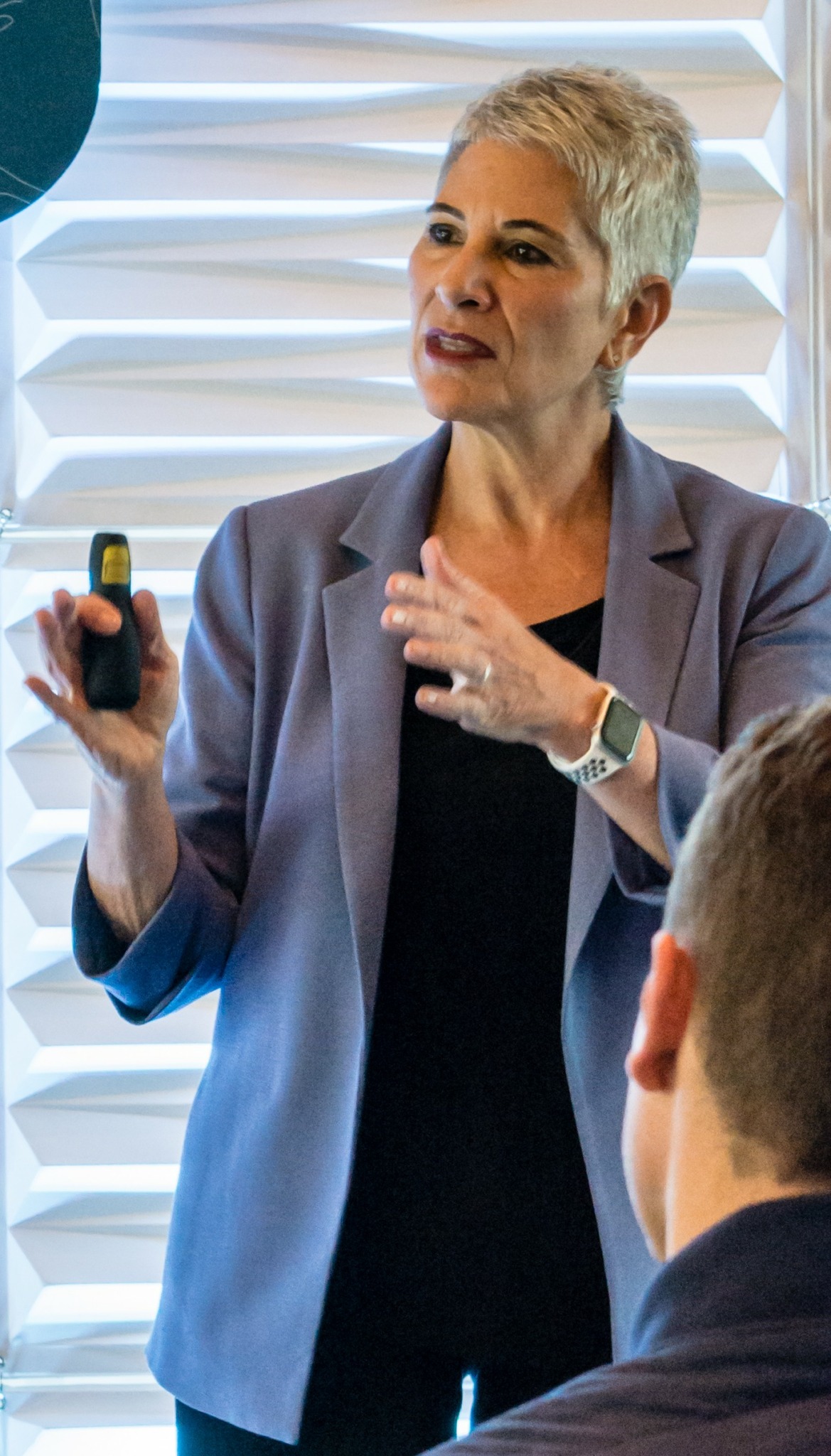
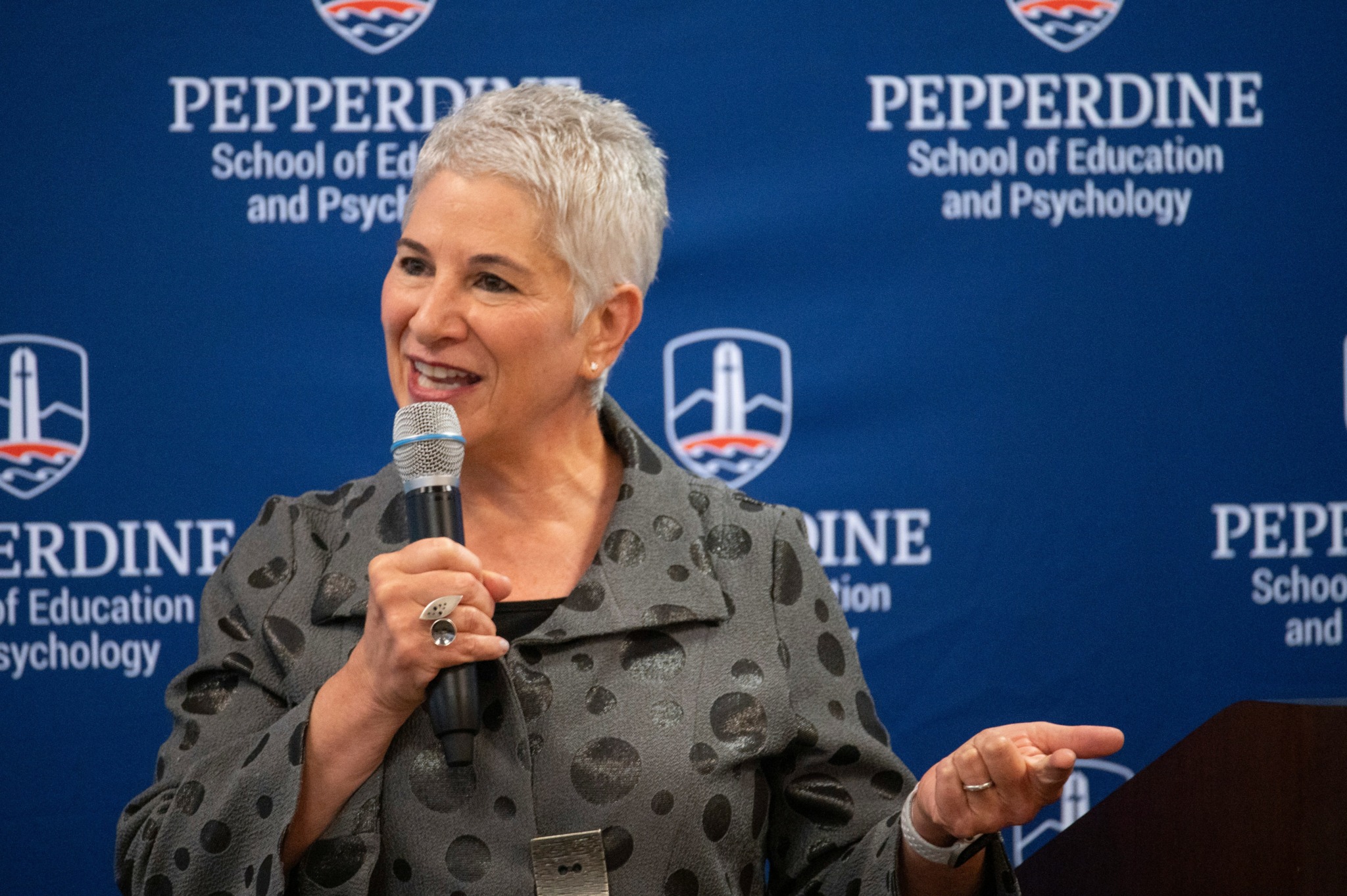
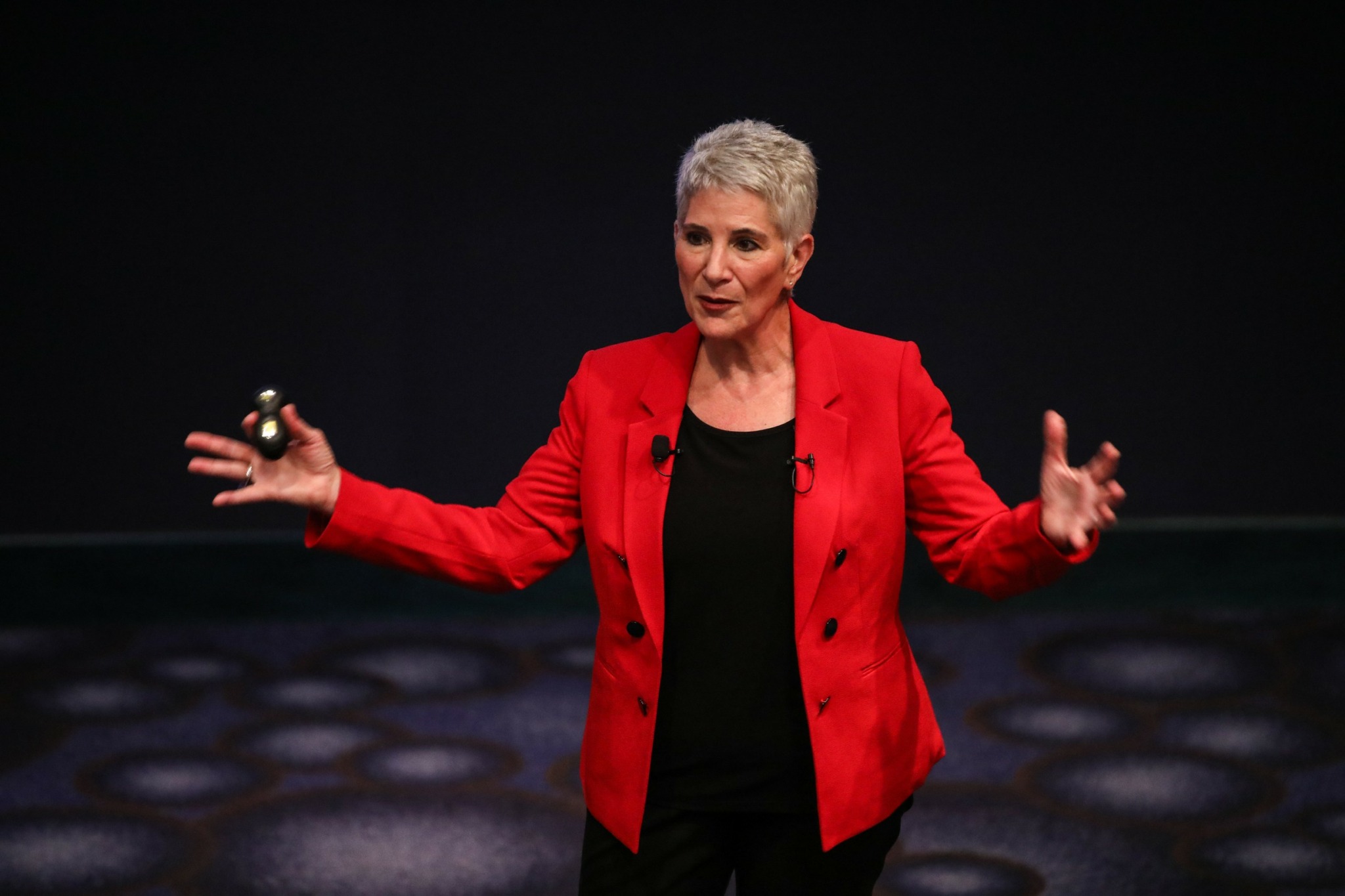
I’m an author, speaker, facilitator, and consultant focused on inclusive leadership. I started doing this work in 2020 after a 30-year career in the software industry. I offer keynote speeches, fireside chats, workshops, consulting, and advisory engagements to help leaders create a more inclusive workplace culture.
I come to this work with 20 years of leadership experience, which means that none of this work is theoretical or academic for me–my expertise comes from real-world experience leading global teams.
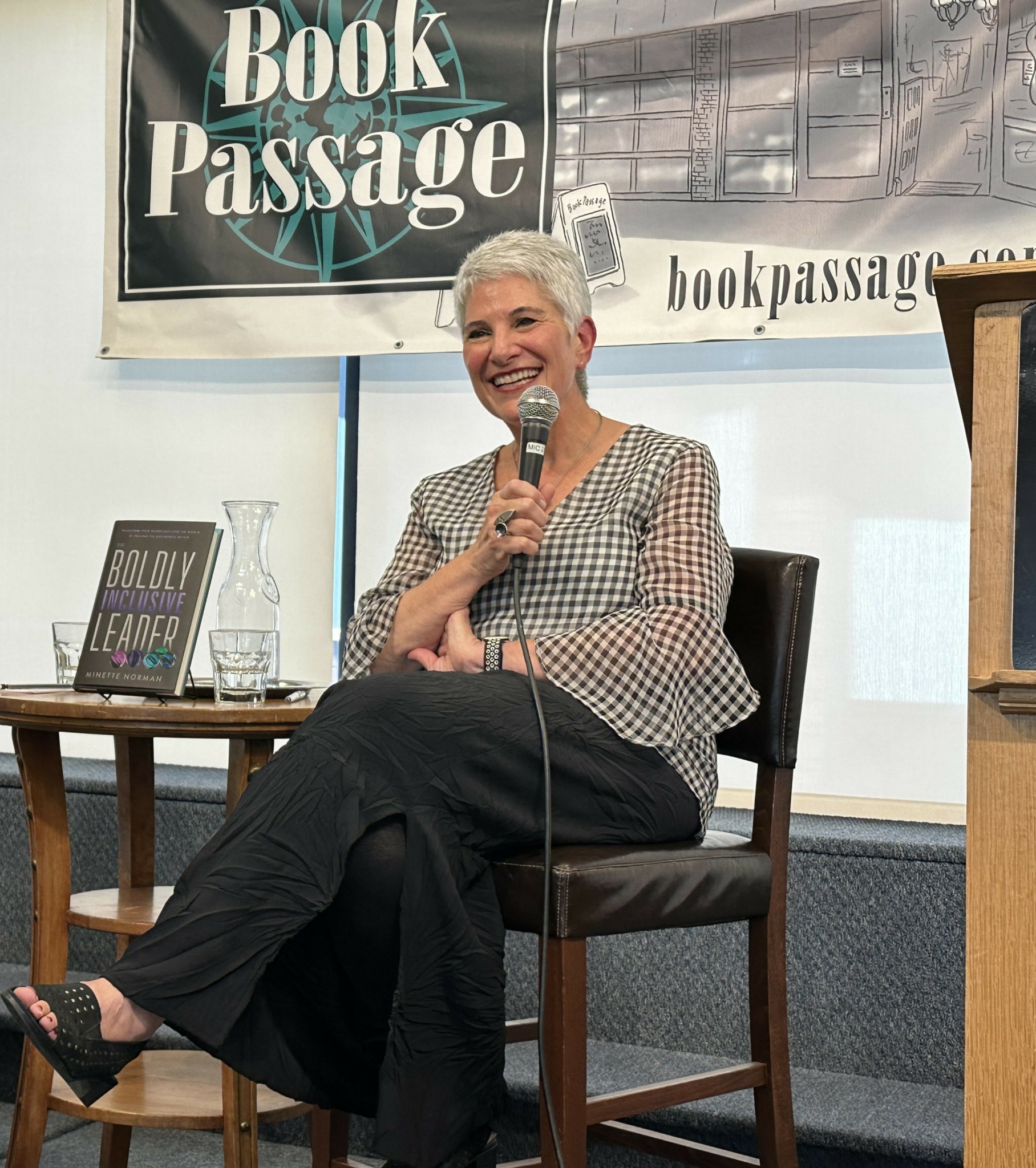
As the author of The Boldly Inclusive Leader and the co-author of The Psychological Safety Playbook, I am committed to sharing everything I’ve learned over my long career to help other leaders create thriving workplace cultures.
What else should we know about how you took your side hustle and scaled it up into what it is today?
In my last corporate role, I was VP of Engineering Practice in a large software company. In that role, I took on several “side hustles,” including mentoring many, serving as an executive sponsor for an Employee Resource Group, and volunteering to help our Diversity, Equity, and Inclusion team.
Over the five years I spent in that VP role, my side hustles were more inspiring to me than my official job. I saw that leaders were ill-equipped to lead equitably and inclusively, even if their intentions were good. Many of the people I mentored and interacted with shared stories of toxic team environments. I experienced bullying firsthand, which was what led me to leave the software industry and start my consulting and speaking business.
I decided that the most important, impactful, and meaningful work I could do was to focus on helping leaders do better. The world needs boldly inclusive leaders.
Can you tell us about what’s worked well for you in terms of growing your clientele?
Writing two leadership books has been the most effective way I’ve grown my clientele. Another author I know told me that a book is the best marketing tool you can have, and I’ve found that to be true. People who discover my books invite me to speak or run a series of workshops for them.
When I started my business in 2020, my first clients were software companies because that was where my network was. Since the books were published, I’ve had clients from more industries than I’d have ever imagined, including federal and state government agencies, universities, school districts, pharmaceutical companies, food companies, energy companies, and more.
Contact Info:
- Website: https://www.minettenorman.com/
- Instagram: https://www.instagram.com/minettenorman/
- Linkedin: https://www.linkedin.com/in/minettenorman/