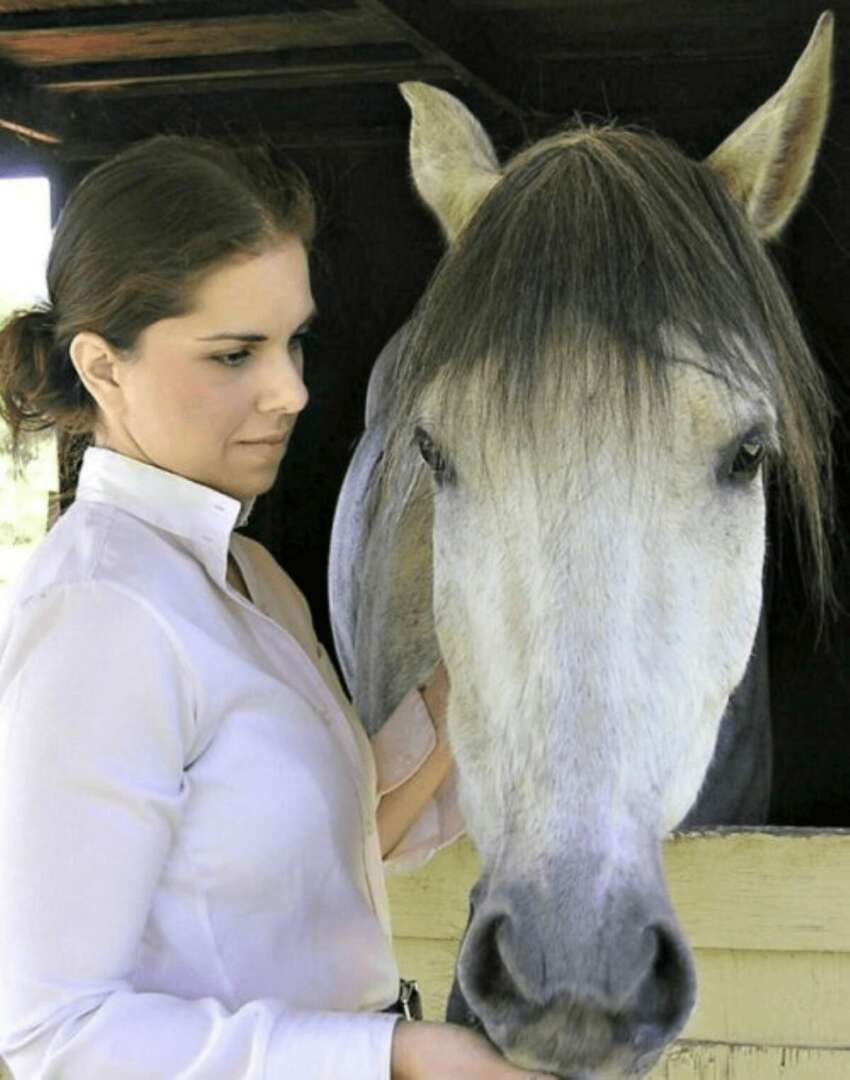

We caught up with the brilliant and insightful Mimi Matthews a few weeks ago and have shared our conversation below.
Mimi, thanks for taking the time to share your stories with us today We’d love to hear about a project that you’ve worked on that’s meant a lot to you.
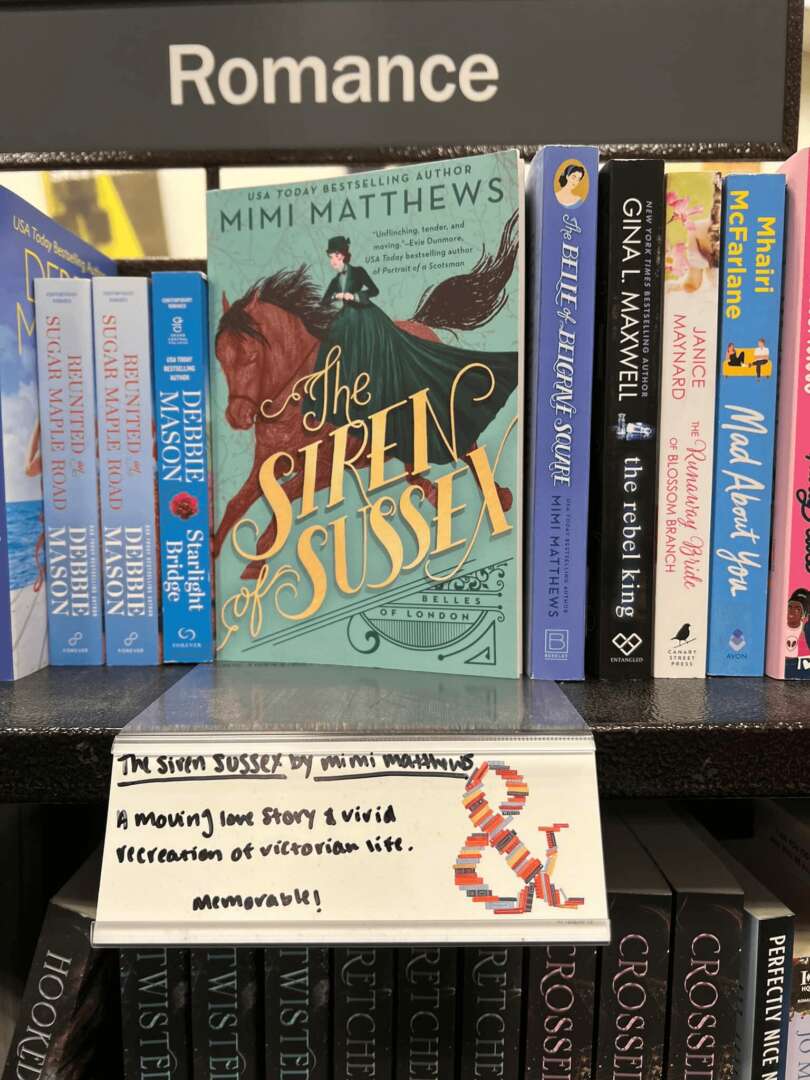
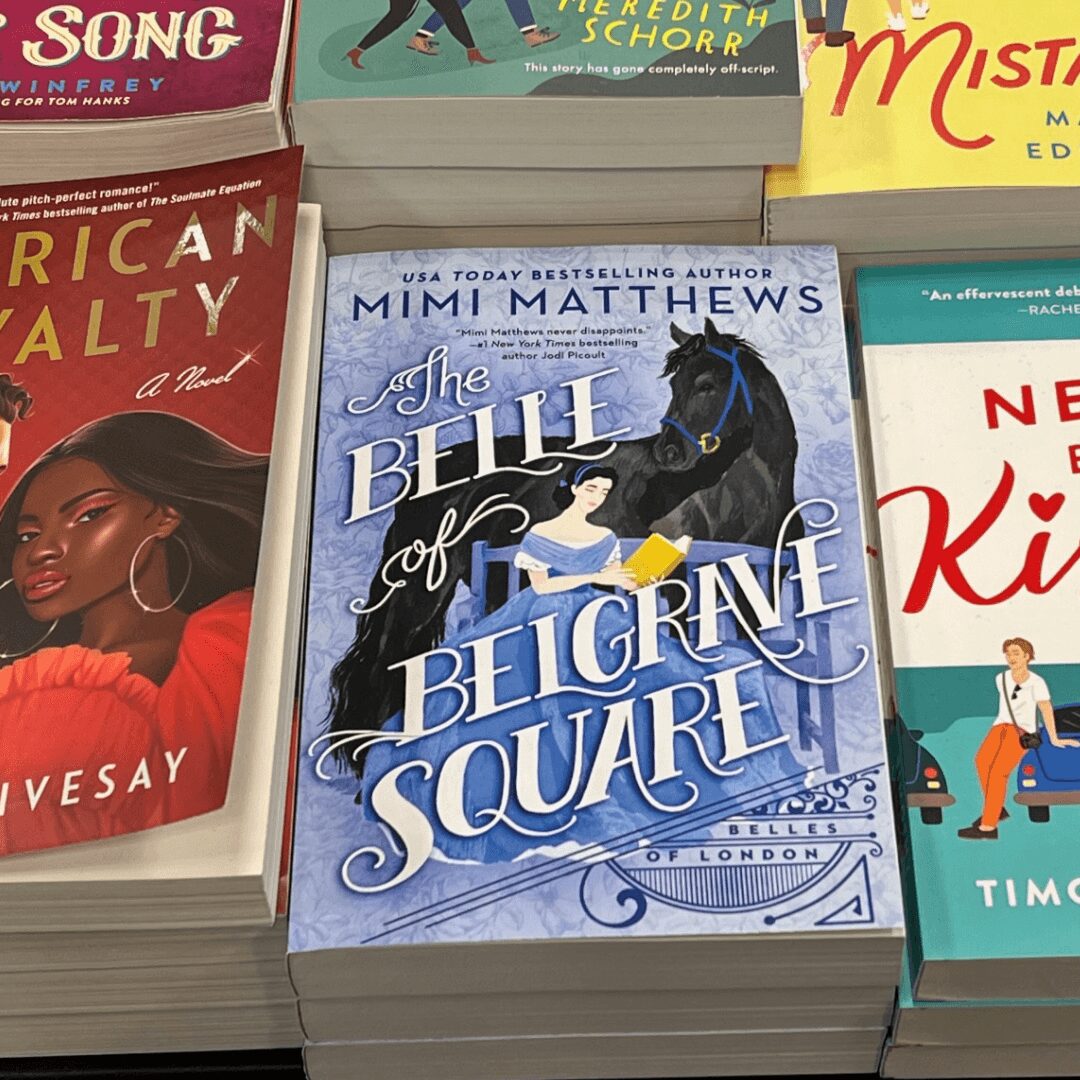
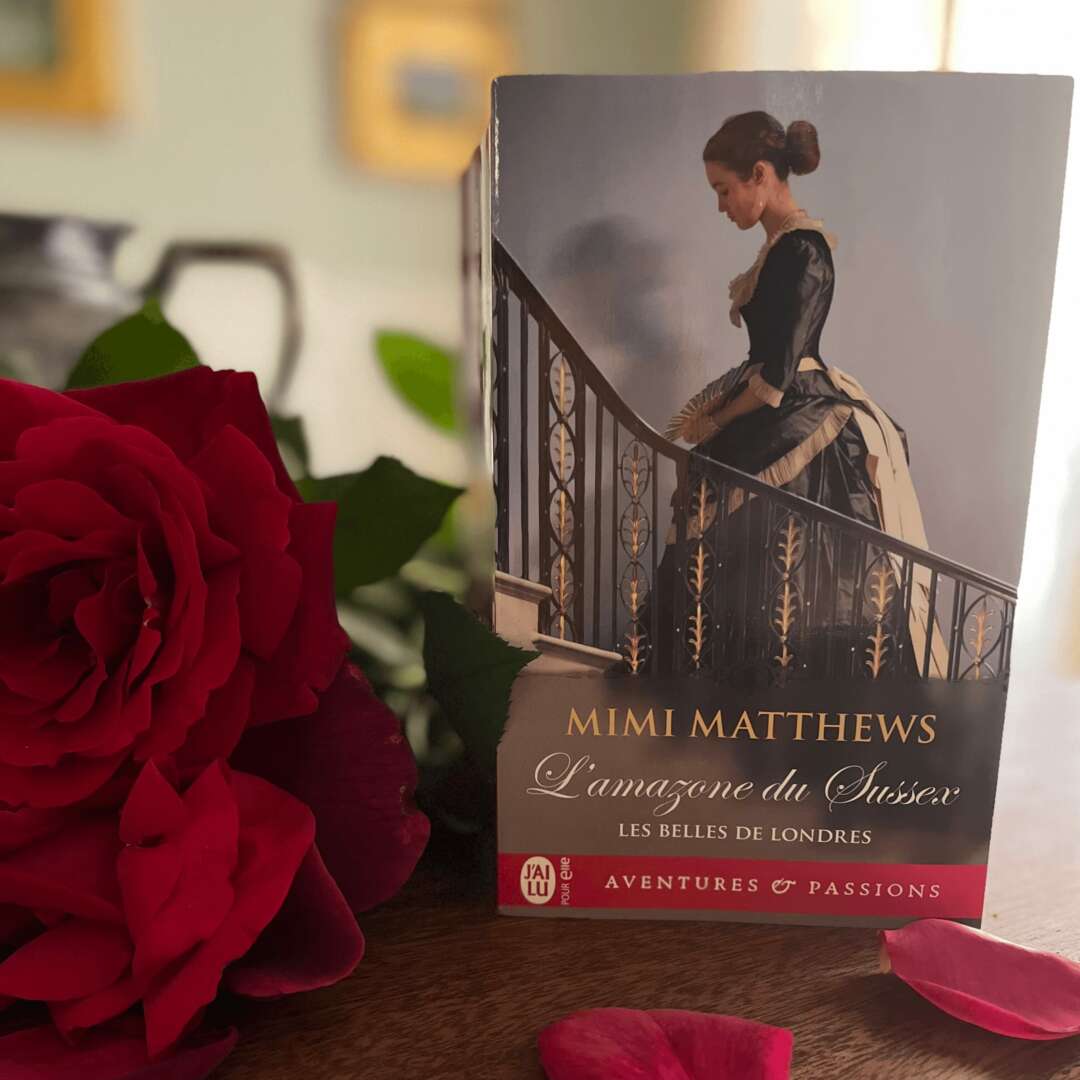
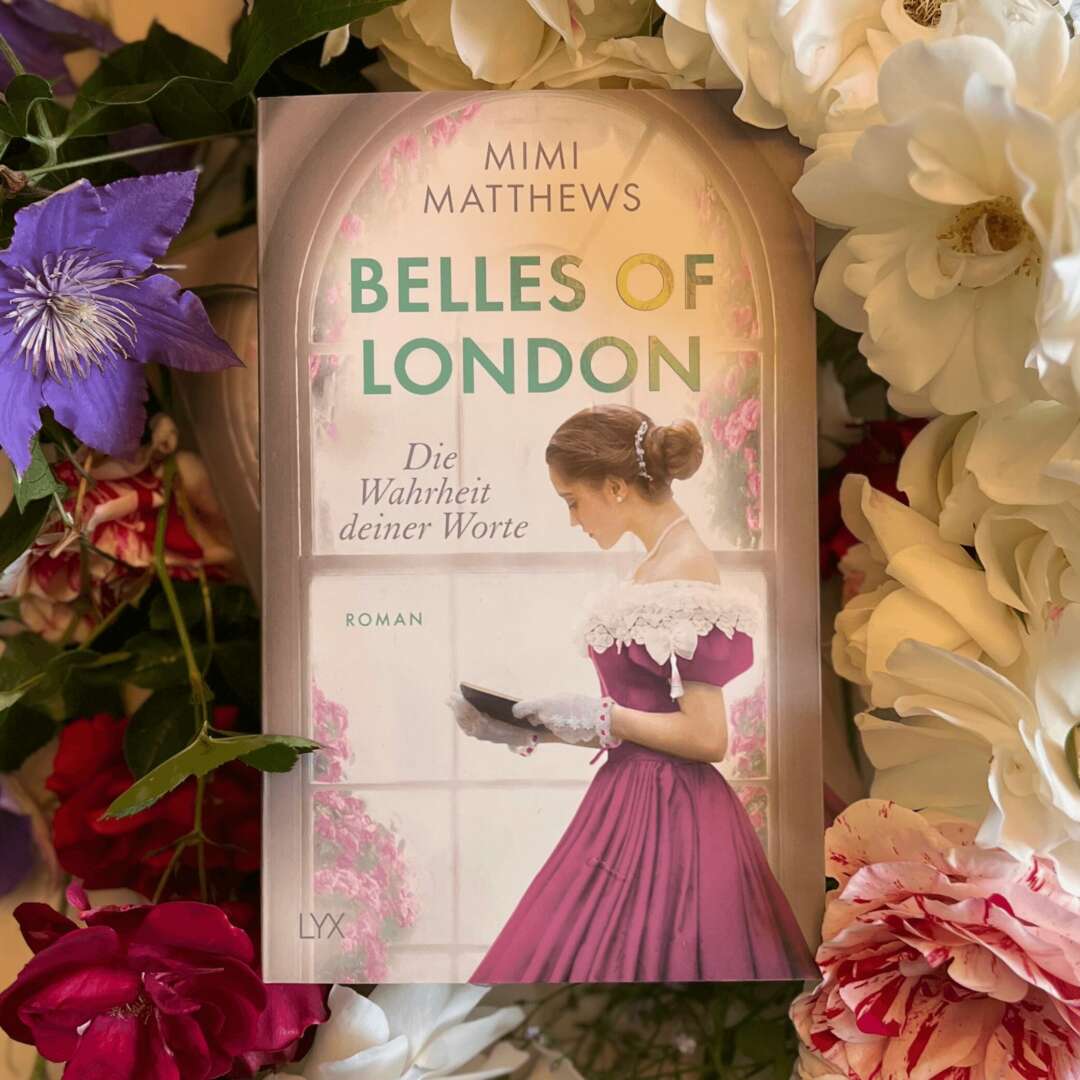
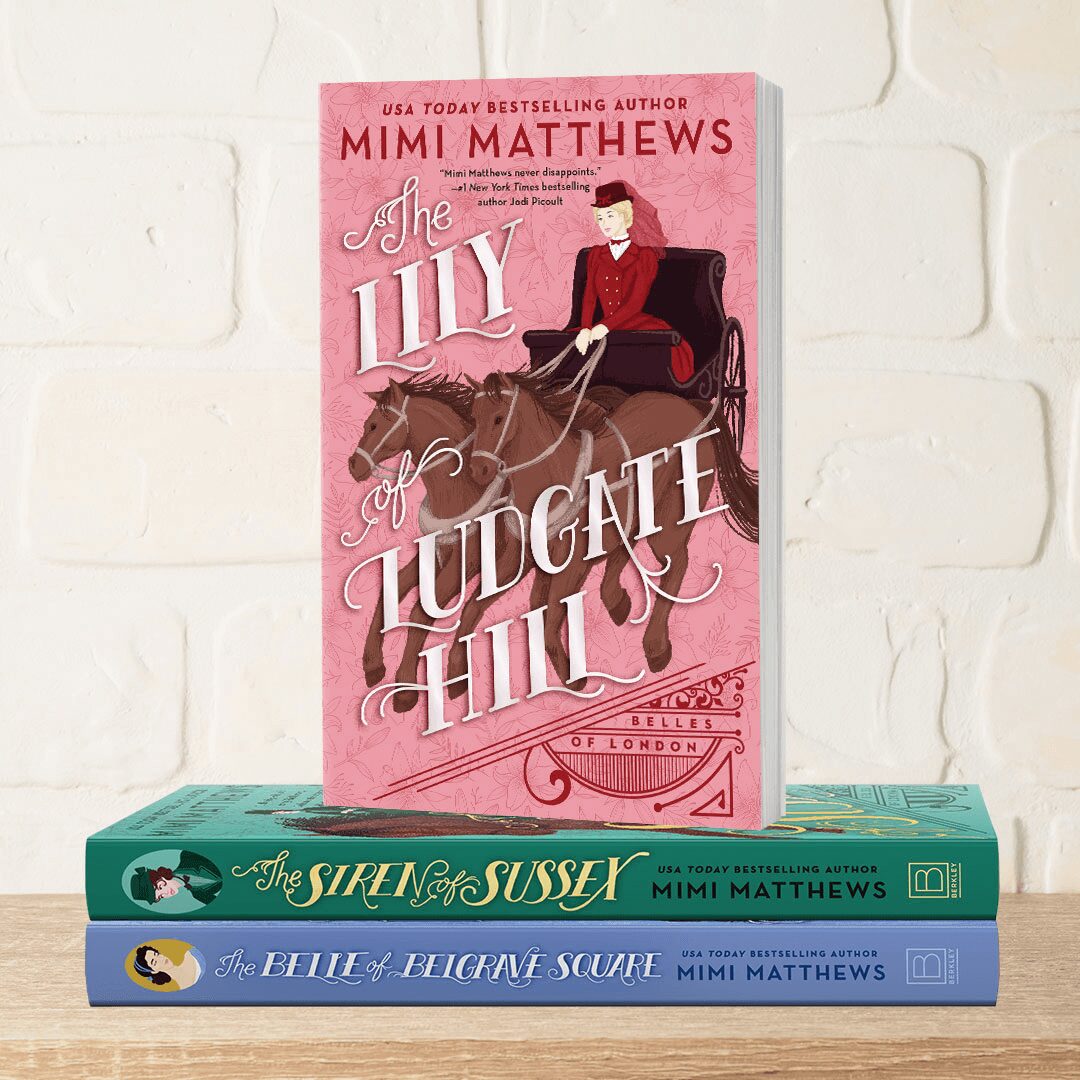
One of the most meaningful projects I’ve worked on thus far is my Belles of London series for Berkley/Penguin Random House. My Belles books are about four bold, Victorian equestriennes in 1860s London. Writing their stories enabled me to combine two of the great loves of my life: writing and horses.
I rode dressage for the majority of my life until a cervical spine injury cut my riding life short. Writing my Belles of London series allowed me to experience riding again—albeit vicariously, through my characters.
The Muse of Maiden Lane, the final book in my Belles of London series, is out this November. Ending the series is bittersweet, but my overarching feeling is one of gratitude. It has been such a gift to write these stories!

As always, we appreciate you sharing your insights and we’ve got a few more questions for you, but before we get to all of that can you take a minute to introduce yourself and give our readers some of your back background and context?
I started writing at a very young age, finishing my first novel at the age of thirteen. I signed with my first literary agent when I was eighteen. My first book didn’t sell, but I remained under contract with my agent through college and law school, always imagining I’d return to writing fiction at some point in future.
Ultimately, what brought me back to writing was suffering a catastrophic injury. After a serious car accident, I had to have a series of cervical spine surgeries. Following the final surgery, I didn’t recover as expected. I was in a lot of pain, and dealing with limited mobility. I became very depressed as a result. It was then I returned to writing.
By that time, my previous literary agent had passed away. I signed on with a new agent and my manuscript went out on submission. While it was being shopped around, I started a history blog to share some of my historical research. My blog became very popular and was soon in syndication. I got a nonfiction book deal to write two nonfiction history books.
My platform was such that, after receiving an offer of publication for my first romance novel, I ultimately decided to put it out myself instead of selling it. I did that with several of my historical romance novels to start, keeping the eBook rights, but allowing my agent to sell the subsidiary rights to publishers (i.e. audio/large print/translation). Several of my novels hit the USA Today bestseller list, many received starred reviews from the trade journals, and some won awards.
I ended up switching agents two more times before signing with my current agent. I’m what is considered a “hybrid” author, which means that some of my books are indie published and some are traditionally published. I love the flexibility this gives me. And I love, love, love researching and writing my historical novels.
It’s still often hard for me physically in terms of pain management and managing my writing load. However, I can’t think of any career that would bring me as much joy and satisfaction. I feel truly lucky to have returned to writing fiction after so many years, even it took a catastrophe to bring me back to it.
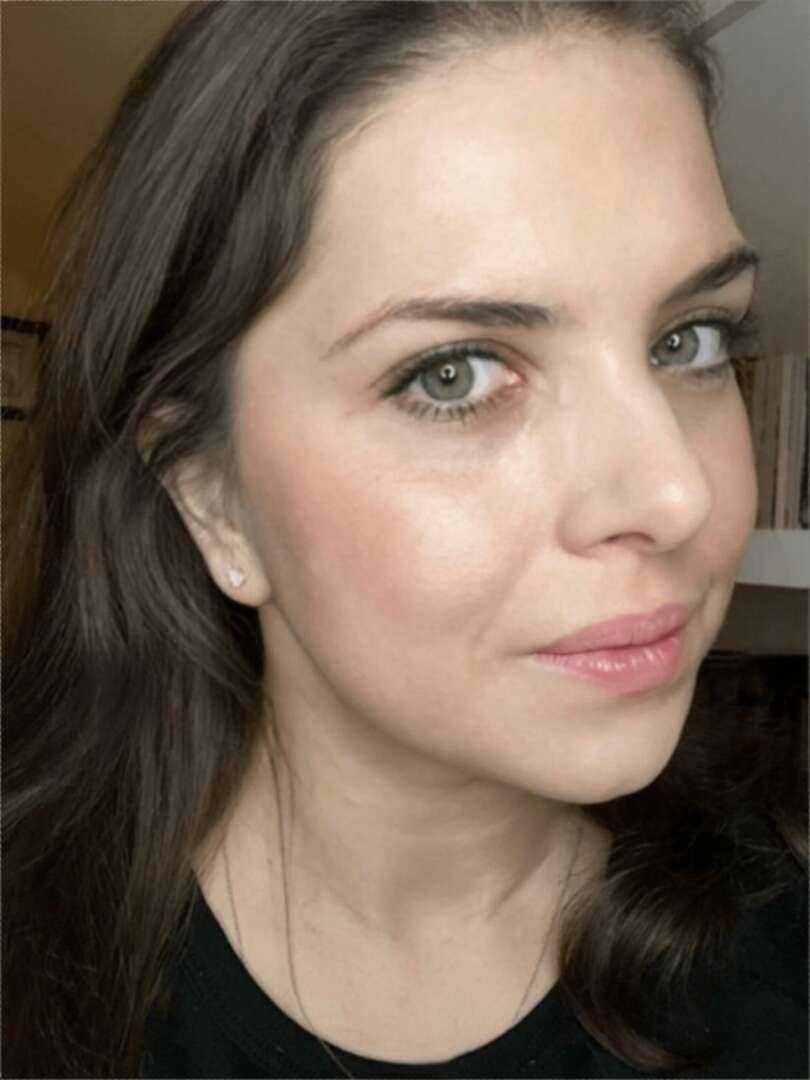
What do you find most rewarding about being a creative?
For me, personally, it’s hearing from my readers. Many reach out to share how a particular novel of mine had resonated with them. I’m particularly touched when an aspect of one of my stories helps them feel seen. This has happened frequently in relation to my novella Fair as a Star, which deals with clinical depression. Hearing that someone feels less alone after reading one of my stories, and that they feel validated, means the world to me.
Have you ever had to pivot?
I can’t think of a bigger pivot that switching from being a lawyer to being a full-time writer. Then again, the careers aren’t too drastically dissimilar. Research and writing play a large in both professions. What made it feel more like a drastic pivot to me is that I didn’t feel there was a lot of choice involved. After my neck injury, practicing law wasn’t an option any more. I couldn’t work consistently enough to be reliable. Writing initially served as a means of pain management for me—allowing me to escape during all the down hours after my last big surgery. I had no idea it would become a second act for me.
Contact Info:
- Website: https://www.mimimatthews.com/
- Instagram: https://www.instagram.com/mimimatthewsesq/
- Facebook: https://www.facebook.com/MimiMatthewsAuthor/
- Twitter: https://x.com/MimiMatthewsEsq