

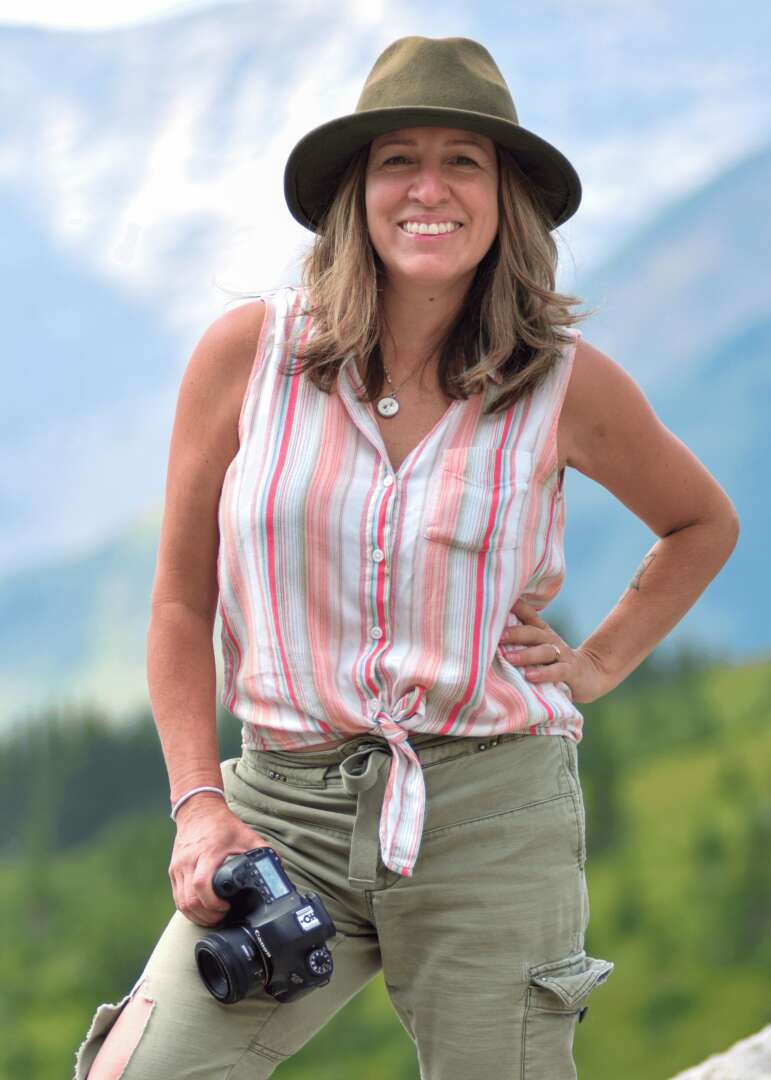

Alright – so today we’ve got the honor of introducing you to Milena Vasquez. We think you’ll enjoy our conversation, we’ve shared it below.
Alright, Milena thanks for taking the time to share your stories and insights with us today. Do you think your parents have had a meaningful impact on you and your journey?
My parents were eclectic individuals who loved nature, animals, art, and culture. They were naturists, artists, with curious minds and very sociable people. They imprinted these passions in me.
My dad was a renowned botanist in Bolivia who discovered over 200 new orchid species and classified them in books and articles. He dedicated his life to nature conservation and his work as a researcher, photographer, illustrator, and author is celebrated worldwide.
Thanks to him, I grew up surrounded by exotic plants, cactus gardens, greenhouses, rock gardens, and animals. Our home was vibrant with personality, love, laughter and life and we shared it in gatherings with family, friends, neighbours, schoolmates, and visitors, including backpacker friends and scientist visitors.
My mom had a social heart; the more friends, the merrier. With four daughters, our home was always bustling with visitors. It was large, beautiful, and vibrant, with a big yard and open doors. The greatest gift they gave us was a home we could share and enjoy with the community.
When I was two, my father left to pursue his passion for discovering and classifying orchids, birds, and exotic plants from Bolivia. In the Amazon, he started a new family, which devastated us. However, despite leaving, he remained present in our lives.
My mom insisted we always call my dad to ask for permission for trips or important events, and I’m grateful to her for this; we always respect his opinion at home. Despite his own life, he remained supportive, managing bills and caring for us. I am thankful to my dad for that as well.
My mom struggled deeply, falling into severe depression and battling anorexia, bulimia, and mental health issues for years. Growing up, I felt a mix of anger, sadness, and abandonment from both parents. I had resentment toward everyone—my mom, dad, and half-sisters—and began drinking at a young age.
My anger persisted until my mom insisted we meet my half-sisters. She invited them to spend summer vacations with us and visit their home. Within days, the hostility faded, and we formed strong bonds with the other family, finally coming together. Again, thank you mami.
Despite this, my mental struggles continued until I was old enough to seek self-help, understand, forgive and pursue my dream of becoming an artist.
My mom also found her way out of emotional distress. She gradually rebuilt her life thanks to alternative and esoteric practices from the ’80s and ’90s, such as theosophy, meditation, metaphysics, and a lot of research and reading. Her strength in recovery, ability to forgive, loving nature, and resilience were the most incredible gifts and examples for me.
Sadly, one of my sisters was profoundly affected by my parent’s divorce and died from depression and an alcohol overdose 11 years ago. My other two sisters also struggled with depression and mental health issues until now. The separation impacted each of us in different ways and to varying degrees. Depression is part of our family.
After my dad passed seven years ago, I decided to dedicate my life to being a botanical artist. I sought understanding, forgiveness and healing, followed in his footsteps, and shared his passion for plants, especially orchids.
Two years ago this summer, my mom also passed away.
Since then, I’ve been wandering the park with a camera in hand, grieving and healing, crossing fields, navigating liminal spaces, and transitioning emotional passages.
Nature became my sanctuary, bridging my past and present, allowing me to reconnect with my family—both those who are gone and those still here—along with my memories and emotions.
Nature is my sanctuary for grief, my personal garden, where I reconnect and find peace. I am grateful to both my parents for the gift of loving nature and finding a home in it.
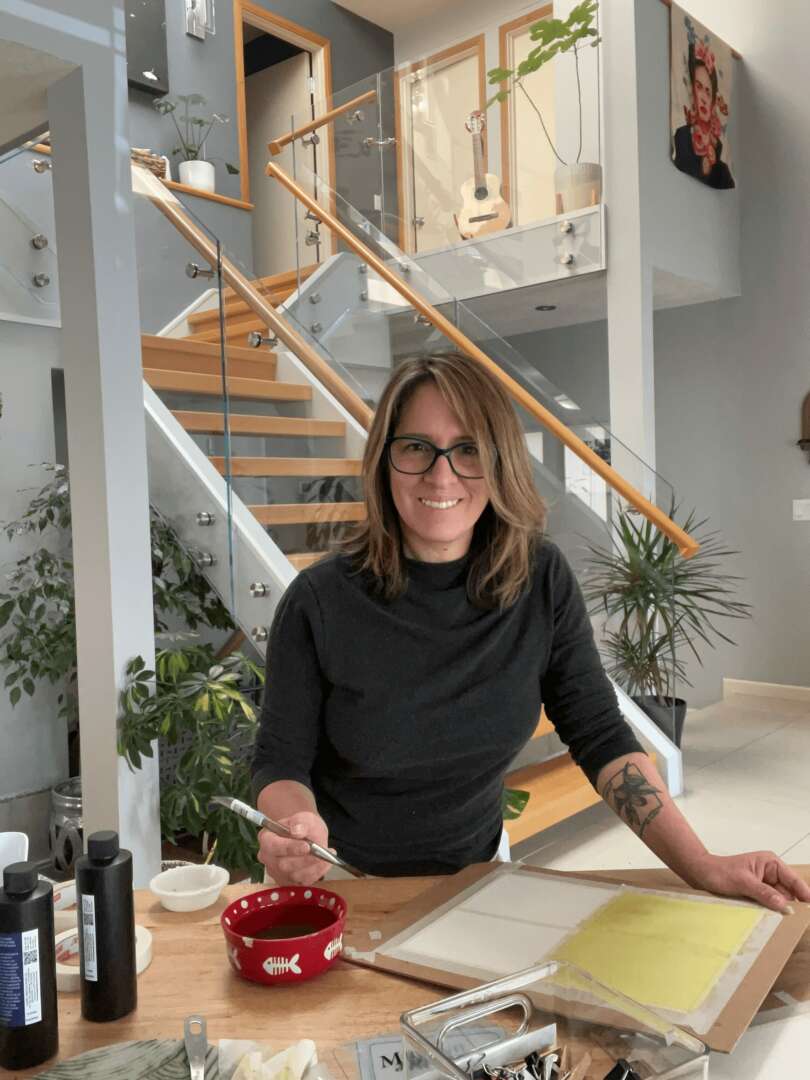
Milena, before we move on to more of these sorts of questions, can you take some time to bring our readers up to speed on you and what you do?
I am Milena Vásquez, a visual artist, designer, and photographer based in Calgary, Alberta. Since 2016, I’ve collaborated with other artists and art organizations, creating and organizing events, exhibitions and art programs, promoting emerging talents, and fostering inclusivity within the art community.
My work is deeply rooted in finding inspiration, creativity, and healing through nature exploration and community engagement. Drawing from childhood memories of exploring nature with my botanist father and working with family botanical archives, I explore landscapes and experiment with dreamy photographic styles.
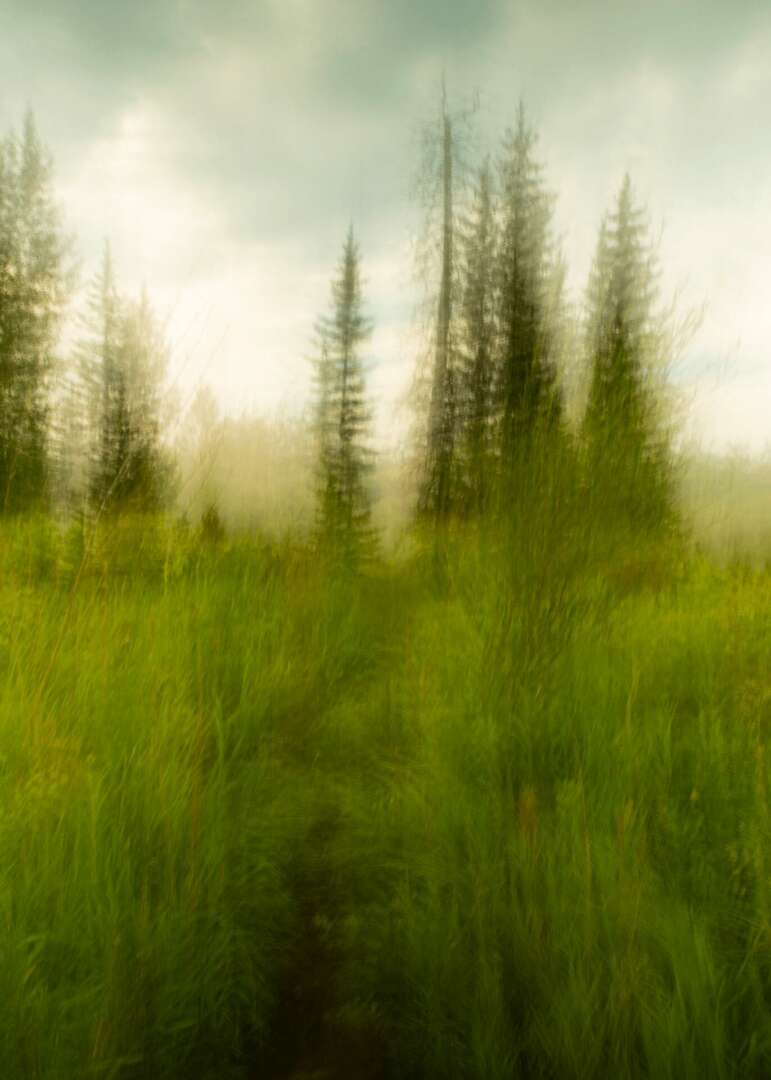
For the last two years, I’ve been working on a meaningful photographic journey into the woodlands of Fish Creek, searching for a deep connection to the Land. The outcome of this exploration is a series of poetic photographs that capture the healing journey. I sale my work through my website and social media.
This year, I’m working on a personal project in my garden, exploring themes of life and loss, comfort, and hope. Gardens are living artworks and a source of endless inspiration; we can learn from nature’s resilience and the humbling reminder of our limited control over the cycles of life.
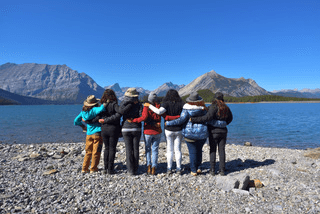
In 2023, my art partner Maya Corona and I started Blooming Diversity, a community initiative for women from diverse backgrounds who find inspiration in nature. The main goals are to experience green areas regularly, learn about the Land, connect with nature and others, develop a sense of belonging and create art.
The Blooming Diversity project brings together women from diverse backgrounds in Calgary who share a deep connection with nature. Through exploring the outdoors, art coaching and participating in artistic events, we uplift each other’s practices and provide support through life’s challenges, including depression, grief, and anxiety. Nature offers a tranquil and safe space to share, heal, and find inspiration together.
Everyone is welcome to join our adventures and artventures; we share our services and events through our Blooming Diversity website or Instagram
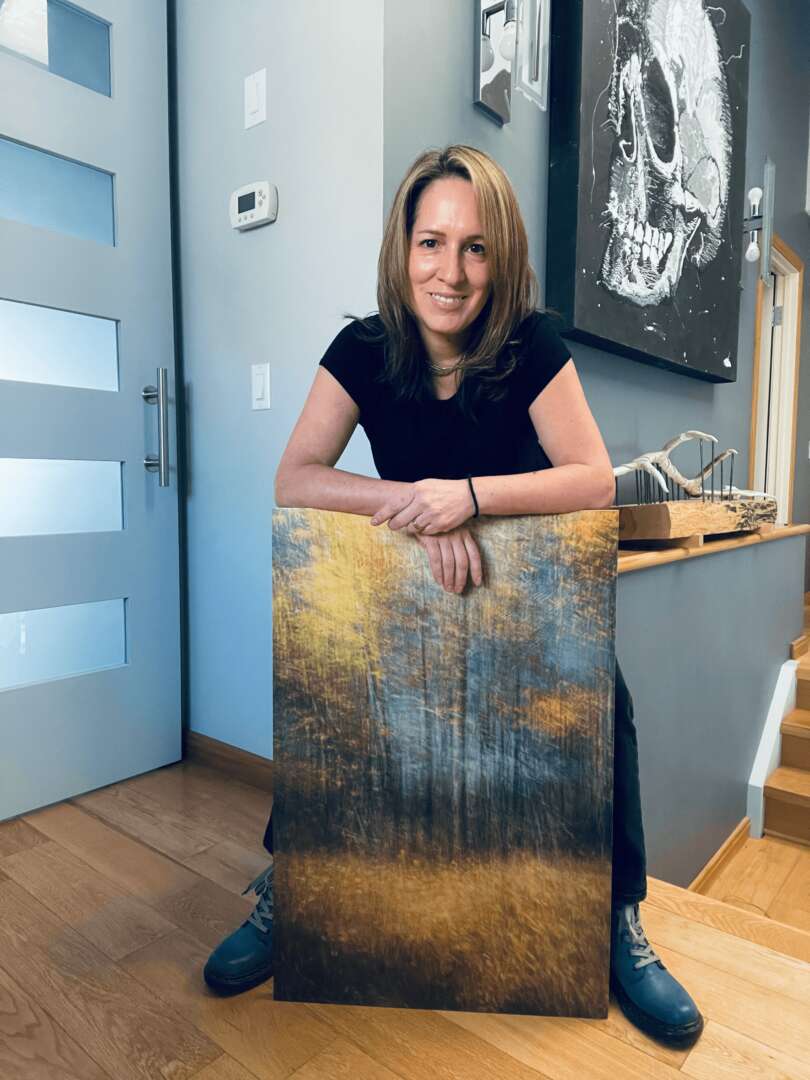
Is there mission driving your creative journey?
Healing and belonging are the main driving forces behind my art practice. Being away from loved ones, experiencing a new culture and way of life, and feeling disconnected from your own spirit can be incredibly challenging. In my experience, being close to nature feels like being close to home. Nature is a common ground; no matter how far you are or how disconnected you feel, you can find your way through nature to your roots and self.
We come from nature; just a few hundred years ago, our ancestors lived solely in nature, without cities or metropolises. My approach is to return to this connection—not necessarily to depend completely on nature, but to regularly interact with or enjoy green areas, even indoors. Nature soothes the spirit, providing peace and comfort. This energy inspires and can heal mental health issues, helping with grief and separation and offering endless inspiration and creativity. Nature is wise and holds many solutions if we take the time to observe it closely.
The more we learn about the natural world, the better we can develop environmental stewardship that benefits everyone. Understanding the land we live on and the cultures of Indigenous ancestors is vital to appreciating Canada’s history and heritage. Recognizing their enduring presence and contributions fosters a sense of belonging and mutual respect.
What can society do to ensure an environment that’s helpful to artists and creatives?
Supporting artists is essential, as they are the catalysts for change, bringing people together and offering new perspectives that help us make sense of the world. They give us hope, foster a sense of community and identity, and break down barriers between cultures and societies, promoting peace and diversity. Through innovative solutions and processes, artists contribute to the development of culture, education, and science, preserving and celebrating our cultural heritage. Art is a vehicle for social change, creating a safe space for dialogue and joy.
To encourage creativity and keep our cultural landscape vibrant and relevant, we must cultivate supportive spaces for local artists. Attend art events, listen to music, watch movies and plays, read books, go to concerts, visit galleries and museums, explore artists’ studios, share their work, and support their growth. Investing in local artists is an investment in our communities and societies.
Contact Info:
- Website: https://www.milenavasquez.com
- Instagram: https://www.instagram.com/milena.vasquez.mathewson/
- Facebook: https://www.facebook.com/milenavasquezartista
- Linkedin: https://www.linkedin.com/in/milenavasquez/
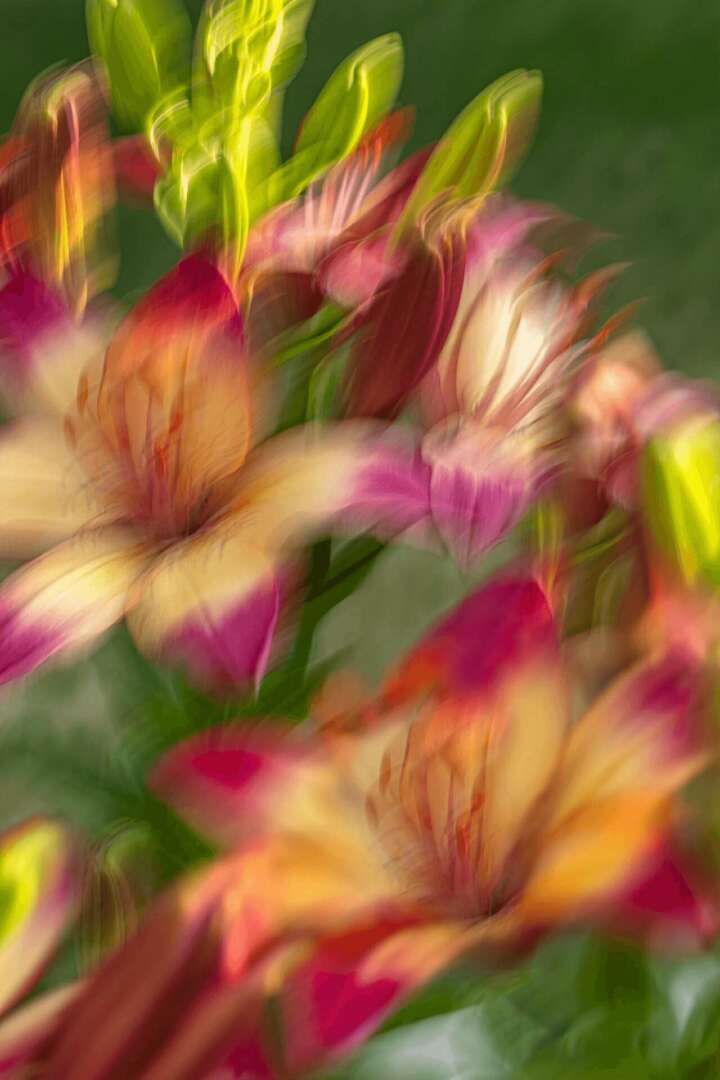
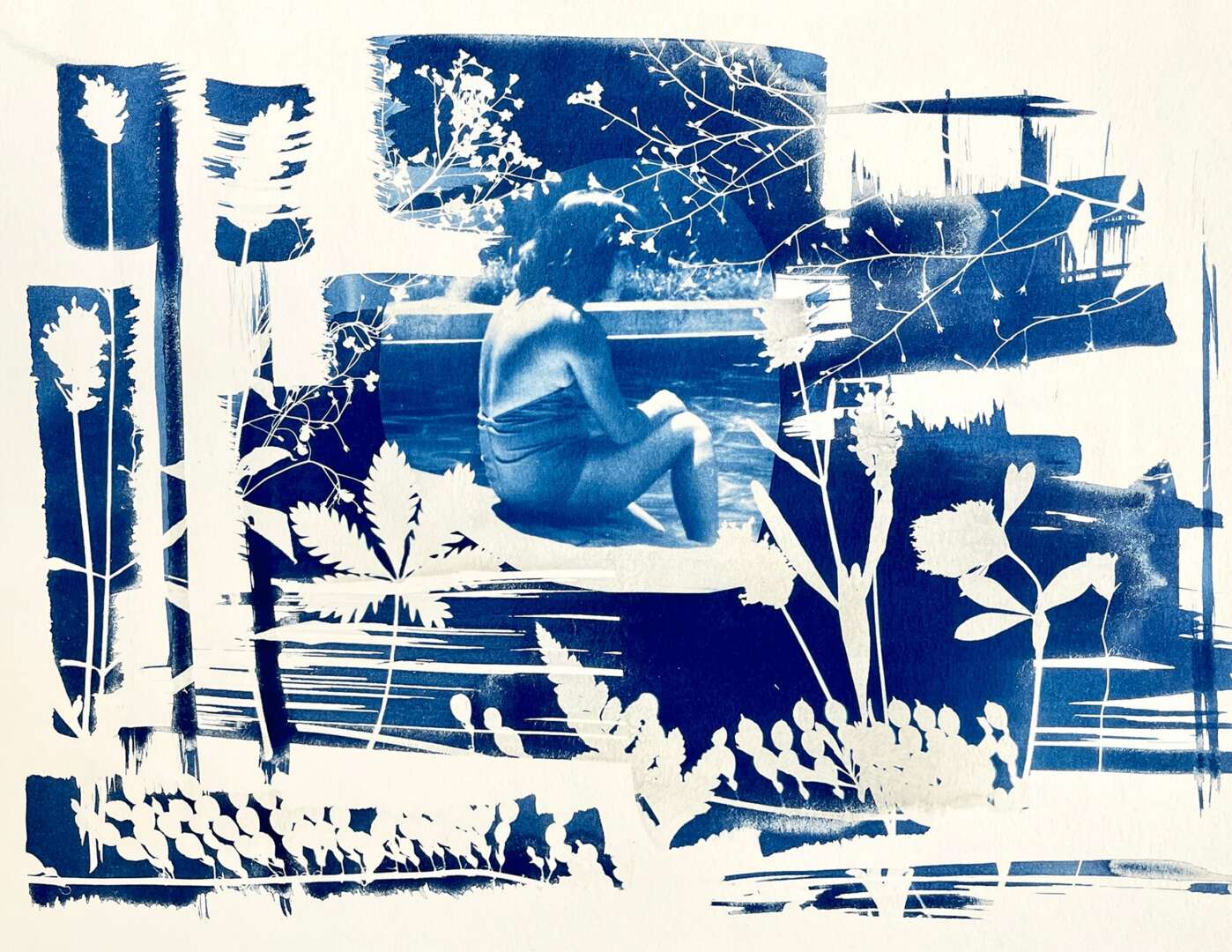
Image Credits
1. Mile in her studio
2. Blooming Diversity
3. Mile with photography artwork
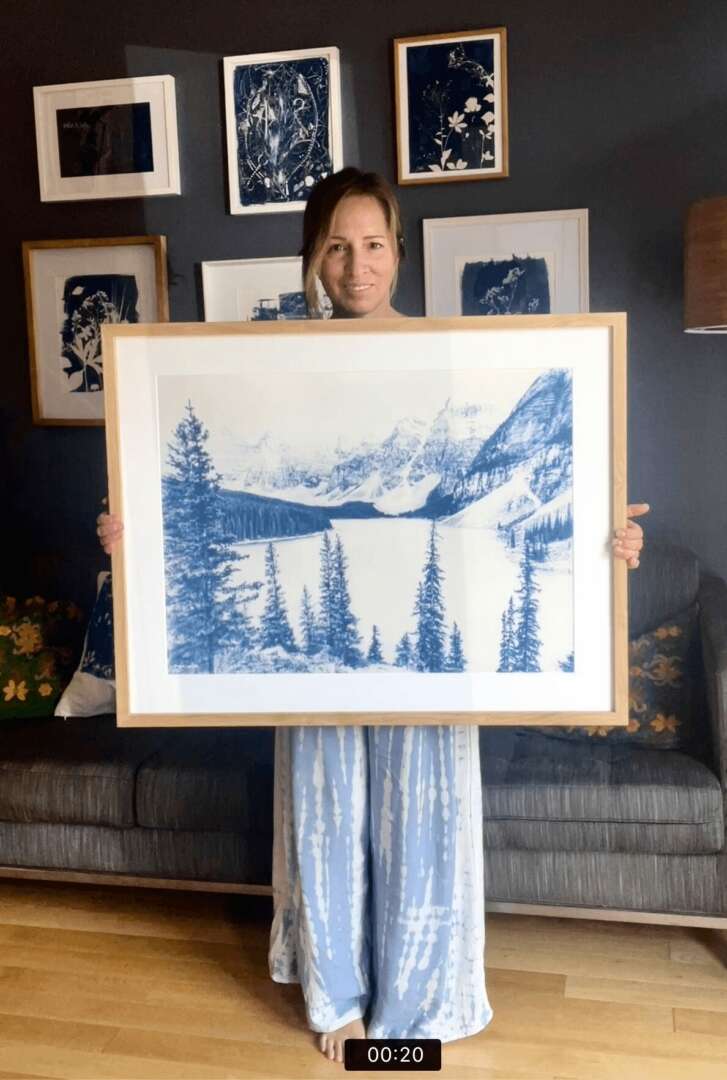
4. Mile with cyanotype artwork
5. Passerinum, Forest Scene from Fish Creek
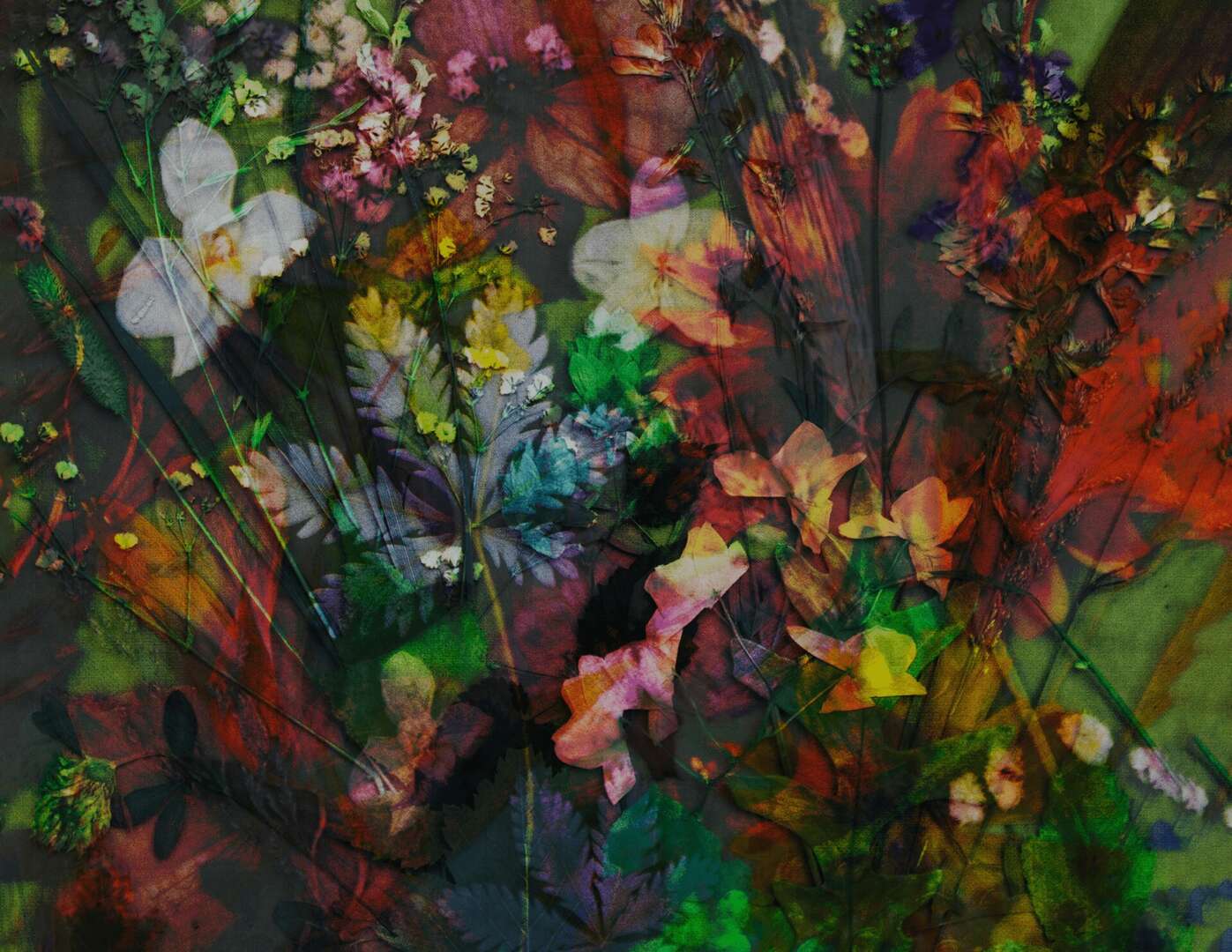
6. Pressed flower, digital collage artwork
7. Lilies from Mile’s Garden Series
8. “Mariposita” Cyanotype artwork