

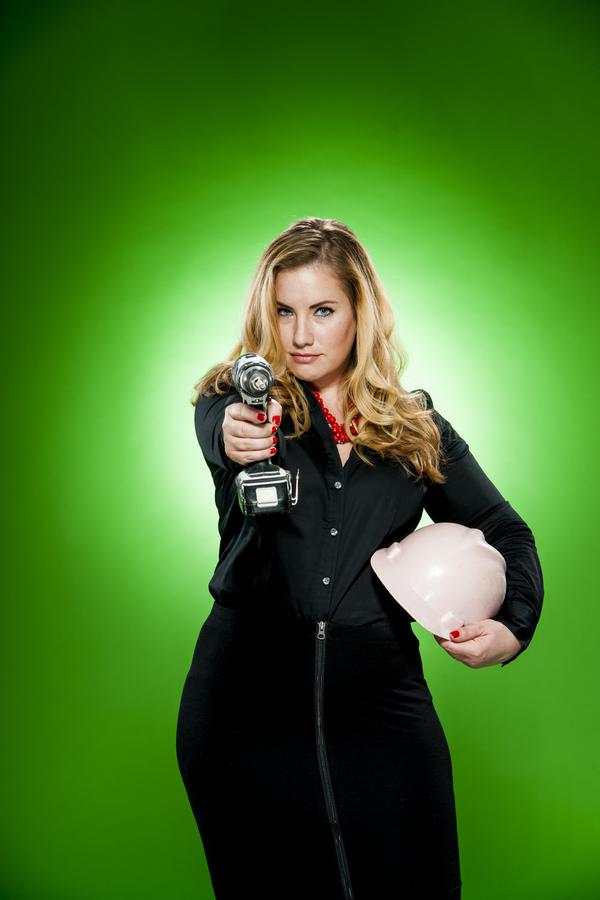

We were lucky to catch up with Mikki Paradis recently and have shared our conversation below.
Alright, Mikki thanks for taking the time to share your stories and insights with us today. It’s always helpful to hear about times when someone’s had to take a risk – how did they think through the decision, why did they take the risk, and what ended up happening. We’d love to hear about a risk you’ve taken.
I was 22 when I started my business. A business in a industry where women were not common and not really welcome. I’ve heard it all. People asking me if the business was my fathers or husbands, people telling me I am so pretty I could be selling makeup at the belk counter. I went to a meeting once where the potential client refused to meet with me because he was convinced Mikki was a man. Truly ridiculous stories I could fill a book with. I won’t tell you that there weren’t days, many days, where I questioned what I was thinking for choosing this path. But even in my doubt I knew this risk was worth it because this industry needed me! It needed someone young, that looked at life, people, and construction differently. I didn’t take it all in stride. I used many opportunities to teach men what was and was not appropriate, I was intentional to build a better dynamic in construction for women with the hopes that if some little girl grew up and wanted to work in this industry it would be a better, and safer place for her. There is still much room for improvement, but I see little signs every day that the industry is becoming more inclusive!
Mikki, before we move on to more of these sorts of questions, can you take some time to bring our readers up to speed on you and what you do?
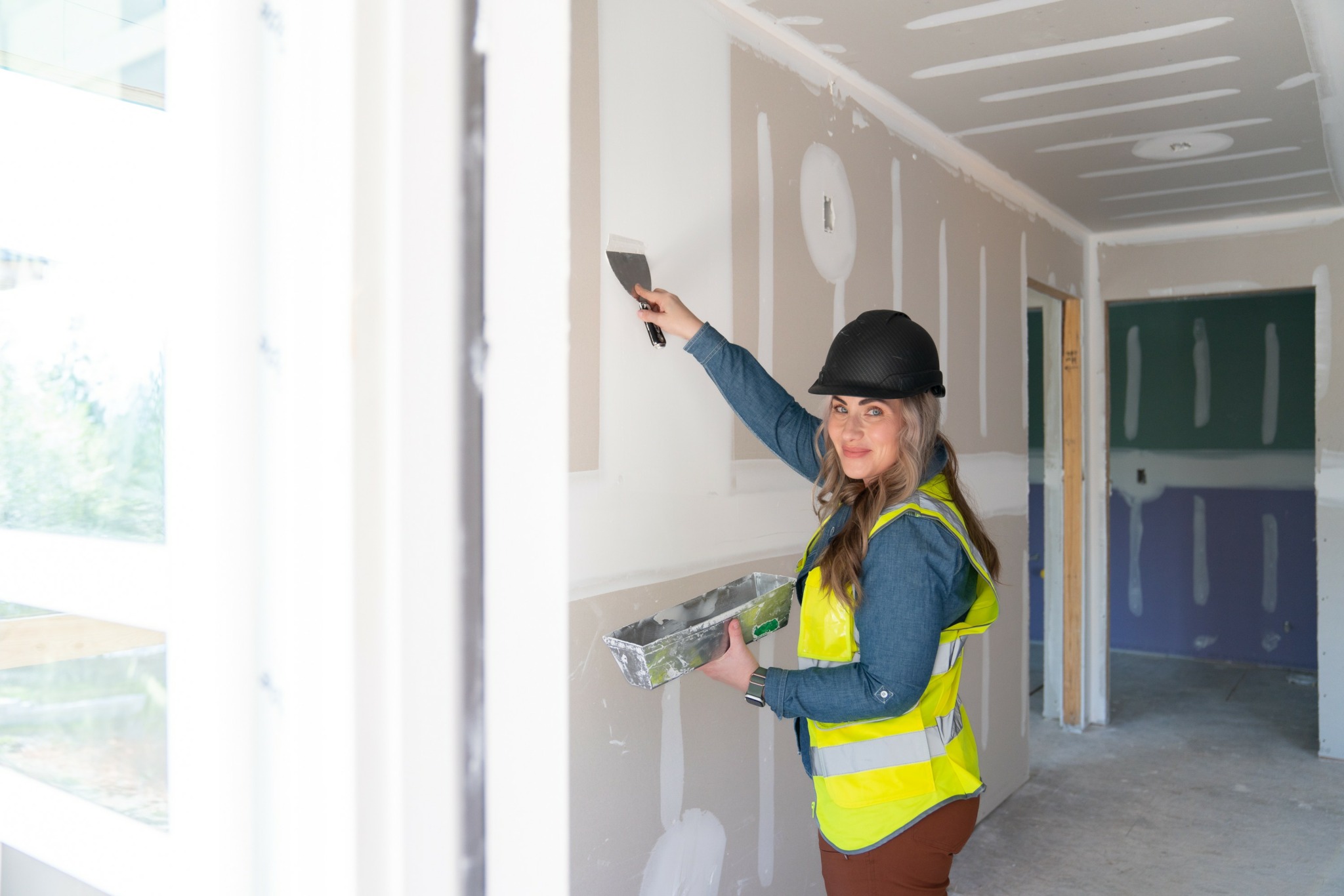
I started my company when I was 22 and still a senior at NC State. I had done two summer internships with a drywall company and when I realized I would be a horrible lawyer it occurred to me that there was a need for more women in construction, even if the men in the industry didn’t share my vision. I didn’t want to work for someone else and do business the way it had always been done, I wanted to come into construction and provide those who were interested a new way of doing things, so that’s what I did. At PDI our two key operating principles are that we do drywall differently, and the only things we build better then walls are relationships. We currently specialize in multifamily new construction projects. providing turnkey drywall and paint services, and we really do drywall differently. We don’t believe in making our money off the backs of the other trades on the job so we have a policy where we only charge other trades for repair work when they show blatant disregard for our work product. Every project we work on we come to with Ted Lasso energy! Projects work faster and more efficiently when everyone is working as a team, treating people with kindness and respect, and effectively communicating are the ways we work to try and build that team. Over the years we have calculated the cost savings of working like this and found it to be dramatically beneficial for everyone on the job, a little bit of team work goes a long way!
Can you share a story from your journey that illustrates your resilience?
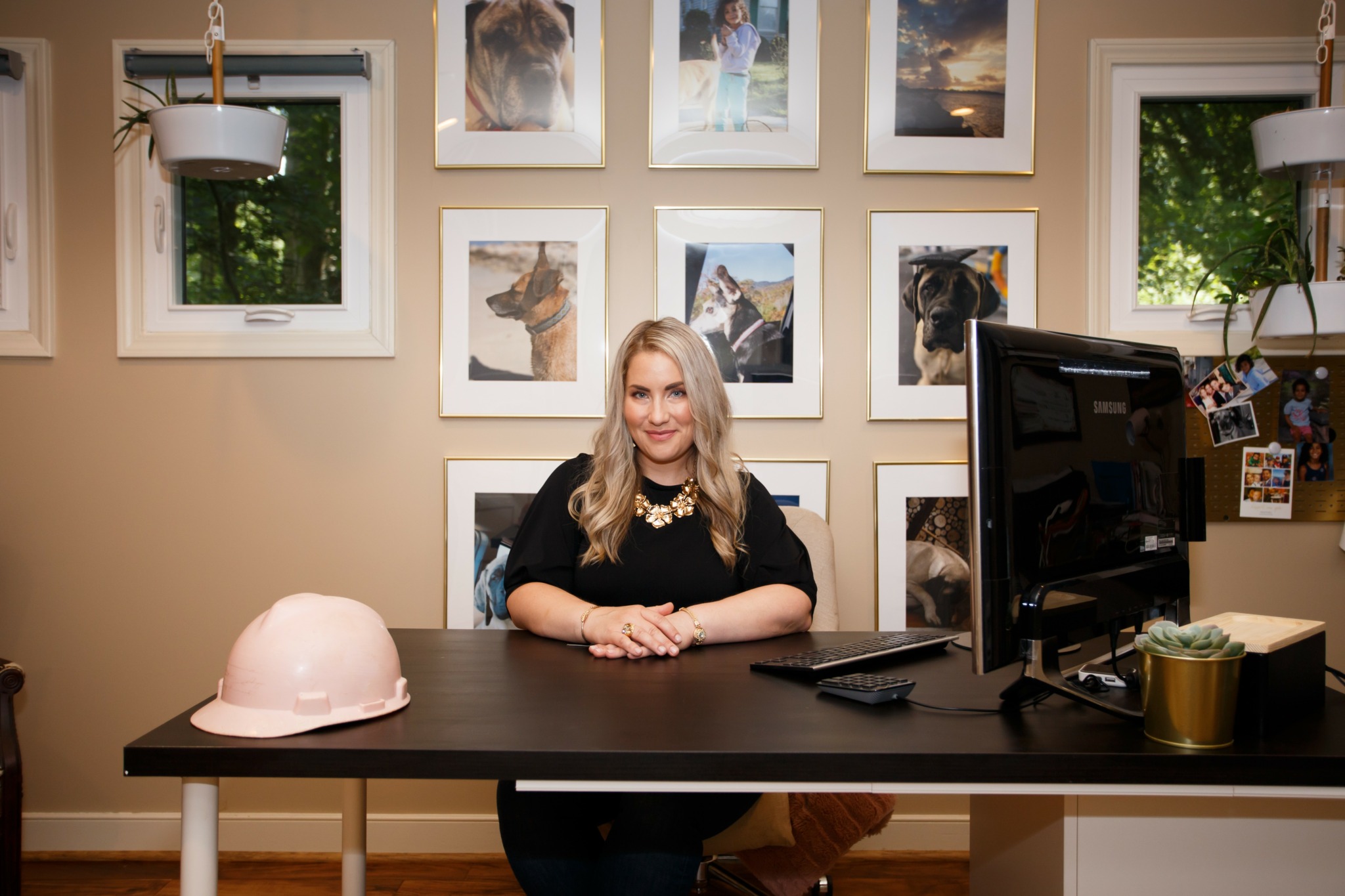
I was raised by a single mother. For the majority of my life we lived at but mostly below the poverty line. Poverty can be an incredible teacher if you let it. To some it is a prison, to some it is a library. The life experiences that come along with being poor, with not knowing where your next meal will come from, with not feeling safe in the place you call home, with having to make due with less then less, can lead to resentment, or resilience. For me, it was a little bit of both. When I was 14 my older sister was killed in a car accident. We already had nothing, had been abandoned by my father, and watched as my mother struggled quite unsuccessfully with the weight of raising 3 kids on her own. All of a sudden the only person who made me feel safe no matter where we were was gone. It was in the moments of accepting that no one was going to “save” us, that no one was going to come and make things right for my family, that I realized if I wanted a different life I was going to have to make it. Making something out of nothing required vision, it requires belief in ones self, it demands resiliency, passion, and the total commitment to playing the long game. I was 14, I lived in one of the worst school districts in Orlando, I had a debilitating learning disability that no one was able to help me with because the classes for kids with actual learning disabilities were full of kids with bad behavioral issues. I looked at my surroundings, I evaluated my situation, and I derived a plan. It started with getting myself out of the LD classed and into the classes for traditional students. This experience introduced me to what if feels like to constantly fail. With each failure I learned something new, I realized that I had to be a different kind of student, that I had to ask questions even if people laughed at me, that I had to ask for help frequently, and that I was going to spend my life working harder then most people around me. It was resiliency that forced me to get back up every time I got knocked down, it was resentment that fueled my drive and willingness to keep moving forward knowing that it was going to hurt. Each phase of life brought me new failures, new lessons, and a new understanding. I graduated high school with honors, I moved to North Carolina to attend NC state, I worked full time and went to school full time all the while reminding myself it doesn’t matter how many times you get knocked down, just how many times you get back up. People ask me on a weekly basis what in the world lead to me starting a drywall and paint company when I was 22, still a senior in college, still working full time, I will normally answer with the logistics of how I did it because the why is only a 2 word answer. Why not? It didn’t matter if people didn’t want me there, I had experienced that my whole life. I didn’t care if there wasn’t a seat at the table for me, I knew how to bring my own chair. It didn’t matter if I failed, and it didn’t matter how many times I failed, I was a skilled practitioner of getting back up, I was told no one would work for a woman and no one would hire a woman, but I believed in myself more then I believed the people who couldn’t see my drive, my passion, my determination. The more people told me no, the more I learned what it took to get to a yes. Everything was an opportunity to learn, to adjust my perspective, to tweak my approach, and try again. I’m 42 years old, the first in my family to graduate from college, I own a multimillion dollar drywall and paint company, I don’t have to bring my own chair to the table anymore, one is reserved for me. I feel safe in my home, and in the life that I have built and I can thank poverty, loss, and pain for teaching me to bet on myself, to believe that I am only limited to what I can imagine for myself.
Learning and unlearning are both critical parts of growth – can you share a story of a time when you had to unlearn a lesson?
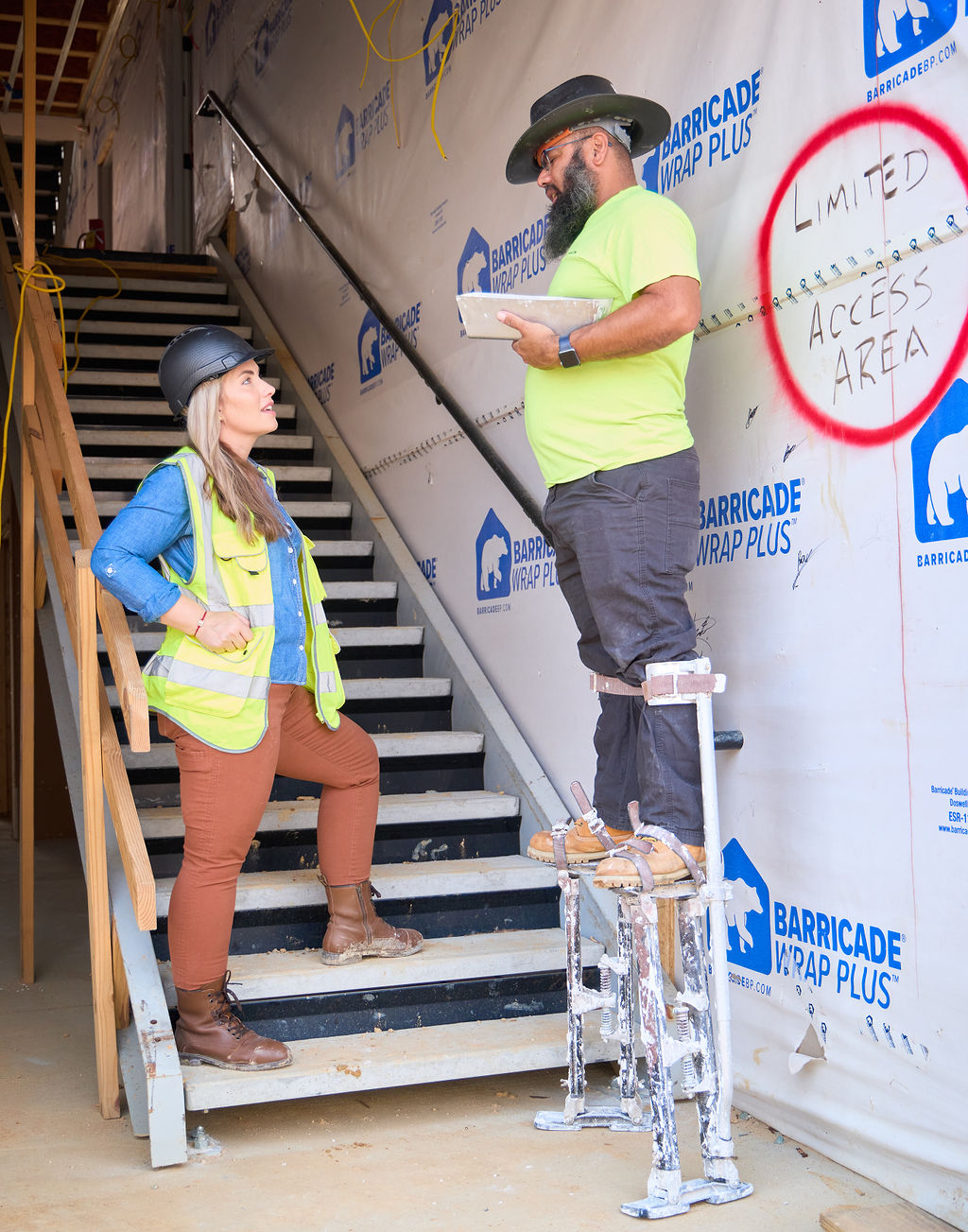
Something I had to unlearn was listening to respond over listening to listen. Several years into starting my company I was starting to break into the multifamily industry. This was a very different arena with very different players. Because of the size of the projects I found general contractors were less defensive and argumentative and were more interested in helping when problems arose, However I had been working in a more dog eat dog world and would find myself starting arguments when the situation didn’t require it. I was listening, waiting to be blamed for things, and when that didn’t happen I only knew how to respond from a place of defense. There was a really pivotal moment when I got a call from my superintendent asking me to come out to a job because the GC was on a rampage and was blaming my guys for things they hadn’t done. I left my house in a rage, I was going to really school this guy. But as I drove, I thought about all the different ways this attitude hadn’t been serving me. I knew that the GC was a good man, that he had integrity, and that if he was loosing his mind and blaming us for things we had nothing to do with there was something else going on. So on my way to the jobsite I stopped and picked up some lunch. I went to the mans office handed him lunch, and asked if we could just eat before we talked about what was going on. He was reluctant, he really wanted to have a screaming match, but its hard to yell at someone who just wants to sit down and share a meal with you. So we sat, and ate, and he didn’t say a word. After we were done I asked what was going on and how I could help. I just listened to him, I wasn’t formulating responses while he talked, I just listened, I tried to listen for what he wasn’t saying and at the end of it repeated back to him what I heard him say, saying it back through the lens of what I thought he was saying over if exact words. We never fought on that job again. He never yelled at my guys again. And even through he works in a different industry we still talk regularly. It is absolutely amazing what can happen when you actually listen to people over listening to respond to them.
Contact Info:
- Website: https://www.pdidrywallinc.com
- Instagram: @MikkiParadis
- Facebook: https://www.facebook.com/share/ix9UFeHJ98z22QdB/?mibextid=LQQJ4d
- Linkedin: https://www.linkedin.com/in/mikki-paradis-7a5a7060/
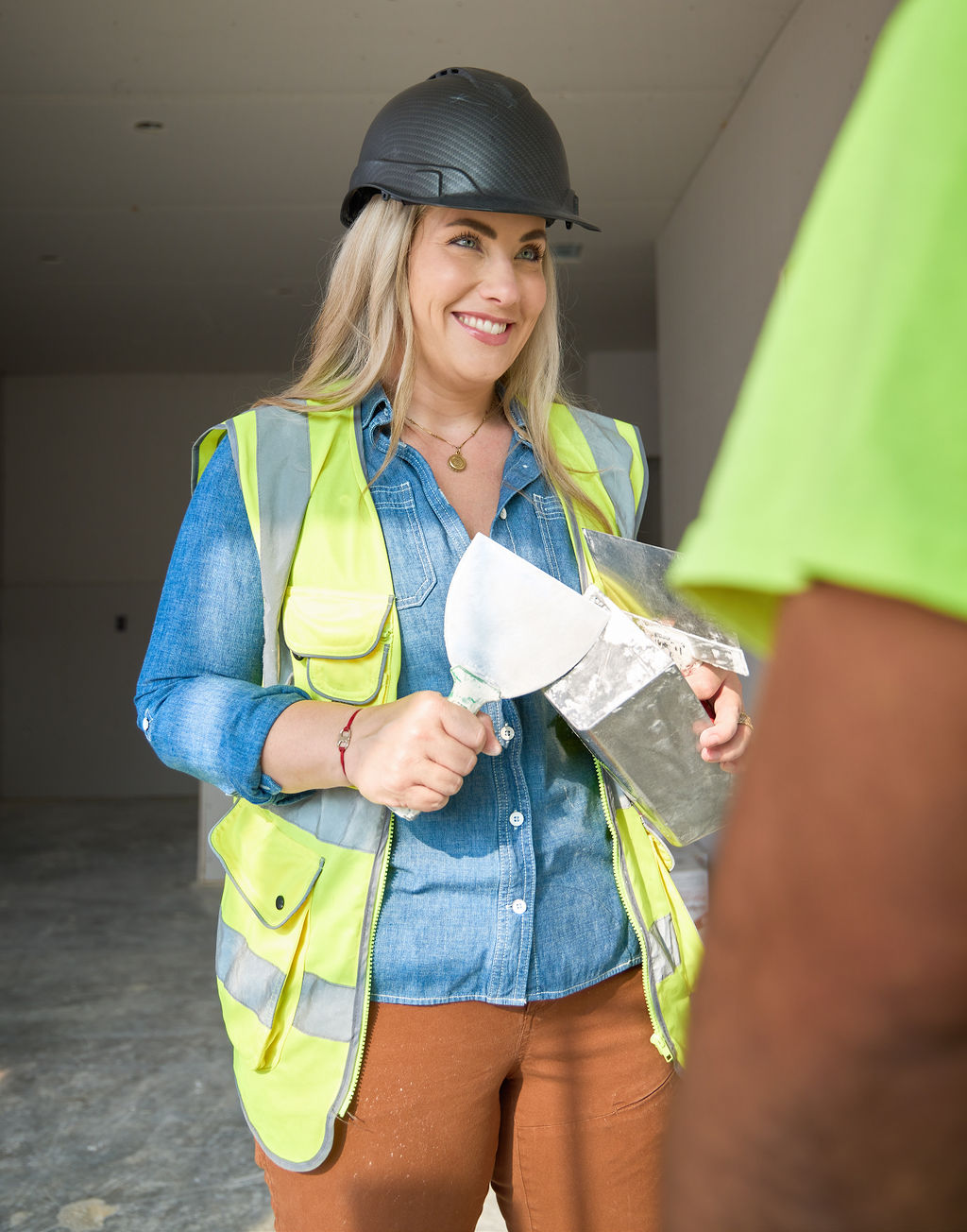
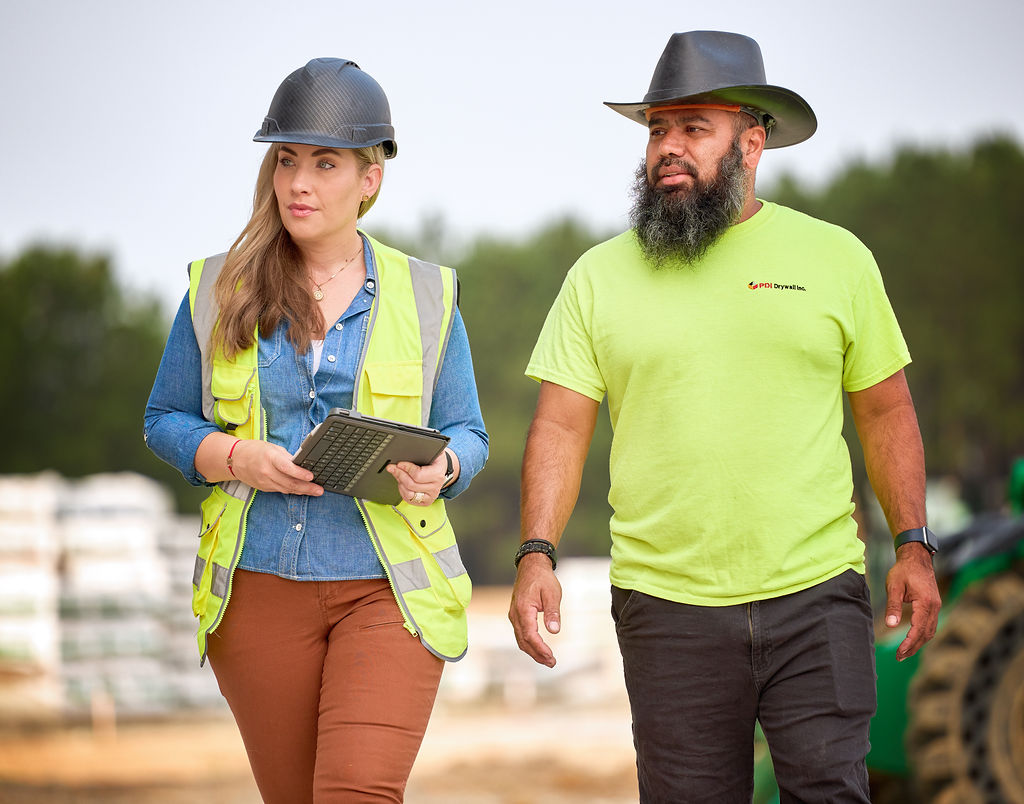
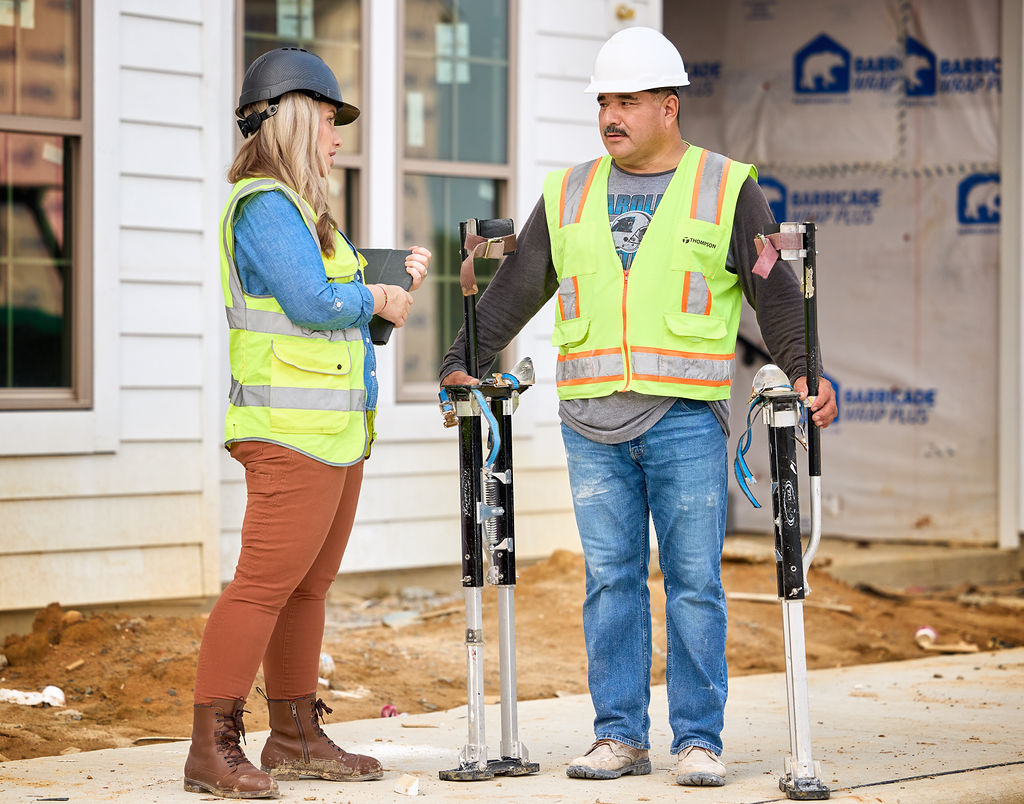
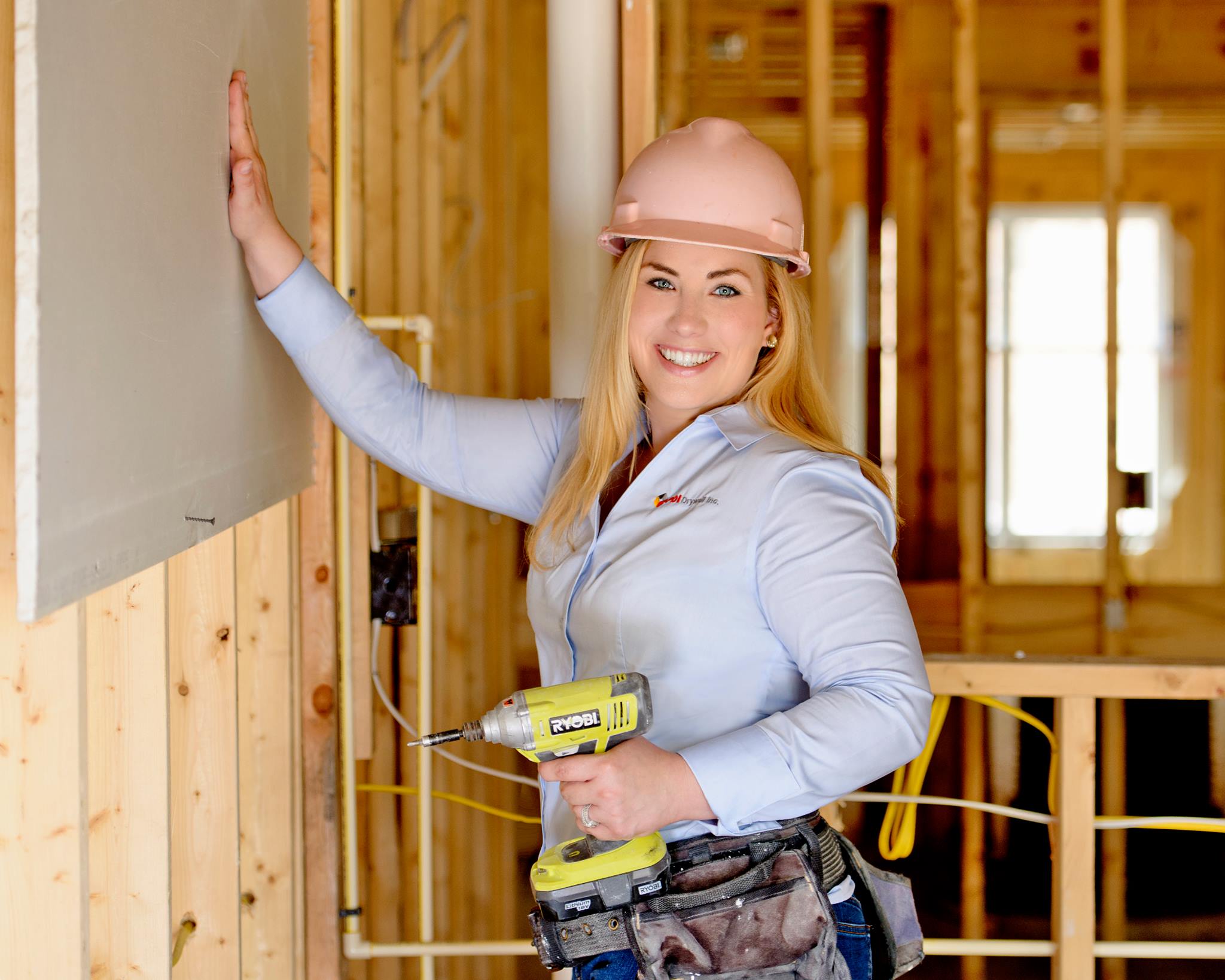
Image Credits
Terrance Jones, Tonya Palumbo, Mehmet Demirci, Kam Goodrich