

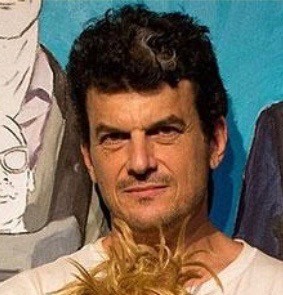

We recently connected with Mikel Glass and have shared our conversation below.
Mikel , appreciate you joining us today. Can you tell us about a time that your work has been misunderstood? Why do you think it happened and did any interesting insights emerge from the experience?
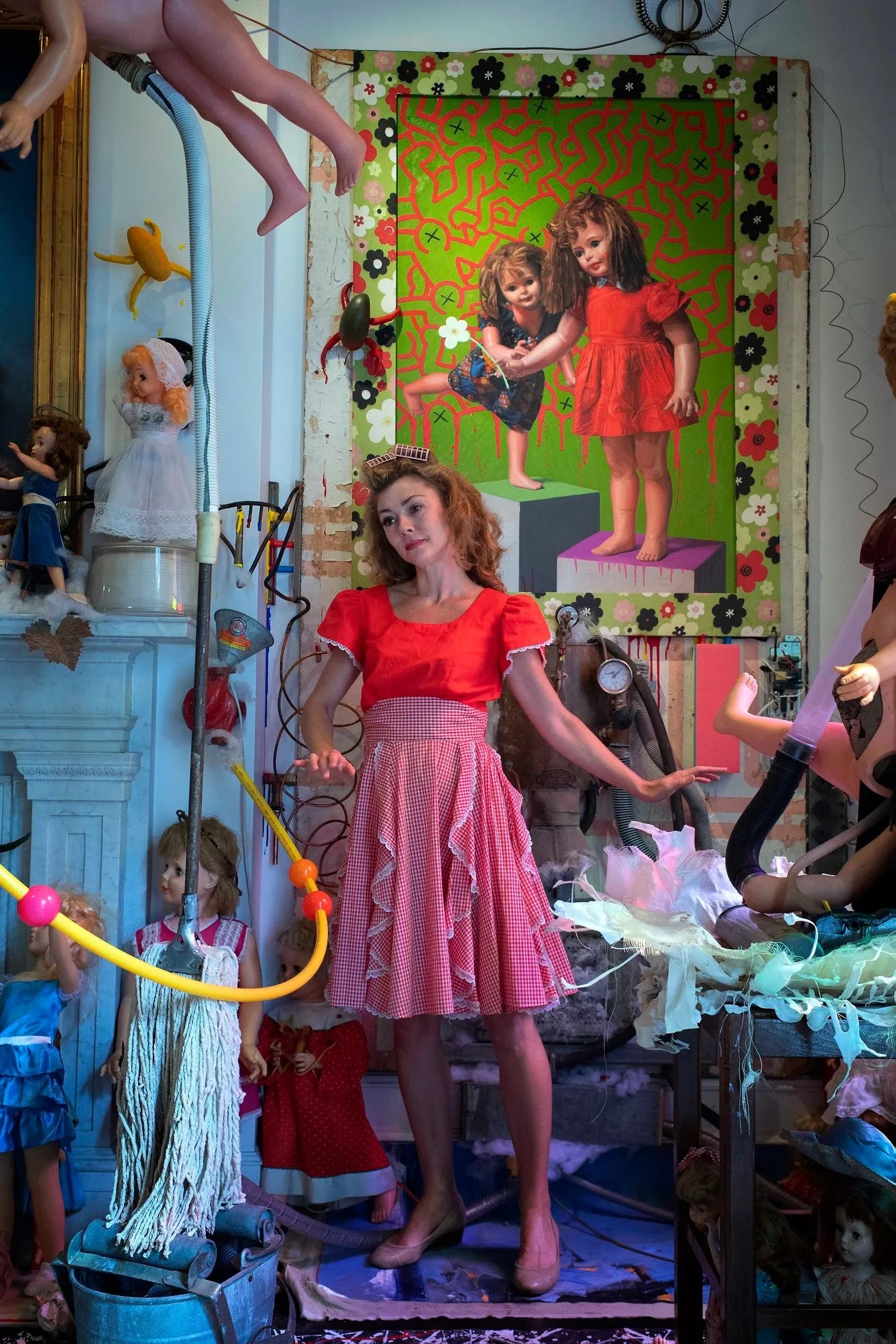
I used to ride my bike to my studio each day before dawn. One morning I passed a plastic bag in the middle of Broadway, and something compelled me to stop and go back. As I approached I was horrified to see the distinct form of a baby inside the bag. It wasn’t until I actually touched it that I realized its contents were not human, but instead a very realistic looking doll.
As my heart re-started, packrat that I am, I hooked the bag to my handlebar and finished my ride to work, where I tossed the doll onto one of my piles of stuff for future consideration.
A couple of years later we had twins. A friend gave us a bag of stuffed animals and my daughter immediately latched onto one of them, and never let go. One time, Becca lost Black Doggy. and the world stopped spinning for her, I learned the psychology topic of the Transitional Object.
Some time after that I was at the studio and I came across the bag with the doll, and I was immediately overcome with crushing guilt as I realized I had been keeping this doll hostage from some little person who likely had loved it as much as Becca loved Black Doggy. Improbable as the mission was, I was driven to take a picture of the doll, make a pile of photocopies, and plaster the Upper West Side of NYC with posters of it announcing the “Found” doll..
I didn’t get a call, so I decided to give the doll a fitting tribute by painting a dignified portrait of it. I wasn’t interested in its physical attributes as much as the idea of it being a vessel that contained all of the love and pain and hopes and dreams of some little child who loved her as much as my daughter loved her comfort object. It was my responsibility to draw that out from her.
And a weird thing happened after that. As we navigated the kids’ circuit of NYC – parks, playgrounds, museums, bookstores stores, and the like, I found lost dolls everywhere, and I felt the same emotion every time.
To me, dolls represent the innocence of youth. Using them in my art is usually my commentary on the loss of innocence.
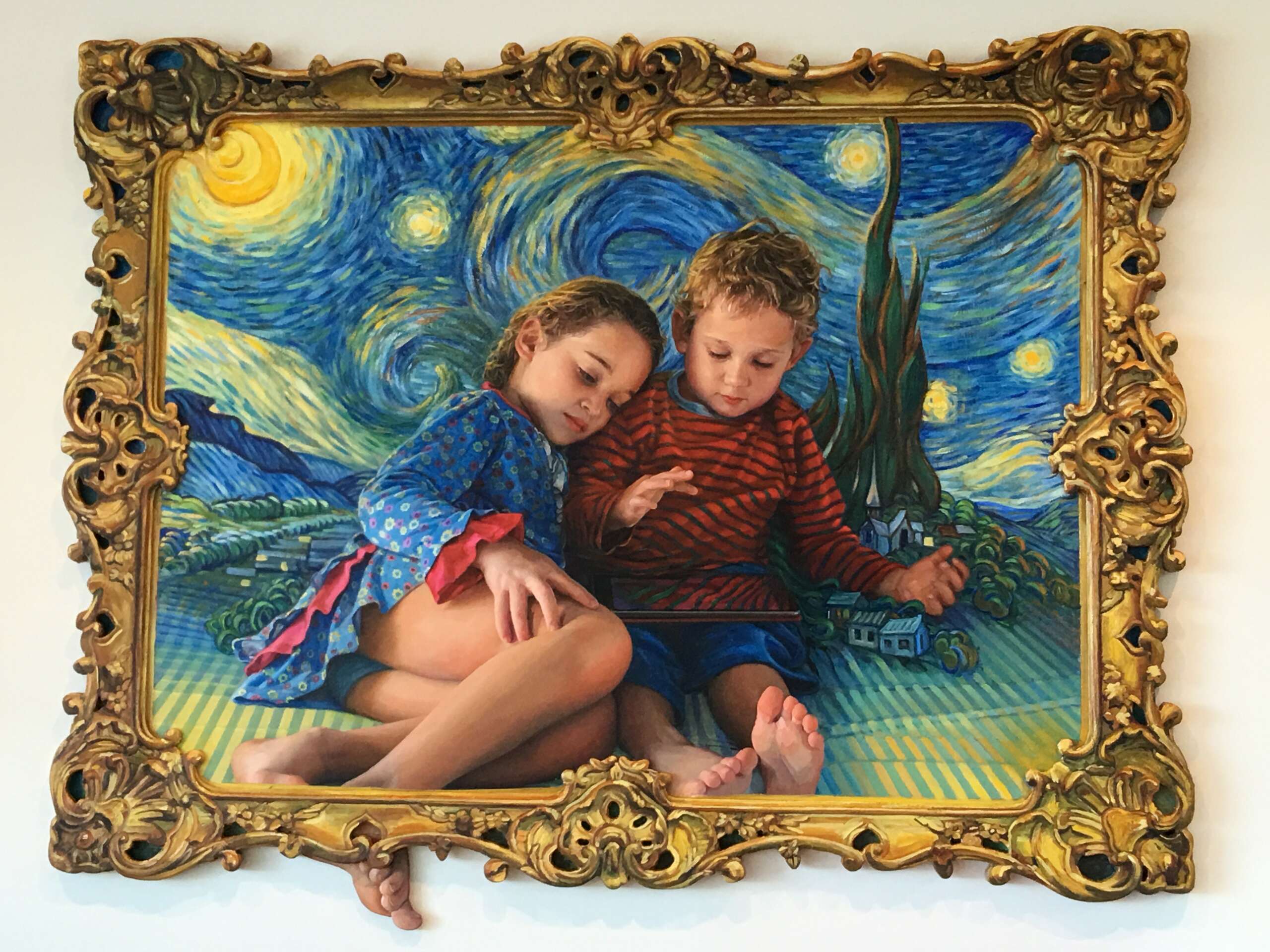
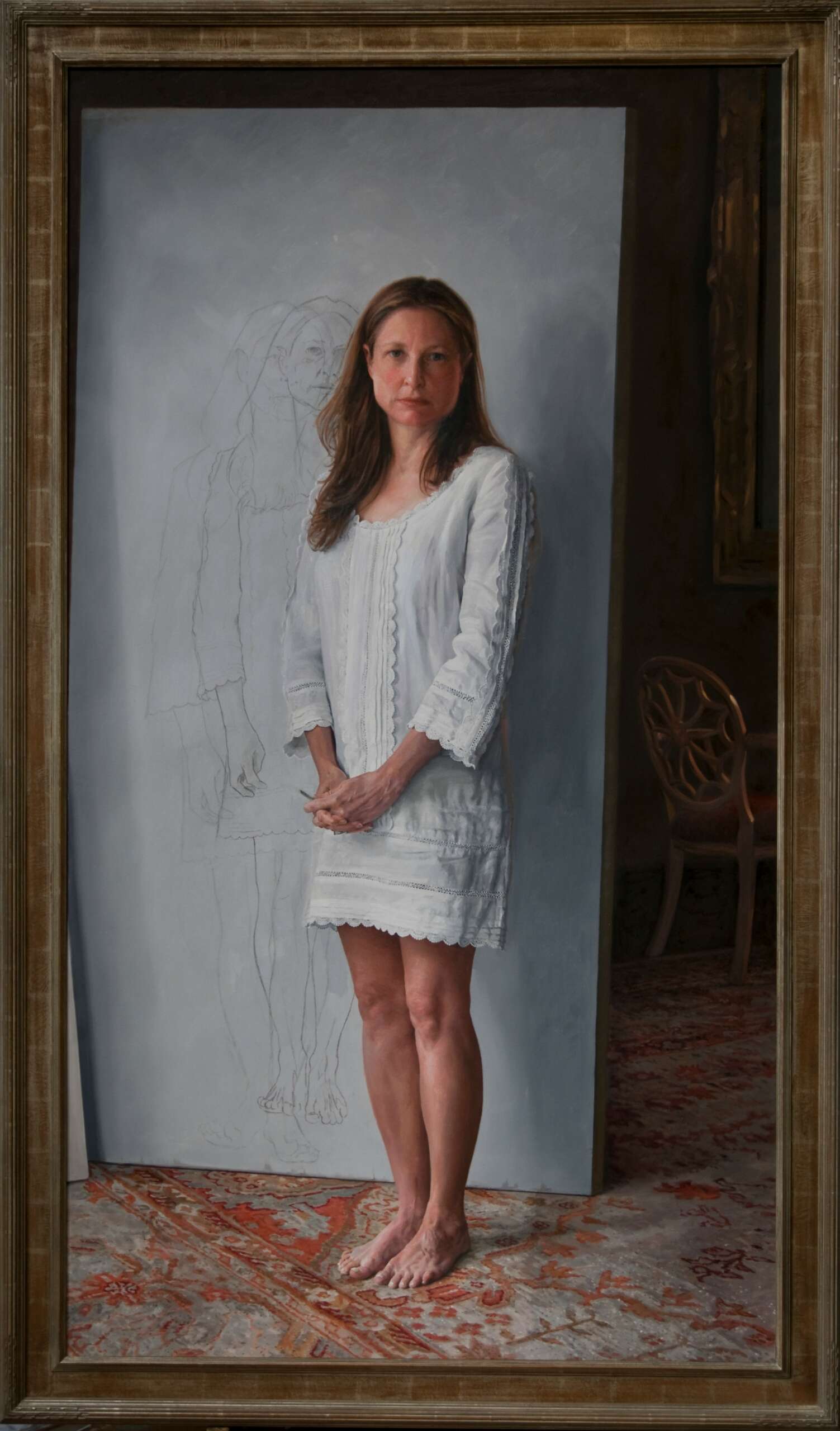
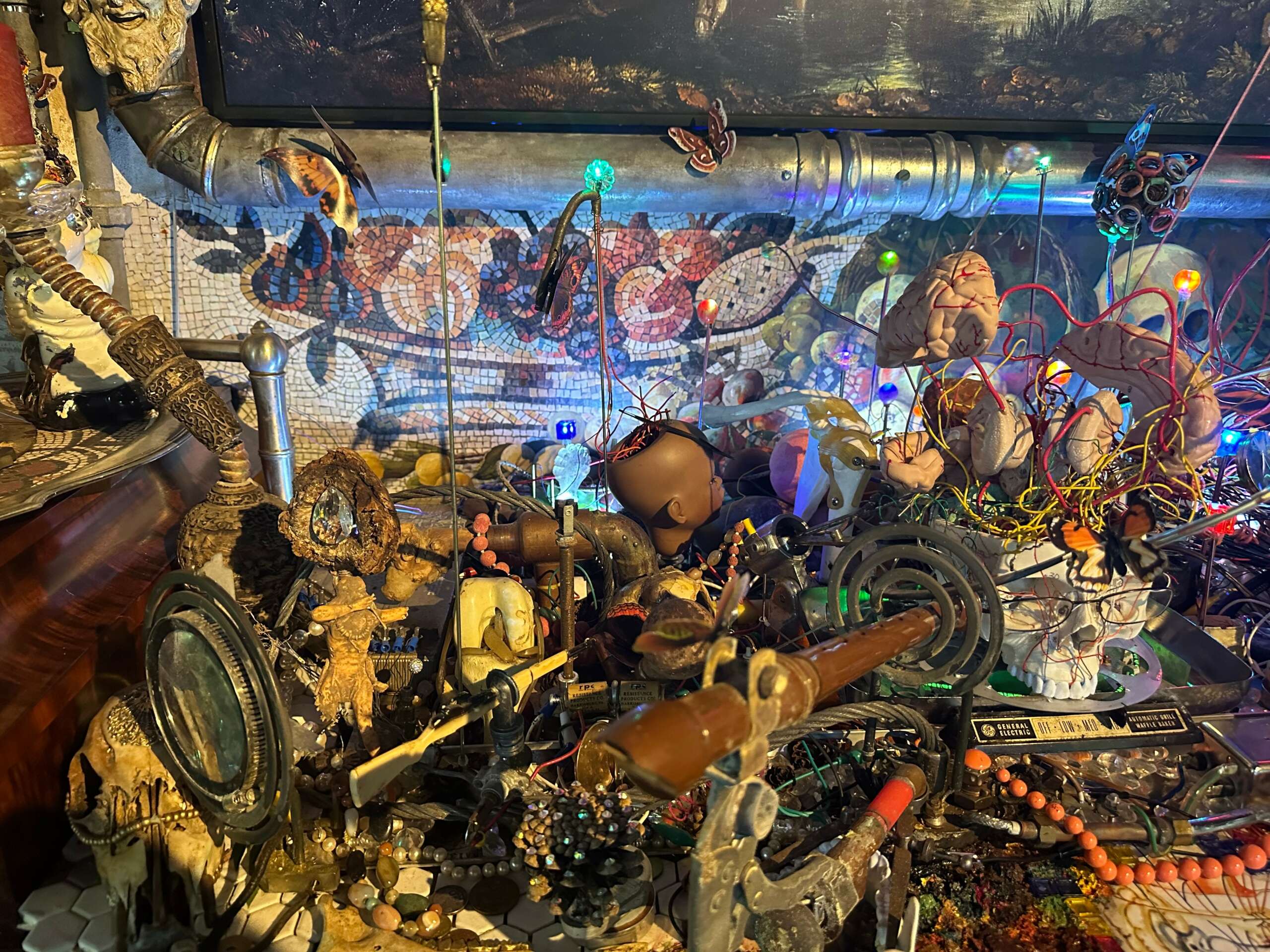
Great, appreciate you sharing that with us. Before we ask you to share more of your insights, can you take a moment to introduce yourself and how you got to where you are today to our readers.
Life as an artist can be personally rewarding, but is also inconvenient, maddening… The frustrating parts are largely attributable to the realities of responsibilities to/expectations of others, but especially to factors such as society’s general perception that what we do is self-indulgent and superfluous. On the contrary, I would argue that artists play a essential role in contributing to the culture in which they live. The ones attuned to their surroundings become de-facto historians of that time and place, and their yield is time capsules for future generations to reflect upon.
My upbringing was filled with acrimony and abandonment, and I have been perpetually drawn to the underdog, forgotten, unwanted. Unfortunately, this viewpoint can come into direct conflict with a viable career in the arts, as most people want to live with artworks that make them feel happy. I am well aware that I come across to others as heavy and preachy and, at times, angry, But I am desperate to fight against complacency, and I feel that people are becoming inured to the myriad problems that confront our basic humanity, and fighting zombyism is a worthy battle.
Is there a particular goal or mission driving your creative journey?
How about pivoting – can you share the story of a time you’ve had to pivot?
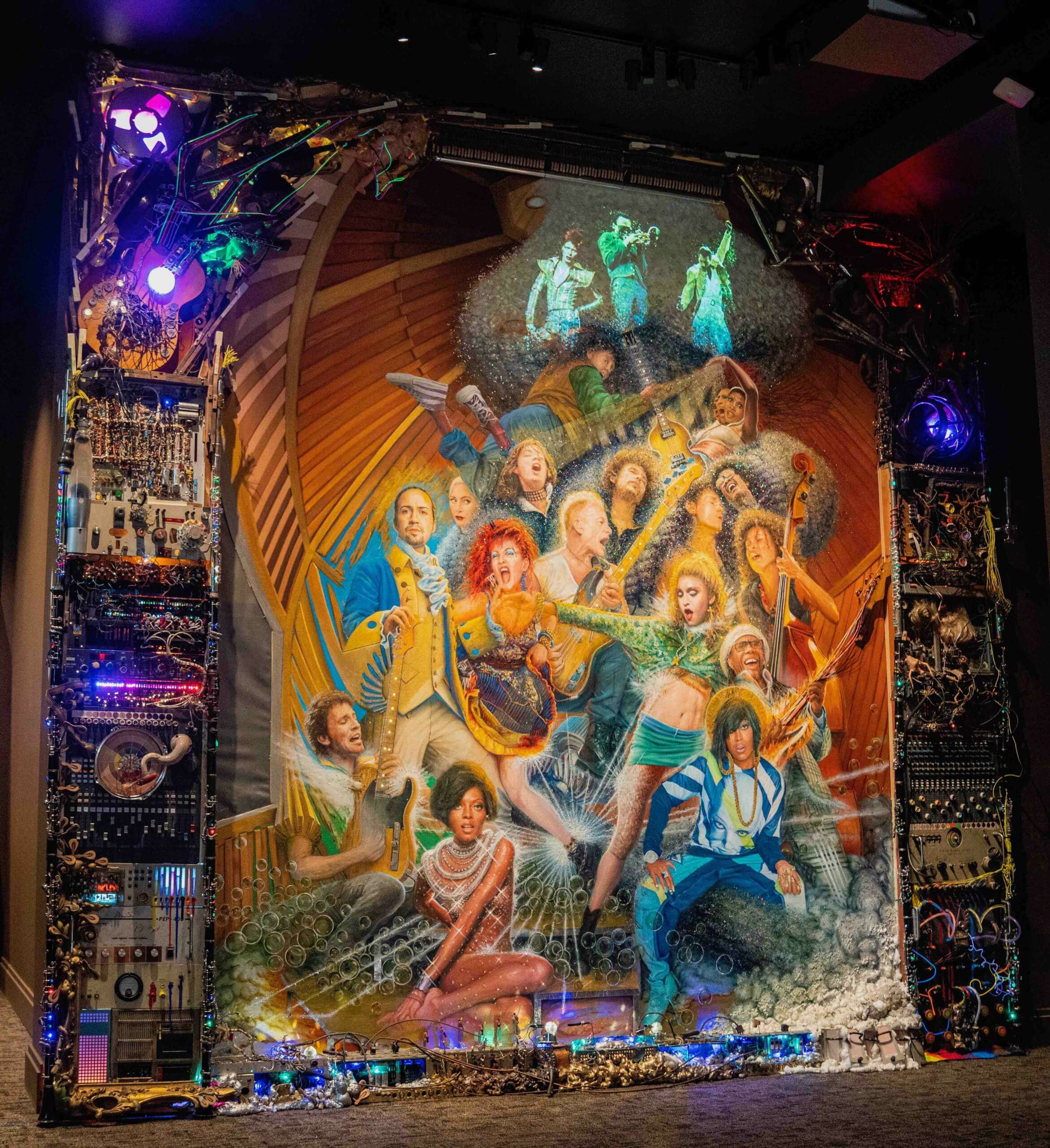
I am currently in the midst of that pivot. After painting commissioned portraits as my primary source of income for the nearly thirty years, I reached my saturation point. It paid the bills, but left me deeply conflicted and often dissatisfied, as I want to make art and often the expedient path was to just make a picture that, to me, felt like a facsimile of art.
I’ve always pursued my own interests simultaneous to painting portraits, and every couple of years I’d channel an explosion of pent up creative energy into a project or show that was an art-for-art’s-sake effort of pure passion. When I turned sixty years old I committed myself to making a change that combined the certainty of income that portraiture provided with the soul-satisfying component of projects of genuine artistic integrity. I’m fifteen months into that process, and it has been a bumpy road with some glimmers of success, but as of yet no definitive resolution. But I plod ahead, aware of the personal and professional ramifications of the process. As the only option is a dead end road to Unhappinessville, there is no other option than to head down this uncharted path.
Contact Info:
- Website: www.mikelglass.com
- Instagram: @mikelglass