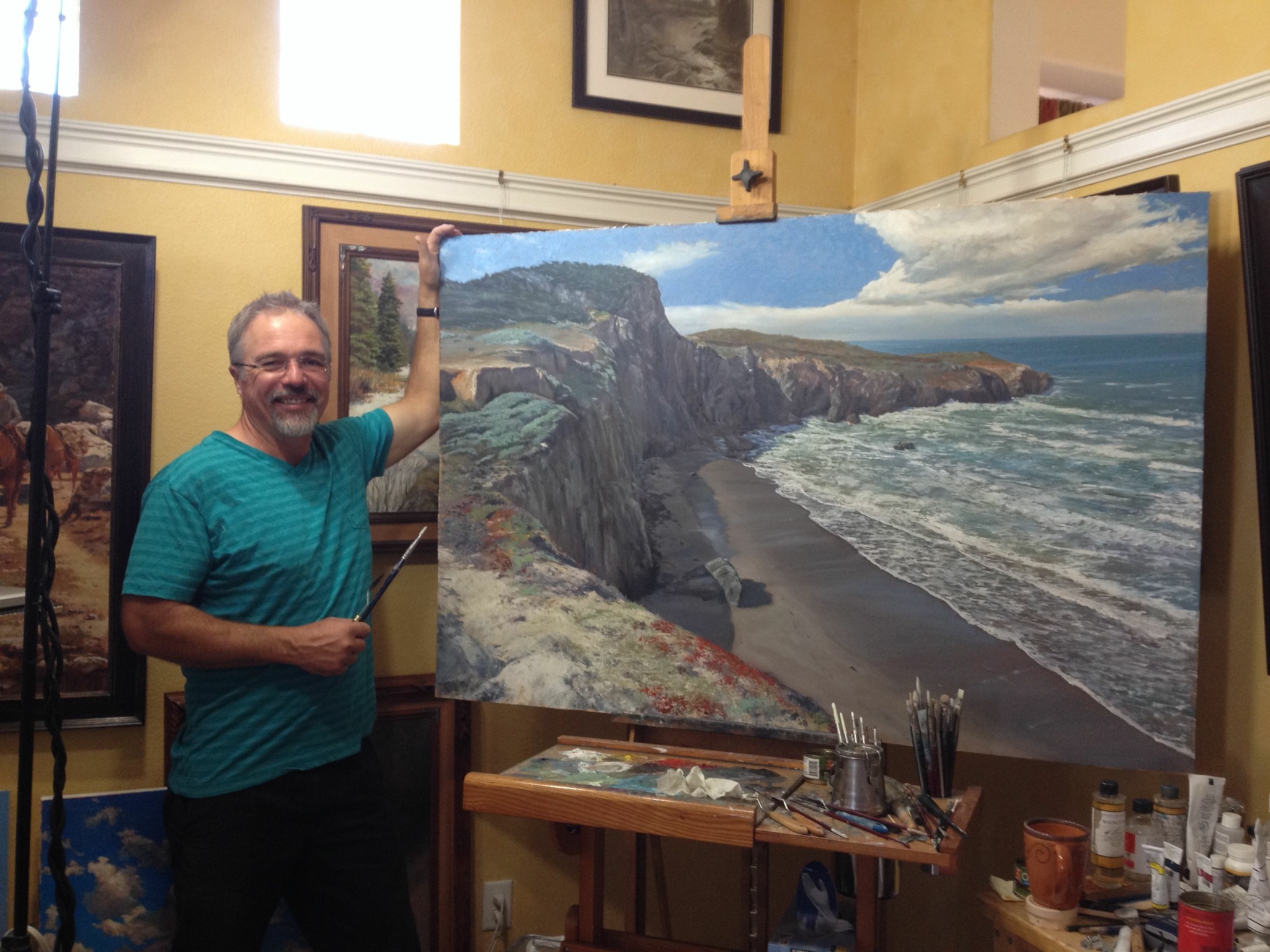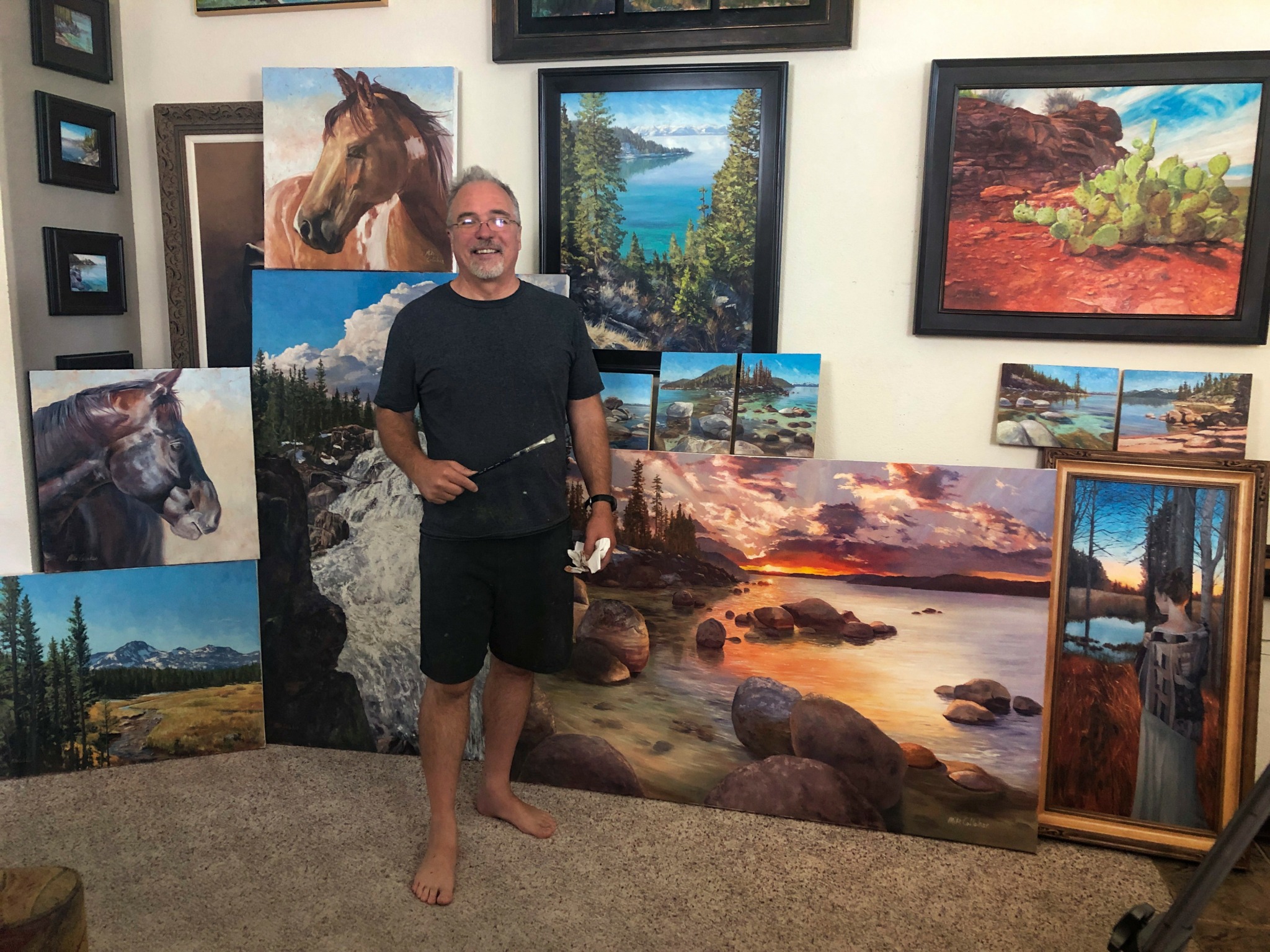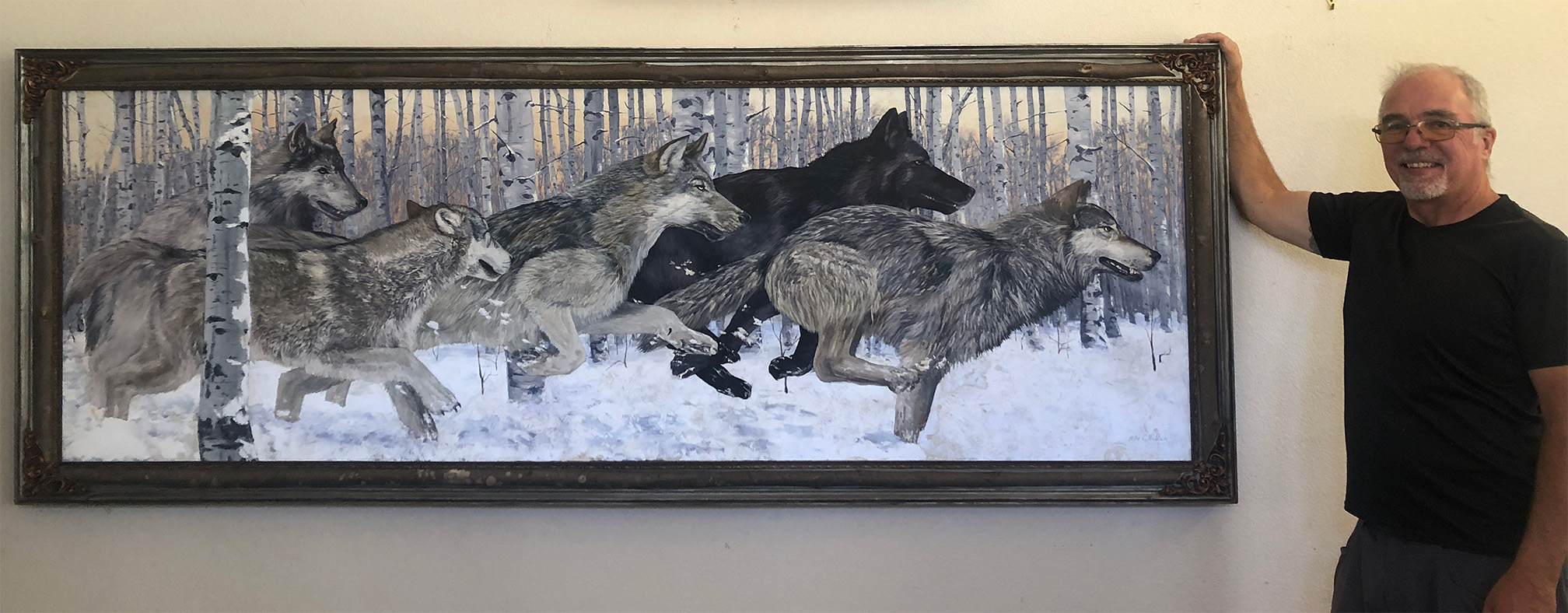

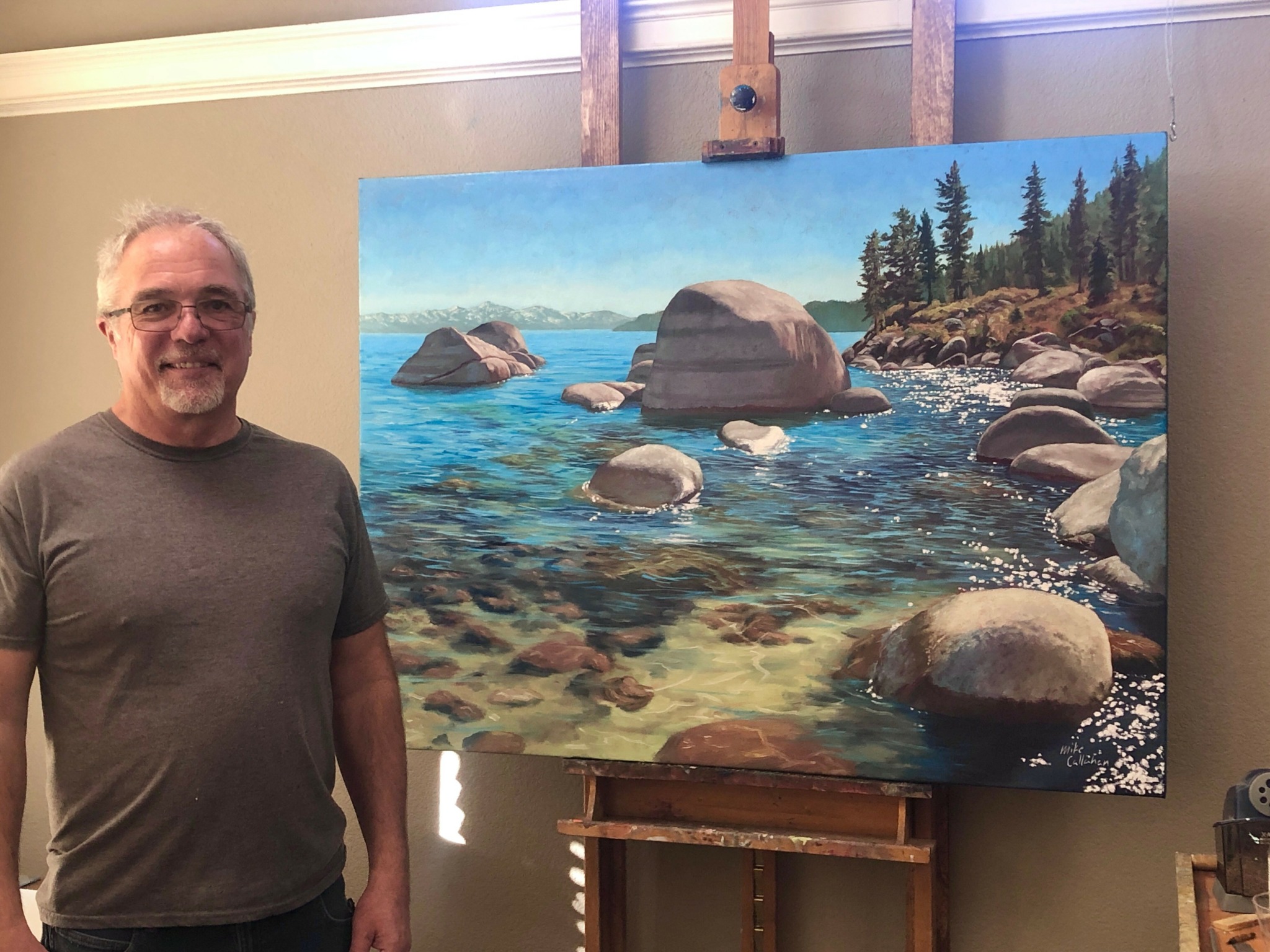
We recently connected with Mike Callahan and have shared our conversation below.
Mike, looking forward to hearing all of your stories today. Can you talk to us about how you learned to do what you do?
I used to say I was self-taught, but after years of continuous learning, I’m convinced that’s not very accurate. I think self-educated may be a better way to describe it, meaning I pulled principles and techniques from very masterful artists to the extent that they shared that information. Otherwise, I would study what I admired in their work and tried to emulate it to some degree. In the process of focused trial and error, I would make discoveries of things I liked and could make work and things I didn’t care for so much. Over the years, those workable things were honed and eventually a style, my style, developed and became recognizable as such.
Knowing what I know now, I would say the only way to have sped up the process is to put in focused time at the easel. The route to becoming a good oil painter is brush mileage, especially if you want to paint representational/realism. So, the short cut, if you want to call it that, is to not get sidetracked by other activities or interests that distract you from easel time. But, as far as time at the easel is concerned, there is no short cut for that. When students say, “I wish I could paint like you”, I tell them, “you can, there’s absolutely no reason you shouldn’t be able to as long as you paint nearly every day for 10 to 20 years.”
In my opinion, the most essential skills would probably be drawing, understanding light, value, color, and form, and understanding your medium to the point of mastering control of it. Being an observer, a student of just about everything and asking why and how of everything you see is what will help you acquire, develop and master those skills. One more “skill” I would say is essential would be that of discipline. You have to get yourself in front of your canvas often and put on the brush miles; there’s no getting around it.
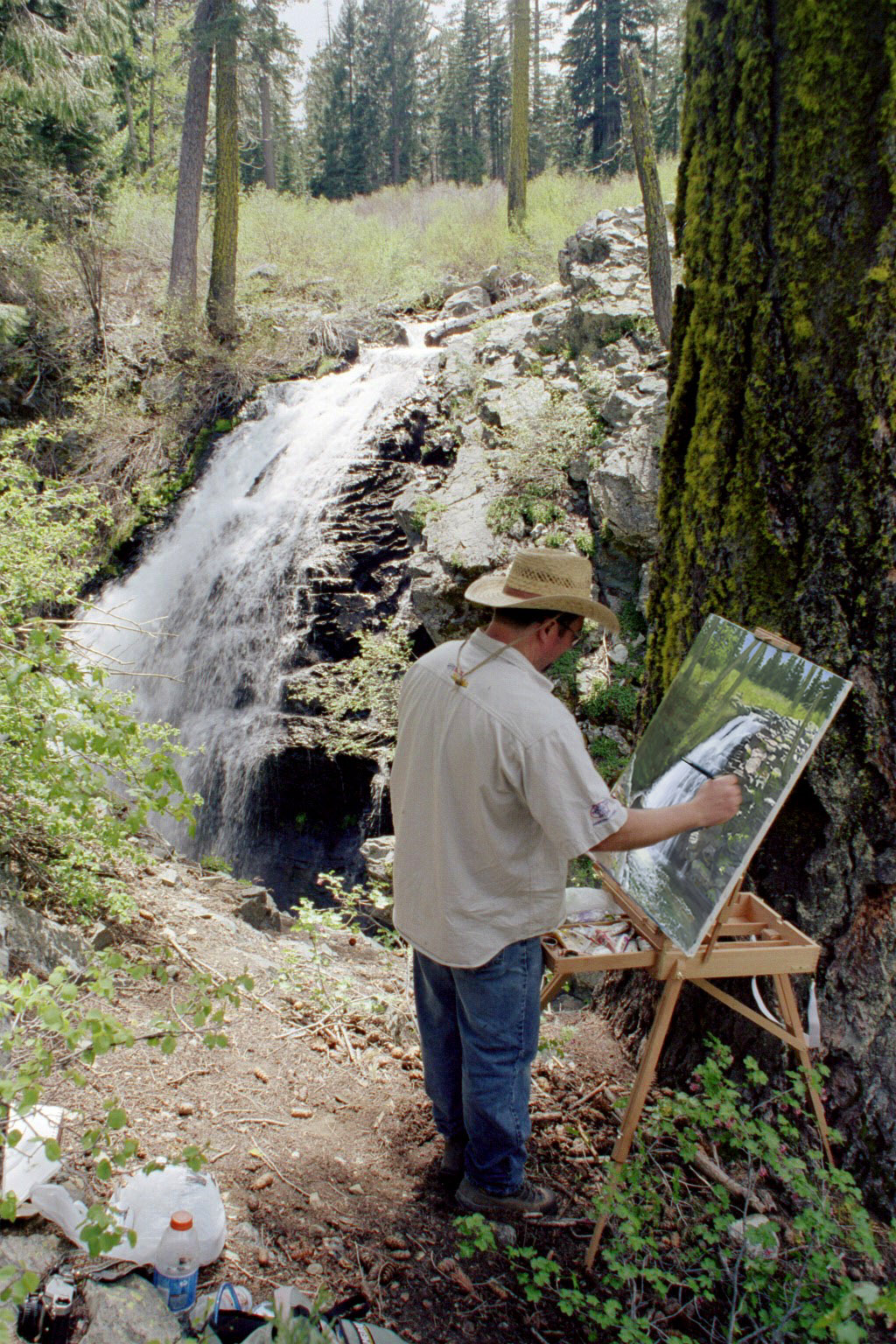
The obstacles I faced along the way were always those things that vied for my time. Some, legitimately so, my young children, my job, etc. When I decided I wanted to master oil painting and paint full-time, I had to figure out how to be able to commit to painting without forsaking anything else. For a good many years I would get up at 4:30am and paint for two and a half hours every weekday. This was a solution that worked for me. My wife and kids were still sleeping so I wasn’t neglecting them time wise and then I’d go to work at 8. I was fortunate enough to have a creative job, but found my creativity was sapped by the end of the day so painting in the evenings never worked for me like the early mornings did.
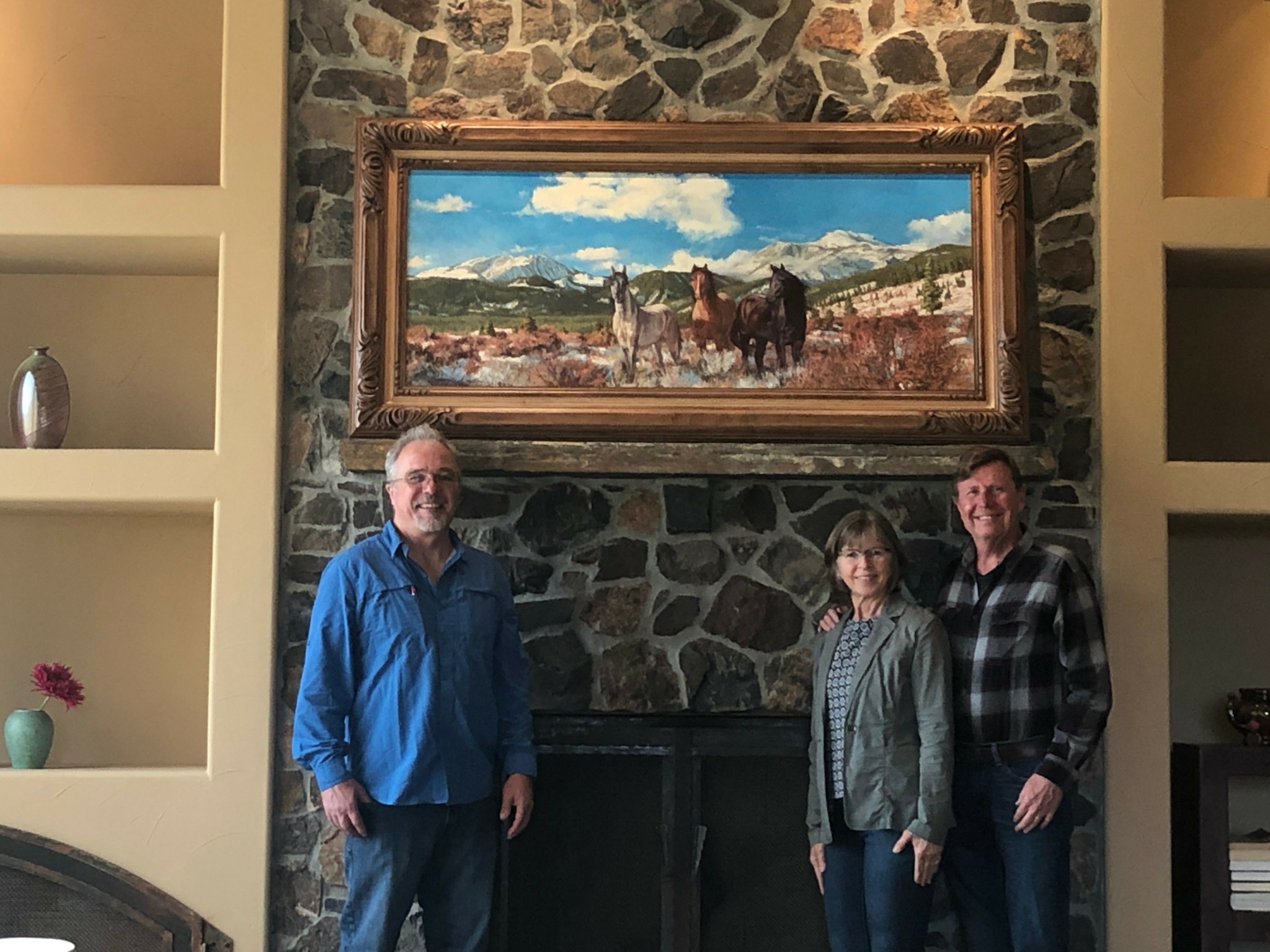
Awesome – so before we get into the rest of our questions, can you briefly introduce yourself to our readers.
I spent over thirty years of my career in the graphics industry. I initially attended a technical school to study illustration and design. The school however, was somewhat of a fraud, incapable of delivering the education I needed. With no degree, no money and not much of a clue I started freelancing as much as I could. One thing led to another and eventually I wound up in the screenprinting/signmaking business. This was before much of anything was digital. With my experience using orthochromatic film for screen print positives, I wound up getting hired by what at the time was the world’s largest manufacturer of slot machines because they screen printed all the backlit glass on their machines.
Eventually, things went digital and artwork started being designed in Adobe Illustrator and Photoshop. The camera work also went digital and screen positives were printed out on Linotype machines. I taught myself to use the Adobe products and eventually became a certified expert in them having transitioned from the camera room to the design department. I continued to innovate and developed a much more efficient process for getting the designs to printed glass at which point I was made the graphics department trainer. We used to joke about it; I was the trainer who was never trained!
Meanwhile, I had never abandoned my first love, which was oil painting. I would produce one or two paintings a year is all, but the slot machine company sponsored a local community event called the Great Reno Balloon Races. Part of their sponsorship entailed the production of a limited edition poster for the event and I was privileged to be asked to create the art for the poster in 2002.
They paid me for 100 hours in my own studio to create it and those days I remember while working on the poster thinking to myself, this is what I want to do full time! It was then I started painting in earnest determined to figure out how I could make that my reality.
I began painting every day, getting up at 4:30 am and painting for a couple of hours every day before work. That was right around the beginning of the daily painting movement where artists created one small painting everyday and sold it on eBay. I would paint a 6″x8″ painting in the morning, come home from work at the end of the day, photograph it and post it on eBay. I did this for almost a year straight before sales sort of started to dwindle. It was somewhat of a fad though I think there are a few artists who might still be doing it even to this day.
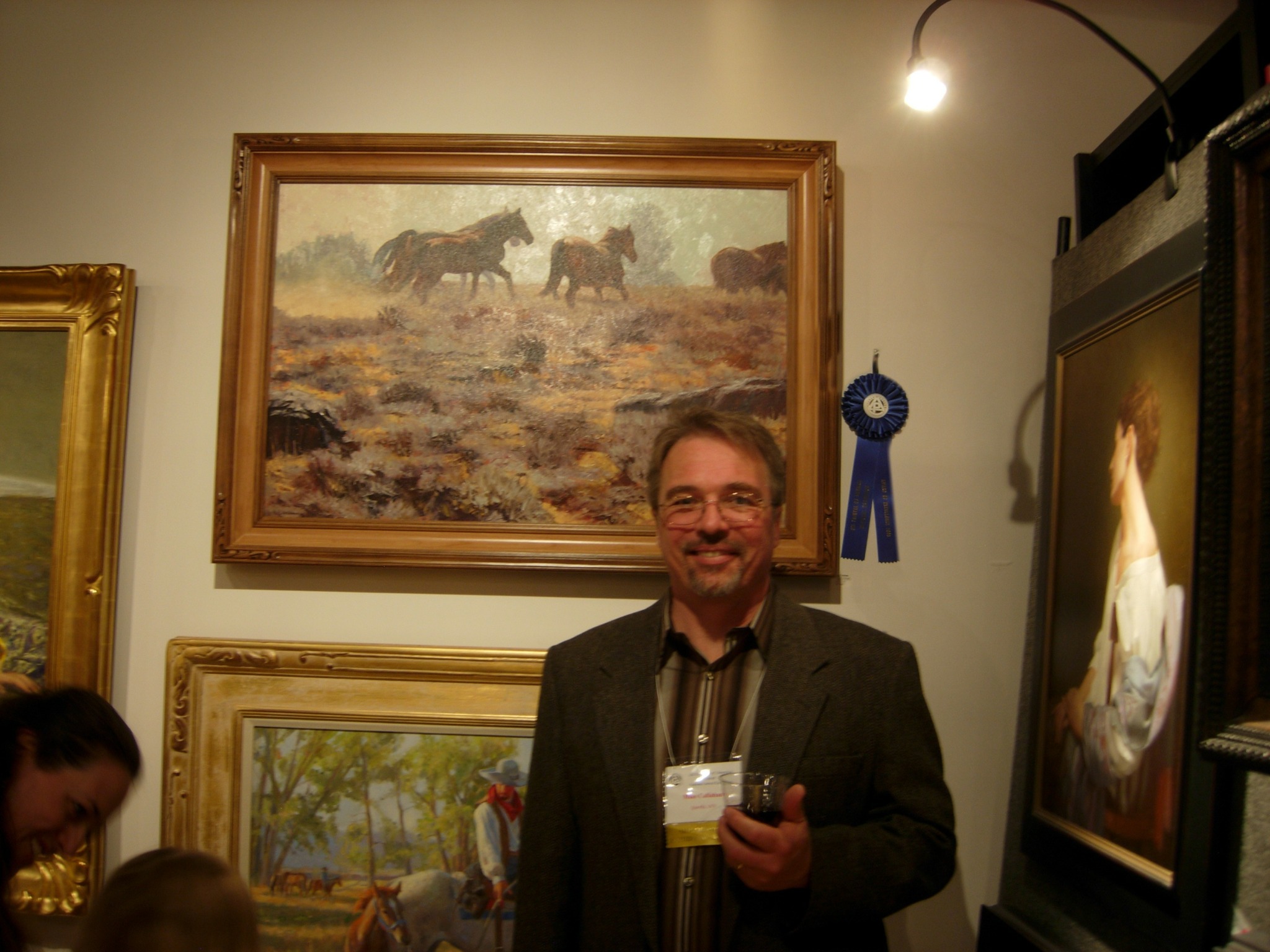
Making myself paint daily was huge for my painting chops! My brushwork and other painting skills in general skyrocketed! I started painting larger though still painting daily and began to win national awards from the likes of the Oil Painters of America and the National Oil and Acrylic Society. I picked up some gallery representation and was convinced I was on my way to making my dream of being a full time oil painter a reality.
Then 2012 hit, the economy tanked, and people generally stopped purchasing luxury items, like fine art! I still painted and still sold paintings, but not with the regularity I needed. For the next decade my sales were feast or famine. Not only had the economy changed and probably never bounced back fully, but the way people bought and sold art was changing as well. Over the years, every single brick and mortar gallery I was represented by ended up closing their doors. Competition to get representation stiffened amongst those galleries still managing to keep their doors opened. Online sales for me were up and down but I was happy to have them.
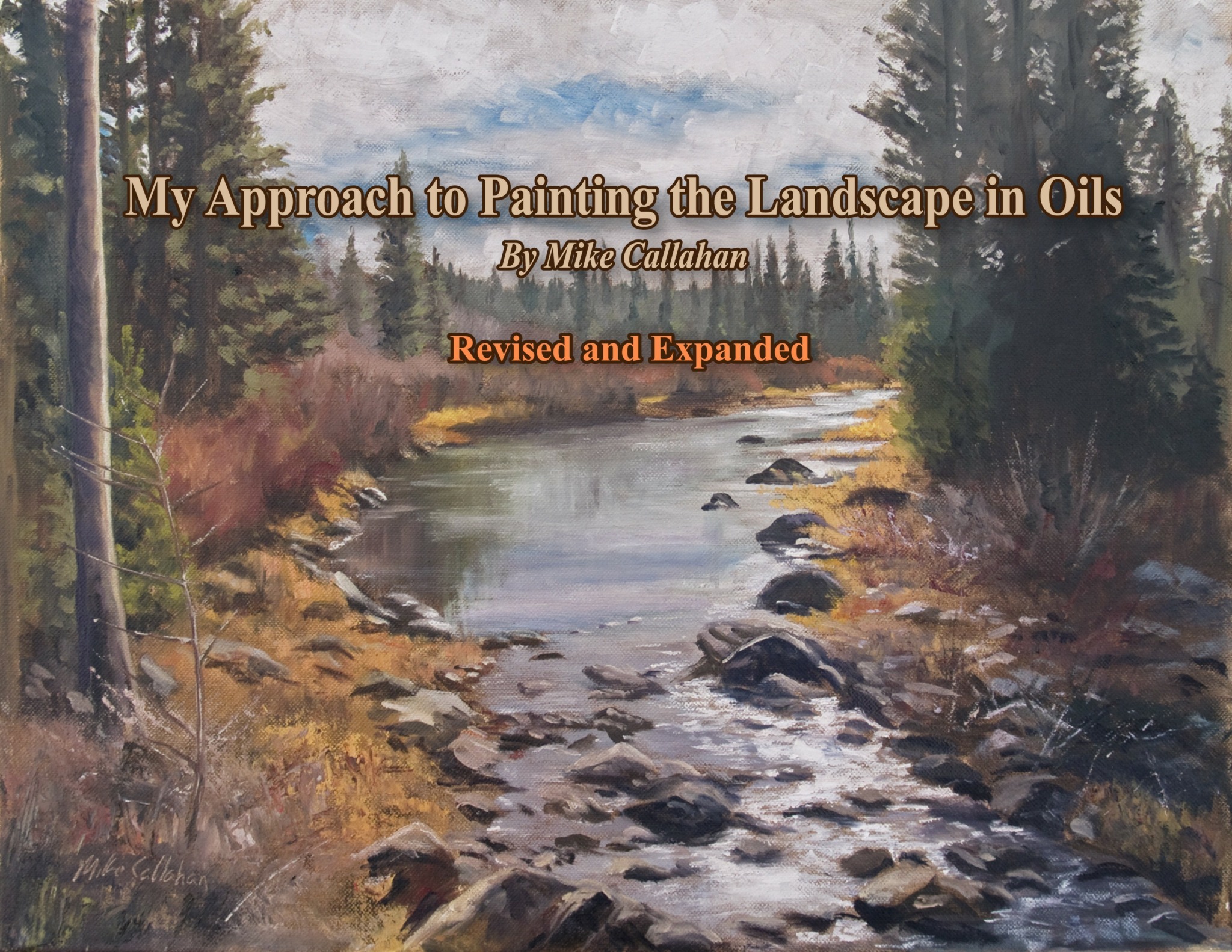
I quit my corporate job in 2014 and started teaching oil painting. Looking at what other teachers were doing and remembering some of the teaching I ran across when I was trying to learn myself, I figured out that many oil painting teachers were overcomplicating the endeavor. I decided to concentrate on simplifying the process. I started teaching color theory using only a three color primary palette and a simple approach to value using a two-value block in. Students responded enthusiastically because not only had the process been simplified from what they had experienced in other classes, they were getting great results and were delighted with their progress. I began teaching at the Nevada Museum of Art’s school and eventually I honed my process and founded an online school called Simple Approach Oil Painting. I had students worldwide taking my courses. I even had an eBook that I sold online (it’s actually still available on MagCloud). It was great fun but at the same time a lot of work.
My wife retired in 2023. We had made some smart investments over the years so looking at our finances I realized I didn’t need to work so hard. There are a lot of other things (gardening, grandchildren, traveling, etc.) that I’d like to spend time on, so last year I decided to retire as well. I ended up closing down the school because the continual marketing and course production were more than I wanted to do. I pulled out of all galleries and now only sell art out of my studio or via my website.
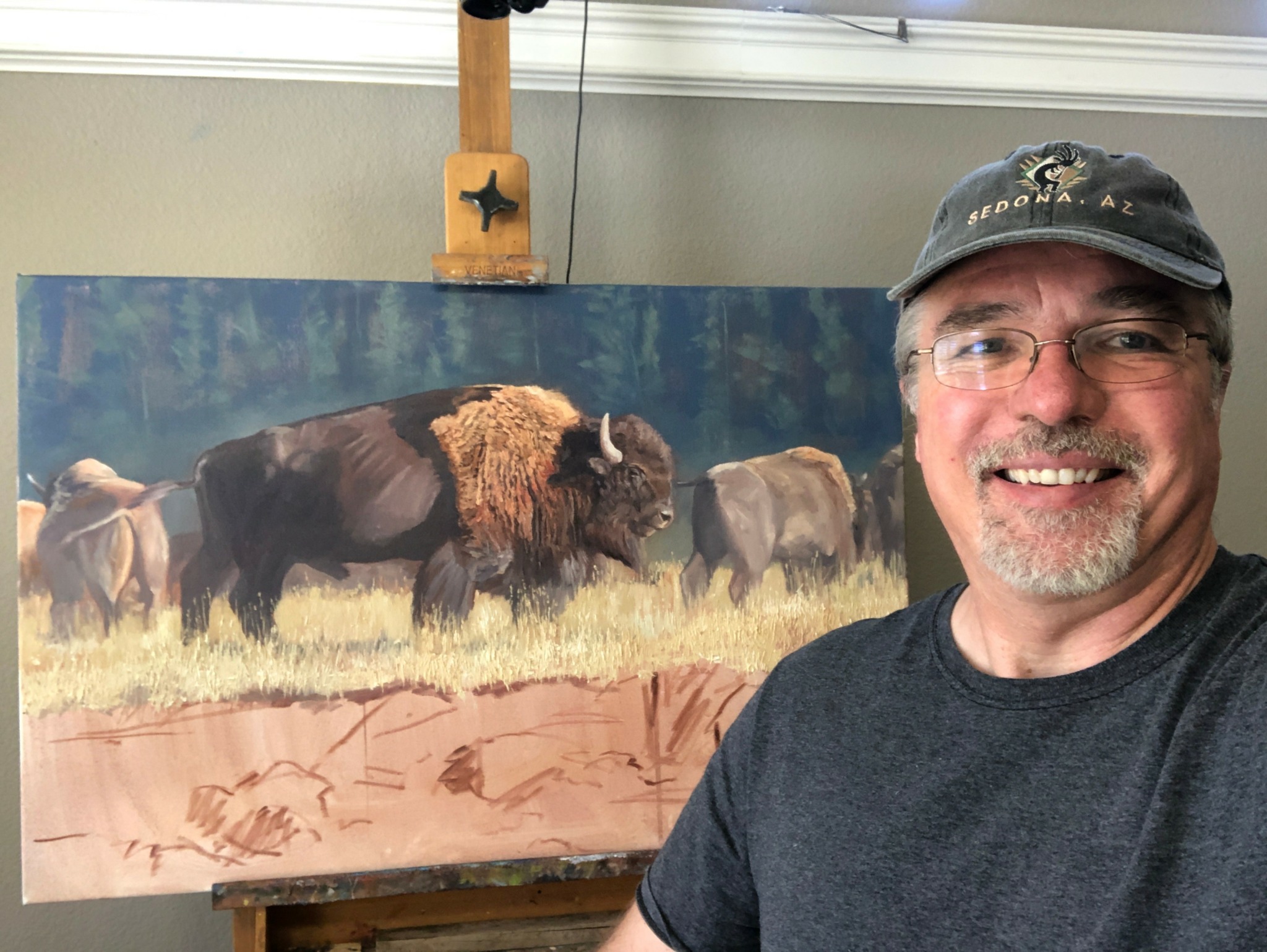
So now, I paint maybe weekly instead of daily and I’m ok with that. I still take an occasional commission but beyond that, I pretty much just paint for me, I challenge myself with personal projects which is great because I can have absolutely zero concern for marketability of what I produce, it’s strictly art for art’s sake.
Alright – so here’s a fun one. What do you think about NFTs?
I’m probably too old to be answering this question with much objectivity, but I think NFTs for the most part are B.S. I mean, I get it, a non-fungible token, one of a kind. Big deal, you can’t hold it, it doesn’t look any different than that jpeg that a million people have access to. I’m probably missing something, but I left a field that was steeped in digital art for something tangible – oil on canvas. As good as I am at photographing my art for my website, an original painting with texture and light interplaying with layers of paint and texture will make the digital pale by comparison any day of the week!
I don’t think it helps that there are so many losers trying to scam artists every day telling them they love their artwork and want to purchase it as an NFT for some ungodly sum of money. Don’t fall for it! If you actually have an NFT they’ll never buy it, they want you to pay some “associate” of their to make the token since most artists wouldn’t have a clue how to do it. And once you do, you’ll likely never see the NFT or your money and for sure you won’t see the initial buyer either.
If you disagree with my pessimistic outlook, that’s fine, but don’t say I didn’t warn you.
I used to respond to these NFT seekers with, “sorry, no NFTs, original art only”, but I’ve been hit with so many poorly worded, improper grammar emails and DMs, I just ignore them these days.
We often hear about learning lessons – but just as important is unlearning lessons. Have you ever had to unlearn a lesson?
A lesson I had to unlearn is that there are specific rules to oil painting which obviously, there are not.
I remember as a kid, my mom sent me to oil painting lessons once a week because she recognized my artistic leanings. Overall it was a great thing for me. I can’t say I learned too much those several years I went other than I think it kept me from ever being intimidated by oils. I became familiar enough with the medium that I was comfortable with it and could manipulate it to do what I wanted it to do for the most part. At any rate, I was taught by an old woman named Mrs. M (not her real name but close enough). She was from Colombia and had a very thick Spanish accent and lessons were held in her garage that had been converted to a studio. She taught me a lot of peculiar “rules”, like never mix white with green, you must always draw with charcoal before starting a painting, never spend a lot of time painting foliage and a whole lot of others that I can’t remember. She was very serious most of the time and sometimes you’d think she might rap your knuckles with the size 12 bristle brush handle (but she never did). She was sterner with other kids than she was with me because I didn’t question anything she told me, I just accepted it and did what she said to the best of my ability. I saw her as the expert and figured she knew all the “rules” so my goal was to become as good as she was.
I got to the point that by about age 15 she told my mother that she didn’t think there was anything more she could teach me. I let that go straight to my head and I remember foolishly proclaiming to some poor guy who sat next to me on a cross country bus trip that I knew all the rules of oil painting. He looked at me quizzically and asked, “Oh? What are the rules of oil painting?” “There are a lot, but you know, things like never mixing white with green, etc.” “Really? I do that all the time, no one ever told me that was against the rules!” “It is, don’t ask me why, it just is.”
Later in life, when I determined I was going to be a bona fide oil painter and started studying some of the greats like John Singer Sargent, Howard Terpning, Scott Christensen and many others, I realized they weren’t painting by any such “rules”. Admittedly, they all had things they did and perhaps those were rules for themselves but, they were all different. For example, most oil painters advocated laying down dark values first and building subsequent lighter layers on top (which is something I typically do), but Sargent called it gimmicky and laid dark down right on top of light layers. What I realized is, each painter was doing what worked for them and not following any set of rules.
I now tell every student when we first begin, there are no “rules”. If you find something that works, use it, if you struggle with something, persevere and try to master it, but if you eventually find you don’t like it and therefore it won’t work for you, then do something else that does. I can tell you what works for me and I can usually tell you why. I can tell you physical properties of oil paint and principles for creating a structurally sound painting. I can tell you principles of composition, value, color, etc. but these can not be made into inviolable rules.
There are no rules, only principles that can be approached from any number of angles. If you can make something work for you and you like it, incorporate it into your painting style.
Contact Info:
- Website: https://www.mikecallahanart.com/
- Instagram: https://instagram.com/mikecallahanart
- Facebook: https://facebook.com/mikecallahanart
- Other: My eBook on oil painting:
https://www.magcloud.com/browse/issue/443150?__r=172522