

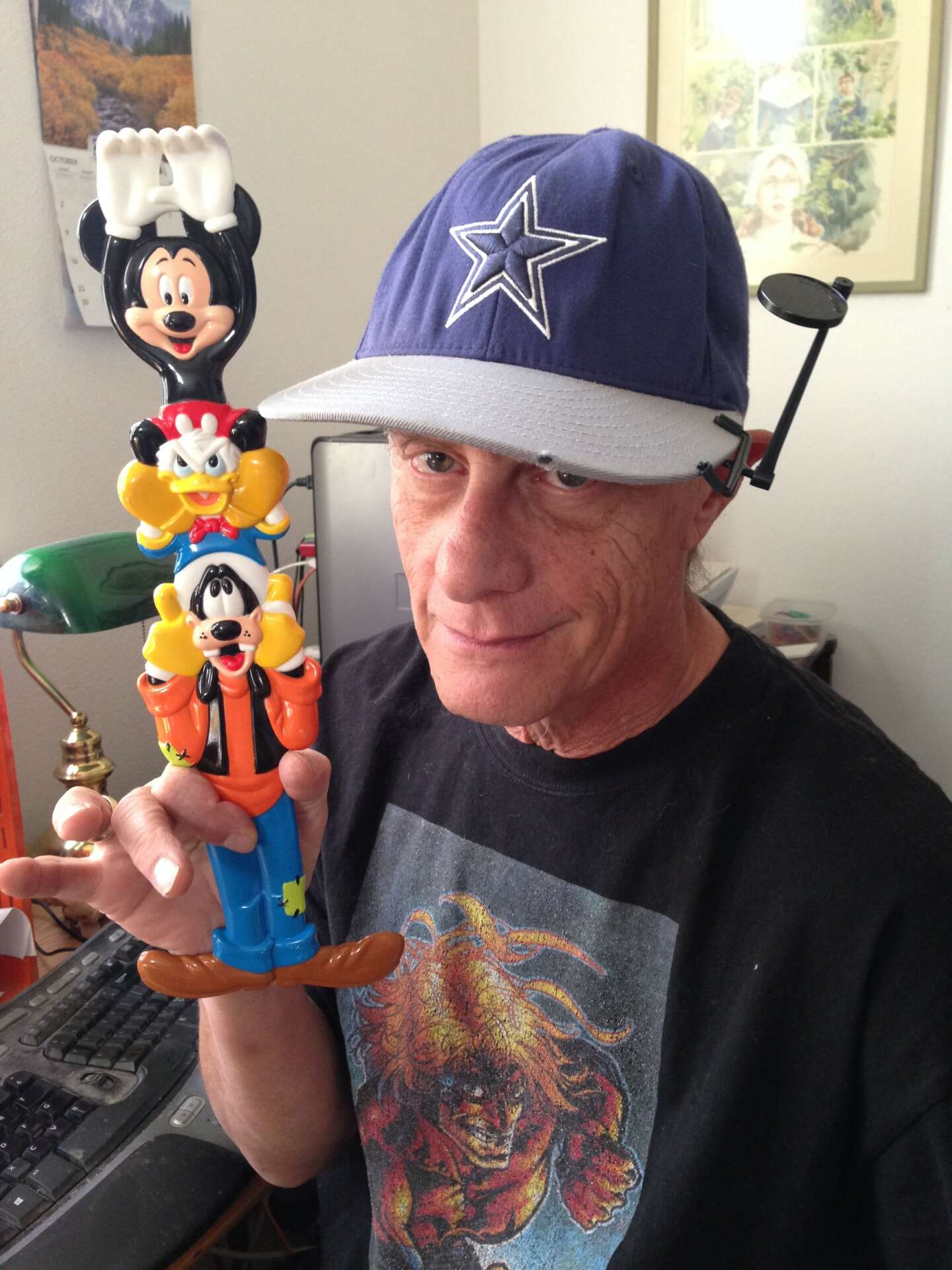

We recently connected with Mike Baron and have shared our conversation below.
Alright, Mike thanks for taking the time to share your stories and insights with us today. Let’s start with the story of your mission. What should we know?
I’m a sole proprietor. My most important job is to entertain. Every part of the story must entertain. The most important question in fiction is, what happens next? The reader must care before he turns the page. How do you make the reader care? There infinite ways but I’ll just highlight the first three. 1. Create a fascinating, irresistible persona. Sherlock Holmes. 2. Create a fascinating, irresistible milieu. Jurassic Park. 3. Have a seductive narrative voice. Raymond Chandler. James Ellway. Dorothy Uhnak. I became a writer because when I was eleven, I bought a John D. MacDonald paperback for thirty-five cents. The Deep Blue Goodbye, the first Travis McGee adventure. Travis is a well known American literary type, a tarnished knight who travels the mean streets as a court of last resort for those who have been wronged and have exhausted all legal resources. My version Josh Pratt is a reformed motorcycle hoodlum who went to prison, found God, and gets out determined to turn his life around. The storys are dark, violent, but shot through with humor. Even the blackest drama must have humor. Shakespeare taught us that. I had a great writing teacher at the University of Wisconsin, Jerry McNeely. He said, “You make ’em laugh a little big, you make ’em cry a little bit, scare the hell out of them, and that’s entertainment.” I love what I do. I was born to tell stories. I’ve managed to avoid a steady job for forty years now and I’m surprised to find my career on an upward trajectory. I would be happy to bore you with the details.
Mike, love having you share your insights with us. Before we ask you more questions, maybe you can take a moment to introduce yourself to our readers who might have missed our earlier conversations?
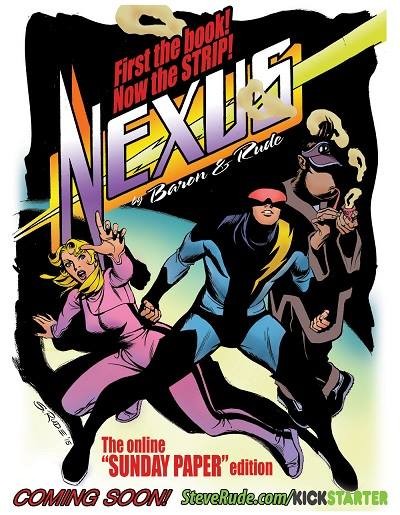
My first job out of college was smoking marijuana for the government. I answered an ad in the back of the Boston Phoenix seeking volunteers for a joint study between Harvard and the NIMH researching the effects of marijuana on the brain. I lived on a hospital ward for a month with eleven other hippies, smoking govt-grown marijuana every day and taking a battery of tests. It was just like college. When I got out, I wrote it up and sold the story to the Boston Phoenix. They hired me as music editor. It was my job to go out night after night, listen to music, and talk to the musicians. I met Freddie Mercury. I asked him why he named the band Queen. Freddie grinned, stuck a pinkie in his mouth and said, ‘Oh, I don’t know. It was just the most awful name I could think of.” But my main goal always was to write fiction. I tried to write novels. I was too half-baked. When I got an opportunity to create a comic book, I create Nexus, the cosmic avenger, with my partner Steve Rude. Then I created Badger. On the strength of those two titles, Marvel and DC asked me to write the Punisher and Flash, respectively. I wrote each comic by drawing the pages out by hand. I’m not a good artist, but good enough that anyone can see what I want. I included all the dialogue and captions. It was an invaluable exercise because it taught me how much weight a page could bear in terms of words and pictures, and it forced me to think about what happens next.
I went through a dark period in my life where I couldn’t get any writing work. I worked as a janitor. I moved to Colorado. I forgot about novels until a series of events forced me to focus. I tried again with a massive horror novel, Banshees, about a satanic rock band that returns from the dead. About a quarter of the way into it I realized, holy moly. I’ve got it. I understand story. Publishers Weekly gave Banshees a starred review: https://www.publishersweekly.com/9781614753940
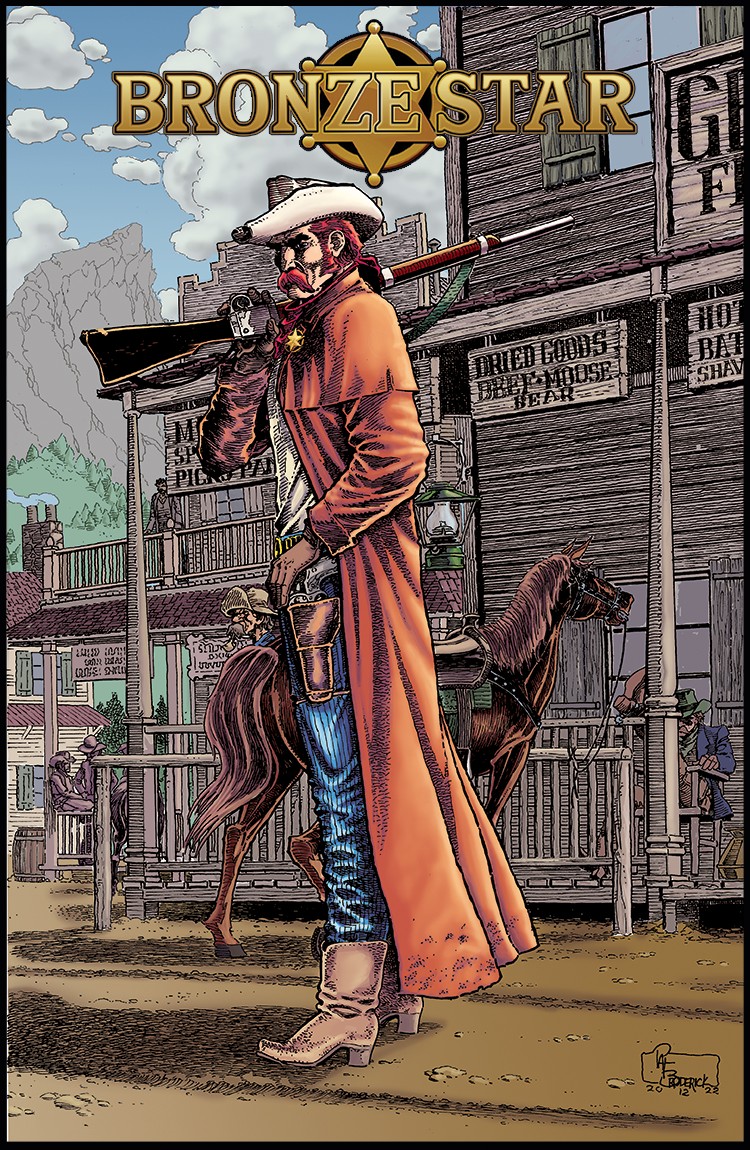
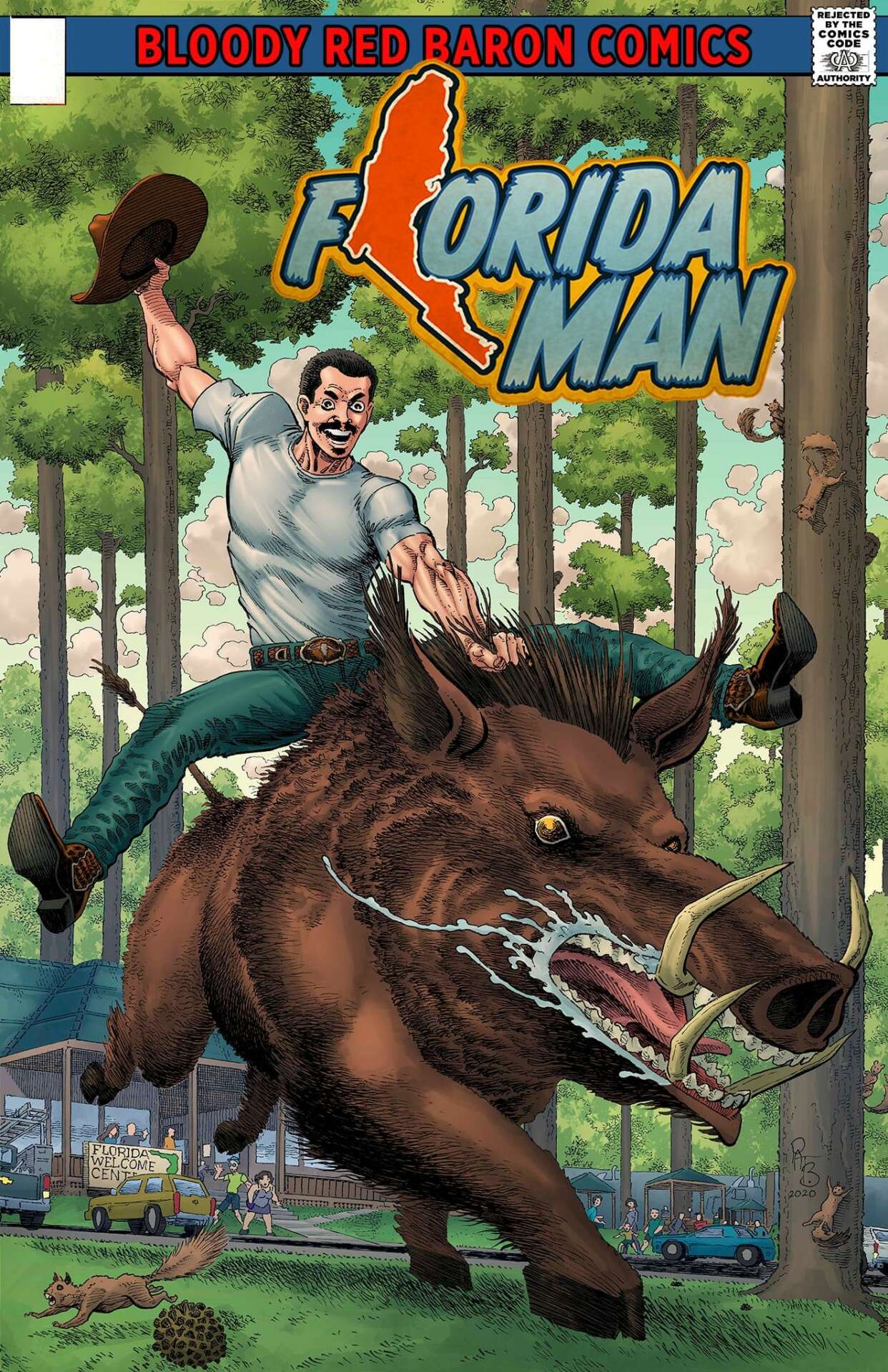
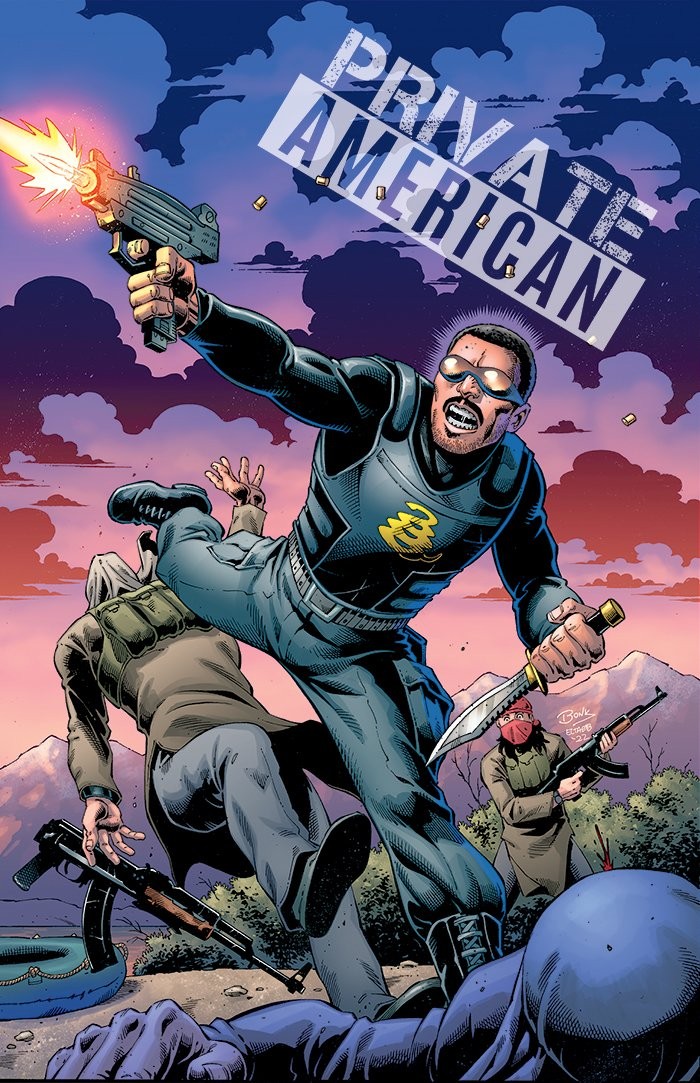
The last five years have found me on an upward trajectory crowd-funding graphic novels. Florida Man, based on my novels. Thin Blue Line, about two police officers trying to survive a night of riots. Private American about a vigilante on the southern border. Bronze Star, a supernatural Western. I research my material extensively. I hope that the NSA understands that I’m researching a book and not planning anything.
Can you share a story from your journey that illustrates your resilience?
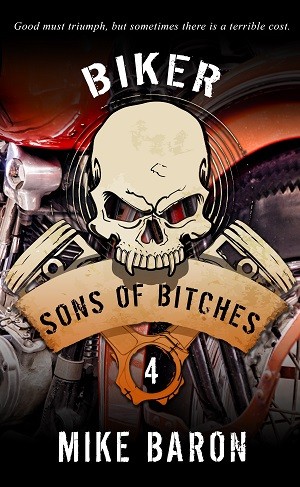
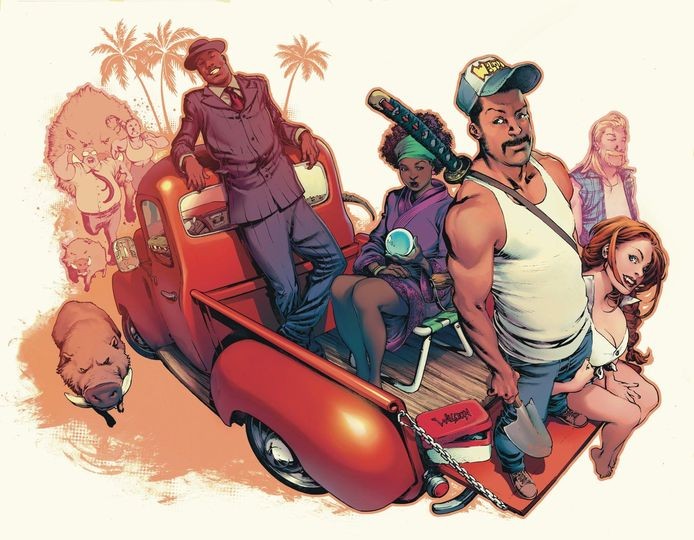
As I mentioned, I went through a dark period in my life. My wife was an alcoholic. I was blind to it. When I was making a lot of money there was no problem. We went to Jamaica every winter. But when the bottom fell out, she went into a death spiral. One day she announced “We have to move or I’m going to die.” I sympathized. Wisconsin winters are brutal. We ended up in Colorado. Three years after we moved, she died from an overdose of oxycontin and vodka. I was in shock. When I came out of it, I asked what next? An old fan and pro illustrator lived nearby and talked his brother into backing a publishing company. Big Head Press. They commissioned by graphic novel The Architect, inspired by the life of Frank Lloyd Wright. Growing up in Madison I visited many Wright designs. I went to Taliesen. Wolfpack Publishing signed me up to write Biker. Every time I went online there was another Florida Man story. You know the kind. FLORIDA MAN CLAIMS SYRINGE FOUND IN RECTUM IS NOT HIS. After awhile, I realized I had to write about this guy. But he couldn’t just be a disgusting oaf. He had to be likable. Hence, Gary Duba. Gary’s just a redneck living in a trailer down by the swamp. He’s got a hair-trigger temper, he likes to get high, he likes to get stoned, he’s been in and out of trouble his whole life. But he’s got a heart of gold and would give you the shirt off his back. I wrote it. Wolfpack specializes in hard-boiled crime and Westerns. I sent the ms to the publisher and asked if he could suggest a publisher. “We’ll publish it,” he said. It’s my most popular novel. The first Florida Man graphic novel is based on it, as is the second, which is crowd funding now. People keep asking me to write for them. It’s very gratifying. I let nothing out of the house that isn’t a home run. I take my time. I never send something off the same day I write it. Except for this interview.
Alright – let’s talk about marketing or sales – do you have any fun stories about a risk you’ve taken or something else exciting on the sales and marketing side?
I wrote Thin Blue Line after watching the riots during the summer of 2020 and hearing politicians, who’d sworn an oath to uphold the Constitution, calling for defunding the police. I know a number of police and they’re good people. There are bad cops. This isn’t about them. My campaign runner submitted the book to every major publisher. You’re welcome to change this, but this is what they wrote. “Fuck you.” “Fuck the police.” We knew they wouldn’t take it. Ten years ago, such a story would hardly be controversial. But today, in a society that knows no history, it was risible. Fox News heard about the resistance and had me on their morning show. The National Police Association interviewed me. When the book came out, police from all over the country wrote to express their gratitude. You would be surprised how many are aspiring authors and illustrators. My illustrator, Joseph Arnold, was a full time cop at the time. Most of the police I met through karate. That was my most successful campaign to date, although something similar occurred with Private American. The southern border is a forbidden topic.

Contact Info:
- Website: bloodyredbaron.com
- Facebook: The Comics and Novels of Mike Baron
- Linkedin: https://www.linkedin.com/in/michael-baron-31041b274/
- Twitter: @BloodyRedBaron
- Youtube: https://www.youtube.com/channel/UCuoSDaLXN3BNSkHI61jZRPg
- Other: https://linktr.ee/mikebaron mikebaron.substack.com
Image Credits
Nexus: Steve Rude Florida Man: Gary on Hogzilla: Pat Broderick. Gary in truck bed: Matt Weldon Private American: Richard Bonk Thin Blue Line: Butch Guice Bronze Star: Pat Broderick