



We caught up with the brilliant and insightful Miguel Bregante a few weeks ago and have shared our conversation below.
Miguel, looking forward to hearing all of your stories today. How did you learn to do what you do? Knowing what you know now, what could you have done to speed up your learning process? What skills do you think were most essential? What obstacles stood in the way of learning more?
I learned by doing. When I lived in Spain, I made a living dancing on stilts with a traveling street theater company. Later, in Chile, I studied acting at a Lecoq-style school, which bases its methodology on using the body, movement, and gesture as expressive tools. This method pushed us to engage physically, to experience rather than analyze. We were given almost no explanations; instead, we learned through trial and error and from the conversations that arose from our mistakes in weekly presentations. Through that practice, I also discovered that my place in the creative process was directing. I enjoyed performing and writing, but directing I liked it more, and I was definitely more useful at it. One day after finishing my training in Chile, with the very same people I had been doing weekly mistakes and presentations, we founded our touring company La Mona Ilustre. No one had taught me how to direct, but I had been doing it, well or/and wrong for years. With the Company, I indeed learned the craft—or at least a part of it—the kind that involves images, gesture-based theater, poetry, and storytelling through silence. We developed shows that gradually found an audience in Chile, but we performed live also in Argentina, Ecuador, Brazil, Mexico, Belgium, France, Norway, Spain, and Taiwan, each experience bringing new lessons. We learned how to tour, how to secure funding, and how to adapt shows for different venues and even cultures.
Most recently, I came to the United States thanks to a grant from Spain, which I won by applying the same funding strategies I had learned in Chile. Here, in New York, Columbia University has also taught me through doing. In the words of Anne Bogart, the School of the Arts it’s like a gym, where muscles—of specificity, avant-garde approaches, connecting art to today’s society, and fine-tuning dramaturgical understanding through analysis—are built by exercising them regularly.
Obstacles? Money. It has always been an obstacle. Even within the University, some of us have to work 20 hours a week to make ends meet, which strains our schedules and quality of life, ultimately impacting our ability to create. Others just don’t, and could dedicate this time to read, to rest or to prepare better their scene work. It’s a bitter feeling. Yes. The storytelling of our times is very often told by those with money. It’s scary but somehow gives me some extra strength to continue.
In these 28 years of theater, I’ve encountered a multitude of techniques and approaches to the craft. In the past, some methods struck me as problematic, and I strongly disagreed with them. Now, while I -of course- still disagree with many approaches, I understand that art-making is a capricious process, difficult to separate from who we are as individuals. Therefore, I find it hard to judge or categorically reject one method of theater-making over another. Nevertheless, If I had to choose one essential skill, I’d say it’s caring for the people you work with. A director must read the room to know what they can ask for and when. Directors create atmospheres in which art can flourish. You have to take care of people. Ultimately, the space we create to create is, in the end, the society we aim for.
Miguel, love having you share your insights with us. Before we ask you more questions, maybe you can take a moment to introduce yourself to our readers who might have missed our earlier conversations?
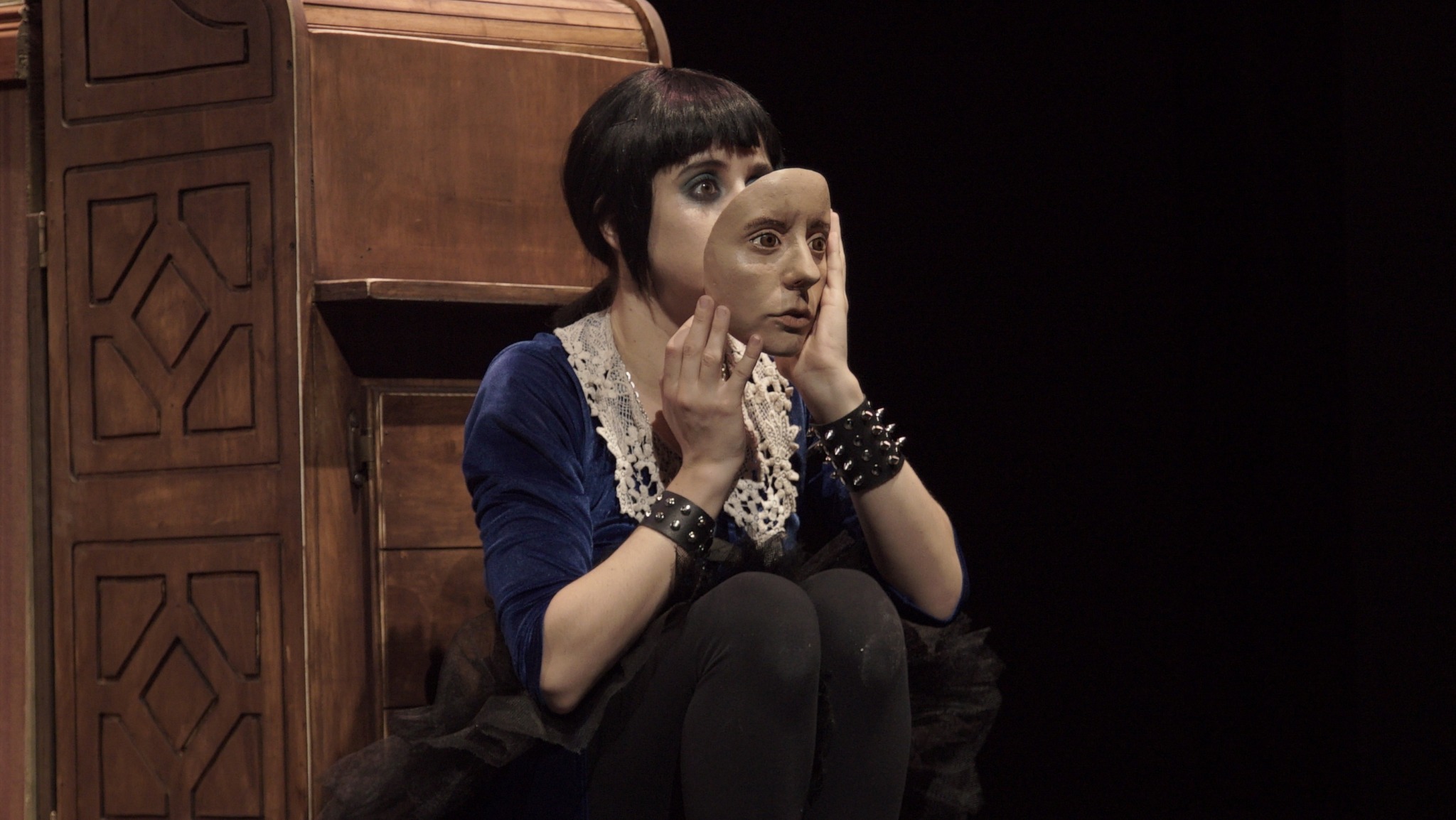
I’m Miguel Bregante. I’m a Spanish-Chilean theatre director. My journey ranges from delving into the words of Mathematics and Physics while studying Telecommunications Engineering across Spain, Austria, and France, to the completion of an MFA in Theater Directing at Columbia University in New York. This path includes also living in Chile, directing the nearly wordless Company La Mona Ilustre and touring the world with its productions. I believe that reality is never so real, so I aim for expressionism and deformed realities to reveal on stage the enigmatic inner landscapes of the individuals. I advocate for tenderness, diversity and collaboration at the rehearsal space, where I think each voice holds the potential to unlock the key idea for a production’s success.
For me, directing a show is like living abroad. For each production you need to dive into the rules of what looks like a dangerous and unexplored planet. I am convinced that the memorability of a production and the effectiveness of its themes depend on finding and understanding these rules, which are intricately tied to each world we explore. I also believe this approach will strengthen the connection between our stories and a large-scale audience. On one hand, my approach leans on crafting multi-layered storytelling that includes, formally and aesthetically, these concealed human worlds. On the other hand, no groundbreaking idea will blossom if we don’t provide a collaborative, open and calm work space. We need to build diverse, inclusive and safe rooms where we can take care of each other if we want to make theater that helps us do the same.
In these almost four years in New York, I’ve been exposed to the both formal and avant-garde training at Columbia University’s School of the Arts, where artists like Anne Boggart, Brian Kulick, Rachel Chavkin, Katie Michel, Saheem Ali or Ivo van Hove, have dramatically increased my interest and skills in structure and delineation, but also in concept, vision and critical approach. In my work in Chile, I drew from popular theater forms, rooted in gesture and movement, following masters like Jacques Lecoq, Arianne Mnouchkine, Phillippe Genty or Ilka Shönbein. Navigating the unfamiliar and the absolute thrill of learning have made me a perpetual foreign in each country I’ve inhabited, while I keep looking for the next new world, that is yet to be discovered.
In your view, what can society to do to best support artists, creatives and a thriving creative ecosystem?
I believe that art is a conversation. In theater, a play introduces certain themes and establishes a perspective for debate. Watching a play means being part of that conversation—questioning it, challenging it, making it resonate with our own themes, and pushing it forward. I don’t think it is just a rational exchange; art makes us confront our fears, dreams, secrets, and even the things we can’t fully understand or name. For better or worse, it gives form to what’s often intangible. I think a thriving creative ecosystem can be measured by the quality of these conversations, and we, as individuals and societies, need to support them to the best of our abilities. Our entertainment, our deep understanding of the world, and our evolution depend on it.
In my opinion, the key to sustaining—and even expanding—our creative landscape lies also in consistently incorporating perspectives from the world next door. I understand this is a process, especially since we’ve grown up with stories of hostile aliens invading and being repelled almost exclusively from this very country. But I believe we need to keep opening up our artistic spaces to welcome structures and narratives from abroad. Rejecting insularity and embracing foreign perspectives may be essential for the industry’s—and society’s—growth and resilience. After all, maybe in the grand scheme of things, aliens could land in other countries too—and perhaps, they’re even friendly.
Last, when I go to the theater—and I go very, very often—I see a troubling trend: the audience is aging. This makes sense, as they’re often the ones who can afford the sky-high ticket prices. But the absence of investment in younger audiences is, to me, short-sighted, and we’ll feel the consequences tomorrow. In ten years, we’ll still need people in the seats, and we won’t have them if we don’t cultivate them today. The dialogue must go on! The lack of creative policies that help populations who can’t pay $300+ for a ticket to access theater also shapes the kinds of stories being produced—and those that aren’t. That, to me, is scary and needs to be an urgent part of today’s conversation.
Is there mission driving your creative journey?
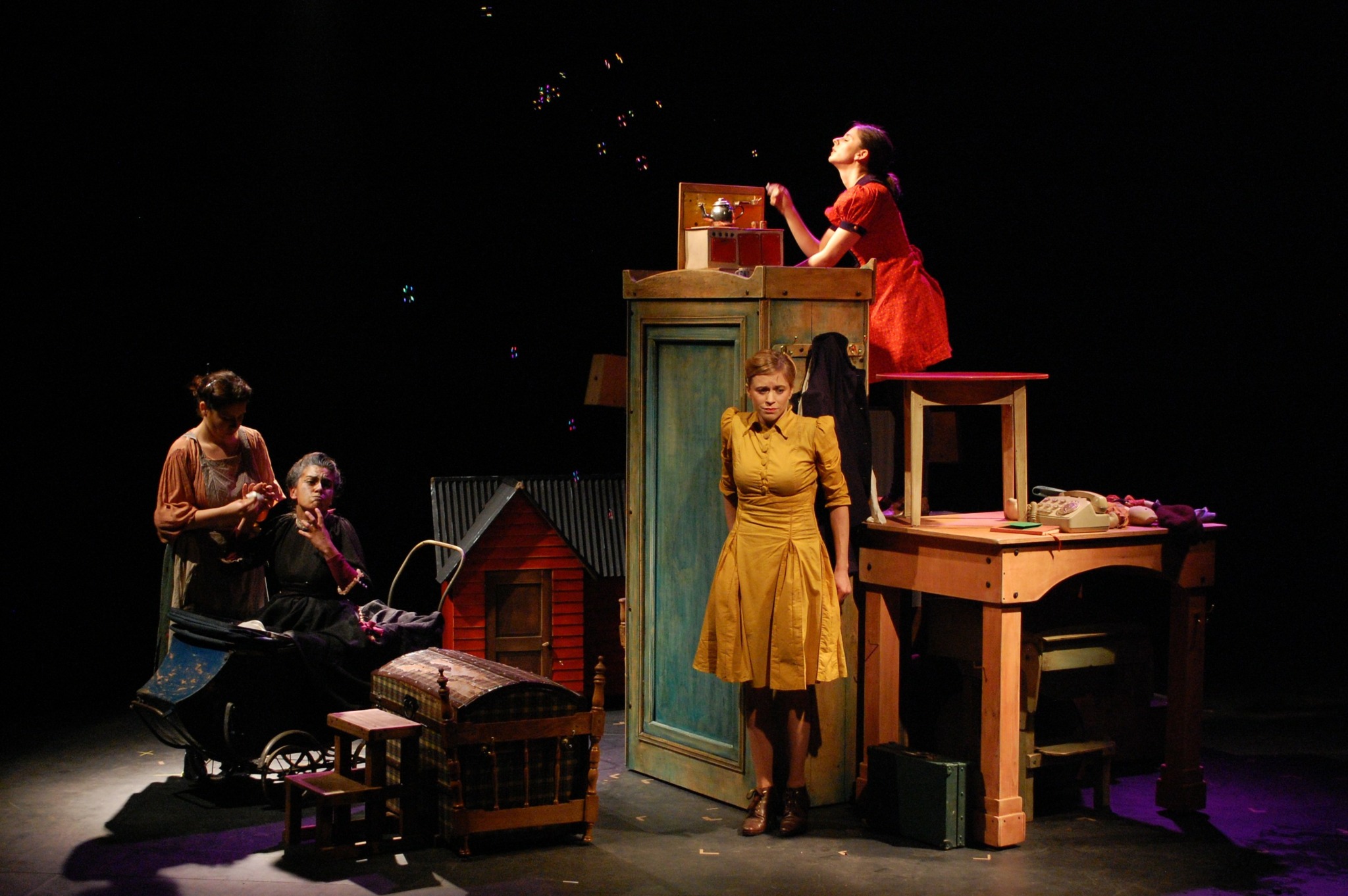
I’m interested in the mixture. The clash. The exchange. I want to talk about other worlds while living in this one, and about this world while standing in others. These days, hearing about conflicts far from being solved, I’m particularly drawn to what we choose to believe and why, and how some of the truths—or lies we call truths—are born from our need to belong and keep our fragile identities intact. I’m also interested in our fears and how they relate to violence and lack of communication. I’m fascinated by loneliness and the time we spend in front of our phones. I’m drawn to the presence of ghosts sitting at our tables—the dead, and how we live among them, and how our present is forged from memories and passions.
I also believe we need to talk. I think the ultimate purpose of a play is to spark discussions—about the play, around the play, and also within the company. Every day, I see diplomacy-and democracy-failing and society prioritizing instant gratification over nuanced reasoning and thoughtful dialogue. I believe that conversation is always the antidote. Food, drink, art, mountains, rivers—anything that brings us together, lets us breathe the same air, and communicate—is not only necessary but revolutionary. I want to relate to rooms that long for this connection.
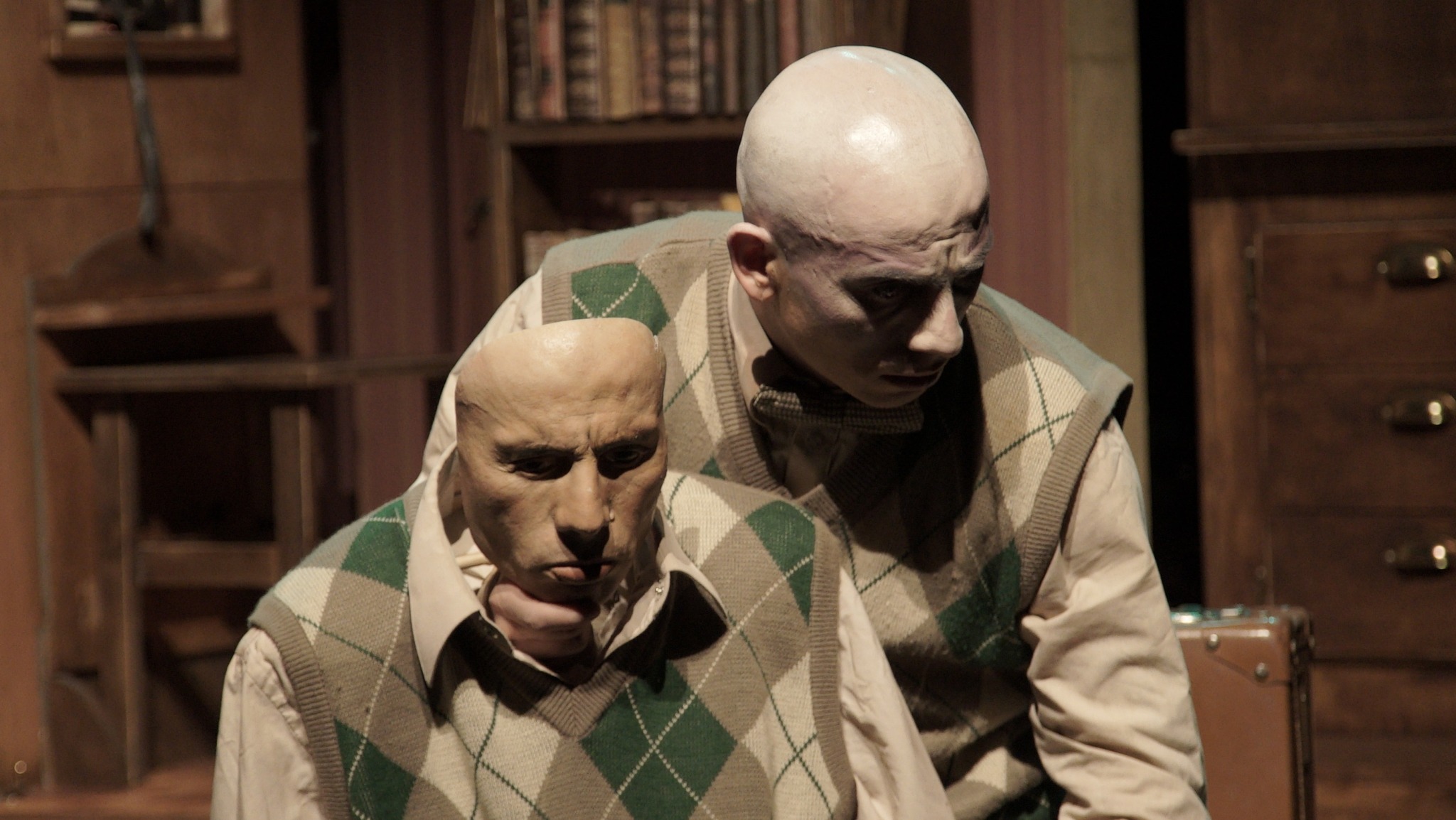
On the other hand, I’m deeply interested in form. I believe there is a hidden, secret, specific theatrical language that uniquely matches each story we tell, and that needs to be discovered every time we plunge into a creative process. Even though each play is wildly different, I find that this mysterious language often connects to who we are on the inside and how we color our truths with intimate secrets and unspoken beliefs. For me, these distortions of reality encapsulate the essence of being human, and I’m fascinated by how to bring them concretely onto the stage.
It’s not about educating audiences or manipulating emotions; it’s about revealing the forest within us all—strange, absurd, and deep like a dream. How would the dining room look if everyone we missed in our daily lives was suddenly present? What if our past, and even our future, could coexist with our today? How do our deepest fears look, or our secret fantasies? I believe there’s no such thing as true objectivity, but theater give us the chance to physically reveal these hidden worlds, to give them form and voice, weaving in our ghosts. This, I believe, is a compelling way to keep the conversation alive. Every production is different, yes, but they are all messy—just like life, like dreams, and like the truths we choose to believe.
Contact Info:
- Website: https://www.lamonailustre.cl
- Instagram: miguel bregante
- Facebook: miguel bregante
- Youtube: la mona ilustre
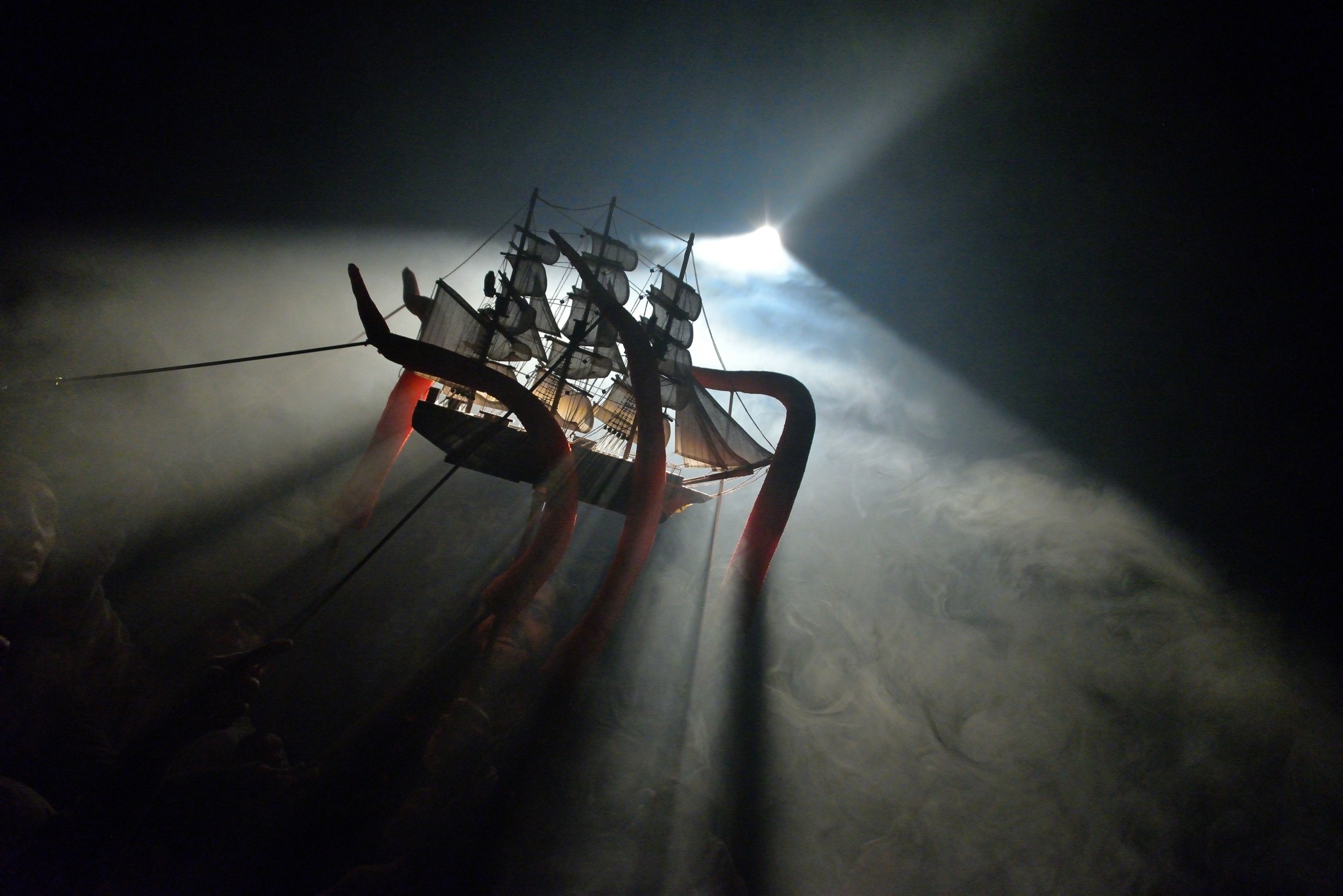
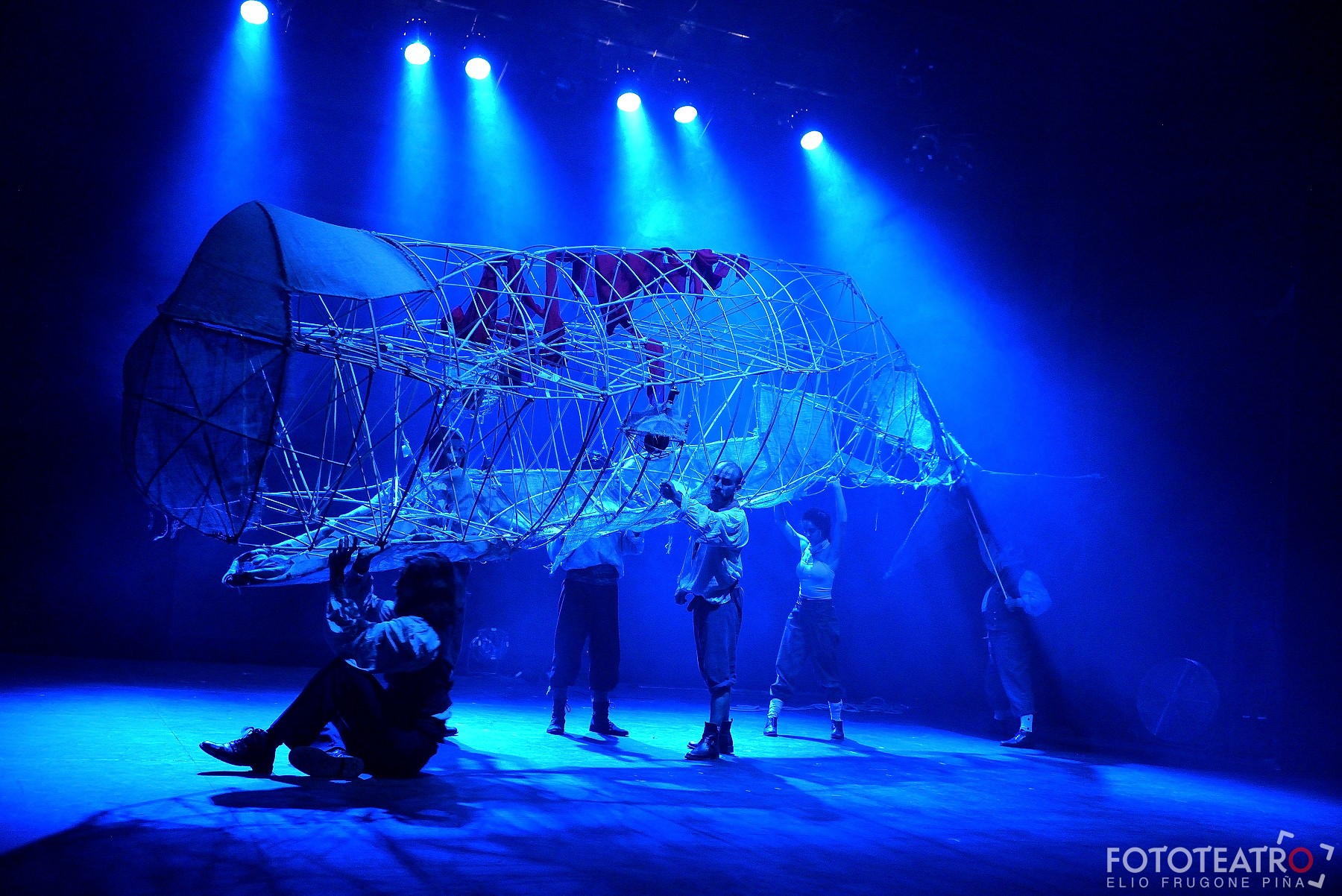
Image Credits
PORTRAIT – YANG XIAO
PHOTO 1 – Gabriela Larraín
PHOTO 2 – Gabriela Larraín
PHOTO 3 – Fototeatro.cl
PHOTO 4 – Fototeatro.cl
PHOTO 5 – Fototeatro.cl
PHOTO 6 – Fototeatro.cl