

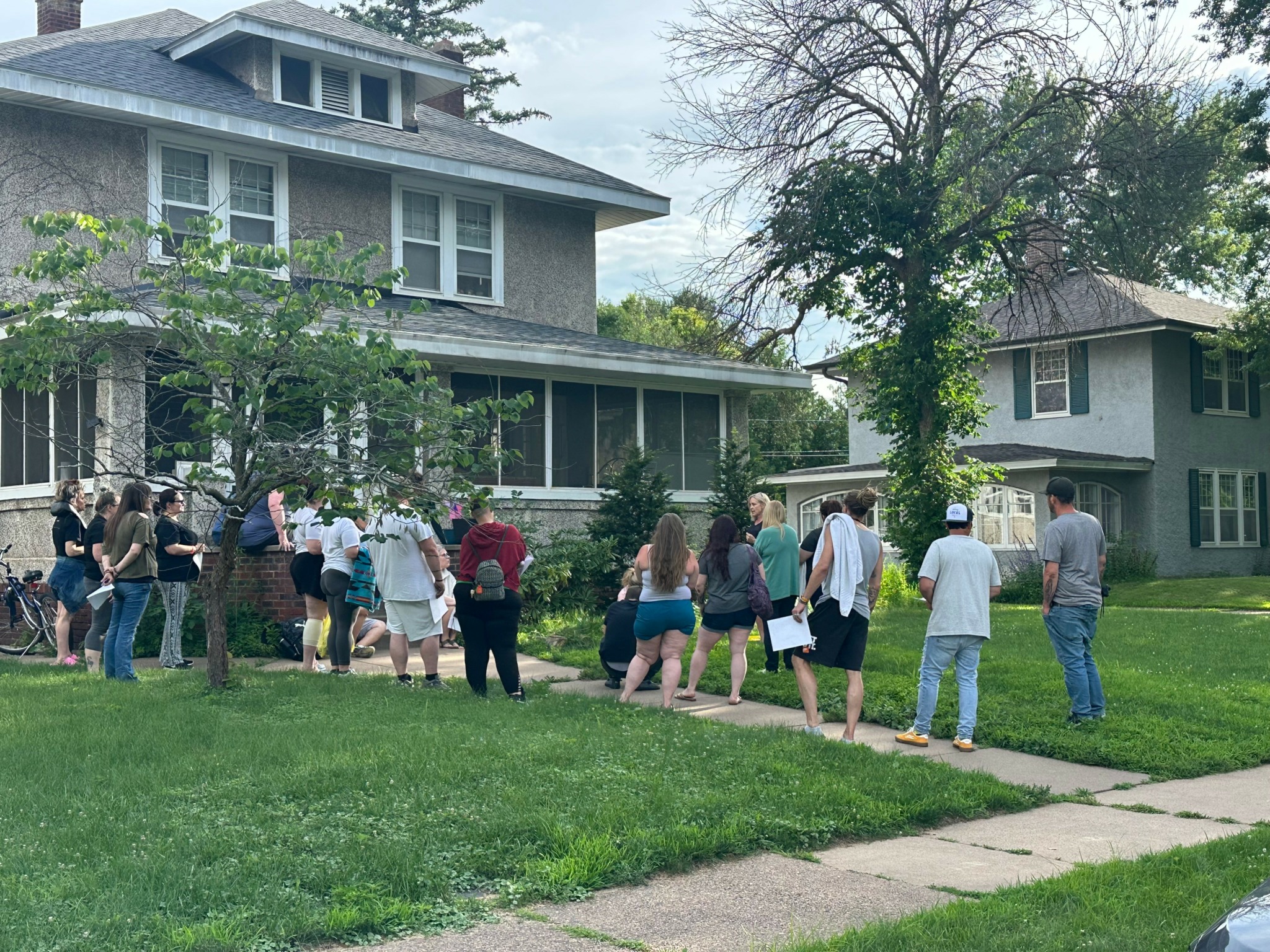

We were lucky to catch up with Michelle Markquart recently and have shared our conversation below.
Alright, Michelle thanks for taking the time to share your stories and insights with us today. Talk to us about building your team? What was it like? What were some of the key challenges and what was your process like?
When I first started Eau Claire Sober Living, it was just me — one woman with a vision, a set of keys, and a deep belief that the people in our community deserved a place to heal the way I had. There was no team, no funding, no roadmap. I was cleaning rooms, answering calls, supporting residents, and building the structure all at once. In those early days, I learned quickly that passion alone isn’t enough; you need people who share the mission and can hold the work with the same level of heart.
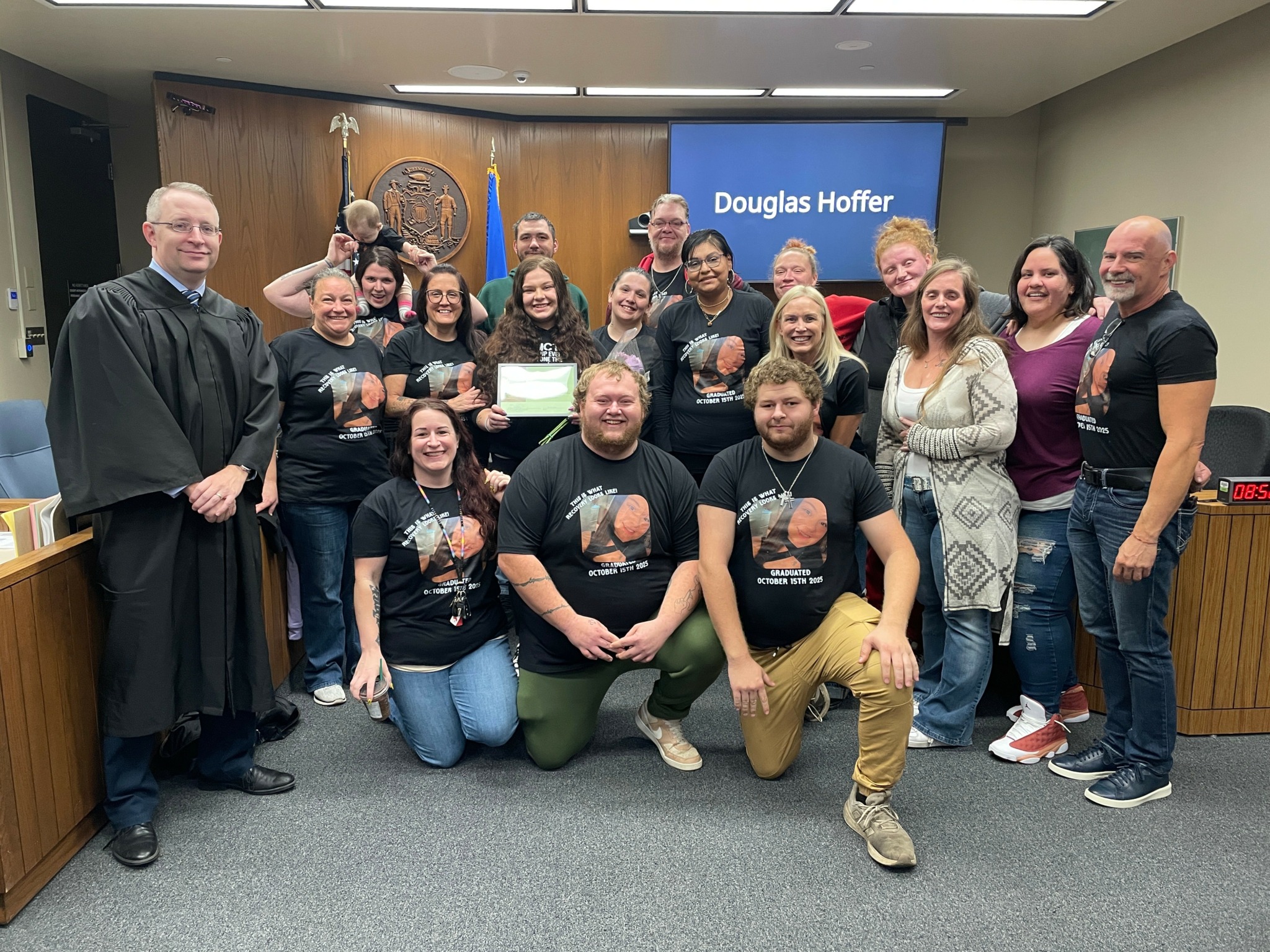
My first team members came to me organically — women I had supported, people in recovery who believed in what we were doing, and community members who saw the impact. The interview process was less about résumés and more about alignment. I looked for compassion, resilience, and someone who could sit with another human in their darkest moments without judgment. Training wasn’t conventional, either. Much of it was hands-on: shadowing me, learning how to de-escalate emotional situations, understanding trauma responses, and practicing the kind of communication that restores dignity rather than shaming it. We talked openly about our own healing, because doing this work requires self-awareness and emotional honesty.
Recruiting those first few people was both exciting and terrifying. I was inviting others into something deeply personal, something I had built from the ground up, and trusting them with the lives of the people we serve. But bringing in a team is what truly transformed ECSL from a house into a community. Many of my early hires are still with me today, and watching them grow into leaders is one of the things I’m most proud of.
If I were starting today, the only thing I might do differently is seek support sooner — to bring in help before I reached the point of burnout. But I also recognize that those early years taught me every corner of the work, and that knowledge makes me a better leader now. At the end of the day, our team is the heart of our homes. They bring compassion, accountability, and hope to people who need it most, and I’m grateful every day for the way they show up for our residents and for each other.
Awesome – so before we get into the rest of our questions, can you briefly introduce yourself to our readers.
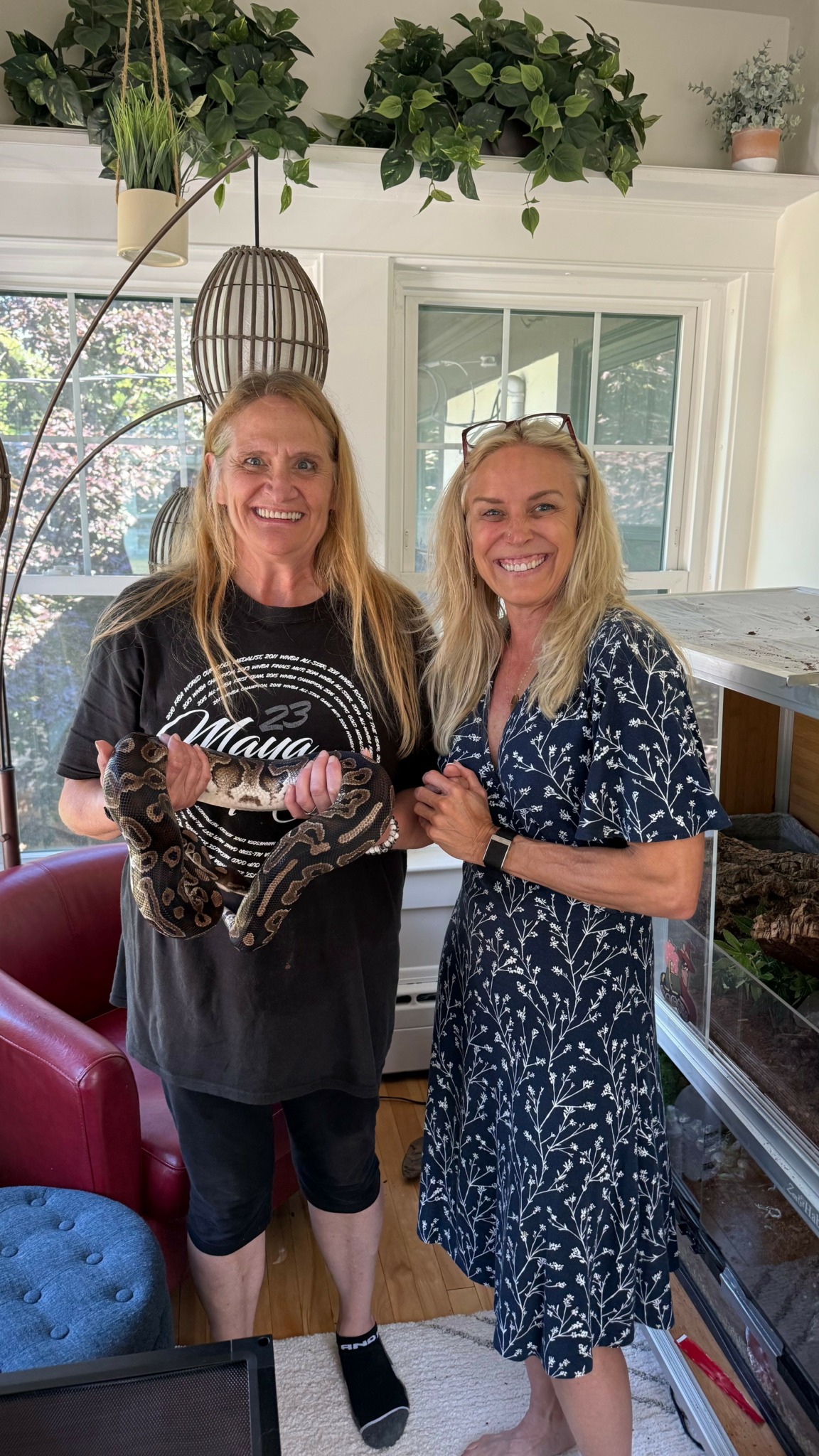
My name is Michelle Markquart, and my work sits at the intersection of recovery, trauma healing, and transformational leadership. I came into this field the way many people come into their life’s purpose — through my own lived experience. Years ago, when I was struggling and rebuilding my life, I stayed in a sober home in St. Paul, MN. That home, those people, and the healing work I was exposed to quite literally saved my life. When I left, I knew two things with absolute clarity: Eau Claire needed a place like that, and I was going to build it.
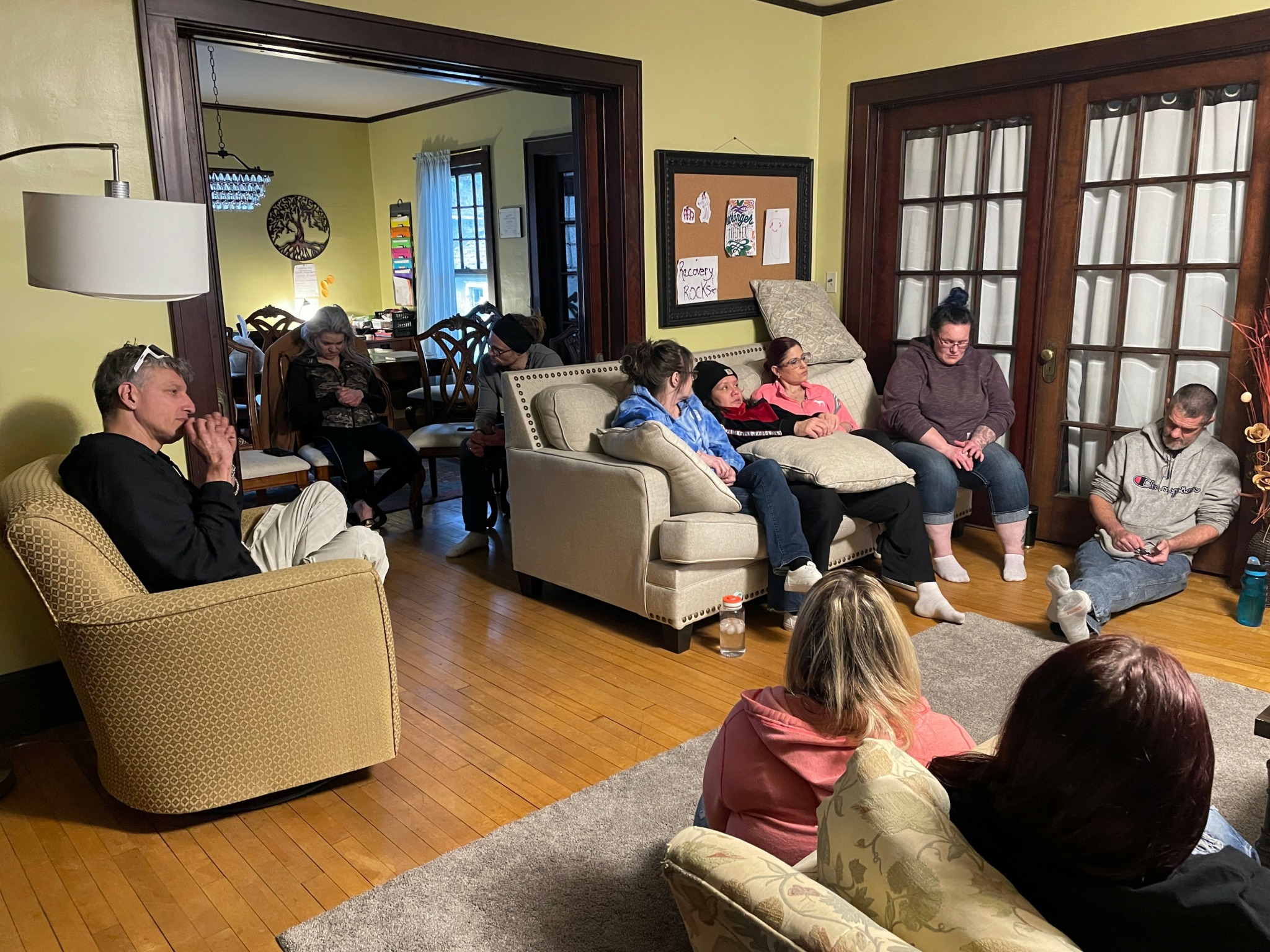
What I created with Eau Claire Sober Living isn’t just a sober home — it’s a community, a family, and a place where alternative healing, connection, and personal transformation are as important as recovery itself. From the beginning, I wanted the women and men who walked through our doors to have more than just a safe place to sleep. I wanted them to have the tools that helped me heal: somatic work, trauma-informed practices, communication skills, and a space to reconnect with their own worth. That’s why I created “Family Night” — a shared meal followed by deep conversation, teaching, experiential exercises, and laughter. It’s the heart of who we are.
I’m able to do this work because I’ve lived both sides of it — the breakdown and the rebuilding. My clients feel that. They feel safe with me because they know I’m not speaking from theory. I’m speaking from experience, empathy, and evidence-based practices.
What sets me apart is the fusion of things I bring:
• The depth of trauma-informed education
• The somatic and alternative-healing modalities I integrate
• My lived experience in recovery
• My ability to communicate hard truths with compassion
• My skill in making complex emotional processes feel accessible
• And my genuine belief that people can transform — because I did
I’m proud of many things: ECSL expanding to include both women and men in recovery; helping people break generational patterns; building a community that feels like home; and watching people walk in feeling broken and leave standing in their own power. But I’m also proud of how I lead — transparently, emotionally honestly, and with the courage to say the things most people avoid.
What I want potential clients and followers to know is this:
I’m not here to fix you. I’m here to help you remember who you are before trauma tried to convince you otherwise. I’m here to teach you how to communicate, how to love, how to lead, how to reconnect with your body, and how to live a life that actually feels like yours.
My brand is built on authenticity, depth, spiritual connection, and an unwavering belief that healing is possible — no matter how far gone you feel. I’m living proof, and so are the countless people who’ve found their way back to themselves through this work.
Do you have any insights you can share related to maintaining high team morale?
My biggest advice for managing a team and building high morale is to lead with honesty, openness, and genuine human connection. I’m a deeply transparent leader — my team knows what I’m thinking, where we’re headed, and why decisions are made. And I encourage them to bring that same transparency to the table. When people feel safe to speak up, ask questions, or admit when they’re struggling, trust becomes the foundation instead of fear.
I also believe in creating a culture of “we will figure this out.” Recovery work — and leadership in general — comes with challenges, curveballs, and days that don’t go according to plan. But when your team knows that you’re committed to problem-solving with them instead of blaming them, it builds confidence, loyalty, and a sense of shared purpose.
Another core belief of mine is that people aren’t disposable. I don’t rush to fire someone the moment they struggle. Instead, I invest in them. I coach them, help them grow, and stand with them while they learn how to show up more powerfully. Most of the time, people rise when they know someone believes in them.
And just as important as growth is celebration. We highlight wins — big and small. In a high-emotion environment like ours, recognizing progress creates momentum and reminds the team that what they do matters. When people feel valued, supported, and trusted, morale doesn’t just improve — it becomes part of the culture.
Can you open up about a time when you had a really close call with the business?
I’ve had several “near-death” moments in this business — times when I wasn’t sure we’d make payroll or keep the doors open. Three different times, I completely lost the primary funding source for my residents. In this industry, it’s incredibly difficult to find organizations willing to pay for someone else’s healing, so when you secure funding, it’s usually the funding source. There’s no backup.
The first time, I had partnered with a program that looked like a four-year guarantee. A few months in, they came back and said, “Upper management decided we can’t fund this.” Just like that — gone. The second time, a different organization ran out of grant money five months earlier than expected. The third time, the organization hit year-end, froze all outgoing funding for a month, and left us with nothing during the transition. Add to that the periods when employees didn’t keep the beds full, and the income gap that followed, and we had several moments where the future felt very uncertain.
Each time, it took months to recover, rebuild cash flow, and stabilize the budget. But those experiences taught me one of the most important lessons of my career: you must build a safety net before you think you need it. Now I strongly believe in setting aside 3–6 months of operating expenses as soon as possible. That cushion is what keeps a mission-driven organization alive when outside funding becomes unpredictable — and in our field, unpredictability is the norm, not the exception.
Those close calls shaped the leader I am today. They taught me resilience, innovation, and a deep commitment to protecting the people we serve, no matter what’s happening behind the scenes.
Contact Info:
- Website: https://ecsoberliving.com
- Instagram: ecsoberliving
- Facebook: Eau Claire Sober Living
- Linkedin: Michelle Markquart
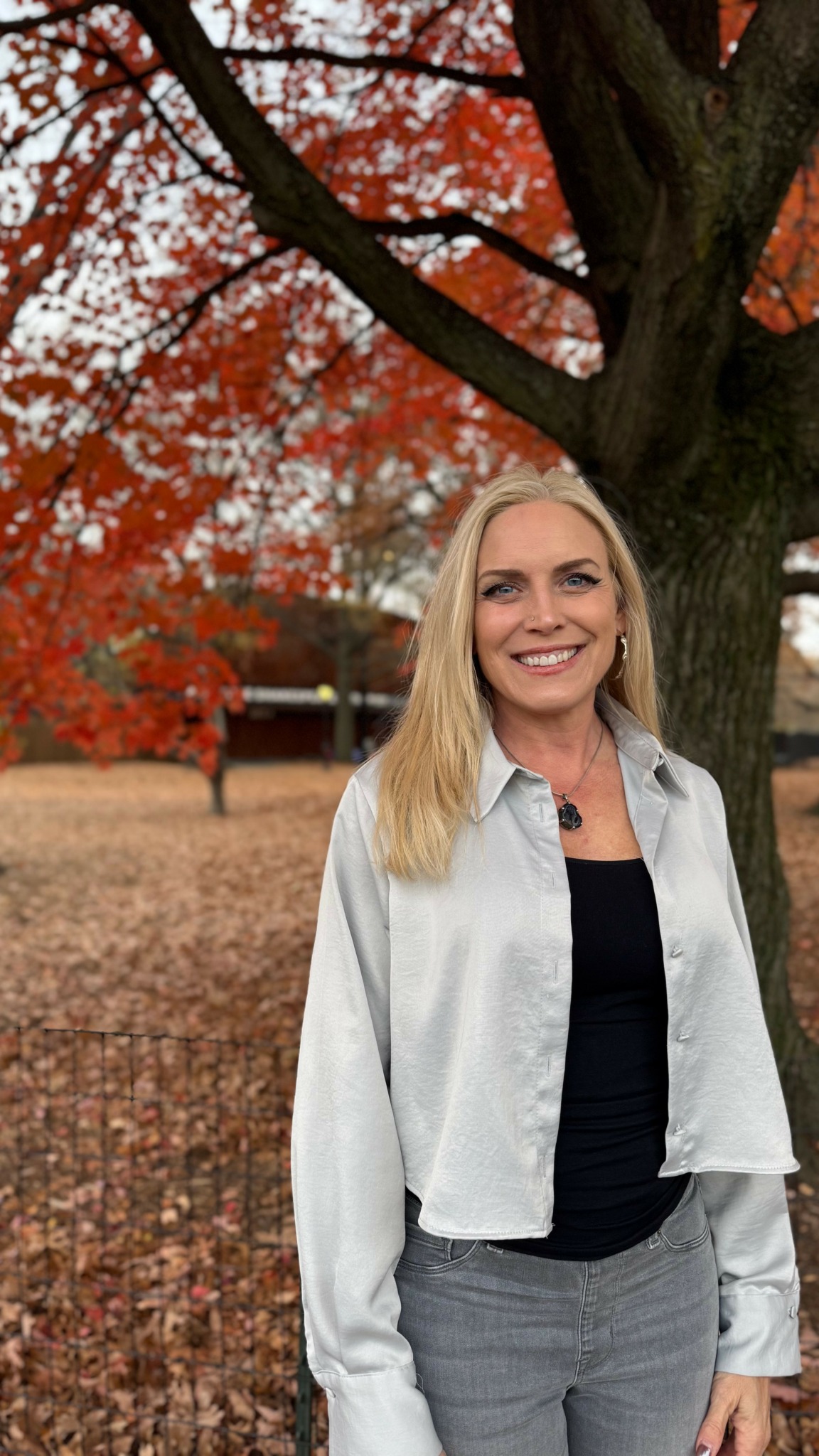
Image Credits
I have permission to use all photos provided. They are my personal photos