
We were lucky to catch up with Michelle recently and have shared our conversation below.
Michelle, thanks for taking the time to share your stories with us today Can you recount a story of an unexpected problem you’ve faced along the way?
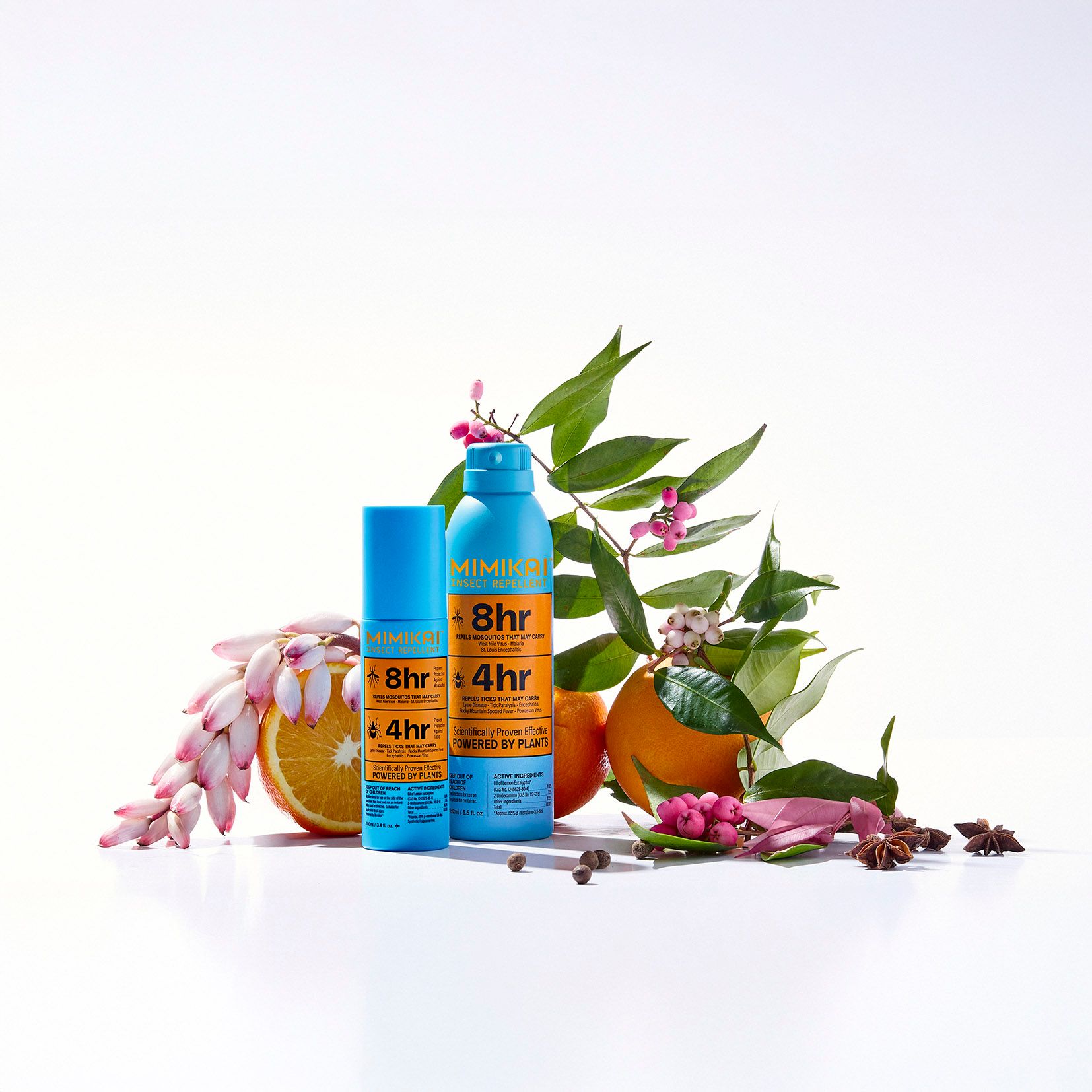
Our business is built on a truly breakthrough innovation: an EPA-registered insect repellent featuring the first new active ingredient approved in this category in more than 25 years. After five years of rigorous testing, we secured full federal registration in the summer of 2023. From there, we entered the state-by-state approval process—expecting it to take 12 months—and raised capital to support a mid-2024 launch.
We did everything right. We built the supply chain, scaled production, developed the brand, and prepared for launch as one state after another cleared…until we reached 49 out of 50. And then everything stalled. What should have been a one-year process stretched into 18 months and counting, all hinging on a single state: California.
Several key retail partners refused to launch without California clearance given their footprint, and while we could technically sell in other states, the holdout meant we were sitting on inventory, demand, and momentum—unable to influence the regulatory timeline. As government delays and shutdowns rolled in, the uncertainty only grew.
It became an all-hands effort. We mobilized investors, advisors, friends—anyone who could help us get California to review our application. We sent email after email, knocked on every door we could find, and kept pushing because we knew we had a category-changing technology on our hands—and because every week we waited, mosquito and tick season slipped further away.
The persistence paid off. In June 2025, California finally approved our registration. Within weeks, several retail partners launched with us—and the early results showed exactly why they’d been so eager to bring this technology to their shelves.
Our biggest learning? You can’t control the regulatory environment or its timing—but you can build a business ready to sprint the moment the green light appears. By staying prepared and cultivating strong retail partnerships, we were able to flex, adapt, and launch successfully despite forces entirely outside our control.
Great, appreciate you sharing that with us. Before we ask you to share more of your insights, can you take a moment to introduce yourself and how you got to where you are today to our readers.
Hi there—I’m Michelle. I’m an entrepreneur and builder of sustainable, health-focused consumer brands, with 20+ years leading growth and innovation at companies like Nestlé, PowerBar, Method, Mrs. Meyer’s, and Rowan for Dogs.
My career began at Clorox after earning my MBA from Northwestern. Early on, my path changed dramatically when I was diagnosed with an aggressive blood cancer. A stem-cell transplant saved my life—and gave me clarity. I realized I wanted to spend my career creating products that genuinely improve people’s (and pets’) well-being and lighten our impact on the planet.
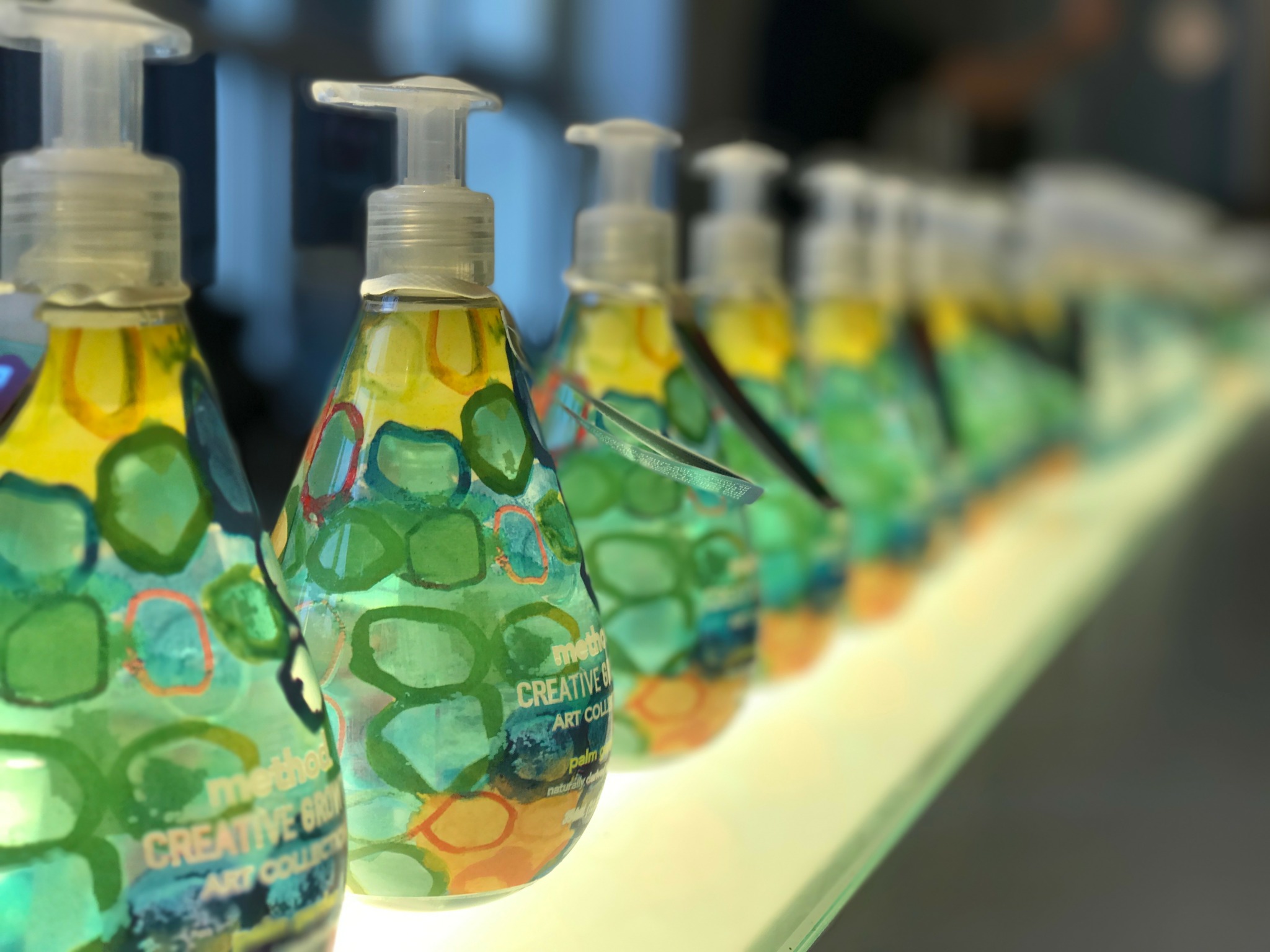
Since then, I’ve focused on scaling natural lifestyle brands through purposeful product innovation, thoughtful marketing, and a simple belief: clean products must work as well as—or better than—the conventional ones they’re replacing. My proudest career accomplishment to date was while I was leading North America at method. In 2014, we kicked off what would be a game-changing investment in self-manufacturing that not only changed our business but continues to change a community.
-It was the first LEED Platinum-certified manufacturing facility in its industry, setting new standards for green building.
-Features a wind turbine and solar panels, powering a significant portion of the facility.
-Houses the world’s largest rooftop farm, producing food and contributing to the building’s insulation.
-Prioritized hiring local residents from the South Side and providing training and manufacturing jobs for the first time in over 30 years.
-Cradle to Cradle Design: Implements principles of designing products and buildings for closed loops, where materials are reused or safely returned to the earth.
In essence, the South Side Soapbox isn’t just a factory; it’s a model for a new kind of manufacturing that benefits the environment and the local community while producing planet-friendly cleaning products.
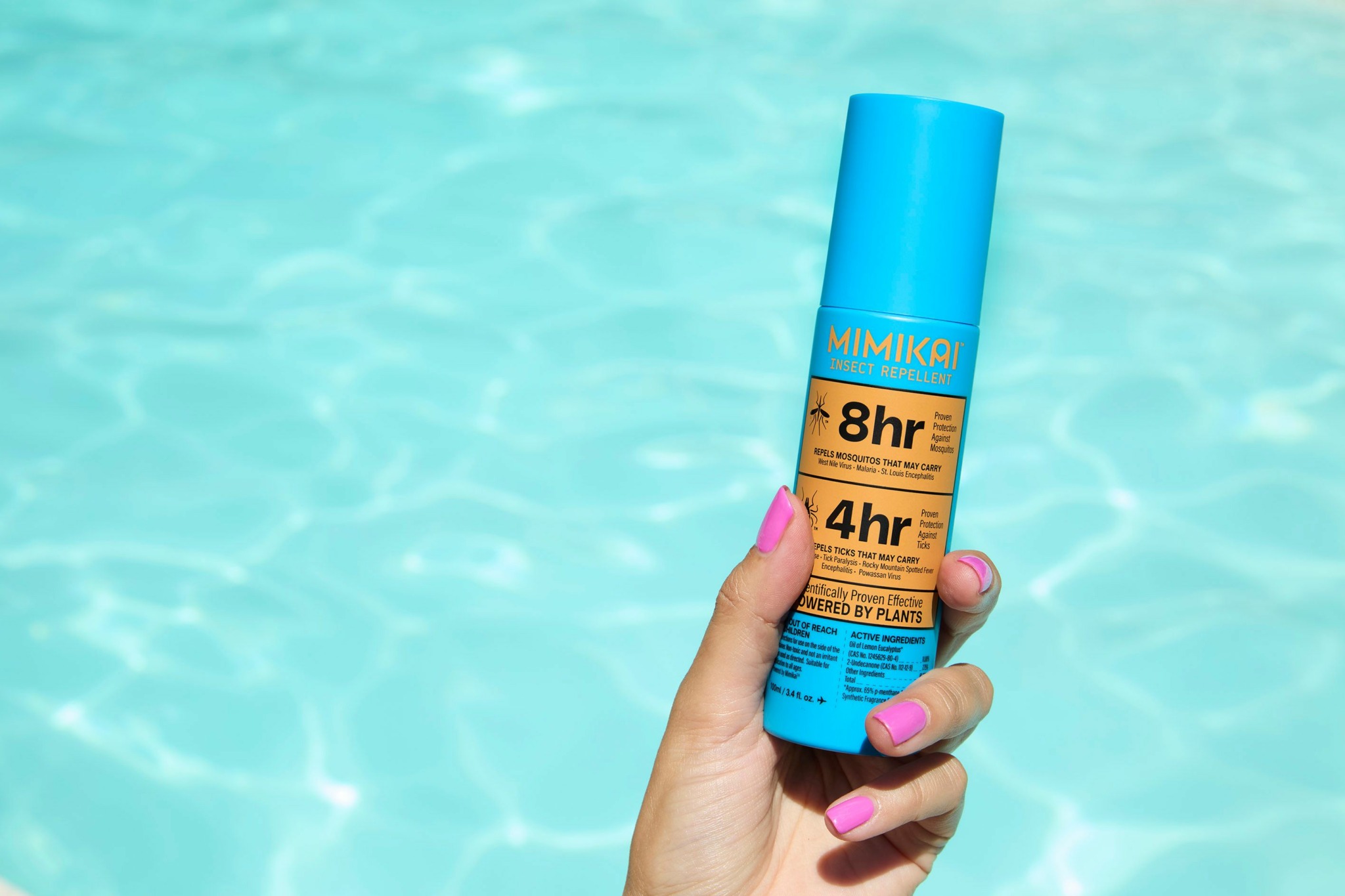
Today, I’m the co-founder and CEO of Mimikai, where we’re redefining insect repellent with a clean, non-toxic formula that actually works. We’re building smarter, safer solutions for everyday life—and reshaping a category that hasn’t seen real change in decades. For decades, bug spray has been a choice between harsh chemicals or so-called “natural” options basically essential oils that don’t actually work. But nature had already solved the problem, we just had to listen.
Mimikai was born out of bio-mimicry—the practice of looking to nature for smarter solutions. Inspired by plants’ natural defenses, it’s the first efficacious, natural, and skin-friendly repellent of its kind. Unlike essential oil sprays that can’t legally claim protection, Mimikai’s formula had to prove its efficacy—and that it worked just as well as DEET & Picardin (the industry’s go-to toxic chemical for over 50 years). The formula underwent rigorous lab and field testing. Including trials on human subjects in the buggiest of places, battling through hurricanes, a pandemic, and overcoming every roadblock imaginable. But in the end Mimikai became the first EPA (Environmental Protection Agency) certified repellent of its kind in 25 years.
A clean formula that actually works.
Looking back at my career and what I am focused on now, you can say that I believe business should be for good. I love product design and innovation and believe that through them we can truly make a positive impact.
Have you ever had to pivot?
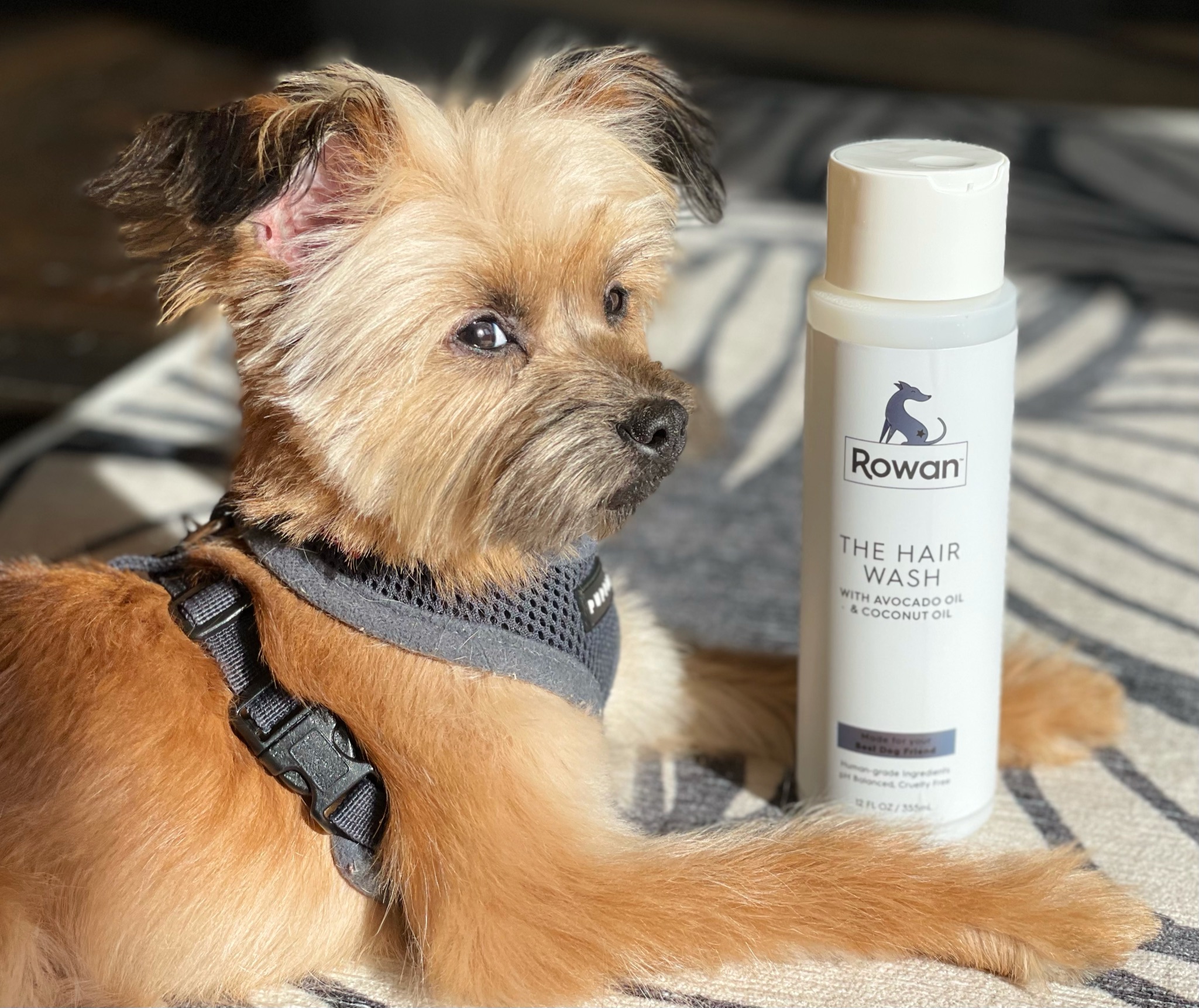
Before co-founding Mimikai, I co-founded Rowan, a clean-beauty brand for dogs. Our premise was simple: our “doggo” family members deserve the same clean, human-grade personal care products we expect for ourselves. Even though we were formulating for pets, we saw Rowan as a true beauty brand—built for shelves at places like Credo and Ulta, not just the pet aisle.
Before COVID, beauty retailers were showing strong interest in bringing the brand into their stores. But once the pandemic hit and retailers faced widespread closures, their appetite for launching new categories evaporated. Overnight, we had to pivot into a fully DTC business—learning performance marketing, customer acquisition, and search strategies in real time. We built a solid DTC foundation, but rising acquisition costs eventually pushed us back to evaluate retail again—this time within the pet channel.
That, too, required another pivot. And the truth was: Rowan wasn’t built for the pet channel. Our premium formulas, pricing, and lifestyle positioning were designed for beauty, not traditional pet retail. We had to make a hard decision—rebuild the brand entirely for the pet market or pause and preserve what we’d created until beauty retailers were ready to embrace clean beauty for dogs.
In 2023, we made the tough call to pause the business. As difficult as it was, the experience shaped me profoundly. It deepened my resilience, sharpened my understanding of category creation and channel strategy, and ultimately paved the way for what came next: building Mimikai.
Conversations about M&A are often focused on multibillion dollar transactions – but M&A can be an important part of a small or medium business owner’s journey. We’d love to hear about your experience with selling businesses.
My time at Method was essentially a tale of two exits. When I joined in 2008, the team had just come off a failed sale process, and the company was still finding its footing. Over the years that followed, we ultimately sold the business twice—first to the like-minded European brand Ecover, and later to SC Johnson.
Those years taught me some foundational lessons about building and scaling brands that endure:
1. Gross margin is everything.
Strong gross margins give a business the oxygen it needs—fueling reinvestment, sustaining innovation, and reducing ongoing dependence on external capital.
2. Build a model that partners can scale immediately.
At Method, we created a clear roadmap for profitable growth across categories but intentionally left certain channels unopened, knowing a strategic partner could accelerate them overnight. (Walmart was a prime example.)
3. Build a movement, not just products.
A passionate community of brand loyalists creates value that goes far beyond standard multiples. Brand love compounds.
4. Treat culture as a strategic asset.
We built a culture at Method that was distinctive, spirited, and difficult to replicate—and it became a meaningful part of the company’s value. Post-acquisition, we kept the team intact and even expanded it to support additional brands SC Johnson brought into the portfolio.
Contact Info:
- Website: https://mimikai.com/
- Instagram: https://www.instagram.com/michelle.arnau/?hl=en
- Linkedin: https://www.linkedin.com/in/michelle-arnau-748a182/