

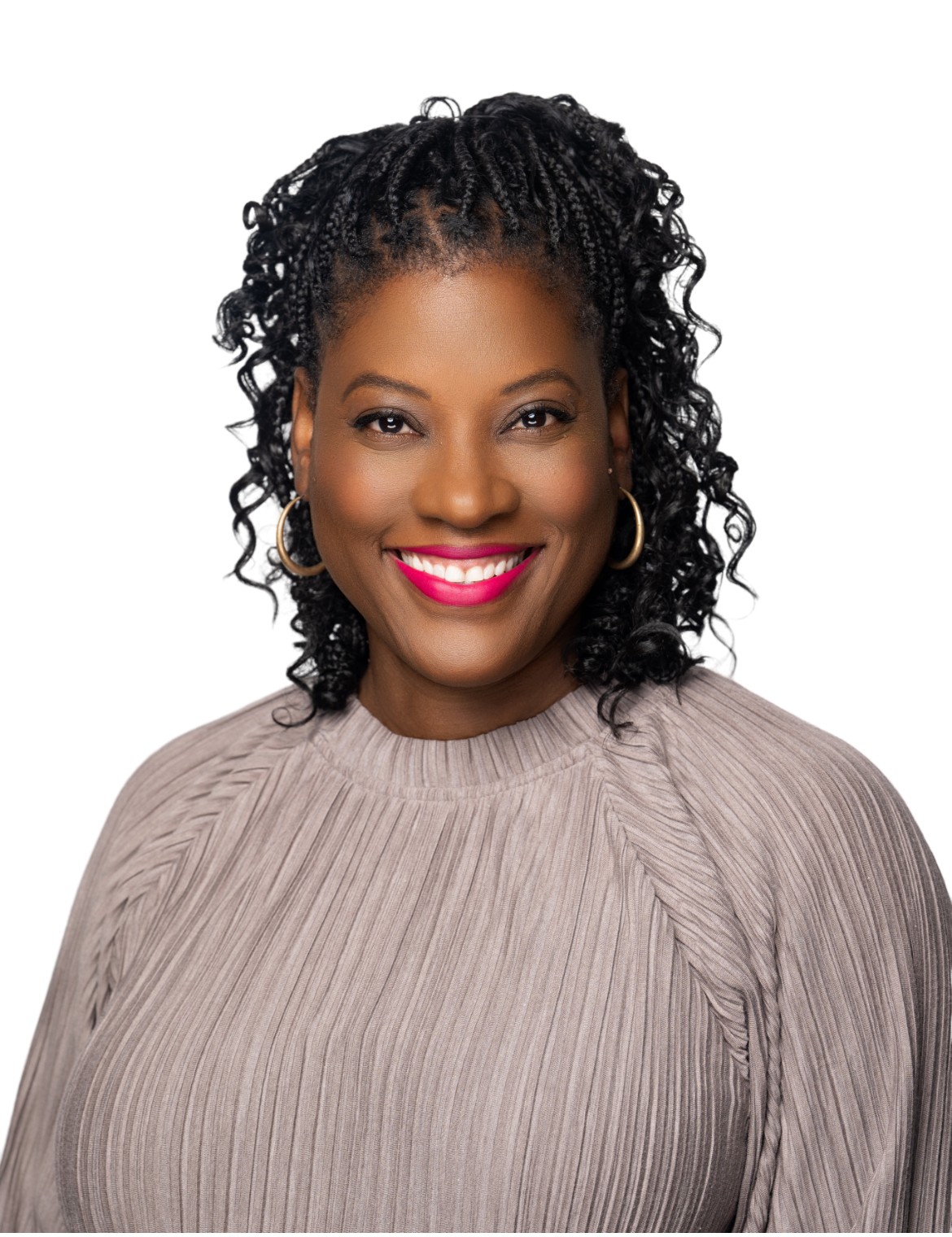

We caught up with the brilliant and insightful Michele Badie a few weeks ago and have shared our conversation below.
Alright, Michele thanks for taking the time to share your stories and insights with us today. Over the course of your career, have you seen or experienced your industry completely flip-flop or change course on something?
The U-Turn: Mental Health and Power Skills Became the New Standard for Cross-Functional Leadership
Not long ago, mental health was considered a private concern, and soft skills were the polite afterthought of professional development. The focus stayed on technical expertise, tight timelines, and flawless execution. Many believed that if project managers could check the boxes and control the chaos, that was enough.
Then the workplace did a complete pivot.
Now, leaders realize that no amount of tactical rigor can compensate for teams running on empty. Collaboration breaks down when stress runs high, cross-functional programs stall due to unclear, siloed communication, and innovation slows when there is a lack of prioritization. Professionals can feel overwhelmed. Mental health and emotional intelligence are not side notes; they are indicators of success that cannot be ignored or minimized.
This shift called for me to pivot and lean in to share lessons from personal and professional pivots I was making in my life and career, focusing on keeping my skills competitive and promotion-ready while prioritizing my mental health to be a daily focus. Encouraging project management professionals to advocate for their mental health and to champion the cultivation of their soft skills became essential amid the rise of AI and constant change. She helps leaders see that their calm, clarity, and compassion directly impact the velocity of managing programs and team cohesion. When project management professionals know and understand how to navigate conflict, communicate with empathy, manage their own stress, and support diverse working styles, cross-functional programs stay aligned even when the pressure ramps up.
Organizations are continuing to learn that healthy teams communicate better, solve problems faster, and adapt to change with far less friction. Power skills like emotional intelligence, active listening, coaching, and resilience have become the toolkit that keeps cross-functional stakeholders moving in the same direction.
Why it matters:
Project management professionals stepping into cross-functional leadership roles need more than a solid Gantt chart. They need to be positioned to support well-being, read the room, bridge communication gaps, and guide teams through uncertainty without burning them out. This blend of mental health advocacy and mastery of multiple soft skills is the real engine behind high-performing programs.
This U-turn proves what I’ve championed: when project managers prioritize people, they elevate performance. When they invest in mental health and develop their skills, they lead programs that not only deliver results but also create workplaces where professionals can genuinely thrive.
Adaptability will set the tone, and the leaders who embrace this shift will shape the future of work.

Michele, love having you share your insights with us. Before we ask you more questions, maybe you can take a moment to introduce yourself to our readers who might have missed our earlier conversations?
Meet Michele Badie-
Michele Badie is a practicing PMP-certified Program Manager, Workforce Development Strategist, and Mental Health Advocate with experience in the financial, legal services, and retail industries. She champions practical professional development strategies that help project and program management professionals navigate complex programs while staying grounded, confident, and ready to drive meaningful change.
How She Found Her Path-
Michele’s passion for skill-building began with working in Career Services, planning career fairs, curating industry days, conducting mock interviews, and engaging in constant discussions with hiring teams across various industries. That insight led her to create Career Tipper®, first as a professional development blog and later as a career-centric podcast, to help professionals curate their career trajectories, where she saw how many professionals wanted to grow but lacked clear, accessible guidance.
Through conducting the podcast interviews, Michele was introduced to a career pivot to transition into the project management industry, a discipline that aligned perfectly with her strengths in structure, strategy, and people-centered leadership.
Michele’s work expanded to include founding Skills Recharged®, a workforce development platform focused on high-demand project management skills, and Keep Your Stride®, a mental health initiative shaped by her commitment to her well-being. She discovered her sweet spot at the intersection of performance, mental health, and continuous learning, and she has been building resources there ever since.
What She Creates and Provides-
Through Skills Recharged®, Michele equips project and program managers with practical tools to strengthen their agility, communication, and problem-solving abilities. Her micro courses and Soft Skills Survival Kit for Project Managers help new and mid-level PMs build confidence and clarity in today’s hybrid, AI-powered world.
She also created and co-hosts Calm In The Chaos, a monthly podcast with corporate wellness expert Valerie Carmel, LCSW, offering mental health strategies explicitly tailored to project management professionals.
The Problems She Solves-
Professionals come to Michele when they feel stretched, stuck, or overwhelmed. They want to grow their PM skill set without compromising their mental health.
Michele helps them:
– Build and refine project management skills for evolving industries
– Strengthen emotional intelligence for cross-functional leadership
– Regain confidence in fast-moving environments
– Reduce burnout through communication and mental health awareness
– Turn overwhelm into steady, sustainable progress
Her tools are simple, practical, and human-centered, designed for immediate use in real workplace conditions.
What Sets Her Apart:
Michele brings the structure of a Program Manager and the heart of a strategist who cares deeply about people. She encourages professionals to Keep Your Stride® by treating mental health as a core leadership skill. Her work is grounded in real-world workplace dynamics, free of fluff and packed with actionable guidance that professionals can apply right away.
What She Is Most Proud Of-
Michele is proud of the professionals who have gained clarity, confidence, and upward momentum through her work. She takes pride in creating safe spaces for honest conversations about well-being and growth, and she is inspired by the leaders who strengthen their power skills and elevate their teams because they finally have the tools to do so.
What She Wants Readers to Know
Her mission is simple. Every project and program management professional deserves tools that support their performance and their mental clarity. Michele is here to help you recharge your skills, stay resilient, and lead with confidence and compassion.
If you are ready for practical, future-focused, human-centered development, her work is a great place to begin. Your adaptability will set the tone.

We often hear about learning lessons – but just as important is unlearning lessons. Have you ever had to unlearn a lesson?
A Lesson I Had to Unlearn: Mental Health Is Not a Private Side Issue
For a long time, I believed mental health was something you handled quietly, outside of work hours, and far away from project deadlines. The message many of us absorbed early in our careers was simple. Keep your head down, keep producing, and keep your feelings to yourself.
The Backstory-
When I stepped deeper into project and program management, I carried that belief with me. I managed cross-functional deadlines, shifting priorities, and the emotional weight of being the go-to PM that stakeholders consistently turned to when things got complicated. I thought pushing through was part of the role. If I felt overwhelmed or stretched thin, I worked harder and hoped no one noticed the stress behind the scenes.
I saw this pattern in others, too. Brilliant professionals were burning out silently because they assumed mental health had nothing to do with their performance. They treated well-being like a personal inconvenience instead of a workplace reality.
Over time, I realized that approach was not sustainable, not for me and not for the teams I supported.
The Shift-
The turning point came when I noticed how much clearer I communicated and how much stronger I led when I honored my mental health instead of hiding it. When I acknowledged stress, set boundaries, asked for resources, or paused to regroup, the quality of my decisions improved. My team noticed the difference, too. They felt safer speaking up about their own capacity, which led to better planning, fewer breakdowns, and stronger project outcomes.
That was the moment I fully unlearned the old belief.
Mental health is not a private matter; it is a professional strength.
The Takeaway-
Unlearning this lesson changed how I work and how I teach others. It shaped Keep Your Stride®, my mental health platform, and strengthened the foundation of Skills Recharged®. Today, I help project and program management professionals protect their well-being with the same commitment they bring to their timelines and deliverables.
Because here is the truth I want every leader to remember.
Your performance improves when your mind is supported. Your team thrives when well-being is normalized. And authentic leadership includes making space for mental clarity, not just project clarity.
Your adaptability will set the tone, and honoring your mental health is one of the smartest career moves you can make.

Can you share a story from your journey that illustrates your resilience?
A Story of Resilience: Choosing Action Over Imposter Syndrome
One moment in my journey that truly tested my resilience happened during a season of rapid growth. Opportunities were coming in quickly, from hosting conversations on Career Tipper® to launching new Skills Recharged® resources, to stepping more fully into my identity as an evolving project management professional and professional development strategist. From the outside, it looked like momentum. On the inside, something else was happening.
Imposter syndrome was quietly tapping me on the shoulder.
As invitations increased and my work reached more people, a part of me wondered if I was ready for it all. The old belief that confidence had to come before action tried to creep back in. I questioned whether my voice was strong enough, whether my experience was deep enough, and whether I could truly support the professionals who were looking to me for guidance.
But here is where the resilience showed up.
Instead of shrinking, I chose to move.
I returned to what I teach. I honored my mental health by pausing when I needed clarity. I leaned into my skills, my preparation, and the impact I had already made. I reminded myself that growth often feels uncomfortable because you are stepping into a bigger version of yourself. And I kept showing up.
Every action built more confidence.
Every conversation strengthened my purpose.
Every new platform expanded the work I felt called to do.
That season taught me something powerful. Resilience is not loud. It is often a quiet decision to keep going even when your doubts are trying to negotiate with you. By choosing action over fear, I grew into the leader I needed to be for the professionals I serve.
And now, when I coach project and program managers through moments of uncertainty, I can look them in the eye and say, with complete conviction, that confidence grows from doing. Your adaptability will set the tone, and you are more ready than you think.
Contact Info:
- Website: https://www.skillsrecharged.com
- Instagram: @skillsrecharged
- Facebook: https://facebook.com/skillsrecharged
- Linkedin: https://www.linkedin.com/in/michelebadie/
- Youtube: https://www.youtube.com/@skillsrecharged4938

Image Credits
Women of Project Management (for the image of me a red suit)