



We were lucky to catch up with Michael Tanzillo recently and have shared our conversation below.
Michael , thanks for joining us, excited to have you contributing your stories and insights. When did you first know you wanted to pursue a creative/artistic path professionally?
On a snowy night in 2003, a Netflix-delivered DVD of “Finding Nemo” changed my life. I had just finished college and was working as a photographer, but felt lost and without a career path. That night, I made the decision that would change everything. I was too comfortable to get up to eject the DVD after the movie had finished and I just let it continue to roll through the credits. This caused the bonus content to begin playing — and I was never so grateful for my lethargy.
I saw artists scuba diving off the coast of Australia gathering references for the film. They analyzed the ocean’s color far from shore versus how green and murky it became as they approached Sydney. They watched the broken rays of light dance in the water and the patterns formed by the caustic effects. It was then up to someone called the Lighting Artist to translate these visual phenomena onto the screen. I was blown away.
After that night, I made it my mission to work as a Lighting Artist in animated films; I dedicated myself to learning 3D software and set a goal to start graduate school the following year. I was accepted to SCAD (Savannah College of Art and Design) and spent my days honing my craft and my nights bartending to make ends meet.
After graduating from SCAD, Blue Sky Studios gave me a chance to start at the bottom as a Render Wrangler. My days were filled with studying the work of the Lighting Artists, and my evenings were spent debugging failed frames and optimizing renders. Eventually, I was given the chance to start lighting shots, and I have never looked back.
For the last 15 years, I’ve brought the same passion that thrust me into this industry into every shot and everything I do. Whether it is lighting shots, training artists, writing my newsletter, or leading a team, I still bring the energy of someone that is grateful to work his dream career every single day.
After that studio closed, I joined a team at Adobe as the Global Head of Tech Artists.
Great, appreciate you sharing that with us. Before we ask you to share more of your insights, can you take a moment to introduce yourself and how you got to where you are today to our readers.
I mentioned my role on animated films in my previous answer.
Since joining Adobe, I’ve been exposed to all the ways that different industries were utilizing 3D workflows from fashion to footwear to product visualization to motion graphics to more. And with so many layoffs in entertainment over the last few years, I’ve made it a mission to connect as many of these companies with the insanely talented artists out of work. I do that through my 3D Artists Newsletter and Community

We often hear about learning lessons – but just as important is unlearning lessons. Have you ever had to unlearn a lesson?
That although this is a highly technical job, it still comes down to basic art making. Composition, balance, mood, etc. are all so much more important to producing a successful final image than merely knowing how a tool works.

We’d love to hear a story of resilience from your journey.
Overcoming the closure of my old animation studio by Disney to come out the other end stronger and more knowledgable about the craft.
Contact Info:
- Website: https://www.michaeltanzillo.com/
- Instagram: https://www.instagram.com/stories/michaeltanzillo/
- Linkedin: https://www.linkedin.com/in/michaeltanzillo/
- Youtube: https://www.youtube.com/@michaeltanzillo
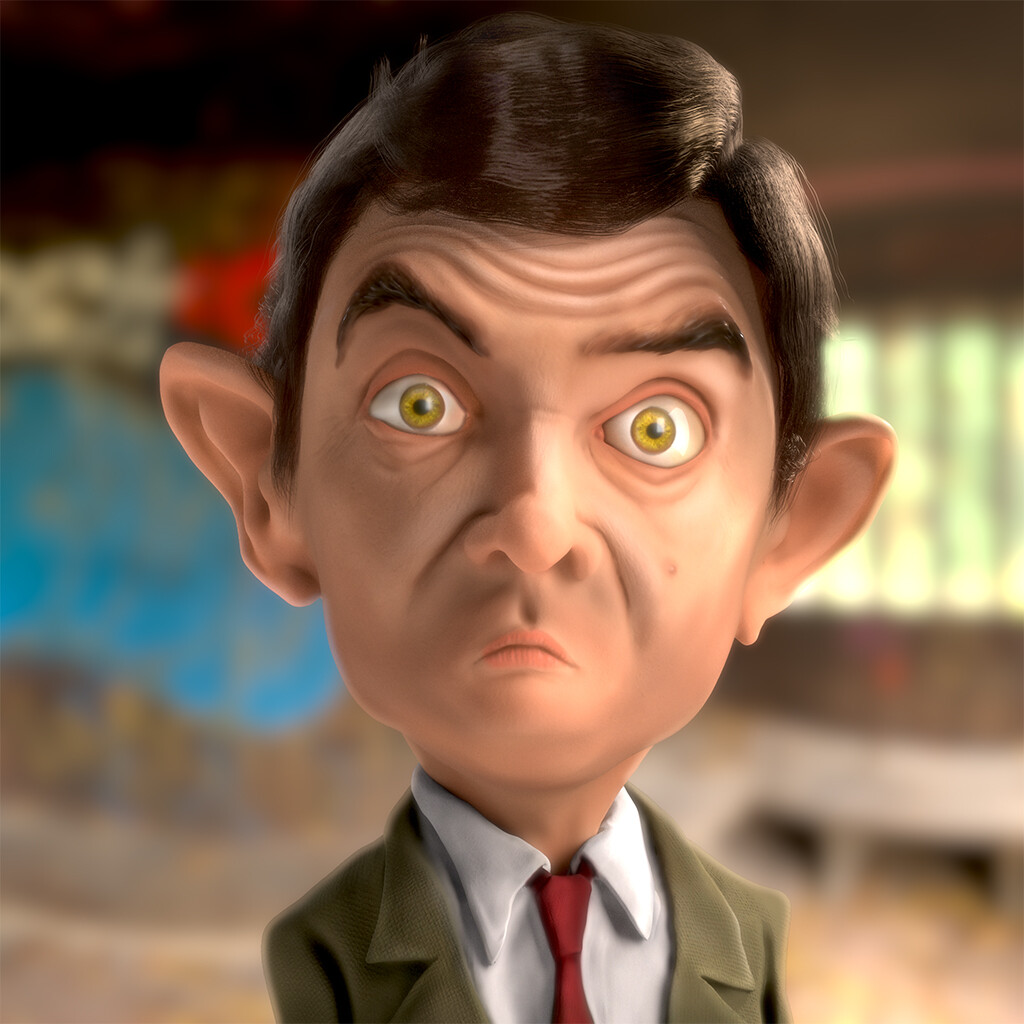
Image Credits
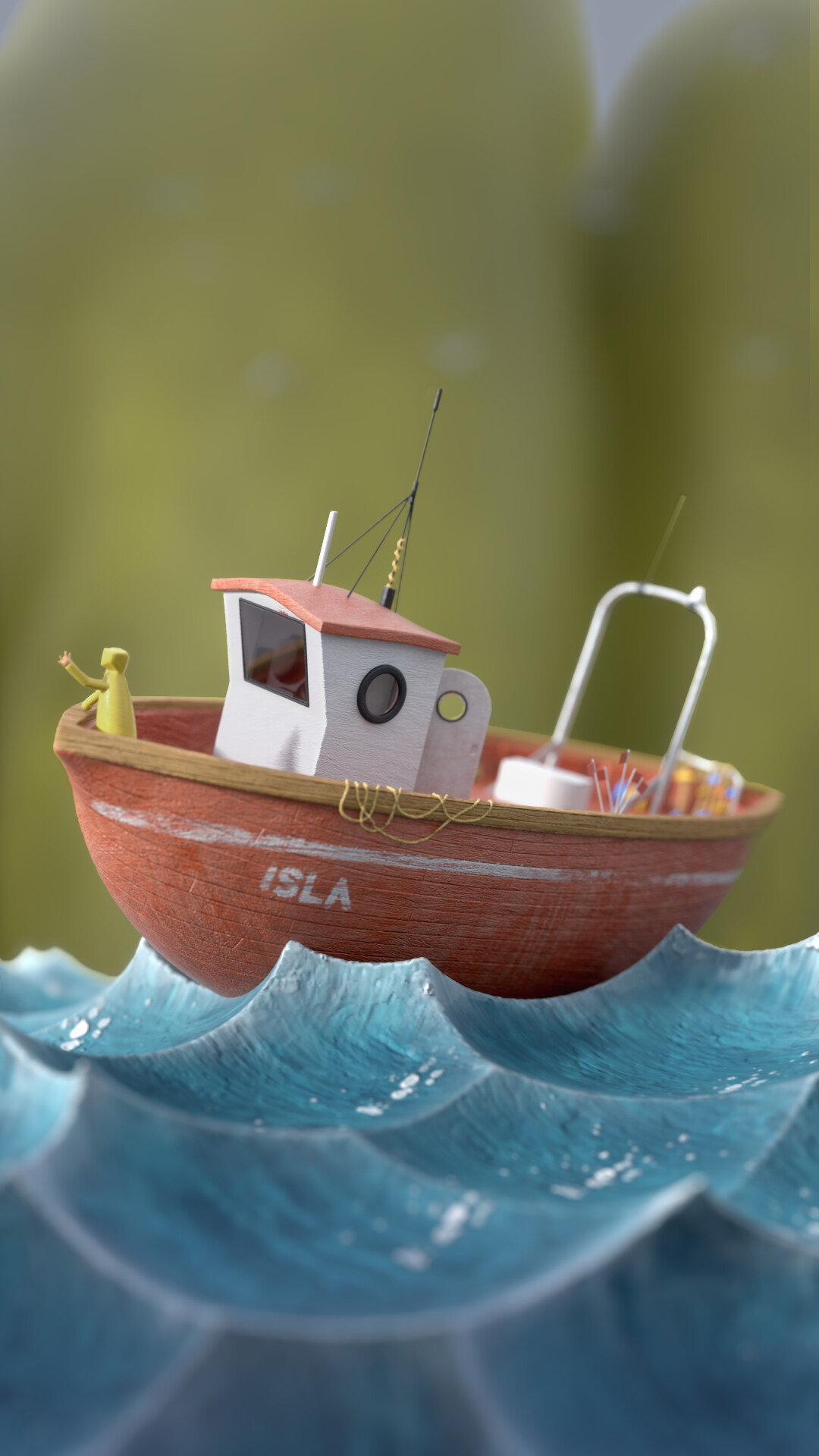
Rich Gemmell for concept art that inspired the boat shot
Bruno Ponte created the original model for this beautiful Mr. Bean character.