

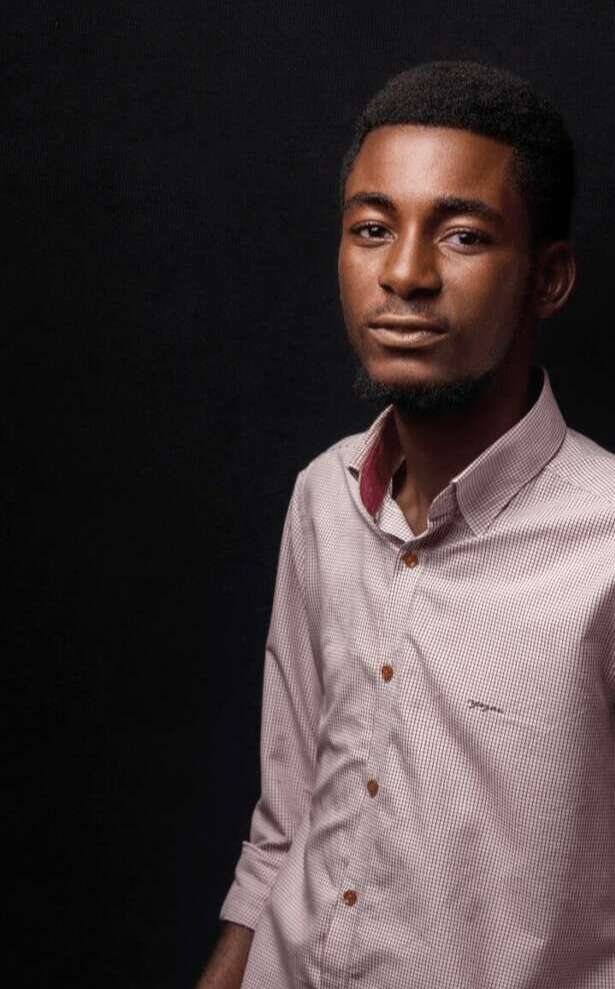

We recently connected with Michael Sarfo and have shared our conversation below.
Alright, Michael thanks for taking the time to share your stories and insights with us today. We’d love to hear about a project that you’ve worked on that’s meant a lot to you.
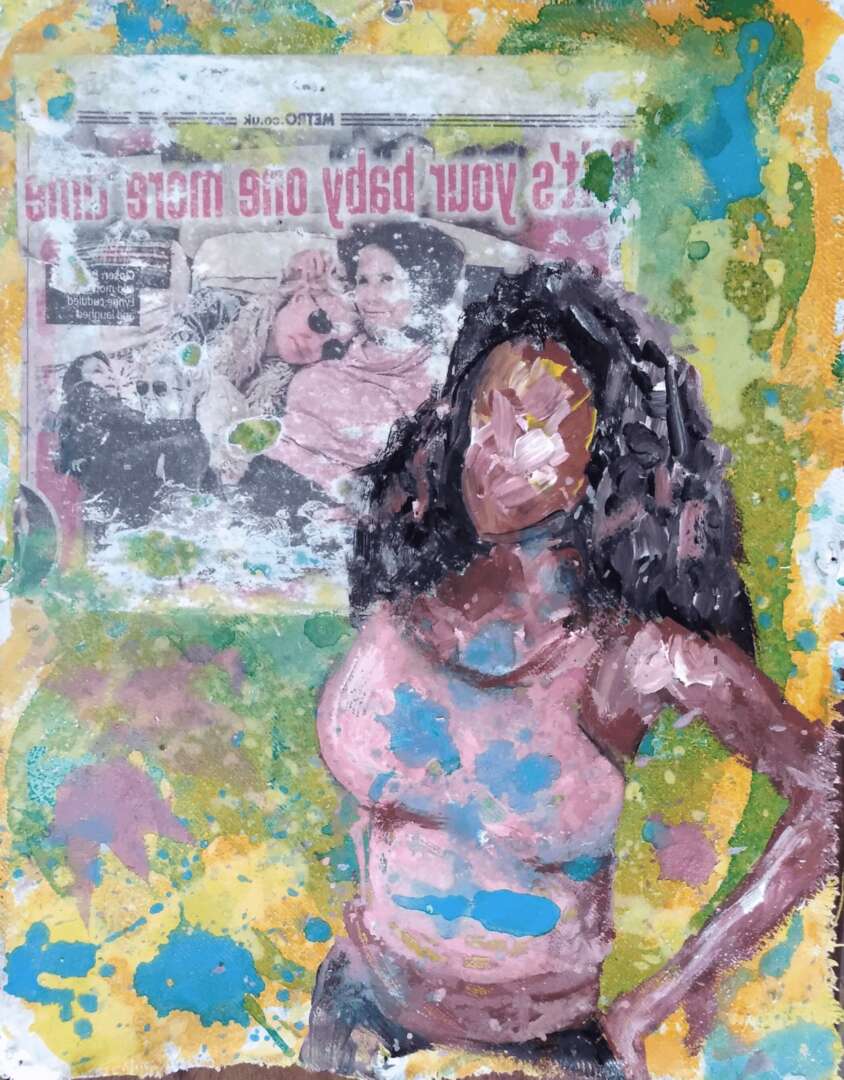
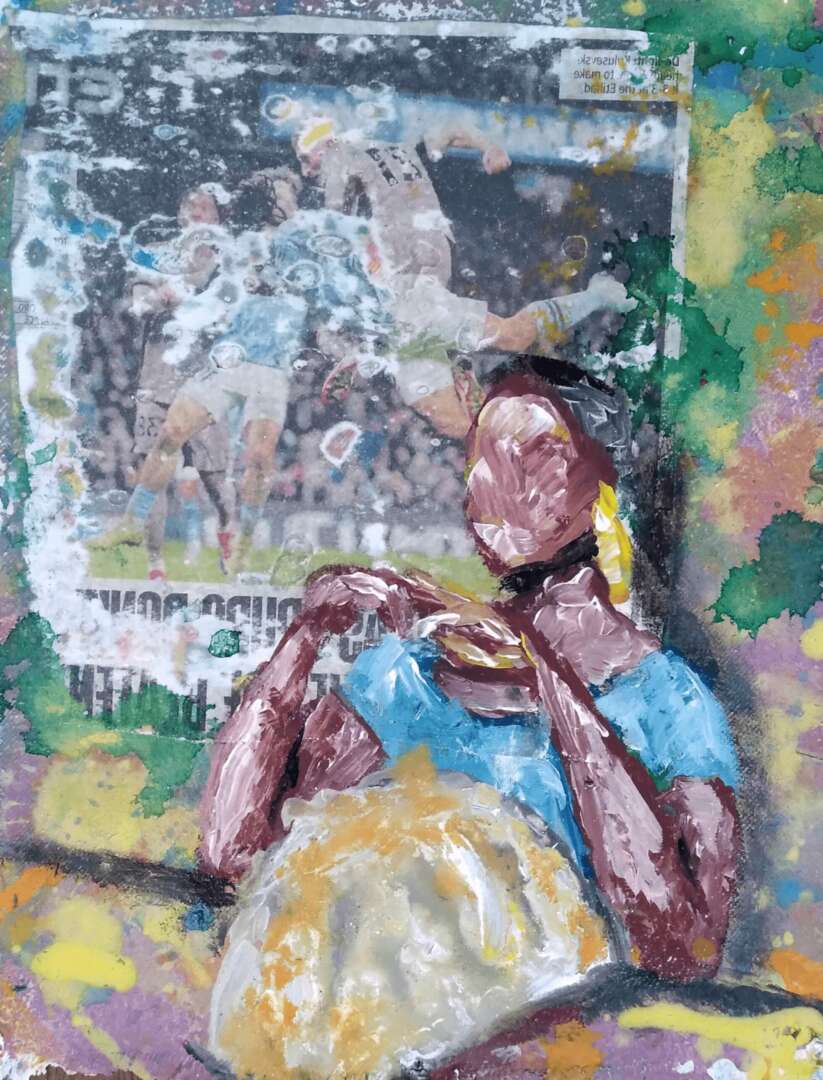
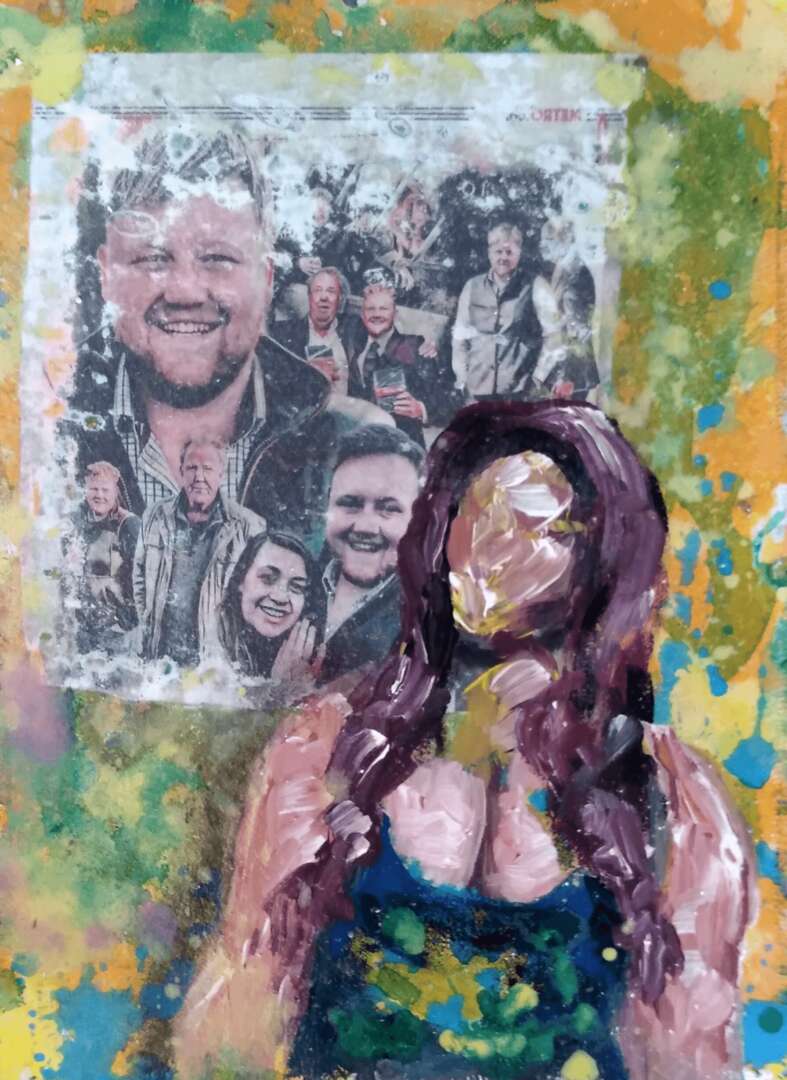
Yellow Signboard Project is one of my project that I have enjoyed embarking on for sometime now.
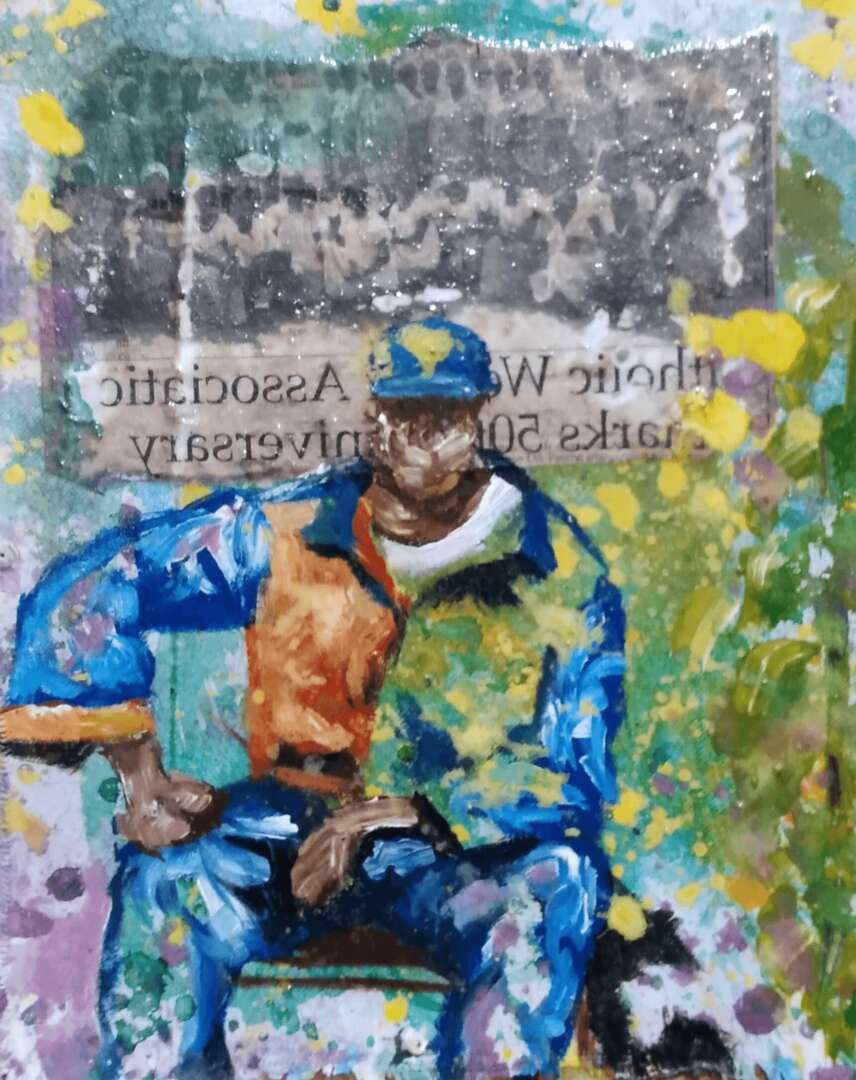
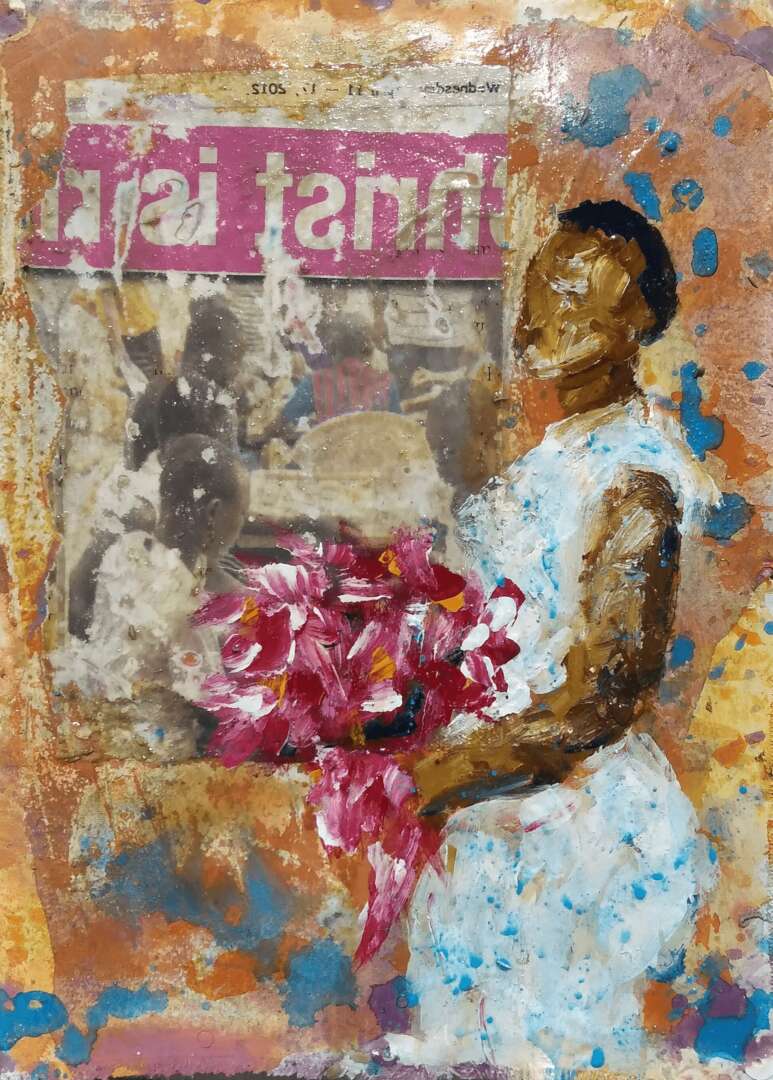
Within the Yellow Signboard Project I intervene on histories such as layering of colours on facades like billboards, walls, car bodies and even a point where facades transcends into surfaces of napkins, tablecloth, doormats I recapture these narratives into printmaking techniques, painting and drawing. Thinking and visualizing of histories and memories, I found interest in the context of materiality where photography becomes the medium employed within my working processes. I also recapture characters from archival photographs and layers of colours on facades like billboards, walls and car bodies from spaces in Accra suburb, where I live. I blend the histories of these elements together because i see them to have a shared historical context due to aging processes like having interesting colours on it surfaces, these works that I create from the yellow Signboard Projects are a body of language that am creating to discuss the manual processes of image making within the context of post-humanity where there is a sense of empathy or affinity.with the choice of materials selected.
Great, appreciate you sharing that with us. Before we ask you to share more of your insights, can you take a moment to introduce yourself and how you got to where you are today to our readers.
My name is Michael Ansong Sarfo, I am an artist from Ghana who works and live in Accra. I received my bachelor’s degree in Painting from Kwame Nkrumah University of Science and Technology – Kumasi, Ghana in 2021.
My Practice, spans across the disciplines of painting, drawing, printmaking and installations. I am an artist who is always fascinated about narratives, and layers of histories within familiar materials such as napkins, tablecloth, rugs, doormats, wooden tables and among others – characters like those left with stains, burns dirt and even patterns and designs within these materials, and how I could rethink of these narratives into image making and it process. I intervene on the histories by recapturing these narratives into printmaking techniques, painting and drawing. Thinking and visualizing of histories and memories, I found interest in the context of materiality where photography becomes the medium employed within my working processes.
I am also fascinated about image editing, like cloning, cropping, and copy and paste systems in Photoshop application, thus the idea of post-production where images existing in different contextual spaces could be restaged into a single photograph after various editing processes. I see my works as a body of language that am constructing out of history to discuss the manual processes of image making where there is a sense of empathy or affinity within the choices of materials. It also feels as if am going back into history to restage what had already been existed like archival photographs, and merging it with post-human context of imaging.
I have been working on projects and series such as Call to glory series, Twelve disciples, and Yellow Signboard Projects.
Is there mission driving your creative journey?
Indeed, the objective of my work is to represent the nation in the Venice Biennale and Documenta sometime to come in the future as a means of adding a dose of stain to the local and global art scenes. I also strive to inspire myself with the kind of work I consistently produce. Allowing my work to be questioned by fresh audiences after it is exhibited in an audience place is something else I will mention. Furthermore, every piece of art created and displayed throughout the artistic journey is the result of testing and experimenting with various mediums and methods. The objective is to develop into a person who creates work that tries to make sense of the audience and understands them, especially when it is displayed in a way that fosters empathy between my work and the audience.

What’s the most rewarding aspect of being a creative in your experience?
The ability to show among other artists from various cultural backgrounds is the most fulfilling part of being an artist. a location where the works of many artists and intellectuals from various nations are displayed together. This has been the best reward for letting me pick up tips from many artists. Considering art as a commodity of gift rather than just something that a certain class of people should view is another factor. When the work is created, it has the ability to permeate several areas, leaving a mark of gift in the observer’s mind and, at a certain point, permitting the spectator to finish the piece in my opinion. For me, this had been the greatest gift art had deposited in me.
Contact Info:
- Instagram: m.ansong_
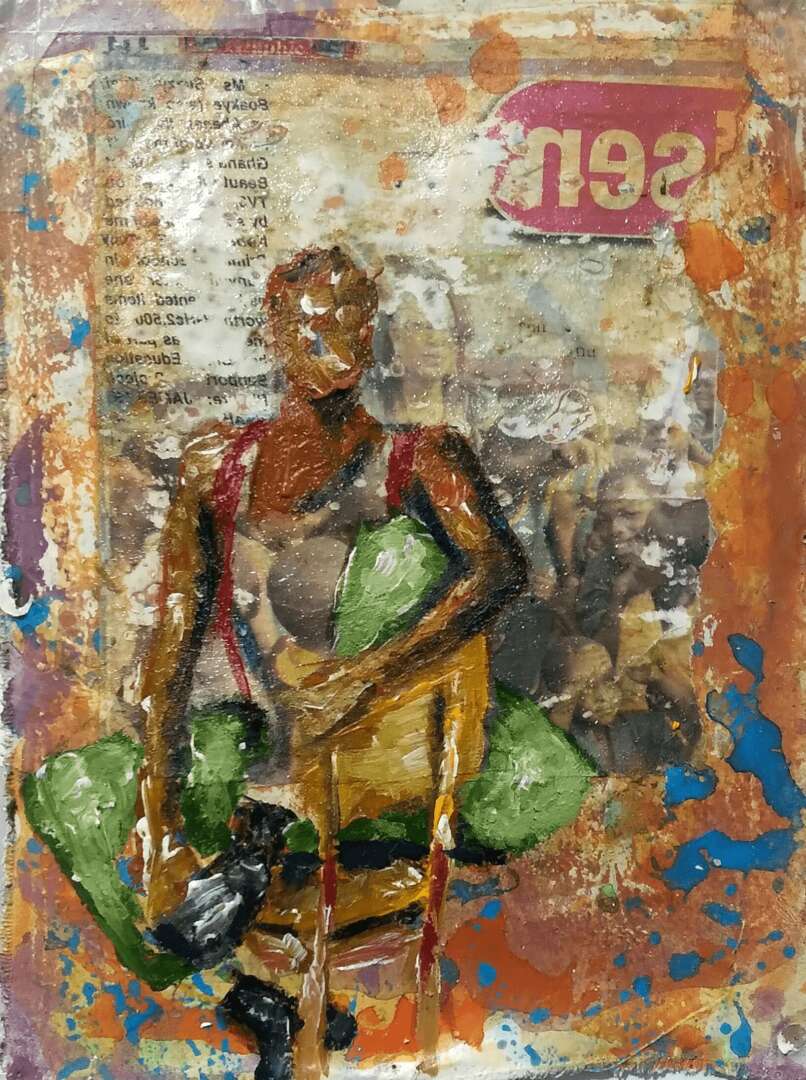
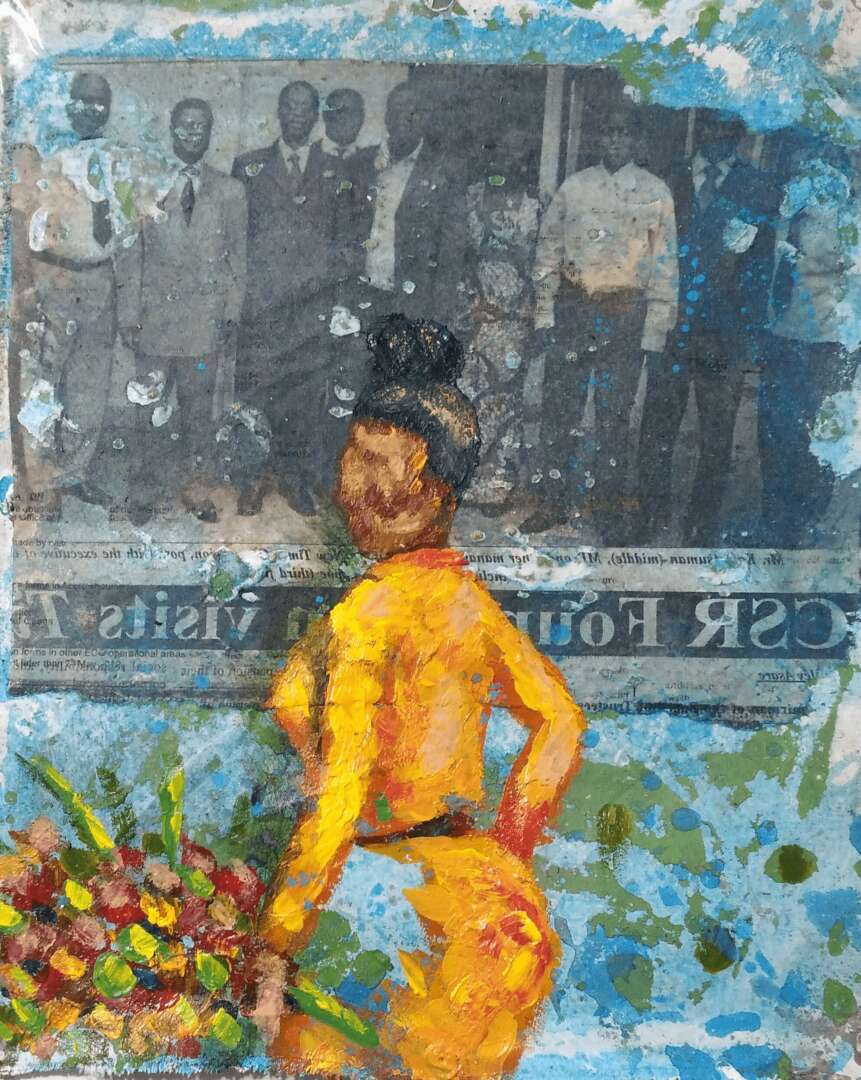
Image Credits
Michael Ansong Sarfo