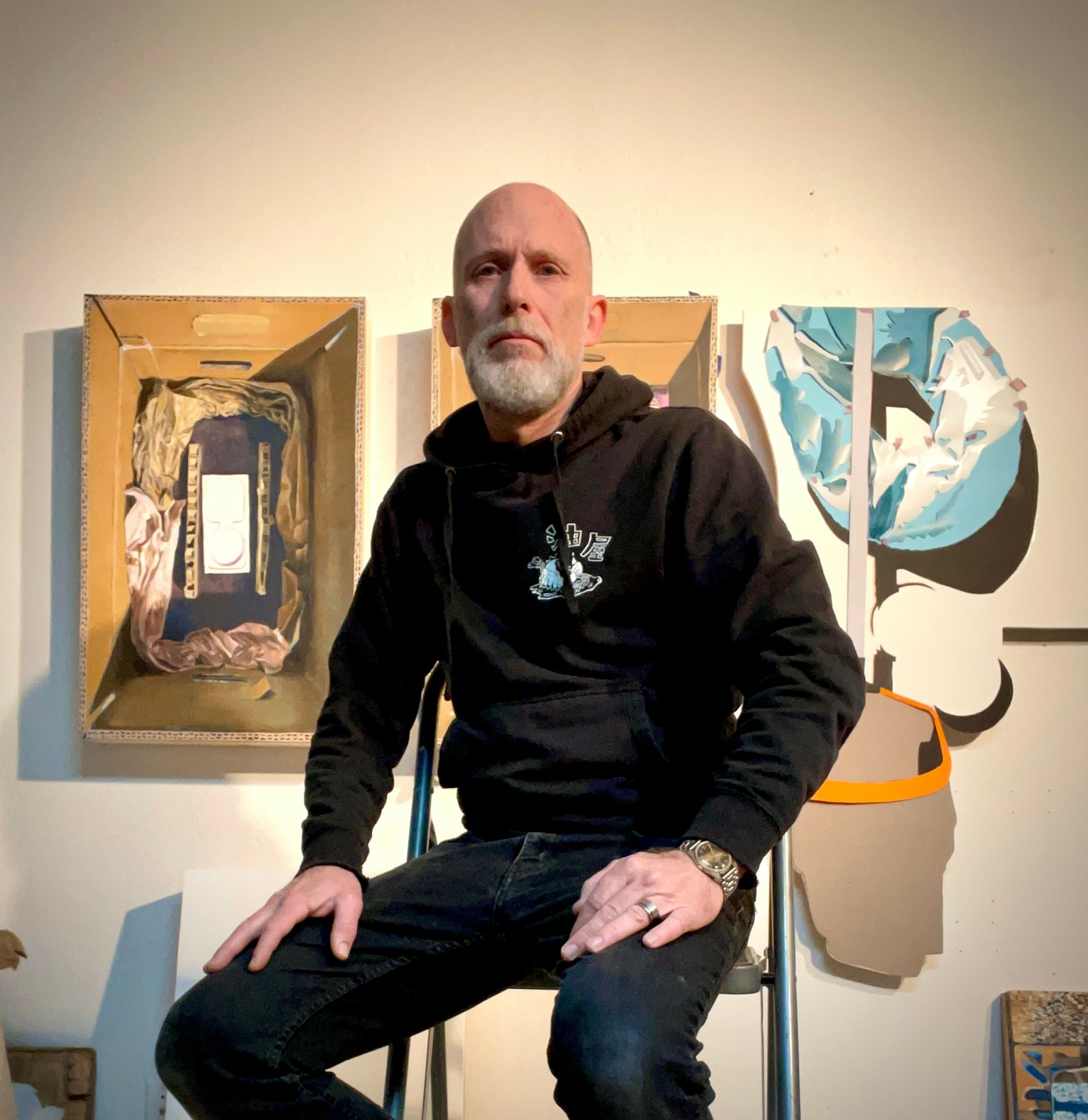

We’re excited to introduce you to the always interesting and insightful Michael Ryan. We hope you’ll enjoy our conversation with Michael below.
Alright, Michael thanks for taking the time to share your stories and insights with us today. We’d love to hear about when you first realized that you wanted to pursue a creative path professionally.
Well, I guess that would have been during my high school years. I took to drawing early as a kid, influenced much by my older brother. Comic books, movies, album covers and procrastinating on homework were great sources of inspiration when it came to drawing. Punk rock and skateboarding also pushed it further I think—that and paint pens. Leather jackets, skateboards, even a car or two, became a new drawing surface to take my hobby outside of my own sketchbook and out into the world.
In high school an art competition was assigned to me by my art teacher. I came up with a design rather quickly and turned it in so I could get back to the drawing I had been working on prior. My teacher gave me a C on the art competition assignment, primarily for my lack of effort on it, which I really don’t blame her, but I just wanted to draw what <i>I</i> wanted to draw. The following week the Suicide Hotline organization that hosted the competition contacted my school to announce that they had selected my design and that I won the hundred dollar prize. My design went up on a billboard downtown about a month later and was up for six months. That was when I began to realize the potential towards a career in art and wondering what that would look like.
My folks were very practical people, they wanted us to go to college because they “never got a chance to exercise that opportunity”. And well, college appealed to me, I really saw it as an opportunity to go and explore more outside of my hometown. So I started looking at different colleges and universities that were in-state that had decent art programs.
It probably wasn’t until I had started at Virginia Commonwealth University and became immersed in such an amazing music and art culture there that I could see more than just one path to pursuing art professionally. I entered the program intending to pursue a degree in design, but quickly became seduced by the luring qualities of oil paint, found objects, and philosophy. Courses with Javier Tapia, Elizabeth King, Gerald Donato and Cliff Edwards forever shaped the way I look at an art practice and how I also aim to be as an educator.
When I graduated at the age of 22 and asked Gerald Donato advice about graduate programs. His response was “Aren’t you in a band? Shouldn’t you just go on tour or something before you do all that?” This gave me permission to do just that and to have some experiences to make art about. Experiences that were outside of academia, that were fueled by challenges and growth —trying to make art while living very frugally, working three jobs to pay rent and bills, dealing with four quarreling roommates who also felt the throws of financial stress, building and working through relationships, and traveling. If you still want to make art after all of those everyday stresses, relationships, and adventures, then you begin to understand why it’s worth the struggle. For me those experiences became not only a major factor in the “what” I make art about, but also the “why”. I often give students the same advice.
Awesome – so before we get into the rest of our questions, can you briefly introduce yourself to our readers.
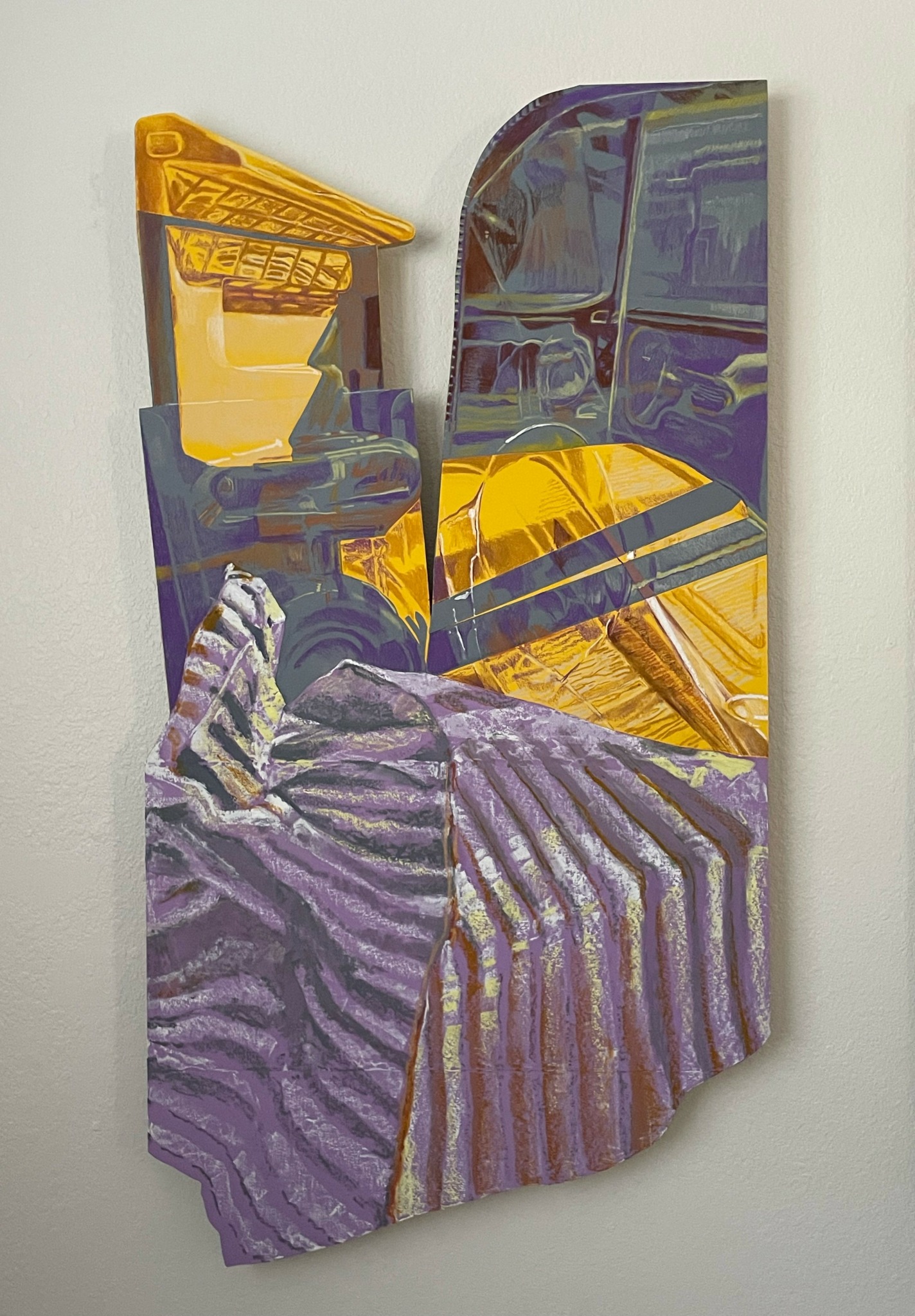
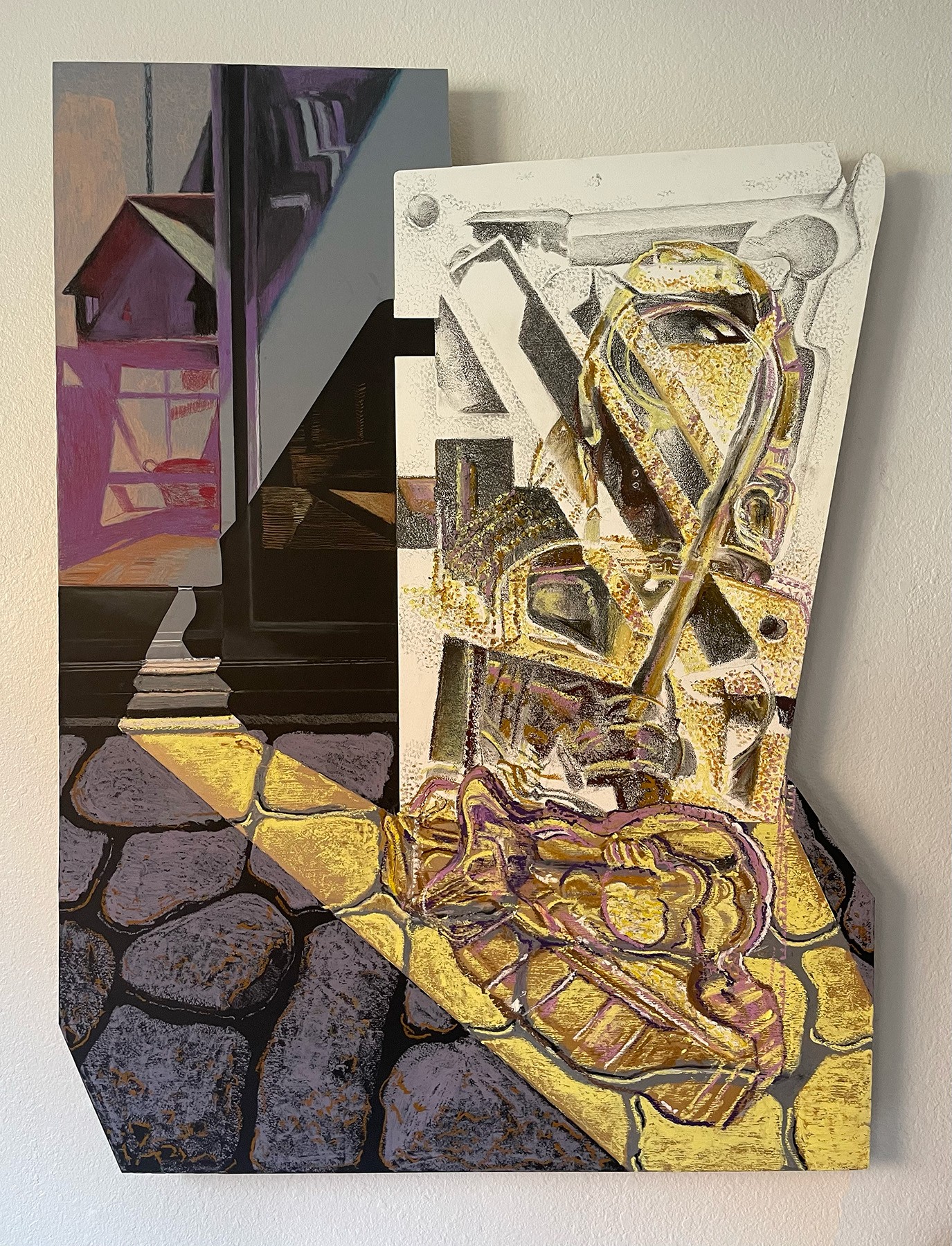
As an artist I don’t think I am solving anything. Contrarily I think every artwork I do is just raising the question: what does it mean to be a human in the late 20th and early 21st centuries? Perhaps more specifically looking at how we shape and design the technologies we use and in turn how that technology shapes and designs us, and so on. Systems affecting systems, and the relationship of systems that I ultimately arrived at were those of mass production and mass consumption.
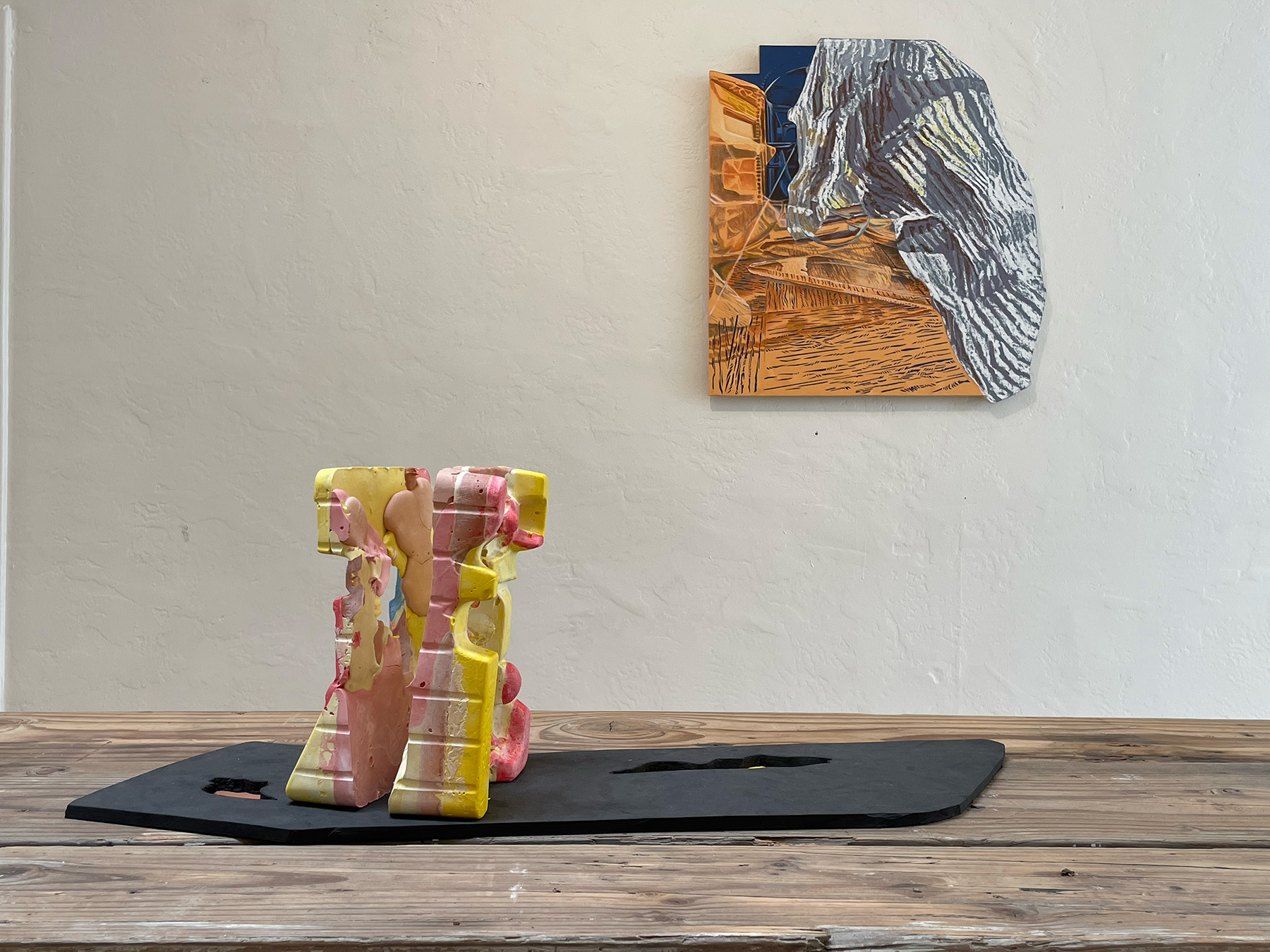
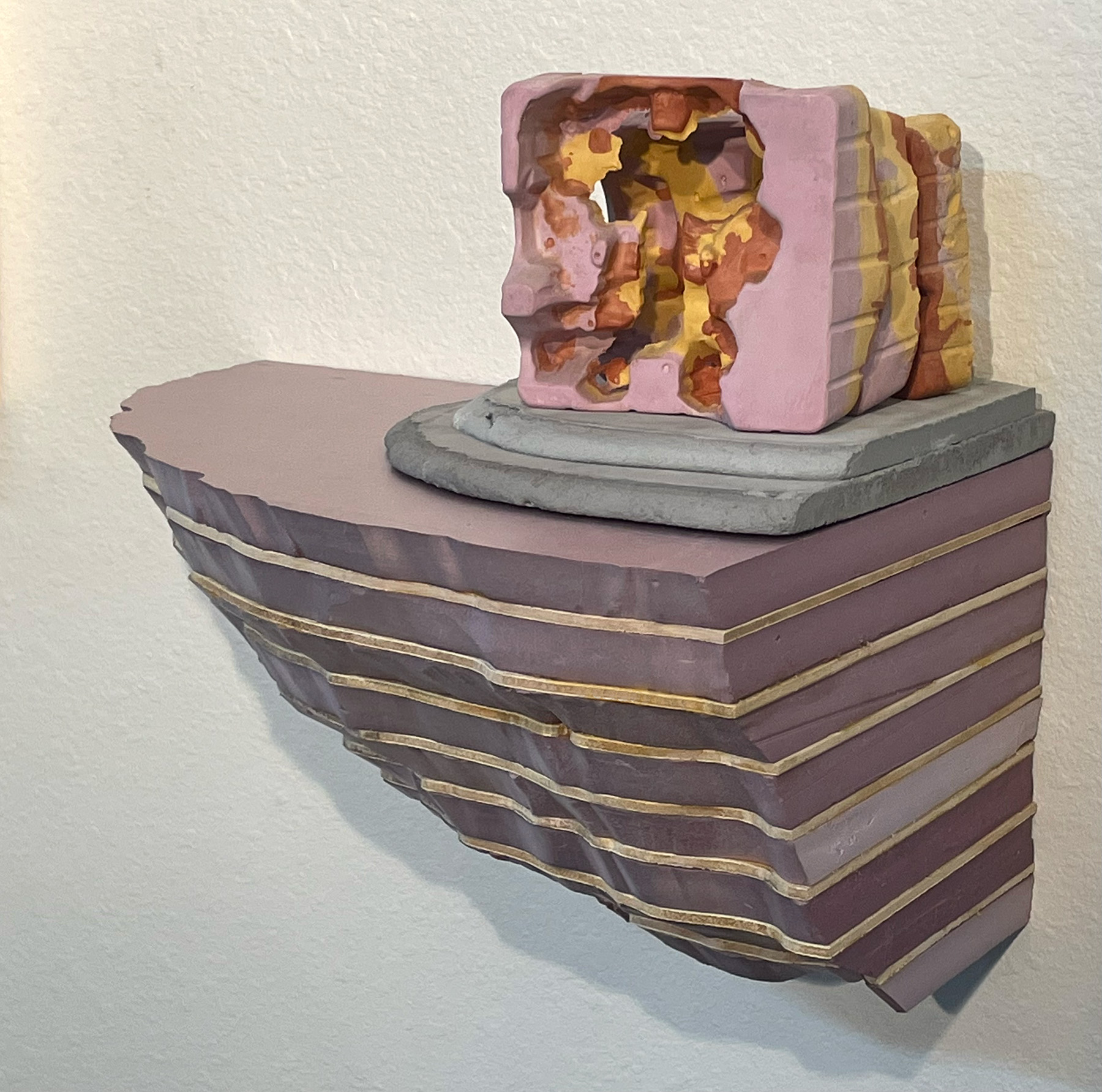
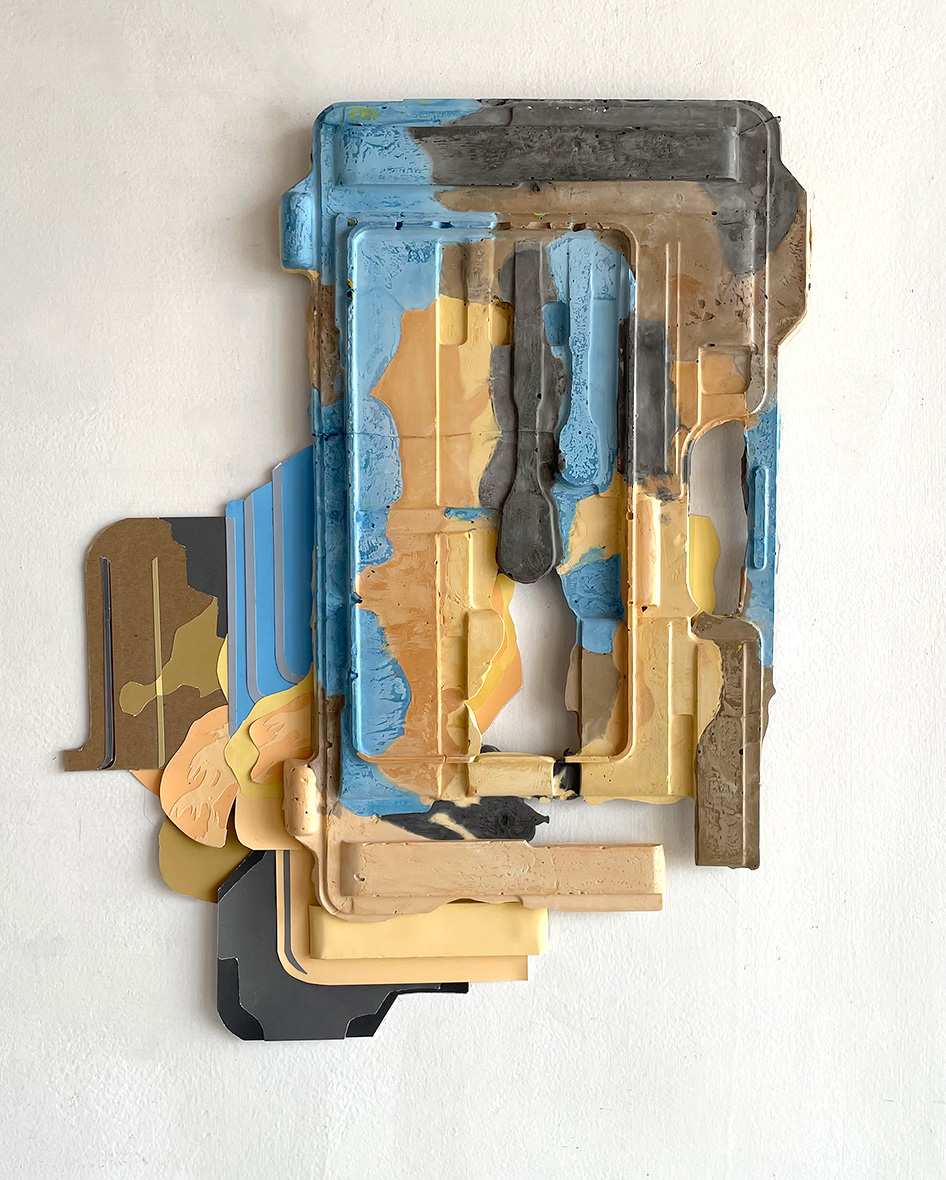
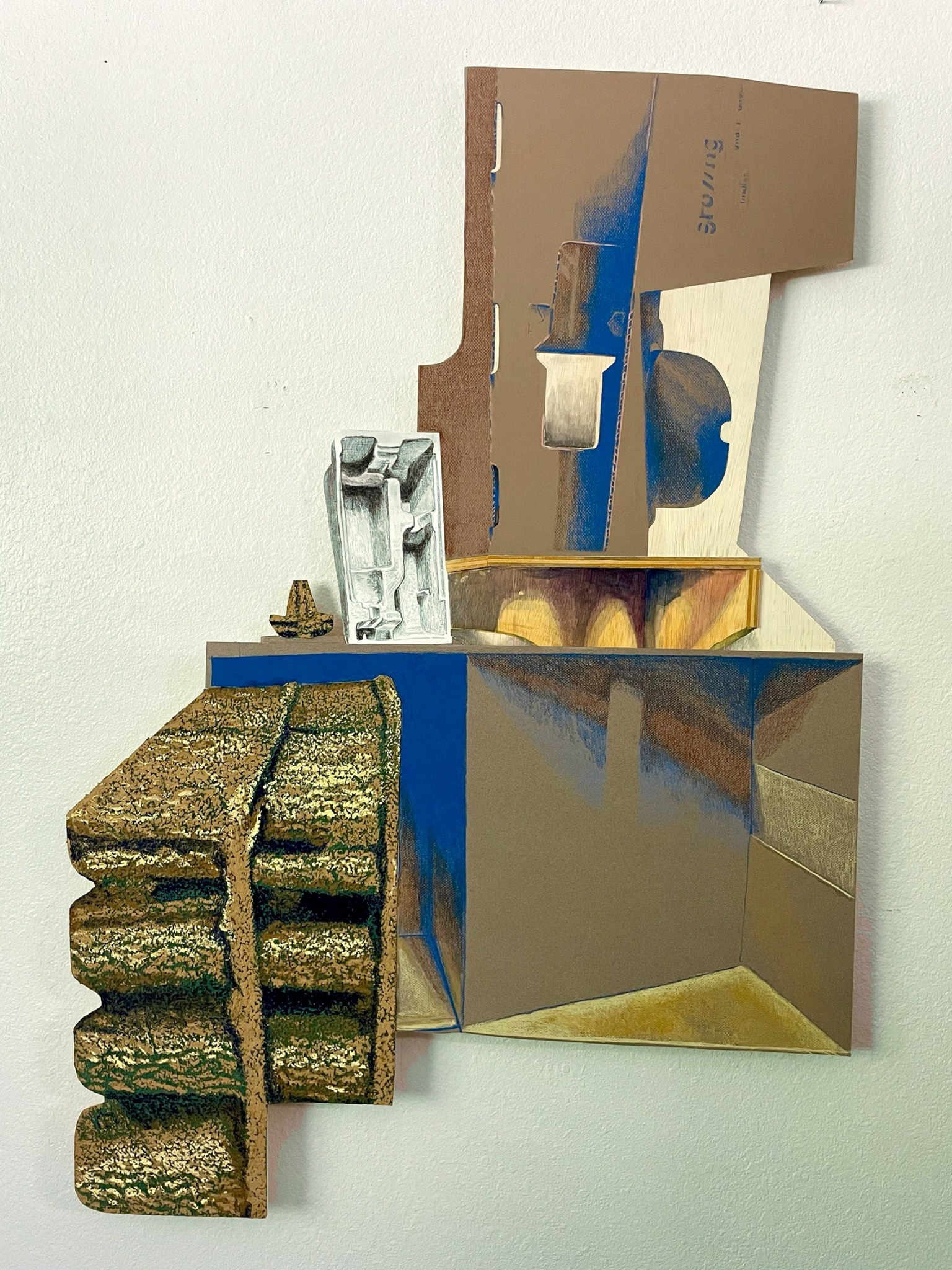
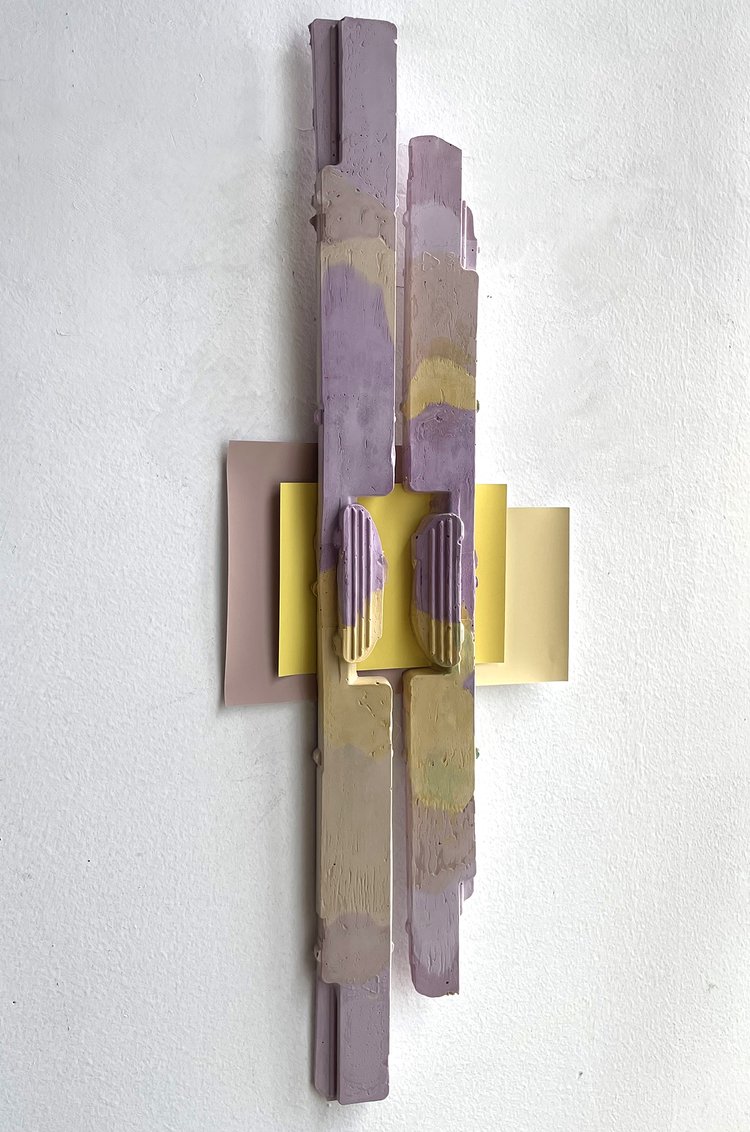
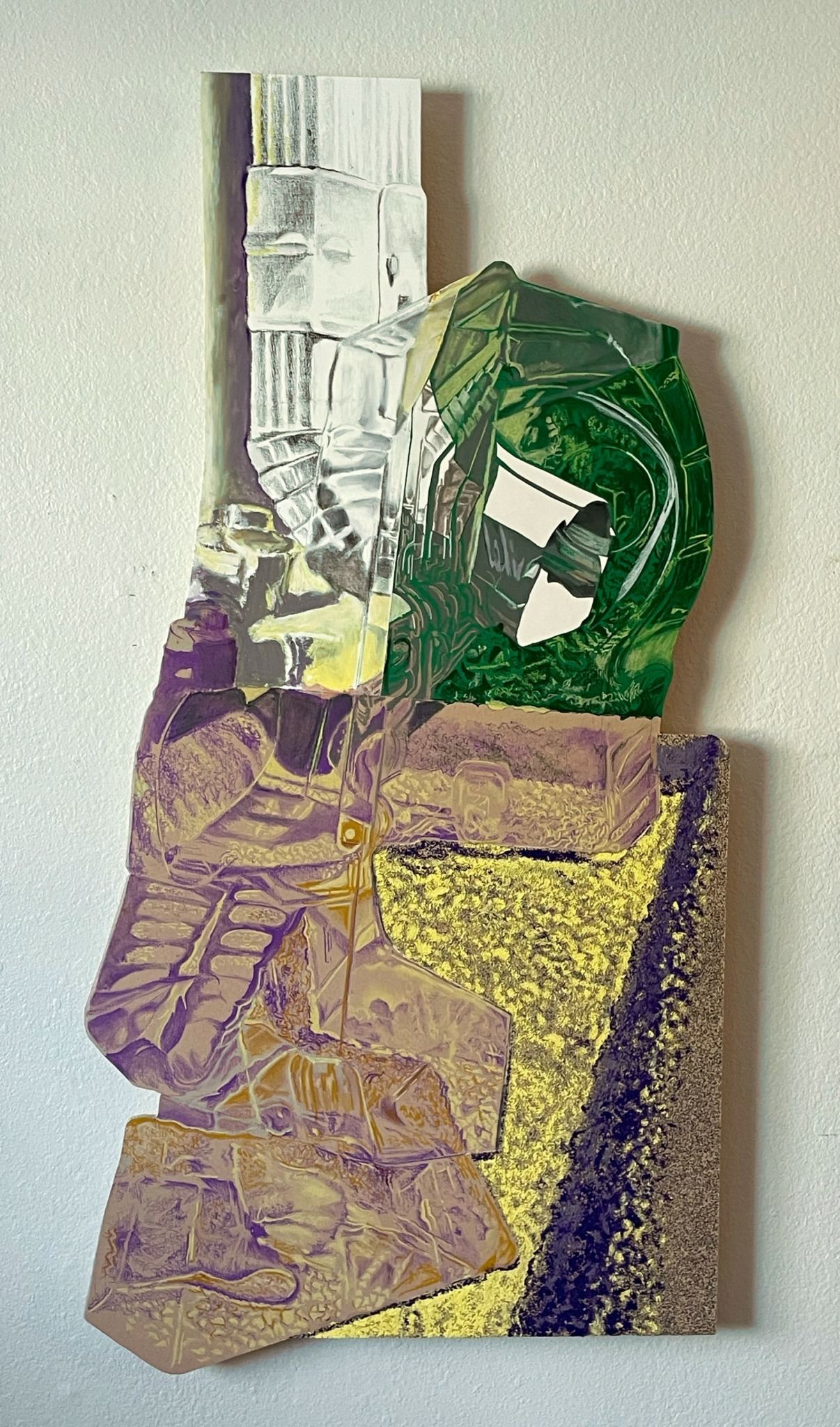
After receiving my Master’s in Fine Arts with a heavy student loan debt and extortionate rental rates in San Francisco I started my post graduate art practice collecting discarded and scavenged materials for sculptures and sound experiments, mostly recyclable packaging. Utilizing these scavenged materials opened me to a network of other systems that branch and grow from them. These empty packages, containers, <i>left over</i> byproducts create a web of other systems that branch and grow from them, from design and ad agencies all the way back to the mining of precious resources. My interests ultimately lay in the inquiry of manufactured desire. I started to read these forms and materials as some sort of cryptic code.
Recognizing packaging and other byproducts as a sort of hidden language uncovered a new perspective or lens; a way of seeing this material, these forms and what they can ‘say’ through their vacancy, their ‘without’. Through the different contours of material and the cavities they carve I look for moments, transitions, phrases, that might just create an optical pause, or mundanely memorialize the <i>discarded</i>, or maybe just catalogue a specific mold traced from industrial design, distribution and commerce. Regardless of whether its made of plastic, aluminum, or paper, the forms become the molten skin of a manufactured desire. There is autonomy in these forms, in their design and in their randomness. Sometimes I often wonder if this code will outlive us, and perhaps somewhat ‘explain’ us.
What do you find most rewarding about being a creative?
For me it is the mental clarity, the type of soul enriching mastication that only an art or music practice provides. To really chew and grind out the ideas and concepts that are banging at your conscious is to exercise a vital utility of one’s being. To manifest a visual or aural documentation is to expand the language of experience and the testimony of living. For myself I feel that I am using all of my faculties and abilities when I am in the process of making art, tapping into deep consciousness and participating with ‘the moment’. That could be any task as simple as prepping a surface, measuring dimensions, or simply just looking.
The most rewarding aspect of being an educator is sharing the different processes and practices of ‘making’; working with others to help discover the skills and abilities that will provide a path towards their own creative manifestations.
Are there any books, videos, essays or other resources that have significantly impacted your management and entrepreneurial thinking and philosophy?
The books and essays that have shaped my concepts and philosophies would have to be Siegfried Gideon’s <i>Mechanization Takes Command</i>, Jean Baudrillard’s <i>The System of Objects</i>, Guy Debord’s <i>The Society of the Spectacle</i>, Marshall McLuhan’s essay <i>The Medium is the Message,</i> Jack Burnham’s <i>Beyond Modern Sculpture</i>, and the essay <i>Bathrooms and Kitchens: Cleaning House with Duchamp</i> by Helen Molesworth is always a good read.
Contact Info:
- Website: https://michaeljryan.com/
- Instagram: https://www.instagram.com/mic_ol_ryan/