

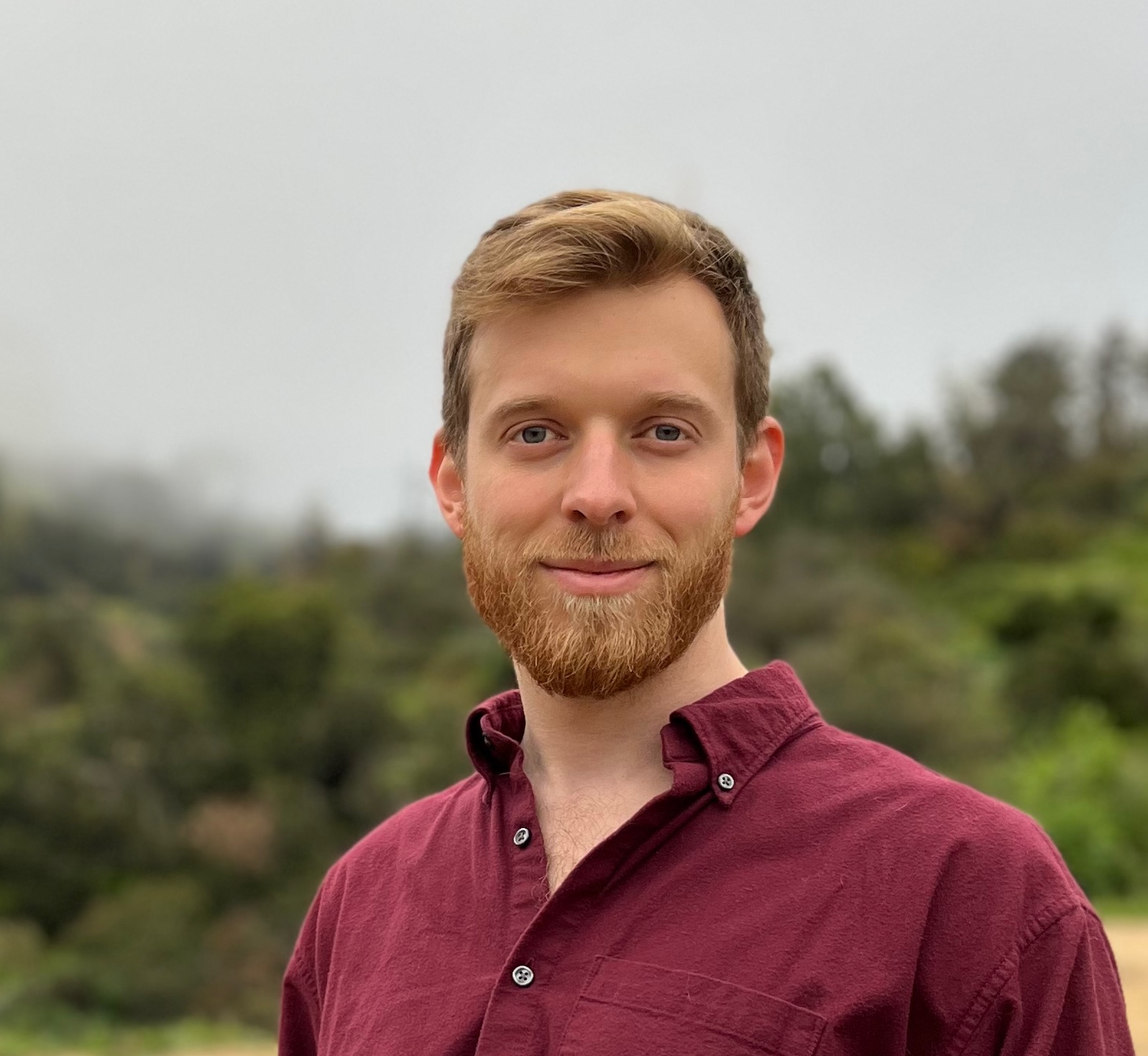

Alright – so today we’ve got the honor of introducing you to Michael Ouzas. We think you’ll enjoy our conversation, we’ve shared it below.
Hi Michael, thanks for joining us today. Learning the craft is often a unique journey from every creative – we’d love to hear about your journey and if knowing what you know now, you would have done anything differently to speed up the learning process.
You never stop learning to write. The gift of being a writer is that every single movie or episode of TV you watch has something to teach you. The curse of being a writer is that it can be hard to relax when you’re watching something because you’re constantly analyzing everything. You see something truly beautiful and, as you’re crying, you’re thinking “How did the writer make me feel like this? How can I do that in my scripts?” Or you watch something that doesn’t quite work and you wonder “How would I have done this better?”
So I hope to continue learning for the rest of my life, but I think I became confident in my writing abilities during my time in USC’s screenwriting MFA program. I had a number of brilliant teachers – some of them professors, some of them friends. Those two years of writing non-stop catapulted my storytelling ability to a new level. It also taught me to view writing as a profession rather than just a passion. Before that, I’d write when the mood struck, or when I was “inspired.” Film school drilled into me that writing is a daily endeavor – I didn’t have a choice but to write daily because the deadlines came thick and fast.
There are other aspects to being a writer in addition to crafting compelling scripts, but most of those you learn by doing them and from people who have done them before. I’ve found that writers look out for each other, and I’ve had many mentors pass on their decades of experience to me. I try to pass that information on to newer writers and clients too.
There’s no shortcut for learning how to write. If you want to improve, you’ll have to put in the hours to watch, read, analyze, write, and rewrite, rewrite, rewrite (there’s a lot of rewriting). One thing that I would do earlier if I could is start a weekly writers’ group with other screenwriters. A writers’ group teaches you how to analyze story and give constructive feedback, and the feedback you receive shows you what your strengths and weaknesses are. It’s also just a great motivational tool in a pursuit that can often be quite solitary at first.
Aside from the ability to tell a compelling story, perseverance is essential in screenwriting. Even the very best writers face rejection on a regular basis. Steven Spielberg was famously rejected by USC’s School of Cinematic Arts. I’m glad he persevered despite that setback. I’ve had my fair share of rejection, too, but I’ve also had a lot of wins. It’s about reframing what success means to you. For me, personally, success has become about focusing on what I can control: writing the best scripts I can, continuing to put myself and my work out there, and accepting the outcome, whatever it may be. Strangely, I find that the less I focus on the outcome, the better the outcome tends to be.

As always, we appreciate you sharing your insights and we’ve got a few more questions for you, but before we get to all of that can you take a minute to introduce yourself and give our readers some of your back background and context?
I’m an Australian writer for TV and Film, currently based in Los Angeles. I’ve had the great privilege of writing on projects including Beacon 23, a sci-fi series streaming on MGM+. I draw on my former career as a lawyer in the counterterrorism space to write stories about institutions which ask us not to be human. I also write historical fiction, action/thriller, romance, and genre (fantasy, sci-fi, horror) stories. When I’m not working on my own material, I provide script consultation services to writers looking to improve their work.
The highlights of my career so far include meeting and working with so many incredibly talented people (including some of my writing idols), watching my first episode of TV air, and being able to provide guidance to newer writers.
What’s the most rewarding aspect of being a creative in your experience?
Nobody becomes a writer because it’s what their parents wanted. Nobody does it for the fame, or the work-life balance, or the health insurance.
We do it because we have a yearning for something we don’t find anywhere else. That something, for many writers, is “connection.” The act of creating something out of nothing, sharing it with another human being, and seeing how it moves them emotionally is a beautiful thing. Personally, I’ve never been more complimented than when people tell me they cried reading my script. Knowing that something I’ve created has made someone think about something in a new way, or moved them in the direction of love, or brought a smile to their face is the greatest reward I can imagine.

Any resources you can share with us that might be helpful to other creatives?
Before I went to film school, I taught myself to write the same way many people do: watching and rewatching the films and TV shows they love (I’ve seen Breaking Bad too many times to count). If you love a movie, find a copy of the script and study it. Ask yourself questions: “What is the protagonist’s goal? Why do they want to achieve that goal? What are the obstacles preventing them from achieving their goal?”
I would have benefitted greatly at that point from a couple of resources. There are a ton of great podcasts about the craft and business of screenwriting. Scriptnotes is excellent and rightly very popular, but there are others like Draft Zero that are well worth listening to if you want to dive into what makes great stories work.
The WGA has some great resources for members and non-members alike. If you’re based in LA, the WGA library has an immense collection of scripts to check out. The Guild also hosts film screenings, Q&As with writers, and a plethora of other events to help writers connect and learn from one another.
Last but not least, a writers’ group is a fantastic resource. Meeting weekly with likeminded friends who genuinely want to help you improve your work is one of the joys of being a writer.
Contact Info:
- Instagram: https://www.instagram.com/michaelouzas/
- Linkedin: https://www.linkedin.com/in/michael-ouzas-42b3bb62/?trk=opento_sprofile_topcard
Image Credits
Akil Rashad Anderson.