Alright – so today we’ve got the honor of introducing you to Michael Naishtut. We think you’ll enjoy our conversation, we’ve shared it below.
Michael, looking forward to hearing all of your stories today. Are you able to earn a full-time living from your creative work? If so, can you walk us through your journey and how you made it happen?
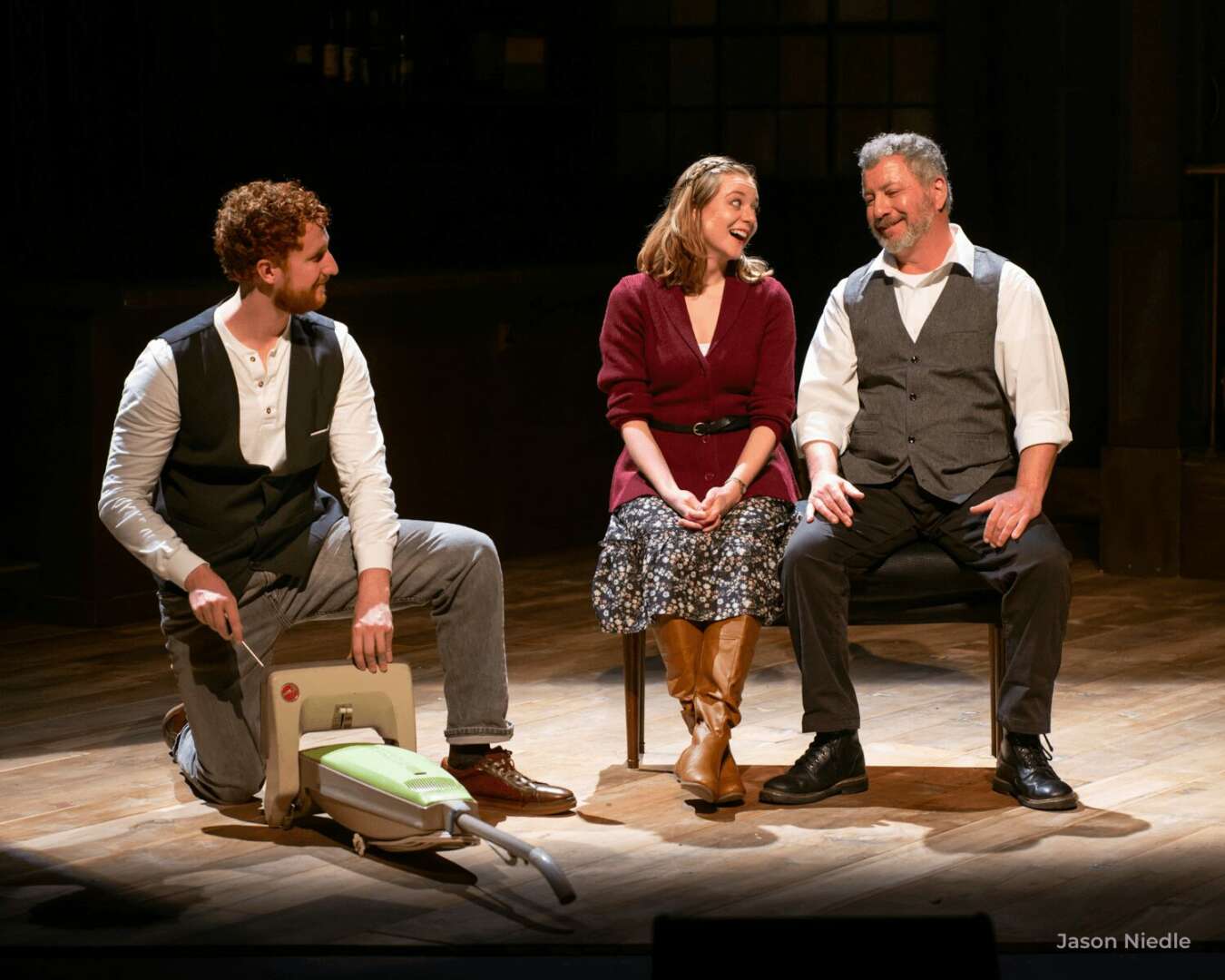
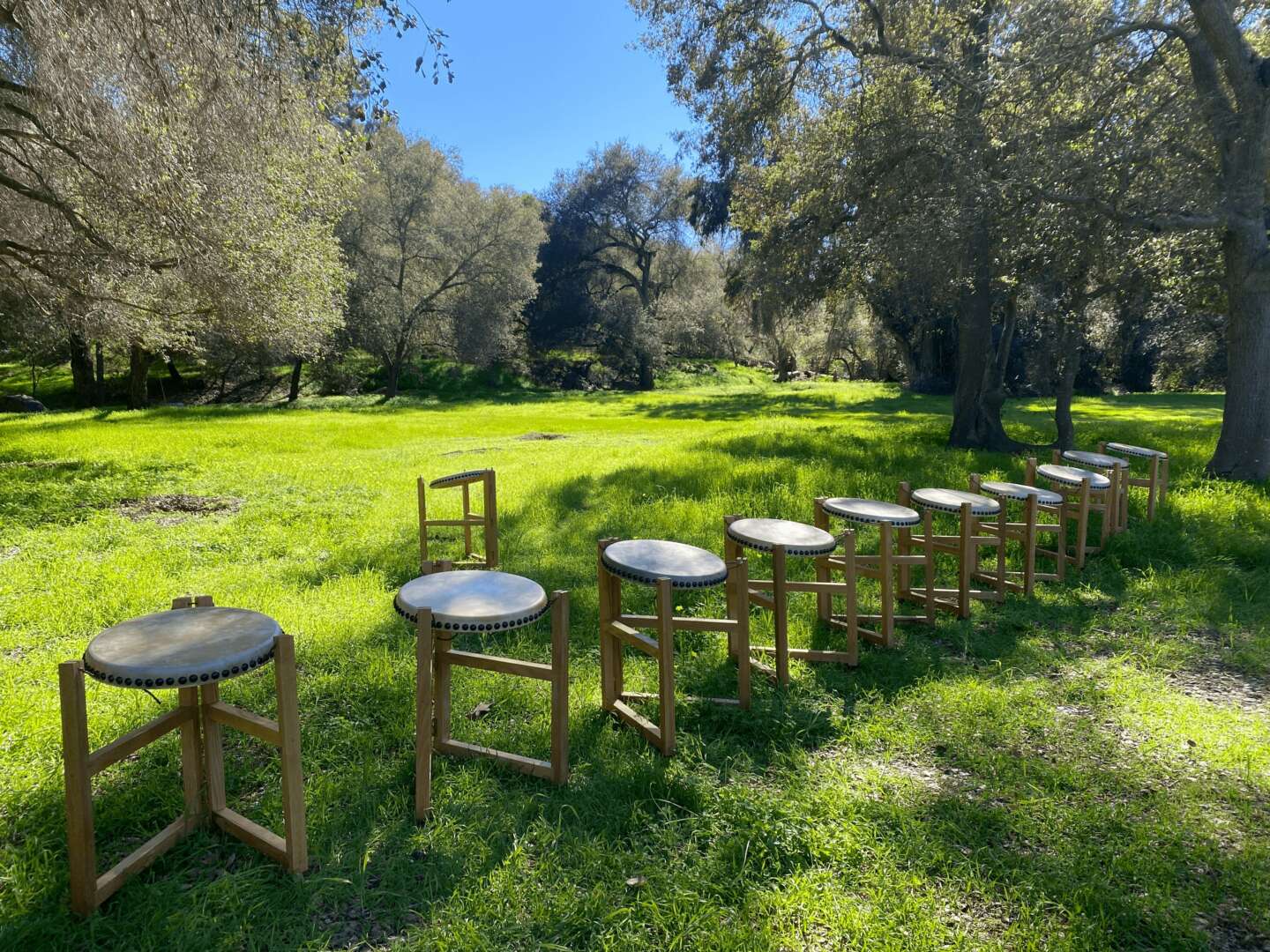
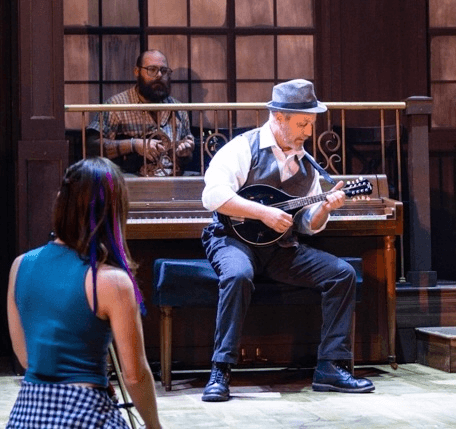
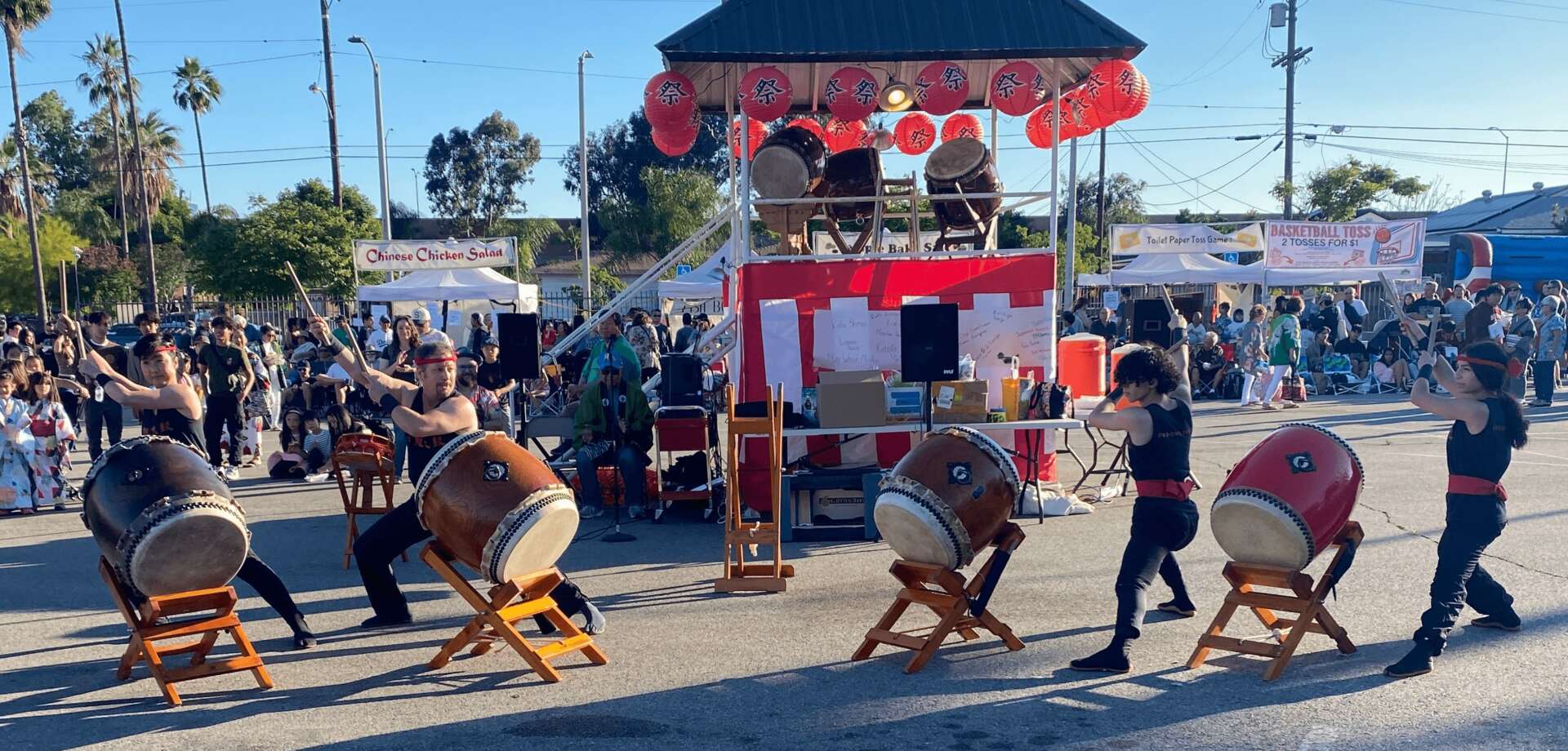
I lived in Japan for 20 years and worked full-time as a freelance actor, appearing in educational television programs, major theater performances, MC work, ring announcing for mixed martial arts and various other narration .and live performances. But one day at a festival, I saw a Taiko performance by a group named Kodo. They were so powerful and full of passion and emotion, It really blew me away. I was able to travel to their island and train with them for a four day intensive, and after that I was hooked. So Taiko became another passion of mine In addition to acting. I trained with my sensei in Tokyo for 10 years and started to perform with his professional group. Then I formed my own group mostly of foreigners who were in Japan, who didn’t speak Japanese, but they were interested in playing taiko drums. I moved to the United States about 15 years ago and I shipped over all of my drums thinking that I would start a group here in Los Angeles as a side job while I pursued my acting career. I had no idea that there were already many established groups here starting from the mid 1960’s. So these groups were mostly started by second and third generation Japanese Americans and it was not just music, it was a cultural expression for them especially considering the civil rights issues that were happening in the 60s and 70s and the discrimination Asian Americans had to endure. I finally found a Japanese community center in Sun Valley, and they allowed me to start a Taiko program there, So that’s where I stored my drums and started weekly classes. After a few years of practice, we built up a repertoire and then we started performing at various events like the OC Japan Fair, LA Anime con, Cherry Blossom festivals, and different parties. Then I had the idea to start an afterschool enrichment program for Taiko drumming. One of my previous part-time jobs was teaching martial arts to children as an afterschool program and I thought if I could bring the drums to the schools this would be a great way to spread the amazing art form of Taiko to the American children. Until now it’s mostly Japanese Americans and by extension other Asian Americans who learn about taiko and are attracted to doing it. I was surprised to find that many universities have clubs, like UCLA, USC, UC Irvine, Northridge, Stanford, and many others. The collegiate Taiko program is something that I believe has kept Taiko alive in the United States, but outside of this group the average American still doesn’t know anything about Taiko, They don’t even know what the word Taiko means, so my goal is to spread this beautiful art form to all Americans . Most people in the United States know of some Japanese terminology like samurai, geisha, ninja, sushi, pickachu, karate and many different Japanese words, but still the word Taiko is relatively unknown, so I thought this would make a great after school program. The problem is that the Taiko drums traditionally built are quite cumbersome, so most people who want to learn, need to go to the place where that Taiko team has their drums stored and has regular classes. To do a mobile workshop where you go to different locations is a little challenging because the drums are so large and heavy you need a large vehicle and you need at least two or three people to help move the drums and the stands to set them up and then break down after the workshop, so it becomes very difficult. So I was looking for other kinds of drums that were a little bit lighter and smaller and easier to transport. Finally I found an excellent drum maker in Washington state who makes very high quality Taiko drums that are much smaller and thinner than traditional drums, but the they’re played just like a regular taiko. They’re made in the traditional way where the skin is soaked and stretched on a wood frame and tacked into the wood so it’s played and sounds very much like a traditional taiko, but they’re much lighter and easier to transport. So I invested in these drums and stands to create this idea of a mobile after school enrichment program in Taiko and Japanese culture. Now this was also a challenge because there are a lot of applications, special insurance and background checks. There’s a lot of things that you have to prepare before the board of education will allow you to come onto campus to perform Taiko or teach to the children, but after months and months of preparation, I was able to start and so far I’ve done one residency and I’m looking to expand that to other schools. As I was creating this program, I realized that there are also programs for senior citizens to do taiko drumming, and in my research I found that group drumming activities are extremely beneficial for senior citizens, especially to stave off the effects of Alzheimers,
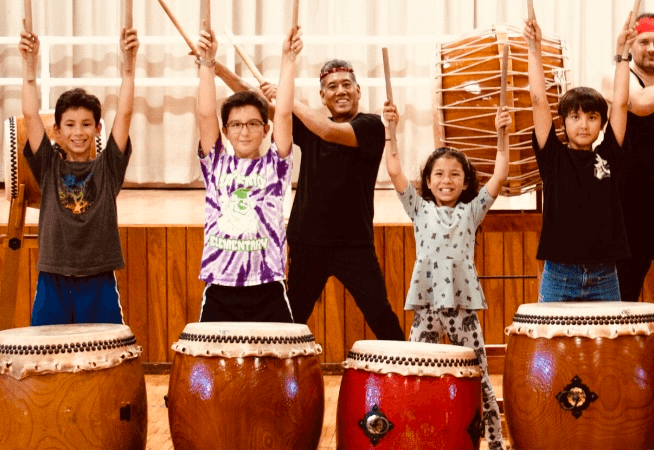
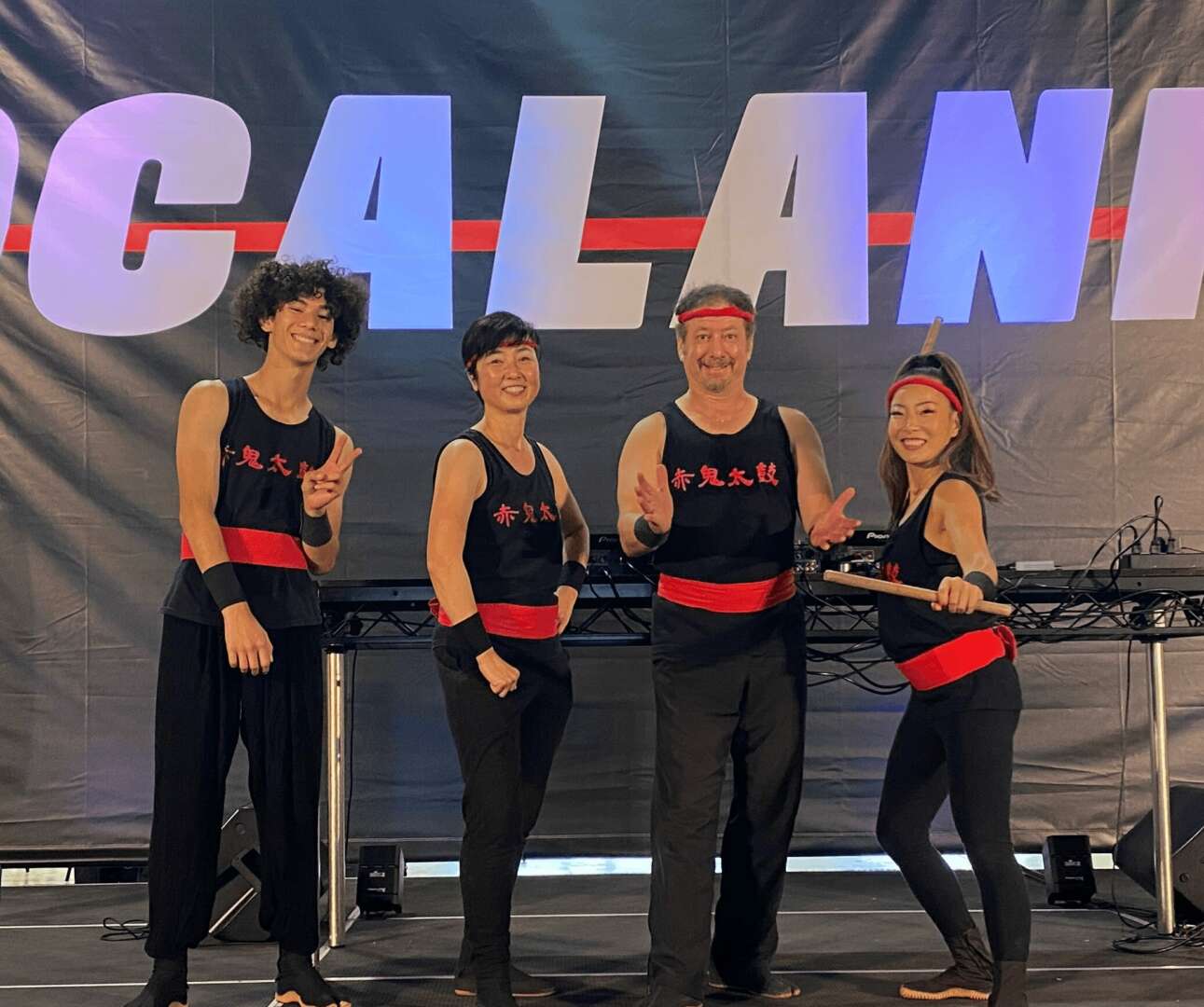
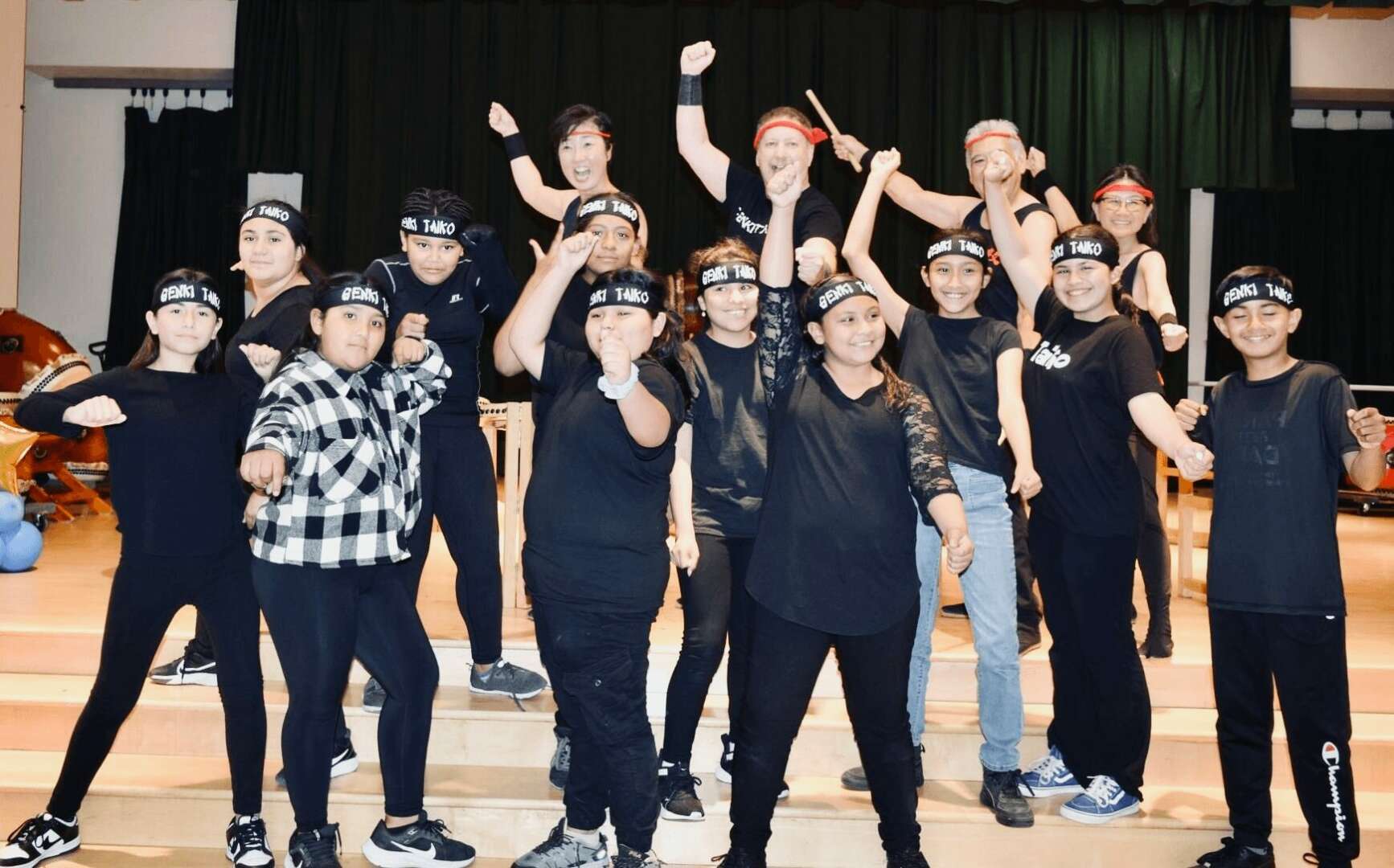
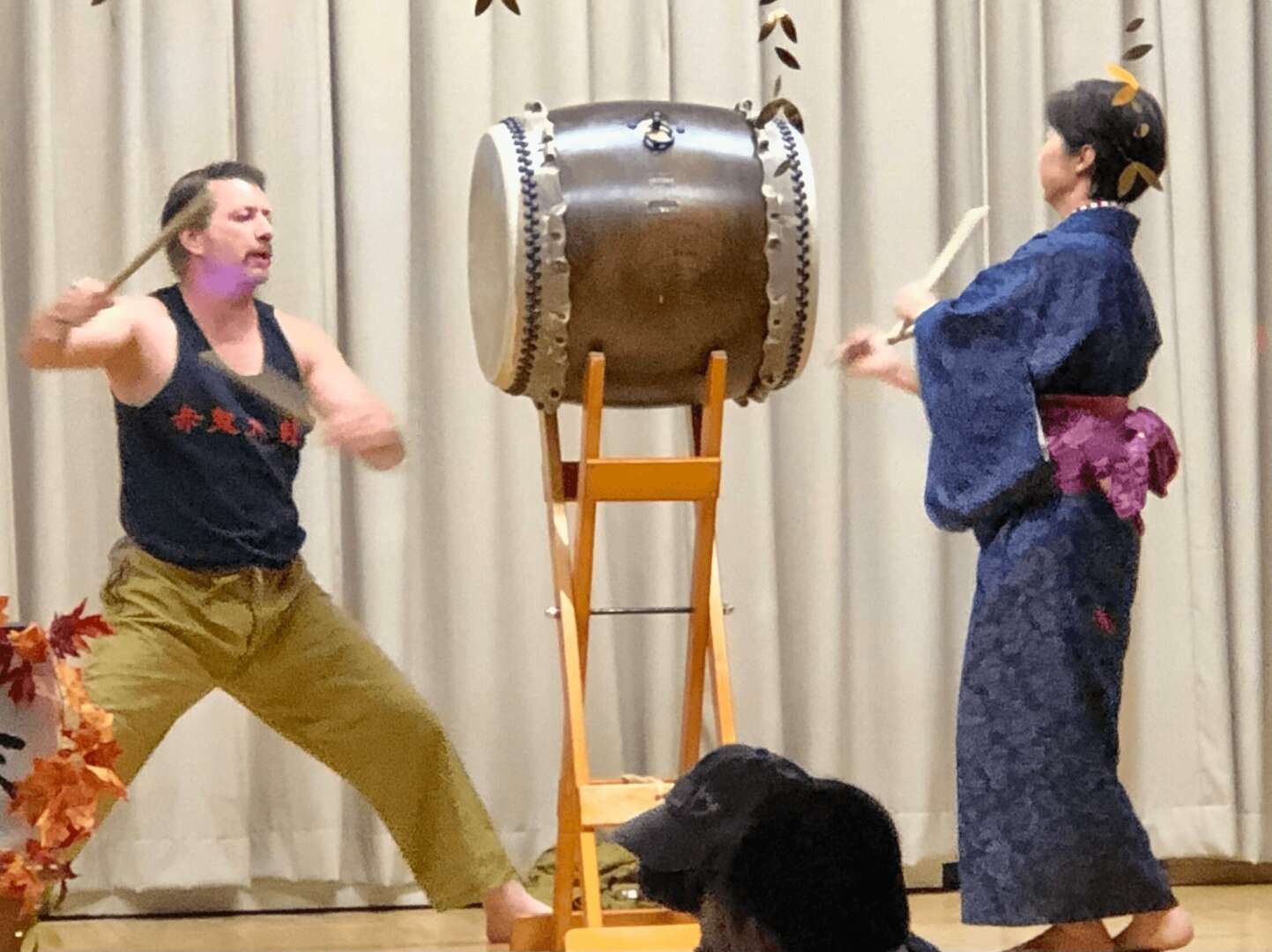
Dementia and Parkinson’s. It seems that it’s the mixture of the body movement combined with learning different rhythms, that increases the plasticity of the nerve connections in the brain. So it’s a real mind, body, spirit connection that’s very beneficial for senior citizens. So I’ve started a new program where I’m going to senior citizen recreation centers, and teaching taiko drumming programs there. So my goal is to every morning do a workshop at a different recreation center for seniors and then every afternoon go to different schools and do an after school program for the kids!, to be able to make a full-time living as a Taiko instructor. The weekend is usually when we can perform at different Japanese festivals or events. When my group performs we’re called Akaoni Daiko which means red demon drummers, and the image is for the power and the passion of the the red demon to come out in our performance. Then when I teach children or senior citizens, the name of the group is Genki Taiko. Genki is a great word in Japanese. Ki is the same ki as in Aikido or in Tai Chi, in Japanese it’s pronounced ki in Chinese it’s chi and it means internal energy, your life force. So Genki means to be healthy to be energetic and fit and full of positive energy. For the last year and a half every Friday I go to a health and fitness resort area, and I teach two classes there and it’s wonderful. It’s in a beautiful mountainous area. I teach the workshops outdoors and it’s really a great experience. Almost everyone who does the workshop has never done drumming before and most of them have never heard of Taiko drumming, but everyone seems to really love it because it’s a really unique experience. Taiko drumming is not just rhythm and drumming, It’s almost like dance because the movements, the form or in Japanese we say the kata, is essential. The stances that you get in are fairly low, almost like martial arts stances and you try to hit the drum with your whole body. So your legs, your hips, your core are all moving together to make the best sound on the drums, so it’s a very exciting style of performing. Finally, my goal is to have these workshops going as my regular source of income, and then occasionally when I have a chance to do a play or film or TV job then I ask another instructor to fill-in for my classes, so I pursue the best of both worlds.
Awesome – so before we get into the rest of our questions, can you briefly introduce yourself to our readers.
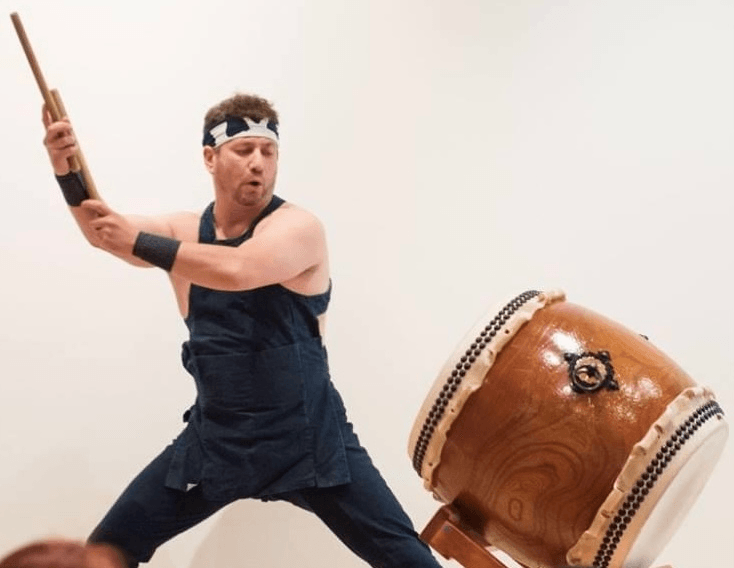
Well, I sort of included this information in the previous section. Just to reiterate, I teach and perform Japanese Taiko drumming. I perform at various events and teach adults, children and seniors at various locations
What can society do to ensure an environment that’s helpful to artists and creatives?
We must understand as a society that the arts are essential to our well being as humans. Most studies have shown that children who are exposed to the arts, music, dance, theatre etc. do much better in school, in work and in life. Our government needs to continually support the arts in our schools and communities and individuals need to continue supporting the arts, not just with donations but by going out to experience live performances as well as getting out there and doing it yourselves. Everyone needs to draw, or sing or dance or play an instrument, even if you’re not pursing a career, but just to feed your soul!
For you, what’s the most rewarding aspect of being a creative?
I’m not exactly sure, intellectually, but emotionally. I am never more excited or happy then when I have a job to perform and I feel I did my best to entertain the audience, whether that is acting, comedy, music or taiko. If people have enjoyed my performance, that is my reward. As far as teaching goes, it is extremely rewarding to see a student trying to get a rhythm or song correctly, struggling yet persevering, not giving up and finally getting it!
Contact Info:
- Website: https://www.akaonidaiko.com
- Facebook: akaoni daiko
- Other: https://www.imdb.me/michaelnaishtut