



We’re excited to introduce you to the always interesting and insightful Michael Lewis. We hope you’ll enjoy our conversation with Michael below.
Michael, thanks for taking the time to share your stories with us today We’d love to hear about a project that you’ve worked on that’s meant a lot to you.
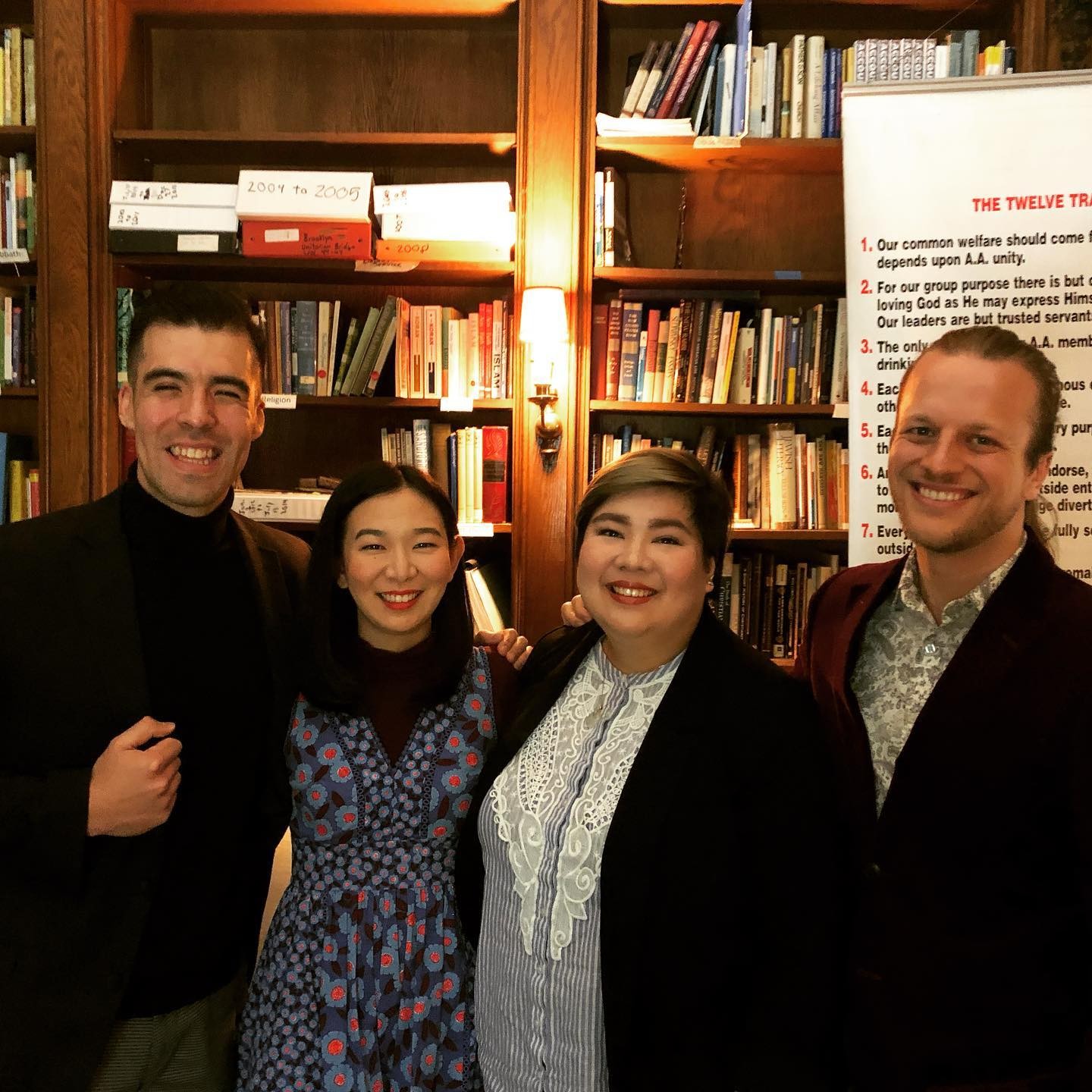
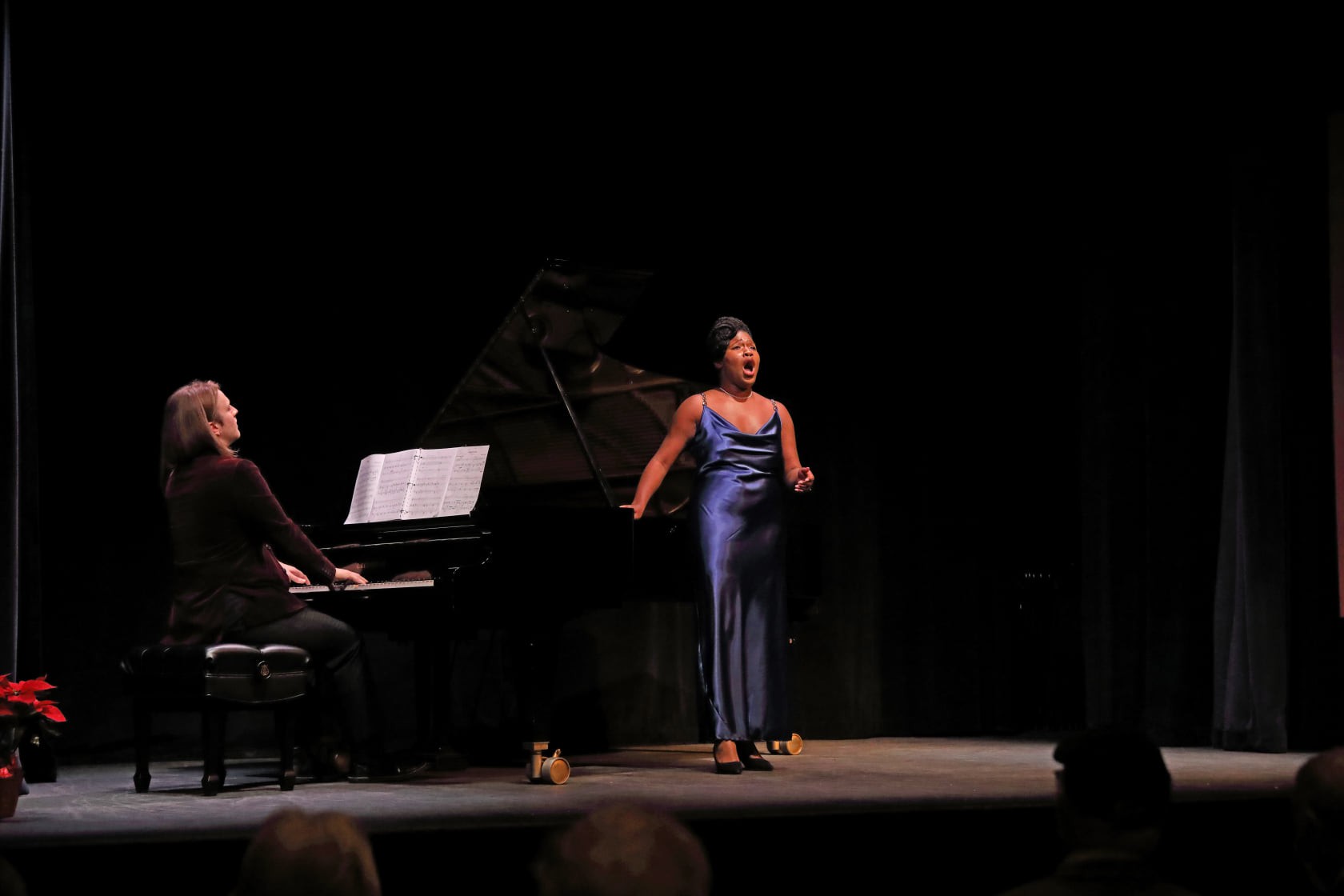
The most meaningful project in my line of work has been running Aural Compass Projects, a non-profit music organization dedicated to performing and promoting lesser-known works, primarily in the Classical genre. When I was in my graduate degree at Arizona State University I noticed that there was this gap in programming in the concert halls. The same 20 composers were being programmed at every event and the most prominent orchestras and opera companies even had to return to pieces they had produced just a few seasons prior for fear of their audience dwindling. I wanted to see organizations doing new works. I wanted to hear music from people that hadn’t had the same opportunities as the most famous composers, but were just at good at creating music. I decided to create Aural Compass Projects in 2019 after asking about 80 of my closest colleagues what they thought about the idea of this new organization. The response was amazing and I decided to go for it. Since incorporating as a non-profit in 2019 we have had a lot of support over the years. One of the best parts of performing and producing these concerts is afterwards when people from the audience say things like “Wow, I had never even heard of that composer and I think they may be my favorite now.” I know this may be a little broader than what the question is asking, but I can’t pick just one of the projects within ACP – they are all equally important to me at the time of their creation.
Great, appreciate you sharing that with us. Before we ask you to share more of your insights, can you take a moment to introduce yourself and how you got to where you are today to our readers
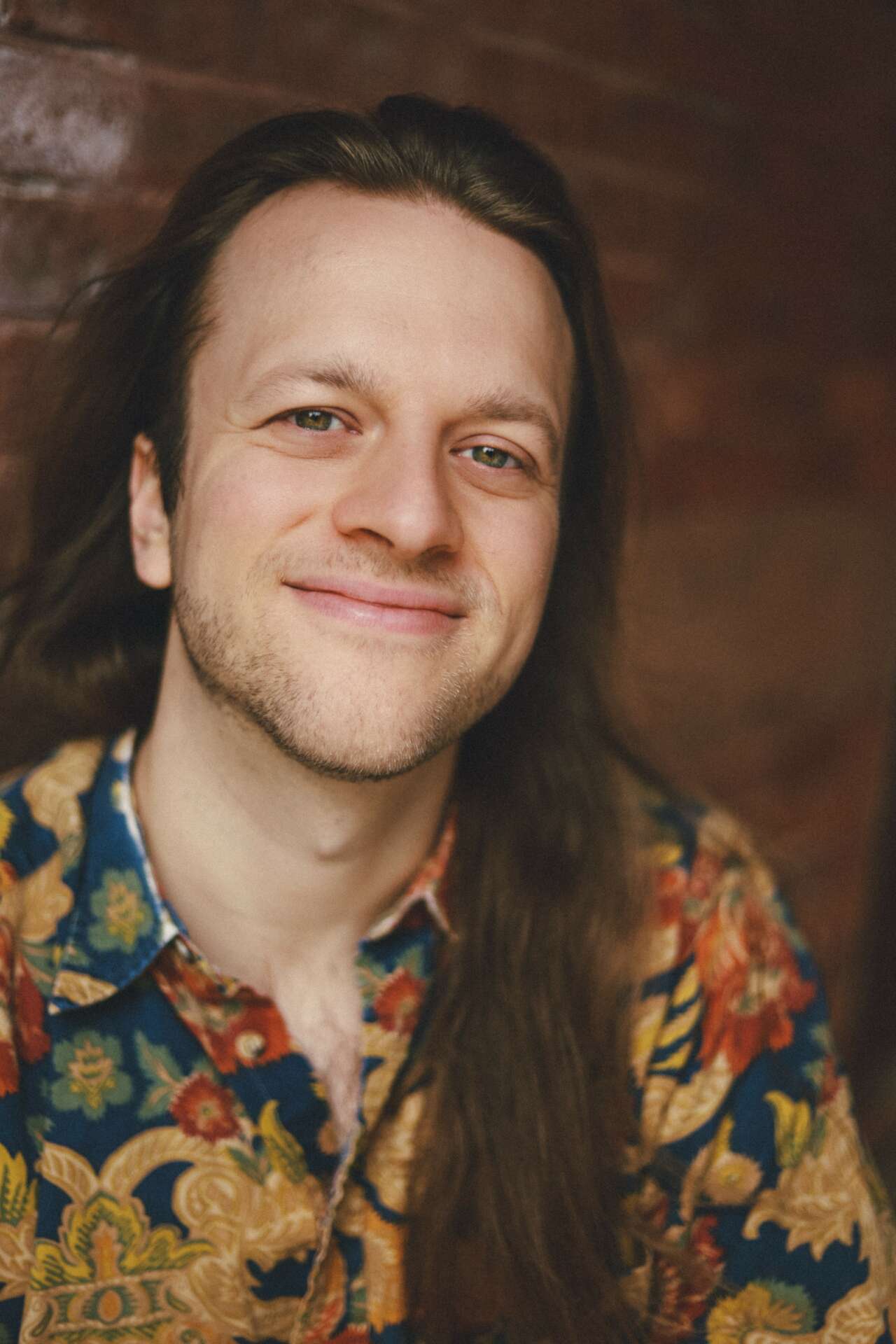
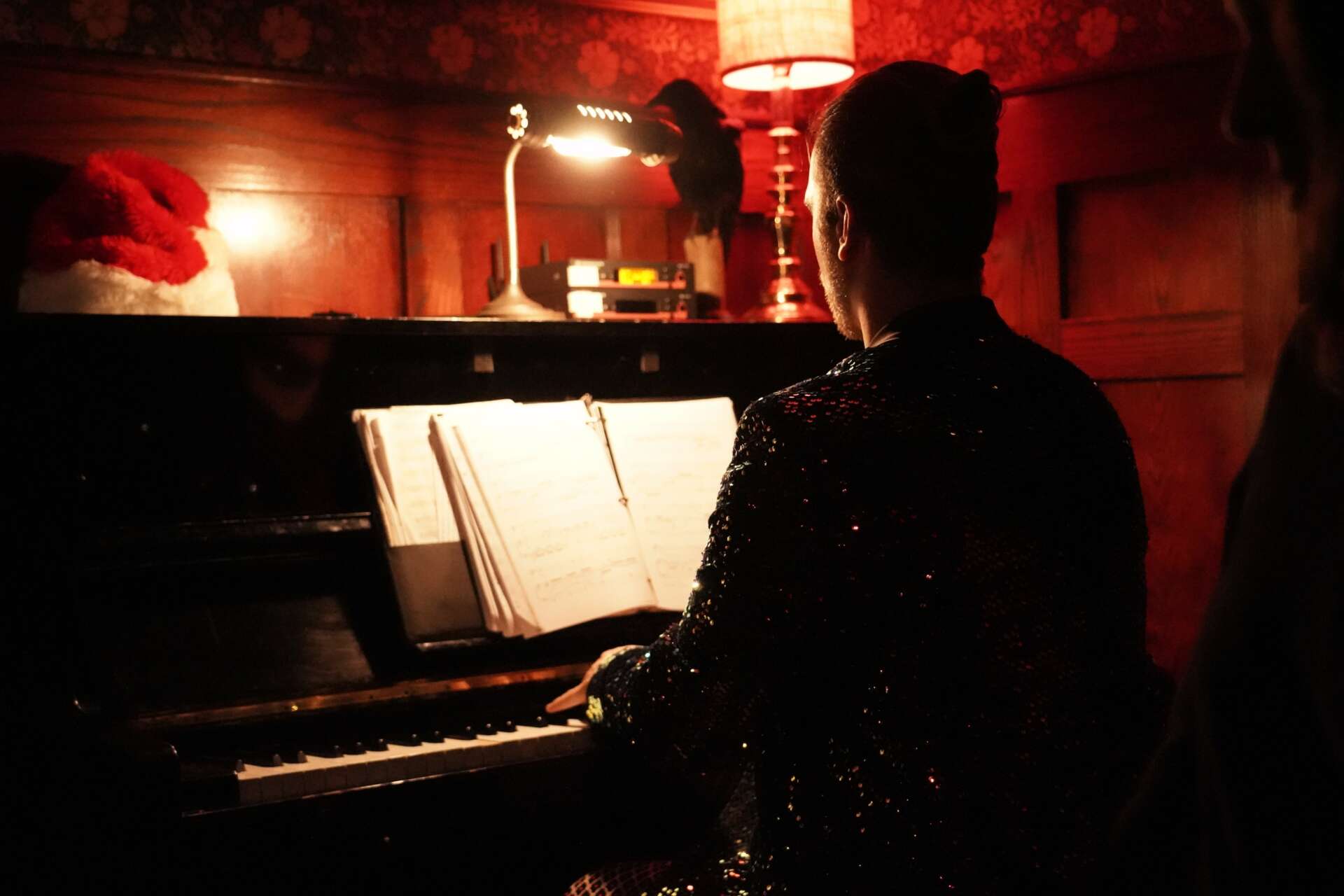
Music has always been a part of my life. When I was very young my mom had this enormous collection of CDs that I always loved choosing from. I would usually go for Elton John, Yellow Jackets, Santana or Spyro Gyra. Then, when my older sister began playing piano, I wanted to be just like her so I begged her piano teacher to let me take lessons as well. She said I had to wait until I was 5 years old to start lessons but I was persistent. She finally let me start taking lessons and that began my 20+ years of musical training. While I was in my graduate degree at Arizona State University 2015-2017, I began to become more interested in finding new composers to perform – composers that you wouldn’t hear regularly. I started playing more pieces by Margaret Bonds, Robert Muczynski, Rosy Wertheim, Robert Owens, Tania Leon, etc. and I realized that what these composers had in common outside of being outstanding musical creators is that they belonged to various historically marginalized communities. Of course it was my white privilege and naivety that prevented me from seeing this sooner. I was disgusted. I set out to perform and program as many recitals with diverse repertoire that I could. This led me to form Aural Compass Projects, a non-profit music organization dedicated to performing new and less-performed works.
Do you think there is something that non-creatives might struggle to understand about your journey as a creative? Maybe you can shed some light?
I would imagine most people’s journeys are non-linear, but I think it’s especially true of those in a creative field. I think creative people often follow multiple different paths throughout their lives and maybe even at the same time. I’m often juggling three or four projects at the same time that don’t necessarily have much overlap with each other. For example, this week I played a choir concert with a University group of non-music majors while also planning a program of holiday party music for another organization of only music majors while prepping for a workshop of a new opera this week at a different organization. My path just last summer looked completely different. I wasn’t affiliated with any of these organizations, nor did I know I would be. I guess the insight I can provide that has been useful to me is to stay open to new possibilities and never think you are stuck where you are. Convincing yourself that you are stuck is the best way to remain stuck. I mean it sounds so cliche to “just stay open”, but that is honestly how every major shift in my career has happened – either from someone else presenting me with an opportunity I hadn’t considered and trying it out or pushing my own boundaries after a period of feeling stuck in something.
In your view, what can society to do to best support artists, creatives and a thriving creative ecosystem?
Care about it. And show that you care about it by showing up to performances, supporting your artist friends, and sharing their videos and projects on social media. It’s like in commerce – if everyone only shops at walmart, amazon, and giant corporations, then all of the local stores are undersupported and have a hard time continuing their work. The same is true with artists. If you only support big-name music artists, netflix & hbo shows, or any other art created on a huge scale, you miss out on the exquisitely beautiful and ephemeral experience of live local artists. Artists who are sometimes only performing their show one time. These performances are often intimate and have a real sense of connection between artist and audience and have the ability to leave the viewer feeling changed. Most of my favorite performances have been locally grown. So, in addition to shopping local, consume local art!
Contact Info:
- Website: Www.auralcompassprojects.org
- Instagram: https://www.instagram.com/auralcompassprojects/
- Youtube: https://www.youtube.com/channel/UC7Uo3UiUWT2hKSH0I5wkBaw
Image Credits
Micah Gleason Don Valentino