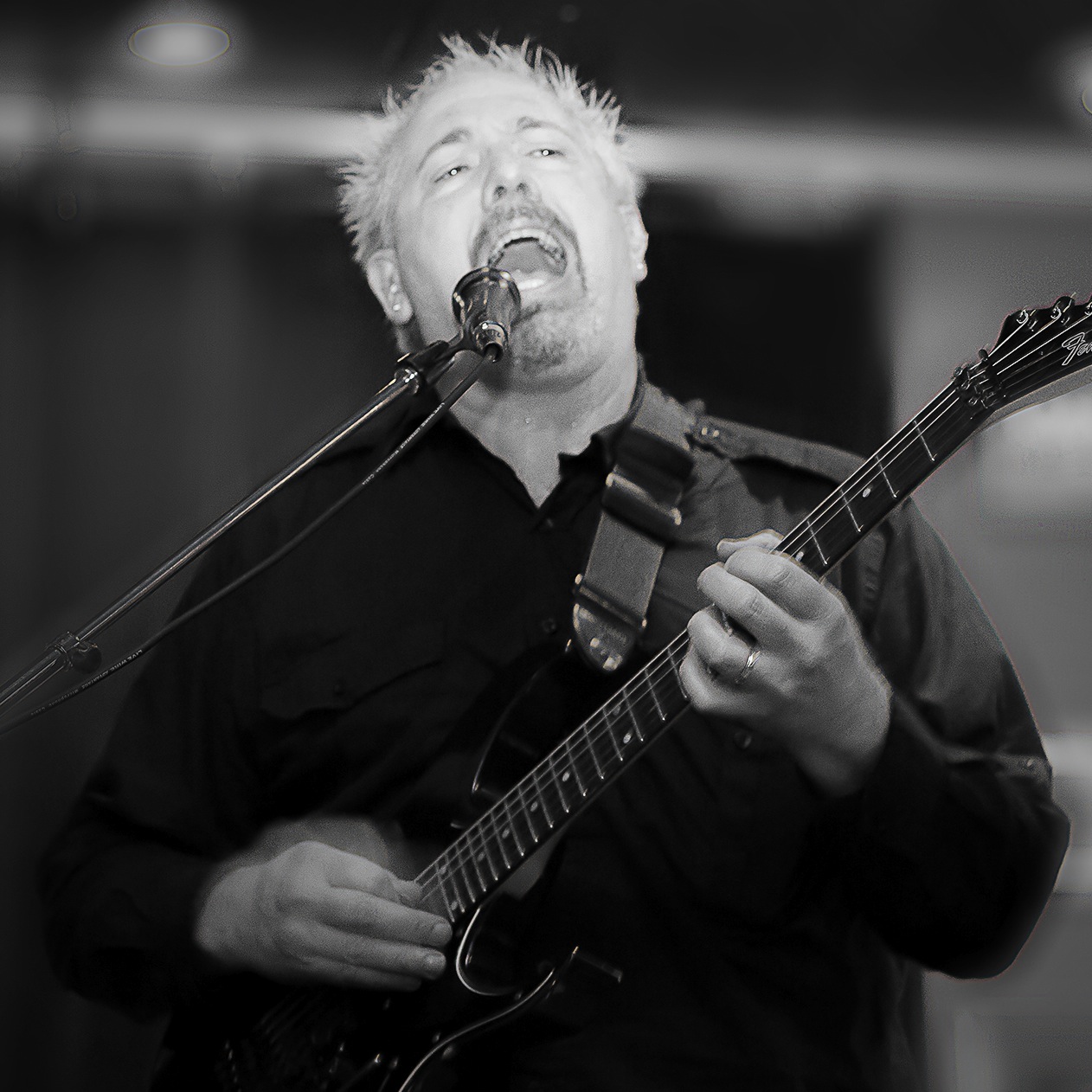

We were lucky to catch up with Michael J Johnson recently and have shared our conversation below.
Michael J, thanks for taking the time to share your stories with us today Learning the craft is often a unique journey from every creative – we’d love to hear about your journey and if knowing what you know now, you would have done anything differently to speed up the learning process.
I grew up in a musical family. Both of my parents were professional musicians, and they started me in piano lessons at a very young age, 5 or 6 years old. In fact, in this piano program, I was learning how to play by ear, so it was quite beneficial to what I have done my entire career. After that, I began taking the more traditional piano lessons, learning to read music. After a few years, when my mother realized I was not practicing but fooling my teacher by perfectly sight-reading my assignment, she decided for obvious reasons it was a waste of her money to keep paying for lessons, so she made me quit. Unfortunately, I didn’t really continue to play after that until I got older, something I still regret. Since my dad was a church choir director, I also began singing in church at a young age, and I have always considered myself a vocalist/instrumentalist.
When it was time to choose a band instrument, my band director “encouraged” me to play the trombone. I played it for years, but I don’t think I ever felt very passionate about it. It wasn’t until I got bitten by the rock and roll bug and decided to teach myself to play guitar that I found my instrument, but this wasn’t until I was in the 7th grade. I just did everything by ear for the first 5 or 6 years. But the fact that my ear was developed at an early age helped me learn quickly anyway. I first began playing just to accompany myself, and I was playing in bands by the time I got to high school. Some of the bands I played in needed a bass player, so I fairly quickly learned to play electric bass as well.
Of course, I also studied music in college, and ended up eventually with a doctorate in music, while all the while I was playing gigs, doing studio work, and writing and arranging music. I learned quite a bit in school, but I think I learned an equal amount “on the job!”
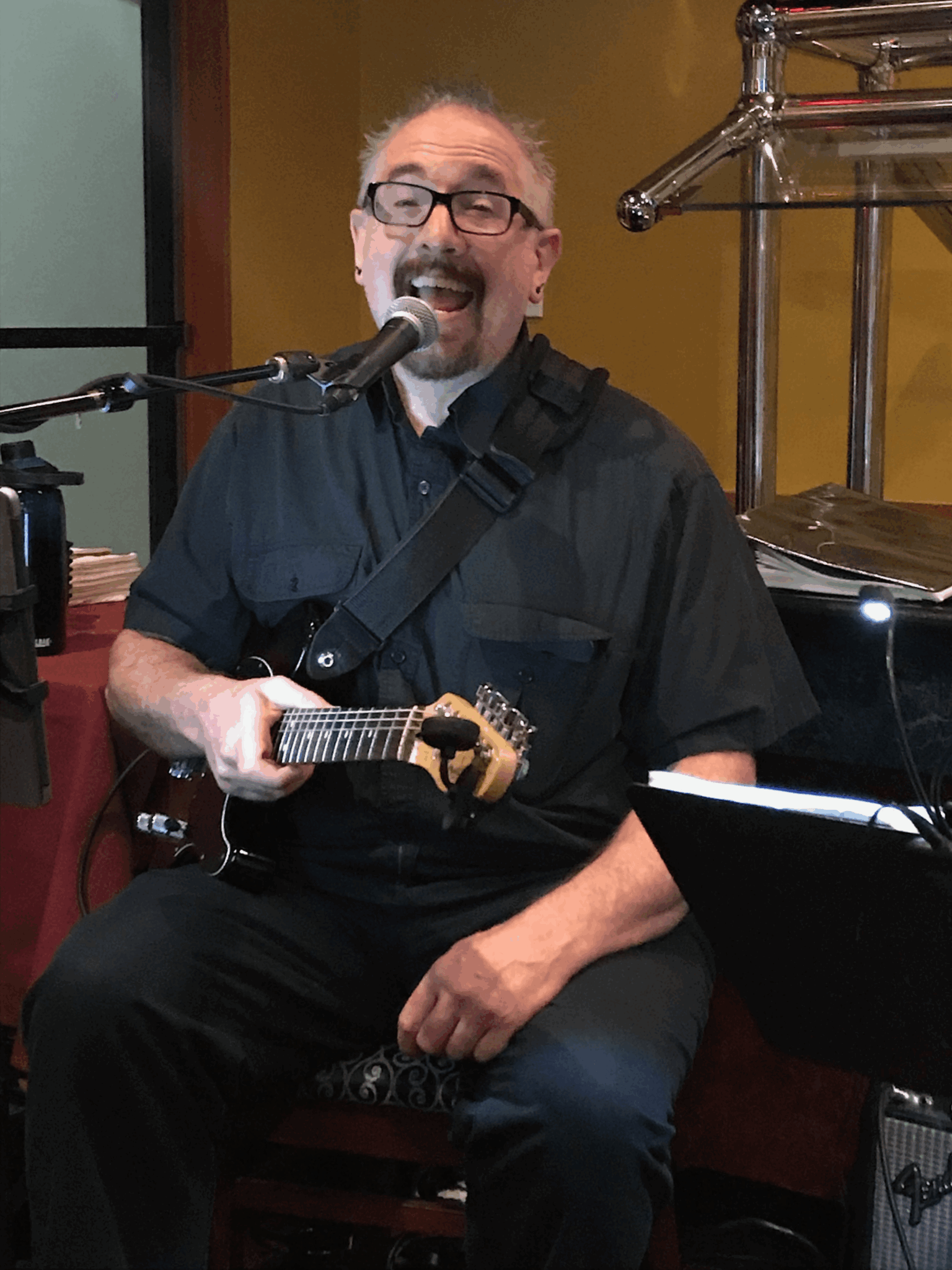
Michael J, before we move on to more of these sorts of questions, can you take some time to bring our readers up to speed on you and what you do?
My father was a vocalist and choir director, and my mother was a pianist and organist. So I grew up with music. I am a trained musician, but I also am able to play by ear.
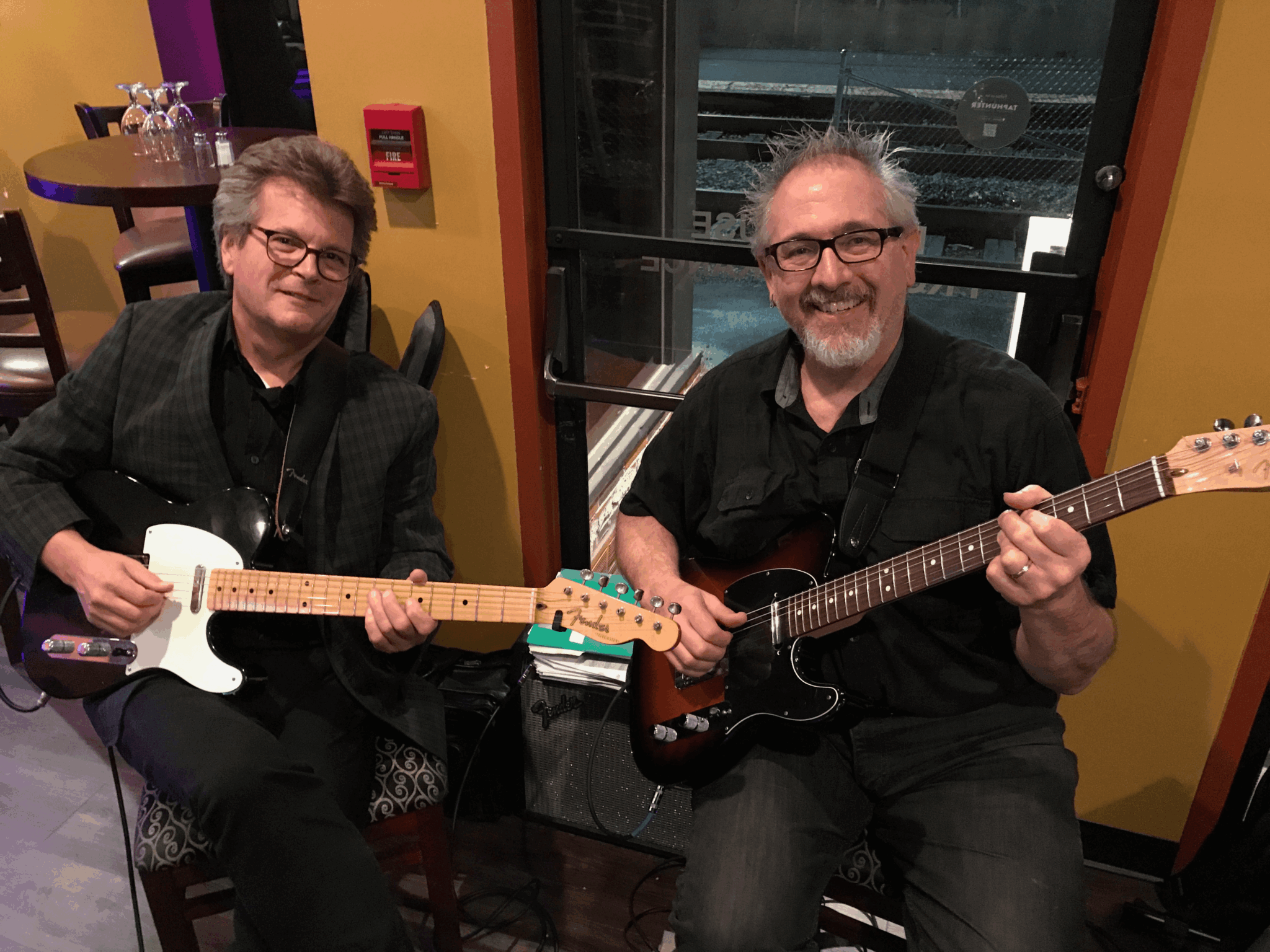
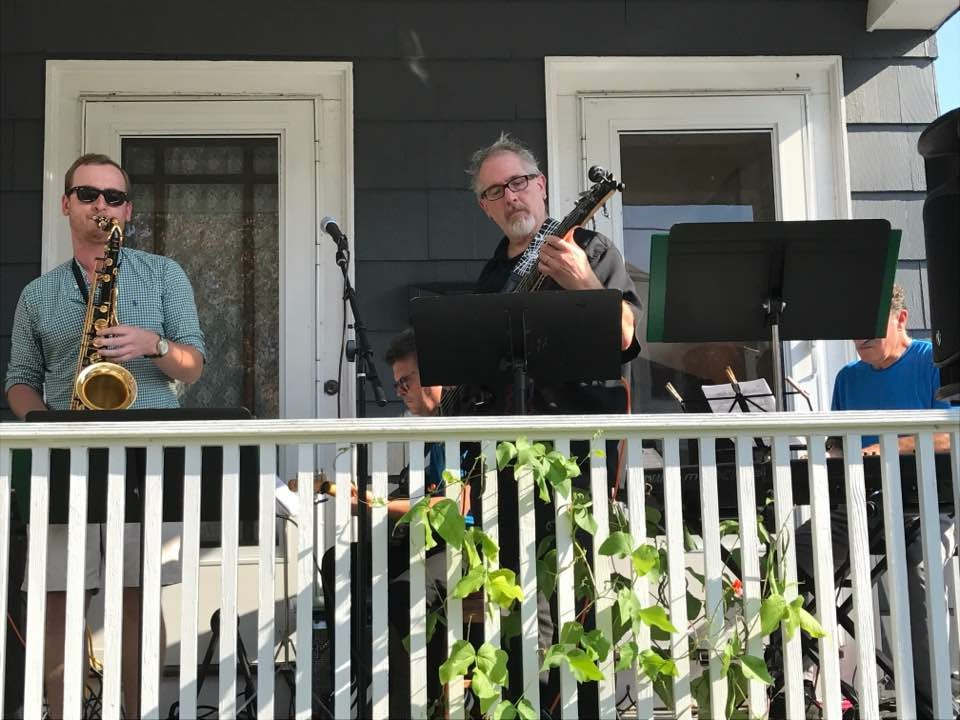
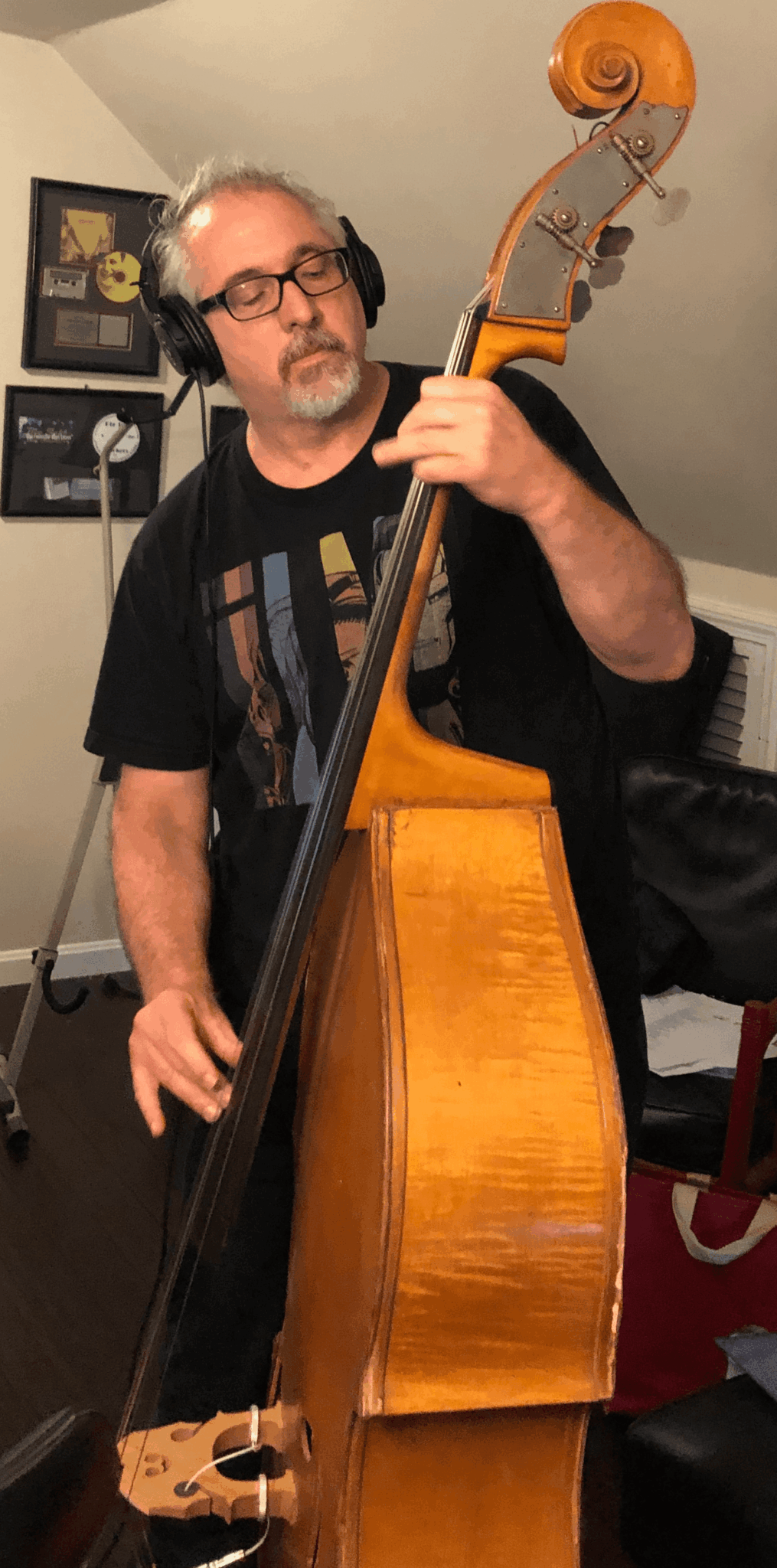
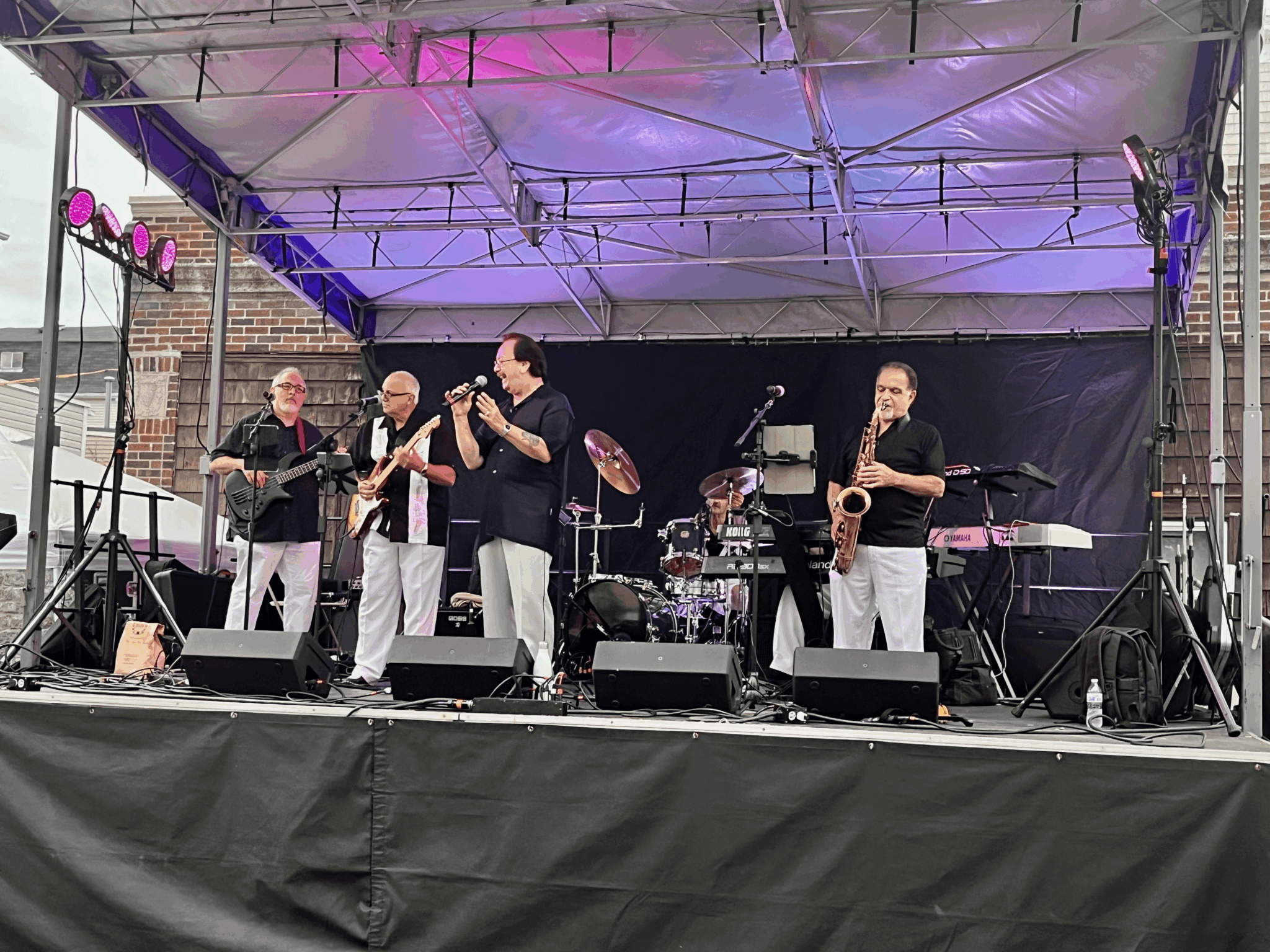
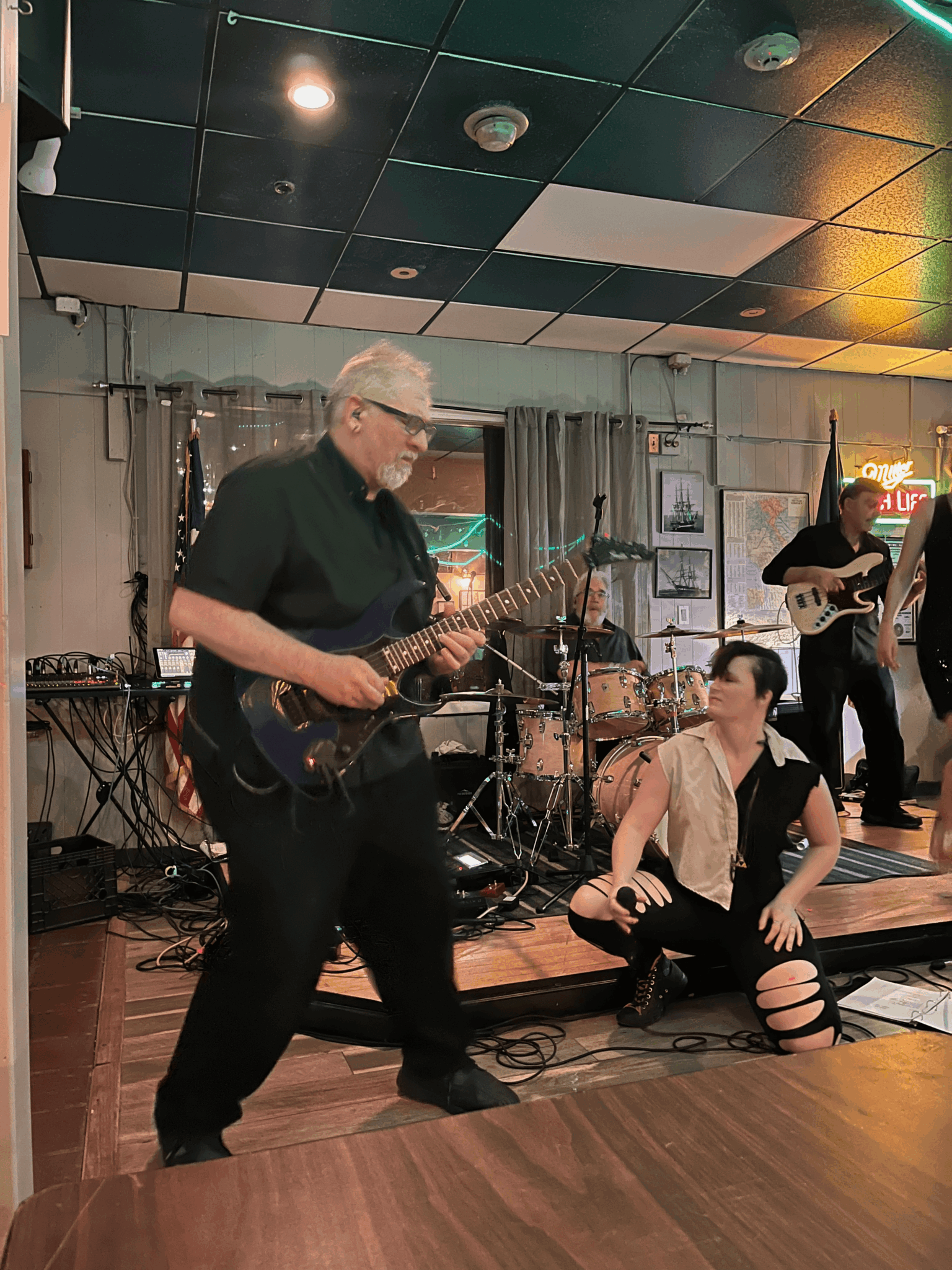
In my gigging life, I am usually hired as either a guitarist or bassist who can also sing lead and backing vocals. I play a variety of styles including Rock, Pop, Funk, R&B and Jazz, with a little bit of Country as well. I play in both cover bands and original bands. Currently I am the lead guitarist for Boston-based band Parlour Bells, but I also play in several other bands from time to time. I also continue to write and record my own original material under the artist name Michael J. Johnson, and sometimes I get out and perform that, either solo or with a backing band. I am an ASCAP member, and voting member of the Grammys.
I also work as a producer/engineer, using ProTools and Logic Pro. Much of my work is done from my home studio, but I sometimes work out of other studios as well. I’m also an experienced arranger. One of my specialties is producing and arranging for vocals, and I’m often hired to do a vocal arrangement and record, comp, edit, and pitch correct vocal sessions. I spent 10 years in Miami working as a session singer before I started producing, and the knowledge I gained from that experience informs what I do. For a few years, I had a vocal jazz group called “Green Line X-Tension,” and I arranged, and produced all of the recordings, which can be found on the major streaming services.
I am also a very good horn and string arranger. In fact, a few years ago, I did some horn and string section arrangements for John Oates of Hall and Oates for some performances at Berklee College of Music in Boston.
My other job is teaching music, and I have been teaching at Berklee College of Music in the Contemporary Writing and Production department for 17 years. I teach arranging and music technology (ProTools and Logic) there. This year, I took a sabbatical from Berklee and taught at a small college in Iowa called The School for Music Vocations, but I will be returning to Boston and the Berklee campus this summer.
What can society do to ensure an environment that’s helpful to artists and creatives?
People often lament that fact that you can no longer really achieve “fame and fortune” as a musician. I am actually more disheartened by the fact that it is difficult to even make a decent middle-class living as a musician these days. Before the pandemic, it was possible to do this, as long as you were versatile and able to take on a number of tasks that managers and record labels used to do, such as producing your own recordings, booking your own tours, and doing your own promotion. And we used to be able to at least rely on touring as a way to make money, but many venues have closed now and we are seeing more “pay to play” situations all over the country. And Spotify in particular is now making it even more difficult to make anything from streaming.
If you are a listener and a fan of any band, especially indie and unsigned bands, the best thing you can do for them is to buy their music and merch on sites like Bandcamp, and try to see them whenever they are in town. Buy tickets to their gigs, invite your friends, and if the band has merch at the gig, try to buy a t-shirt or something if you can. If you have a nice home, consider hosting a house concert.
If you want to use a streaming service, consider dropping your Spotify membership and sign up for Apple Music or Tidal. Spotify is not good for artists, despite what they try to tell people.
Musicians and artists of all kinds invest countless hours learning their craft, and musicians in particular often have to invest thousands of dollars in musical gear, recording gear or studio time, large vehicles to haul their equipment, promotion, marketing, and the list goes on and on. It’s expensive to become a musician. Please support your local musician!
Is there something you think non-creatives will struggle to understand about your journey as a creative? Maybe you can provide some insight – you never know who might benefit from the enlightenment.
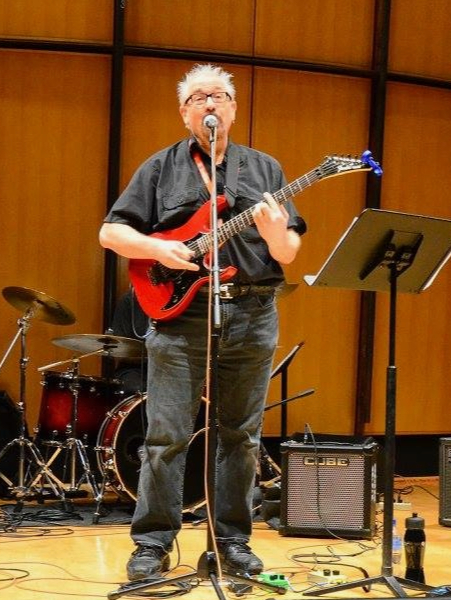
I think some non-creatives see music as a hobby, and they think the life of a musician is all fun and games. For me, music is a calling. I don’t do music just because I like it, I do music because I have to do music. It’s the only thing I can do. I have tried to do other things over the years, for instance, I worked as an assistant manager at a pizza place for a while, and I worked at the Apple Store. I love pizza and Apple products, but I was not very good at those jobs. The only thing I really know how to do is music. I live, breathe, eat, and sleep music.
One thing I try to tell my students, and I really believe it’s true: “Don’t go into music if you just want to be famous. There are plenty of easier ways to become famous. Go into music only if it’s the only thing you can do. Only go into music if you have such a passion for music that you can’t see yourself doing anything else.”
Music is not easy, and it’s not just about being talented. To make it in music, you have to be dedicated. It takes years of training and practice. I’ve had students over the years who were very talented, but if they didn’t have the drive, dedication, and willingness to put hours and hours of work into their craft, they usually ended up going into another field. And that’s OK.
Yes, I have fun playing music, but it’s also a lot of work. And remember, if you are not famous, you don’t have roadies. When I play a gig, I get there two hours early and set up my gear, do a sound check, then I have to disappear when people start coming in. Often, I don’t have time to eat dinner, and sometimes I don’t want to eat anyway because it might interfere with my singing. Also, if I am sick with a head cold, it might mean that my voice is compromised and I can’t sing everything I want to. After the gig, the musicians are often the last people leaving, as they have to tear down all their gear and pack it in their car. Then I often get home at 2 am and I have to unload all the gear from my car and bring it into my house. Being a musician is not as glamorous as most people think!
Contact Info:
- Website: https://michaeljjohnsonmusic.com
- Instagram: https://www.instagram.com/mjjohnson/
- Facebook: https://www.facebook.com/mikejjohnson.music
- Linkedin: https://www.linkedin.com/in/michael-johnson-3066432/
- Youtube: https://www.youtube.com/michaeljjohnson
- Soundcloud: https://soundcloud.com/michaeljjohnson
- Other: https://linktr.ee/mikejjohnson?utm_source=linktree_profile_share<sid=a7c94cc6-a39b-4de9-96fa-64574bcfc7e3
https://parlourbells.com/?fbclid=IwY2xjawJgQy1leHRuA2FlbQIxMAABHsPPV0mFAIzyykpB2RZo-AFqEVWYV8MDuzX0q7cRZalz8p8mfVIbecwofrIc_aem_sv1CmRifb5IXadYFD47oWg