

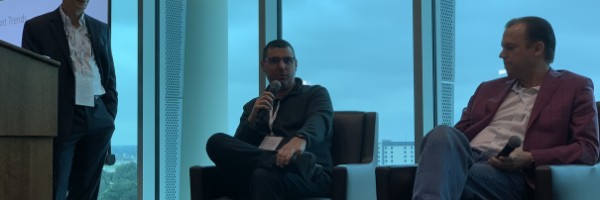

We’re excited to introduce you to the always interesting and insightful Michael Guiffre. We hope you’ll enjoy our conversation with Michael below.
Michael, thanks for joining us, excited to have you contributing your stories and insights. Have you ever experienced an industry-wide U-Turn? Tell us about it?
I have been an executive in the sports and entertainment field for long enough to remember when buying online was taboo, working with resellers was forbidden, and pricing was set from day one and never changed. Unfortunately, the industry was slow to adapt to a changing eCommerce model focusing on online sales and distribution.
Sometime around 2010 the industry, especially in ticket sales, started accepting this new world and changed drastically.
– We went from an industry that focused on traditional marketing avenues such as direct mail, annual themes, radio promotions, TV commercials, and newspaper advertisements to one that embraced content and digital avenues.
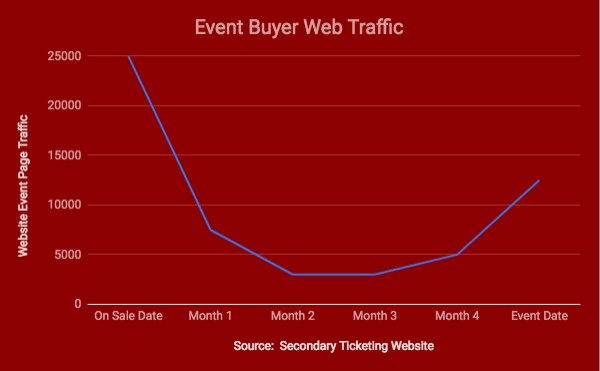
-We used to set pricing at the beginning of the year and never look back. More recently we work with partners and technology to adjust pricing dynamically based on demand.
– Resale was pushed aside for a distribution model similar to how airlines operate with aggregate technology and travel sites.
– Our treasure-trove of data, including large email databases, went from being an outbound sales representative tool to one based on segmented marketing, B2B inclusions, and data mining.
I took advantage of the slow adaptation to reinvent my career. While I was ahead of the curve with most digital-type initiatives, it took accepting a similar role with increased autonomy to drive a modern strategy. Focusing on consumer data, marketing, and digital content, I reinvested large sales staffing budgets to higher ROI initiatives and began to structure content partnerships to utilize recognizable brand names driving lower expenses and higher ROI instantly. Efficient and lower cost Digital Marketing, CRM, Analytics, and Distribution replaced the more expensive and labor-intensive Advertising, Outbound Phone Calls, Set Pricing, and Resale.
The world was at our fingertips being that our brands were not only recognized but followed. In the past, teams and performers were very protective of their online content seeing it as competition. What everyone realized was these avenues are not competition. They are marketing outlets, brand opportunities, and revenue generators in their own right.
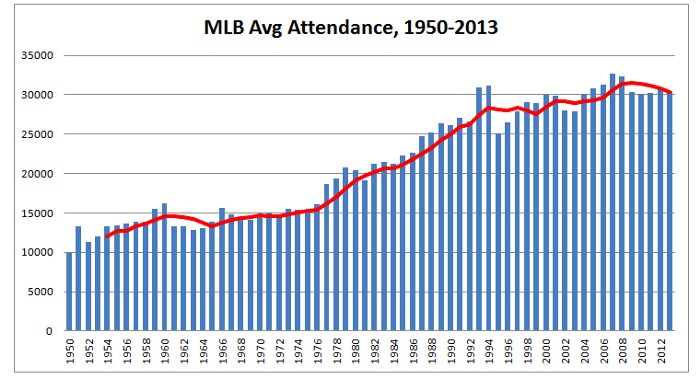
Years ago everyone assumed the growth of subscription cable packages would ruin professional sports attendance. Why pay to see a game when you can watch it for free? The exact opposite happened. Why? Someone paid you millions of dollars to broadcast your brand – which lead to increased ancillary programming on local channels, national shows, and more. It was simple. Brand and awareness growth was not only free, it was paid for by your partner.
Change can be good. Avoiding innovation over preconceived ideology held back the digital age of sports and entertainment.
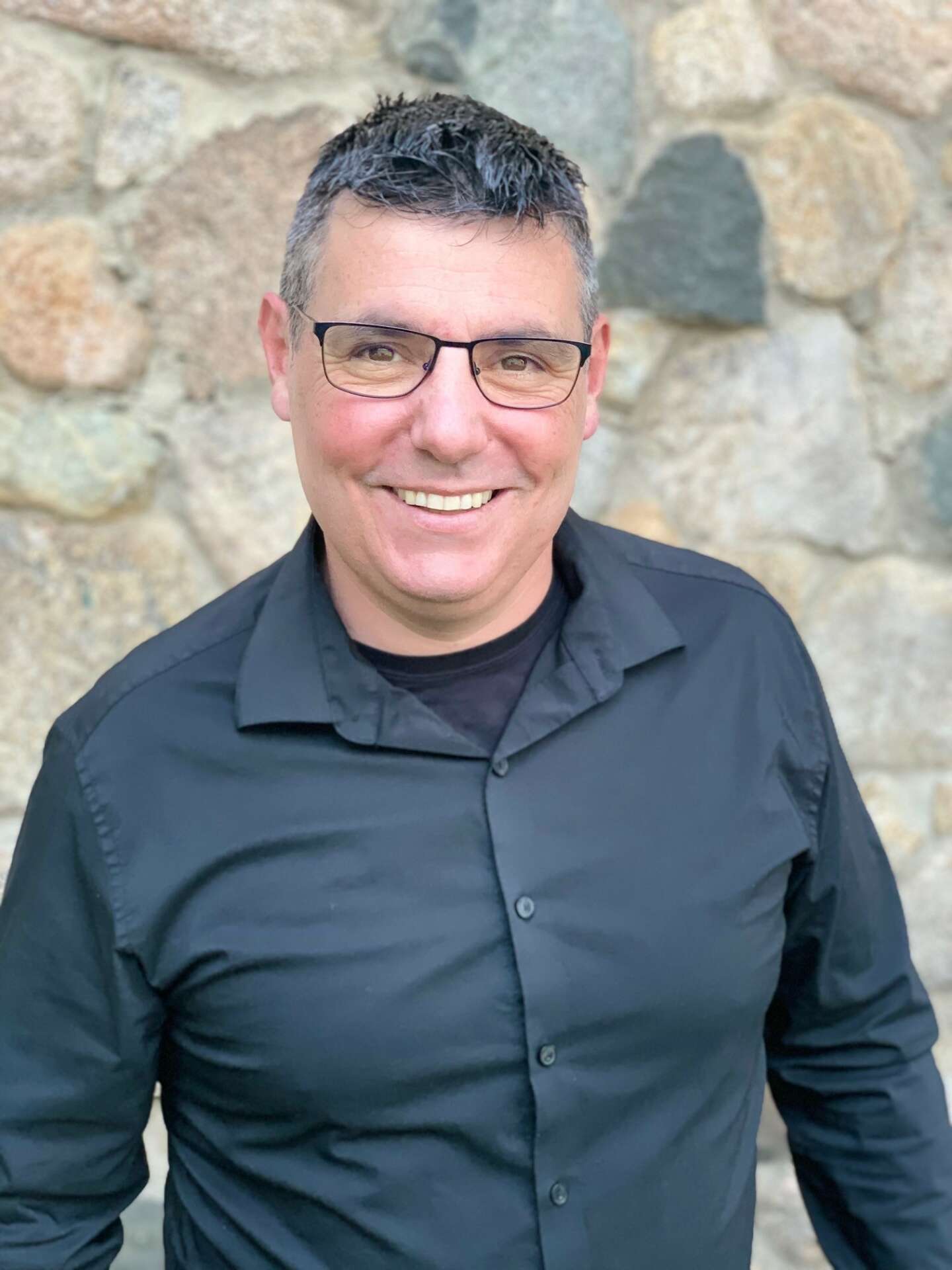
Michael, before we move on to more of these sorts of questions, can you take some time to bring our readers up to speed on you and what you do?
I entered the entertainment industry through an internship with the Pittsburgh Penguins during my senior year of college. I worked with the sales and marketing departments which I found enjoyable compared to some other industries myself or friends were involved in. After school, a position was open, and I made enough of an impression to be offered a full-time year.
While I started in sales, at the time, the professional sports side of the business was typically run lean and mean. It turned out to be an excellent opportunity, as we all were able to work on varying projects and develop a wide range of skills. Starting in today’s environment, with everyone siloed, would have most likely led to a different outcome for my career.
I was also lucky that my direct bosses were very strong in driving upgrades to our operation and technology over the first few years of my time there. We were pretty advanced and early in most of the initial infrastructure of online ticketing. Our executive lead on sales and marketing came from the grocery store industry, which led to continued advancement in more modern forms of strategy, marketing, and consumer data.
I was always proud of having a knack for technology and marketing advancements. However, having superiors and mentors who lead on the same path through vision or experience was a bit of luck.
Early in my career, we went through some hardships as a company (Bankruptcy, Ownership Changes) or a league (NHL Lockout). Because we had time with the league on hiatus, we worked as an organization to reinvent ourselves. I was tasked with rebuilding the Premium Seating Department from scratch, including staffing, process, sales, marketing, and administration. The average consumer is unaware of many aspects of this side of the business, such as needing two sets of financials for the team and non-team-related revenue. We worked tirelessly to set up our POS in a way that created options for our customers and a no friction reporting process.
We also reinvented how we utilized the POS to communicate with our customers coinciding with efficient staffing and strategy plans. One of my more proud moments is that I was able to run the entire department for five years with a minimal staff of two. This included developing and designing our portions of a new arena, building relationships, and signing over $90 million in lease agreements. While most organizations require staffing consisting of 10 – 20 sales associates and 5 – 10 service or administrative hires, we accomplished the task with three total. The reason was building efficient processes in data collection, communication, and market strategy.
After moving to the new arena, I accepted a challenge to reorganize the B2B side of the American Airlines Center in Dallas, TX. My boss was not directly from the industry and was hired to modernize the business practices. This spearheaded the next decade of my career as I was given full autonomy to make staffing and strategic changes. While it is always tough to let go of staff, I decided to scale down our sales staff and re-invest the budget into strategic marketing spending. They had focused for some time on traditional media outlets, which had led to an almost decade-long, annual decrease in revenue.
I implemented a CRM system, segmented email marketing, digital advertising, and oversaw a complete rebrand of our website and marketing efforts. The end goal was in a large metropolis such as Dallas; there should be enough B2B leads in entertainment that we do not need inefficient sales processes.
The results were dramatic and instant. Even with poor team performance, we were able to see increases in almost every metric. Simplifying my strategic planning would be to say it was all about the brand or product awareness. Segmented emailing by firmographic information alone did not move the needle, and migrating traditional advertising to digital and covering more ground alone did not move the needle. What did was a consistent brand message of products and availability that reached hundreds of thousands of additional customers at 1/5th of the cost.
Seeing the writing on the wall that the industry was moving to a complete eCommerce model, I shifted to the online retail side, accepting an executive role at TicketCity.com. I had mentioned earlier that the ticketing industry works similar to airlines, where aggregator websites sell the inventory of multiple brands.
At TicketCity, I oversaw the inside sales team, customer service, vendors (aggregate inventory), processing/fraud management, and some forms of marketing and technology. This was an essential step in my career as I became an expert on the infrastructure and partnerships that are now standard in the industry. While working on the team side of entertainment was a blessing in that I worked for organizations that allowed me to be ahead of the curve. Working in online retail brought it all together.
The role consisted of heavier volume, seven-figure marketing budgets, aggregate technology, and eCommerce processes. I also oversaw a staff of over thirty full and part-time individuals. I am now well-rounded in my ability to consult on staffing and infrastructure or drive strategic initiatives through technology or marketing efforts.
At American Airlines Center, based on my success with the reorganization, I was quickly made a voting member of the Human Resources Board of Directors. At the time, that was my proudest moment. However, with a more extensive staff and situational uniqueness at TicketCity, I had to work diligently at managing varying levels of culture, career growth, and energy in the office. In our exit interviews, superiors were reviewed, and the comments I received genuinely appreciated and noticed my sincere efforts across the board. Whenever I am down in my work life, I think back to those moments and how I hopefully made a difference.
Most recently, I oversaw strategic partnerships and marketing for Stage Front and stagefronttickets.com, a technology ticket aggregator that is a vendor for the likes of TicketCity, StubHub, Vivid, and others. As the industry was changing, I saw a need to take an unknown brand and diversify its product while growing the awareness. Rebranding was the easy part. Developing a heavier communication and PR plan, and aligning with a difference-maker in the industry proved doable but challenging.
By focusing on journalist relationships, social media, and implementing marketing efforts, I grew Stage Front from an unknown to a known in a short time. The critical accomplishment was developing a strategic partnership with Spanish Soccer League LaLiga, which is brand conscious carrying high-level partner requirements. I was able to structure the deal to include marketing assets that helped both of our brands grow in North America. While similar partnerships typically include private equity or funding-led groups purchasing seven figures worth of tickets, our deal was strategic in brand growth through digital and social. If you have followed along so far, you may have picked up on how these types of content drive brands in the modern entertainment business era.
I also relaunched the retail site stagefronttickets.com from scratch, moving to a new UI/UX and bringing on a sizeable white-label partner to handle inventory and processing. This allowed me to run a low-cost, risk-free business that helped grow our brand and diversity our products. Retail can be lucrative if done correctly, and my model focuses on efficiency and risk tolerance. The goal was to focus all of our efforts on marketing.
As for me now, I have moved off from the corporate world and plan to launch a media/consulting firm in early 2023 officially. I spend my days writing, publishing, and working on consulting projects, growing my clientele until my official launch date. My goal is to be the voice of innovation for the entertainment industry.
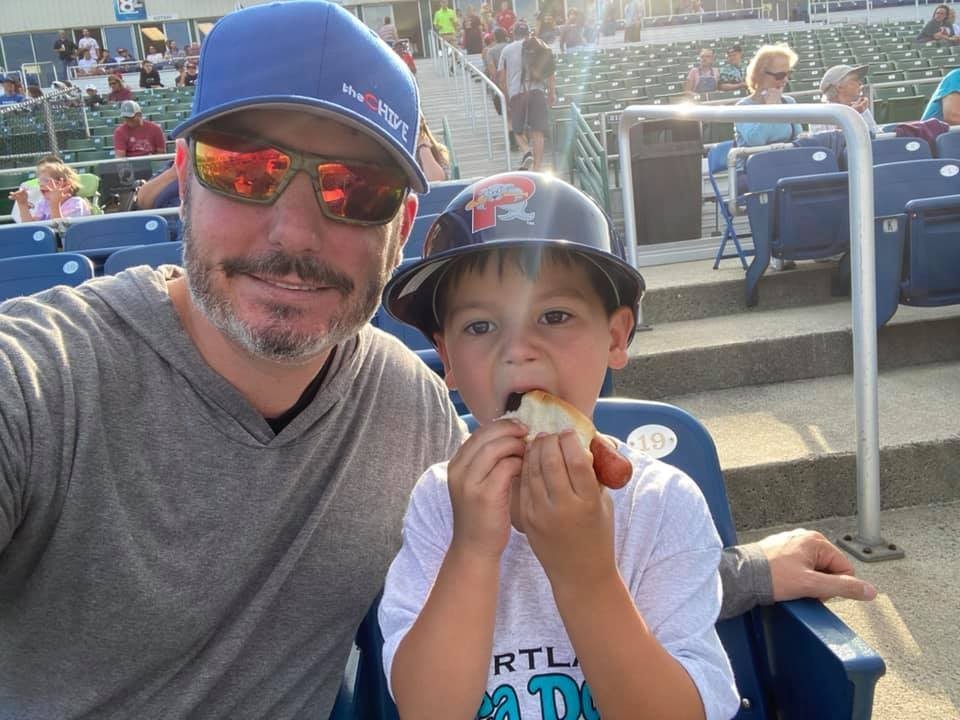
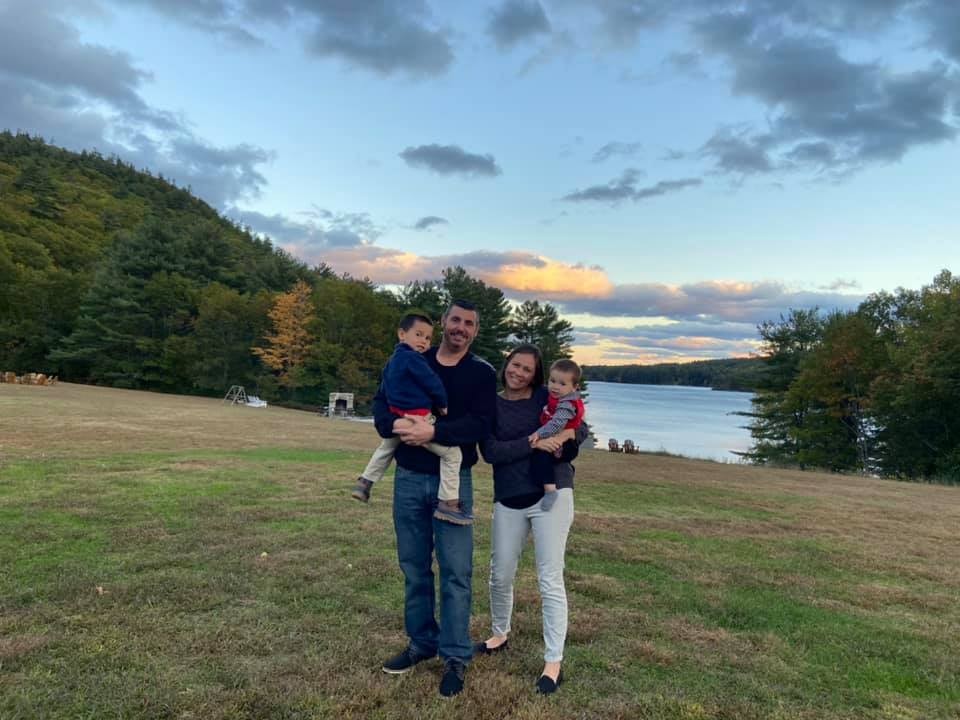
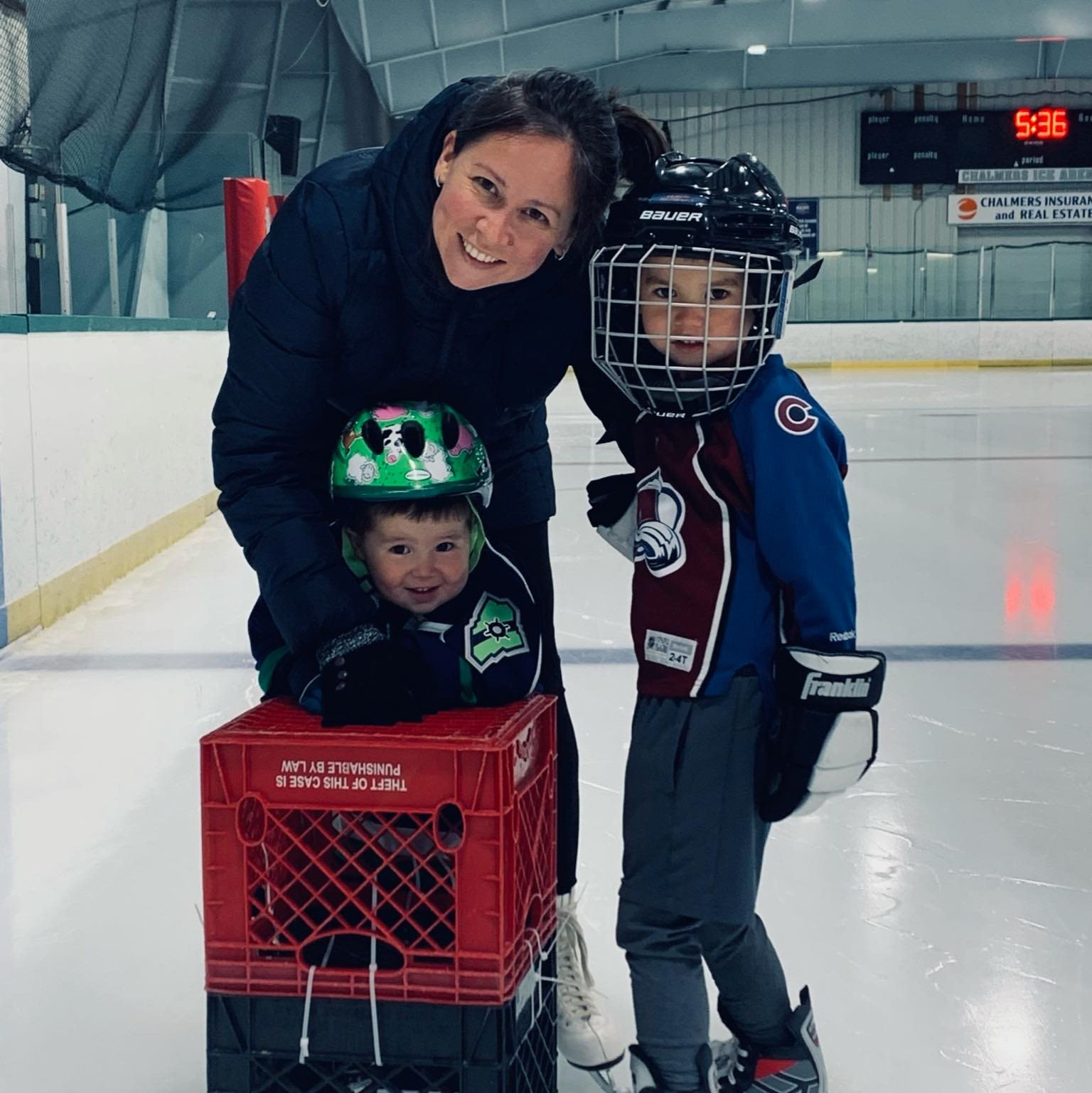
We’d love to hear a story of resilience from your journey.
I have always had to stay true to myself and my beliefs during my career. While I have been blessed, it has not come without bumps in the journey. Being an innovator and strategist is rewarding. However, being ahead of the curve can damage career and financial growth.
It has been challenging to find careers that accepted my way of running a department, especially early in the technology advancement years of sports and entertainment. Having conversations with executives who state “you are crazy,” “no way that worked, had to be another reason,” or “not sure I believe you” can be damaging to your psyche and motivation.
I am lucky I have a supportive and successful wife and two close friends in the industry, who have always supported me, had my back, and kept my head on straight. When I decided to leave the Penguins and American Airlines Center, I brought along detailed discussions of my business plan and successes. Thinking the strategy and financial explanations would be met with intrigue, instead, they were consistently met with disbelief.
Wanting to support your family while fighting for what you believe in can be draining. There are low times when you think, “I’ll just say what they want to hear. I need the money”. Then you have a conversation that can change everything, as I did with TicketCity. From the first conversations, they believed in what I did; they believed in change, moving forward, in fighting the status quo.
This is not to say I am not lucky. Without a second salary in our household and genuine support, it can be impossible to wait for what you believe in. Given a chance, though, it’s worth it.


Do you have any insights you can share related to maintaining high team morale?
As I stated prior, one of my proudest moments is the feedback I received from staff when I was at TicketCity. Some of the roles in online retail, especially ticketing, can be mentally draining. My time at TicketCity was also unique as the ticketing side was changing from the more widely accepted hard ticket or PDF to account-based mobile transferring.
Issues ranging from technology inadequacies to consumer error or ignorance lead to an overload of unnecessary, even unsolvable, customer service issues. While at American Airlines Center, I had to reorganize the staffing, including laying off a portion of the sales and service staff.
These issues can lead to lower morale, high turnover, and, most importantly, stagnant career growth. There is only one way to solve these issues: Listen.
I do not mean that you need to listen to your staff’s feedback, personal or business. I suggest you genuinely need to LISTEN to them, ask for their ideas, work on solutions, and provide support. Please spare me the suggestion boxes, slack channels, email chains, or quarterly reviews. Clear your schedule, add one on ones often, put your phone away, shut off your computer, and talk to your employees. A CMO, SVP, VP, or Director is not above being in tune with your entry-level staff, and you are not too busy or above this task.
You would be surprised what you can learn about them, your business, or yourself. I made a functional staffing change at TicketCity due to a new employee telling me an issue about the types of service calls we get, and all other staffers were so used to it that they never brought it up. We hired part-time employees to direct calls or aid customers if it was “easy,” such as looking up a status. It freed up our reps to do actual work. All because of my one-on-one with an entry-level employee.
Over my career, I have given one-off projects to employees to help their career growth, advocated for my employees to move to another department, or provided tasks aligning with their future goals. All with the most basic form of morale-building: Communication.
Everything else falls into place when you understand your team as individuals. Nobody has aligned goals, and in the end, especially entry to mid-level employees, they are at a job to get promoted or move on. Embrace your role as a leader, communicate, learn, adjust, and grow.
Contact Info:
- Website: www.michaelguiffre.com
- Instagram: https://www.instagram.com/mjguff/
- Linkedin: https://www.linkedin.com/in/mguiffre/
- Twitter: https://twitter.com/mjguff
Image Credits
Cision (LalIga Article) Beyond the Box Score (mlb chart) TicketNews (Mayweather – McGregor) TOpConsumerReviews.com Association of Luxury Suite Directors (ALSD)