

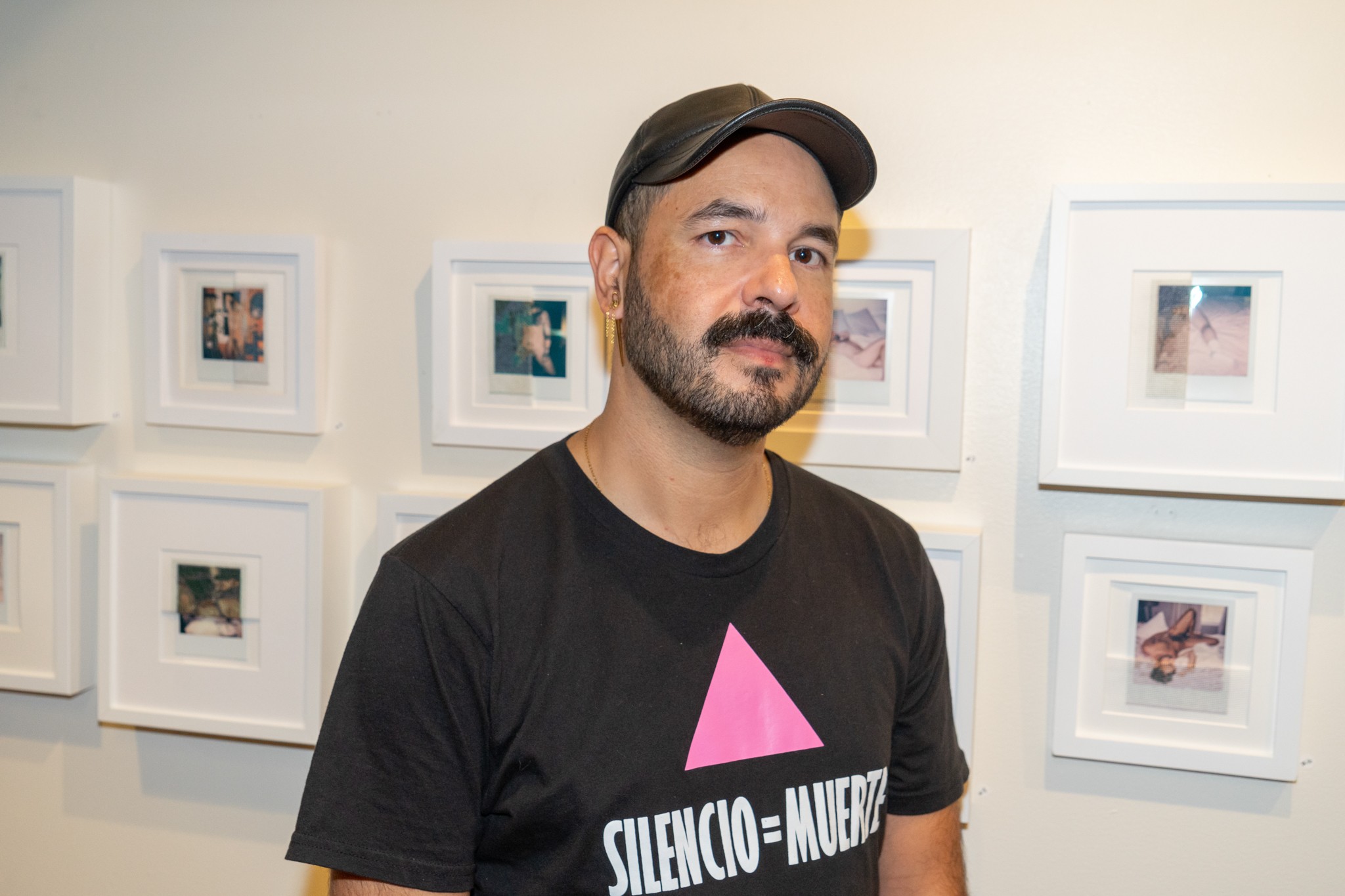

We caught up with the brilliant and insightful Michael Espinoza a few weeks ago and have shared our conversation below.
Michael, thanks for taking the time to share your stories with us today Are you happy as a creative professional? Do you sometimes wonder what it would be like to work for someone else?
As a queer artist I am aware that there are many missing mentors/elders in my community, many of whom died from AIDS related complications, and many more who suffered from persecution, closets, and fatal sadness. As such it is my responsibility to not only make work that makes queerness visible, but also to mentor and support other queer artists – even when I do not feel fully prepared to be a mentor. Participating in community and mutual care are the energetic forces keeping my practice moving forward. In this sense I have no other choice than to work as an artist and continue to believe that I will be able to continue to do so even when the details of sustaining this practice are unclear.
Before I worked as a full time artist, I had a high pressure hospitality management job. I found myself constantly betraying my values, being asked to treat people without compassion, working myself to exhaustion every day, and ignoring my role in community. I need only remember how badly my relationship to wage labor was hurting me to be confident that the alternative path I’m on is the right one. I continue to do contract work on a limited basis – studio visits & talks at universities, installation, bartending gallery events, curatorial work, yard work – anything to get the bills paid. I walk a tight rope financially in service of preserving as much time as possible for my art practice. It is incredibly tempting to “get a job” for a sense of predictability, consistent healthcare, and for an enforced sense of routine, however when I set my mind to it and ask for help, all of these things are possible to achieve.
I think a lot of artists are tempted to monetize their practice to the point that the administration of sales and marketing become a full-time job in itself. I constantly face this temptation, wondering if I should produce higher-volume, lower-quality work in hopes that I can feel more secure. This is a trap. Perhaps the term is faith – I continue to reconnect with my faith that the work I wish to make is the work I should be making and that the details will work themselves out. I say this as an artist from a working class background where faith alone has not previously been enough to survive. This is where being a part of a robust community, asking for help & giving help when I have the capacity are key: we all must learn to rely on each other if we desire any future at all. I am not “happy” as an artist because this is not the goal. I have accepted that I am a part of a dynamic ecosystem that I both support and am sustained by, and it is my wish to promote this point of view to my peers and mentees, and to all queer & trans people, generally.
Awesome – so before we get into the rest of our questions, can you briefly introduce yourself to our readers.
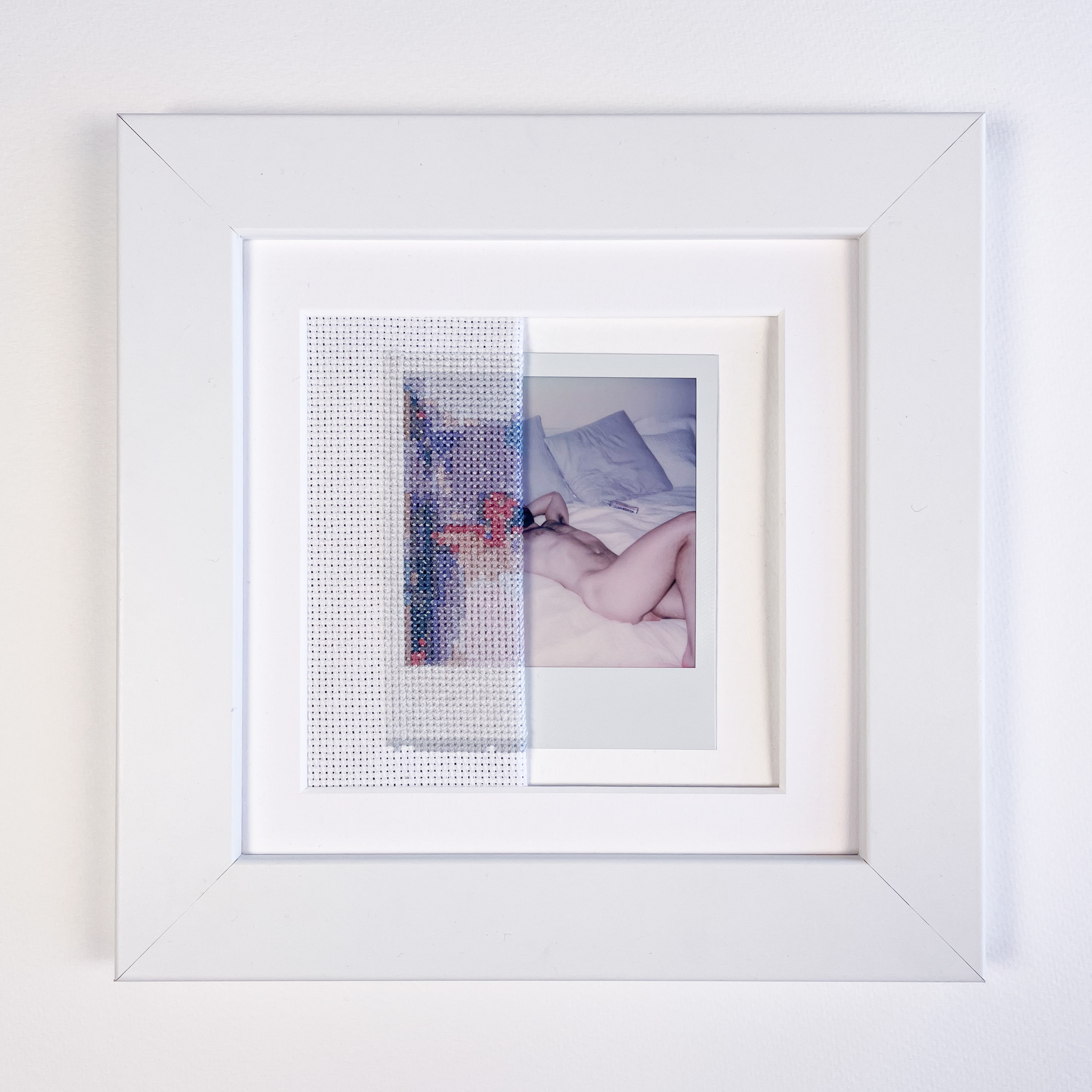
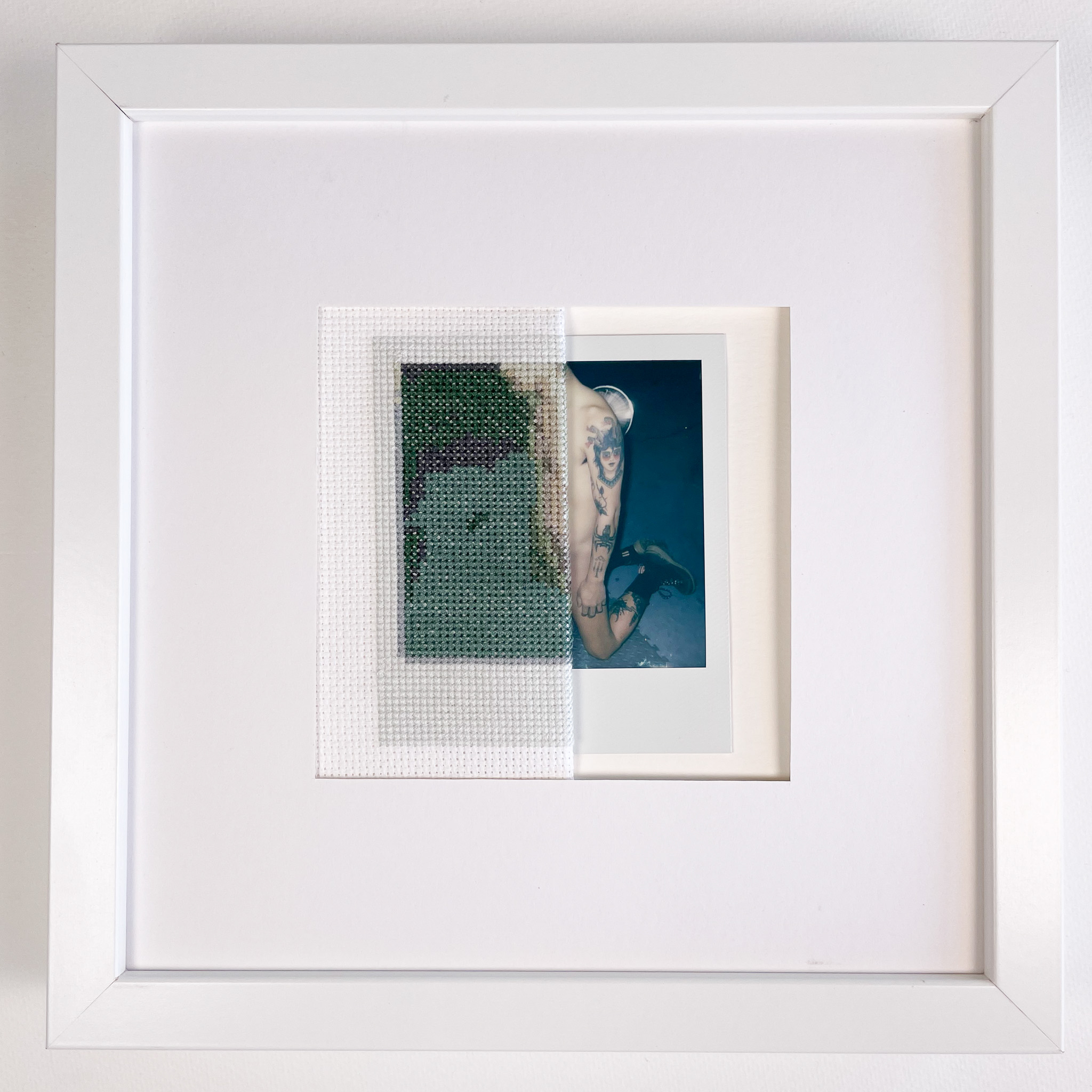
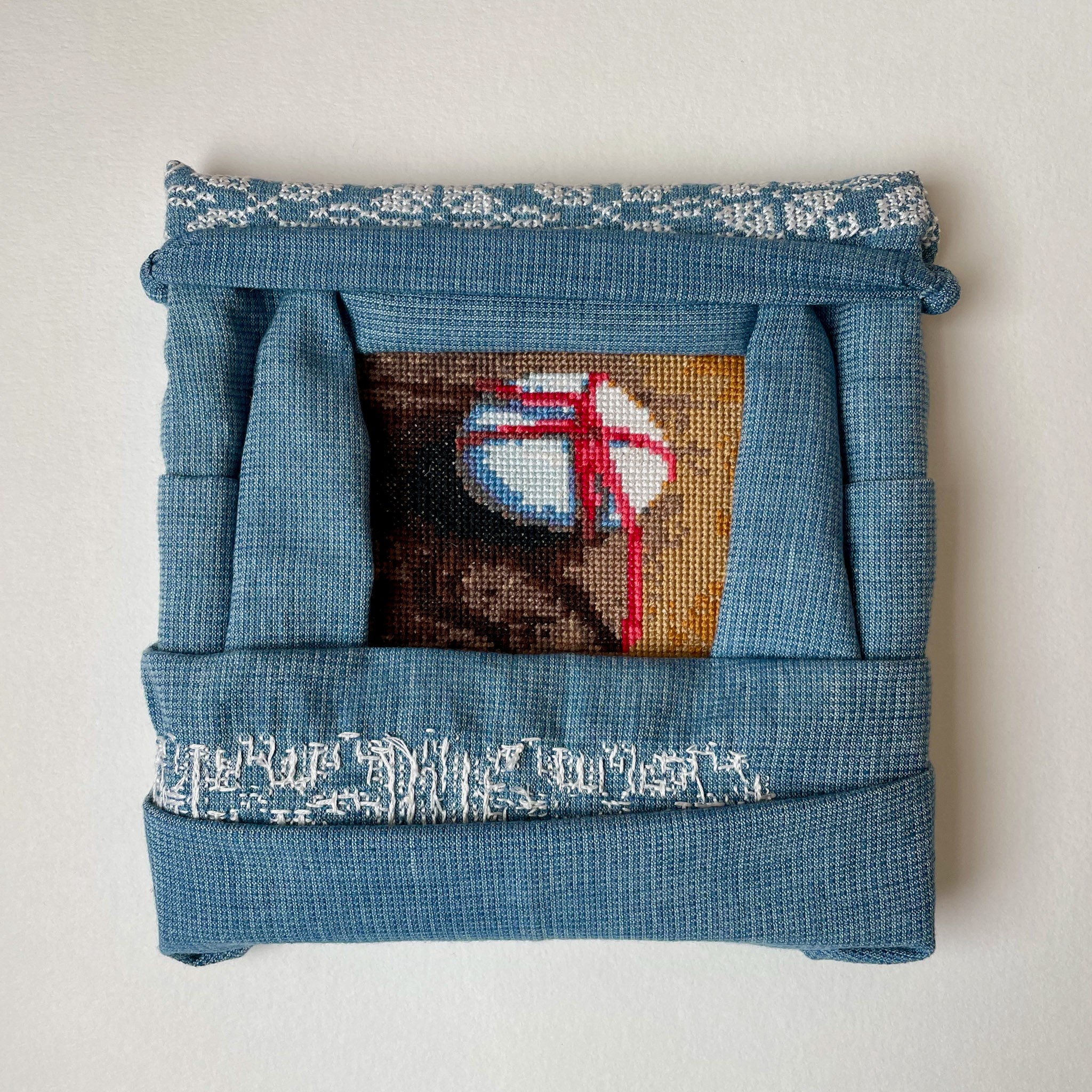
I make queer art for queer people. My experience of queerness is miraculous, varied, connecting, and complicated. With recent bodies of work I am focusing on some of the tensions that arise as a consequence of living in an intersectional body: tensions between showing and hiding, material and representation, seeing and not seeing, feeling and perceiving, and indeed between vitality and death. These tensions for me are about survival, as we must both be legible to find each other, but also must be covert and sometimes hide to maintain safety. Survival is the key magnetic force that brings queer communities together. I wish to celebrate this and also memorialize the attempts at survival which have left many of our comrades as ancestors.
My practice started in 2017 as a self-taught artist. I toyed around with various forms – site-specific installation, performance, and bricolage – before reconnecting with fiber media and experimenting with photography. Some major accomplishments have pivoted my career including regional grants, works in public collections, residencies in Oregon (Caldera) and California (Tom of Finland Foundation), joining a cooperative gallery (Carnation Contemporary), work in the Oregon Biennial, and recently, an inaugural solo show at Strut in San Francisco’s Castro District.
How did you build your audience on social media?
My career has been shaped by sharing and discussing work on Instagram. This is where I have made some of my most important connections with other artists and have received some important and useful feedback about my work. I must constantly resist the impulse to chase followers, likes & engagement. When used improperly, social media platforms are like slot machines – designed to engulf our attention for the mysterious possibility that we will win – and the house always wins. When used properly, social media is a tool for community and authentic sharing. I can’t say that I always use this tool properly.
It must be said that as an artist who honors queer bodies in their work, I am under constant threat of censorship, shadow-banning, demonetization, restriction & deletion warnings. As such it is my belief that as artists on these platforms, we must continue to assert our presence, post courageously, and strive to push the boundaries. That, and always have a back-up account just in case.
Is there something you think non-creatives will struggle to understand about your journey as a creative?
It is my view that artists do not make work for the purpose of “success” as defined by modern economic systems, rather we are compelled to do so because we simply can’t not make art. The impulse is so strong that we will find a way to make work in way that looks from the outside as self-sabotage, often compromising forms of security, sometimes even safety. The “success” I strive for is the meaningful expression of something important for my audiences to experience. My mom still asks me if I’ll go back to working a traditional job even as my achievements grow in scale and a sense of sustainability has begun to materialize. Some of us succumb to these types of external pressures for many reasons: unexpected life events, constant messaging towards conformity, out of a sense of isolation, and more. The way I try to resist these pressures is by staying connected to other artists facing the same difficulties, and building communities of support. The archetype of the tortured artist exists because we must make our work, consequences be damned. The torture is not necessary so long as we accept that, as in life, there is nothing that we must do alone.
Contact Info:
- Website: https://www.michaelespinozaart.com
- Instagram: michaelespinozaart
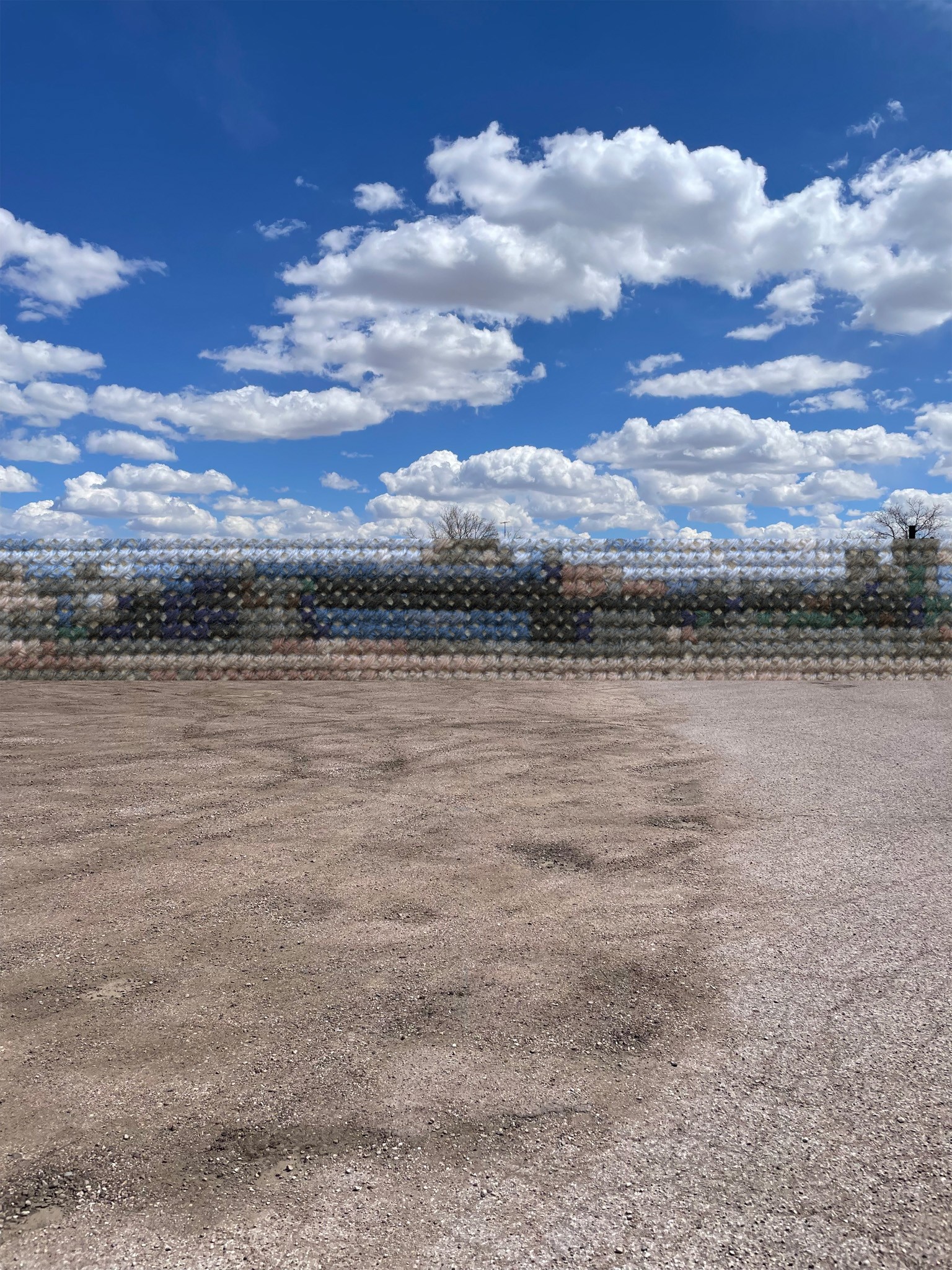
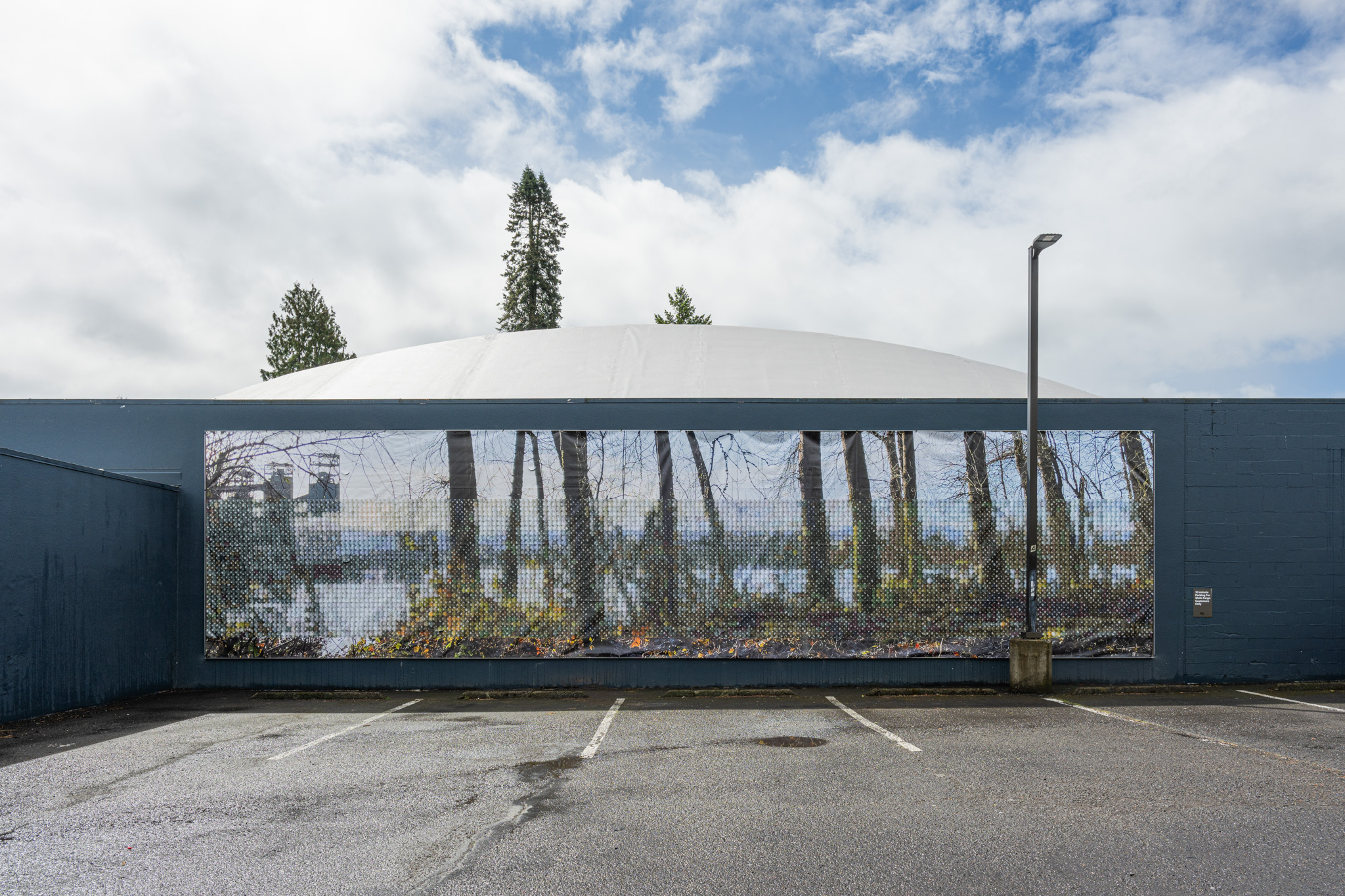
Image Credits
Headshot credit: Woolfie Photo
Billboard Install shot: Mario Gallucci