

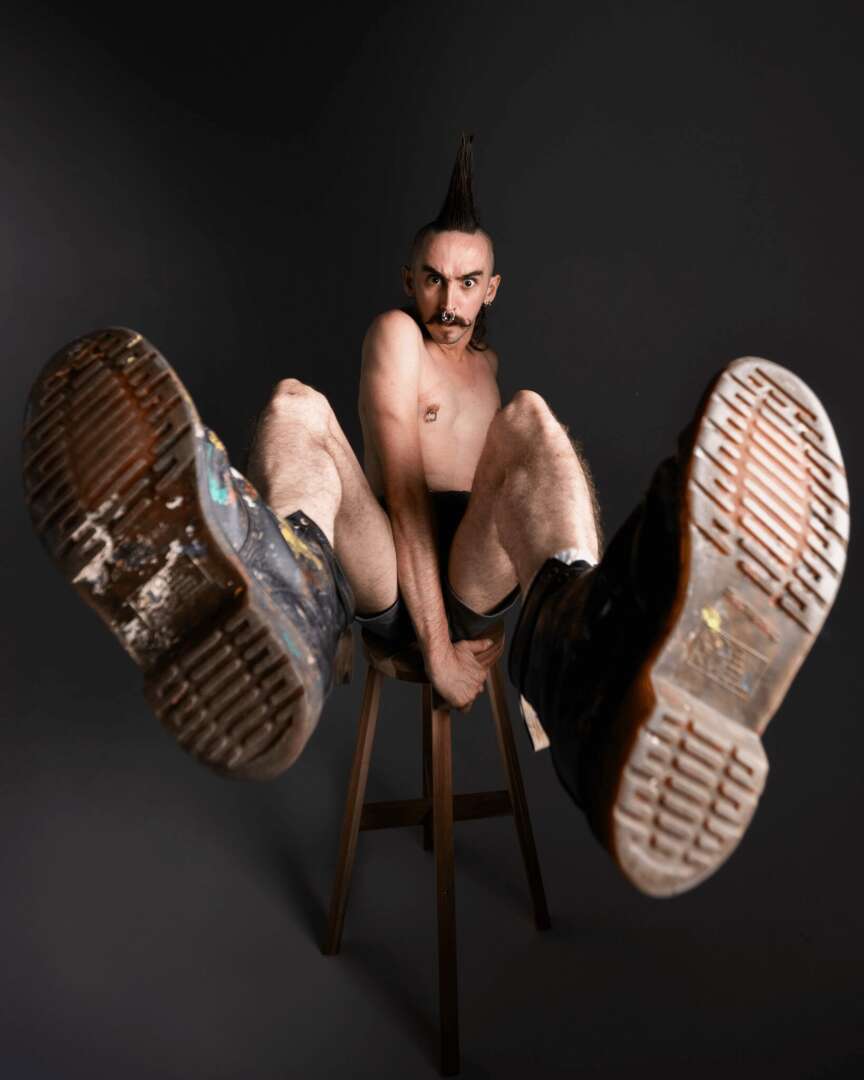

We’re excited to introduce you to the always interesting and insightful Micah Rustichelli. We hope you’ll enjoy our conversation with Micah below.
Hi Micah, thanks for joining us today. We’d love to hear the backstory behind a risk you’ve taken – whether big or small, walk us through what it was like and how it ultimately turned out.
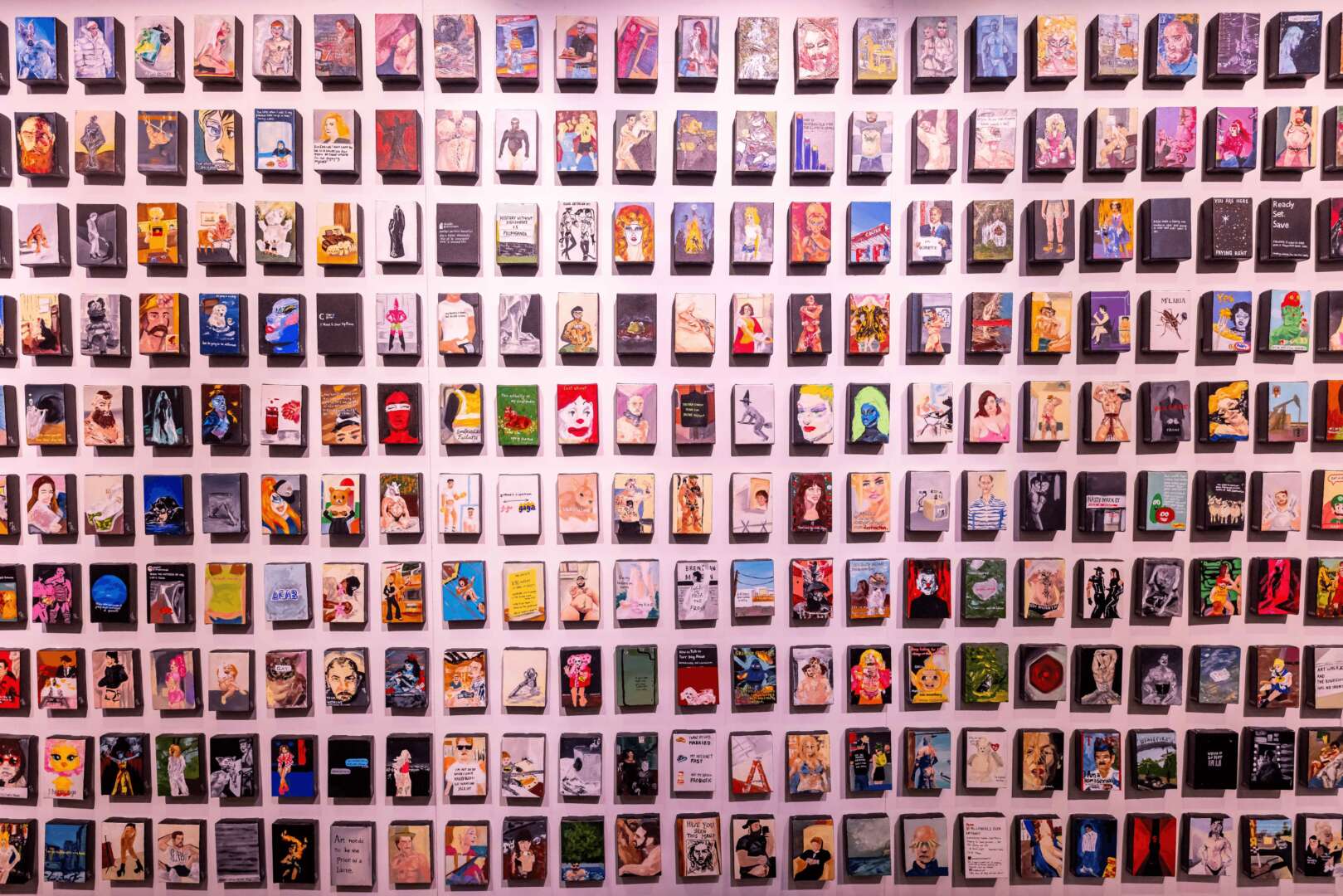
In 2022 I was feeling tired of my studio work and exhausted by a demanding day job. Over the previous years I’d gradually fallen into a rut of painting for sales and content creation. My days in the studio felt like a treadmill exponentially getting faster as I tried to keep up with the endless sprint of the race that I thought I was a part of. When I did feel success the payoff was short lived until the imaginary impending doom would return. It was at this time that I made a crucial decision to pull my practice apart and reassemble it. I was nervous to make this change; The insecurities that had led me to this unhappy place also had me believing that to change my work would cost me my audience and stability.
I took the jump to return to some light study and used this time to push myself into new forms. Having been a dancer and performer in previous years I had never thought of incorporating these elements into my visual arts practice, which now seems so obvious. I began to focus my work on the body, performance, movement, humour and endurance, things which were always so compelling to me as a person but I didn’t even consider would be valuable in an arts practice. The key here was moving away from the pressures of permanence and perfections, instead embracing ephemerality, the temporary nature of work performed live, with audience and witness. My methodology and process in the studio took a 180 turn when I allowed myself to pull from these sources that were already at home in my body. My projects had greater focus and I felt on stronger foundations to stand by them. This change began a domino effect of opportunities, collaborations, experimentation and personal development that would have never happened if I had stayed where I was. Everything in my studio and my life changed when I stopped trying to so hard be a “successful artist” and focussed instead on making the art that compelled me.
Micah, love having you share your insights with us. Before we ask you more questions, maybe you can take a moment to introduce yourself to our readers who might have missed our earlier conversations?
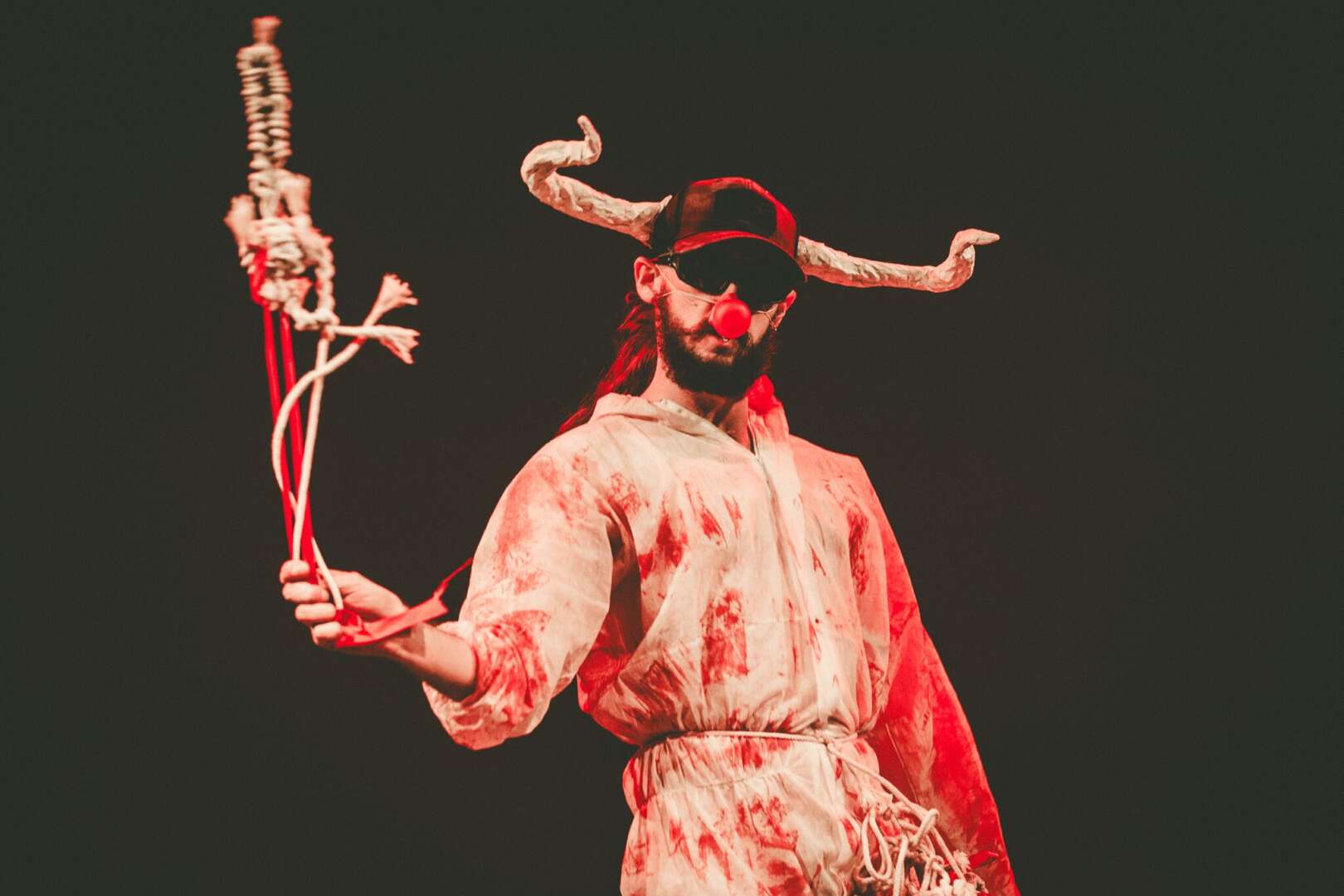
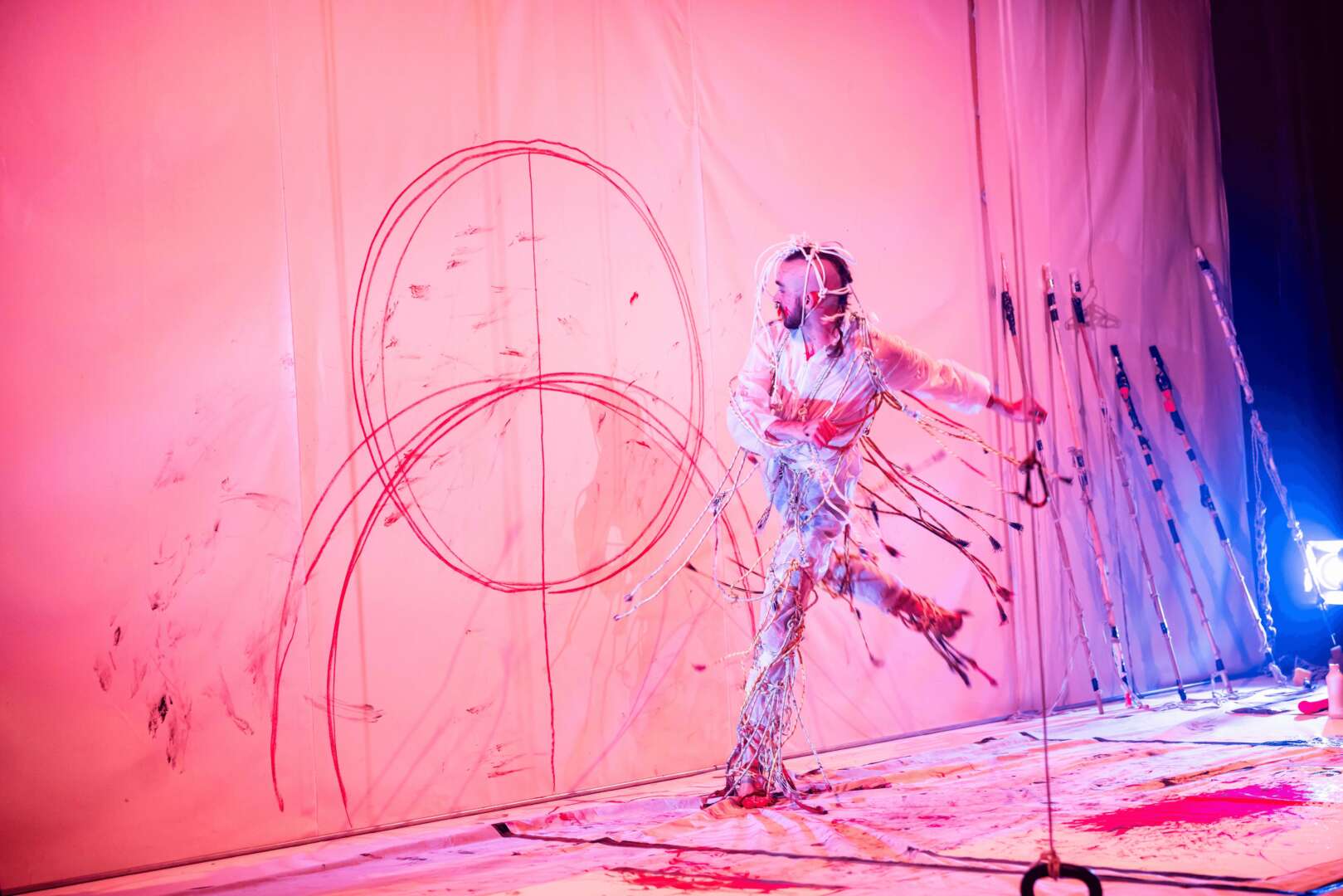
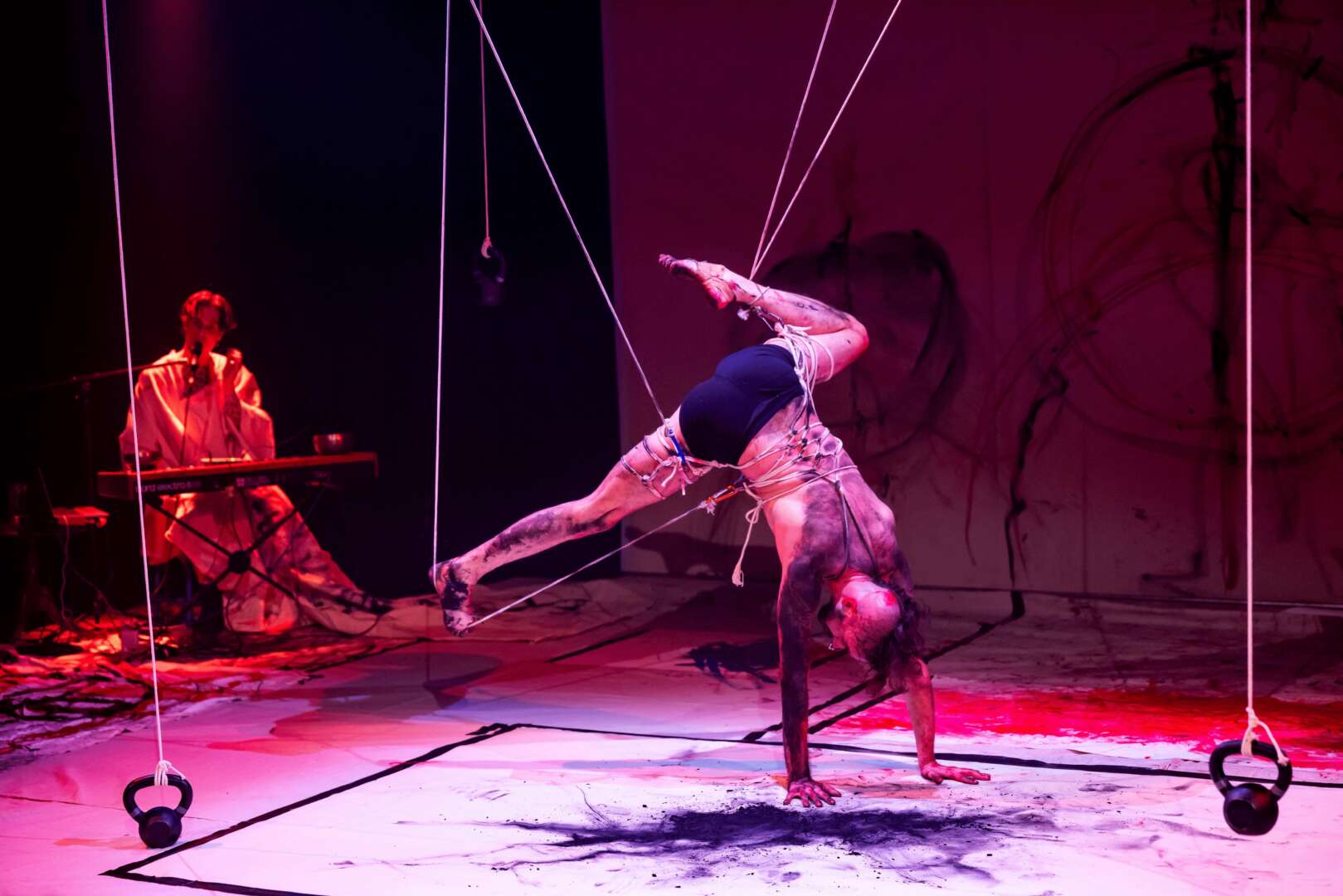
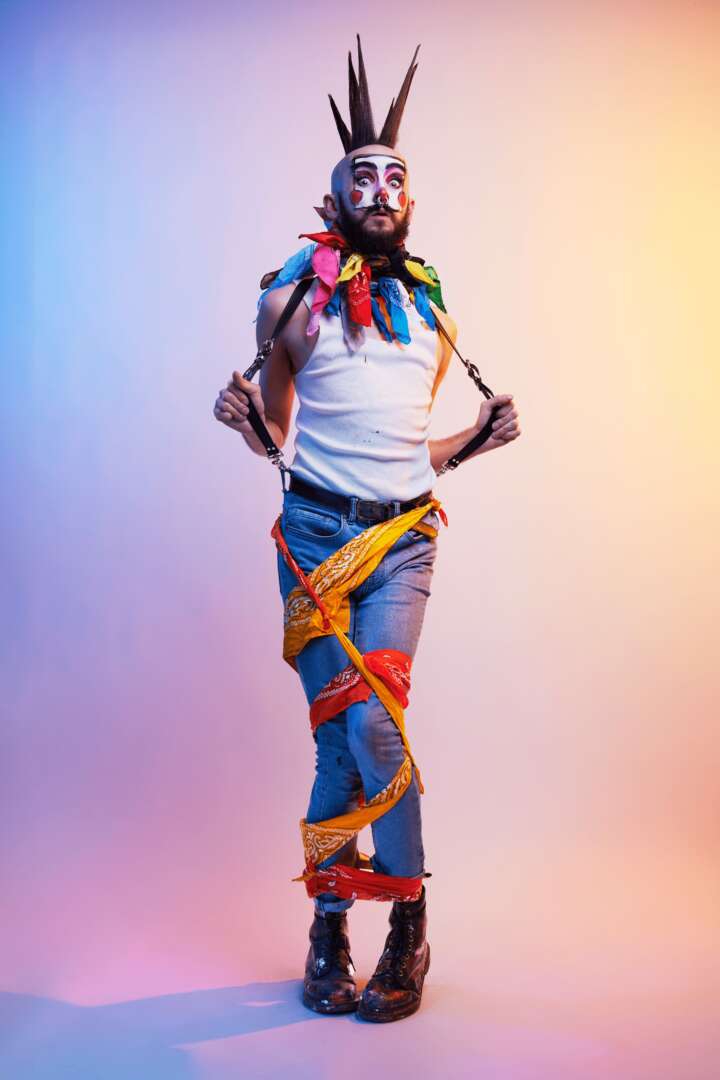
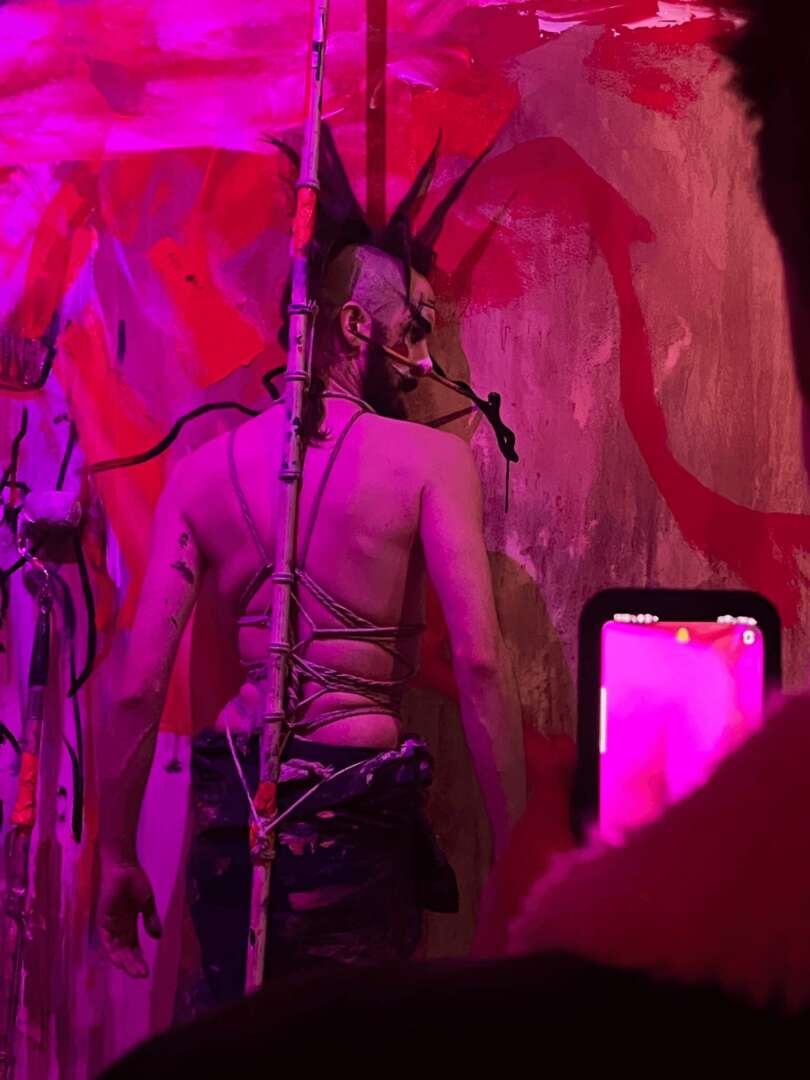
I’m an interdisciplinary artist and performer living in sunny Queensland. I’ve been a creative since very young, but have been focussed on building my professional practice since about 2018. I work across many creatives modes, painting, sculpting, performance, dance, clowning, nightlife, I’m inspired primarily by the body, its capabilities and limitations and all of the ways that the body can be used for the purpose of artmaking. My live work ranges from short punchy performances with a spicy twist to long-form durational work testing the limits of the body for the making of art. I got into this line of work from my experience as an artist colliding with my love of body-modification, circus, freaks, club-kids, performance art and general campery. There is something so exciting to me about taking the thrill of live-performance that is gripping and charged, and placing it in the environment of fine arts craft, or vice-versa.
Any resources you can share with us that might be helpful to other creatives?
There is no such thing as a solo artist. I wish I had known that the most valuable thing I had access to in my practice was the people around me. Art is a collaborative, interpersonal act. Even if the work is made alone, installed and presented solely by the single artist, it still requires the audience member to witness, apply meaning and engage with the work. People use the words network and networking so much when talking to early-career artists but they fail to explain that the “network” is not some elusive group of people who will somehow make you successful when you need things from them, it is your community. When you work with artists, support each other, ask each other the tough questions, go to see shows, interact with local venues, that is your network, and it will not just come to you, you must go it. There is not a single thing I have done that was made without the hands, minds or hearts of those around me at some point in the process. Artists have long been sold the lie that our industry is competitive and isolating, which is not true. Through collaboration we build a weave between ourselves to strengthen the fabric of our arts scenes, we can only stand to benefit from working together and supporting one another.
What do you think is the goal or mission that drives your creative journey?
Transformation is the driving force of my work, The role of artists is based in transformation and modification, of the self, of materials, ideas, politics, concepts, the world around them. I believe that the magic of art lies not in a finished outcome on a wall or a plinth, but in the process of its creation. Our most interesting discoveries can occur when the work or the artist are between these states of transformation, that’s where the art is. I never want to feel like my work or practice are “complete”.
Contact Info:
- Website: https://micahrustichelli.com
- Instagram: micah.rustichelli
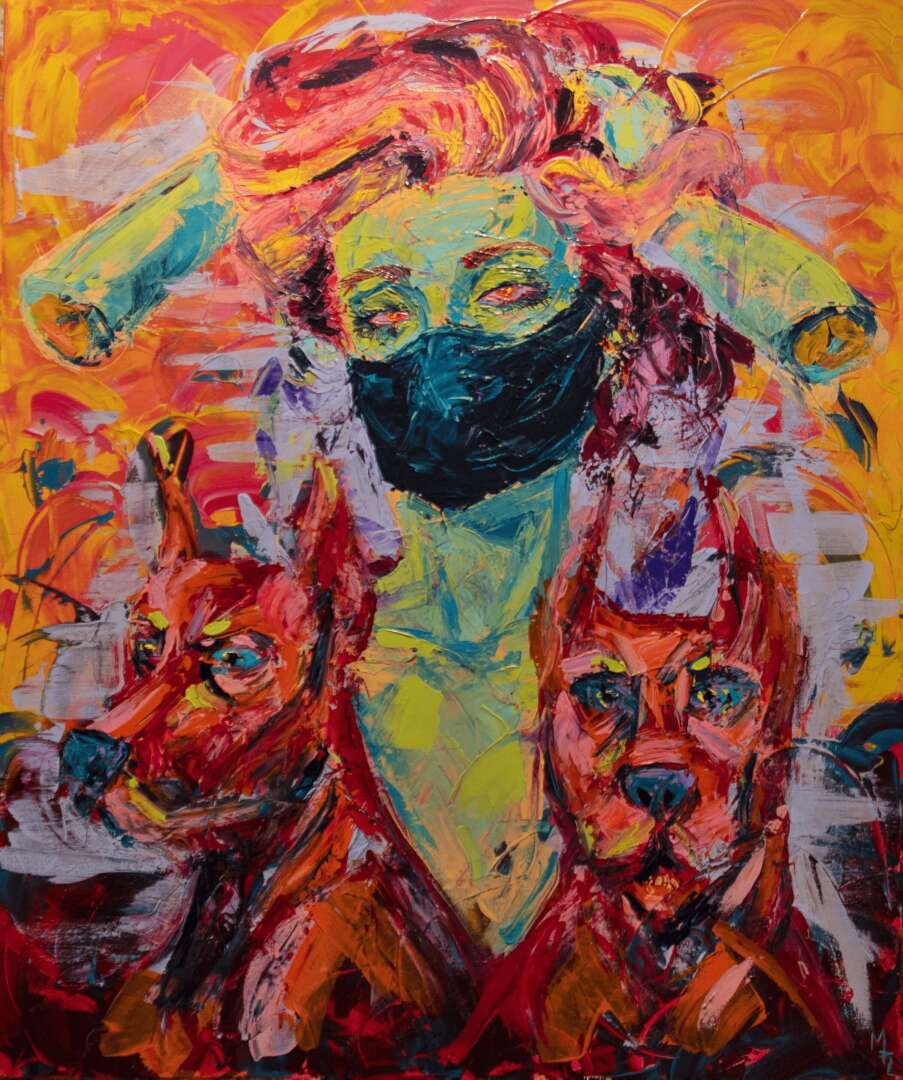
Image Credits
Joseph Mayers
Lachlan Douglas
KTB Media