

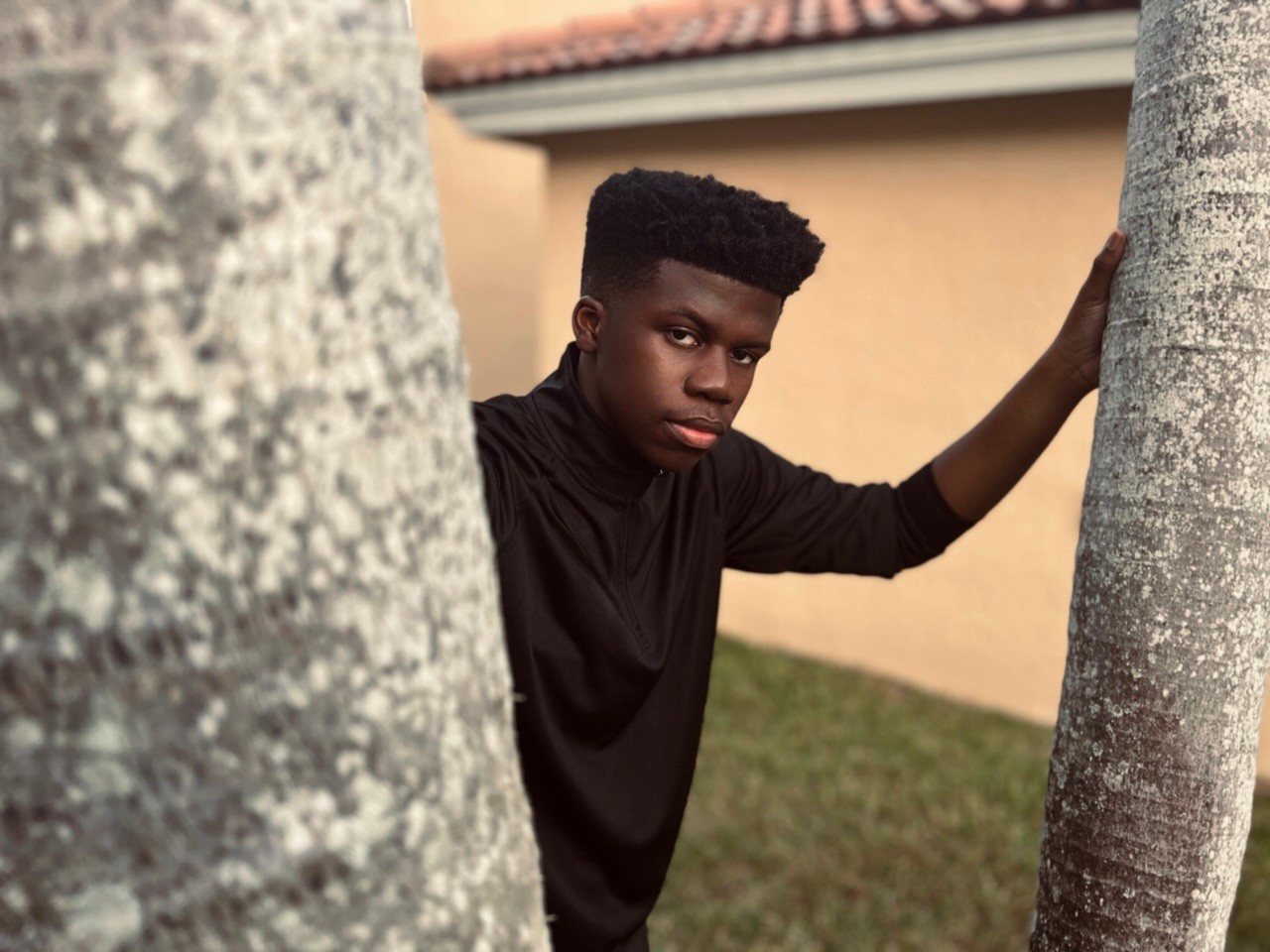

We caught up with the brilliant and insightful Micah Dawanyi a few weeks ago and have shared our conversation below.
Micah , looking forward to hearing all of your stories today. Can you talk to us about how you learned to do what you do?
Learning any creative craft starts with a shift in your mindset. For me, I entered the creative world coming from the world of athletics, so the first thing I had to do was learn how to think as a creative. In sports, everything is cut and dry. At the end of the day, you’re trying to win whatever game you’re playing. But being a creative isn’t like that. There is no “we won the game 4-0 today.” There is no “I scored two touchdowns to help us win the championship.” Art is subjective, not objective. So I really had to learn how to think about my work in that way, which helped me decide how I wanted to write and work on projects, and what my goal or purpose with each creative project was.
The fundamental aspect of creative writing wasn’t too difficult to learn. My mom was an English teacher, so she’d been teaching me how to write since I was a kid, and of course I also had the help of my language arts teachers at school. The only obstacle that stood in my way of learning more was my own mind, to be honest. As a writer, I was so used to my creative brain power being confined to things like school-issued rubrics for essays. When I started to work on my own personal/professional writing projects, I don’t think I fully allowed myself to remove all of the “ceilings of limitation.” But over time, I have. I’ve learned that as a creative, you can quite literally do anything, which means your capacity for learning is limitless. But you have to allow yourself to think in that way so you can learn.
Tangibly speaking, learning graphic design was essential. Since I pretty much work alone, I have to make the cover arts and graphics for my books and other creative projects. That’s been a learning process, and if you were to compare my work over the years, you’d actually be able to see the graphic designs get better and better as I learned more and more. I’m definitely thankful for the growth and elevation.
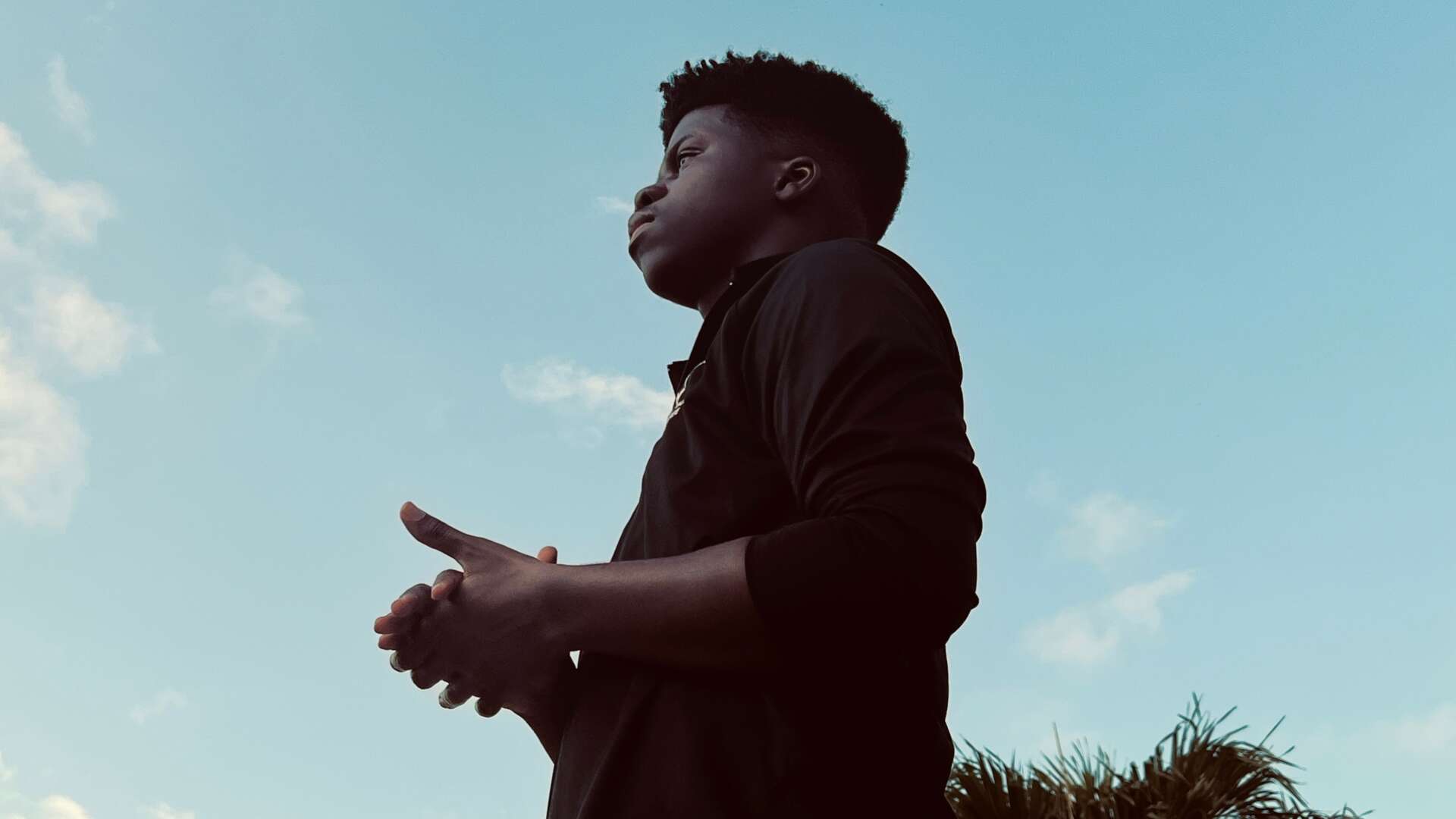
Micah , before we move on to more of these sorts of questions, can you take some time to bring our readers up to speed on you and what you do?
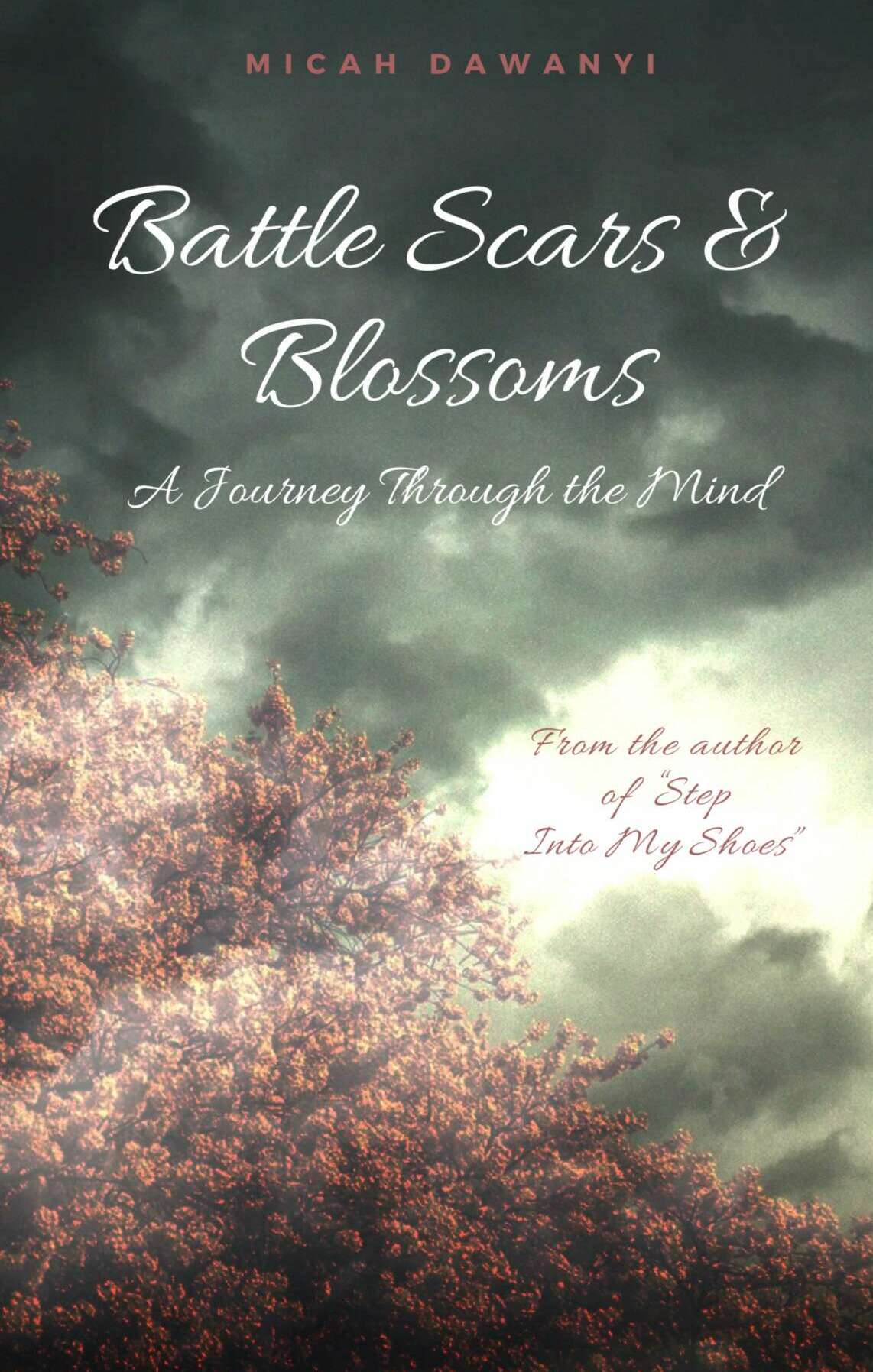
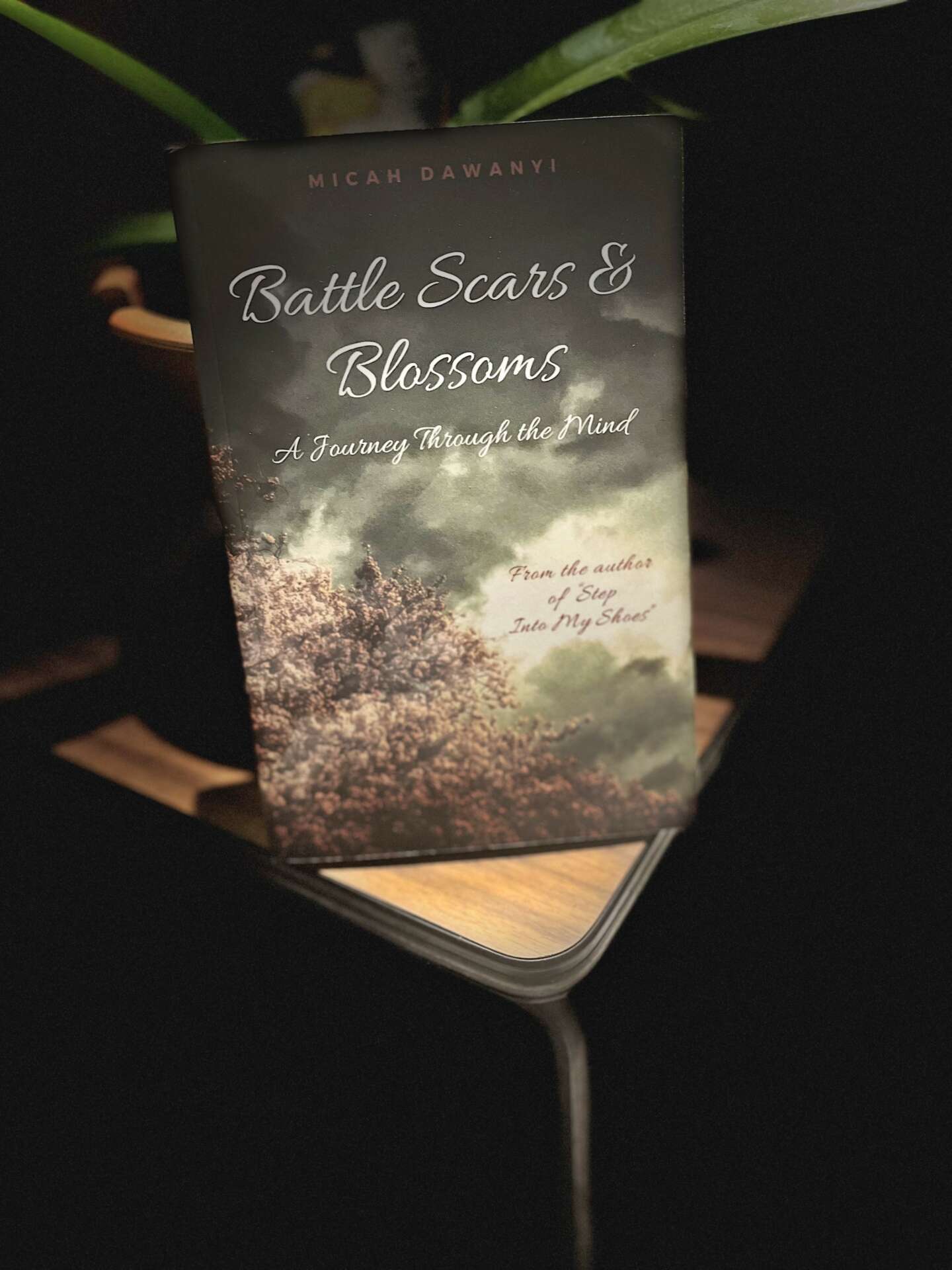
My name is Micah Dawanyi, I’m 21 years old, and I’m an author and artist. Some people may know me for my years of work as a nationally licensed sports coach, where I worked in various coaching positions and also ran a private training business. But after publishing my first book about two years I ago, I dived headfirst into the world of creativity; specifically creative writing. Currently, I have two books out, one being non-fiction and one being fiction. I also partner with local and international media companies to work on creative writing projects such as Op-Ed’s, blog posts, research articles, short stories, and more.
I think the most important thing about my work is that I use my creative writing to speak on important societal issues. My first book was about racial injustice, and my latest book is about mental health awareness. What makes my work stand out (in my opinion) is my writing style. I don’t like to write using a bunch of pointless, big words just to sound smart, and I don’t write in a very “academic” way, like I probably would for a school research paper or something like that. I simply tell stories. I think that’s the most engaging way to interact with readers, by telling stories that they can follow along with and pull pieces of knowledge and gems from. I also use visual words, dialogue points, and sentence structure to bring my words to life in a “cinematic” way. Ironic as it is but I actually don’t read very much; most of my writing is influenced by films and TV. So my writing style is rather animated, which is enjoyable for readers.
Ultimately, the goal of my work is always to educate, enlighten, and empower. I always want to tell stories that can impact communities in a positive way and spark change.



Learning and unlearning are both critical parts of growth – can you share a story of a time when you had to unlearn a lesson?
It took me a while, but I had to unlearn the mindset of “toxic productivity.” I used to have a bad habit of always focusing on the next thing in my life- the next writing piece, the next headline, the next success story. I think I realized how big of a problem that was about two years ago. I had done a radio segment for a pretty big radio station, and it aired in early December of 2020. I remember listening in to the segment as it aired live for the first time, just being proud, excited, and overwhelmed with joy. Never in a million years did I expect to have my own radio segment where I got to talk about my books and the issues I was passionate about. But while I was excited and grateful for the opportunity, I also found myself thinking about what I would do next, to follow up the success of the radio segment. I remember thinking about that only a few minutes after the segment even aired.
When I reflected on that time, I realized how dangerous that kind of thinking was. I realized that I’d never be able to fully enjoy and appreciate anything, any of the blessings in my life, if I was always thinking about what was next. And I realized that the reason that I’d even gotten caught up in that way of thinking was because of “hustle culture.” Some of us have attached our self-worth to our levels of productivity, and that creates these really unhealthy ways of thinking. It creates a very flawed belief that we are more valuable human beings if we are doing more. And I just don’t think that’s the best way to think about working hard and being productive. With that way of thinking, you’ll easily burn yourself out by always trying to stay busy, never giving yourself well-deserved rest, and never allowing yourself to just live in the moment. I’m extremely thankful that I learned that lesson early on in my career.
Is there something you think non-creatives will struggle to understand about your journey as a creative? Maybe you can provide some insight – you never know who might benefit from the enlightenment.
I think in general, non-creatives sometimes fail to understand how long it takes to put a project together. I think we are in a time where over-consumption and over-production of content have become normal, but that isn’t realistic. I understand that there’s a demand for art, whether it’s movies, books, music, or anything else, but creatives aren’t robots who can just continuously crank out project after project after project. I remember only a few months after my first book came out, certain people began hounding me for another book. I don’t think it was their intention to put pressure on me, but at the same time, I don’t think they truly realized how long it takes to bring an idea or vision to fruition. Just the planning alone, before you even get to the point of executing your ideas, takes time, especially if you really care about producing quality work like I do.
I would just want people to truly understand that creating art takes time. It does. For me personally, I don’t know if I’ll ever be “prolific” with my writing. I have to wait for God-given inspiration, and for everything to align in my mind perfectly. I just can’t force it.
Contact Info:
- Website: https://linktr.ee/micahdawanyi
- Instagram: https://www.instagram.com/micahdawanyi/
- Linkedin: https://www.linkedin.com/in/micah-dawanyi-912ab41b1?original_referer=
- Other: https://www.amazon.com/Battle-Scars-Blossoms-Journey-Through-ebook/dp/B09PK5CL66/ref=reads_cwrtbar_sccl_1/132-3441545-9817561?pd_rd_w=KmZib&content-id=amzn1.sym.ba192993-de70-466d-8434-76419fdab2d1&pf_rd_p=ba192993-de70-466d-8434-76419fdab2d1&pf_rd_r=XNTM
Image Credits
Photos by OnoMedia.