

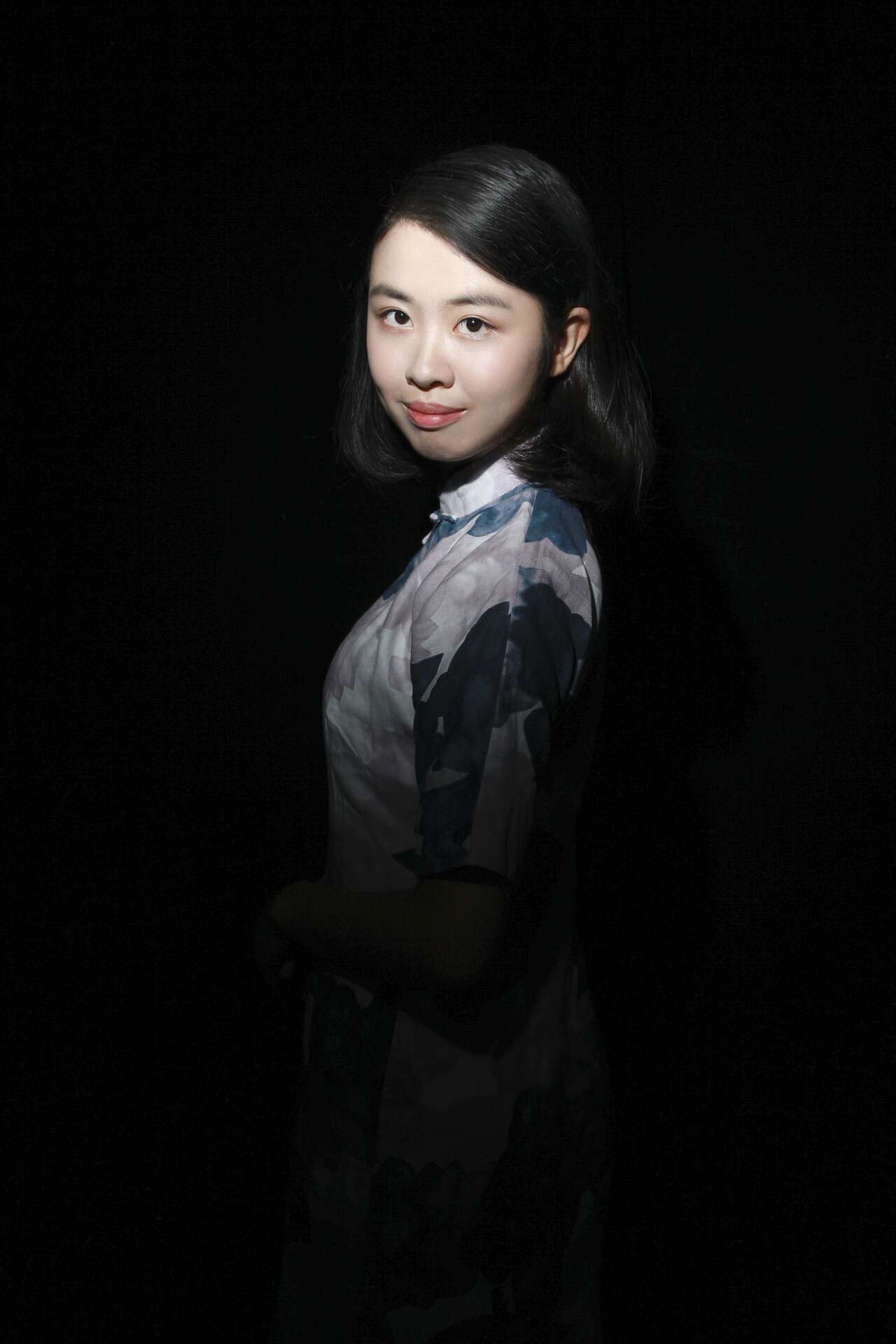

We were lucky to catch up with Miao Chen recently and have shared our conversation below.
Miao, looking forward to hearing all of your stories today. Can you open up about a risk you’ve taken – what it was like taking that risk, why you took the risk and how it turned out?
Becoming a storytelling artist is a risk itself, the first risk I took early in my life. What I am elaborating here is a different one, the second biggest risk I am planning to take: being an artist making films and theatre, and meanwhile, continuing my pursuit of higher education on the track of becoming a scholar. Honestly this is nothing so unique only about myself; I would describe it as a more and more popular trend of the artists, especially my peer storytellers, in a post-pandemic time. Artists are heading back to class. With wars, diseases, protests and decline of economy going on — if that is speech of too grand a scale, then, with break of trust and loss of certainty invading our daily little world — art production on its own is turning out more like a traumatizing experience. We need to understand this world better, so much so that our intellectual bitterness would not swallow our aesthetic sparkles. We need knowledge of the greater humanities to help us the artists to process what is going on around us, what kind of art we are actually producing, and eventually, to nurture our art, so that hopefully we can still bring true beauty to our audiences.
This trend (should I call it a trend) does not come out of nowhere. From my observation, many of the storytelling artists of my generation come from a solid background in humanities: literature, education, philosophy……this lays foundation for our turn: longing for getting a PhD. Believe it or not, we are on our way. So am I!
Miao, before we move on to more of these sorts of questions, can you take some time to bring our readers up to speed on you and what you do?
I am a female theatre and film writer-director from China. I earned a Bachelor of Arts in Chinese Language and Literature from Beijing Normal University, and an MFA in Film Production from USC School of Cinematic Arts. A wish to transform stories in text to vivid motion pictures brought me into the world of art, and I started my storytelling practice in theatre since high school, continued with my exploration in film since undergraduate study. During my time at USC, I have written-directed nine fiction short films and two documentaries. My short film White Coat won Best Short Student Film in 2021 American Golden Picture International Film Festival. I was also awarded a Graduate Fellowship by USC East Asian Studies Center supporting my experimental short film Norika.
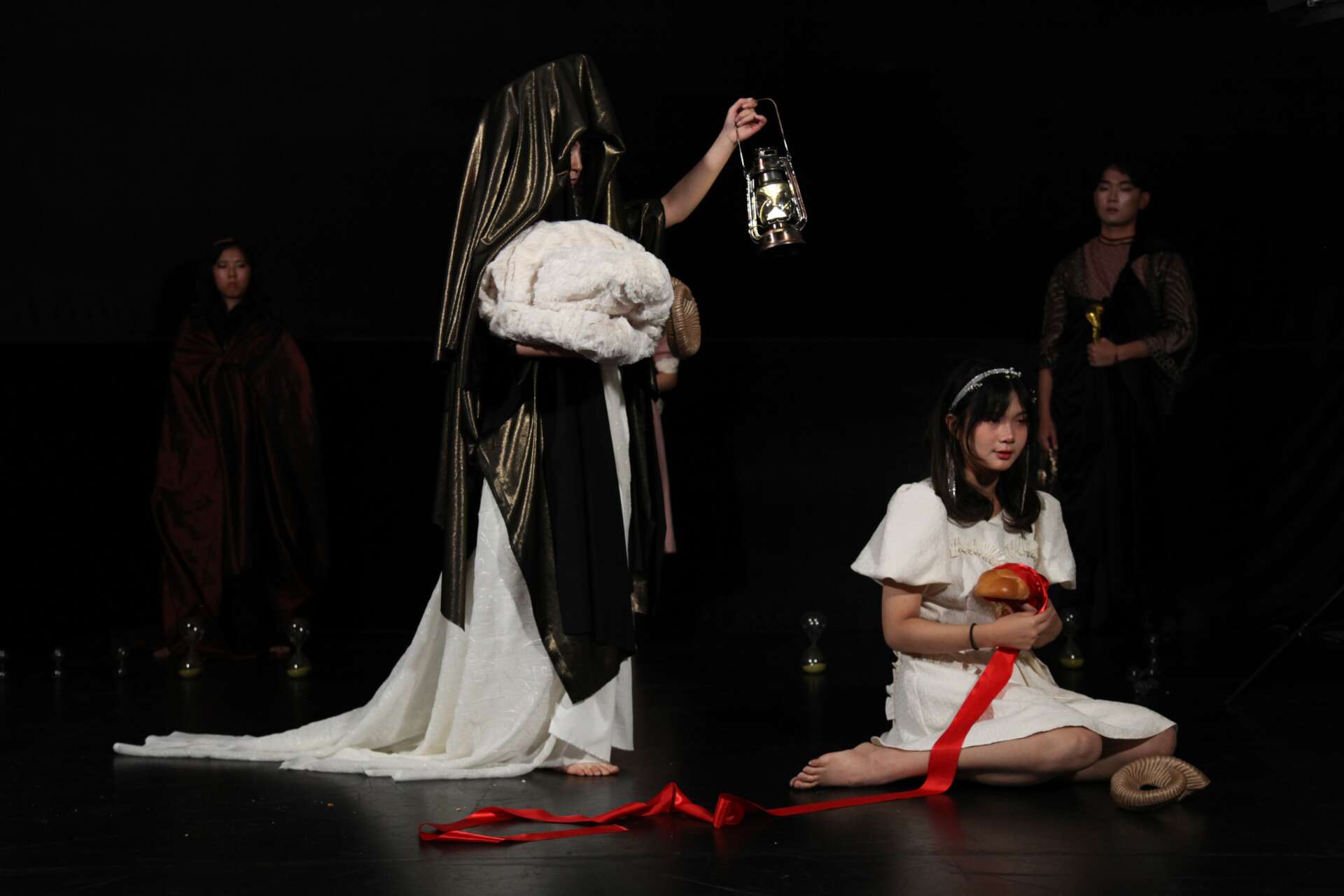
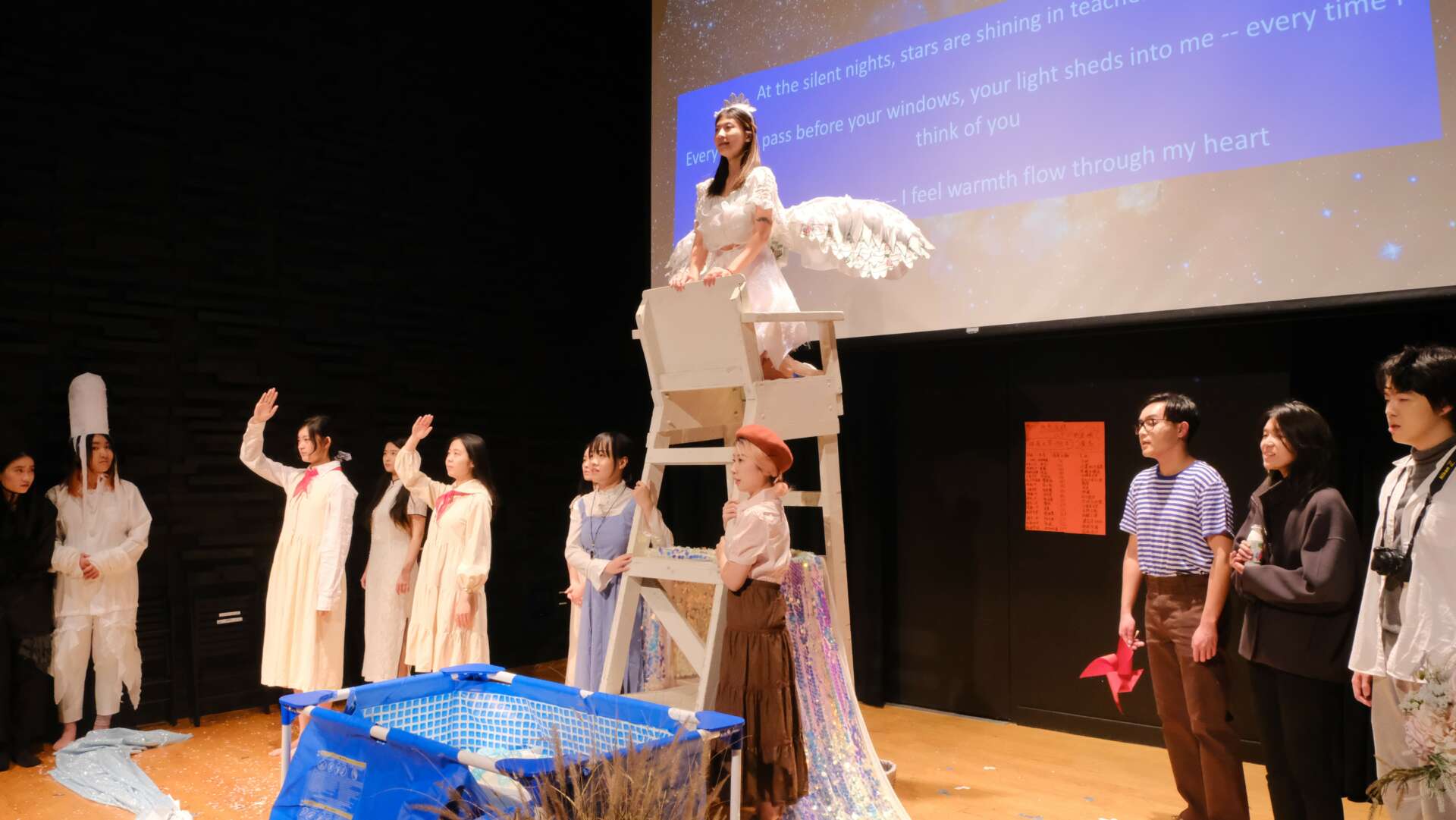
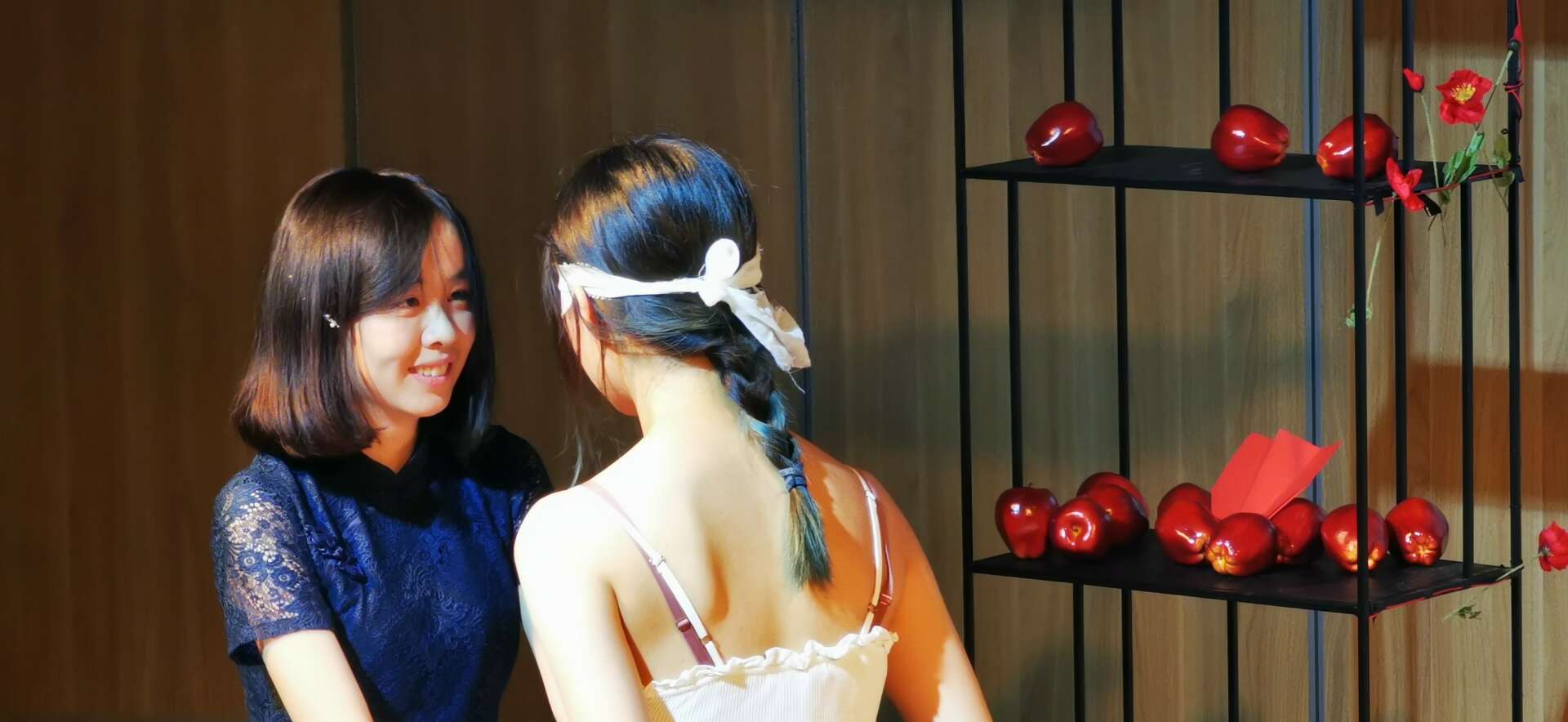
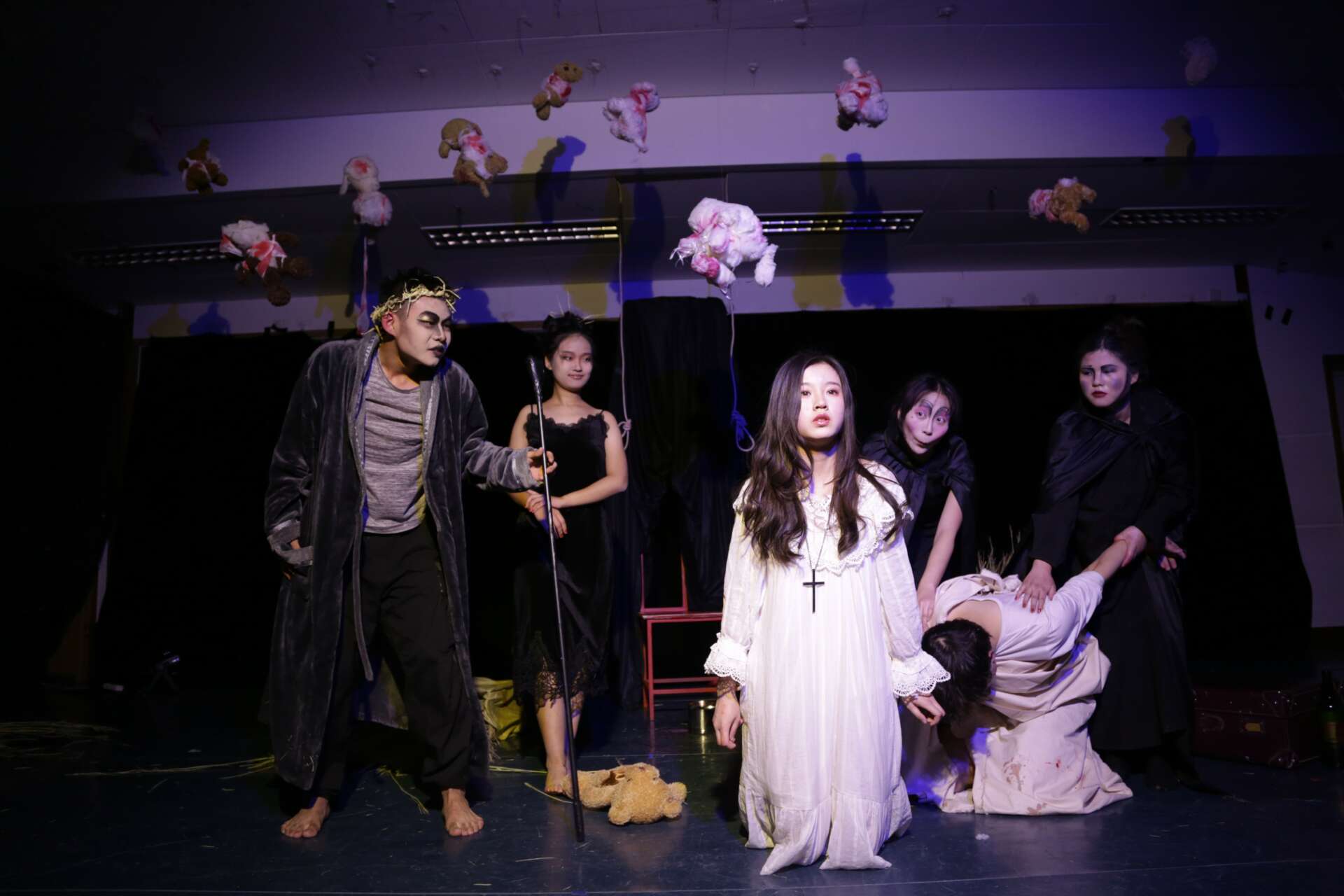
Theatre practice constitutes a significant part of my creative career. As a member of Gate Five Theatre, the only Chinese students’ drama club at USC, I have directed an one-act Lily and Jasmine, and written-directed a full-length play The Tale of A Lake, leaving an influence on the Chinese students community in LA. Back in China, both my plays Lily and Jasmine (director) and The Lost Gaze (actor-writer-director) were showcased at Prism Mini Theatre Festival in Beijing; The New Romance of the West Chamber (co-writer) has been touring in major cities of China. I also have plays and a novella shortlisted in incubation programs or published.
History and Fantasy are two special storytelling genres that I proudly concentrate on. My history stories open up depths of East Asian history and culture, and shed light on how seemingly humble characters would make a change in humanity during the darkest times of human beings, like in two World Wars. My fantasy stories instead transform our mediocre daily life into a stage of wonders with surreal elements, and launch a journey into some real significance of our era that normally we ignore. My storytelling aims at discovering how willful people’s wishes could be, and how these magnificent wishes — despite the limitations of our times — gradually deliver us into a future of hope.
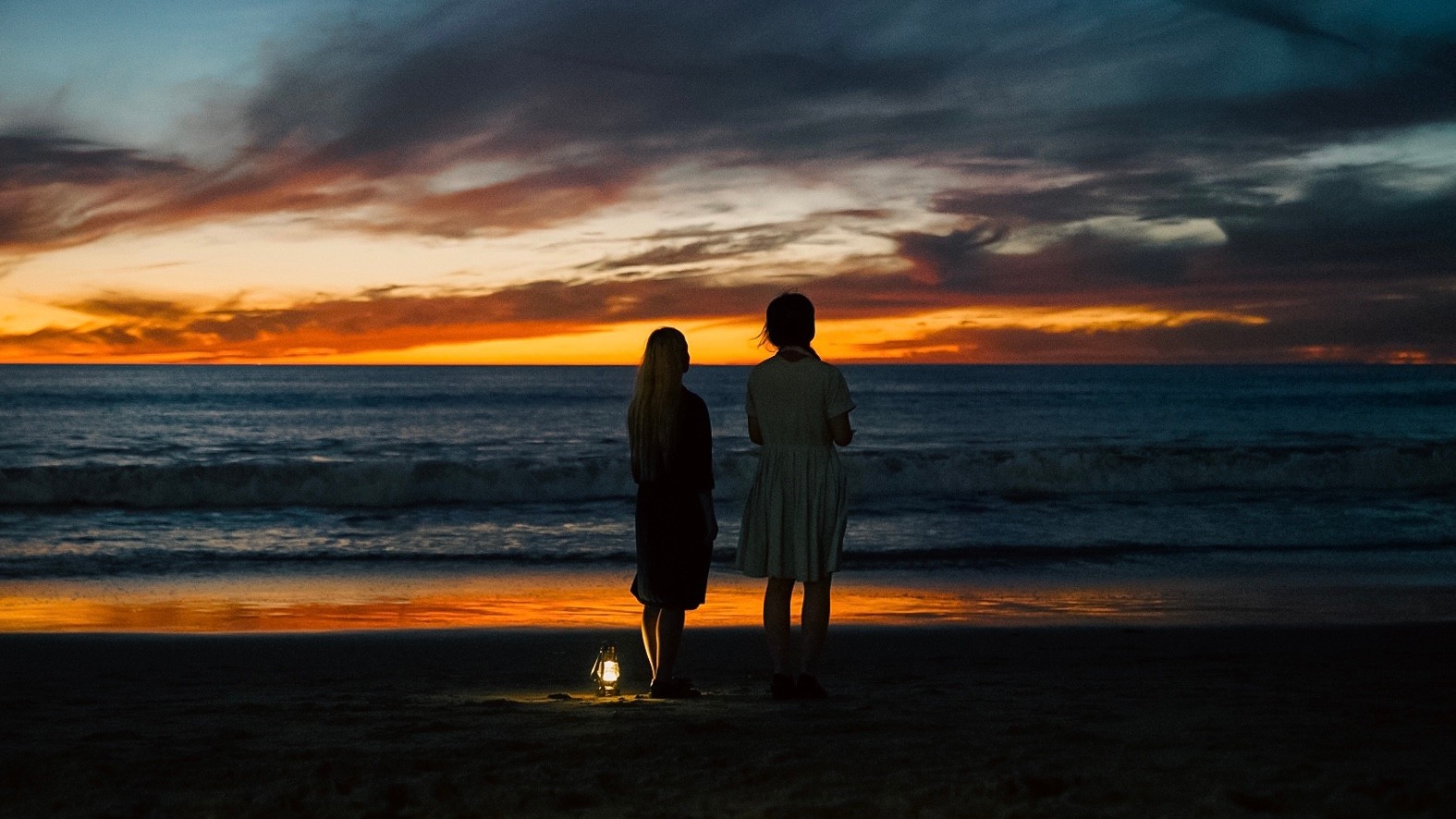
What do you find most rewarding about being a creative?
We usually describe art or artists with words like “creative”, “emotional”…… here I would say a sensitivity to our space and time is what really makes art matters to people. I get this idea from my own practice of storytelling. The pandemic has sent our world into a time of turbulence; I have a strong feeling for that especially because I got into the film school right at the time when the pandemic broke out. When I look back on my stories these years, I suddenly realize how sensitive my stories are in their tight grasp of and quick reaction to the change of our world, and how promptly they indicate some real urgencies quietly going on around us, like an uprise in the violence against females, the worsening situations of intellectuals and free individuals…… and as a storyteller I told these stories almost out of a subconsciousness. What is at work here is storytelling’s sensitivity to the world. Before my reason comes to an understanding of what is happening, my stories herald that to me first. Being a storytelling artist means being entrusted with such priceless sensitivity. Even if that also means opening up ourselves to some very intimidating aspects of this world, I deem that as the most rewarding aspect of being a storyteller.
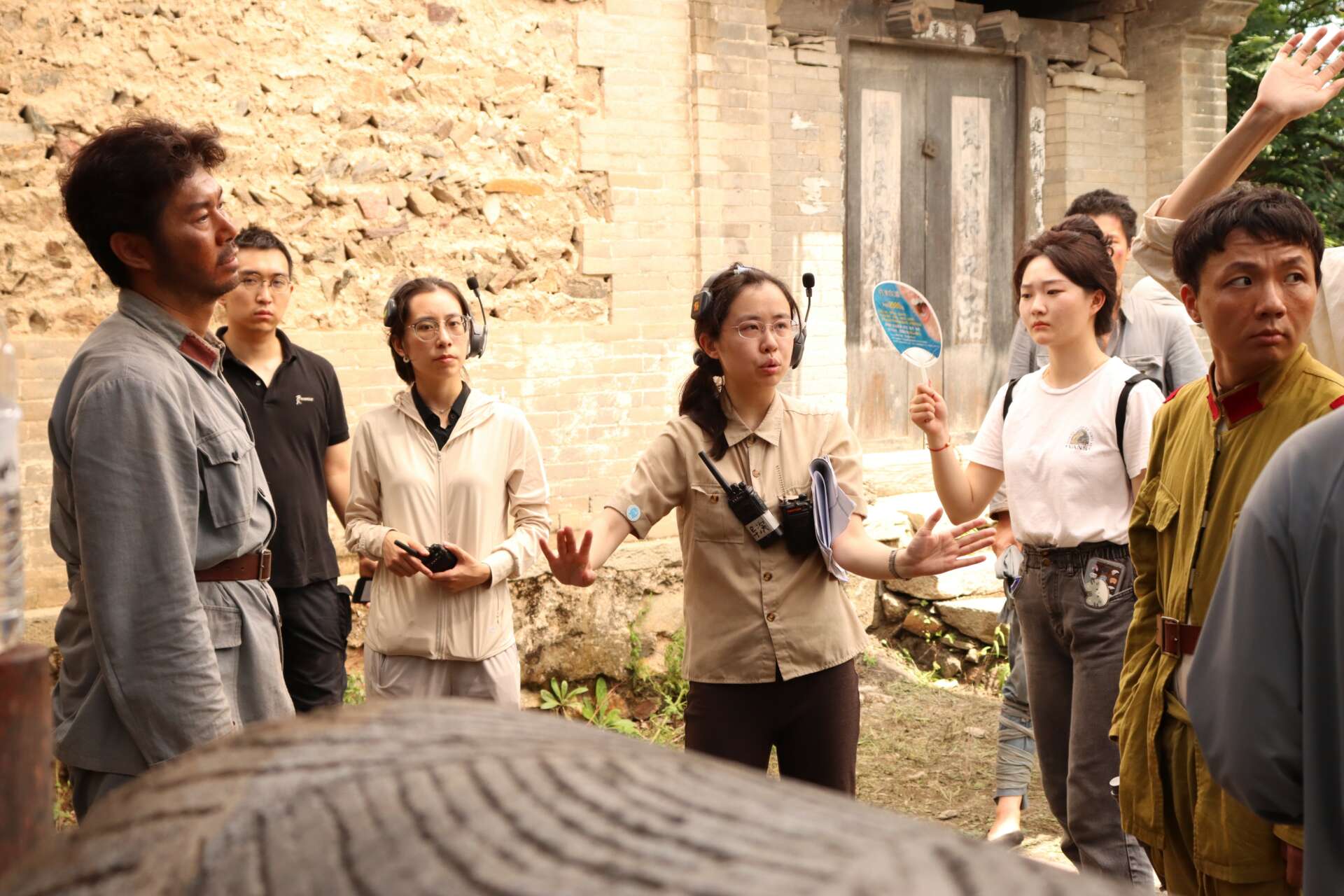
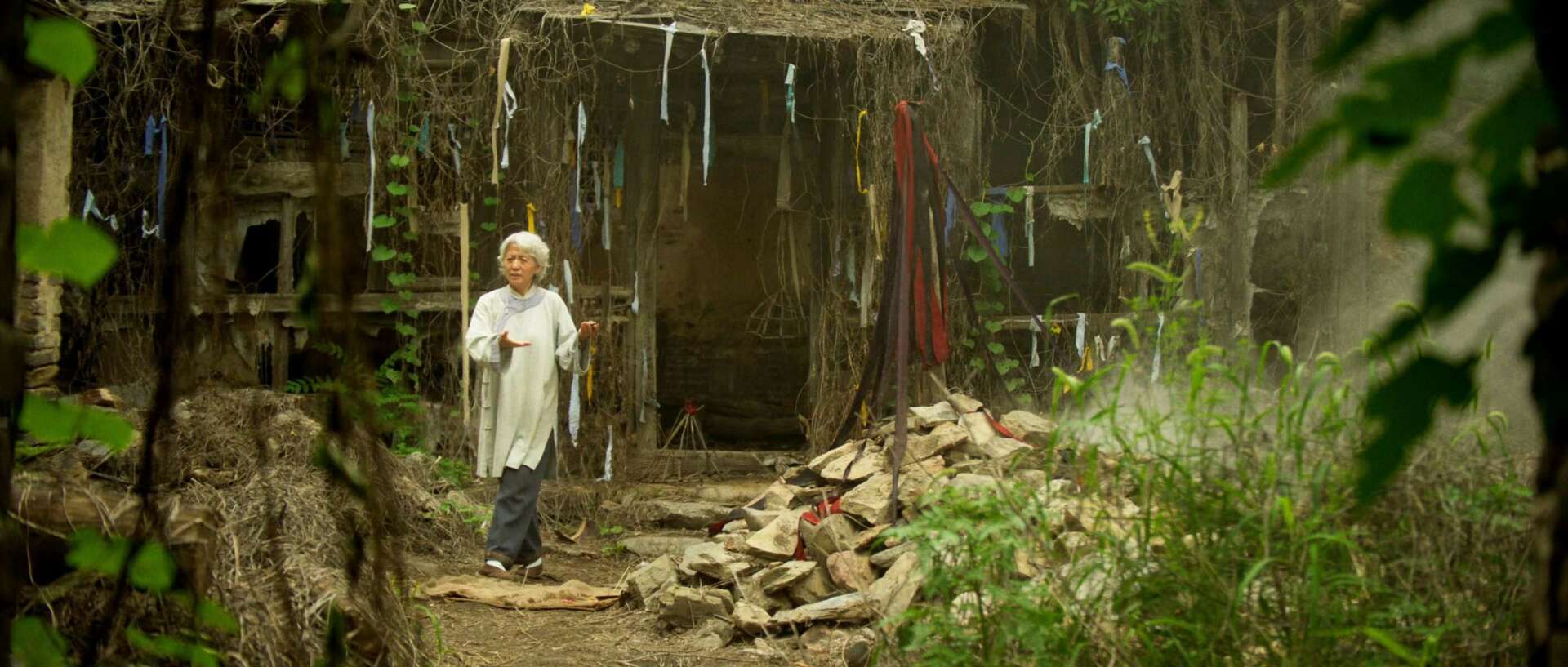
Is there mission driving your creative journey?
Connection — an aesthetic and emotional connection with and among people. Beyond anything else, this is what is driving my storytelling for the most recent years. I have passed the phase when all I cared about was projecting my own interests. As a storyteller turning mature, it becomes more and more important for me to find out what strikes the chord for one and for many. I wish my audiences could receive the messages I am trying to deliver, and a dialogue could truly form. In a time of accelerating conflicts, finding connections also means a reunion of people in their vulnerability. There are many facets of people, and contradicting interests break people apart; while in aesthetics, an arena that retains the possibility to transcend utilitarianism, there is still hope for people to identify and resonate with each other in depth.
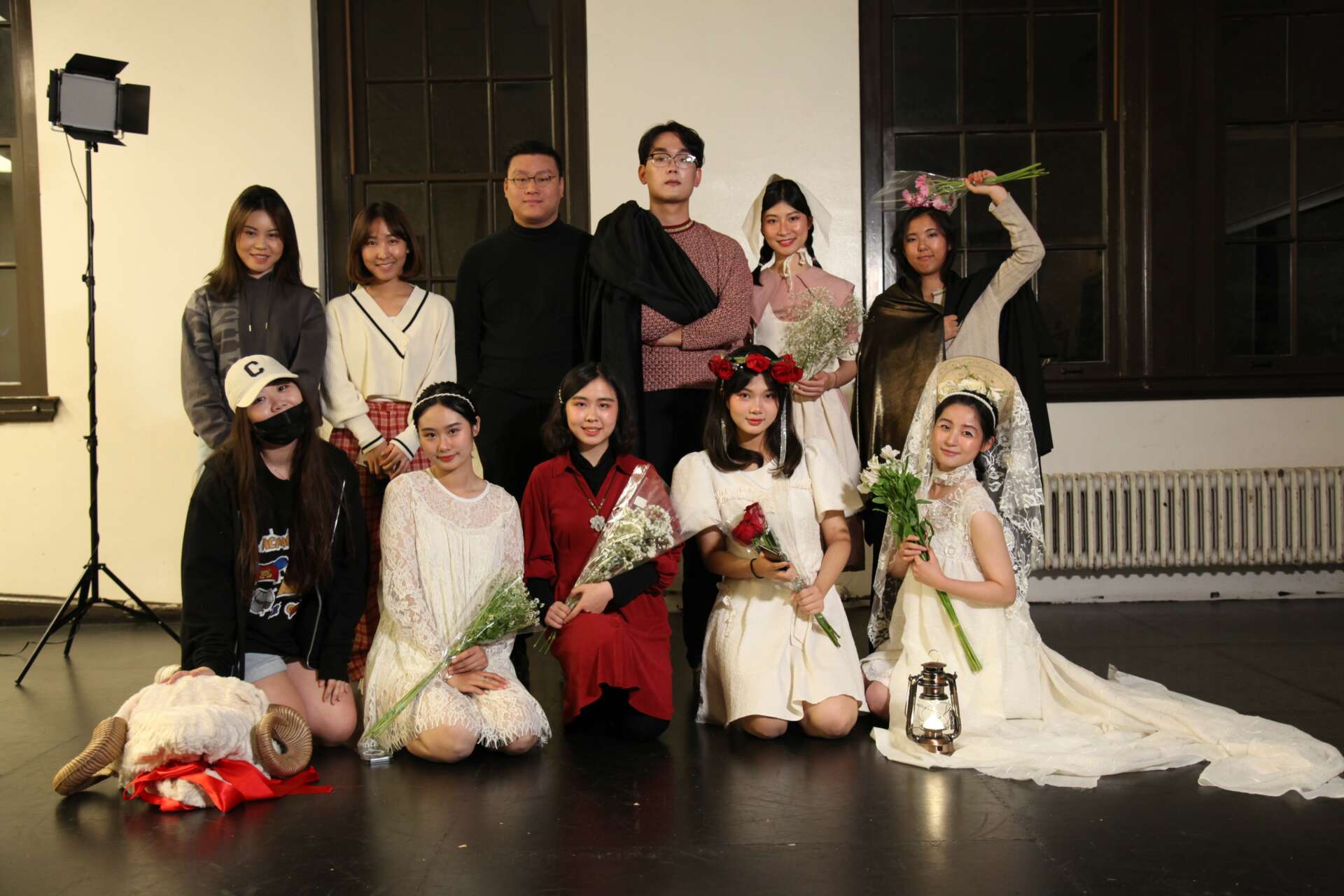
Contact Info:
- Website: https://www.behance.net/miaochen_98
- Instagram: https://www.instagram.com/mariah_miaochen?igsh=YTQwZjQ0NmI0OA%3D%3D&utm_source=qr
- Facebook: https://www.facebook.com/miao.chen.5458498?mibextid=2JQ9oc
- Linkedin: https://www.linkedin.com/in/miao-chen-19b030220/
Image Credits
Glannon Xuan Luo, Leslie Qian Huang, Ray Ruien Zhang, Tianqi Wang, Tingting Lyu, Yida Zhao, Ziqi Li