

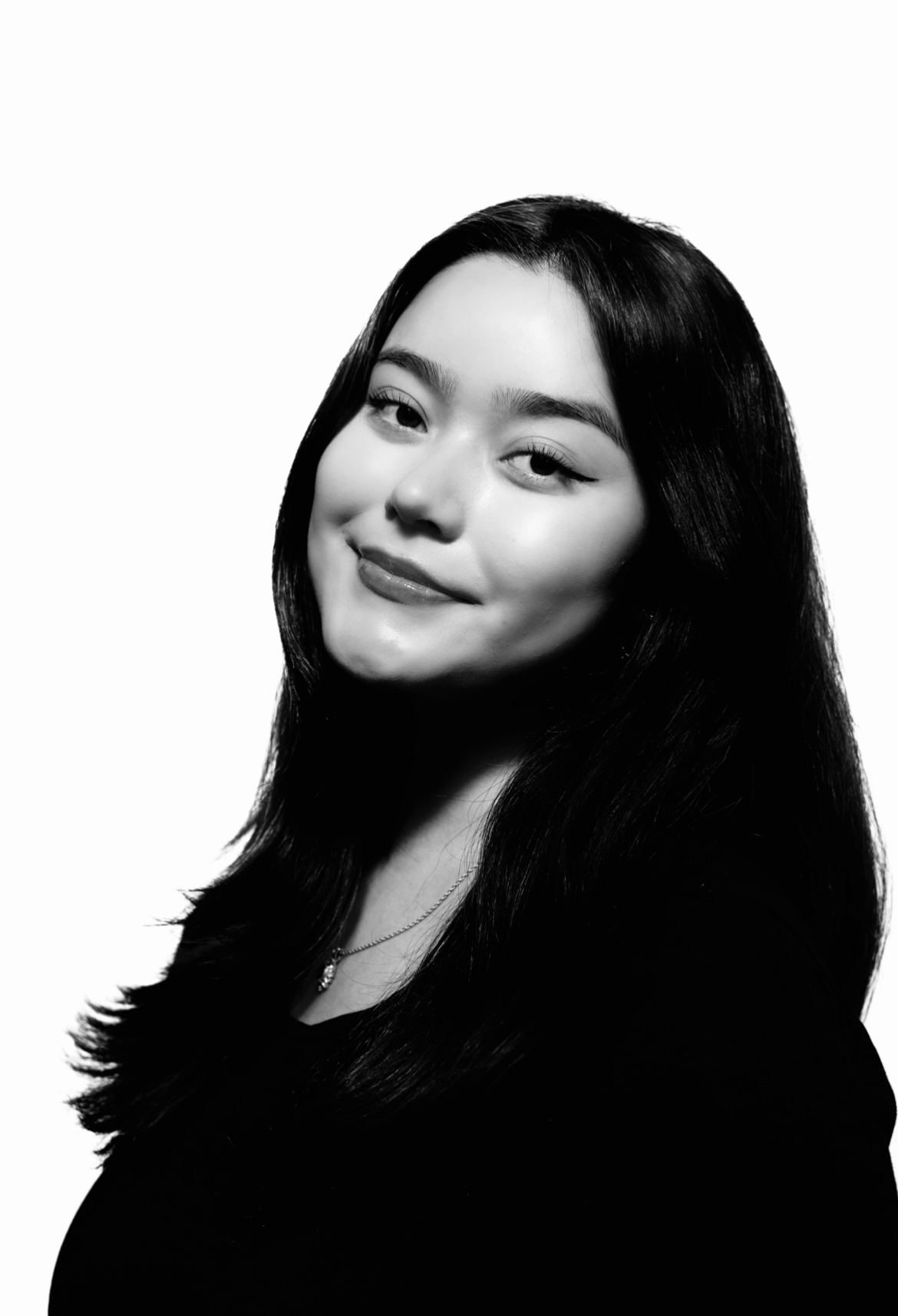

We caught up with the brilliant and insightful Mia Paul a few weeks ago and have shared our conversation below.
Mia, thanks for taking the time to share your stories with us today Did you always know you wanted to pursue a creative or artistic career? When did you first know?
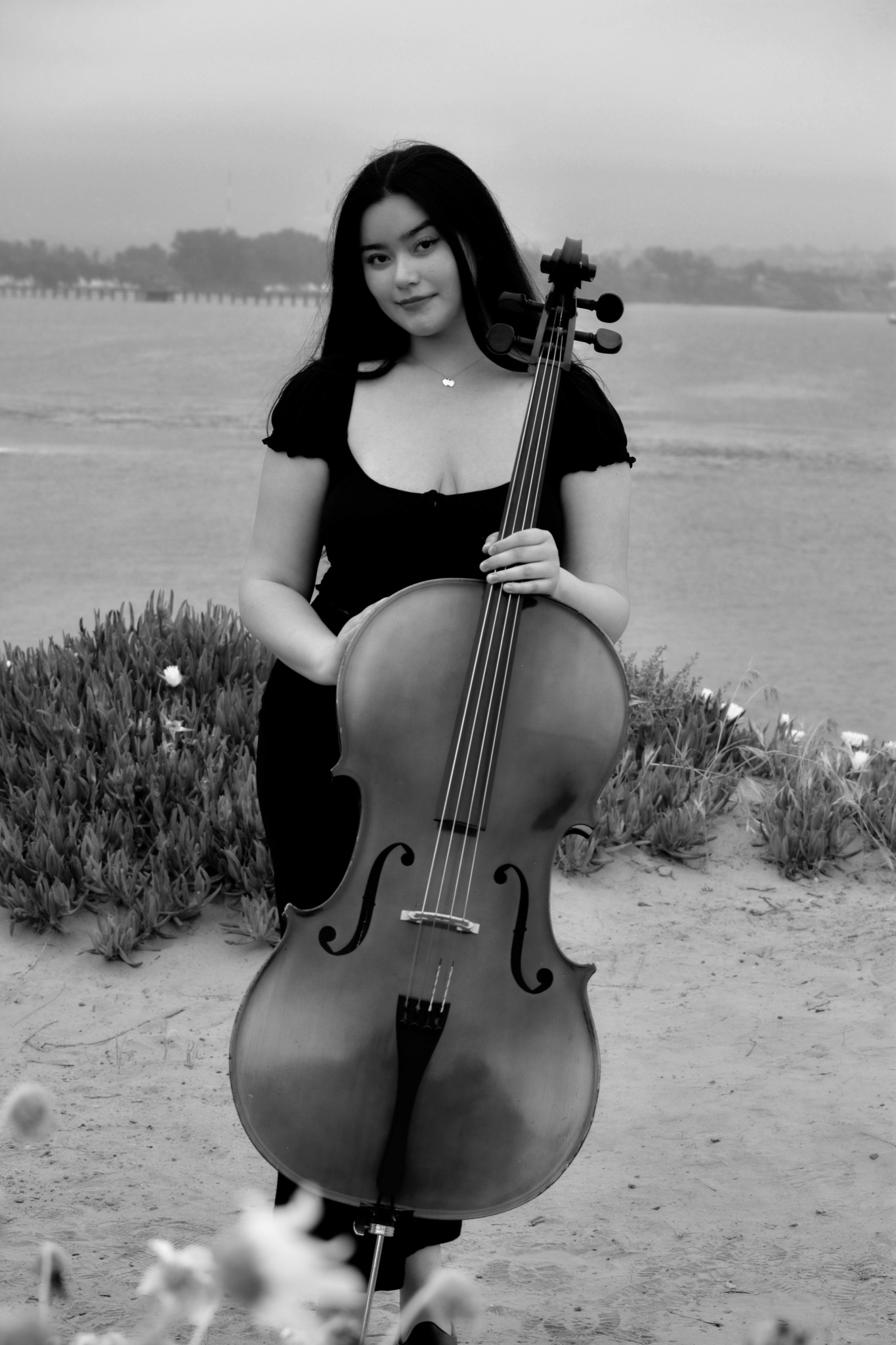
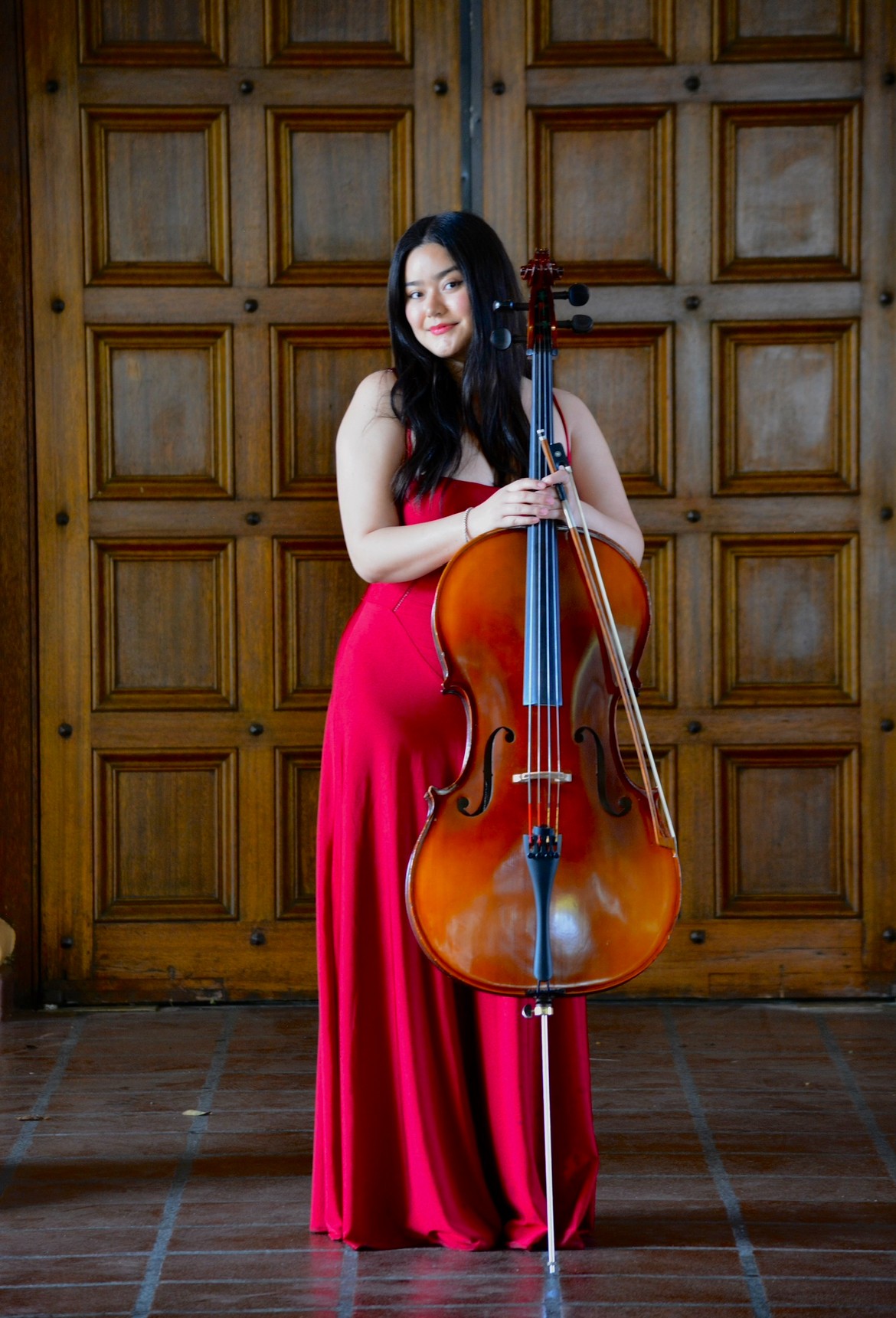
Growing up with professional musician parents, I naturally gravitated towards the world of Western classical music at an early age. Beginning with voice and piano, I learned music theory and how to create a musical phrase. I began studying the cello at the age of eight through my elementary school’s music program. I fell in love with the similarity between the cello’s resonance and the human voice.
I’ve had multiple moments in my life where I have felt the desire to pursue cello professionally. One of these first moments was through my experience as the Principal chair of the CSUN Youth Philharmonic Orchestra during my time in high school. Being a part of a large philharmonic orchestra inspired me to become a stronger cellist. I felt a new sense of confidence being a part of a large ensemble, and from that point on, I realized that I desired to be a member of a large professional orchestra. I’ve been in numerous orchestral ensembles from the start of my cello studies — ranging from school orchestras to youth orchestras to professional local ensembles.
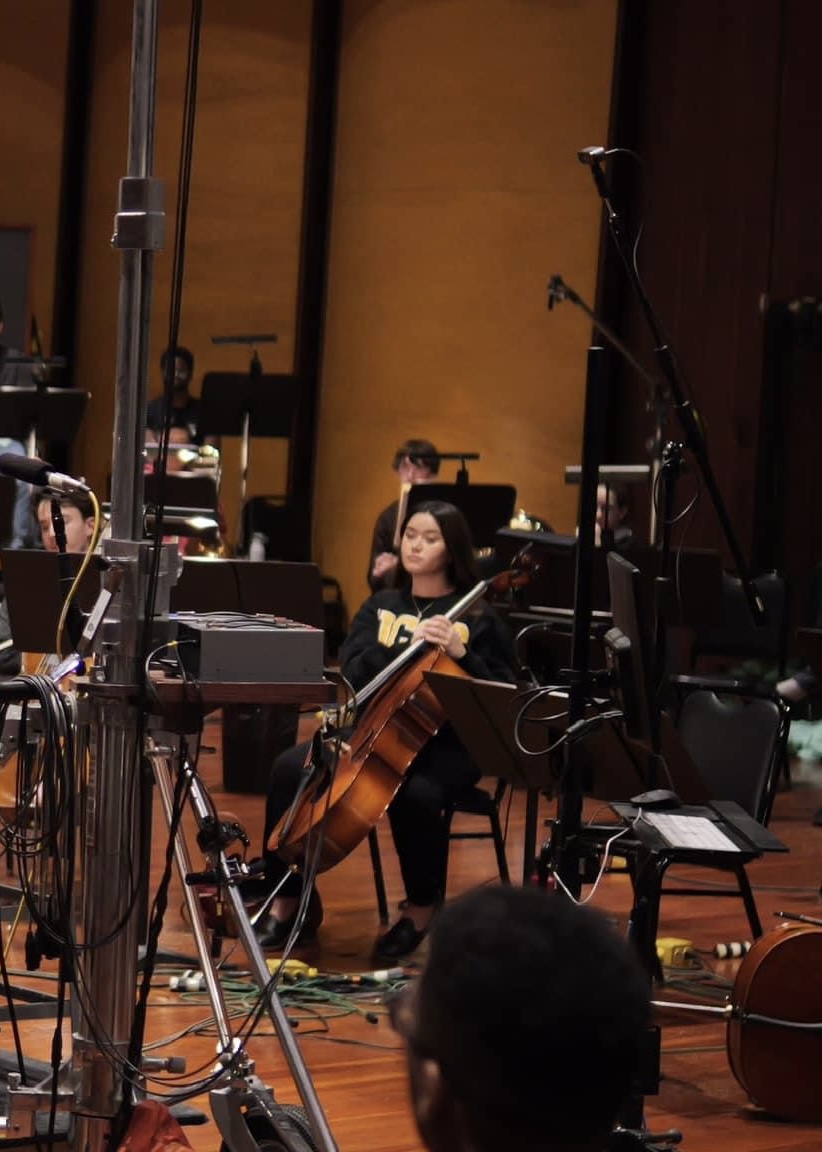
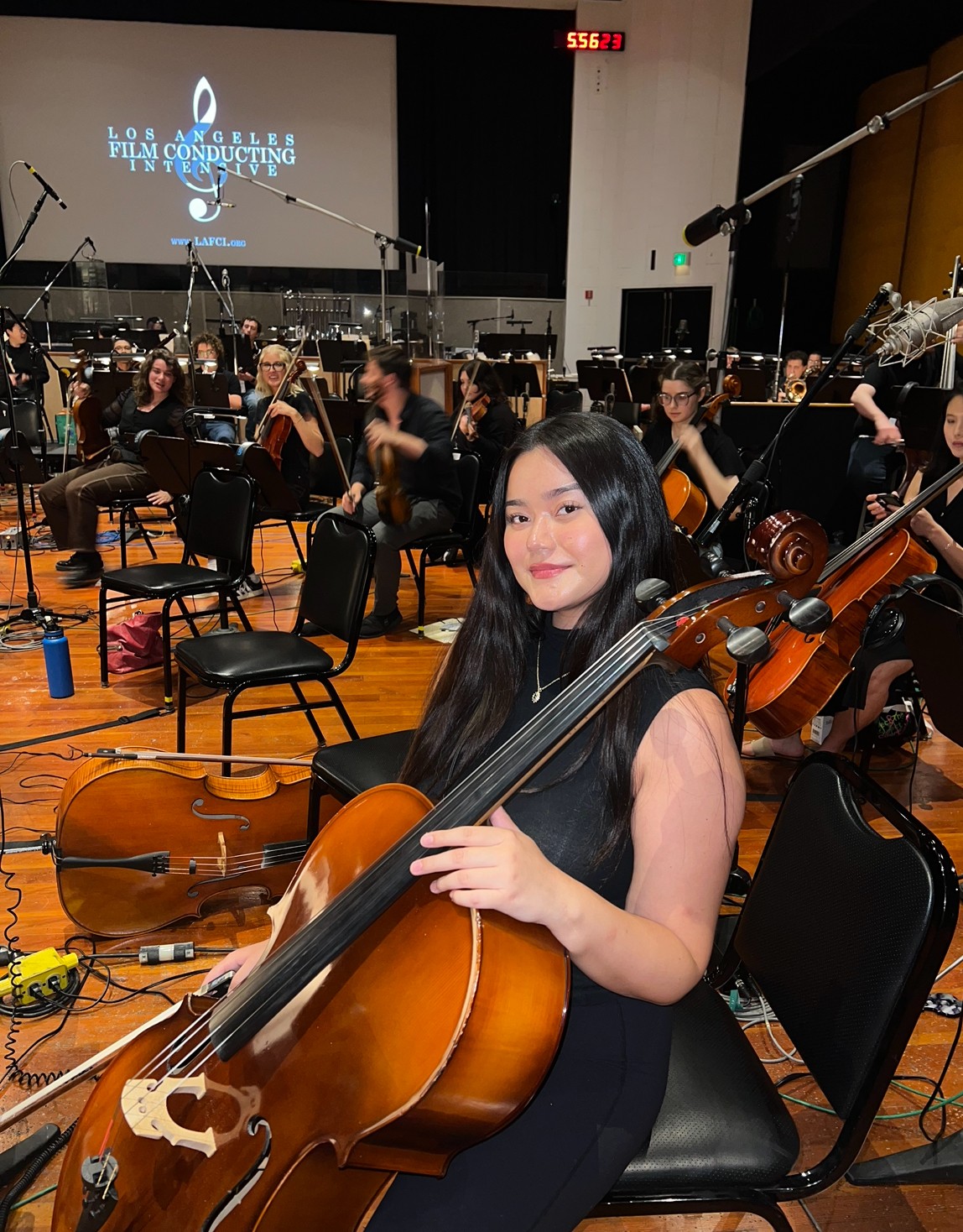
Through the Los Angeles Film Conducting Intensive’s Studio Intensive at Warner Bros. Studios, I learned how the studio recording environment works in the film music industry. I had such an incredible opportunity to record at the Eastwood Scoring Stage, working under Andrew Schulman, Angel Velez, Dennis Sands, Tom Hardisty, Rickey Minor, and Tito Puente Jr. This experience ignited my desire to work as a studio recording musician for movie soundtracks. I am hoping to fulfill this passion of mine after receiving my Master’s degree.
Mia, before we move on to more of these sorts of questions, can you take some time to bring our readers up to speed on you and what you do?
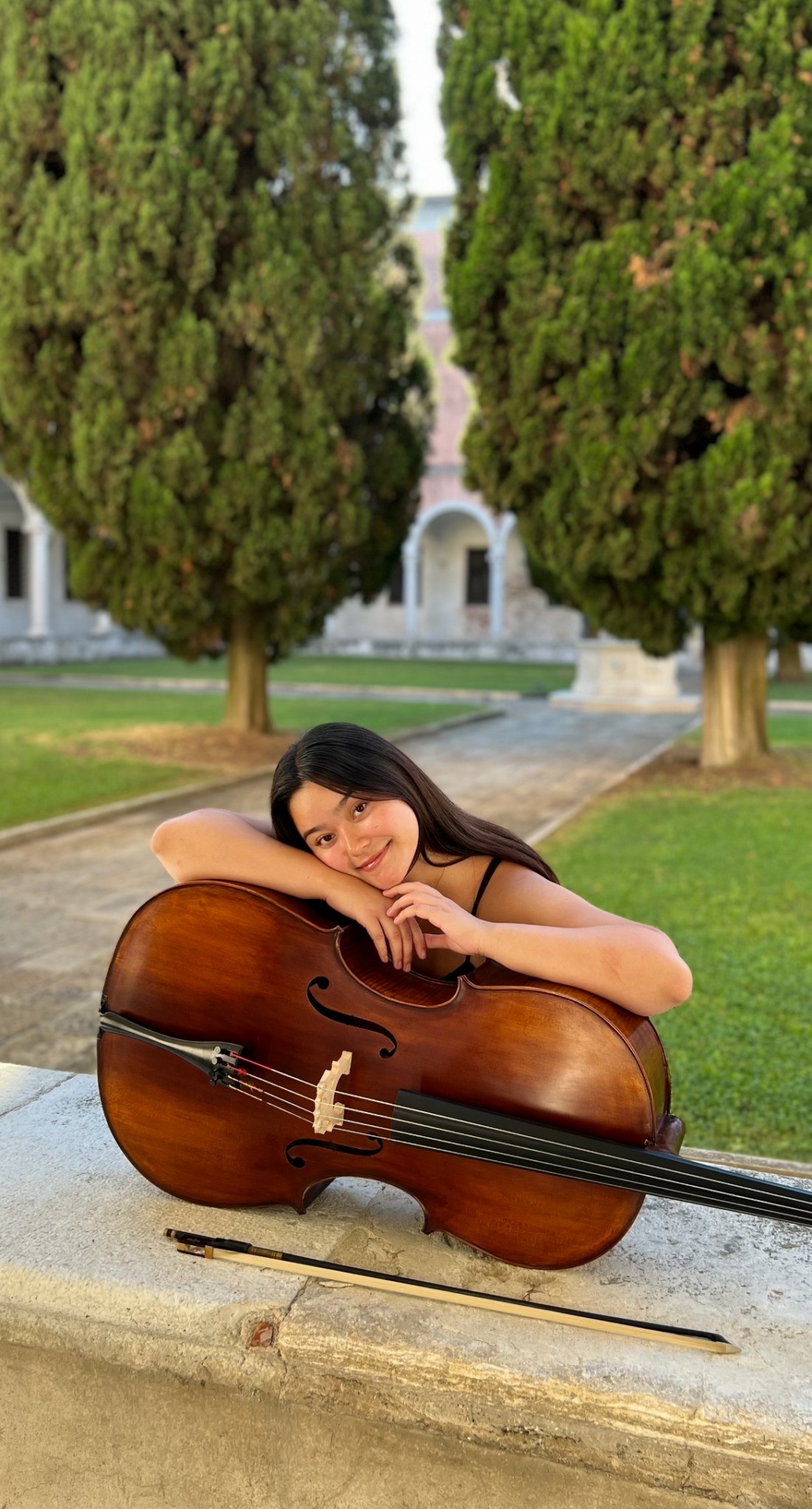
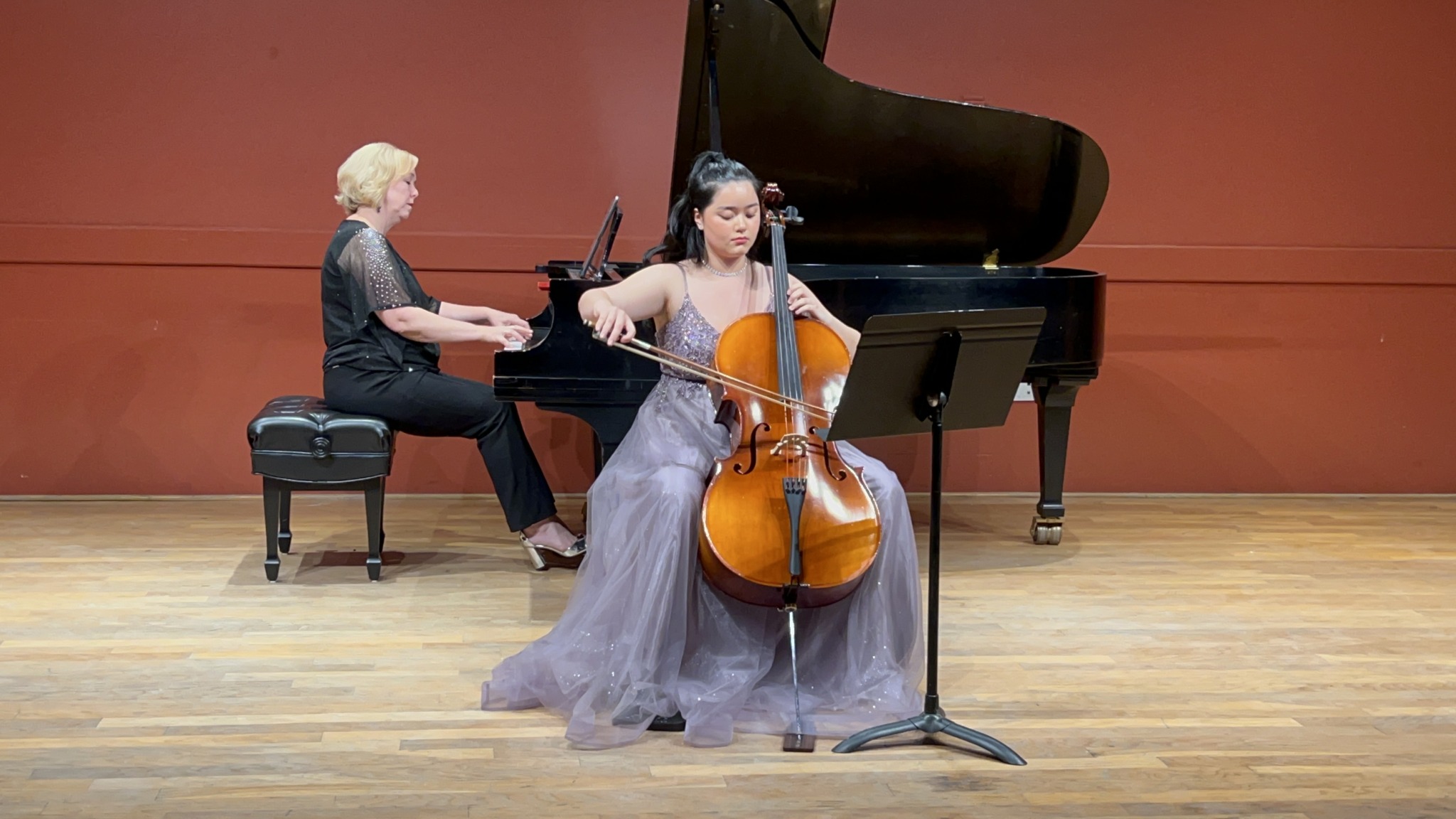
I have been playing cello for 13 years and am involved in solo, chamber, and orchestral music. I am a rising fourth year student at the University of California, Santa Barbara, majoring in Cello Performance and minoring in Professional Writing. I am currently studying with Professor Jennifer Kloetzel. Notable ensembles I have partaken in include the San Louis Obispo Symphony, Santa Barbara Chamber Players, Ensemble Theatre Company Santa Barbara, and the Winter Solstice Chamber Orchestra at the Granada Theatre. I have performed at the Fondazione Giorgio Cini in Venice, Italy with Joëlle Léandre, Abbie Conant, Daan Vandewalle, and Nicholas Isherwood. In live on-stage productions, I have had the opportunity to accompany Wilson Phillips and the Ace Trio.
At UC Santa Barbara, I am involved in the UCSB Chamber Ensembles, Chamber Orchestra, Ensemble for Contemporary Music, as well as UCSB’s Production of Mozart’s Magic Flute. I have performed for the soundtracks of two short films for UCSB’s Reel Loud Festival: Reminiscence and Fleeting (winner of the Scott Wells’ Golden Reel Award & Audience Choice Award). During the weekends, I instruct Santa Barbara youth musicians in the Santa Barbara Symphony’s Youth Camerata and Philharmonia. I helped to prepare students for their 2023 holiday concert with Grammy-winners Time for Three. Outside of music, I am the Executive Assistant for the Associated Students Office of the President, President of Harmonic Youth Orchestra — UCSB Chapter, Member Engagement Coordinator of Crescendo for a Cause — UCSB Chapter, a student of the Letters and Sciences Honors Program, and an undergraduate research assistant in the Music and Brain Cognition Lab.
What’s the most rewarding aspect of being a creative in your experience?
The most rewarding aspect of being a cellist is having the ability to emotionally move an audience. I volunteered at a nursing home and performed the prelude from Bach’s Cello Suite No. 2, Prelude. Following my performance, an elderly woman approached me. She was in tears when explaining that the piece I performed was the same piece that her husband used to play for her before he passed. She expressed how the music made her feel as though he was still in the room with us. This experience changed my perspective on music, and allowed me to realize how much power a musician has in altering a person’s emotions. I think it is incredibly important to utilize music to help my community, whether that is through volunteering at nursing homes, hospitals, or elementary schools.
Is there something you think non-creatives will struggle to understand about your journey as a creative?
Many non-musicians do not realize how much time and hard-work a classical musician needs to dedicate towards their instrument. A portion of how well a musician can perform is due to talent; however, a majority of that mastery is through hours and hours of practice. It is essential for classical musicians to practice at the very least 2-hours a day to simply maintain all of the technique that has been learned over a series of years. However, it is typical for students to be in the practice rooms for 4-6 hours each day. This is outside of ensemble rehearsals and lessons. Music students at the university or conservatory level are in the music building for roughly 9-13 hours, with minimal breaks. This is why it is so important to take care of your body. Oftentimes, students forget to make time to eat, drink water, exercise, or get an adequate amount of sleep. Self-care is extremely important for classical musicians, especially when recognizing how delicate our bodies are.
Contact Info:
- Instagram: https://www.instagram.com/miagwaipaul/profilecard/?igsh=MzRlODBiNWFlZA%3D%3D
- Linkedin: https://www.linkedin.com/in/mia-paul-07b31b220?utm_source=share&utm_campaign=share_via&utm_content=profile&utm_medium=ios_app https://www.linkedin.com/in/mia-paul-07b31b220?utm_source=share&utm_campaign=share_via&utm_content=profile&utm_medium=ios_app
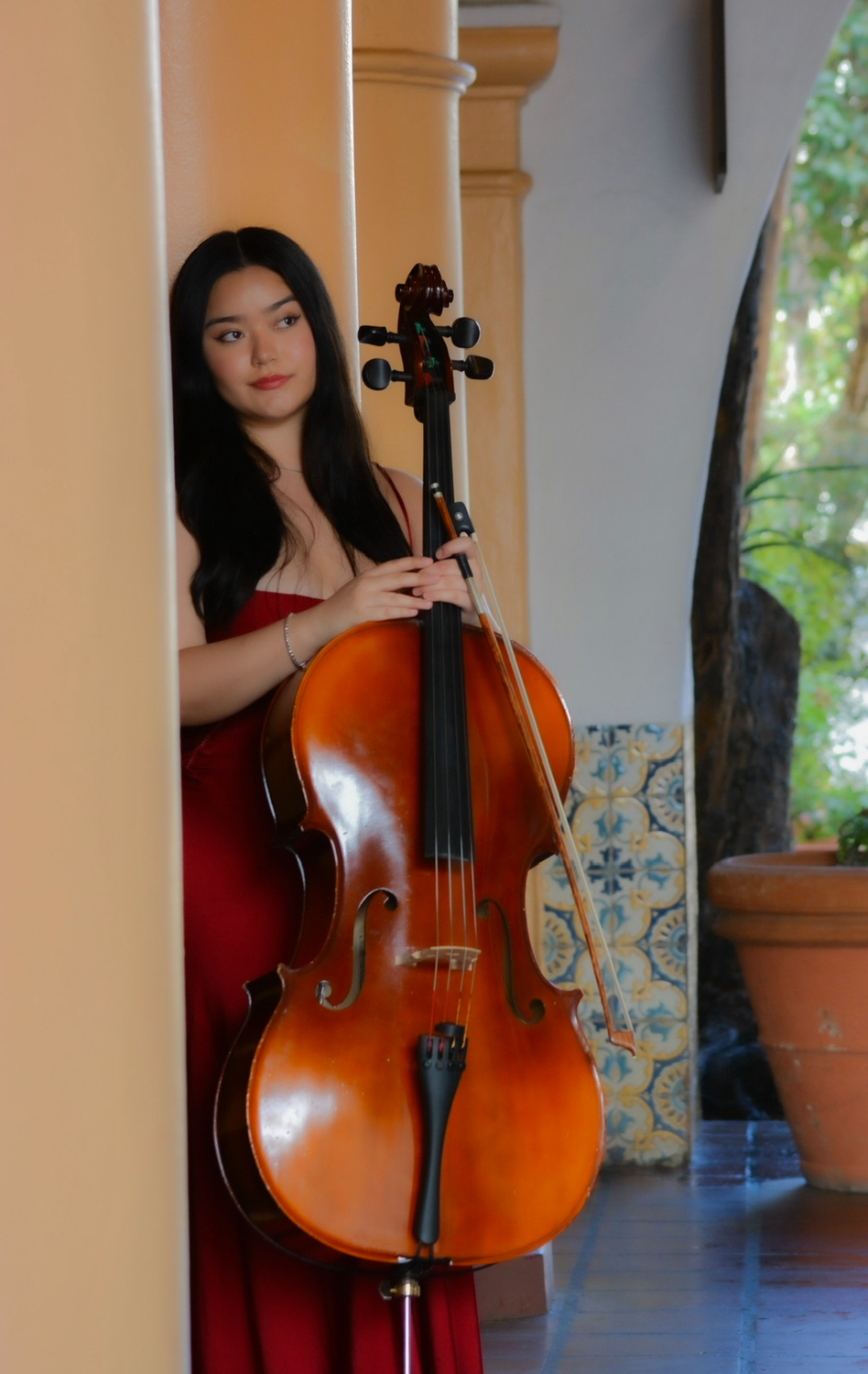
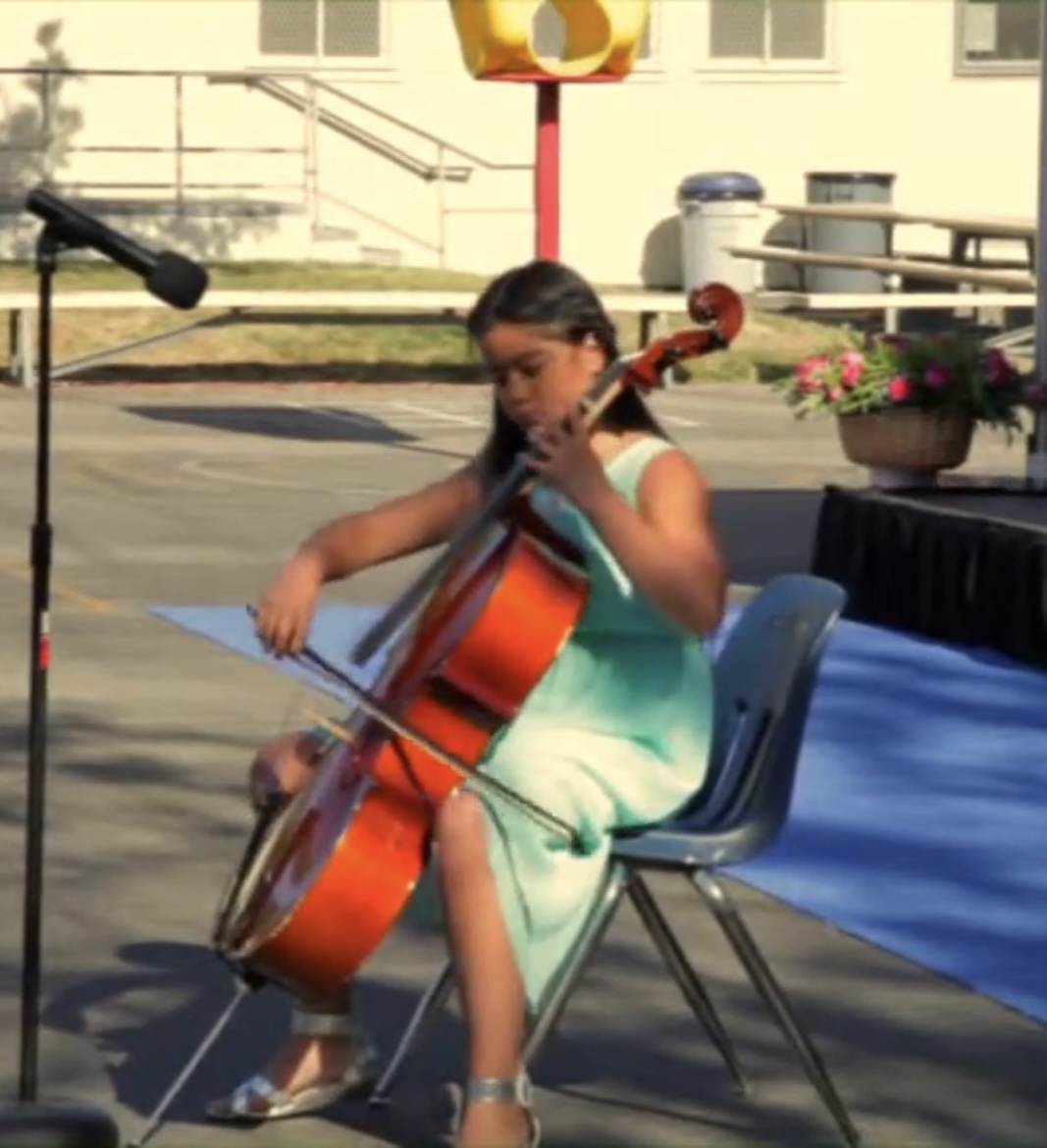
Image Credits
Derek Peng, DONTEVA, Agnes Chu, Michael Paul