

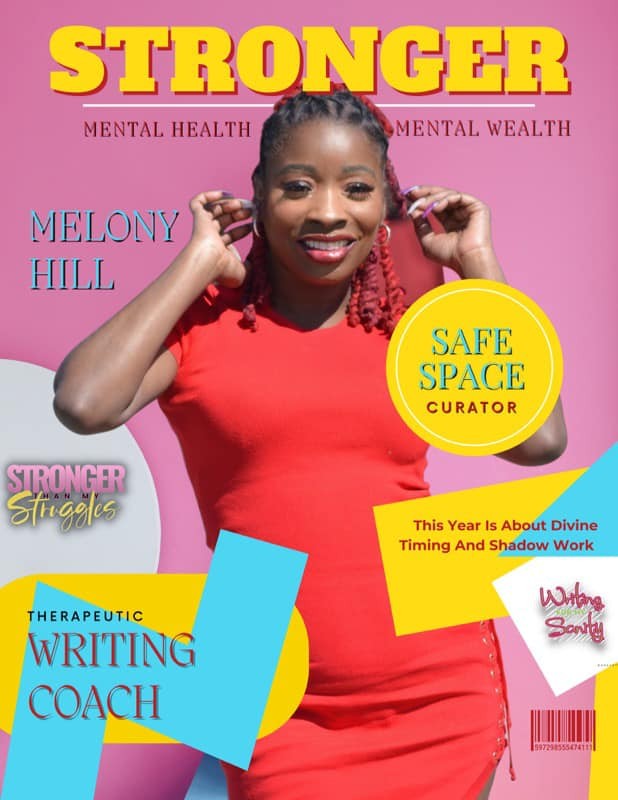

We caught up with the brilliant and insightful Melony Hill a few weeks ago and have shared our conversation below.
Melony, looking forward to hearing all of your stories today. If you had a defining moment that you feel really changed the trajectory of your career, we’d love to hear the story and details.
Coming from a dysfunctional home, rife with struggle and abuse, I have always struggles with emotional and mental issues. I remember vividly waking up from My first blackout at only the age of 6, one week after witnessing my stepfather’s murder in our home. I got in trouble when I got home, my mother sure that I must be lying about not knowing how to get home.
The following years were filled with other odd occurrences of memory loss, finding myself in strange places and more. No one suggested mental help or therapy as it was taboo in the Black community. It wasn’t until I was nearly 26 years old an d fell into a deep state of agoraphobia while at someone else’s home, that I was forced into therapy.
At the time, I was a webcam model, selling My body online to the highest bidder, at that point in life, I thought my looks and body were all I had to offer.
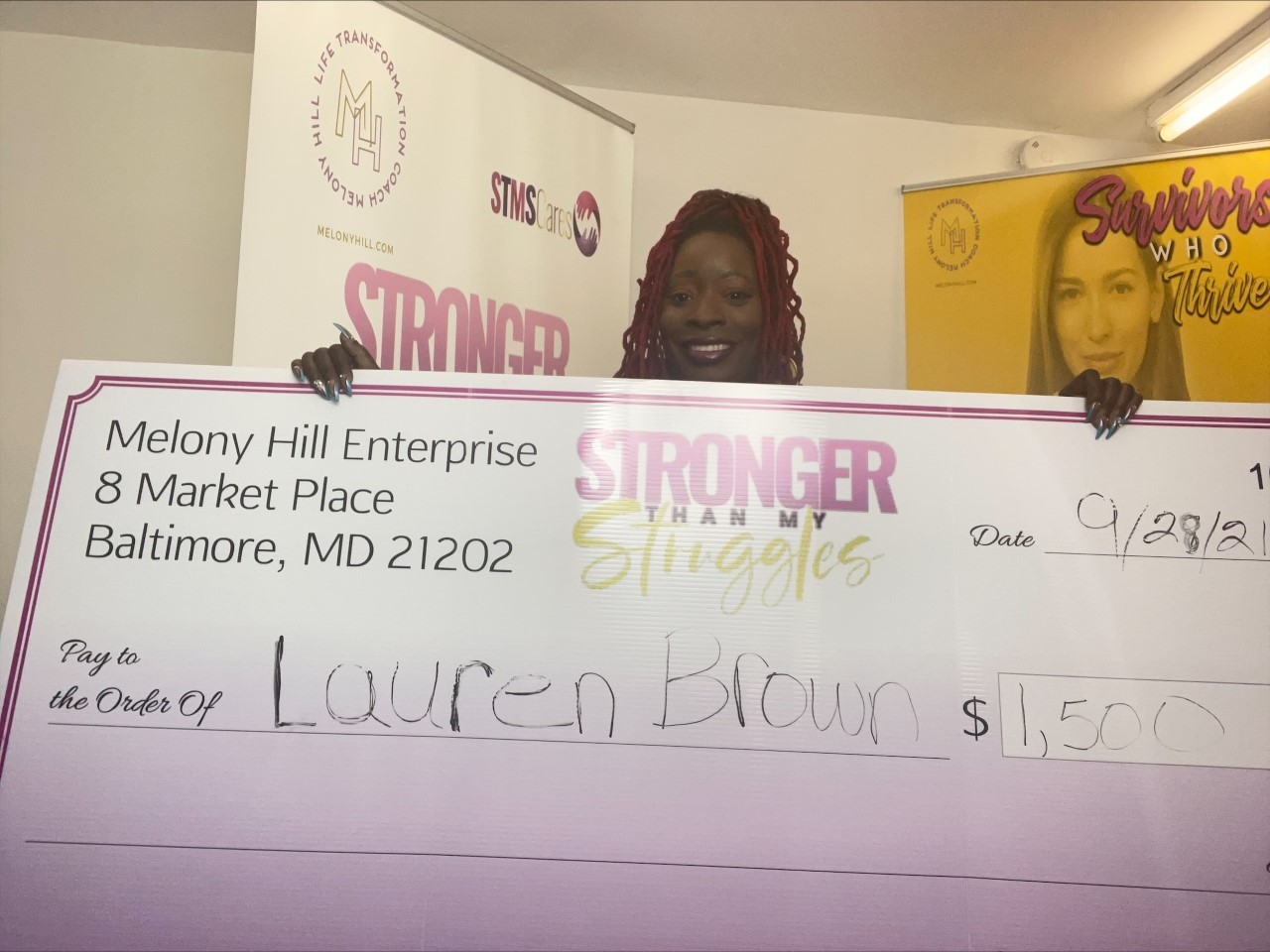
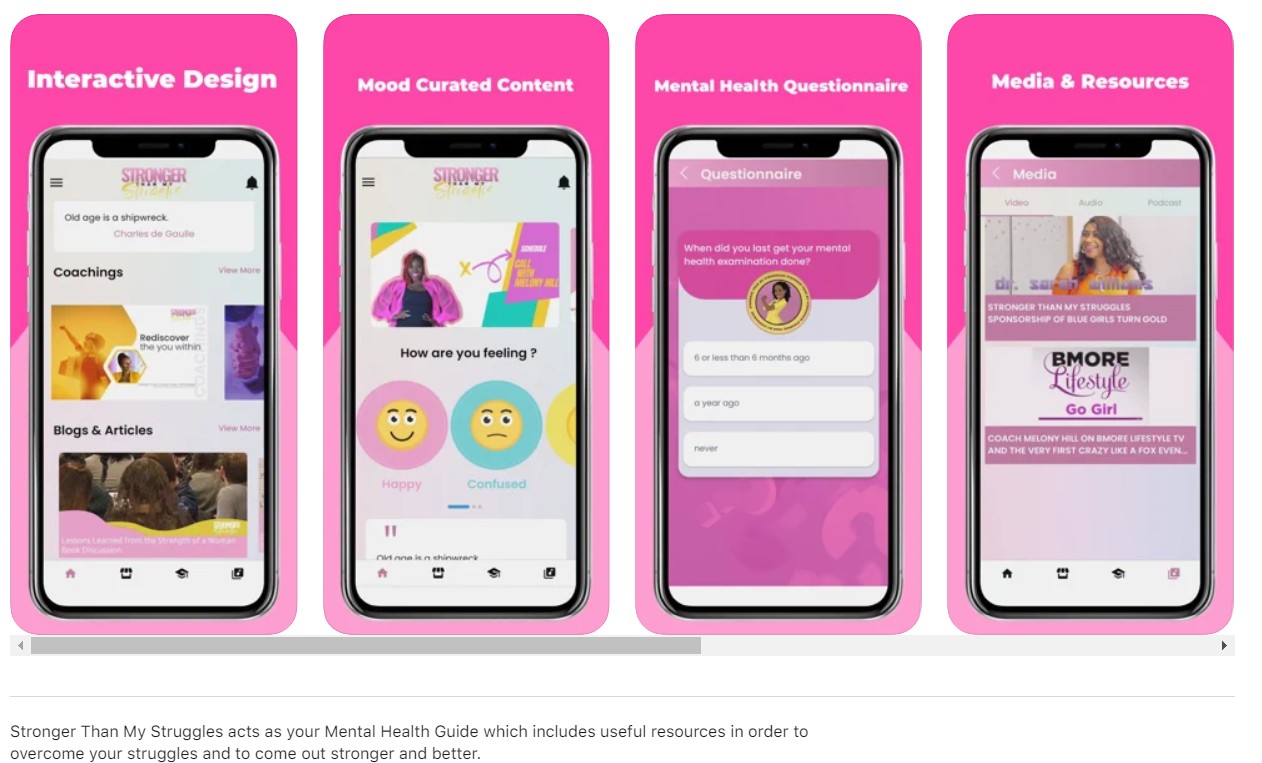
It wasn’t until 7.5 years of therapy, at times, 3 days a week, for me to find value in myself and realize how much my abusive and unstable childhood had led to dysfunction as an adult. Within a year of leaving therapy, I had created Stronger Than My Struggles to connect with other survivors, especially of color to let them know that therapy and other mental health treatments were okay for us too.
Melony, love having you share your insights with us. Before we ask you more questions, maybe you can take a moment to introduce yourself to our readers who might have missed our earlier conversations?
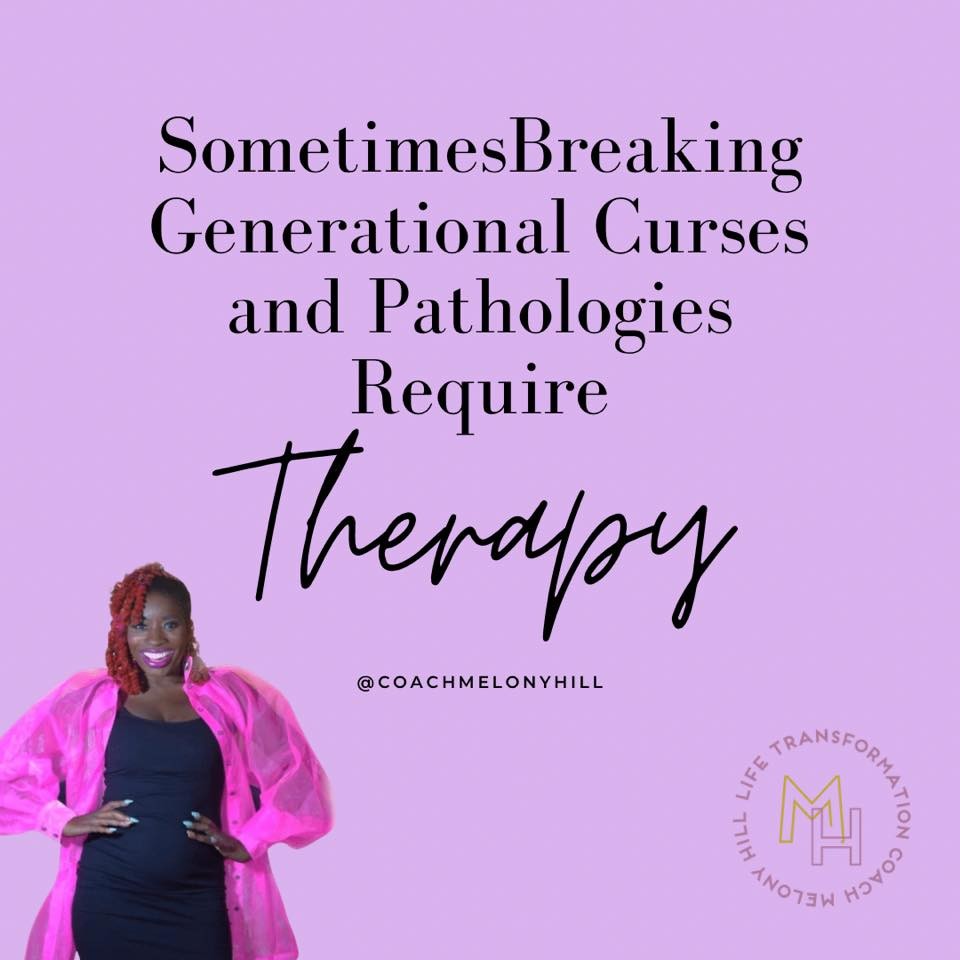
In 2009, I was declared legally emotionally disabled, which I didbn’y know was a thing. I had been diagnosed with dissociative identity disorder, ptsd, depression, anxiety disorder and fibromylagia. Since then, lupus and epilepsy have been added t the list. Through my own journey share a story and mission of being stronger than one’s struggles from a perspective not often heard, allowing others to feel safe doing the same.
As a safe space curator, I’ve made it my mission to free the Black community specifically from the culture of “what happens in this house stays in this house.” The work I do is to help generational trauma that lead to depression, anxiety, and other mental and emotional instabilities
One of the most successful programs that I have created, Writing for My Sanity, is a 3 hour long, international weekly therapeutic writing workshop I’ve led since 2017. Once an in-person event, the pandemic forced us online where we expanded to the Netherlands, Australia, Canada, The UK and beyond. I’ve had the opportunity to teach this class for organizations such as local HBCU’s and the NAMI, the largest mental health non-profit in America.
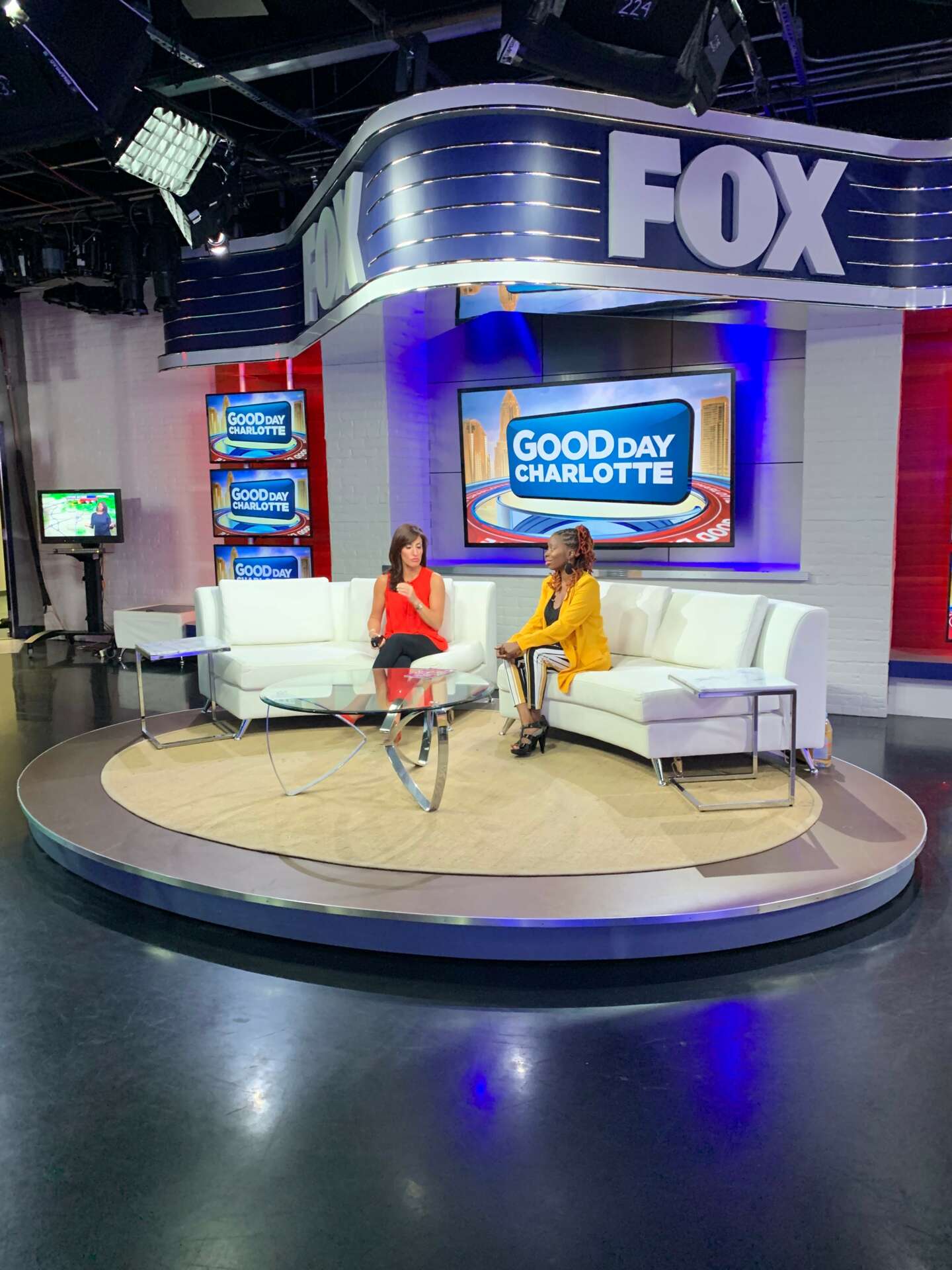
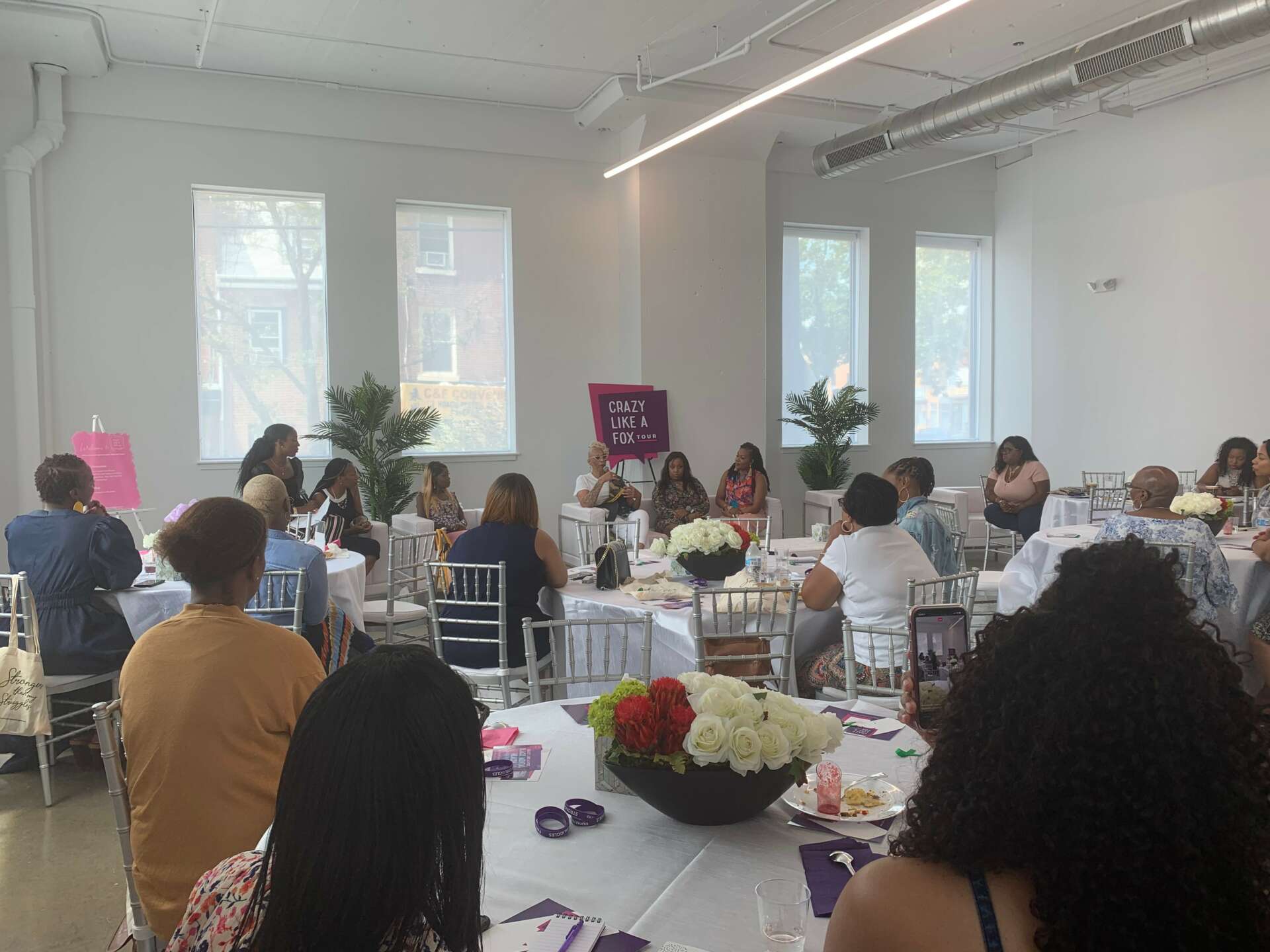
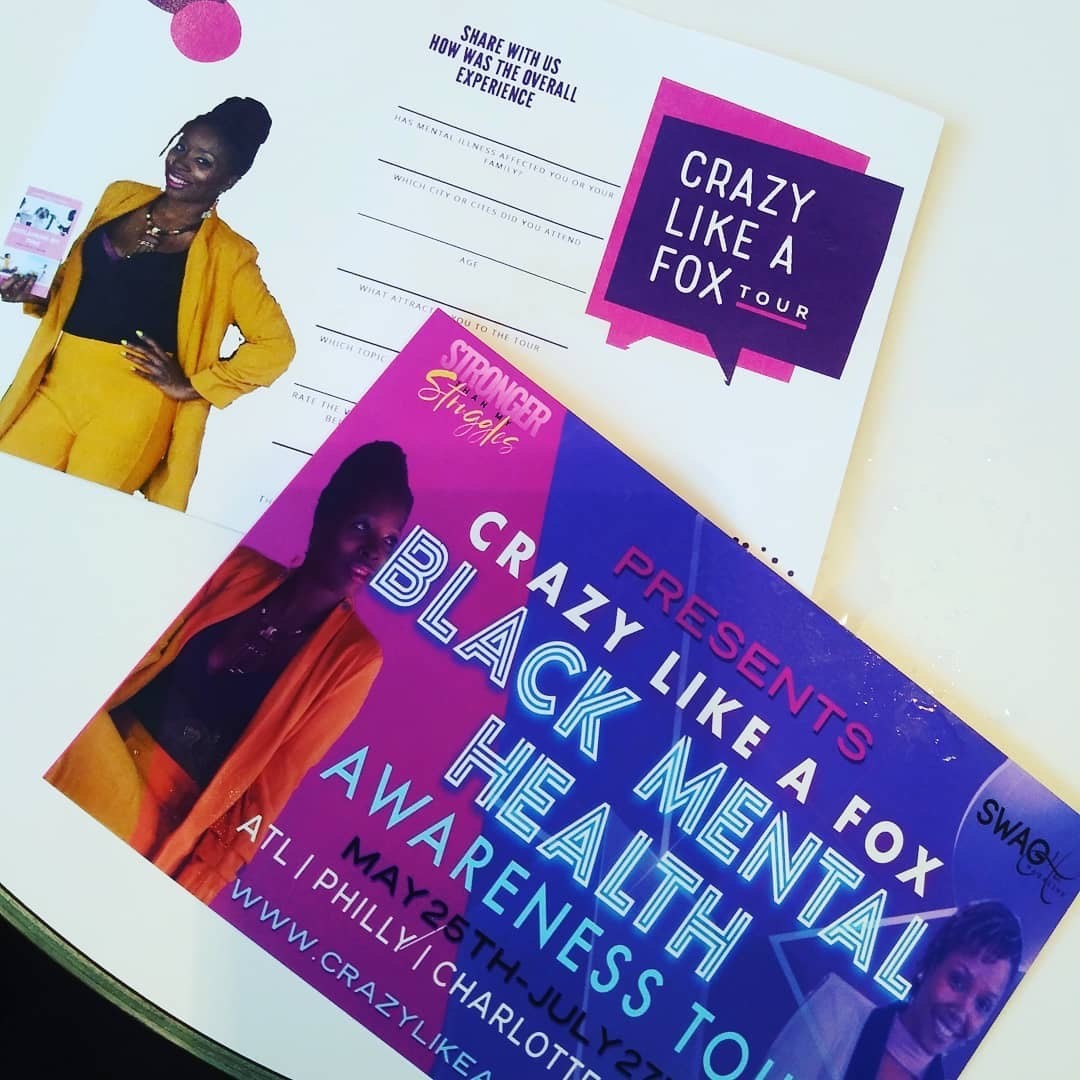
Under the STMS brand, we have empowered survivors of all walks of life to share their stories via our published anthologies, website and social media as well as our 4-city Crazy Like A Fox, Black mental health awareness tour. The Crazy Like A Fox Tour found us in cities up and down the east coast as we highlighted 30 Black women and their struggles and successes in battling various mental and emotional illnesses.
In My capacity as a Life Transition Coach for survivors, I’ve had the pleasure of personally walking many survivors through their transition from a life they felt stuck in, to the lives they desired and deserved. We at STMS believe that survivors want more than to live, they want to thrive and we’re here to help.
What’s a lesson you had to unlearn and what’s the backstory?
On e of the hardest things I had to unlearn is keeping my silence. it’s something that many survivors, like myself were taught or often, forced to do. As a survivor, you form a sense of resiliency, you may have even tried to speak out and felt ignore or invalidated; it shuts you back up. In your mind, you create stories of how no one wants to hear or will even care about your problem. Abusers count on that; I had to learn that it was never too late to tell my truth. I spend a lot of time convincing other survivors of the same.
I also had to remember to give myself and other survivors grace, just because parts of trauma are disclosed doesn’t mean the whole story is out. Some disclose different pieces to different people based on relationships and comfort levels. Though I’ve been screaming my truths from the rooftops for years now, I recently just sat down with my dad to disclose things I still hadn’t told him in over 20 years.
We’d love to hear a story of resilience from your journey.
One of the hardest thins I do now is survive and share My story of struggle publicly. Social media has a way of letting people see what they want to see. If you look at My life online, it appears I am healthy and stable, live a life full of material possessions and rarely speak of lacking anything.
The old Me would love that image, but not today. I use My personal journey and struggles with functioning with multiple physical, emotional and mental disorders daily. I spent so many years trying to hide my sickness, denying my illnesses, disappearing from friends and events. It made me seem un reliable and lazy, I hated those labels but thought they were better than being “sick” or even worse “crazy”
Today I highlight my journey, good and bad days, for others who hide their shame. I want them to know we’re all struggling and sharing my story of battling pills, doctors, family dynamics, while attempting to be a productive person, good parent etc, let’s others feel less shame in their journey.
I don’t feel Stronger Than My Struggles every day, but every day that I wake up, I realize that I am.
Contact Info:
- Website: http://www.strongerthanmystruggles.com/social
- Instagram: http://www.instgram.com/strongerthanmystruggles
- Facebook: https://www.facebook.com/StrongerThanMyStruggles
- Linkedin: https://www.linkedin.com/in/melonyhill/
- Twitter: http://www.twitter.com/stmsbmore
Image Credits
Cayne Clarke