
We caught up with the brilliant and insightful Melody Chen a few weeks ago and have shared our conversation below.
Melody, thanks for taking the time to share your stories with us today When did you first know you wanted to pursue a creative/artistic path professionally?
I was born and raised in Shanghai, and I’ve lived there for most of my life until I went to college.
I spent a lot of time alone at home growing up, especially during winter and summer breaks. So, what can a kid do when they’re home alone? Watch TV, of course! Back then, people still watched live TV channels, and I was always glued to Japanese anime that was dubbed in Mandarin. In a way, it was my first introduction to visual storytelling.
Two shows that had a big impact on me, and that I still love today, are Saint Tail and Cardcaptor Sakura. Both were about middle school girls who led double lives—during the day, they were regular students, but by night, they transformed into girls with magic. I found it very fascinating.
When I was 12, my parents got divorced, and drawing became my hobby, as well as a way for me to express myself. I wasn’t very comfortable using words to communicate my feelings, so art became my outlet. My parents noticed my talent for drawing, so they sent me to a local art studio to learn the basics of sketching. I think most people who have studied art in China probably went through a similar experience. Back then, it was all about drawing plaster models and copying references—pretty boring stuff at the time. But looking back, I’m really grateful for that foundational training, because it’s been so useful even now in creating my own work.
Art continued to be a hobby for me until I was about to graduate from middle school. At that point, I had to make a big decision: should I go to an international high school or stay in the local school system? It also felt like I had to choose my future career path right then. I kinda did well academically, but honestly, the only thing I really enjoyed or felt passionate about was drawing. Plus, I wasn’t a fan of the way art is taught in China. So, I decided to study abroad, and that’s when I knew that art would be a part of my life forever.
During high school, I discovered even more anime, and I want to mention a few that were particularly important to me:
BLEACH—It was the first and only long-running anime that I actually finished.
EVA (Neon Genesis Evangelion)—A product of Japan’s post-bubble era in the late ’90s, it reflects the uncertainty and helplessness of the younger generation in Japan at that time. The story explores deep themes like the meaning of human existence, loneliness, psychological trauma, and self-identity.
Steins;Gate—the story is about the main character and his friends get caught up in conspiracies and dangers surrounding time travel. It dives into themes like time, fate, and the consequences of changing the past, while also exploring friendship, sacrifice, and responsibility.
Mononoke—The first time I watched it, I was captivated by its highly artistic animation and unique cinematography.
Incarnation—This is my favorite 3D Chinese animation. It’s set in a future where human civilization is on the verge of extinction due to a disaster. The survivors live in an airborne refuge called ‘The Lighthouse,’ and the protagonists must face mysterious creatures on the ground, power struggles within, and attempt to uncover the truth behind the catastrophe to save humanity.
After watching so many different anime, spanning various themes and time periods, I realized that anime isn’t just something for kids. Some of the best anime out there rival films in terms of production quality and depth of meaning.
Then, I went on to USC for my Fine Arts undergrad. Some of you might wonder why I didn’t go to another art school like SVA or Pratt or Parsons to study illustration. Honestly, there were a lot of factors that influenced my decision, which I’ll mention later. But the main reason was that my parents wanted me to attend a university with a higher ranking and greater reputation. Plus, at a comprehensive university, they think that I would have access to completely different fields, like business, social sciences, and sciences, which could mean more job opportunities in the future. In the eyes of many Asian parents, finding a stable job and earning money is more important than following your passion.
The fact was, I didn’t really explore other majors during my undergrad, but the experience at USC indeed exposed me to more traditional art forms that I hadn’t paid much attention to before. Instead of just focusing on the pop culture that had influenced me for so long, I learned about classical paintings, sculptures, and conceptual art. This definitely deepened my appreciation for the importance of concepts behind the art I create.
Melody, love having you share your insights with us. Before we ask you more questions, maybe you can take a moment to introduce yourself to our readers who might have missed our earlier conversations?
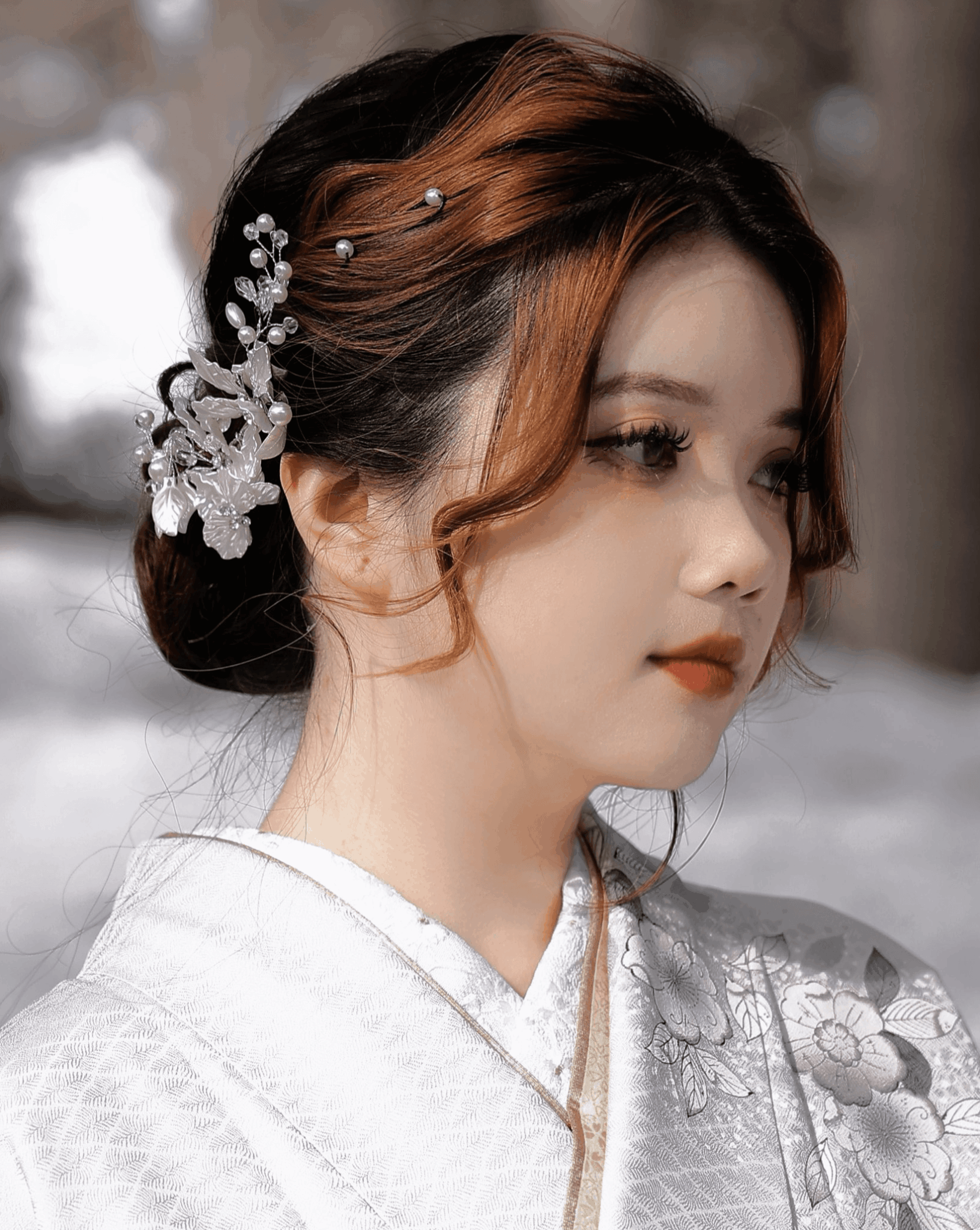
I’m Melody (Yiru) Chen, born in 2001, and I’m a feminist artist based in New York. I earned my BFA in art from USC Roski, and currently, I’m working towards my MFA degree in the SVA Illustration program.
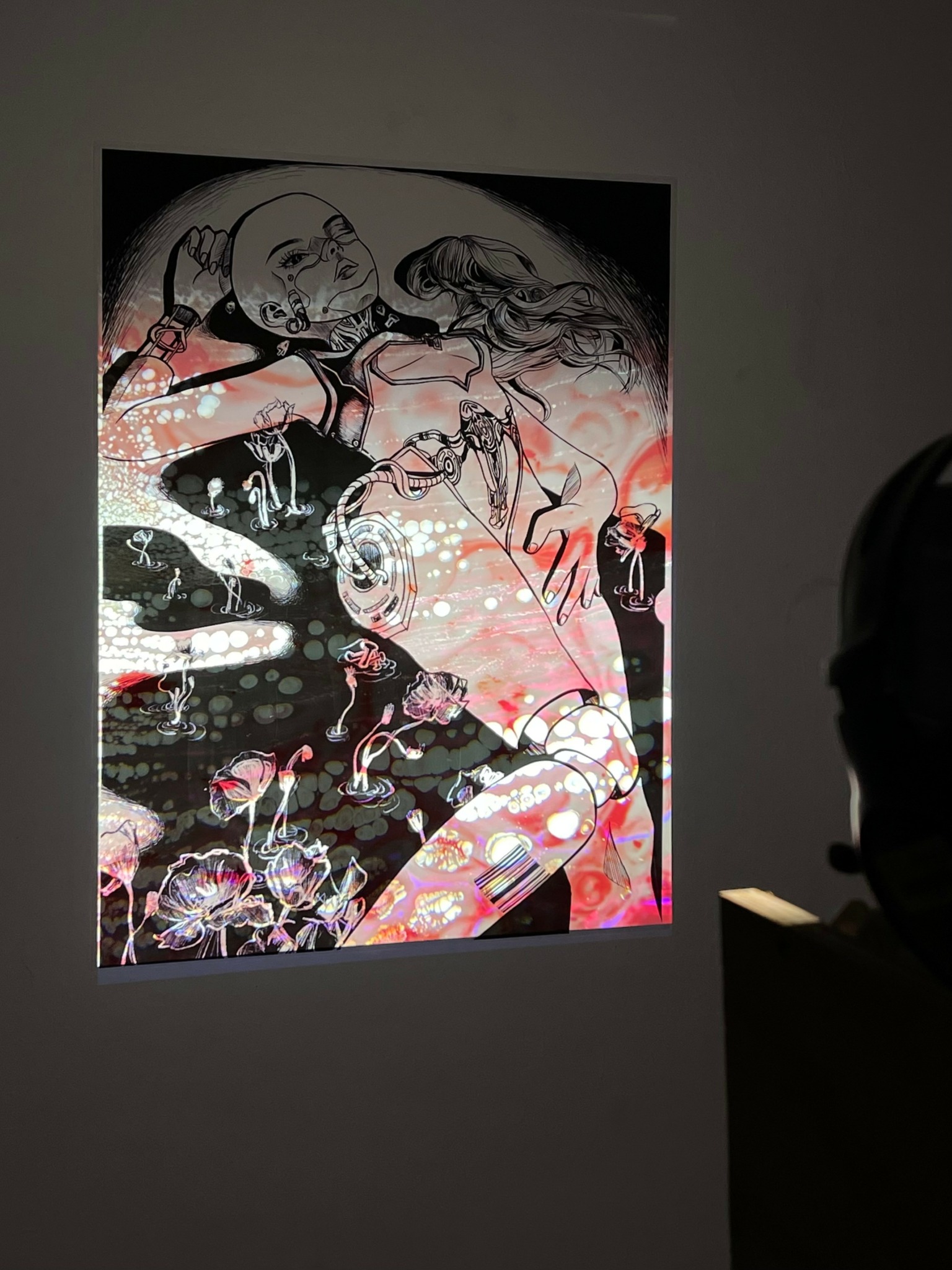
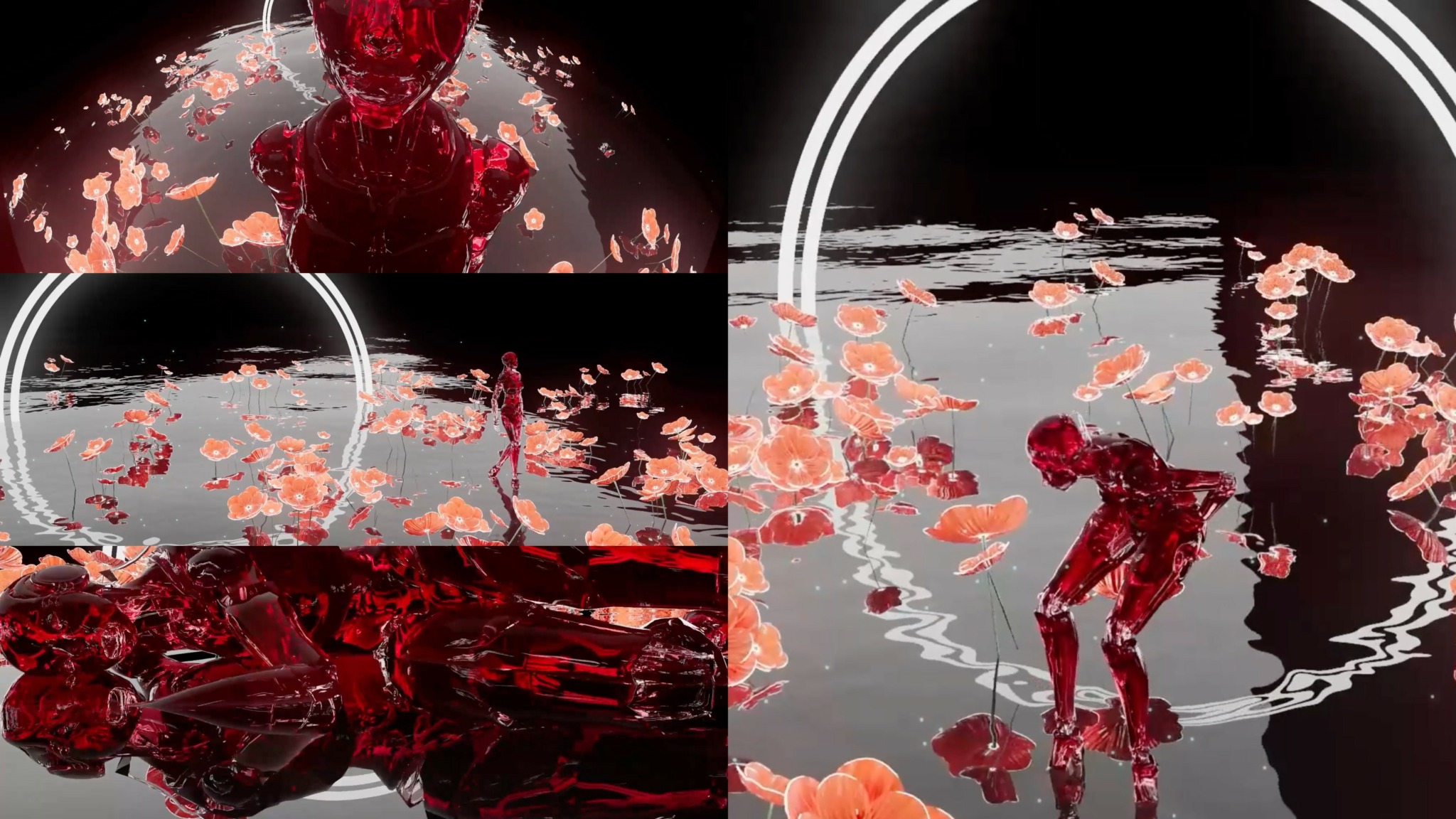
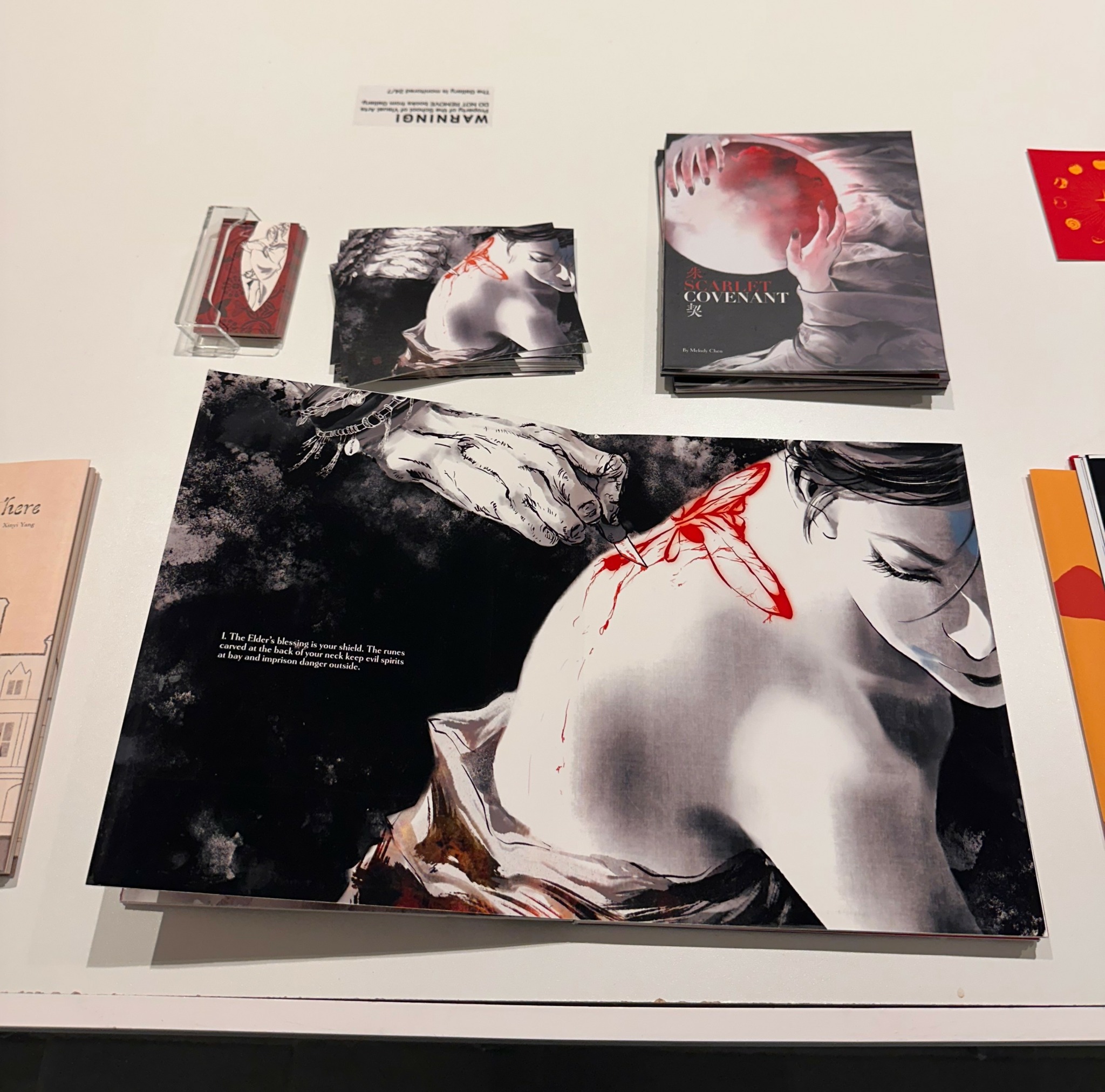
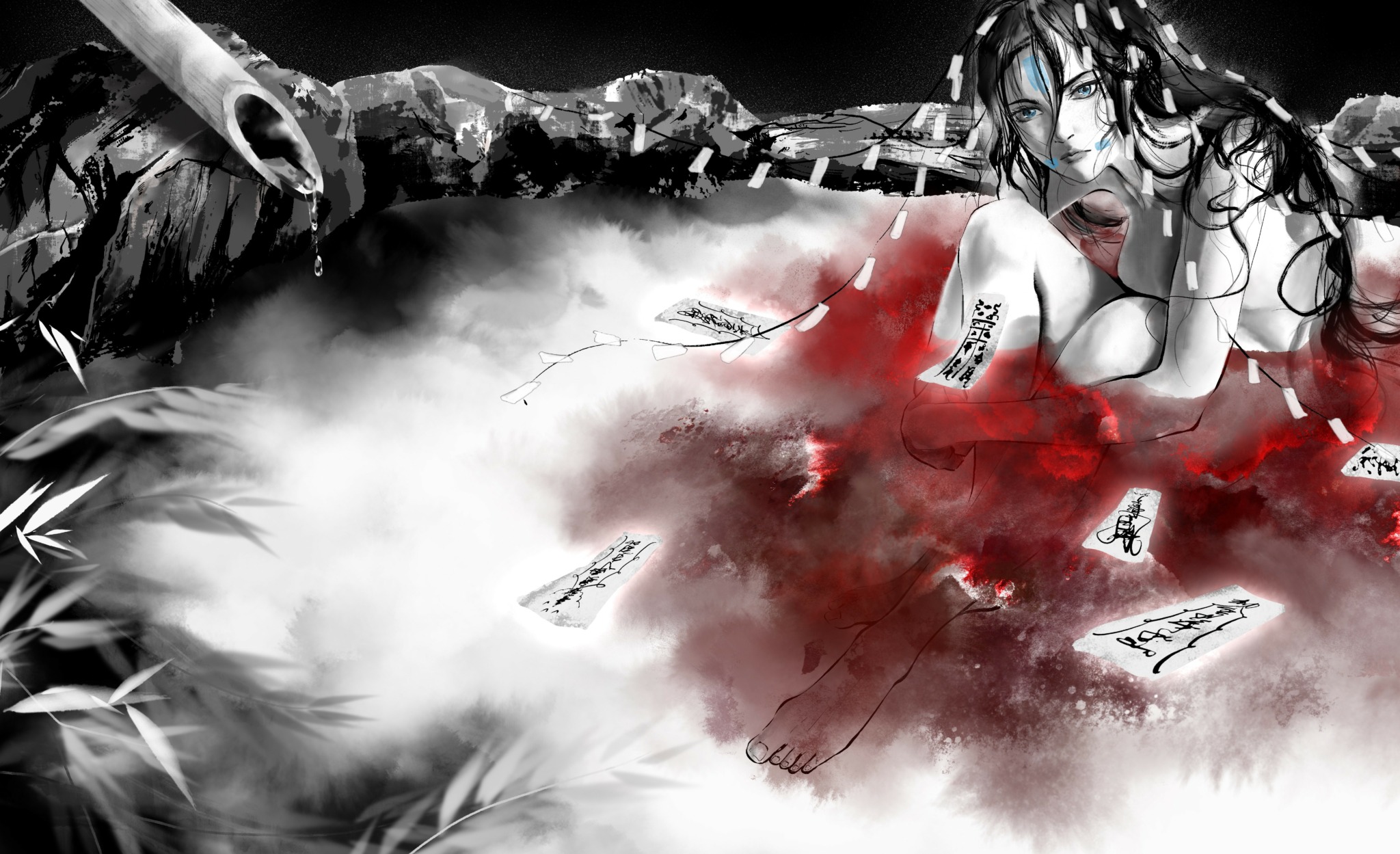
My artistic practice revolves around digital illustration, painting, and video art, all of which I use to delve into pressing social issues. I explore topics like gender and period shaming, as well as the intricate positioning of women in our patriarchal society. In my work, I incorporate symbolic objects to highlight the challenges women face concerning their own bodies. I aim to draw attention to the profound impact of industrialization on female bodies and the lack of emphasis on sex education in our society.
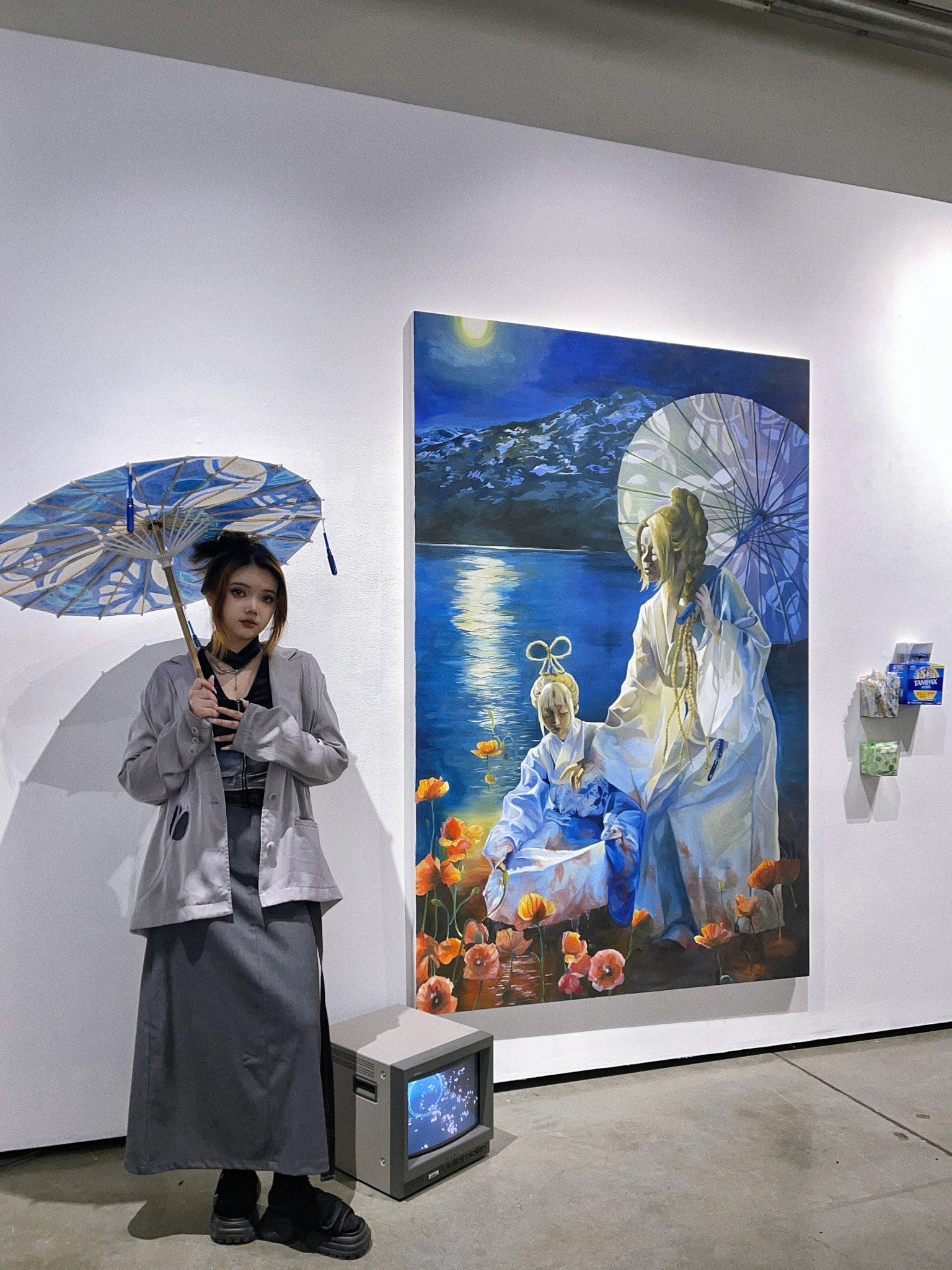
During my first year of undergrad, one of my classmates introduced me to tampons. I was shocked by the invention itself and even more surprised that something so widely used in the U.S. was completely unheard of for me growing up in China. At the same time, my menstrual cramps were hitting an all-time high. As an art student, I started combining the concept of tampons with my personal experience of menstrual pain, which led me to create a series of works across various media, including photography, oil painting, media art, and 3D art. This marked the beginning of my journey as a feminist artist. Back then, I didn’t limit myself to one medium—partly because I had to take different media courses, and more importantly because I really enjoyed using various forms of expression to create works with a continuous theme.
My inspiration includes the personification culture in Japanese anime, Western theological and allegorical painting, video games I love like Elden Ring, artists on social media, and my personal struggles as a woman. Based on the concept of common feminine hygiene products, I designed several different characters, and they have become the narrators in many for my personal works.
For you, what’s the most rewarding aspect of being a creative?
I have always felt that many human jobs can be replaced, but those that involve a deep connection to human emotions—limited to what is uniquely “human”—are irreplaceable. Art, in particular, is the epitome of such work. Even with the emergence of AI, I still don’t see it as a threat to us. No matter how poorly drawn a stick figure might be, every stroke, every mark made by a person carries vitality and uniqueness that cannot be replicated, simply because it is a human creation.
Is there something you think non-creatives will struggle to understand about your journey as a creative?
I have always believed that art is a way of life, not just a profession. It weaves through every aspect of human existence. However, most people tend to overlook the beauty in life due to the constant hustle and bustle of daily routines. Artists, on the other hand, are often more attuned to these subtleties and embrace a slower pace of life. This sensitivity and unhurried rhythm are rare and precious in today’s fast-paced society.
Contact Info:
- Website: https://www.melodysgallery.art/
- Instagram: https://www.instagram.com/_melodysgallery/