



Alright – so today we’ve got the honor of introducing you to Melissa Preece. We think you’ll enjoy our conversation, we’ve shared it below.
Melissa, looking forward to hearing all of your stories today. Can you open up about a risk you’ve taken – what it was like taking that risk, why you took the risk and how it turned out?
Taking the leap to start my own mental health practice was one of the biggest risks I’ve taken in my career. After working over 20 years in organizations, I made the decision to leave behind the security of a steady paycheck, benefits like health insurance, paid time off, and a built-in support system. Working for yourself means you don’t have those safety nets—there’s no one holding you accountable but yourself.
However, that same independence is what makes it so rewarding. I now have the freedom to shape my practice based on my vision, to create my own schedule, and to decide how much or how little I work. I no longer have to seek permission for the decisions I want to make. There’s a deep sense of satisfaction in knowing that the fruits of my labor are mine to claim.
It hasn’t all been easy. Transitioning from a team environment to working solo can feel isolating at times. I miss the camaraderie of a “work family” around me every day. But ultimately, the freedom, autonomy, and personal fulfillment that come with running my own practice far outweigh the challenges. Though it was a scary and difficult change, I have no regrets—it was the right decision for me.

As always, we appreciate you sharing your insights and we’ve got a few more questions for you, but before we get to all of that can you take a minute to introduce yourself and give our readers some of your back background and context?
I’ve been a mental health provider for over 20 years, primarily focusing on trauma and substance use disorders. My journey into this field was fueled by a deep desire to help individuals navigate their healing, and throughout my career, I’ve worked in various settings to support that mission. A few years ago, I took a significant leap and started my own full-time practice, which has been one of the most rewarding decisions of my career.
In my practice, I specialize in trauma-informed care, and one of the core services I provide is EMDR therapy (Eye Movement Desensitization and Reprocessing), which is a highly effective method for treating trauma and PTSD. I’m also an EMDR consultant, supporting other clinicians in learning and refining this therapeutic approach. In addition, I serve as a supervisor for Licensed Master Social Workers (LMSWs), helping them gain the experience they need to earn their clinical licenses (LCSWs). It’s a privilege to be able to support both clients and fellow therapists in their professional journeys.
What sets my practice apart is the personalized, client-centered approach I bring to therapy. Each individual’s experience is unique, and I work closely with my clients to ensure they feel heard, understood, and supported throughout their healing journey. My aim is to create a safe, non-judgmental space where people can explore their challenges and discover the resilience within themselves.
What I’m most proud of is the transformation I get to witness in my clients’ lives. Whether it’s helping someone process trauma through EMDR or guiding a client through addiction recovery, it’s incredibly fulfilling to see people reclaim their sense of self and power. I’m also proud of the fact that I’ve built a practice that truly reflects my values and vision, allowing me to make a lasting impact on both my clients and the next generation of mental health professionals.
If there’s one thing I’d like potential clients to know, it’s that therapy is about creating space for healing, not about “fixing” someone. My role is to guide and support, offering tools and insights to help people navigate their own path to healing and growth.
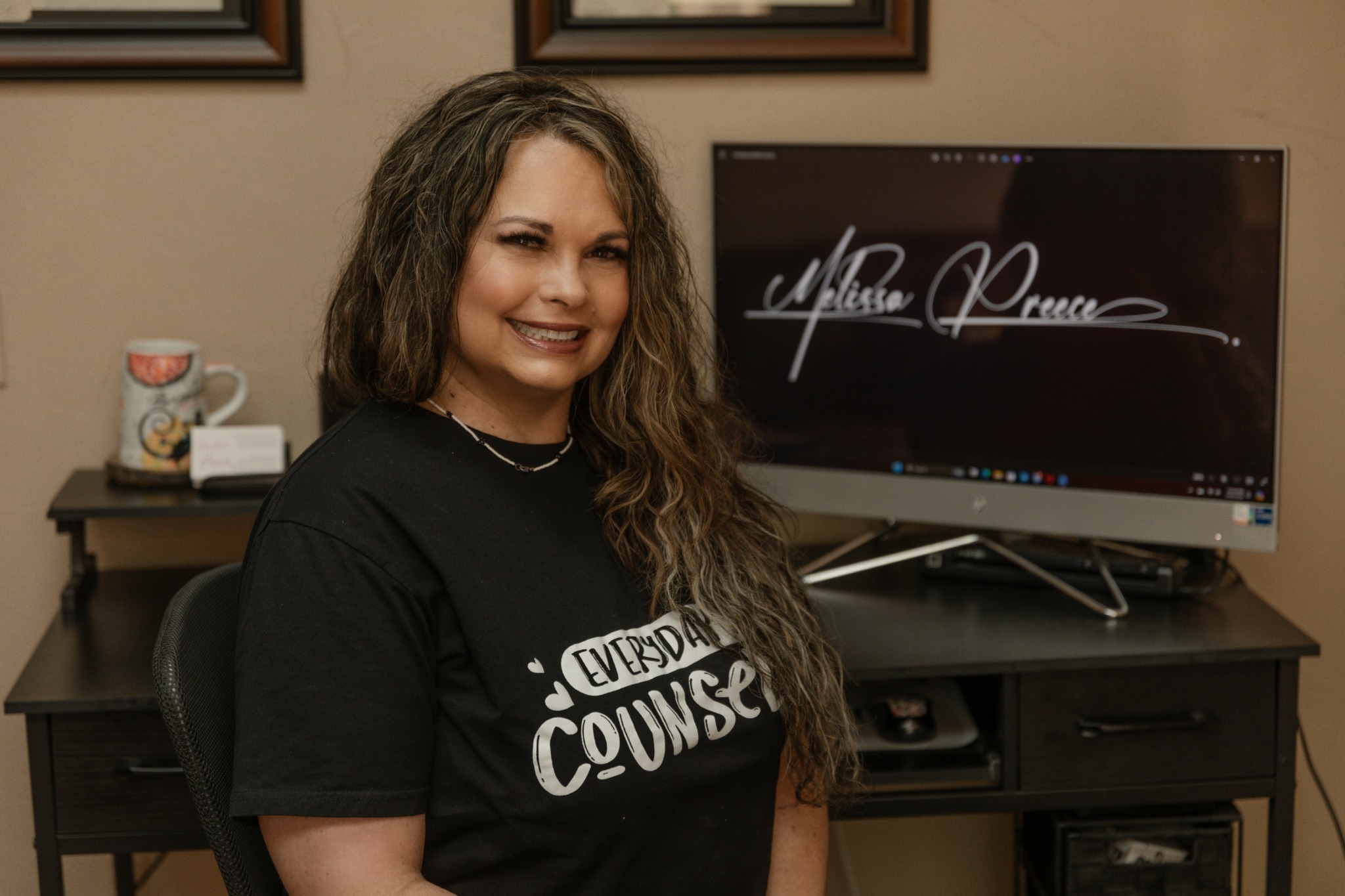
How’d you build such a strong reputation within your market?
I believe my reputation in the market has been built through a combination of authenticity, honesty, and a commitment to doing what’s best for my clients. One of my core values is ensuring that my clients receive the appropriate level of care, whether that’s within my practice or through a referral to another provider. I go above and beyond to connect them with the right resources, whether locally in Amarillo or through my broader network in the mental health field. My focus is always on what will best serve the individual’s needs.
I’m also a “what you see is what you get” kind of person. I don’t sugarcoat things—I’m upfront and honest with my clients, and while that might come across as blunt at times, I’ve been told that my directness is appreciated. It helps create trust, and my clients know they can count on me to be real with them. I’m fiercely loyal to my clients and my work, and I’m not afraid to go after what needs to be done to ensure they get the care and support they deserve.
Networking has also played a key role in building my reputation. I make it a point to connect with other professionals in and out of Amarillo, which not only strengthens my practice but also broadens the resources available to my clients. This commitment to collaboration and doing what’s right, even if it means referring a client elsewhere, has helped me build trust and credibility in the field.

If you could go back in time, do you think you would have chosen a different profession or specialty?
If I could go back, I would absolutely choose the same profession and specialty, but the path I took to get here wasn’t exactly what I had initially planned. When I started college, my goal was to become an attorney. But then I took a chemical dependency class as an elective, and it sparked something in me. I found the subject fascinating and knew I wanted to help people in that way. I quickly realized that becoming an attorney would require a much longer educational journey, so I shifted gears and changed my major to chemical dependency counseling.
That experience gave me a great foundation, but I soon realized that being an LCDC (Licensed Chemical Dependency Counselor) didn’t provide the financial stability I was looking for in Amarillo. So, I continued my education and earned a psychology degree, initially planning to pursue the LPC (Licensed Professional Counselor) route. However, after doing more research, I learned that a degree and license in social work would offer me more flexibility and opportunities than the LPC would. Even though I had never imagined myself as a social worker, it became clear that it was the smarter choice.
Looking back, I wouldn’t change a thing. The decisions I made opened doors for me that I couldn’t have anticipated, and I’m grateful for where I’ve ended up. That said, the dream of being an attorney still lingers sometimes, but I know I made the right choice for my life and career.
Contact Info:
- Website: https://www.melissapreece.com/
- Facebook: https://www.facebook.com/MelissaPreeceLCSW

Image Credits
Brittani Preece Photography