

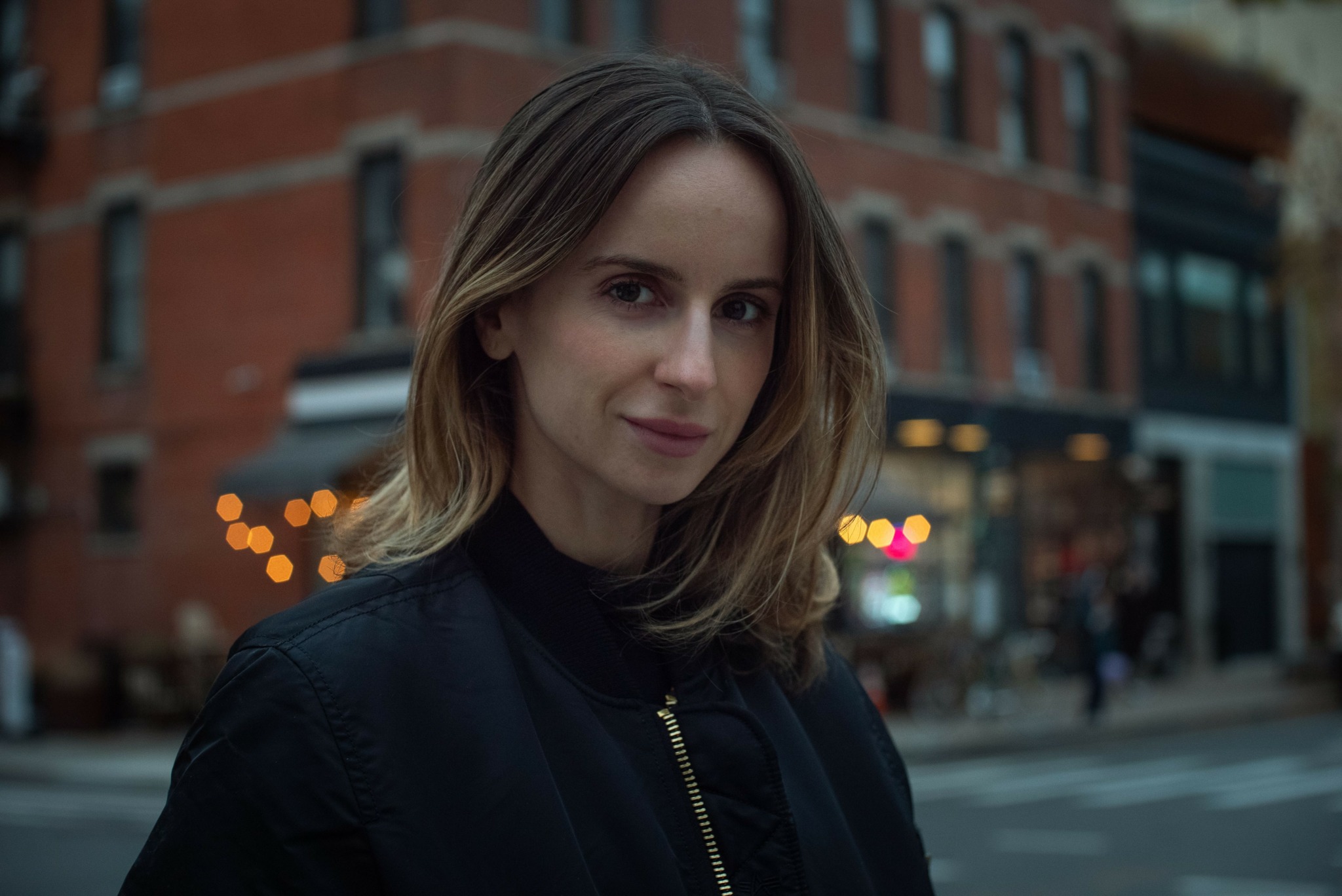

We’re excited to introduce you to the always interesting and insightful Melissa Mendes. We hope you’ll enjoy our conversation with Melissa below.
Melissa, thanks for joining us, excited to have you contributing your stories and insights. We’d love to hear about when you first realized that you wanted to pursue a creative path professionally.
Six years ago I wrote a tiny fashion film in my bedroom. It was one of those late night, post production coordinator shifts where your brain is tired but some feral creative instinct insists on staying up anyway. I had been making things since I was a kid, stacking books to prop up my family’s digital camera so I could write, act in, and direct my own one woman shows in my room. But in my mid twenties, for the first time, I wrote something that required actual other humans.
I cast my friends immediately, like any responsible auteur, and sent the script to a cinematographer friend with a very casual “If this is not terrible maybe we can shoot it.” I did not go to film school and I had no idea what I was doing. What I did have was years of watching directors whisper to actors, producers sweet talk cranky crew members, and the best filmmakers improvise whenever the universe decided to test them.
When I arrived on set for my own film, which I wrote and directed and produced, I felt strangely at home. There was plenty to learn and several mistakes waiting for me, but something clicked. I knew where to stand. I knew how to talk to people. I knew how to order last minute gear without crying. We raced the sun for our final shots and I remember thinking, I know how to do this. I did not even know I knew how to do this.
That was the moment. That was when I realized this was not just a hobby or a compulsion. It was the professional path I had already been moving toward since those childhood book stacked camera rigs.
The next day I returned to my production coordinator job, where I was dutifully doing paperwork for other people’s artistic dreams. At some point, between the invoices and the call sheets, it clicked that I could chase mine too. I still think about that first shoot. I think about how much I did not know and how determined I was to pretend I knew what I was doing until I actually did. Filmmaking is incredibly difficult. Most of the time you feel like you are failing upward in small chaotic increments. But then you watch the finished film and it suddenly makes sense. You realize you were having fun the whole time, even when you had no idea what you were doing.
As always, we appreciate you sharing your insights and we’ve got a few more questions for you, but before we get to all of that can you take a minute to introduce yourself and give our readers some of your back background and context?
When I am not focused on the feature, I shift my attention back to commercial work. If narrative filmmaking is a marathon, commercials are the sprint. Narrative projects evolve slowly and are nurtured over long periods of time, while commercials are fast, decisive, and wonderfully intense. I really enjoy being able to move between those two rhythms. It means no day looks the same for me.
One of the best things about being a filmmaker is that we are not limited to one lane. In fact, it is often celebrated when we work across disciplines. I write and direct as well, usually with friends, which is one of the great joys of this work. There is something deeply rewarding about showing up on set with people you trust and admire, people who are there because they are exceptional at what they do. Being surrounded by talented, brilliant crews from all around the world is endlessly inspiring.
As a woman in this industry, a central focus of my work is telling stories about the real lives and inner worlds of women. I was born in Canada, but my parents immigrated from Portugal when they were young adults, so as a first generation daughter of immigrants, I am naturally drawn to projects that explore identity, belonging, and the nuances of our cultural inheritances.
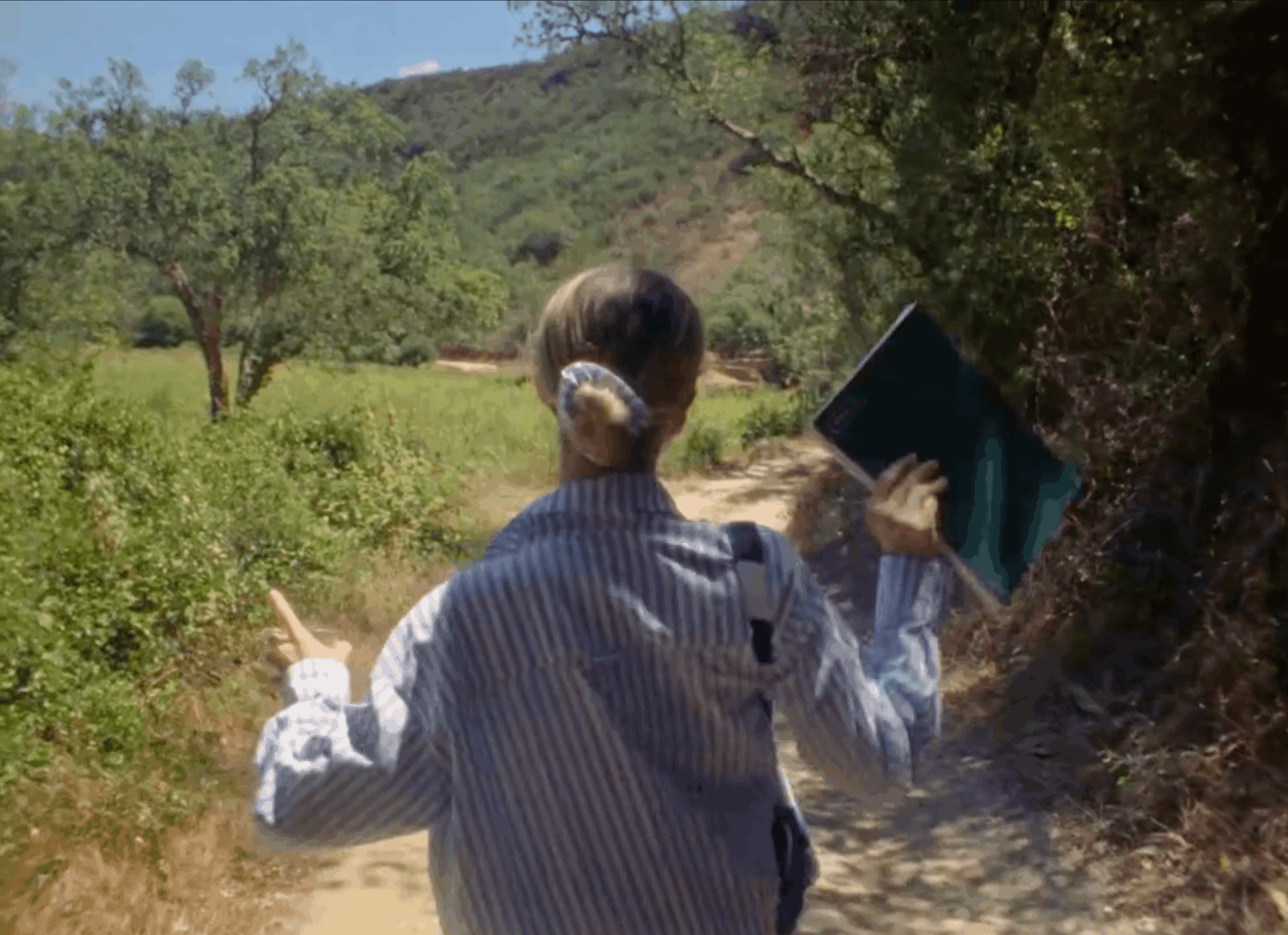
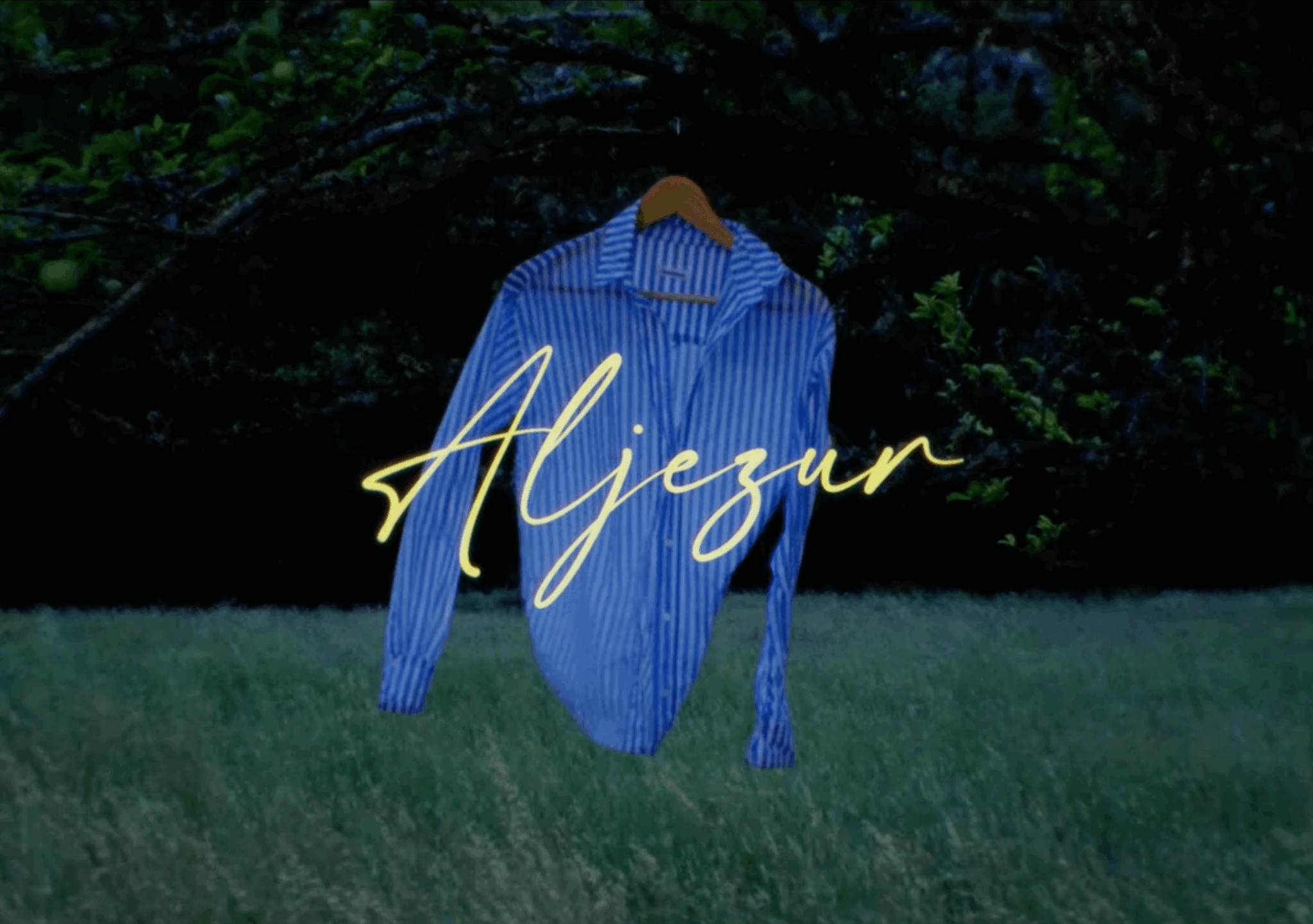
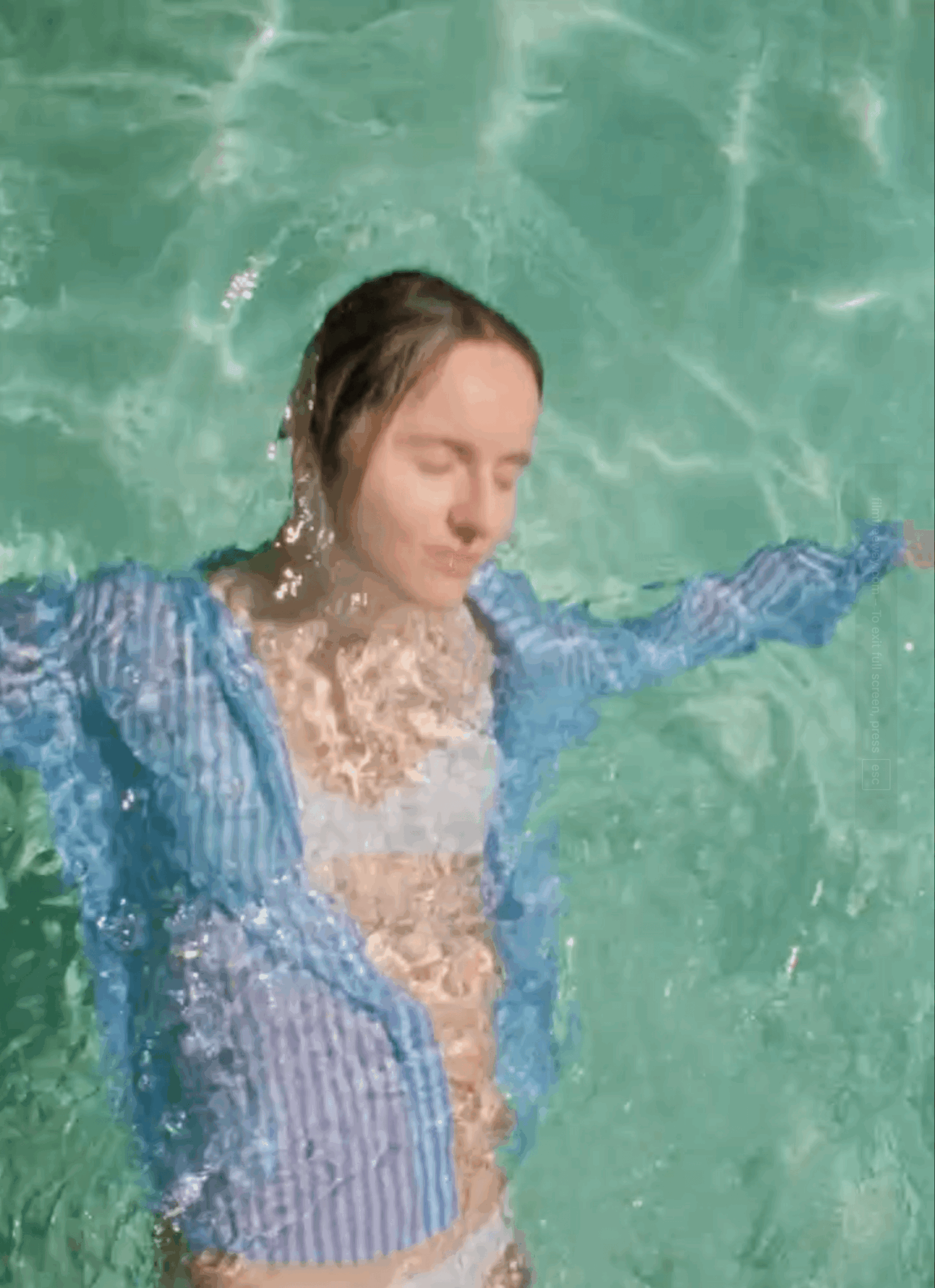
Set against the sun drenched hills and coastline of southern Portugal, my short film Aljezur traces the journey of a Canadian born daughter of Portuguese immigrants as she returns to the country her family came from, a landscape that once made her feel like an outsider and one she can finally begin to remake as her own. As she runs, swims, wanders, and gathers fragments of the land, she slowly redefines her relationship to Portugal and to the idea of “home,” creating a quiet, meditative exploration of identity, solitude, and the power of finding a place where you feel you belong.
In the end, everything I make is rooted in that search for connection, belonging, and the joy of building worlds with people I admire.
What can society do to ensure an environment that’s helpful to artists and creatives?
The best thing society can do is fund artists early, when their work is still tender and taking shape. Accessible grants and support give new voices the permission to grow, to experiment, and to imagine worlds we have not seen yet. That is the soil where a thriving creative ecosystem begins.
When resources are flexible and inclusive, artists can build sustainable futures and create work that pulls both maker and viewer into deeper connection. Filmmaking is costly, and even the most nimble, resourceful creators can only stretch so far. So many extraordinary ideas live in quiet incubation, waiting for the moment someone says yes.
If we choose to invest in the next generation with courage and generosity, we will be rewarded with films that astonish us, challenge us, and remind us why art matters in the first place.
Is there something you think non-creatives will struggle to understand about your journey as a creative? Maybe you can provide some insight – you never know who might benefit from the enlightenment.
To be a creative is to understand that your work is never finished. As a producer and filmmaker, every day brings something new to learn, and with each project, I feel like I am swimming in a pool where I cannot see the bottom. The uncertainty is constant, and at first it is terrifying. I remember once on a shoot realizing halfway through that we had completely forgotten a crucial prop. For a moment I panicked, imagining the whole thing collapsing. Then I shrugged and rewrote the scene on the spot in a way that worked even better than what was planned. That is the thing about creativity: all you can do is live in the moment, make the best choices you can, and hope for the magic to happen. Embracing that chaos is difficult, but it is also what makes the work exhilarating. The unknown is where everything worthwhile lives.
Contact Info:
- Website: https://melissamendes.tv/
- Instagram: mmmelissamendes
Image Credits
James Jenkins, Steven Lambiase