

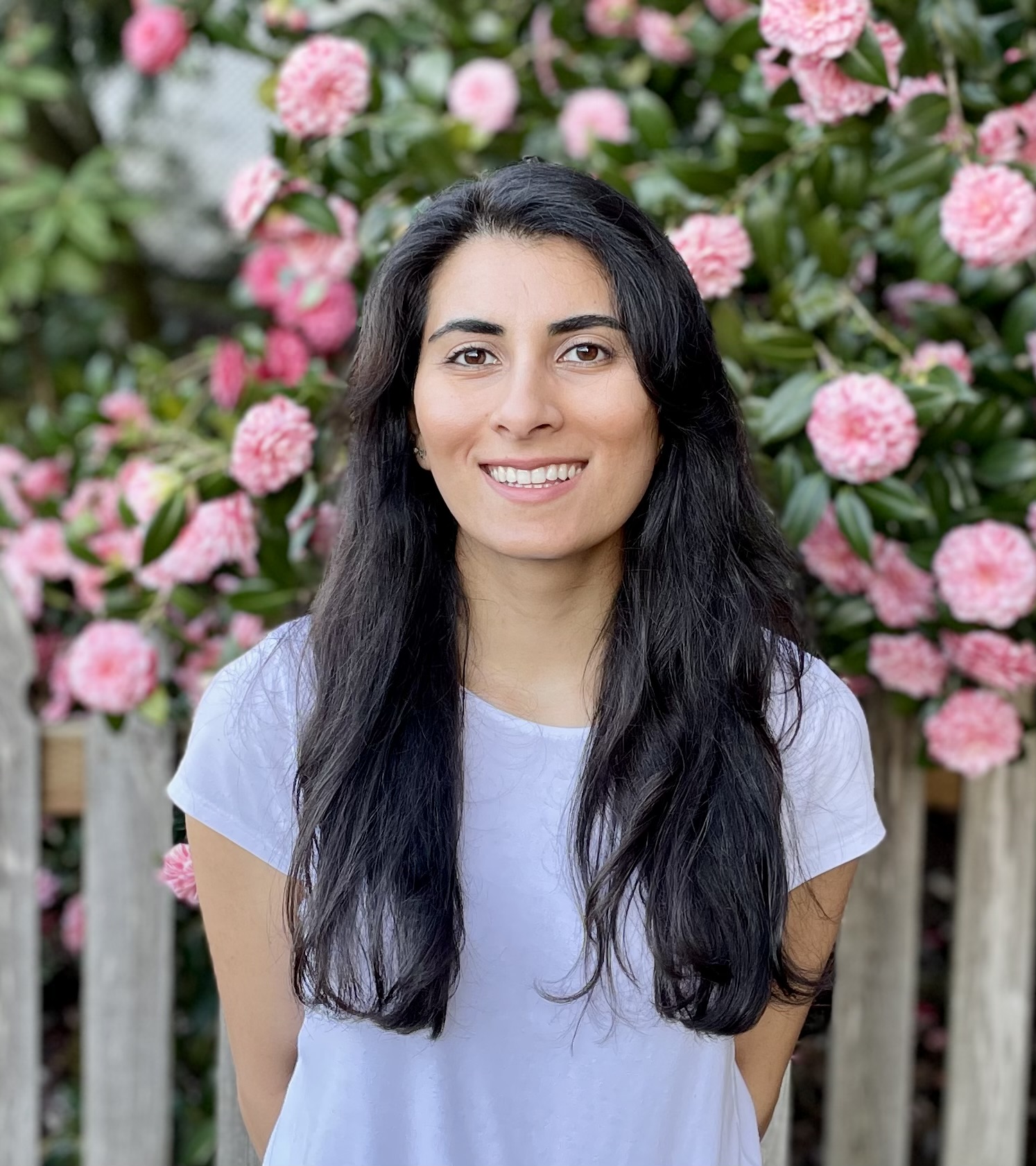

We’re excited to introduce you to the always interesting and insightful Melika Biglarpour-Watson. We hope you’ll enjoy our conversation with Melika below.
Alright, Melika thanks for taking the time to share your stories and insights with us today. Setting up an independent practice is a daunting endeavor. Can you talk to us about what it was like for you – what were some of the main steps, challenges, etc.
Starting my own psychology practice was a dream that took root the moment I chose this field. I was deeply inspired by my personal therapist who ran her practice from a stunning high-rise. She wasn’t just a professional I admired, but my greatest advocate who planted seeds of encouragement that would later bloom into my own practice. Though she passed during my graduate studies, her influence remains woven into the foundation of what I’ve built today.
After gaining valuable experience at various nonprofits and group practices, I finally took the leap into private practice with both excitement and natural anticipation. Those early years honing my craft were invaluable – countless hours of supervision, training, and client work that built the foundation for everything that followed. The journey from trainee to practice owner wasn’t always glamorous, but it was certainly transformative.
The journey involved mastering many behind-the-scenes elements: setting up EHR systems, crafting marketing strategies, establishing confidential spaces, navigating banking, working with insurance panels, and securing proper business licenses. These practical aspects were areas my graduate program hadn’t fully prepared me for, but they became opportunities for growth and learning.
For those considering this rewarding path, here’s what I’ve learned: Start insurance paneling early, ideally before transitioning from your current position, as it can take up to six months. Research your county’s specific business license requirements for mental health professionals to ensure compliance from day one. Establish a high-yield savings account dedicated to taxes – this simple step will set you up for financial success throughout the year.
Seeing other therapists with impressive skills and specialties, I initially hesitated to market myself boldly. Networking felt intimidating and I approached it in a very scripted manner. Eventually, I discovered that authentic connection beats polished pitches every time – turns out people prefer therapists who are actual humans!
Your unique perspective and abilities are gifts that deserve to be shared with those who need them most. Trust in your training, your experience, and most importantly, in yourself. The world needs exactly what you have to offer, even if you still occasionally mistake the mute button for the camera off button on virtual sessions.
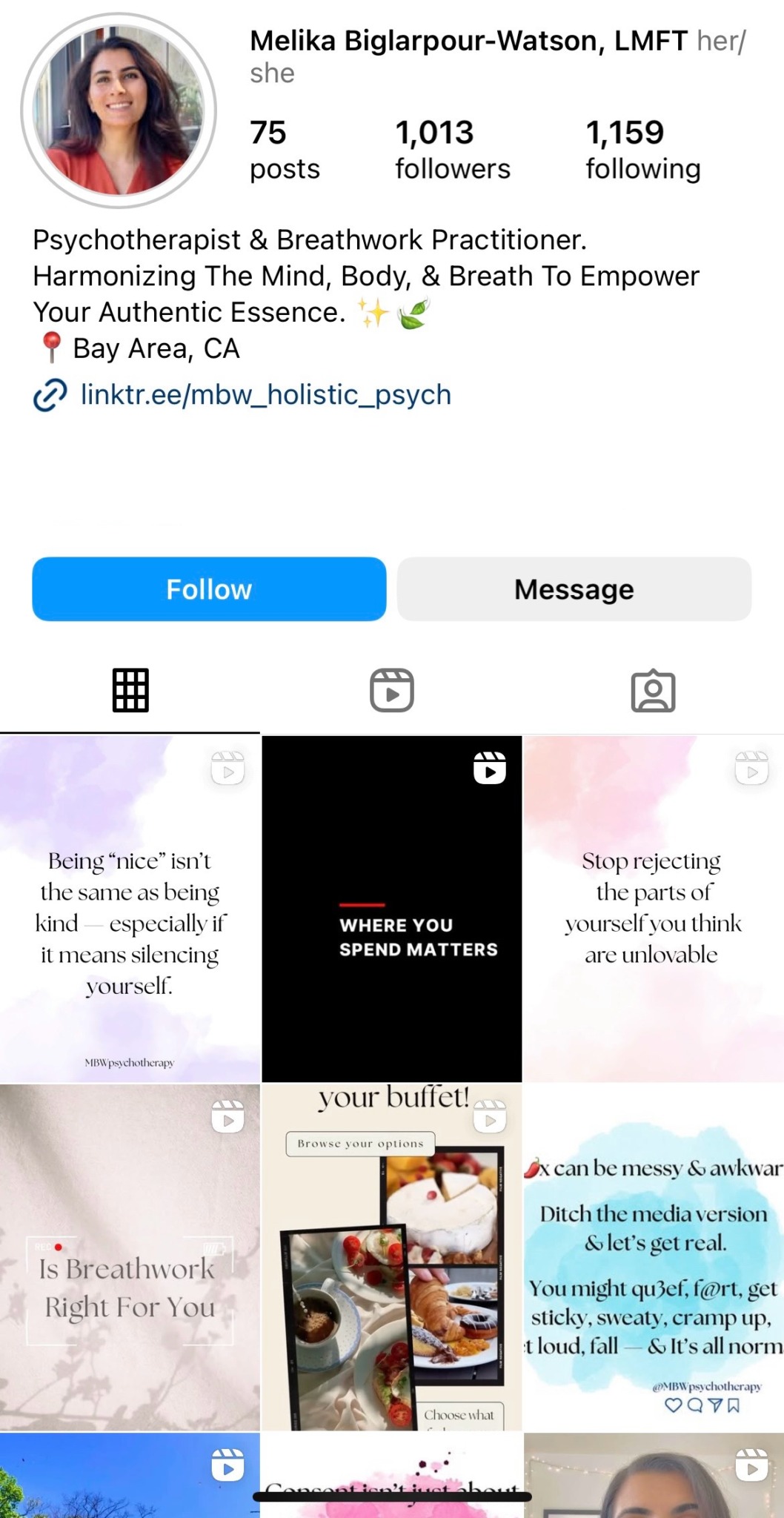
Melika, love having you share your insights with us. Before we ask you more questions, maybe you can take a moment to introduce yourself to our readers who might have missed our earlier conversations?
I hold a Master’s degree in Clinical Psychology from Pepperdine University and have completed specialized training in sex therapy through the California Integral Institution. Currently, I’m furthering my expertise by pursuing certification in EMDR (Eye Movement Desensitization and Reprocessing) therapy—a powerful approach for processing trauma and adverse life experiences.
As a licensed psychotherapist with over eight years of experience, I’ve developed a practice that blends evidence-based techniques with holistic approaches. My therapeutic framework is both trauma-informed and culturally responsive, recognizing that healing happens when we address the whole person. I’m also a certified breathwork practitioner, offering a powerful modality for clients to access deeper emotional release and embodied awareness.
My clinical specialties include:
– Trauma recovery: Helping clients process and integrate difficult experiences using somatic approaches and EMDR techniques.
– Sexual health and intimacy: Creating space for open, judgment-free conversations about desire, pleasure, anxieties, challenges, and connection.
– Multicultural identity: Supporting navigation of cultural expectations, family dynamics, and personal authenticity.
– Anxiety management: Teaching practical tools to regulate the nervous system and expanding your healthy coping mechanisms.
– Relationship dynamics: Working with patterns of attachment, communication challenges, and creating healthier connections.
Having experienced the journey of immigration firsthand as an Iranian, I bring an authentic understanding to working with immigrants, adult children of immigrants, and BIPOC individuals. This lived experience informs my approach to honoring the complexity of bicultural identity, code-switching, and intergenerational dynamics.
I am deeply committed to being an affirming presence for members of marginalized communities. My practice is a safe space for LGBTQIA2S+ individuals, those in the BDSM/Kink community, people practicing polyamory or ethical non-monogamy, sex workers, and anyone whose identity or relationship structure has been invalidated. I approach each person’s lived experience with humility, recognizing that traditional mental health frameworks often reflect colonial perspectives rather than universal truths.
What sets my practice apart is the unique combination of clinical expertise with genuine warmth. I believe therapy works best when it feels like a genuine human connection rather than a clinical transaction.
Beyond my professional life, I find joy in active outdoor pursuits—hiking trails with my partner and our dog, soaking in ocean days when the weather permits, and finding moments of peace in nature. Movement has always been central to my well-being; dancing serves as my favorite form of emotional release. Additionally, my two beloved cats are a great source of support for me and will occasionally make guest appearances during virtual sessions. Lastly, having lived in various places throughout my life, I’ve developed a passion for travel and exploring diverse cultures—especially through cuisines and sweet treats!
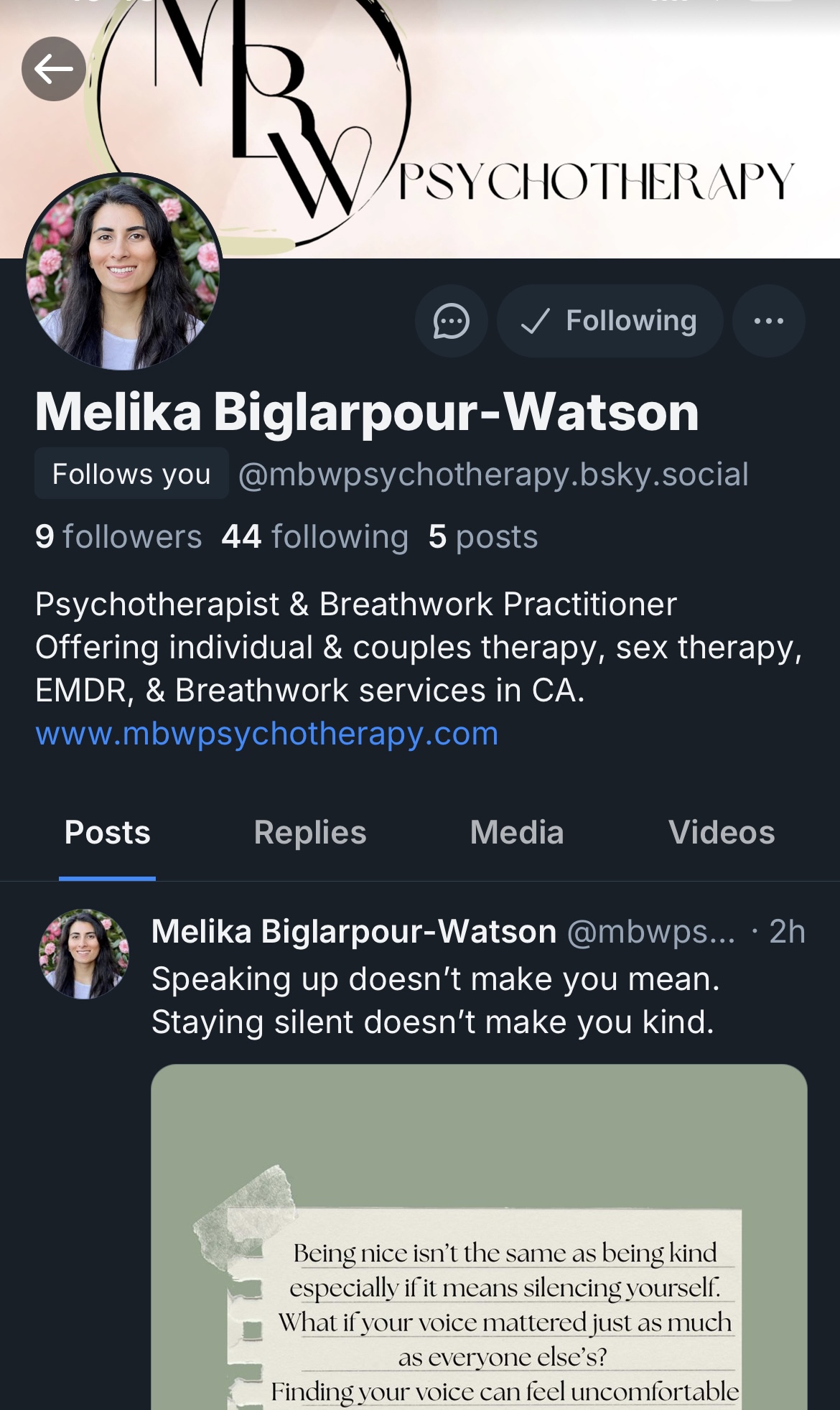
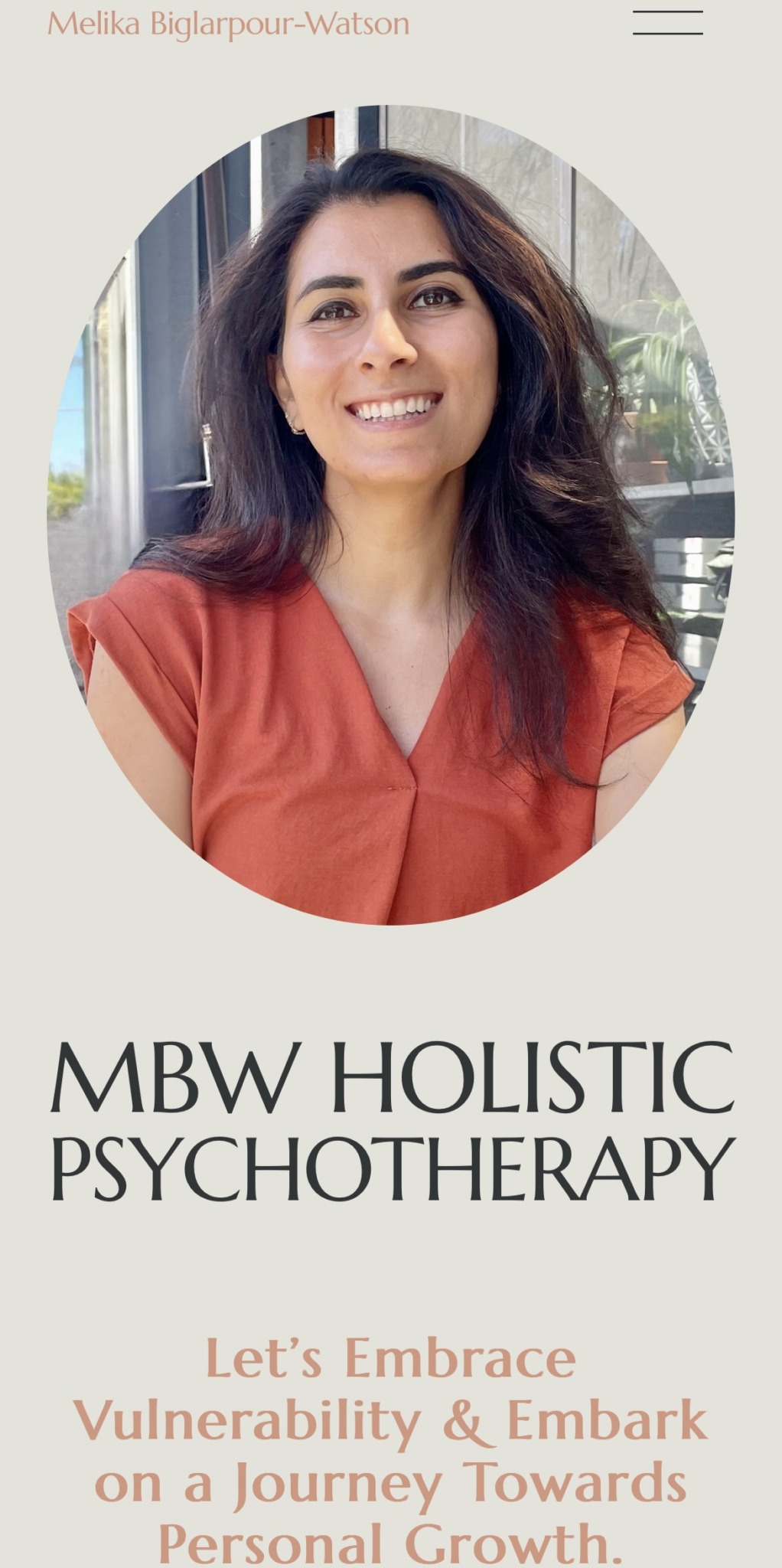
Whether you’re seeking support for a specific challenge or simply want to explore personal growth, I would be honored to join you on your journey toward greater wholeness, authenticity, and joy. Check out my website for more information on my services and therapeutic resources: www.MBWpsychotherapy.com
Learning and unlearning are both critical parts of growth – can you share a story of a time when you had to unlearn a lesson?
One of the biggest lessons I had to unlearn was the idea that therapy must always be strictly evidence-based to be effective. While research-backed approaches are incredibly valuable, I came to realize that some widely accepted therapeutic models are rooted in a colonized framework—one that overlooks the wisdom of indigenous, ancestral, and non-Western healing practices. As both an immigrant and an ally, I had to deconstruct the assumption that Western psychology holds the ultimate truth about healing.
Through my own journey and in working with clients, I saw firsthand how conventional therapy sometimes failed to honor the cultural, intergenerational, and somatic aspects of healing. This led me to explore more holistic modalities, such as breathwork and body-centered practices, which emphasize the mind-body connection in ways traditional talk therapy does not.
Unlearning rigid adherence to colonized therapy models allowed me to develop a more inclusive, integrative approach. One that blends evidence-based techniques with cultural awareness, breathwork, and embodied healing. It has deepened my ability to meet clients where they are, honoring their lived experiences rather than trying to fit them into a predetermined framework of wellness.
Putting training and knowledge aside, what else do you think really matters in terms of succeeding in your field?
Beyond formal education and clinical training, one of the most crucial elements of success in this field is the ability to remain open, curious, and deeply present with people’s experiences. Therapy is not about assuming we already understand someone’s story, it’s about holding space for them to share it in a way that feels safe and validating.
Hands-on experience offers invaluable insights that complement what we learn from textbooks. While books provide a strong foundation, real-world interactions with clients deepen our understanding in ways that theory alone cannot. Learning directly from clients continually expands my understanding of healing. This entails, listening to their nuanced experiences, cultural perspectives, and unique ways of navigating the world. Additionally, engaging with other professionals, exchanging insights, and staying open to evolving perspectives helps me grow as a practitioner.
Networking is also key, not in the traditional corporate sense, but in fostering genuine connections with colleagues, healers, and community leaders. Collaboration across disciplines allows for a more well-rounded, inclusive approach to mental health. Success in this field isn’t just about what we know, it’s about how willing we are to keep learning, adapting, and showing up with humility.
Contact Info:
- Website: https://www.mbwpsychotherapy.com/
- Instagram: https://www.instagram.com/mbwpsychotherapy/
- Linkedin: https://www.linkedin.com/in/melika-biglarpour-watson-97b7215b?utm_source=share&utm_campaign=share_via&utm_content=profile&utm_medium=ios_app
- Other: https://bsky.app/profile/mbwpsychotherapy.bsky.social
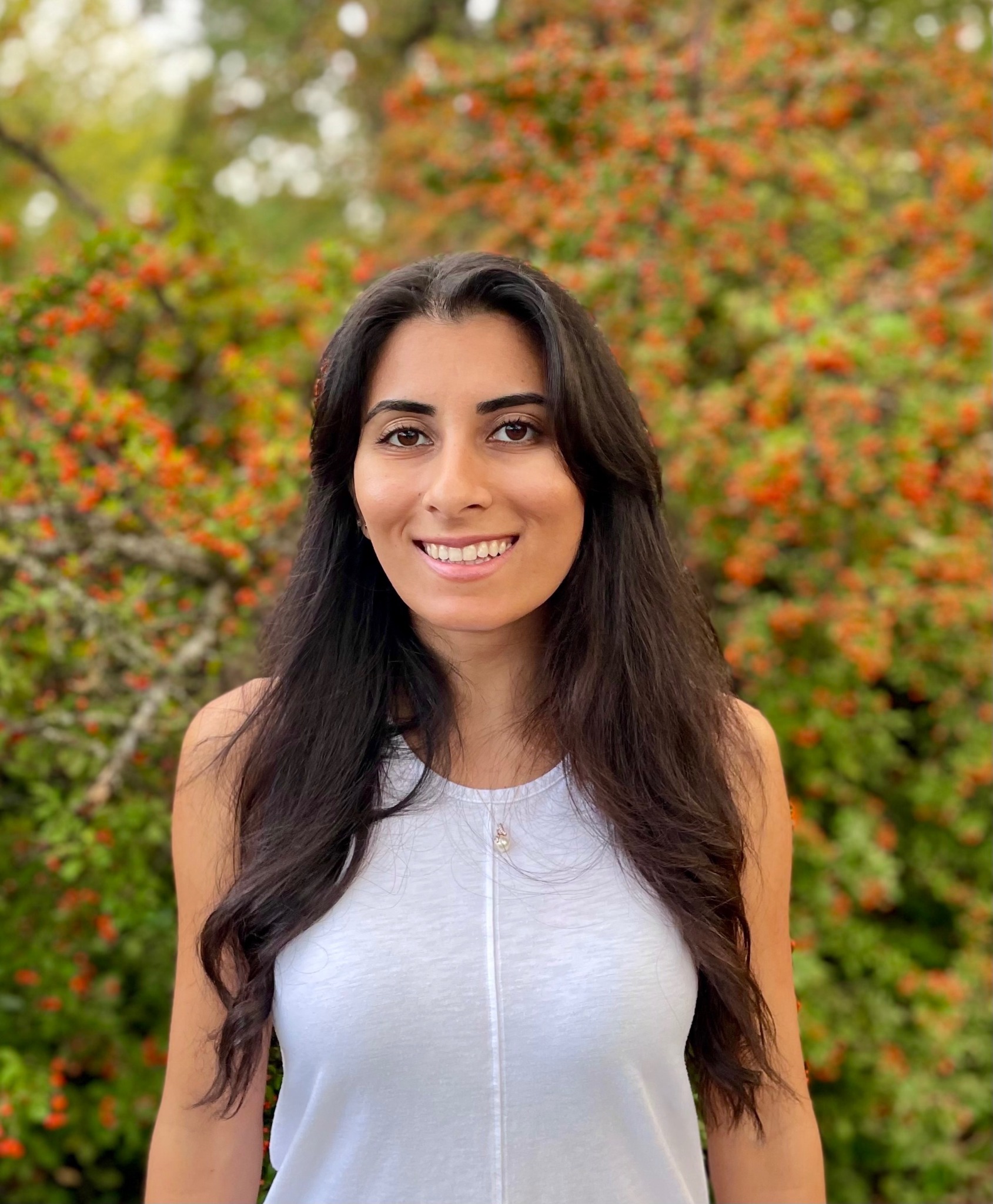
Image Credits
Melika Biglarpour-Watson, LMFT