

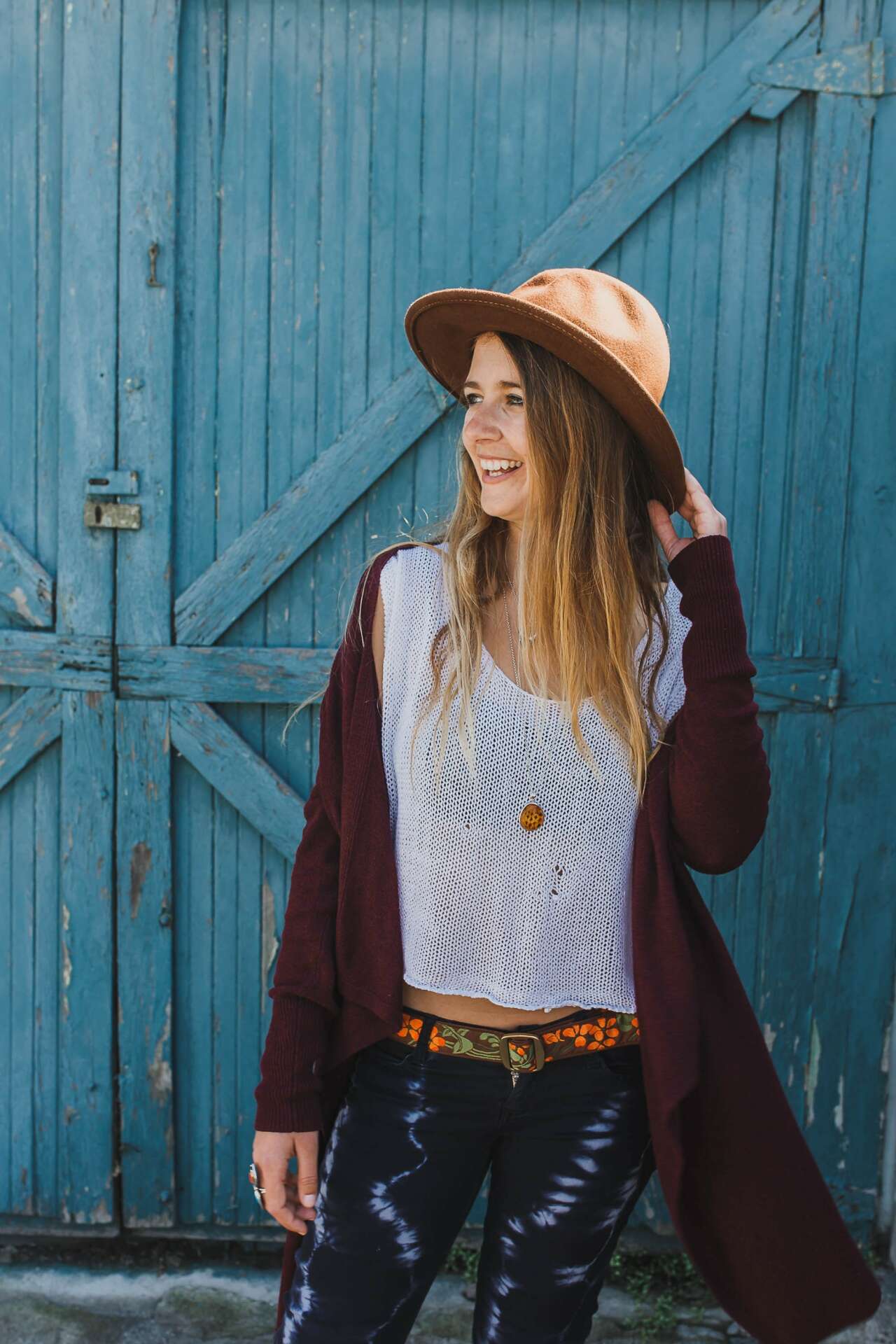

We were lucky to catch up with Meliá Grasska recently and have shared our conversation below.
Meliá , looking forward to hearing all of your stories today. Can you share an important lesson you learned in a prior job that’s helped you in your career afterwards?
I’ve yet to meet or hear of any artist who hasn’t, at some point, held a string of odd jobs. I am no exception. From teaching surf lessons to selling meat to working construction, my list isn’t exactly short and it hasn’t always been pretty. But each experience has given me invaluable insight and appreciations for different industries. For instance, you may never really appreciate the craftsmanship of an impeccably tiled mosaic wall, until you’ve had to tile a shower yourself.
There was one moment in my meat-sales career where I was dealing with a chef who, let’s just say was a perfectionist. He wanted to make chicken scallopini and he insisted that the chicken be hand-flattened for him. No problem, I had a team of expert butchers who pounded out the chicken every night. Still it wasn’t enough for him. He’d call and complain and I’d relay the complaint and my chicken ladies would pound the chicken thinner and still… it wasn’t thin enough.
So, I explained to him that my team of butchers hammered out his chicken every night and that this was the best we could do. He asked for a tour of our production plant. Tours were something I regularly gave and giving one to a high maintenance chef wasn’t something that I was particularly worried about. Our facilities were impressive, most food-industry professionals have never seen industrial butchering and the entire process is relatively bloodless. What I mean by this is that unlike visiting a slaughter house (which I’ve also done) visiting a processing plant isn’t something that requires a strong stomach. The animals already undergo a fair bit of processing before we received them and most of what’s seen here more closely resembles what’s found on the shelves in supermarkets rather than on the idyllic fields pictured on the boxes the products arrive in.
The chef came and he, like the many others I walked through the plant with before, was impressed. No doubt. The fish quarters alone are quite often the biggest fish most have ever seen – including what you might find on your weekend trip to the Long Beach Aquarium. But the chicken room is always the créme de la créme. For starters, here there are only female butchers – there’s something about the nimbleness of the wrist that makes them better suited for deboning a whole chicken without breaking the skin, or so I’ve been told. And watching one of them, any of them, do that, in under a minute, is a skill that makes most chefs want to bend down and kiss their gunk-covered boots.
But not this chef. He walked in and he watched and then he asked through his thick Italian accent, “so who’s making my chicken scallopini?” Somehow, through a crowd of bashful butchers, he forced himself on the line. The crowd of women in white coats and hair nets circled in around him. He proceeded to give them a lesson. A lesson that would be demeaning to a professional in any industry, but not to these ladies. The gawked at his skill. And sure enough after a few minutes of incessant pounding, he held up a translucent chicken breast. That’s right. He pounded it out so paper thin that you could see the light seeping through from the other side.
He proudly and loudly proclaimed, “this is what I want”. The butchers all inspected it, their admiration plastered onto the front of their faces. The line manager whispered to me in Spanish, “that takes too much time. We’ll lose money on him.” The chef then began shaking hands with all of the butchers who knew full-well that they weren’t going to do this come his next order. And I just smiled, trying to hide my utter panic beneath my teeth.
I picked up his next order of chicken scallopini myself knowing full-well that it wasn’t what he was going to expect. I peaked into the box. The breasts seemed translucent. Maybe not paper-thin, but certainly window-pane thin. It would have to do.
I walked into the kitchen and anxiously waited as the chef cracked open the box. “NO!” he exclaimed as he threw a bubbling pan of butter from the stove top into the wall. “Please return these” – as if his use of the word “please” would counter this act of violence.
“Chef, you know that I can’t return these, because they were custom, for you.”
“Well, I will not pay for them. I cannot serve them.”
We went back and forth and back and forth until both of our hot-Italian-blood seemed to boil over. I’m not sure if his threat was sincere or not, but somehow, a deal was struck. The only way he would take the chicken is if they were pounded out paper thin – even if that meant me getting on his line and doing it myself.
So in my pleather flats, I stepped up to the prep station. I had seen his demonstration, how hard could it be? The answer was incredibly. I ponded out piece by piece until he got the most mangled, hole-filled, chicken scallopini I have ever seen. He certainly would have been better off serving the window-pane-thick cuts that he was delivered but now he had soggy-tissue-thin breasts and my order had been delivered.
Our relationship didn’t continue much longer after this, and to be honest I was relieved. I used to look back on this and think the lesson was, “the customer is always right” or other times I’d think “you’ve gotta do what you’ve gotta do” or sometimes it was even “you can’t be afraid to roll up your sleeves”. Now, however, I think the lesson is “you want something done right? You do it yourself. You don’t want to do something yourself? Be grateful to the people who do it for you.”
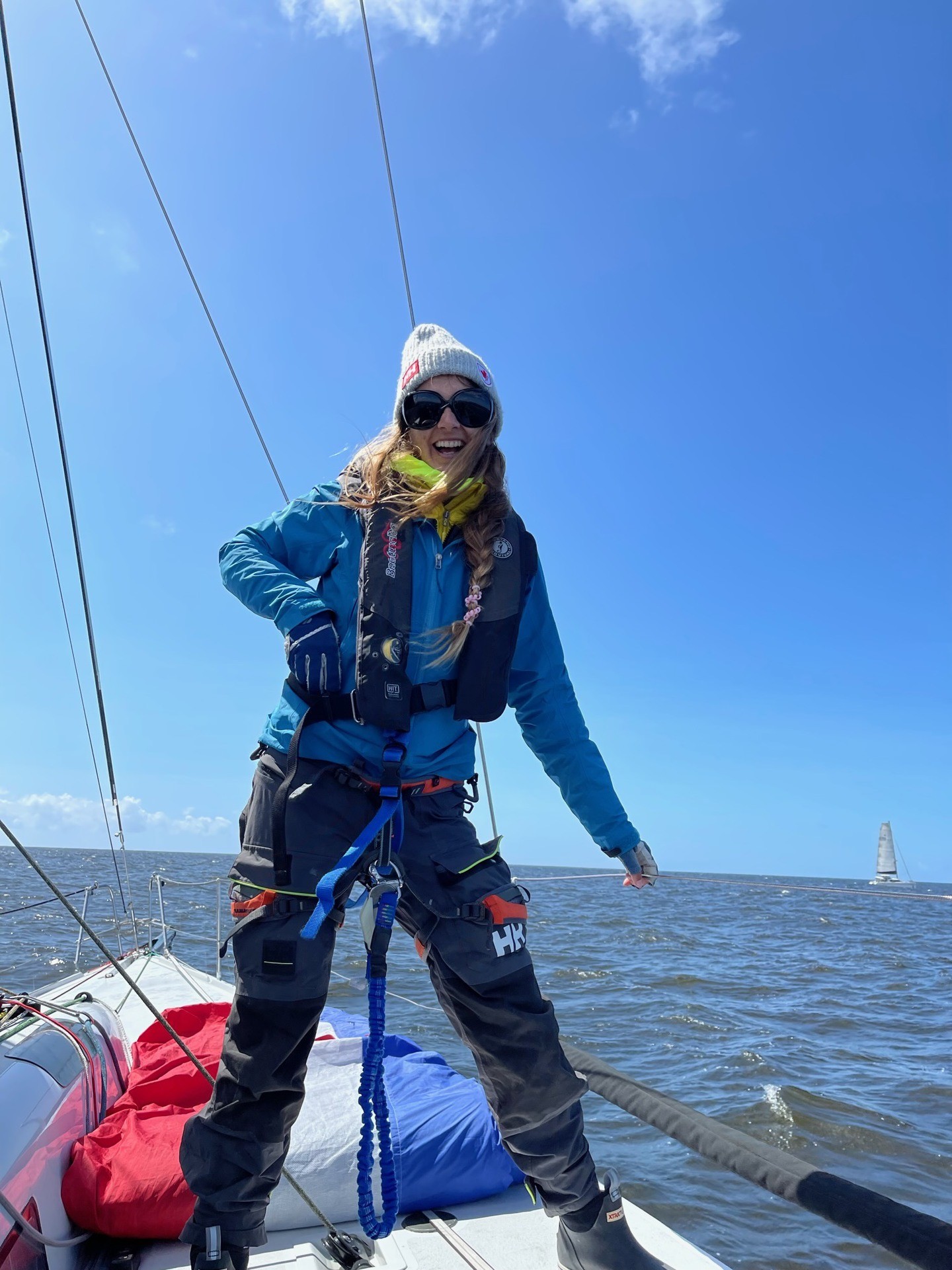
As always, we appreciate you sharing your insights and we’ve got a few more questions for you, but before we get to all of that can you take a minute to introduce yourself and give our readers some of your back background and context?
I’m a writer by trade, a storyteller by nature and an adventurer by heart. From narrative design, to screenplays, podcasts, and interactive web novels, there’s not much I haven’t written. I love to help people tell their stories and I’m grateful to be able to tell a few of my own. I have several works in production and post, have published across an array of different mediums and I’m grateful for every opportunity to write more.
What do you think is the goal or mission that drives your creative journey?
Happiness. Everyone wants it, but few chase it. I like exploring what happiness means to others, and I try my best to bring a bit of joy in each piece I create. My personal goal is to live a happy life and I hope that my work can inspire others to do the same.
In your view, what can society to do to best support artists, creatives and a thriving creative ecosystem?
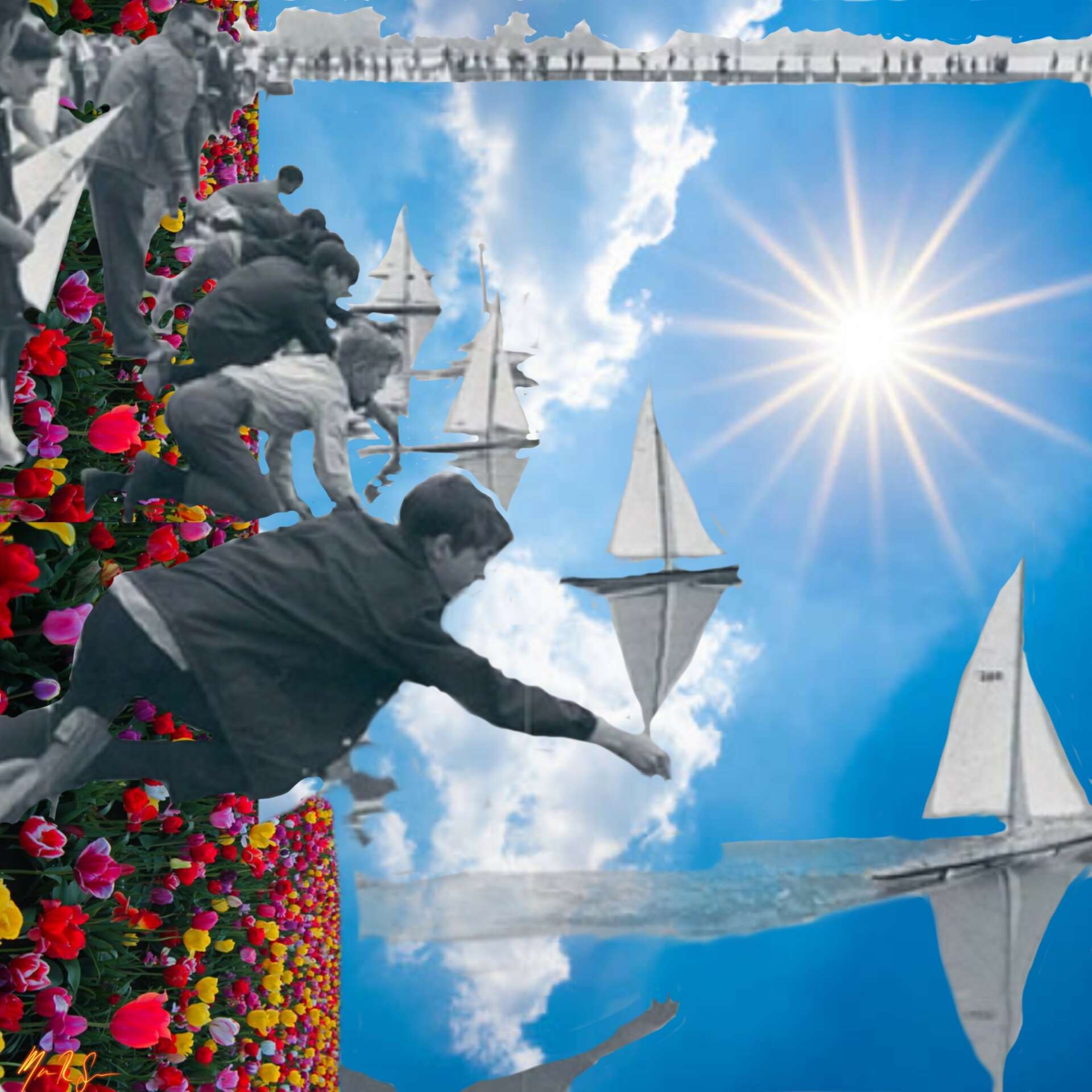
Buy weird things, follow your instincts, and be unafraid to like what you like. Clicking that little heart may do little for you but it does lots for those who share their work. Lend an ear to a voice who maybe hasn’t been heard and at the very least compliment artists fully and sincerely whenever the thought comes to mind. You can always pause that short film, or skip to the next song. You can even find more wall space, especially if your partner tells you that you can’t (haven’t you heard gallery walls are so in!).
So attend the weird concert or performance – there will be another night in front of the TV in your PJs. Do your best to live artistically. Appreciate the food you eat and definitely use the artisanal olive oil on the hand made bread. Food is art. Wear that hand-embroidered sweater everyday until it’s completely unraveled. Fashion is art. Listen to your favorite bands on repeat, buy their merch. Support your local musicians and go to the free concerts in the park and dance loudly. Music is art. Watch new films openly and binge TikToks from your favorite creators. Video is art. Read published books and blogs with five followers. Search for famous poems and highly-clickable web novels. Writing is art and reading is love.
Give often, share frequently and love infinitely.
Contact Info:
- Website: https://www.meliagrasska.com/
Image Credits
Simply Wandering Photo