



We caught up with the brilliant and insightful Melanie Luke a few weeks ago and have shared our conversation below.
Hi Melanie, thanks for joining us today. It’s always helpful to hear about times when someone’s had to take a risk – how did they think through the decision, why did they take the risk, and what ended up happening. We’d love to hear about a risk you’ve taken.
Opening a brick & mortar shop was the biggest risk I’ve ever taken. Financing it using retirement funds via a C-Corp was the second biggest risk. I was 43 years old and was presented with the opportunity to buy a building and open a small business. There are a lot of ways to finance things and borrowing a large sum of money with an interest rate on top of that was the least appealing way to me at that time. I put in the research, wrote the business plan, received a neighborhood grant for facade improvement, and opened The Flying Squirrel in 2014. We filled a void in the community by providing a space and service for children, families, and fans of old-timey ice cream and toy shoppes. We were off to a good start but were also up against online shopping as a go-to for the majority of people which meant that many retail brick & mortars were relegated to surviving as a weekend business when the majority of patrons would come out to shop and eat on Main Street. We needed to supplement our inventory with themed monthly events to add to the experience.
One of those experiences was creating a Haunted Walking Tour along Main Street in October that was a huge success for us and this ultimately became what is now known as Dark History PGH which operates in 3 neighborhoods around the city of Pittsburgh.
Unfortunately, divorce impacted the outcome of the shop and I had to make a choice of whether or not to continue with this shop of only 4 years, or to rip the band-aid off, close the business and get a salaried job elsewhere.
A new business was opening right across the street from mine and they offered me a position so I decided to close. I kept the building and was able to rent it which lasted just over 3 years. My tenant ended up buying the building in 2022 and I was able to replace my retirement investment and dismantle the C-Corp.
For me – this risk offered an amazing experience to create something tangible that had a direct positive impact on a community. Even after getting blindsided with divorce, it was important to me to find a tenant that would also fill a void on the street and not just lease the space to the first person who came along. In this scenario, a lot of things went right and worked out in largely beneficial ways (despite the disappointment of not being able to continue as a brick & mortar entrepreneur).

Awesome – so before we get into the rest of our questions, can you briefly introduce yourself to our readers.
Throughout my 35 year working career, I’ve been employed by corporations as well as small, independent businesses. Both offer learning experiences but for me, I have always gravitated toward the tiny, micro businesses dotting Main Streets where I could learn every aspect of entrepreneurship. Small businesses also offered direct community impact and I loved that. I had an opportunity to buy a building in a neighborhood near me and I launched my first Brick & Mortar shop called The Flying Squirrel. I spent months researching what the community needed, where the voids were, what I personally enjoyed and if it could actually be profitable. I created a C-Corp (which is, in itself, a risk) but it allowed me to use funding that was tax-free and penalty-free to make the investment. This was a beloved project for me: from the design to the inventory and finding local suppliers that were some of the best in the city. I quickly realized that hosting events would become a critical component of the business if we were going to compete with shopping online.
When strange things started happening in the building, I started to research the property which led to researching most of Main St. As it happened, the neighborhood was a treasure trove of darker history but no one had done any kind of haunted walking tour so we created one.
At first, it was a direct extension of The Flying Squirrel, and we ran them on the weekends in October. Every single tour was sold out and it was something everyone really looked forward to but in 2018 I had to make the excruciating decision to close my beloved shop due to an impending divorce and I knew it was the safer financial choice. I held on to the building and ultimately rented it but the haunted tours were still in demand.
I decided to keep them going and developed a way to effectively compete with other tour companies while having a direct positive impact on the neighborhoods we operated from. At the time, I had a full time job with another small business but because the tours were seasonal and limited, I was able to do both and really develop the strategy for expansion.
When the world took a pause with Covid, it gave me the opportunity of time and like so many people, I started to look at what brought me the most joy. Combining my love of History and morbid facts with the art of storytelling was calling my name.
I sold my building in 2021 after seven years and closed the C-Corp. I still needed to work full time for a steady salary but I began Grim Gardens LLC to become the parent company of Dark History PGH haunted walking tours which now operate in 3 neighborhoods and growing. Another arm of the company became MasterDeceased Theatre which is a live theatrical performance that pairs spooky stories with morbid cocktails several times a year in different locations. The third arm of the company is Grim Gardens Emursive which is a unique immersive experience that is always based on a true story and participants are invited to explore the spaces as if they are experiencing it in real time.
In 2024, I was able to test all three of these ideas and it became my most successful year, earning me half of my full time salary with just 18 nights of actual operation. Going forward, every year will offer new challenges (unruly weather, venues not being available for specific dates, waning interest in certain neighborhoods perhaps) but for me ~ having the flexibility to make the business mobile and experiential allows for broader growth and more opportunities to engage and give back to communities with jobs and financial support. I have one more arm of the business to achieve which involves a bigger financial investment (*risk) but it could allow me to fully support myself as an entrepreneur doing what I really enjoy.
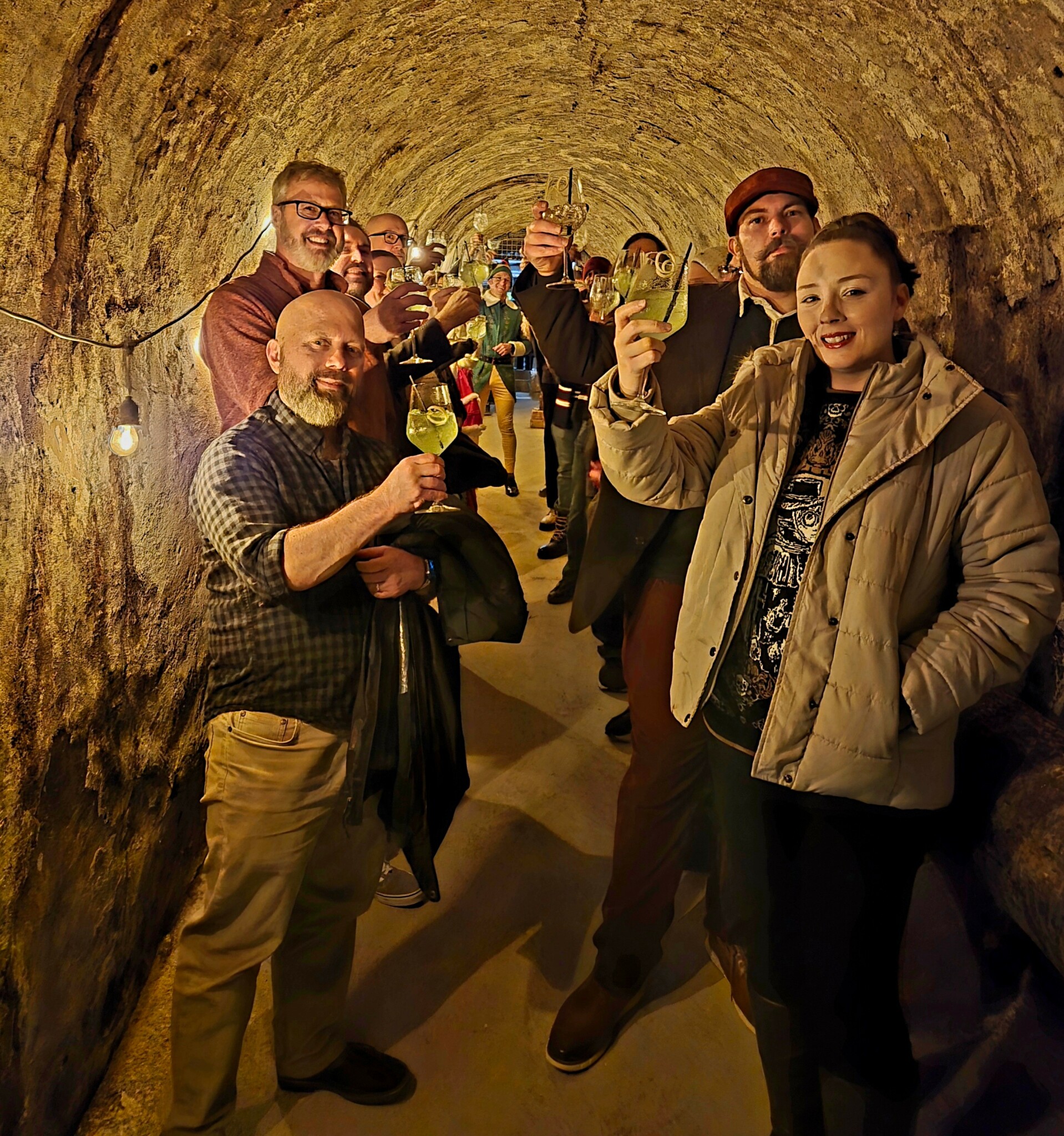
In your view, what can society to do to best support artists, creatives and a thriving creative ecosystem?
The overarching theme that I have witnessed throughout my lifetime is that the more convenient something is, the quicker society will embrace it.
Unfortunately, convenience has consequences such as changing the landscape of community, changing society’s behaviors, increasing waste due to mindless consumerism, and consolidating markets to be owned and operated by a few mega corporations while putting millions of small businesses out of business.
People need to ask themselves what kind of community they want to live / work / relax in. What is desirable? The answers usually include having retailers nearby that offer diverse services that might be errand-based such as a dry cleaner, a tailor, a hardware store, a food market, and a florist. Desirable communities offer art galleries, bakeries, coffee shops, restaurants and clothing stores.
The answer is always to simply support those shops. And the hard truth is that we don’t actually NEED everything that is available to us online. Artists and Entrepreneurs bring a vitality to neighborhoods that keep it unique!
Get involved in your community’s monthly or quarterly meetings and see if there’s a committee that you can be of service on.
In a word : INVOLVEMENT!
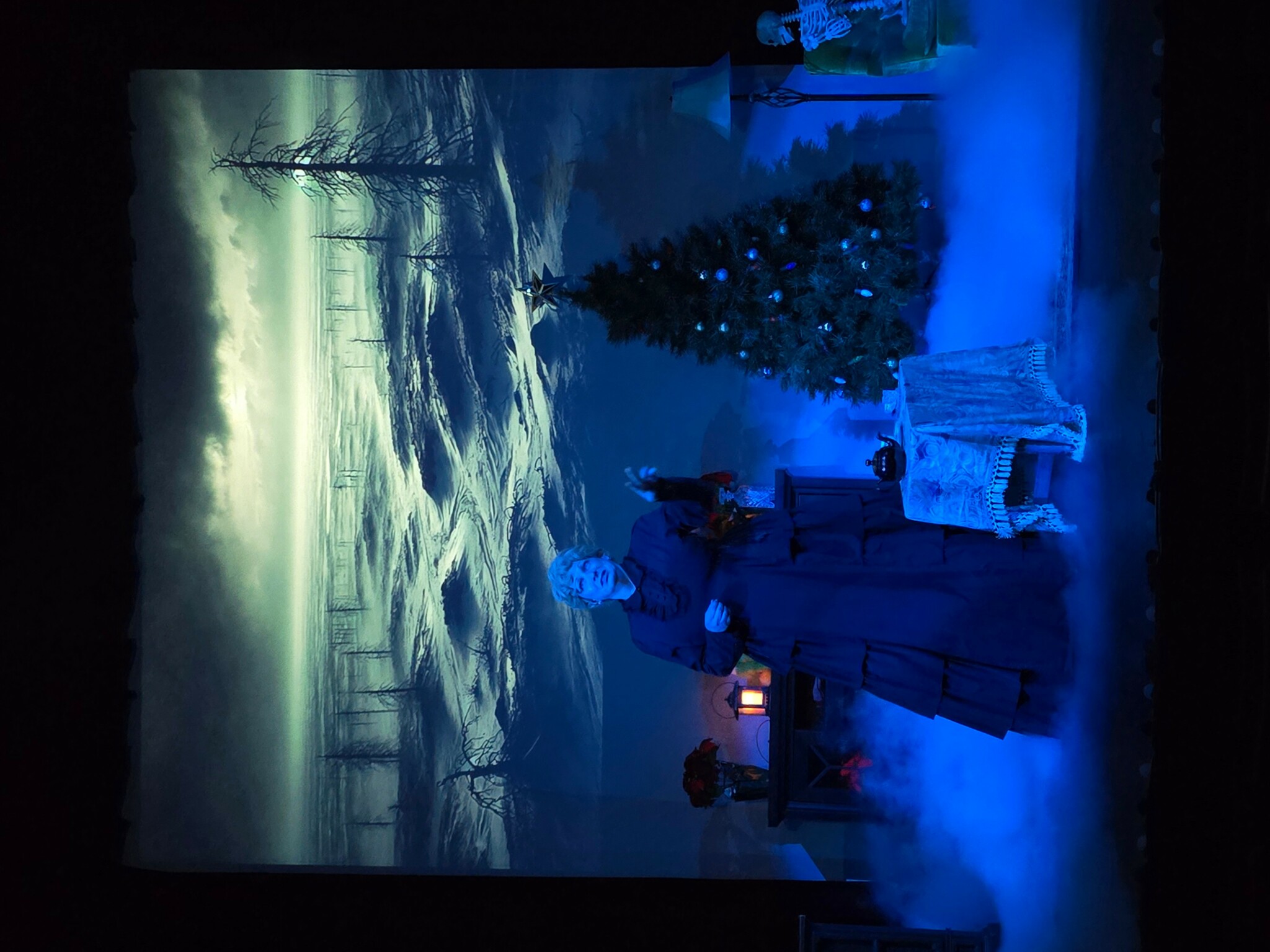
Is there mission driving your creative journey?
Even though my creative journey isn’t my Full Time job (yet) ~ there is a mission that has been there from the beginning. If a neighborhood is fortunate enough to have an Historical Society, most of the time it is run by the Elders of the community. The problem is that no one lives forever and as the older generations begin to dwindle, a lot of stories and experiences and knowledge go with them. I happen to love History but I’m aware that some of it can be a little dry so when I created the haunted walking tours, the goal was to create an opportunity to shine a spotlight on smaller communities that reveal more of their hidden history and lesser known stories but in a really fun way. It’s a chance to learn without feeling like it’s a lesson. This also opens up local lore to younger generations so the stories can continue.
Contact Info:
- Website: https://www.darkhistorypgh.com
- Instagram: @darkhistorypgh
- Facebook: Dark History PGH
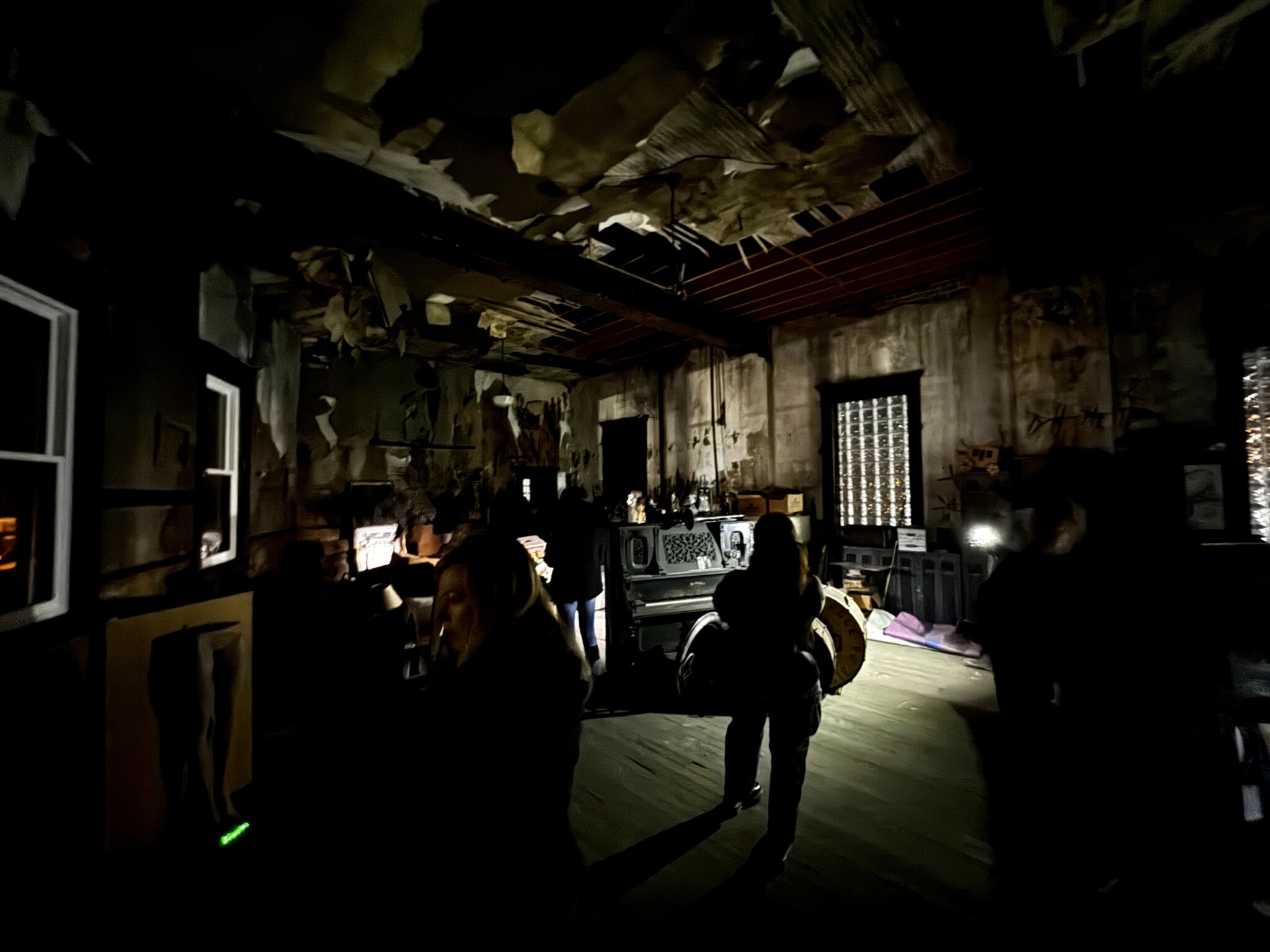
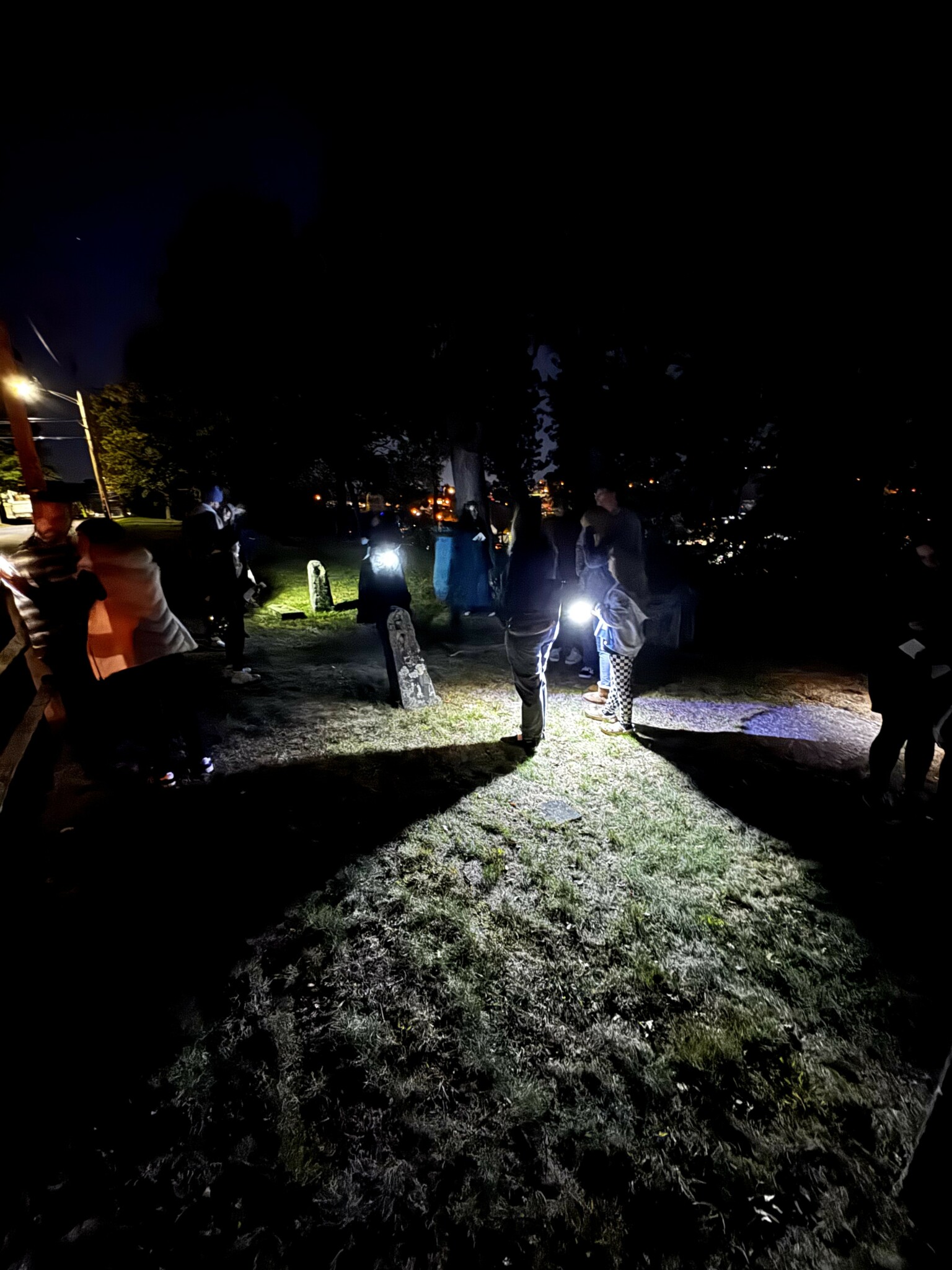
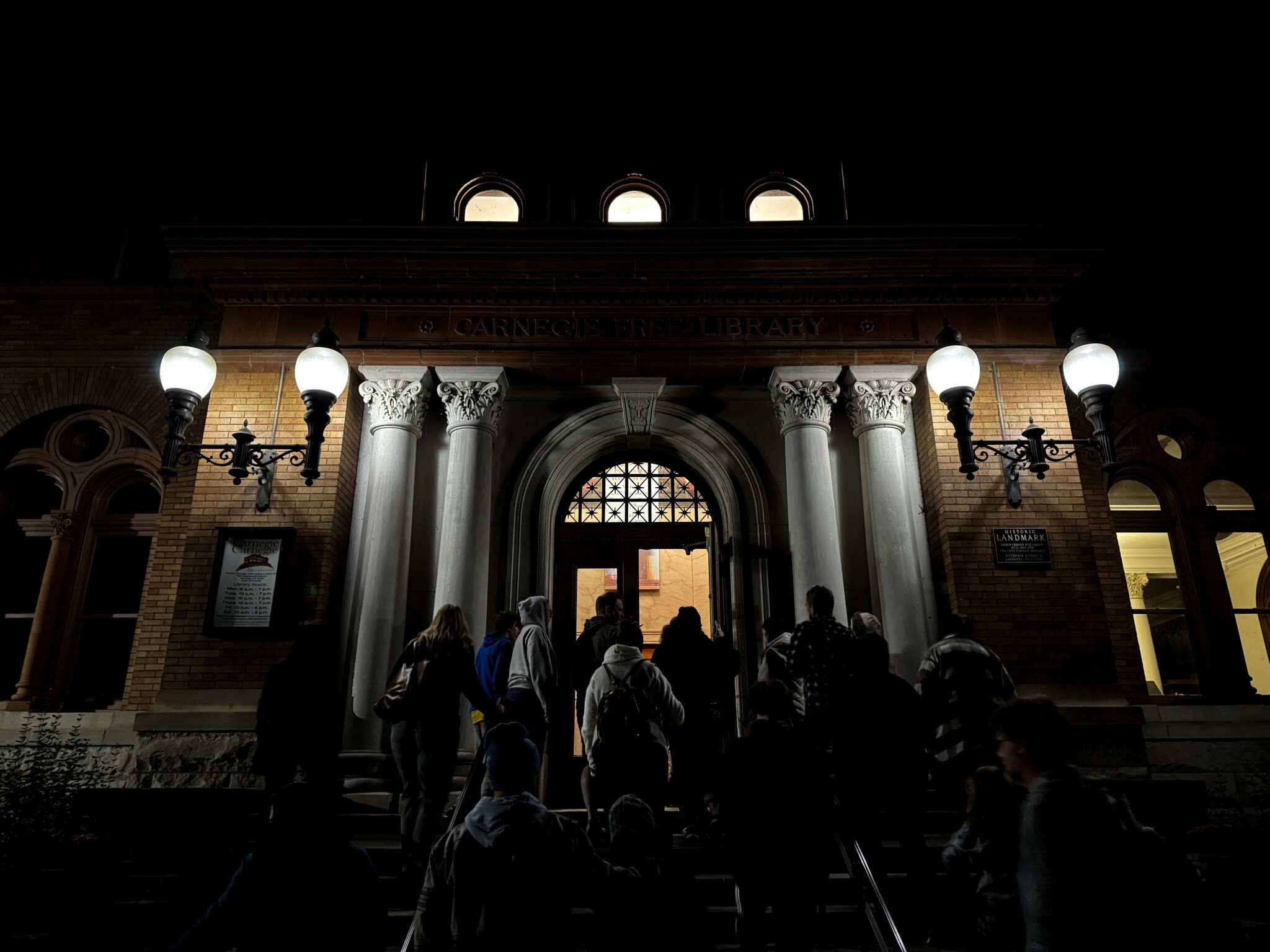
Image Credits
image credits: Dark History PGH