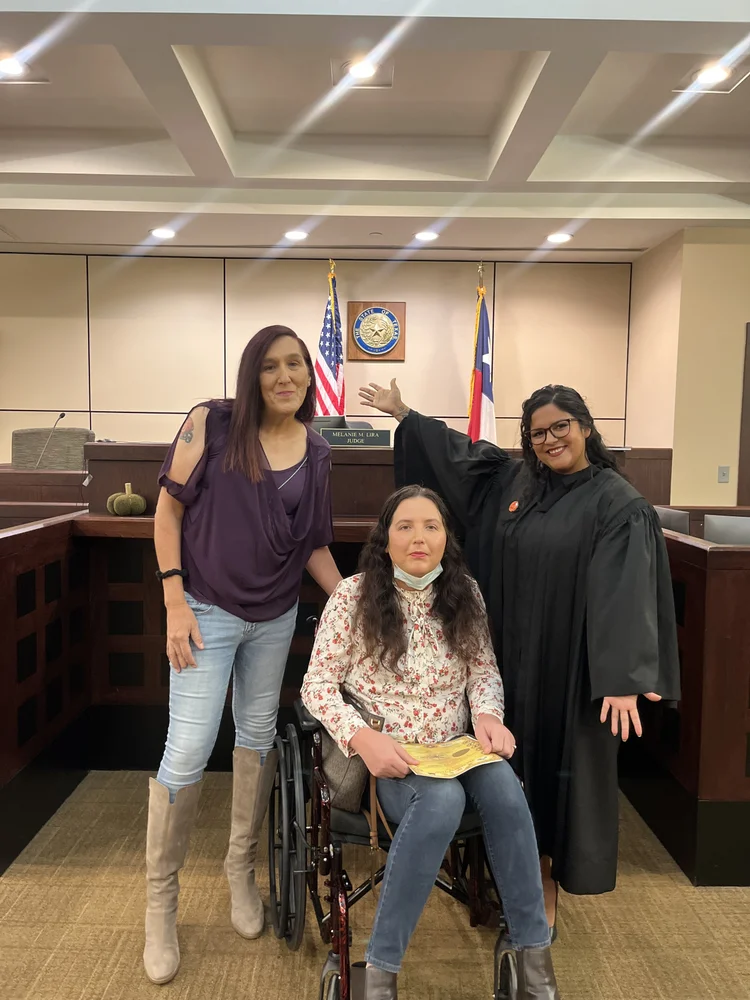

We recently connected with Melanie Lira and have shared our conversation below.
Alright, Melanie thanks for taking the time to share your stories and insights with us today. Showing clients you appreciate them is something I think most folks want to do – but it’s not always clear how to do it in a meaningful way. What’s one of the best examples of client appreciation you can share with us?
The most meaningful way I’ve shown gratitude to my clients was during the height of the COVID-19 pandemic, when I made the decision to pause all attorney fee payments for six months. Many of my immigration defense clients were facing job loss, uncertainty, and fear—not only about their cases, but about how to provide for their families. By removing the financial pressure, even temporarily, they were able to focus on their safety, their loved ones, and their futures while knowing their cases would continue to be handled with the same care and commitment.

Great, appreciate you sharing that with us. Before we ask you to share more of your insights, can you take a moment to introduce yourself and how you got to where you are today to our readers.
Judge Melanie M. Lira was born and raised in San Antonio, Texas. As the first U.S.-born citizen in her family, she grew up navigating both the struggles of a migrant life and the unique responsibilities that come with being a first-generation American. These early experiences shaped her perspective and sparked a lifelong dedication to education, justice, and service.
At just 16, Melanie began her college education at San Antonio College, where she discovered the transformative power of learning. She later transferred to the University of Houston, where she explored a variety of academic paths before earning her Bachelor’s Degree in Art History and Religious Studies.
Before graduating, Melanie was accepted into the University of Denver’s Iliff School of Theology, where she pursued a Master’s Degree in Religious Studies. It was during this time that she began working with nonprofits that served undocumented communities—a turning point that revealed her true calling: legal advocacy. After completing her graduate studies, she returned to San Antonio, determined to become a lawyer, and began preparing for law school.
Melanie earned her J.D. from St. Mary’s School of Law in 2015. While in law school, she also completed a second Master’s Degree in International Relations, focusing on conflict resolution, and graduated in the top five percent of her class.
Throughout her career, Melanie has been recognized for her unwavering commitment to human rights and social justice, both at home and abroad. From 2014 to 2017, she worked with the nonprofit Amal ou Salam to support Syrian refugee children. In 2015, she was honored with the Alice Wright Franzke Feminist Award and the Justice Alma Lopez Women in Law Leadership Award.
Prior to being elected, Melanie serves as an Immigration Staff Attorney at The Treviño Law Firm, a Bexar County Court-Appointed Attorney, and an immigration attorney at her own firm, Lira | Cazares Defense Firm, PLLC—where she reserved 40% of her cases for pro bono representation.
As Judge of County Court-at-Law 7, Melanie brought compassion, diligence, and leadership to the bench. In just two and a half years, she presided over more than 45 trials, prioritized fairness and efficiency, and fostered a healthy balance of hard work and wellness among her staff. Most importantly, she remained grounded in the community that raised her—committed to serving it with integrity every step of the way.

What’s a lesson you had to unlearn and what’s the backstory?
One of the most important lessons I had to unlearn in this industry was the belief that being a good advocate meant being constantly available. I had to learn that creating healthy boundaries and taking care of myself did not mean abandoning my clients or compromising their representation. In fact, it allowed me to show up as a more focused, effective, and present advocate—ultimately giving my clients a better version of me and stronger representation overall.

Any advice for growing your clientele? What’s been most effective for you?
The most effective way I grew my clientele was through honesty. I lived by the motto, “I will tell you what you need to hear, not what you want to hear.” By being upfront about a client’s realistic chances for relief in the immigration system, I built trust, strong relationships, and a reputation grounded in integrity. That honesty not only empowered clients to make informed decisions, but it became the foundation for long-term growth and referrals.
Contact Info:
- Website: https://Melanielira.com
- Instagram: @judgelira