

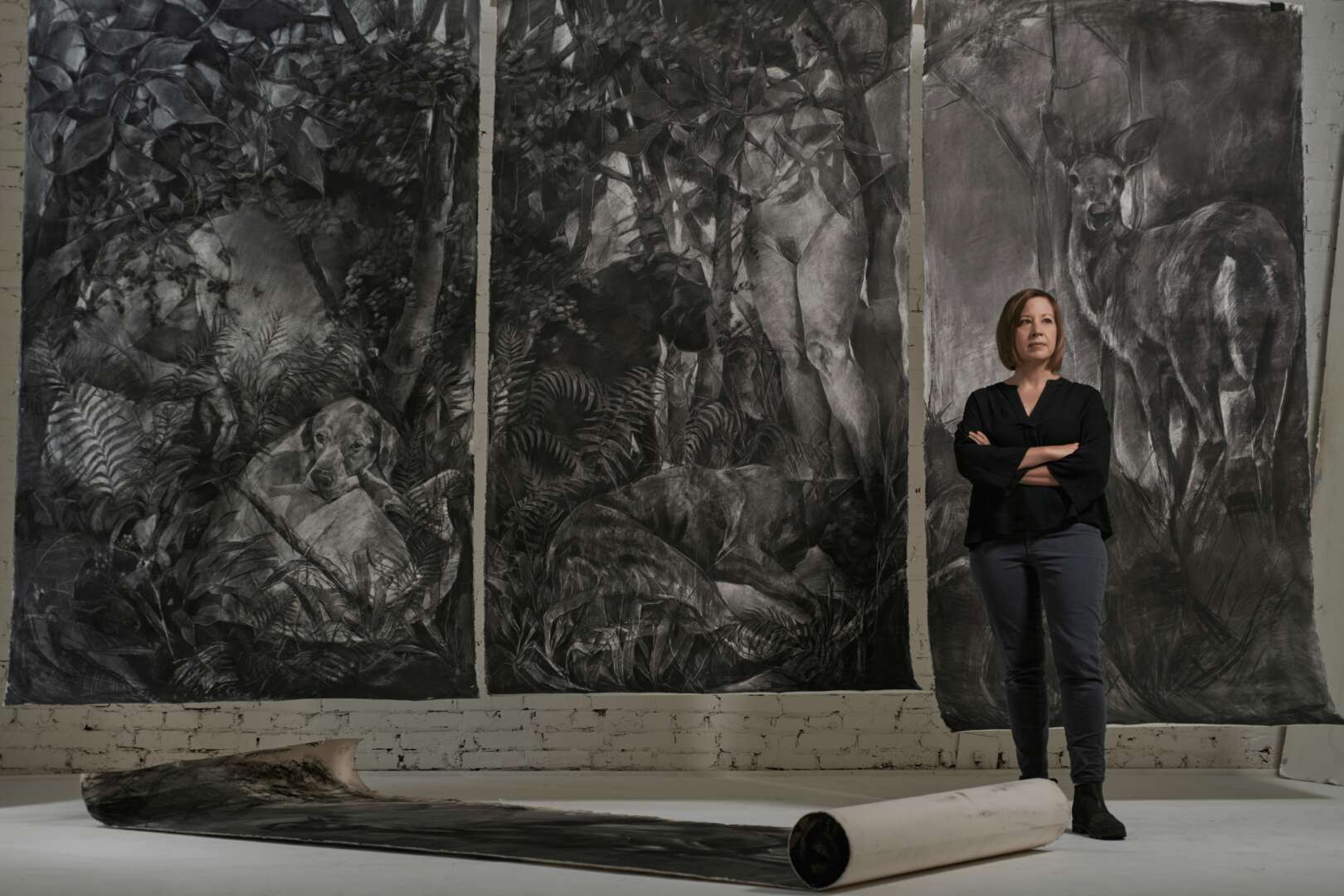

Alright – so today we’ve got the honor of introducing you to Melanie Johnson. We think you’ll enjoy our conversation, we’ve shared it below.
Melanie, appreciate you joining us today. What’s the kindest thing anyone has ever done for you?
As an undergraduate student, my mentor and his wife often asked me to house sit for them. I was living like the poor art student that I was, and the care-giving extended much more in my direction, as I’m sure they were both aware, The invitation to bask in their air conditioned bungalow with their beagle, whilst perusing a library full of literature and art books and eating wonderfully prepared food was delightful and so appreciated. They were so generous and interesting, and they made me feel interesting, too. It was also one of my most formative experiences as a young artist because it modeled what a creative life could look like, and I needed that so badly. That was just one of their many kindnesses over the years, but it had such an impact. Their generosity is something I’ve always remembered and tried to embody as a mentor myself.
Melanie, love having you share your insights with us. Before we ask you more questions, maybe you can take a moment to introduce yourself to our readers who might have missed our earlier conversations?
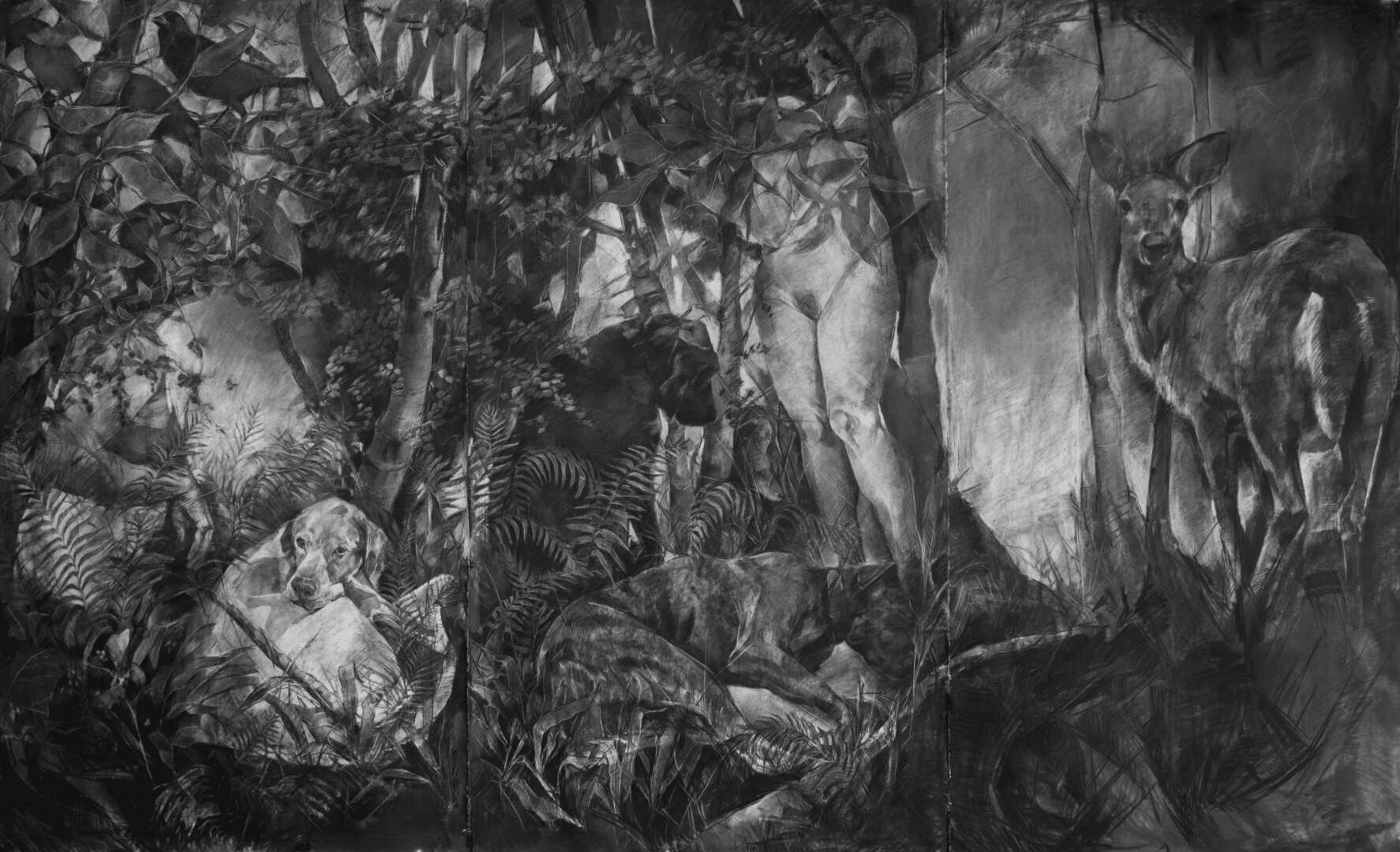
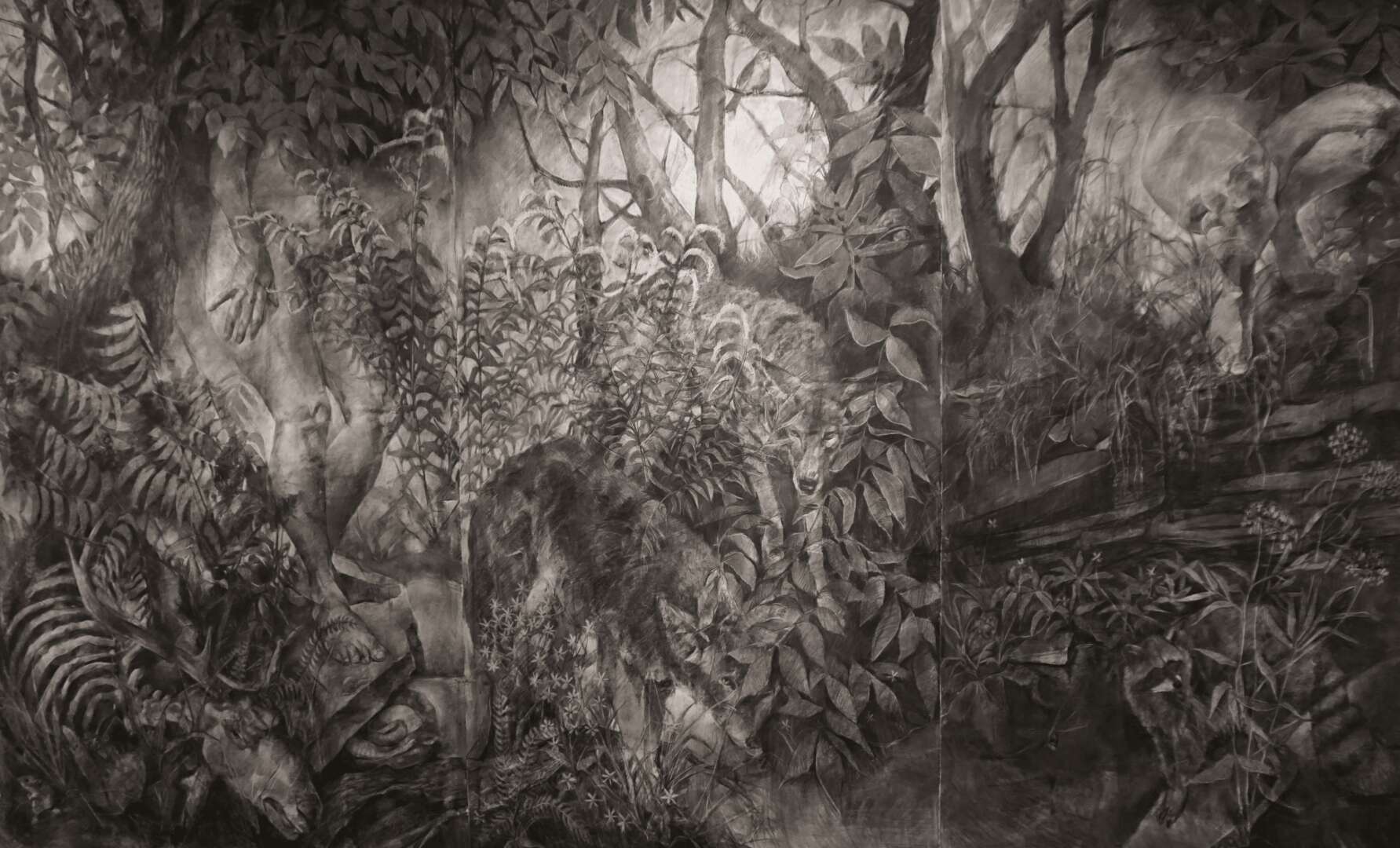
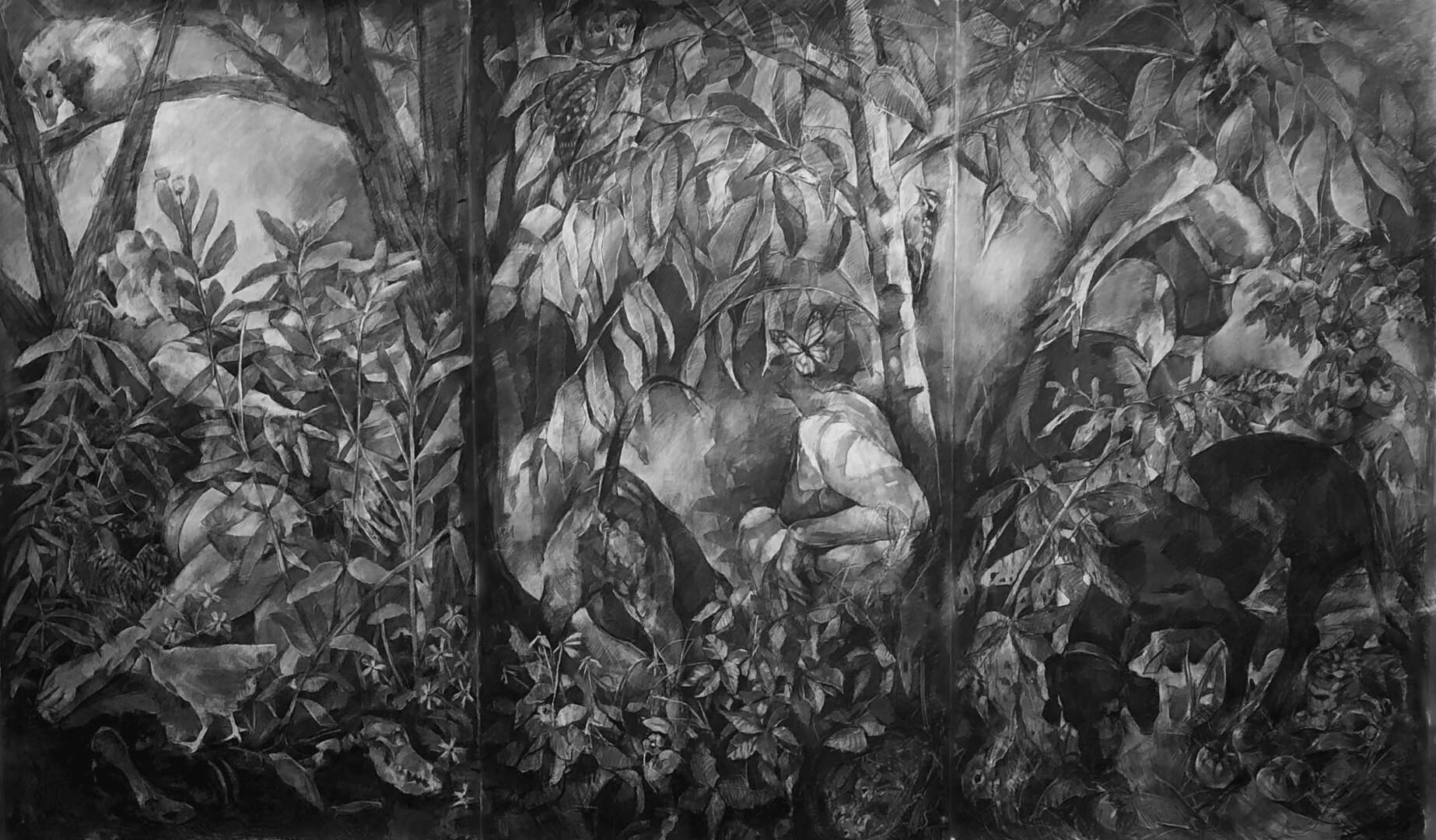
I am an artist and educator based in Prairie Village, KS. I’m originally from Kansas City, and grew up helping in my dad’s veterinary practice, exploring in the woods, and riding horses. My large scale drawings recall the sensory and emotional connections inherent in my bonds with animals and the natural landscape, and the ways in which animals provide some of my earliest empathetic relationships and routine caregiving experiences. Examining these formative bonds has caused me to explore the physical and psychological landscapes connected to the life cycles of animals, much like I did as a kid, and my work has taken me to artist residencies on the Tallgrass Prairie and deep into my own backyard. I’m a mom to a teenager, and we live with a menagerie of dogs, cats, chickens and a rabbit (all make appearances in my drawings now and then). I’ve worked at the University of Central Missouri for quite a while, and my students and colleagues continue to have a huge positive impact on my creative practice.
What do you find most rewarding about being a creative?
The most rewarding aspect of being an artist, for me, is the opportunity for reflection and continual growth. As an educator, I often try to dispel the notion that students should expect to gain a mastery of their craft while in school. Rather, to become an artist or creative is an invitation to lead a curious and critical life, and one’s studio practice and understanding of craft continue to evolve throughout. About ten years ago, I attended the Frank Auerbach retrospective at Tate Britain. I remember very distinctly a moment when I no longer understood how he had arrived at a painting decision- the paint handling became more and more surprisingly inventive as he aged, even as the subject matter remained consistent. The experience was both humbling and thrilling. It can be uncomfortable to accept that you know so little, even after years of practice, but I am increasingly grateful to be in a field that requires this mindset. There’s a real excitement for me, knowing that I’ve only just started to understand what I’m about, and all of that will no doubt change.
What’s a lesson you had to unlearn and what’s the backstory?
I’ve had to unlearn the mentality of pushing myself beyond my limits to meet a deadline. This kind of work ethic was instilled in me early on, as I think it is for a lot of people in deadline-oriented creative fields. As a student and for most of my early adult career, I embraced and modeled habits that often involved working through the night, dropping everything else to prioritize my studio practice for bursts of time as a deadline approached, and coming out the other side exhausted. While this model worked for me for a long time, I’ve had to come to terms with the fact that it is not sustainable or even desirable. Admittedly, this has been a slow unlearning, but I’m finding that, as my physical stamina changes and, paradoxically, as other aspects of my life and career present different and increasing demands, my time in the studio has become more contemplative. I experience less satisfaction in a frenetic sprint to the end, and more enjoyment in the acts of looking, researching, reading, and thinking about how I work. I still struggle with continuity in the studio, but the more I am able to allow myself to be present for an hour at a time, and to consider other aspects of my life to be part of of my practice, the more connected and sustainable my practice feels.
Contact Info:
- Website: https://melanielynnjohnson.com
- Instagram: @melanie.l.johnson
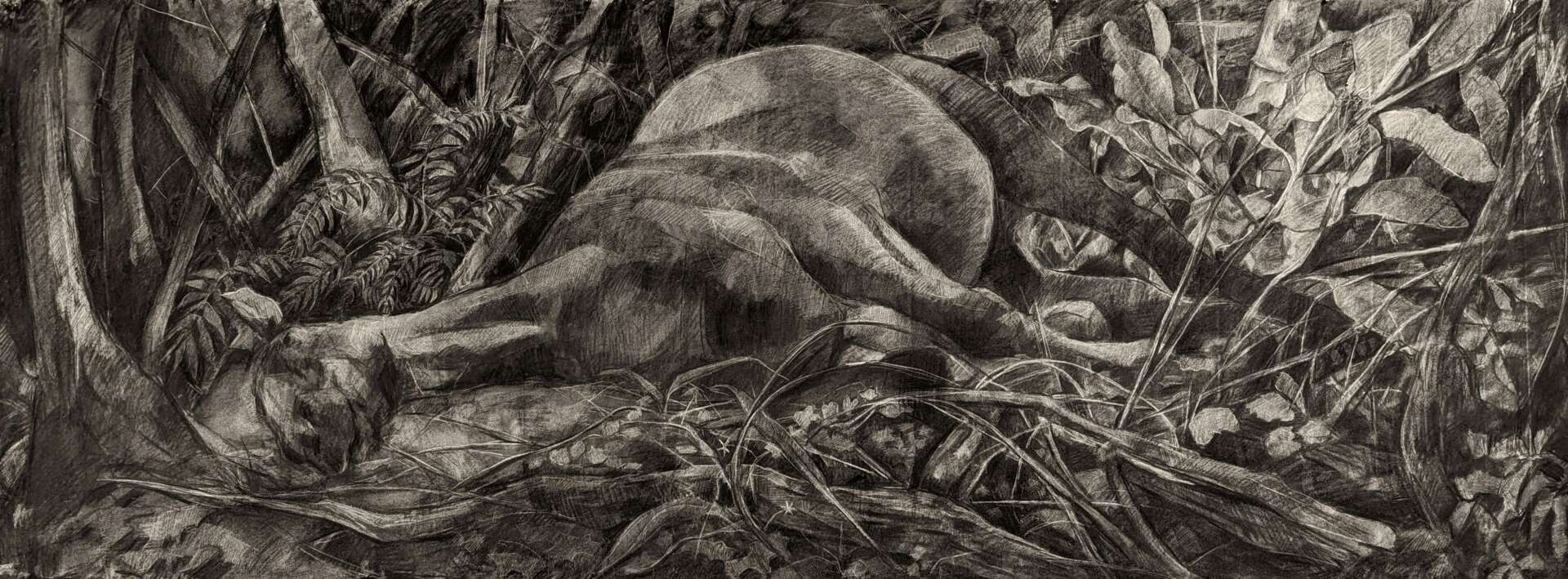
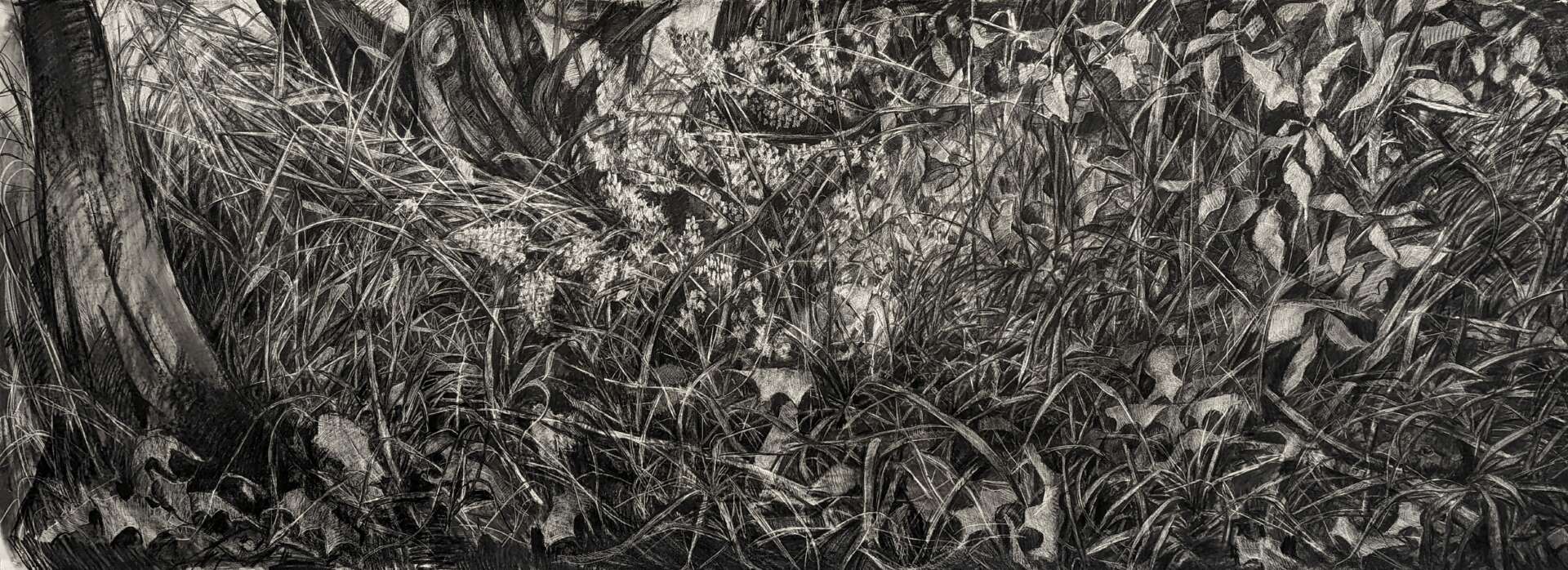
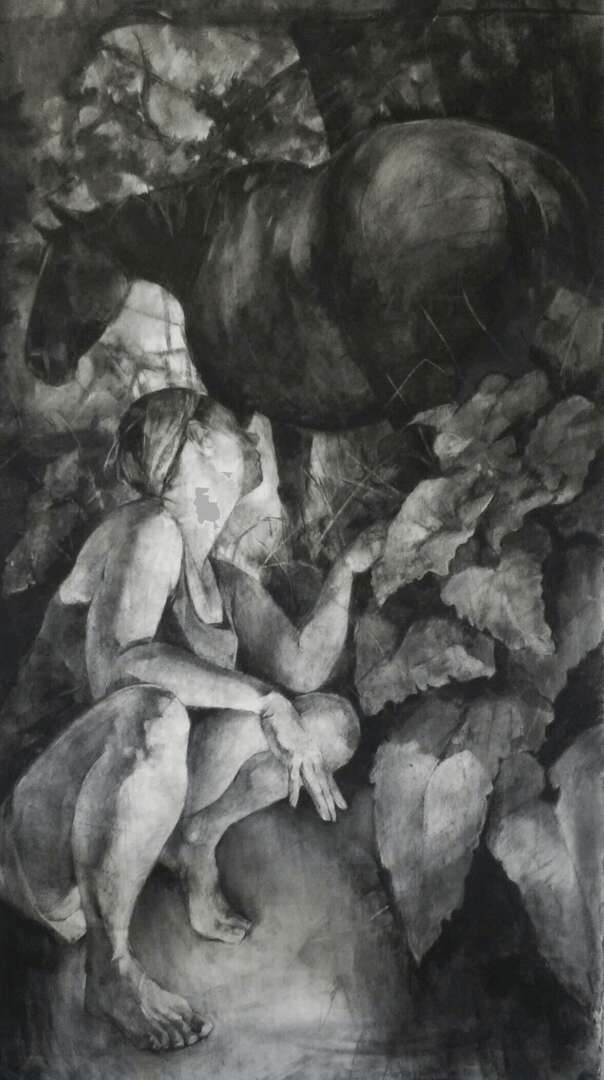
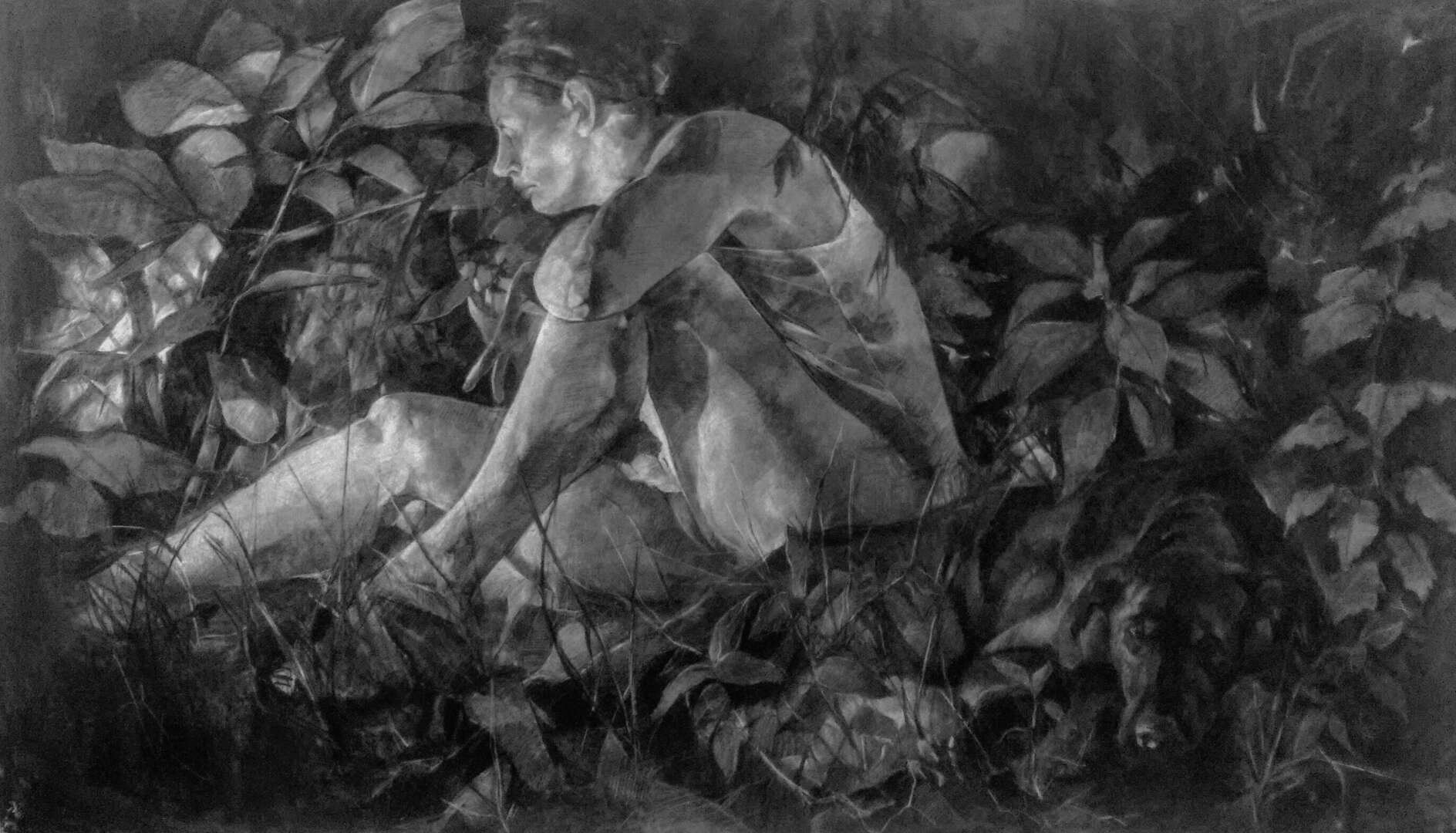
Image Credits
Portrait: Lauren Pusatari