


We recently connected with Melanie Isaacs and have shared our conversation below.
Alright, Melanie thanks for taking the time to share your stories and insights with us today. We’d love to have you retell us the story behind how you came up with the idea for your business, I think our audience would really enjoy hearing the backstory.
I was getting a certificate in zoo and aquarium management and working at an aquarium in Chicago when my life changed. Leaving work on the El, a family approached me after noticing the aquarium logo on my shirt. It was a father and a son. As the dad and I chatted about sharks, his son was getting more and more excited. At first he was rocking back and forth, then jumping a bit and eventually flapping his hands. His excitement got me excited and I asked if he liked to visit the aquarium. He didn’t say a word, but his dad quickly interjected, “oh, no, we don’t go to the aquarium. He has autism. It would be too much.” They got off the train and I spent the rest of the commute sad and frustrated. Both of my uncles had muscular dystrophy and were wheelchair users. I was familiar with the struggle to find physical accommodations, but the family on the train didn’t need a ramp, they needed something else to feel like they could access the aquarium. My thesis work turned into creating a set of tools to make the aquarium more inclusive and accessible for guests with developmental disabilities, and Pal Experiences was born.
Awesome – so before we get into the rest of our questions, can you briefly introduce yourself to our readers.
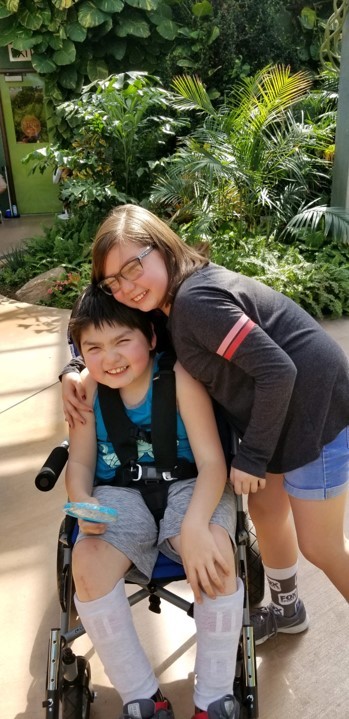
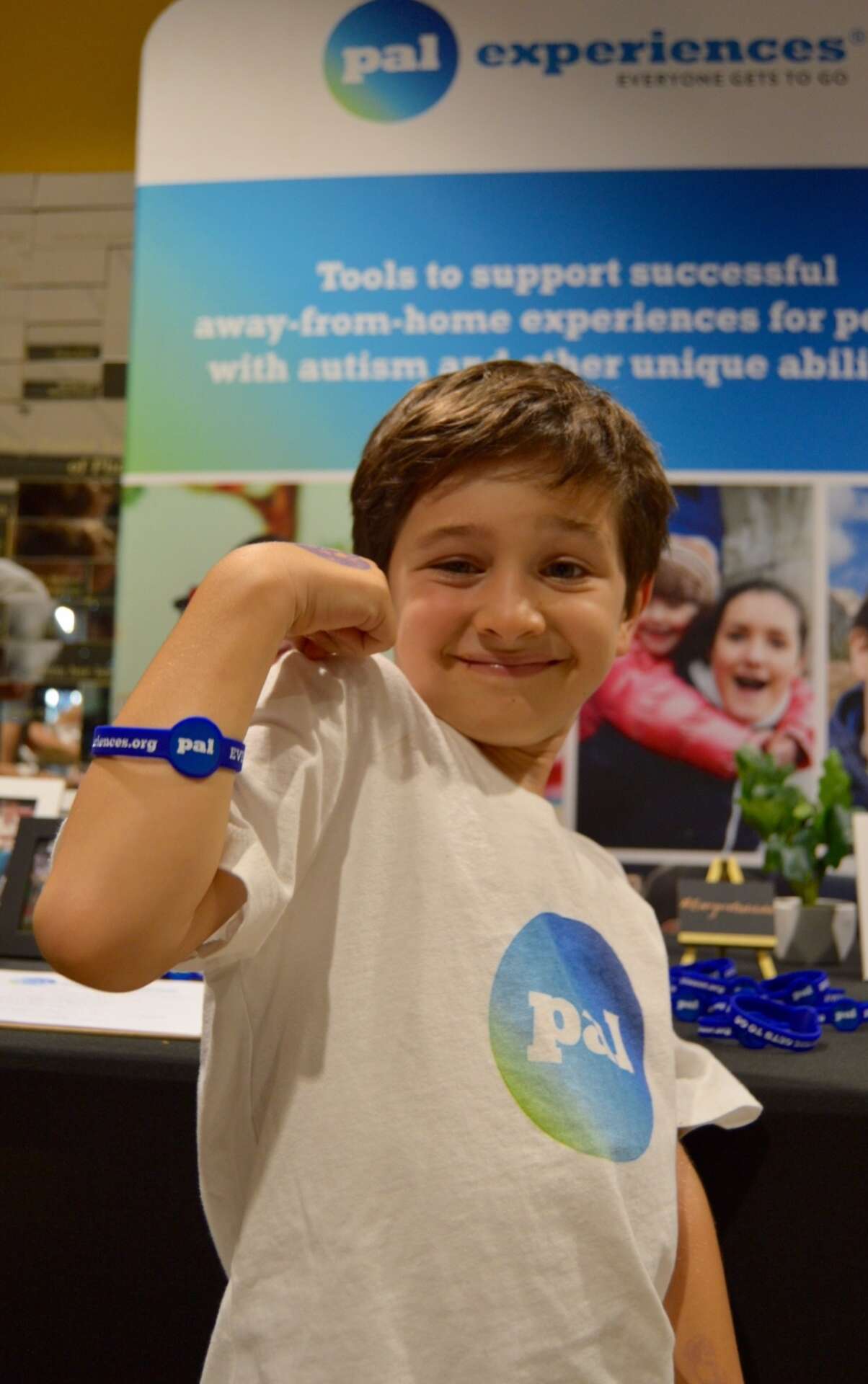
Pal Experiences is a nonprofit dedicated to making places more inclusive and accessible for guests with developmental disabilities. 70% of families with autism, just one of hundreds of developmental disabilities, are socially isolated. They are not going out because of three main challenges – anxiety over new experiences, sensory sensitives and communication barriers. Pal Experiences creates digital tools that address each of these. Using evidence based best practices in behavioral therapy, we create customized tools that help individuals and families know what to expect, reducing anxiety, plan for the sensory scene and use assistive communication to engage with their family and staff.
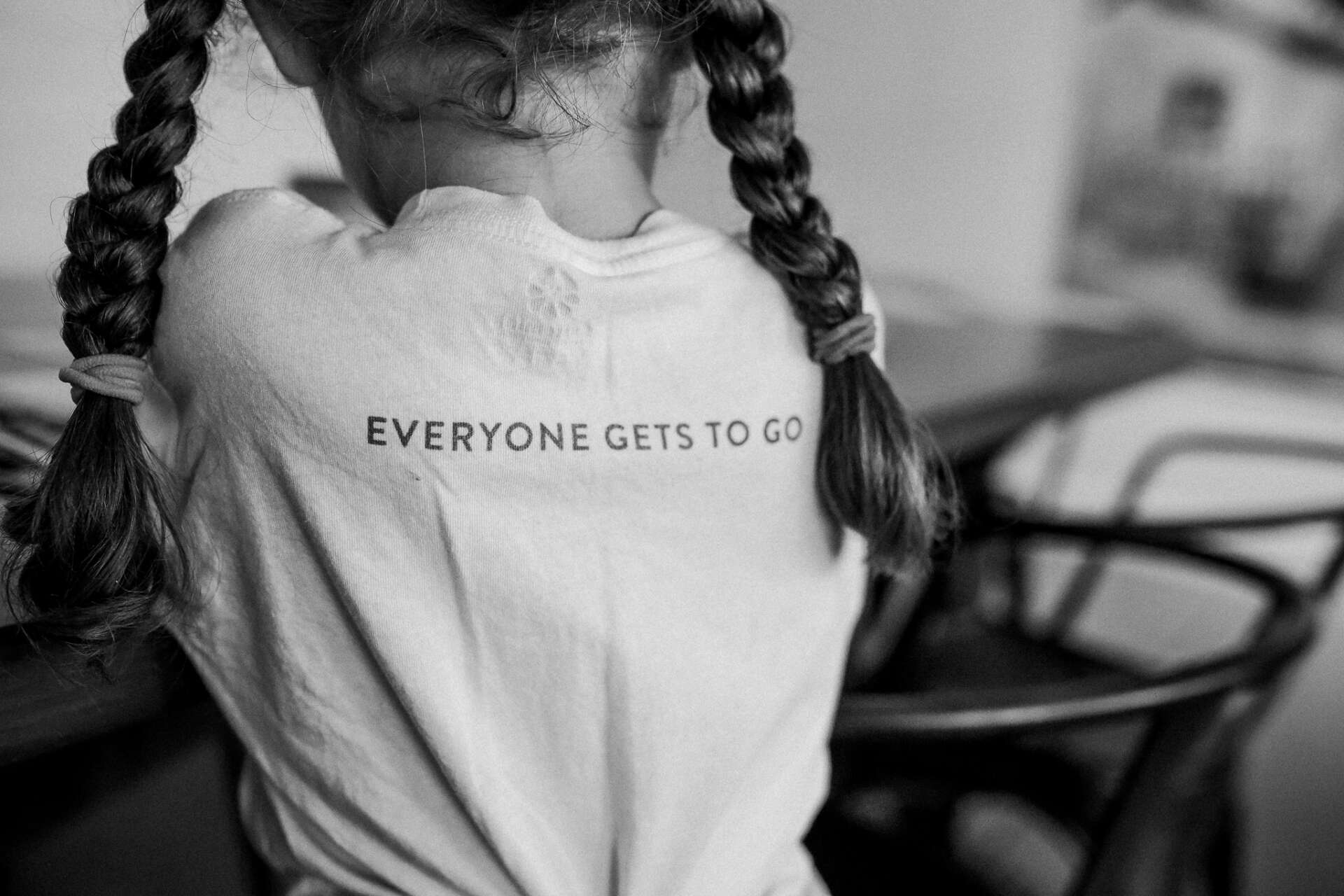
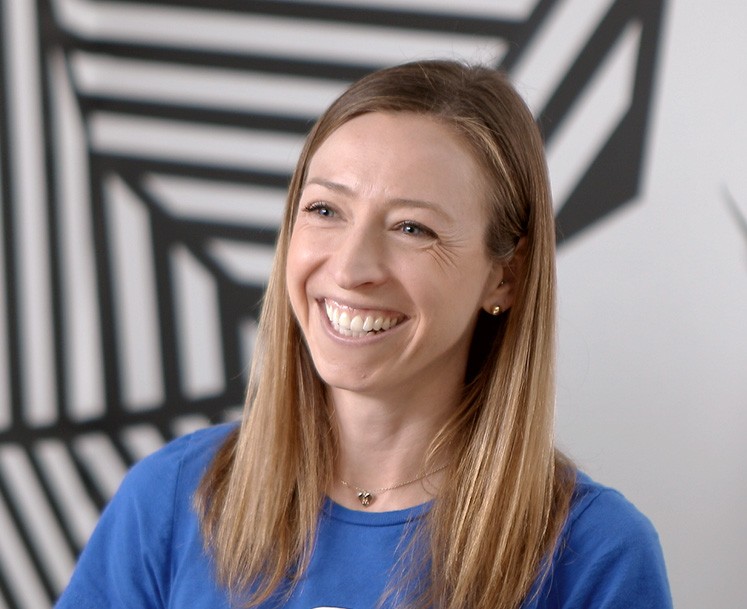
I am proud to be the founder of this organization. Our goal is to help as many individuals and families be included in the community as we can. We started in Arizona and have recently established another headquarters in Wisconsin. Our programs work and we are striving to make all communities more inclusive so that everyone gets to go.
Can you tell us about a time you’ve had to pivot?
The biggest pivot came for us during the pandemic. We are a nonprofit focused on getting people out into the community. During the pandemic, no one could do this. We had to refocus our efforts. We asked families with disabilities what their challenges were and created solutions to meet them where they were at. Routine is very important for many individuals with developmental disabilities. The pandemic took away so much of that structure; school, therapist appointments, trips to the museum. Just as Pal creates tools for what to expect when going to out, we created a tool for what to expect when staying at home. We used our internal team to safely film each of our own families going through our quarantine routines. We talked about online school, wearing a mask, and feeling lonely. It was a rewarding project that helped many families work through staying at home and reinforced through video that no one was alone.
Can you share a story from your journey that illustrates your resilience?
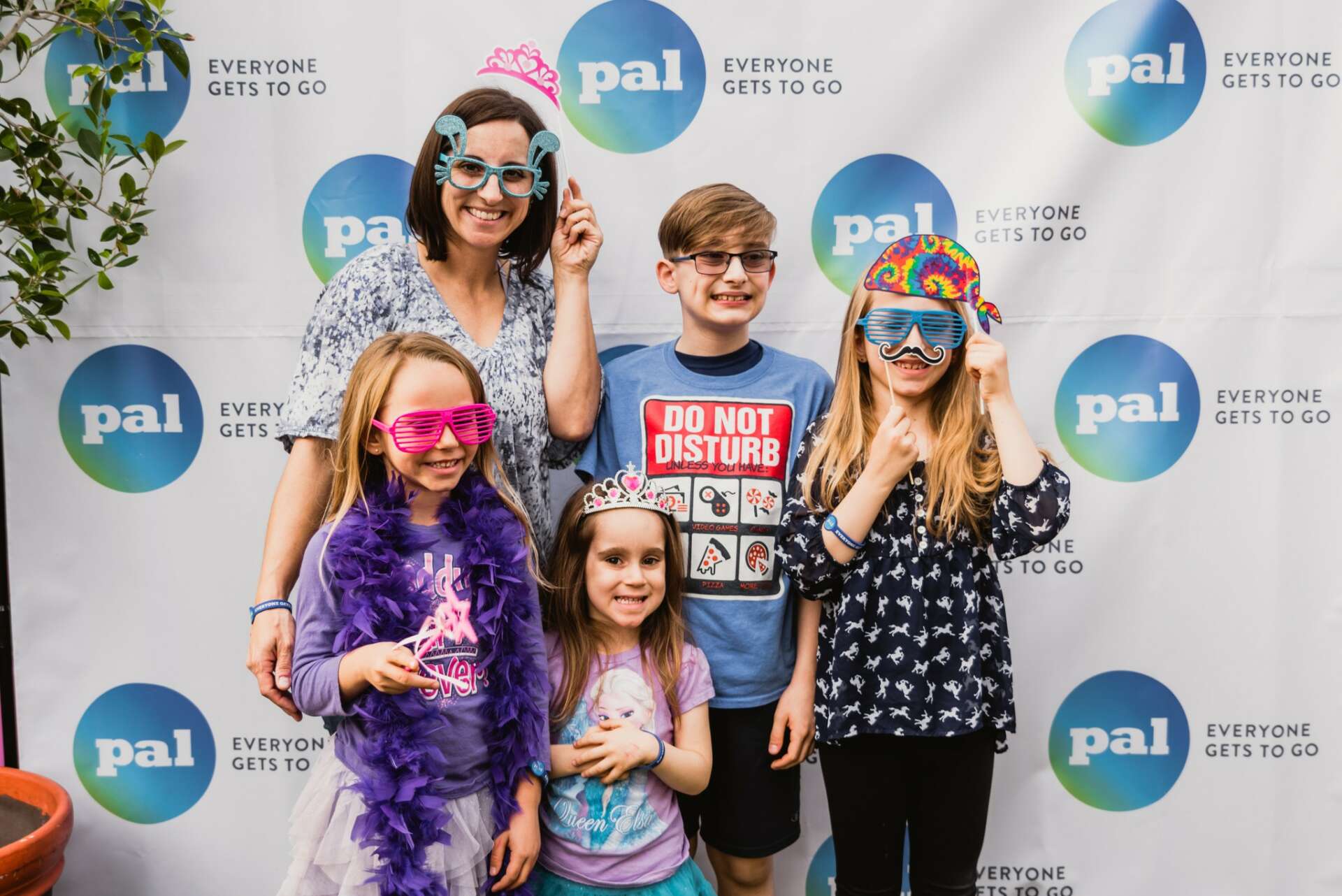
Pal Experiences presents a new idea. One that not many businesses are thinking about. When we tell people we want to make their venue more inclusive and accessible they usually think we want to bring in a construction team and make physical adjustments, or that we want to change the experience they currently offer. We don’t do either of those things. The accommodation is knowing what to expect from the videos we create. Feeling so passionate about this work and hearing no, no, no thanks, over and over again in the beginning, was a test of resilience. It was hard and felt like this idea was not really something I could lift off of the ground. I used to take it so personally. Then I reframed the outcome of these meetings. Maybe they were not ready to work with Pal, but they had received some education. They saw the experience they provided through a different lens. This is still a win for inclusion. Education has become a big part of what we do. Even if someone says no this time, because of the education and awareness they got from Pal Experiences, they might say yes to another opportunity. If families are included and provided access, through anyone, that’s all that really matters in the end.
Contact Info:
- Website: www.palexperiences.org
- Instagram: https://www.instagram.com/palexperiences/
- Facebook: https://www.facebook.com/palexperiences
- Linkedin: https://www.linkedin.com/in/melanie-isaacs-a7414285/
- Youtube: https://www.youtube.com/channel/UCjnEC8Bx1lNZp5pQuwLCeAA
Image Credits
Adam Isaacs Isaac Keihl Hana Ruzsa