
We were lucky to catch up with Melanie Buathier recently and have shared our conversation below.
Melanie, thanks for joining us, excited to have you contributing your stories and insights. How did you learn to do what you do? Knowing what you know now, what could you have done to speed up your learning process? What skills do you think were most essential? What obstacles stood in the way of learning more?
My creative career, like many, started early in my childhood. I grew up alongside my younger sister in my family’s small tattoo shop in upstate New York. We had our own room in the back of the business, but there was little to do besides play, watch movies on VHS, or draw. And so we drew. A lot.
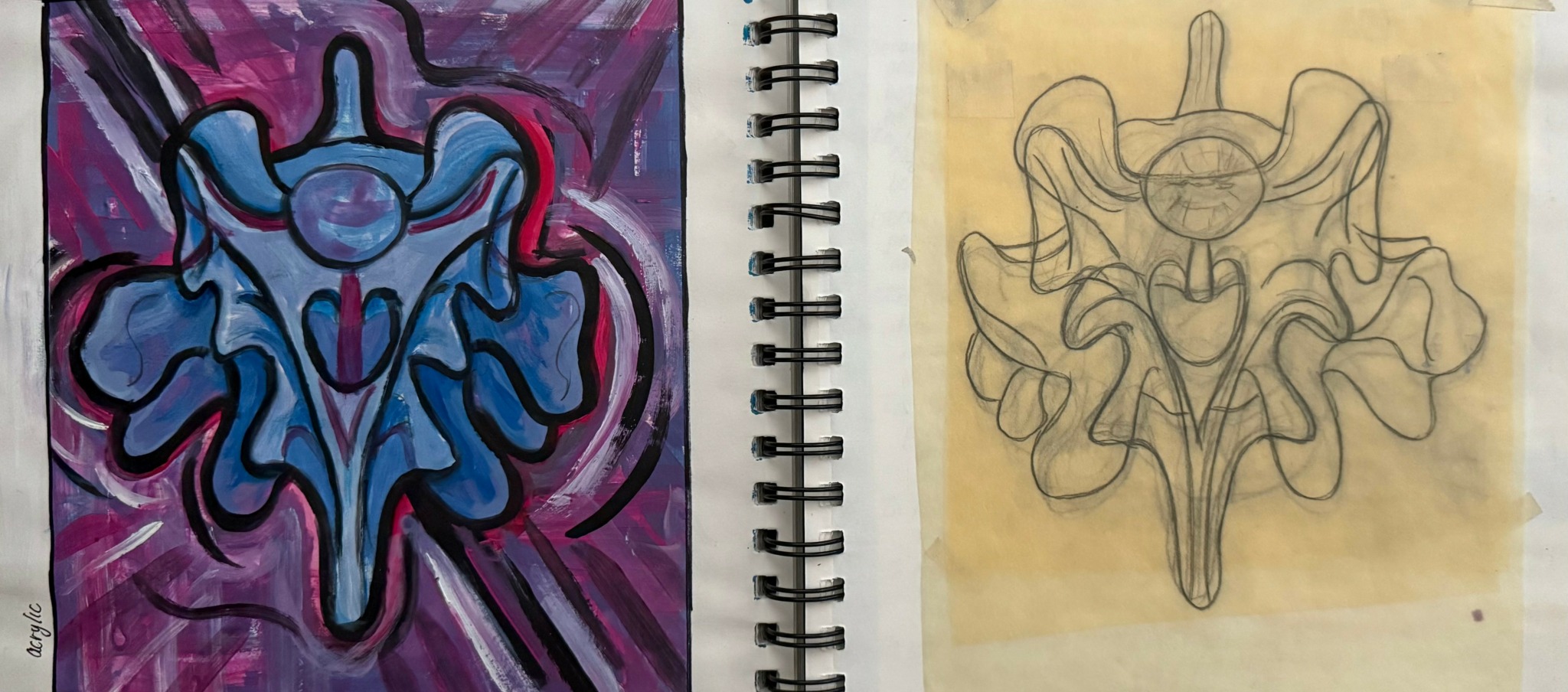
Eventually, we moved to central Arizona. I continued to draw, but by this point I had expanded into other media like paint, oil pastels, and acrylic. In high school I continued my artistic journey through IB Art classes, but I used art primarily as a form of self-soothing.
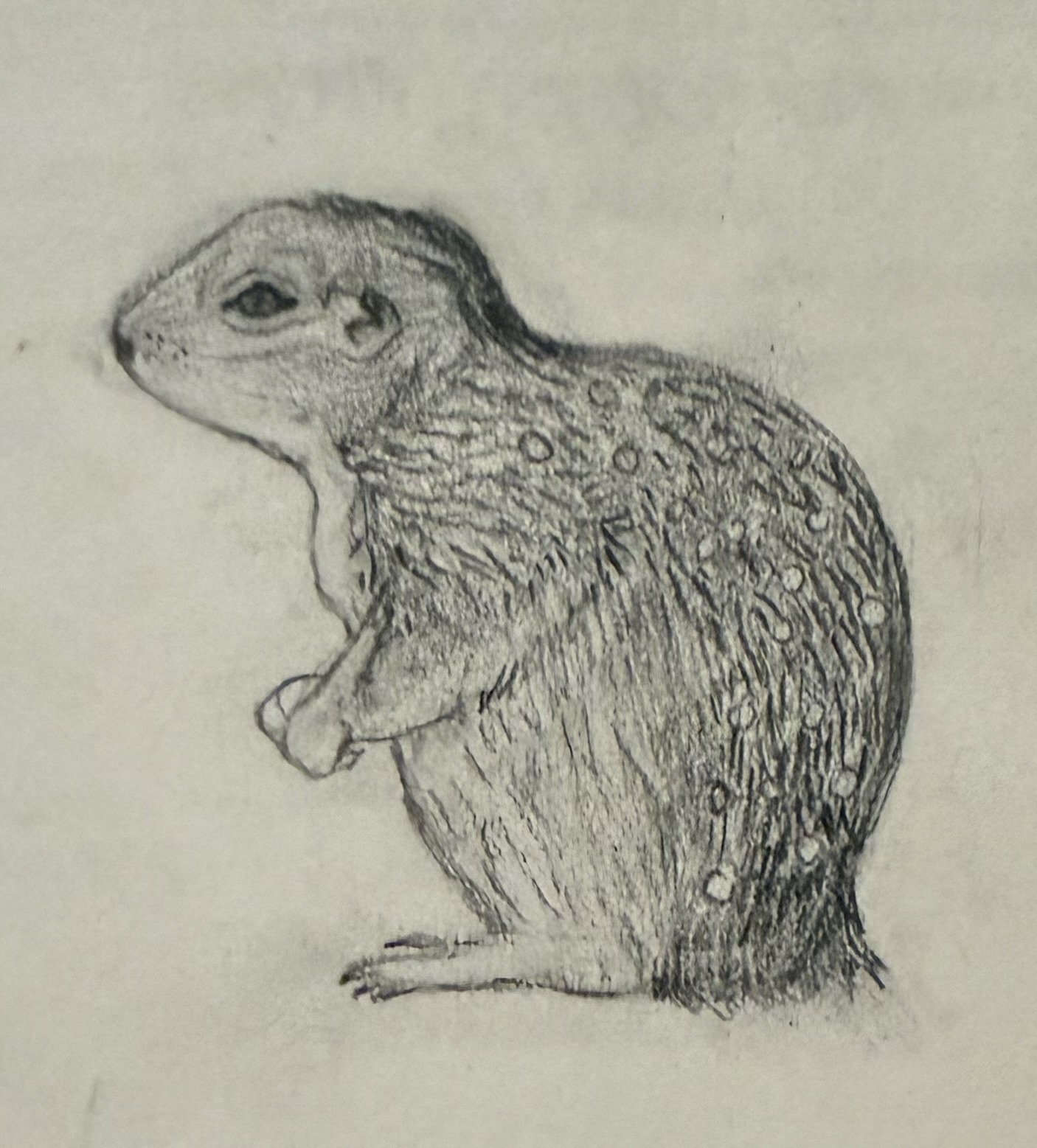
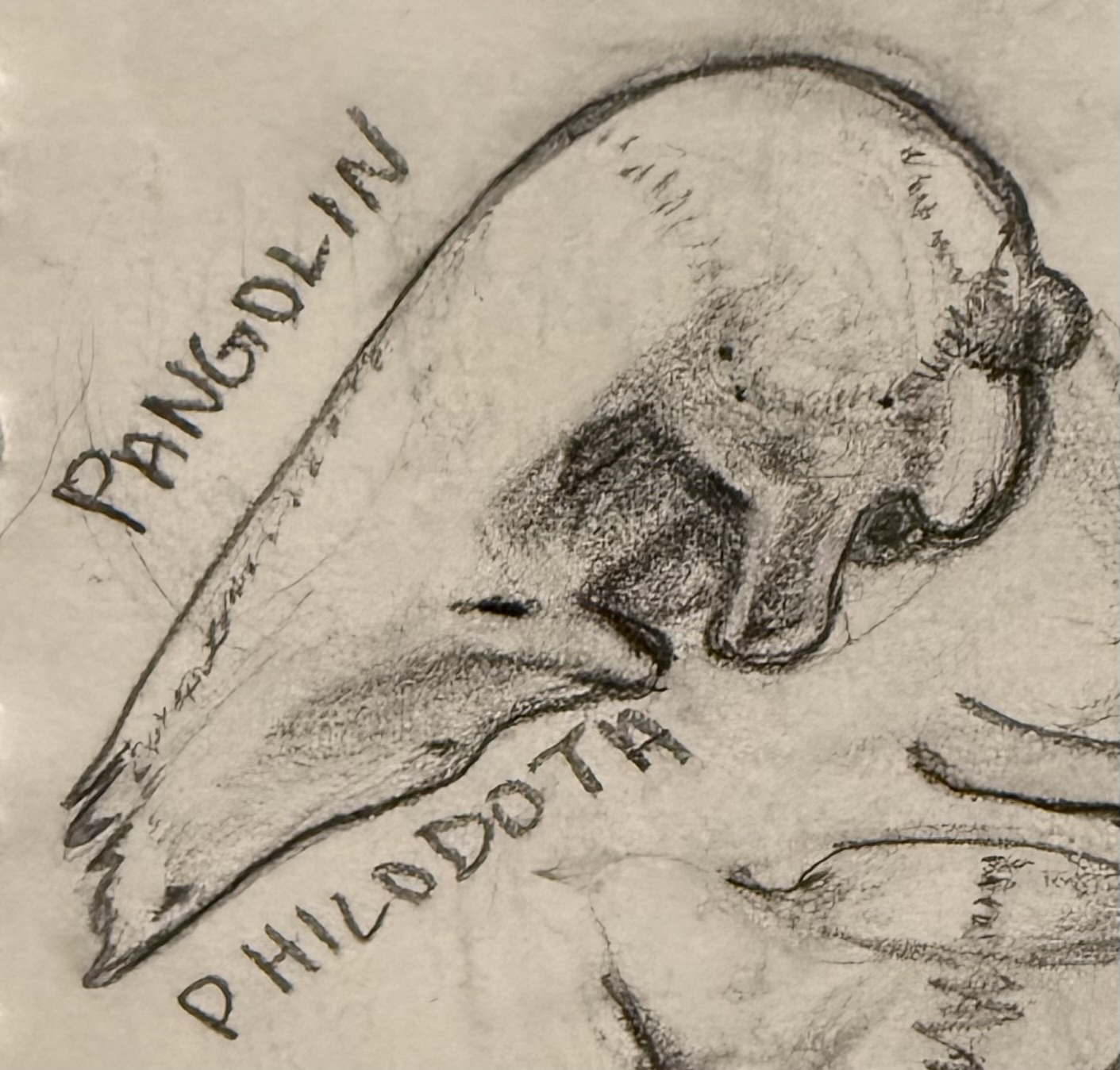
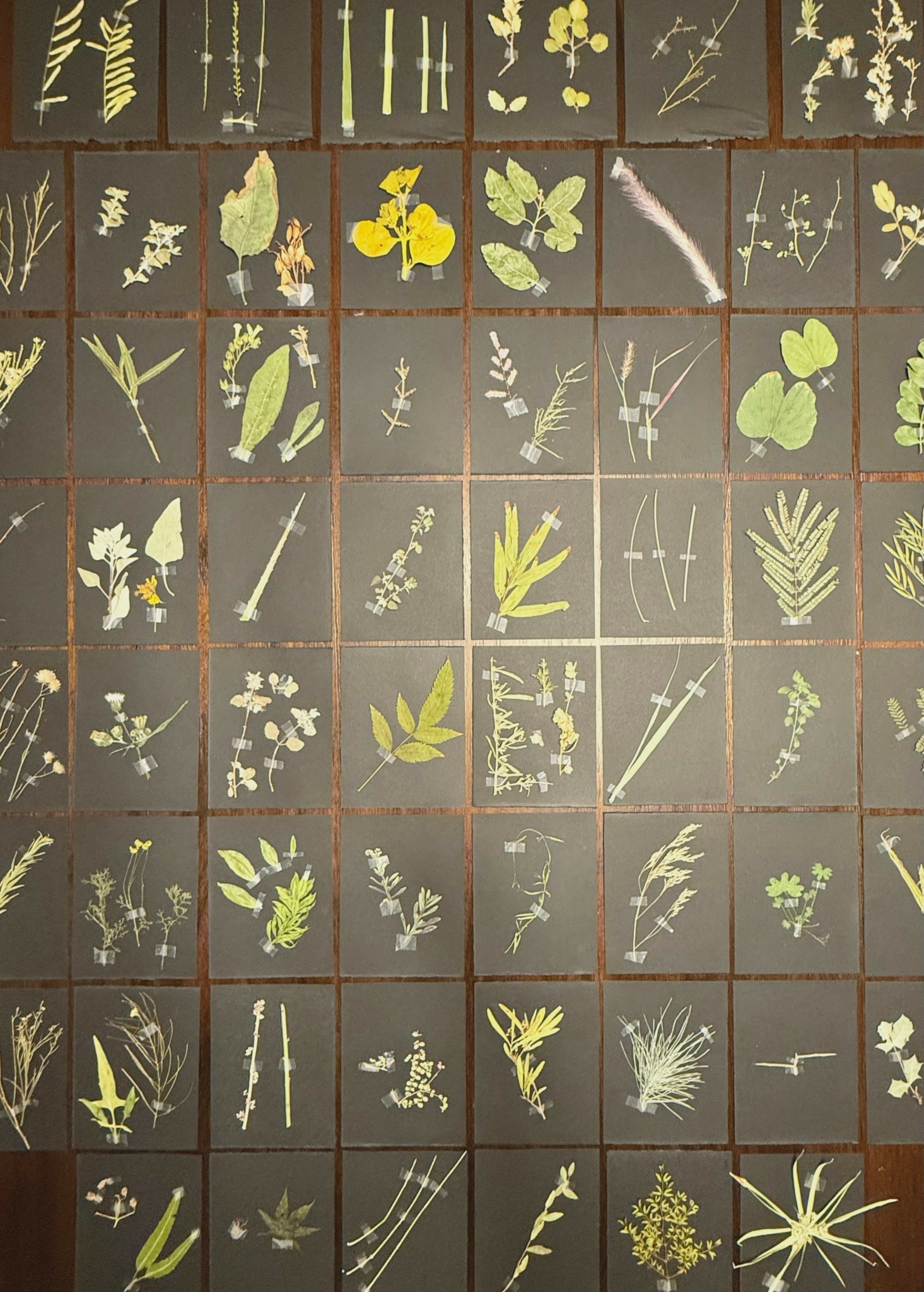
After high school, my art came to a halt, but I still wanted to continue creating, and was jealous of my peers who would manage to integrate art into their lives. Eventually, I had the privilege of experimenting with a printing press for a course titled Print and Protest, and during the beginning of my Master’s program, I was finally able to find inspiration again in the natural world. Only when I began exploring the world around me did I begin to experiment with photography and return to the visual arts. Through my course in Mammalogy, I was inspired to draw still-lifes of various mammal skulls, and in my Sonoran Desert Field Botany course, I finally came to appreciate the beauty of the plants in the Sonoran desert through herbarium specimen collection. It was only with these classes that I’ve reignited my passion for art in the context of conservation. This has been a lifelong journey, and I am thrilled to continue to learn!
Great, appreciate you sharing that with us. Before we ask you to share more of your insights, can you take a moment to introduce yourself and how you got to where you are today to our readers.
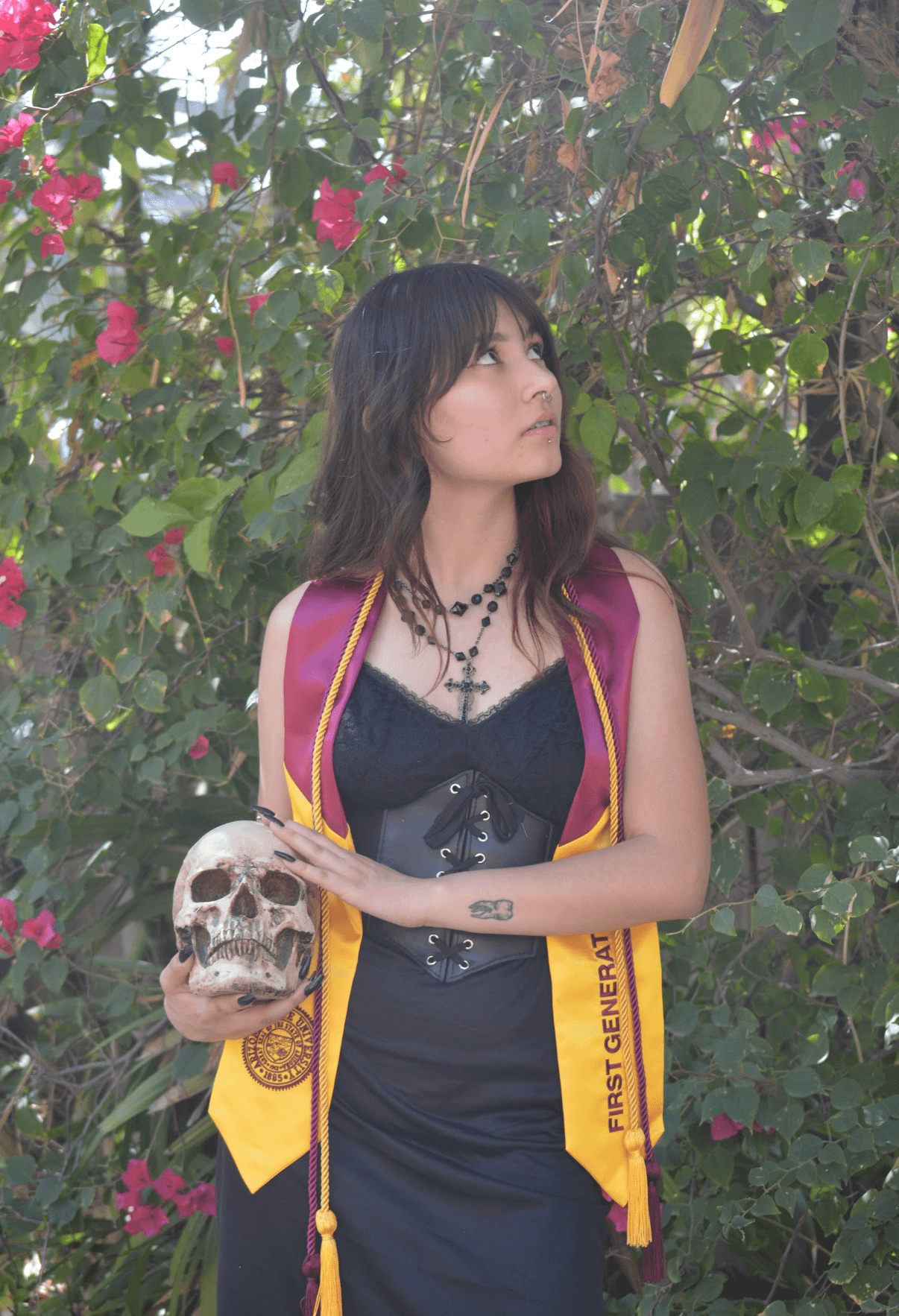
In 2024, I graduated from Arizona State University with concurrent STEM degrees in Biology (Pharm/Tox) and Forensic Science. I completed these degrees with a 4.0 GPA, earning me the Moeur Award, within the honors college and alongside a certificate in Transformation and Change. During my time as an undergraduate, I ran ASU’s largest sex education club, Devils in the Bedroom, for three years, and I worked at ASU’s Sexual and Relationship Violence Program for two. At this time, I believed I would pursue a career aiding victims/survivors of intimate partner violence, and while I felt fulfillment within this work, I couldn’t ignore the world of conservation.
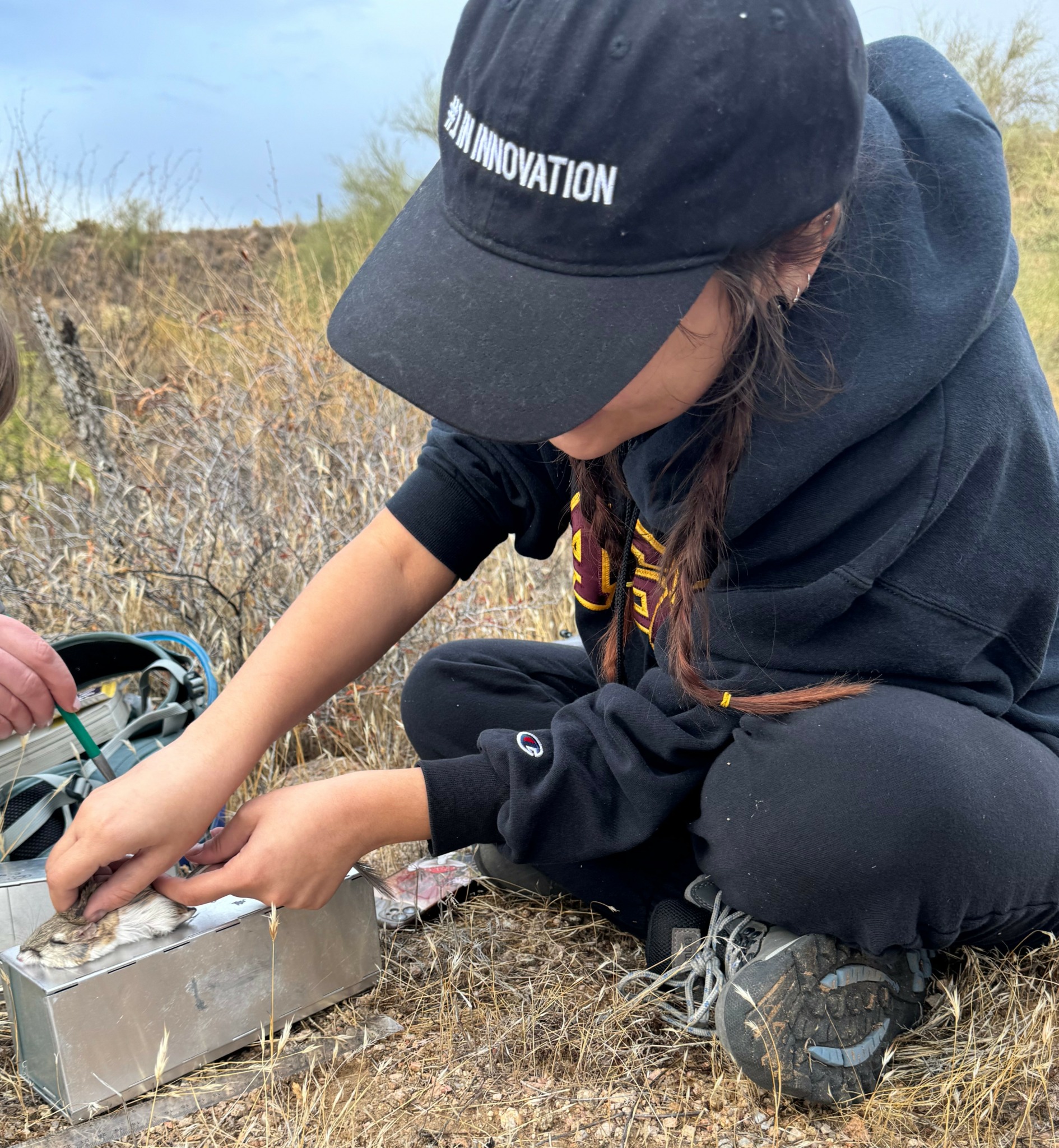
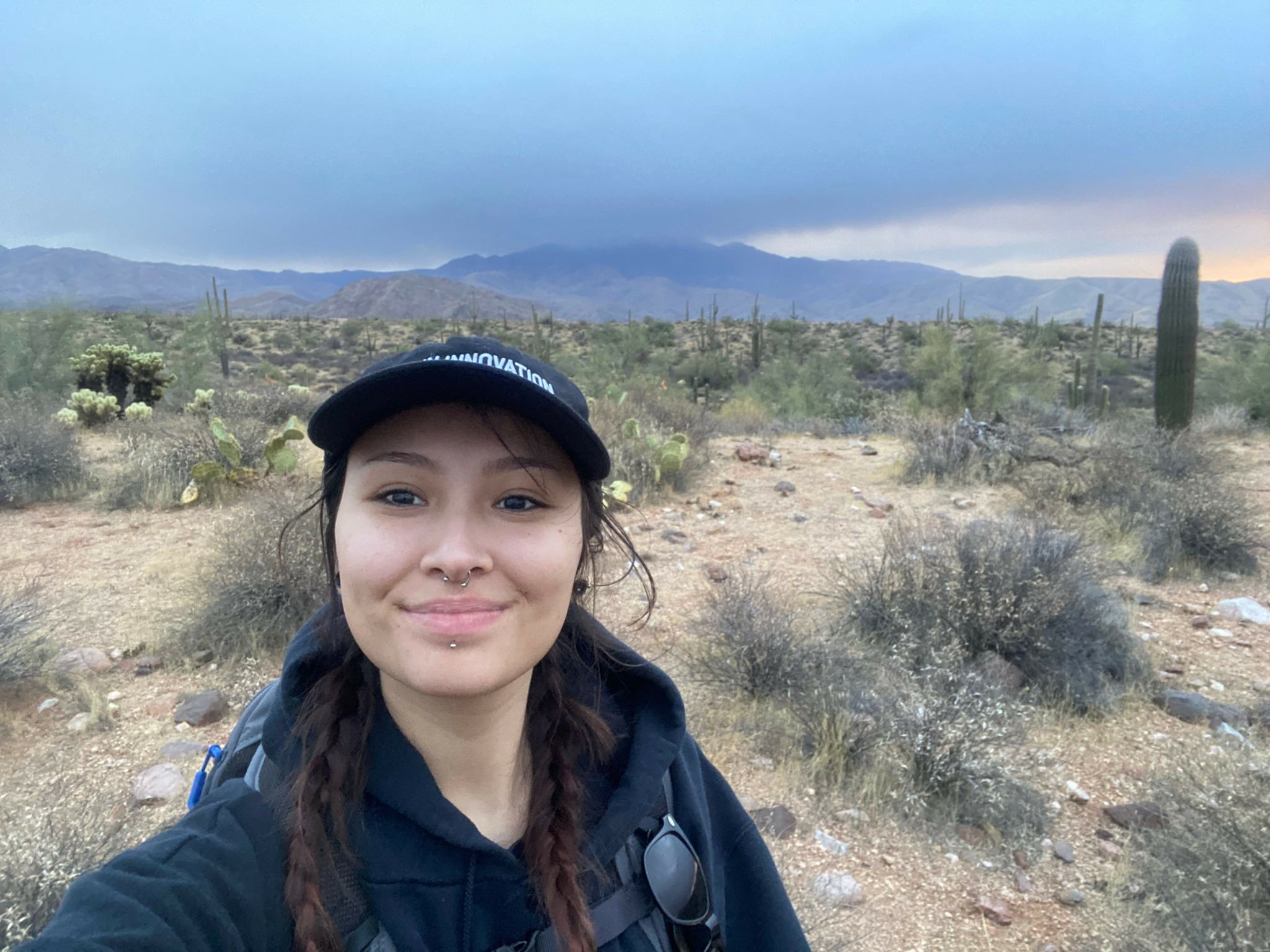
After graduation, I decided to take a risk and pursue my master’s degree in Biology with a focus in conservation. It was probably one of the best decisions I could have made in my adult life. In the last year alone, I’ve volunteered for ASU’s Natural History Collections, become an Intern with CAZCA (an initiative of the Desert Botanical Garden), participated in a small mammal field sampling project in Four Peaks Wilderness, and completed a taxon research summary for the hoary bat (Lasiurus cinereus).
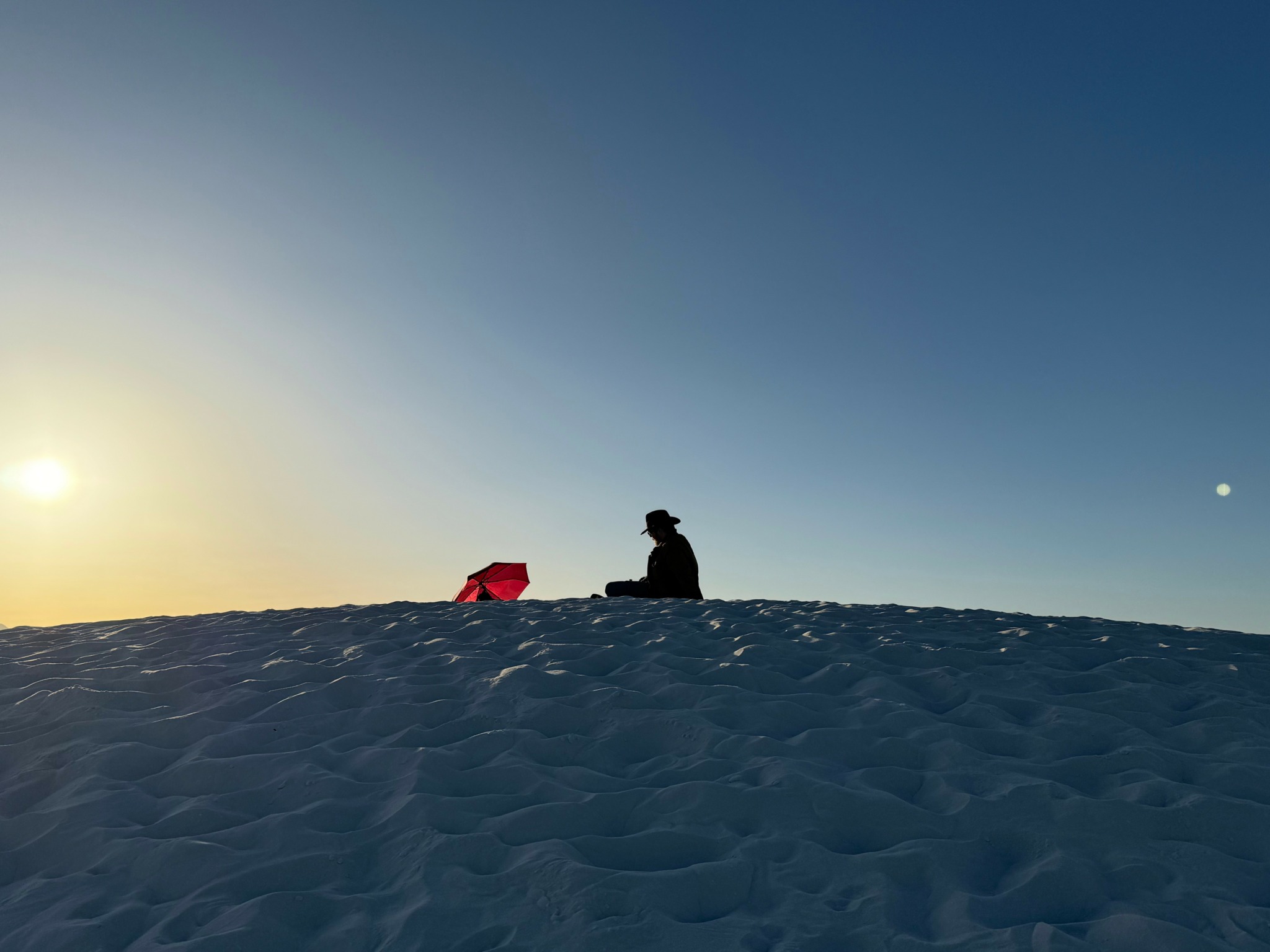
When I am not at school or work, I enjoy hiking and birdwatching. I am the proud mom of several houseplants and I love repurposing items to give them a second life. One of my favorite books is The Stranger by Albert Camus and I am an avid horror movie, book, and video game fan with a particular interest in the Silent Hill franchise.
Can you share a story from your journey that illustrates your resilience?
My education and the empowerment I’ve gained from it is perhaps the most important aspect of my life that highlights my resilience. My grandmother, who was born and raised in Colombia, was pulled out of her education in second grade by her father to work, and my mother was only able to complete her high school education despite being a top performer. No one in my family has received an education above a high school level, until now.
Not only did I successfully graduate with a Bachelor’s degree, I graduated with two STEM degrees and am working toward my third. By all means, the odds were stacked against me. I am a second generation immigrant and a first generation student. My family can not afford my education, and throughout my teenage years and young adulthood, I’ve battled depression, anxiety, and trauma. On the days that I struggled most, I thought about my grandmother, my great fortune, and how proud she would be to see me graduate. This propelled me forward, and it is safe to say that there were many tears during my graduation. I am constantly grateful for the doors that my education has opened, and I am proud to be a trailblazer for my family.
Is there mission driving your creative journey?
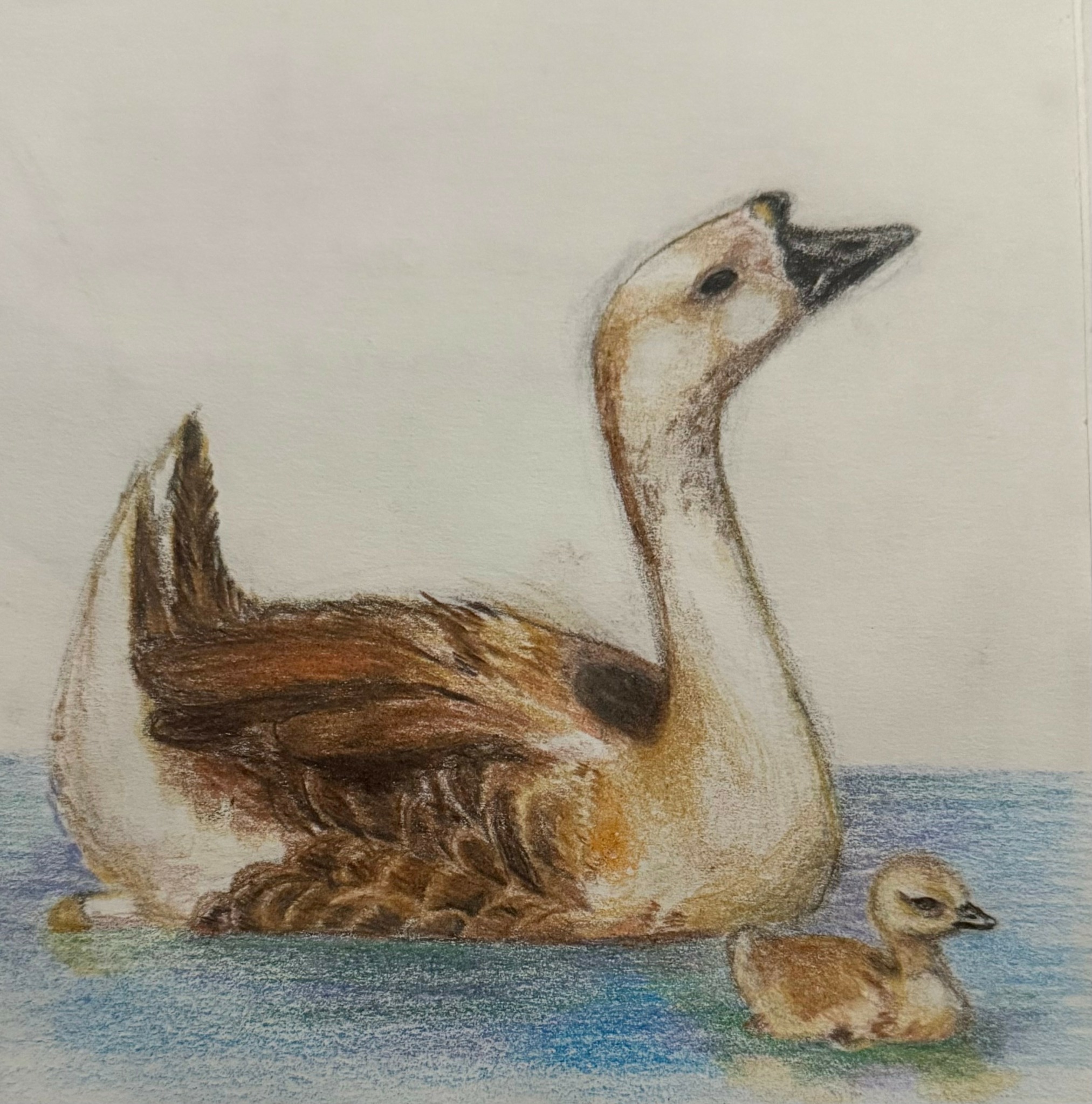
At first, I created art for the fun of it, which is an entirely valid purpose in itself. At one point, art was my crutch and eventually it became a tool of mine for social commentary. Now, I use my art as a means to explore the world around me. Any artist can tell you that one of the most important skills a visual artist can learn is to be observant. An observant artist will know to focus on what they see, not necessarily what they know about an object, and it is perhaps one of the most important artistic lessons my high school art teacher taught me.
With my exploration of the Sonoran Desert through photography, herbarium collections, and mammal drawings, I’ve come to truly appreciate this lush desert landscape in ways I never thought possible. It is through this newfound appreciation that I’ve learned how my art, whether conventional or unconventional, can be used to share the world’s beauty with others. There’s beauty in the world all around us, but this beauty is at risk, and it is our collective responsibility to protect it.
This lesson, in turn, will shape my thesis project, which will focus on raising awareness of the poaching and unethical sourcing rampant in the world of oddities and curiosity collections. Many creatives have turned to salvaging animal carcasses to raise awareness about the unsafe conditions of roads for animals, teach the public about the biodiversity surrounding them, and create an ethical supply for people’s interest in natural history. I intend to do the same.
Contact Info:
- Instagram: _melly.bu_
- Linkedin: https://www.linkedin.com/in/melanie-buathier
- Other: https://cvcoll.org/portal/taxa/index.php?tid=812383&taxauthid=1&clid=0
https://www.dakotarowsey.org/people