

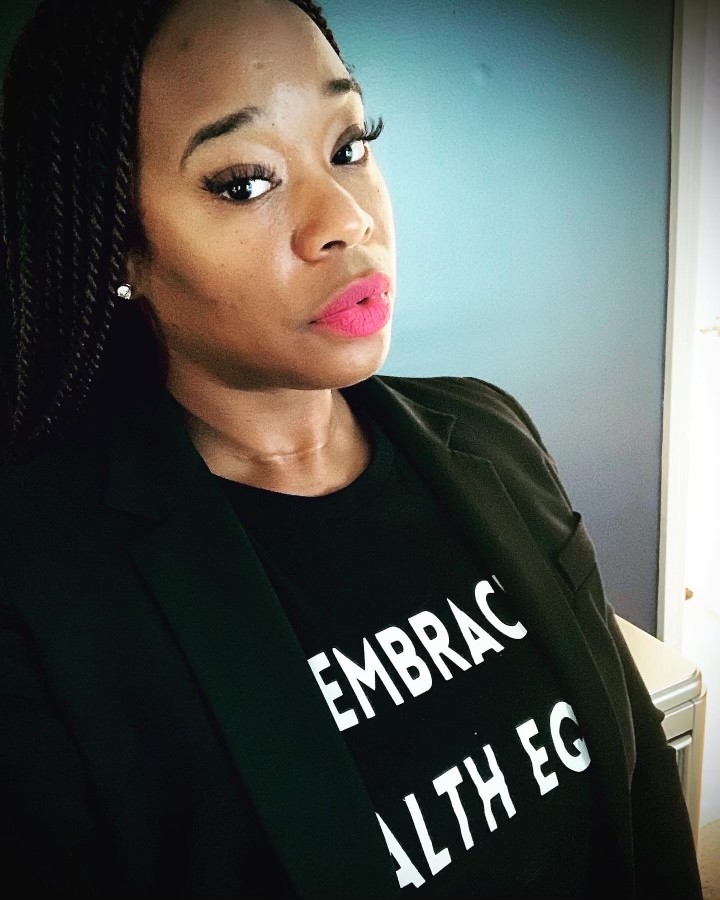

We caught up with the brilliant and insightful Mel Hardman a few weeks ago and have shared our conversation below.
Hi Mel, thanks for joining us today. We’d love to start by getting your thoughts on what you are seeing as some the biggest trends emerging in your industry
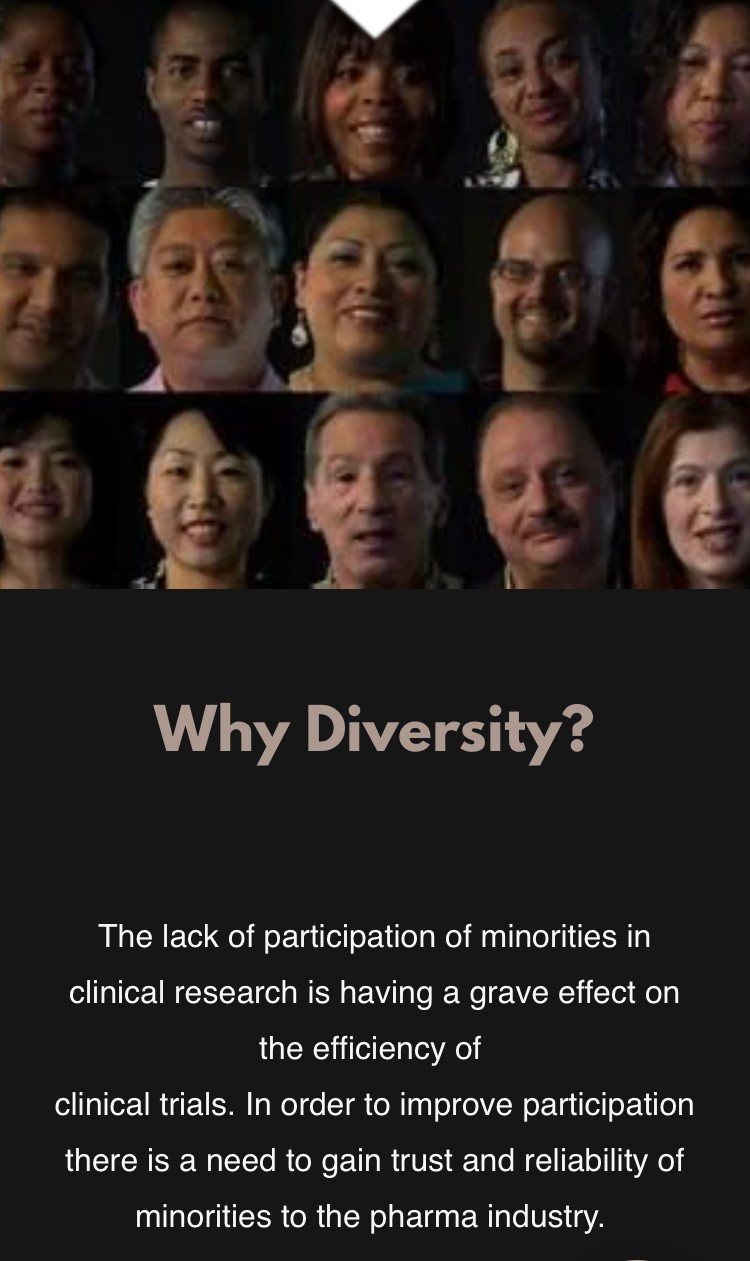
Working in the clinical research industry is extremely relevant to the overall healthcare industry. The trend in both industries is DIVERSITY. It’s EVERYWHERE. Diversity recruitment of clinical trial patients, diversity and minority staffing of industry clients, diversity training… With that is patient centricity. Though both trending topics have been relevant to society since the beginning of time, Covid helped to catapult the importance of diversity in research and health care on an unimaginable, unforeseen scale. We need EVERYONE involved in clinical trials and health care to reach the optimal goal of effective clinical development and health equity.
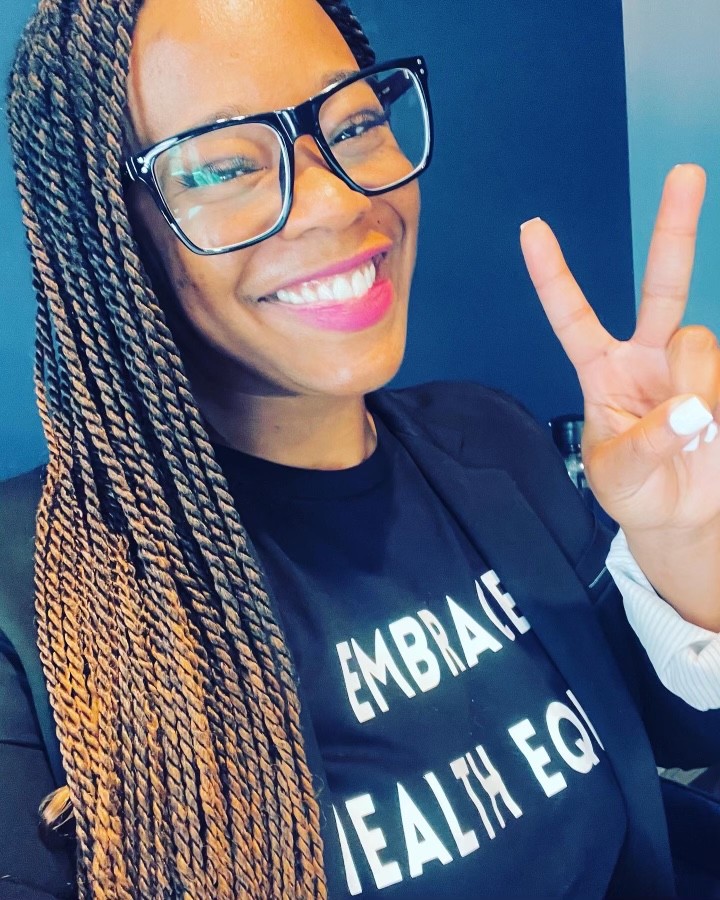
Mel, love having you share your insights with us. Before we ask you more questions, maybe you can take a moment to introduce yourself to our readers who might have missed our earlier conversations?
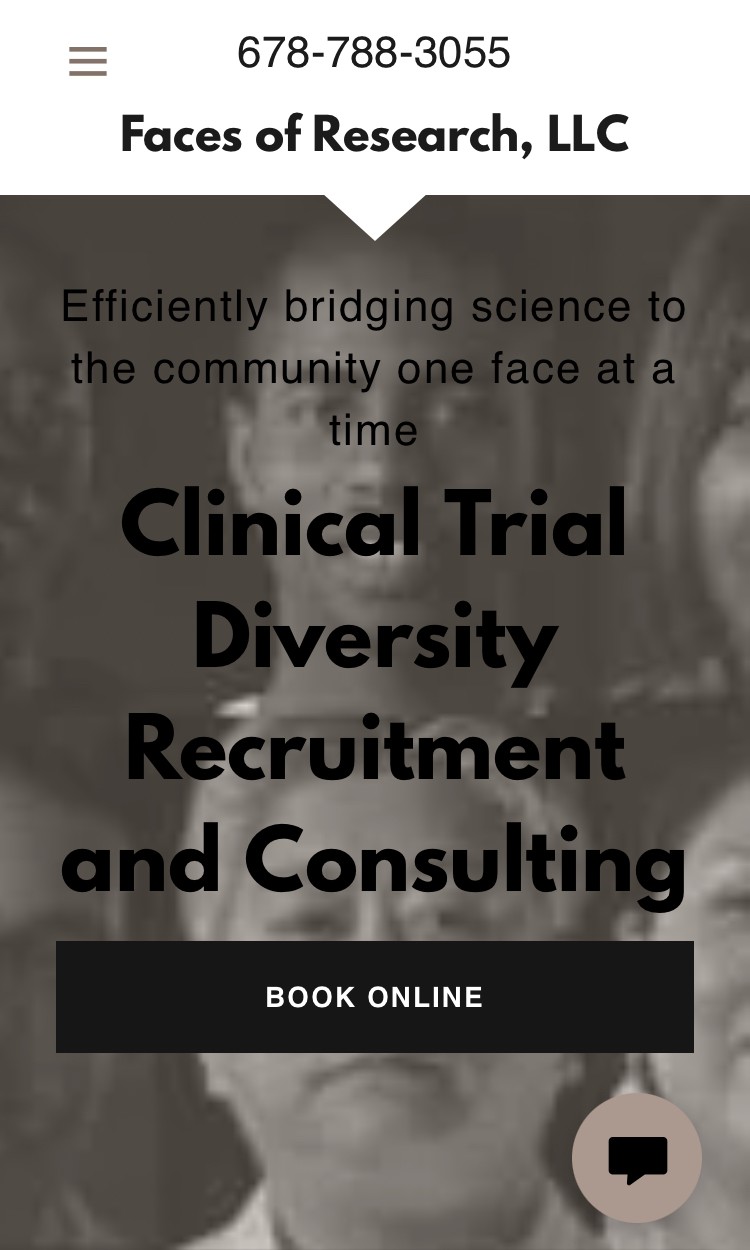
I’ve always wanted to be in health care. A doctor, a hospital administrator, a health policy change agent. My family suffers from all types of chronic illnesses; from diabetes, high blood pressure, we are literally plagued with cancer. It’s true- so much so when the phone rings sometimes members our family are a bit hesitant to answer because of the “cancer fear” — fear of another diagnosis. In fact, I’ve survived thyroid cancer at the age of 23. I was actually studying for the MCAT just being admitted to graduate school and received diagnosis- everything changed. Most recently I dealt with an endometrial cancer scare during Covid. I knew I wanted to work in the medical health care realm but not sure how or what? I knew I wanted to know why? Why do some people get sick often and others don’t? Why do some ethnicities survive chronic illness and my family seems to most often succumb. It wasn’t until I was well into adulthood that I stumbled across clinical research. It was perfect! Being behind the development and design of drugs, determining the persons that participate in trials could help answer all my afore questions. So I went back and gained my Masters in Clincial Research Administration, Theory, and Design. I received a job offer for a commercial vendor working in recruitment and it was all up from there. I realized I had a gift in gaining trust from medical staff, doctors, nurses, coordinators and I used that trust to gain insights on recruitment and barriers to recruitment and figuring out how sponsors can better design trials that are befitting for the patient rather than the other way around. While doing this I began to realize all the red tape and bureaucracy involved in research and development and working at pharma companies and research organizations and began thinking of how I could possibly do this on my own as a consulting business. When Covid hit it was like the universe was pushing me. We needed everyone involved in research all ethnicities and we needed people like me who understood both science and people to help recruit, educate, and retain participants —so was the birth of Faces of Research- my heart and passion, consulting with clients to improve recruitment for trials with a diversity focus. I educate, I empower, I build, I collaborate; I bring research and the idea of Research to the community which helps both the patient, the client and in the end promotes health equity.
I love what I do! It doesn’t hurt that I’m also every good at it! I’m a few months away from defending my thesis for my doctorate and I’ve even centered my research around cultural engagement to improve clinical trial recruitment from a diversity perspective.
Clients call me the engagement doc- I like it- it’s befitting.
My clients, my sites, the doctors I’ve worked with they trust me, they understand our collaboration can only improve recruitment outcomes.
They say if you love what you do- you really can’t call it work…. For me this is the closest thing to it!
Any stories or insights that might help us understand how you’ve built such a strong reputation?
Honesty and experience. I’m good at what I do. My passion shows through my work and in an industry like clinical research that is seemingly massive- it’s very interconnected- there’s bridges everywhere. Doing good work, being my true self which is a lover of humans, science, and relationships it just comes naturally and clients and people can see that. They can feel it.
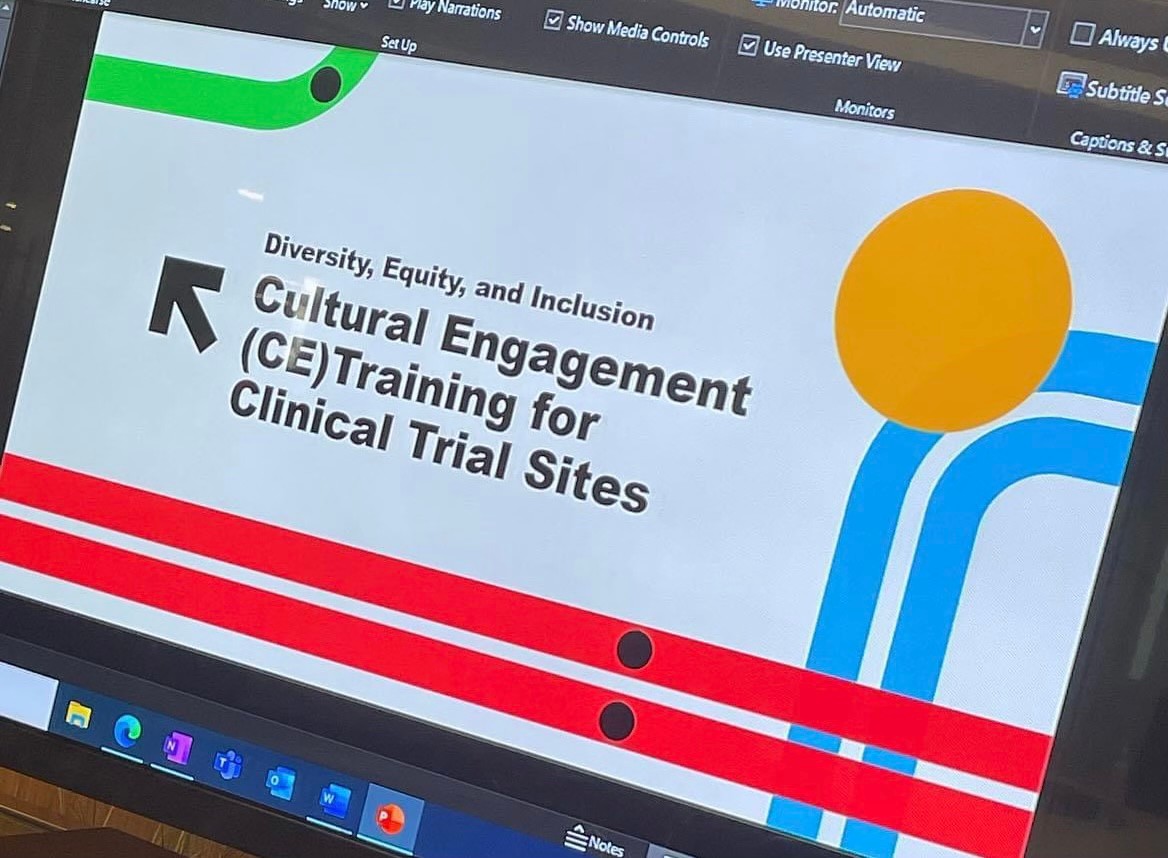
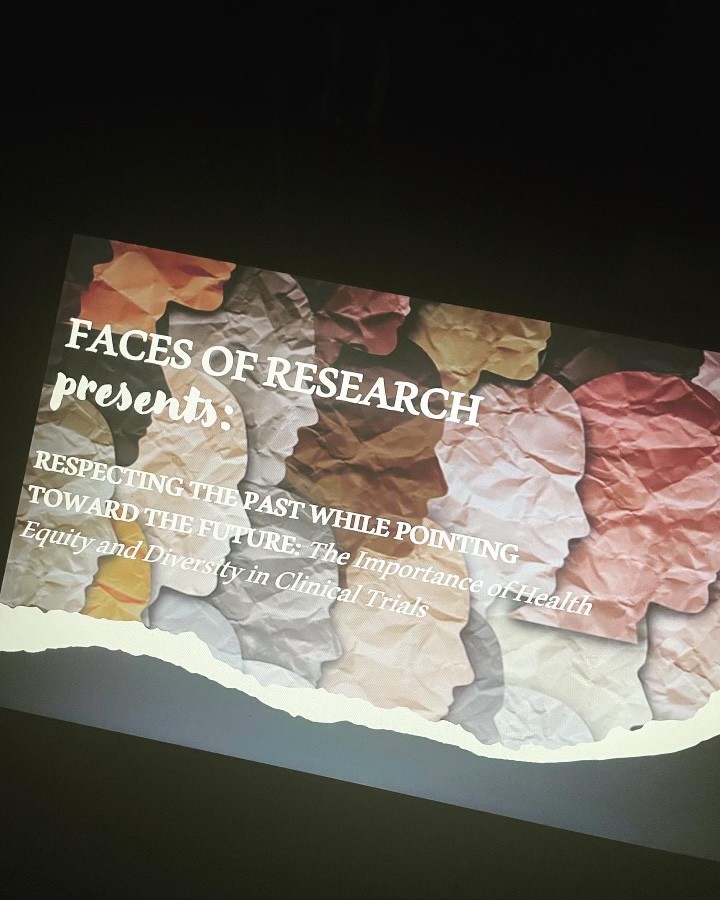
How about pivoting – can you share the story of a time you’ve had to pivot?
While working in the industry I was entering doctoral candidacy and needed a resident research site. Because I had been working in the industry I wasn’t concerned about finding a research site as I had been building my thesis through my work and my employer. I knew that would be my research foundation. Well- it was declined- after submitting my proposal to serve as a research student with my company they declined being my research site. They declined allowing me to complete my research and serve as my precepting site. I was devastated and had built my research around projects I was currently working on. All this meant I had to pivot. I had to almost start my research/thesis idea over and simultaneously find a preceptor research site. I began searching contacts and people, sites, networks I had worked with previously and to my surprise there were tons that wanted to work with me! I had trouble deciding- once I decided on the site I was able to amend my research to fit the setting. It was a minor setback but because of my reputation and passion for my work I was able to draw on that and find even better collaborations.
Contact Info:
- Website: www.facesofresearch.net
- Linkedin: www.LinkedIn.com/in/mel-hardman-mph-ms-ccrp-drph