



Alright – so today we’ve got the honor of introducing you to Megan Zuzevich. We think you’ll enjoy our conversation, we’ve shared it below.
Alright, Megan thanks for taking the time to share your stories and insights with us today. Was there a defining moment in your professional career? A moment that changed the trajectory of your career?
One of my defining professional moments was in my own healing journey, when I became aware of the connection between my gut health and my anxiety.
I always thought I “handled stress well,” until I had my first panic attack – while I was driving on the freeway in the Bay Area. I was experiencing a lot of stress at work, getting ready to take my licensing test, and ending a not so healthy relationship. I was experiencing a lot of physical symptoms too, including weight gain, inflammation, fatigue, IBS, and headaches.
After the panic attack, most of my time felt unsafe and on edge. A colleague drove me to and from work for almost 3 months because I was afraid of having another panic attack while driving and passing out. I was fearful of walking across the street from work to get lunch. I was worried about not physically being able to walk up a typical SF hill, in the event I was outside and needed to get home. The only place I felt safe was inside my apartment and outside of work and necessary day to day tasks, that’s where I primarily was.
I was able to manage the intrusive thoughts after some time but the physical symptoms still remained. I was no longer worried about having another panic attack in public, I was worried about having an IBS attack and not being near a bathroom. Soon after, I met a Nurse Practitioner who helped me identify a number of food allergens and trapped emotional responses through muscle testing. Within weeks of intentional eating, the inflammation, IBS, digestive cramping, and bloating had all subsided. Within months, I noticed a huge difference in my nervous system and how my gut felt. I had more energy, I felt lighter, and I was thinking more clearly. Working with the physical responses provided a completely different experience than working just with my thoughts alone.
My experience with this NP was a defining moment in viewing mental health as a construct and connected to so much more than just our thoughts. Being able to see my mind and body as an interconnected system, allowed me to pursue a number of “alternative practices” that healed my anxiety. I haven’t had a panic attack in almost 4 years and when I experience anxiety now, it’s an indicator that something in my environment needs my attention.
Viewing mental health and trauma, not of the mind, but rather of the body, allows for healing to occur at the root.
When we begin to objectively observe our choices, thought processes, and patterns of behavior with the intention to re-align them with our values and desired quality of life, each day gets to become an intentional part of your healing.
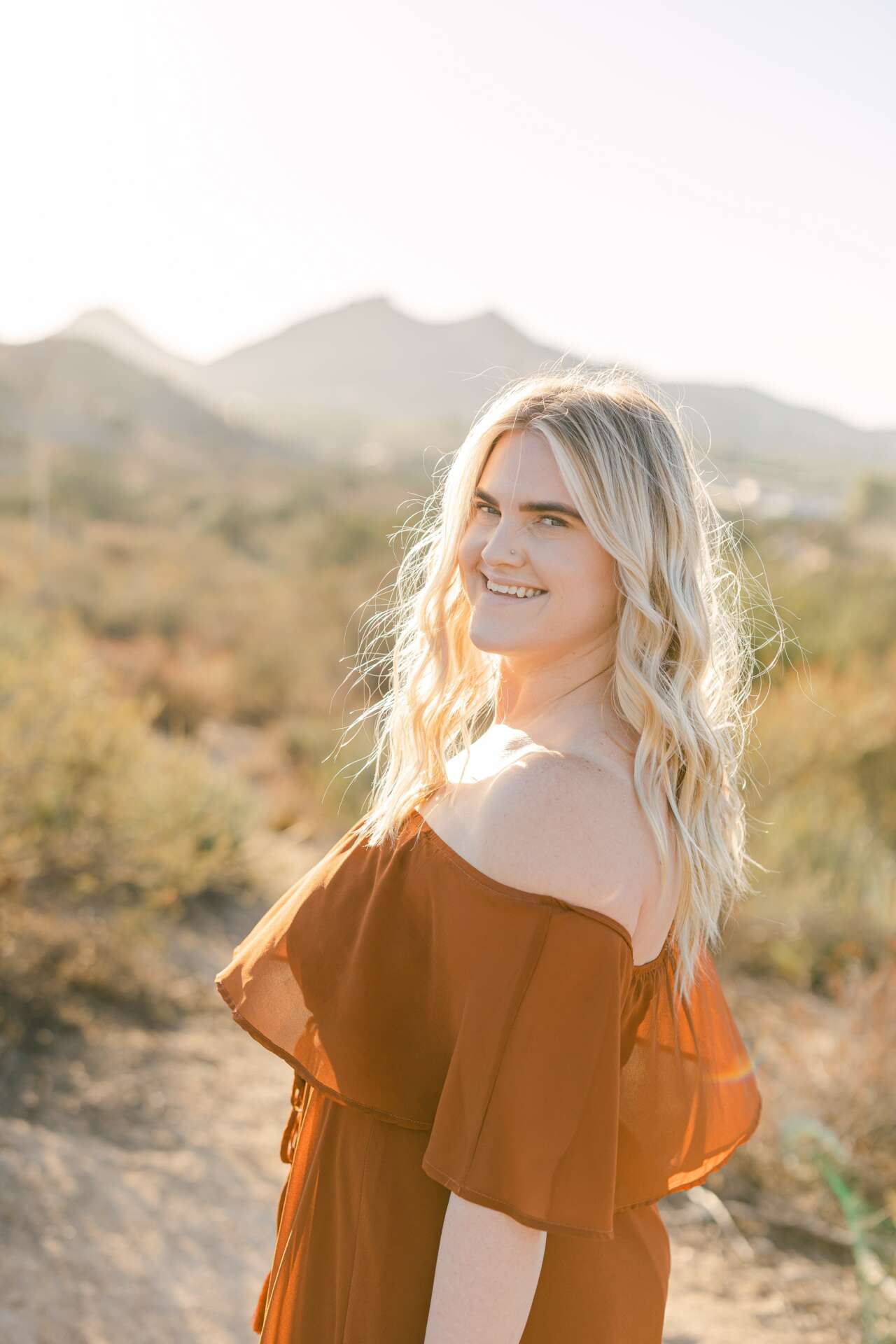


Awesome – so before we get into the rest of our questions, can you briefly introduce yourself to our readers.
The path here has been quite the adventure. I received my BA in Psychology and minor in criminal justice from CSULB. I continued with my MA in counseling psychology at USF and landed an internship in the correctional facilities. Here I worked with inmates who had mental illness and/or substance use and helped them with re-entry services, including mental health and substance abuse treatment.
Post internship and graduation, I completed an additional 3,000 hours of professional experience in various correctional facilities and diversionary courts. While my primary role was to continue providing re-entry services, I found myself in various roles. One position allowed me to interview transitional age youth (18-22) in custody. Here, I was introduced to Adverse Childhood Experiences, (ACES) which became the foundation for my work with trauma.
After completing those professional hours, I obtained my license to practice independently as a trauma therapist. A number of experiences in my professional development contributed to the way I redefine and work with trauma – learning Eye Movement Desensitization and Reprocessing (EMDR), going through my own spiritual awakening, finding healing in Reiki, and traveling and connecting with ancient practices including meditation, plant medicine, and Kundalini yoga.
My understanding of and work with trauma has changed significantly over the years which I believe sets my work apart from most. I don’t view trauma as the event that happened to you but rather the physiological response that occurs in your body as a result. I’ve worked with a number of clients over the years who have been prescribed traditional talk therapy and medication as a way to manage their PTSD. When we look at PTSD as a physical injury and truly begin to understand the intention and capacity of the nervous system, the healing that gets to occur is paramount.
We’ve been taught in various ways to unconsciously fear our bodies which reinforces a continued separation from it. The truth is, your body is always in a state of healing and actively working in your best interest, at all times. I view symptoms not as something that is wrong with you but as your bodies innate communication – showing the truth of what it is holding and what is needed/desired to achieve homeostasis and true healing.
Because of this, I don’t practice traditional talk therapy and typically don’t recommend medication. My signature method that I use with clients, Collective Reprocessing, is an integrative approach that combines yoga philosophy, EMDR, and parts work – allowing us to get to the unconscious root of trauma, rewrite the neurological response to triggers and reprocess memories forms deep sense of safety, alignment, and peace. By accessing the physiological expression of the body, we are able to access one’s unconscious mind. Here we are directed to what the body is ready to release and what is needed to integrate for further healing.
I hold space for individual work and community healing experiences that intentionally shift the neural network systems trauma resides on. In modifying these network systems, the physiological responses of trauma release and allow the body to move to a state of homeostasis. For practitioners who want to train in trauma informed modalities, I offer a professional trauma informed shadow work training that includes 8 weeks of training and consultation.
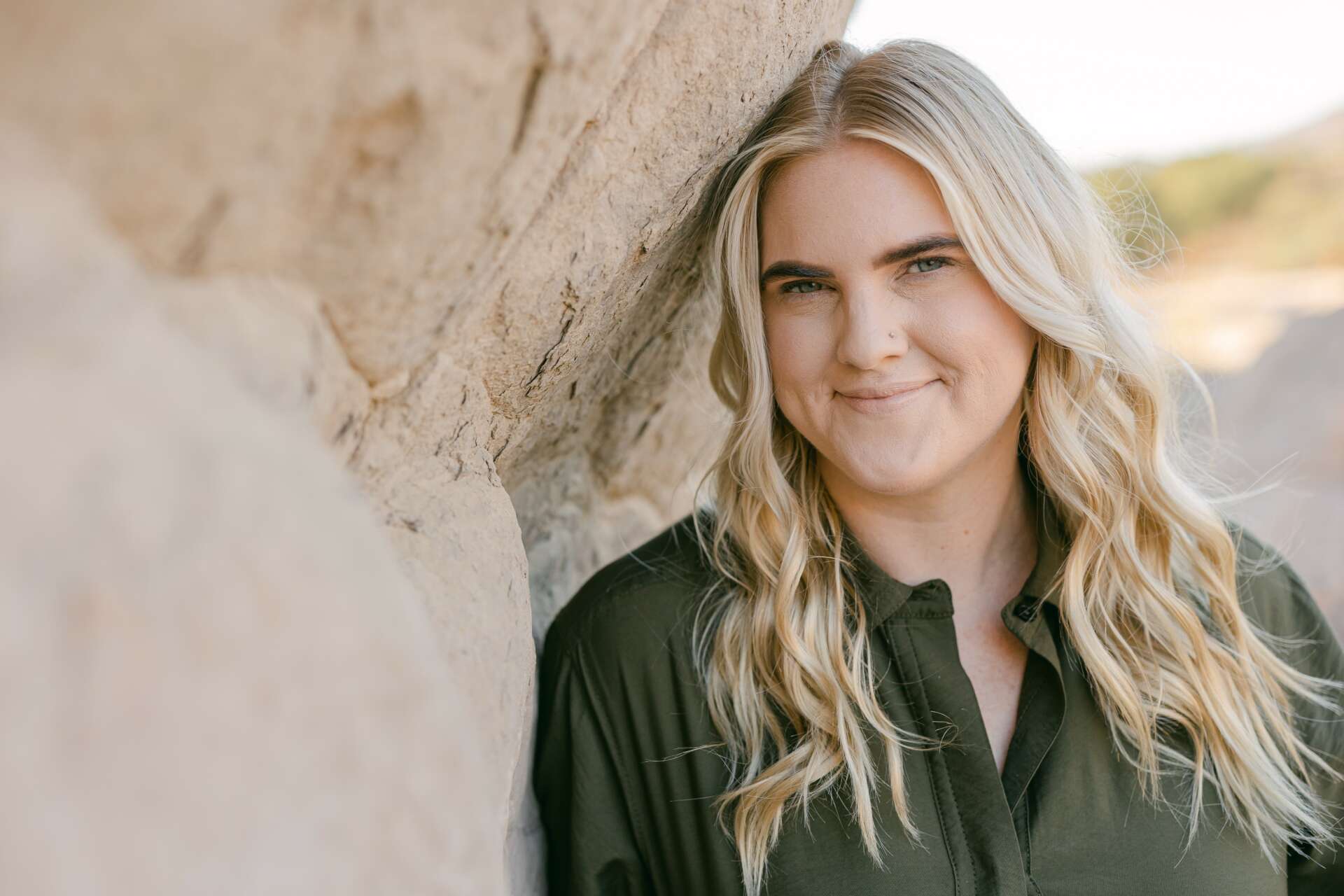
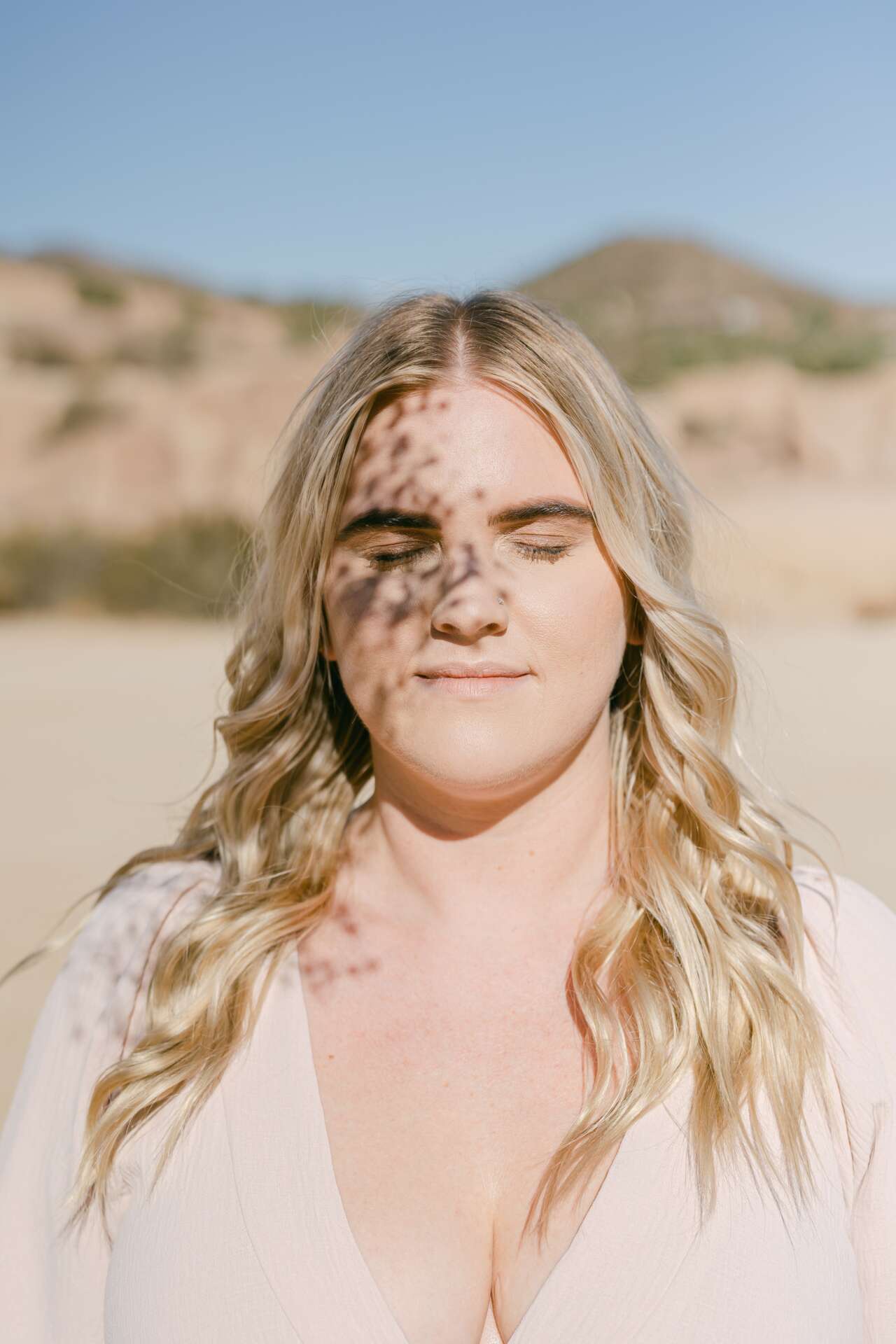

Training and knowledge matter of course, but beyond that what do you think matters most in terms of succeeding in your field?
It’s hard to pick just one thing as I’ve noticed how each of these play in dynamic with each other.
First, I think it’s essential to have a long term vision. A “why,” a purpose that inspires you to continue when the motivation lacks. For me, the center of my why is the collective, ripple impact that comes with the various services I offer. Can I leave something behind that will leave this place better than I found it and continue to positively impact future generations? Absolutely.
The foundation of this purpose is supported by a couple of different things.
Firstly, the quality in which I care for myself, spiritually, physically, mentally, and emotionally. A dear friend once told me there is a field of possibilities and when we treat our physical bodies with excellence, we allow ourselves to become the purest catalyst to create those possibilities.
Second, support is invaluable. Having partnerships and friendships that encourage limitless thinking, support your growth, and remind you of your potential when you forget it. I am beyond grateful for the team and partnerships in my life that provide me that.
Thirdly, trust. This is a foundational piece that translates into various areas. Trust in yourself, trust in your partnerships, trust in the Divine/God. This is where those spiritual practices I mentioned above become so incredibly significant. Pivots, detours, challenges – they’re all part of the story and for those that require control (I did at one point), trust in the face of such adversity can be challenging. There are days I don’t believe in myself and when that happens, my trust in something greater and the practices that connect me to that, always bring me back to center. Self doubt is natural. Each of us get to make the choice about the quality of relationship we have with it and the patterns we maintain because of it.


Are there any books, videos, essays or other resources that have significantly impacted your management and entrepreneurial thinking and philosophy?
The biggest resource and inspiration has been the work from Simon Senek. After reading the Infinite Game, I began to look at my business and my role as a CEO/entrepreneur in an incredibly different light. I believe anyone in a leadership or entrepreneur role would greatly benefit from his work. Other resources that touch on consciousness, energy, meditation, financial literature, and maintaining optimal health have all motivated me to create structure, routines, and systems within my day that allow both myself and my businesses to thrive. A few specific readings and influences I would recommend include: The 5am Club, 75 Hard, The Huberman Lab, Dr. Cassie Huckaby, Dr. Joe Despenza, Eckert Tolle and Gabby Bernstein.
Contact Info:
- Website: www.meganzuzevich.com; www.collectivereprocessing.com
- Instagram: Iammeganzuzevich
Image Credits
Ashley Burns