
Alright – so today we’ve got the honor of introducing you to Megan Norton-Newbanks. We think you’ll enjoy our conversation, we’ve shared it below.
Hi Megan, thanks for joining us today. We’d love to have you retell us the story behind how you came up with the idea for your business, I think our audience would really enjoy hearing the backstory.
The story behind Belonging Beyond Borders began with my own lived experience. By the time I was 18, I had lived in six different countries. As a Third Culture Kid (TCK), I often felt like an outsider—especially when I returned to my passport country, the United States. I didn’t have the language or framework to understand my identity or the emotional complexity that came with my globally mobile upbringing. At the time, I genuinely believed something was wrong with me. In reality, I was navigating a perfectly normal TCK experience—just without the tools or support I needed.
As I grew older, I began to realize just how many people shared similar stories. Millions of children grow up abroad due to their parents’ careers in the military, corporate sector, international education, missions, or diplomacy. Yet despite the increasing number of globally mobile families, the social-emotional needs of these children are often overlooked. That gap is what inspired me to create Belonging Beyond Borders.
This business is built on the belief that TCKs—children raised in cultures outside their parents’ passport countries during their formative years—deserve understanding, language, and support as they process identity, transition, and belonging. But rather than working with only the children, my approach is holistic: I focus on those who lead and care for TCKs—parents, extended family, international schools, sending agencies, and global organizations. I provide them with resources, prompts, and tools to facilitate meaningful conversations and smooth transitions.
What makes Belonging Beyond Borders unique is its emphasis on socio-emotional support. We’re not just addressing logistics; we’re addressing people. We’re talking about soft skills, emotional intelligence, cultural identity, and psychological resilience—areas that often go unacknowledged, yet have lasting impacts on a child’s development and wellbeing.
Looking back, I know that if I had had access to this kind of support, I would have transitioned into adulthood with greater self-awareness and ease. That knowledge drives my passion. This work is deeply meaningful to me because I’m not just filling a gap—I’m offering something I needed myself. And through this business, I now help others find belonging, no matter where in the world they come from.
Great, appreciate you sharing that with us. Before we ask you to share more of your insights, can you take a moment to introduce yourself and how you got to where you are today to our readers.
For those unfamiliar with my work or the concept of a Third Culture Kid (TCK), let me begin with a definition. Third Culture Kids are individuals who spend a significant portion of their developmental years outside their passport country. This includes children of diplomats, military personnel, missionaries, international educators, corporate professionals, and others who grow up in a culture—or cultures—different from their parents’ home culture. These children often hold one or more passports and are technically “from” a country, but may have never actually lived there.
As a result, many TCKs develop a rich, multifaceted understanding of the world. They may be multilingual, culturally adaptable, and globally minded—but when they return to their passport country, especially in young adulthood, they often experience cultural dissonance. They must learn or relearn what it means to live in a place others expect them to call “home,” leading to confusion around identity, belonging, and unresolved grief from repeated losses of people and places.
This is my story. I grew up across six countries as the child of a diplomat. When I returned to the U.S. for university, I found myself culturally complex—celebrating that richness internally, but struggling to communicate my experience in a way that resonated with peers or my broader community. I didn’t yet have the language to explain what I had lived through, or how deeply it shaped me.
That journey led me to found Belonging Beyond Borders, a consultancy and platform that provides support, training, and resources for Third Culture Kids and those who care for, work with, or raise them. I work with international schools, global companies, nonprofits, sending agencies, and diplomatic organizations to offer cultural training and socio-emotional support around transitions. My work is deeply rooted in intercultural communication theory, and focuses not just on the logistical aspects of moving across cultures, but on the emotional and relational complexities of it.
I am the author of two published books.
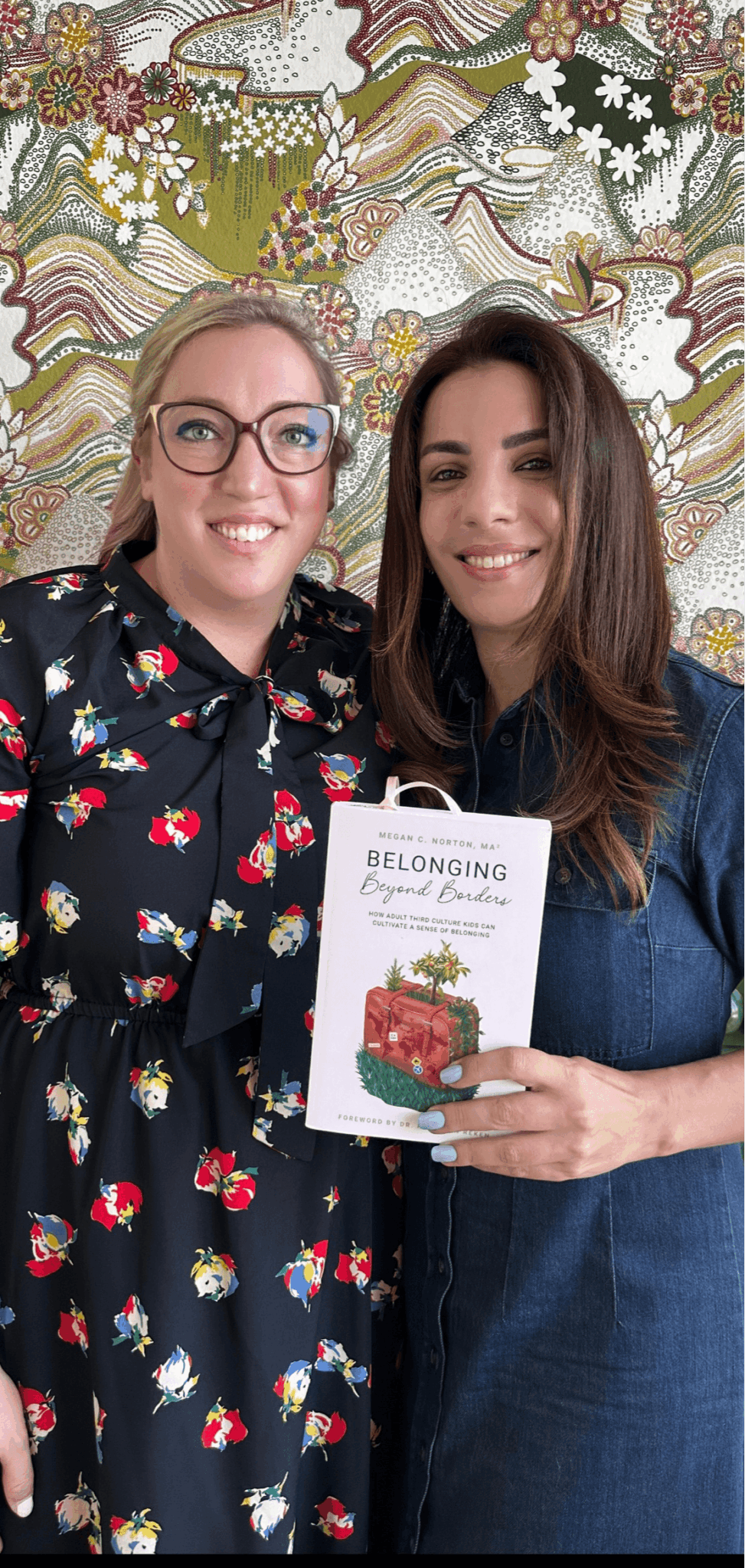
“Belonging Beyond Borders: How Adult Third Culture Kids Can Cultivate a Sense of Belonging” is a resource for globally mobile individuals navigating how to process their stories, find language for their experiences, and build a sense of rootedness even when they feel culturally complex or “in-between.”
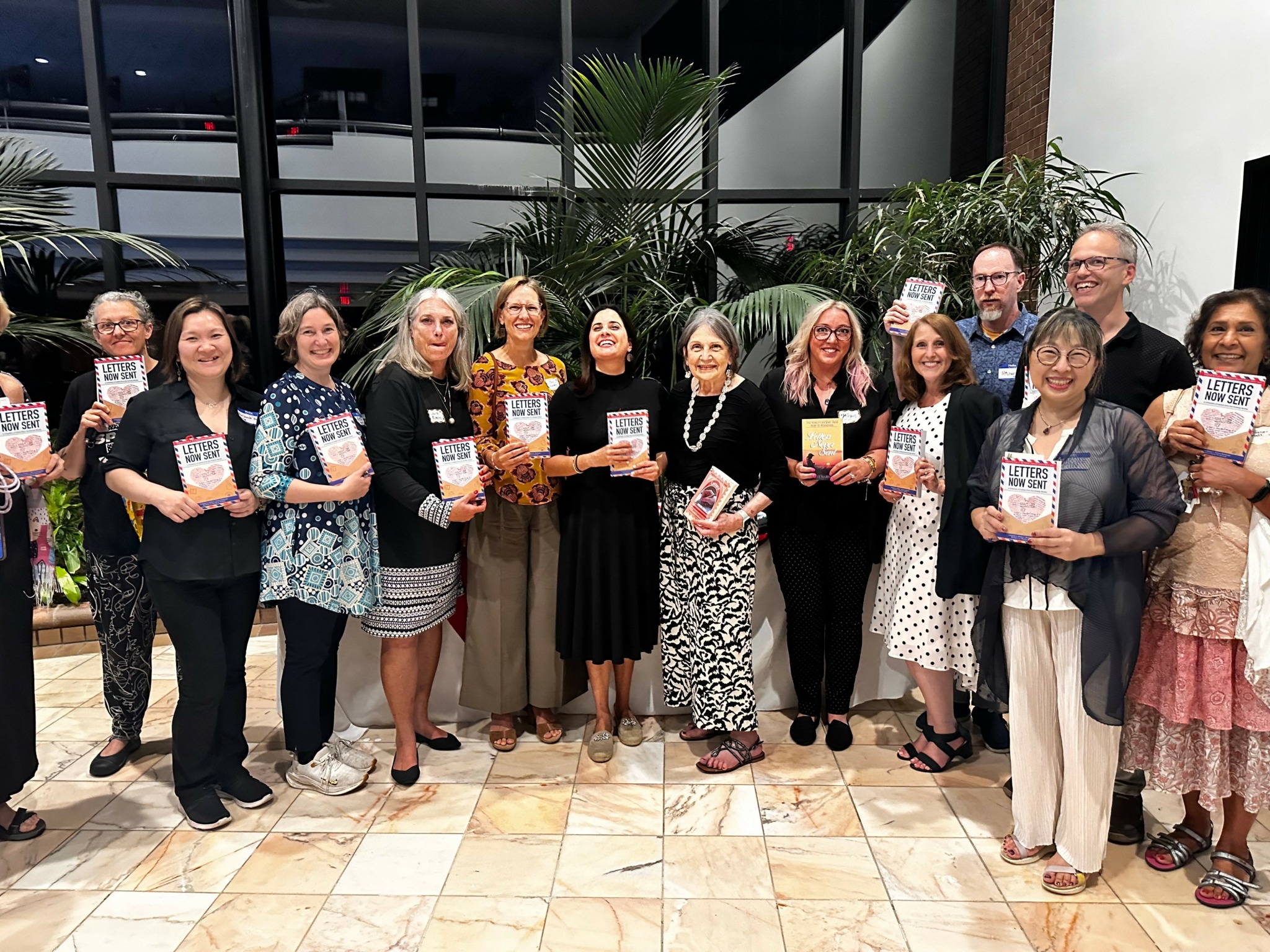
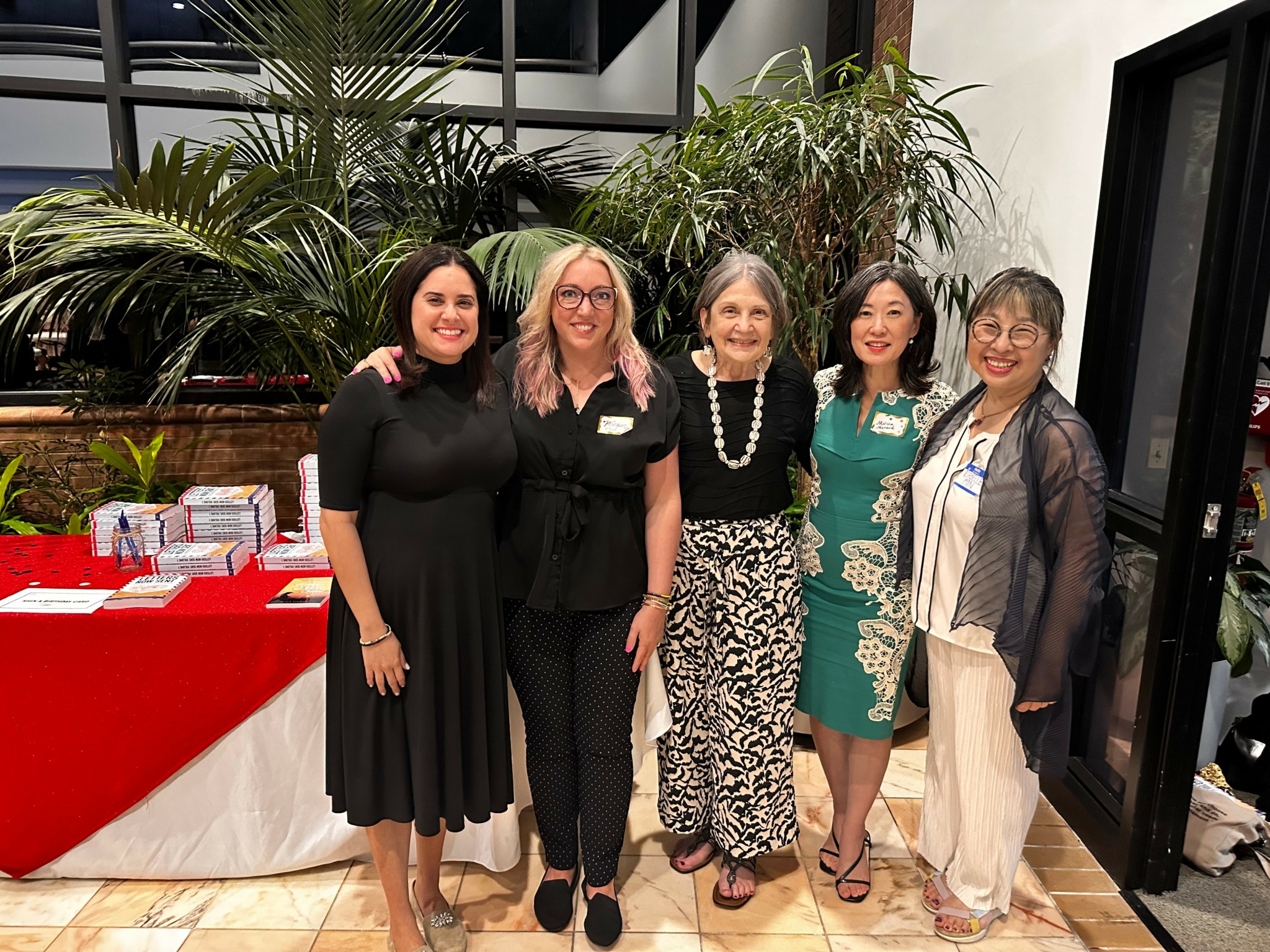
“Letters Now Sent: A Collection of Letters from the Globally Mobile” features over 90 contributors from around the world who have written personal letters to parents, younger selves, children, or communities—sharing raw, heartfelt reflections on what it’s like to grow up cross-culturally.
I’m currently working on two additional book projects, as well as an art book featuring artwork by Third Culture Kids. These creative works aim to give voice to the often-unspoken emotional realities of globally mobile lives.
What sets my work apart is its holistic and human-centered approach. While there are other organizations that support TCKs, Belonging Beyond Borders uniquely combines cultural theory with socio-emotional awareness, placing equal importance on identity formation, grief processing, and the power of storytelling. I’m most proud that my platform amplifies voices and stories that have often been overlooked—and that it gives people a sense of visibility, language, and validation for their lived experience.
In a world that is increasingly interconnected, yet still polarized, I believe it is more important than ever to understand and honor the complexity of the human story. My mission is to ensure that globally mobile individuals feel seen, heard, and understood—and to equip the communities around them to offer care with cultural and emotional intelligence.
What do you think helped you build your reputation within your market?
In the field of cross-cultural care for Third Culture Kids (TCKs), I believe reputation is built through authenticity, collaboration, and a commitment to community.
A core part of my credibility comes from sharing my personal journey as a TCK. By modeling vulnerability and speaking honestly about both the challenges and the celebrations of growing up across cultures, I aim to bring nuance to the TCK experience. I don’t minimize the struggles, nor do I over-romanticize the benefits. Instead, I share the complexity—the paradoxes of identity, belonging, grief, and growth—with honesty and empathy. That level of authenticity resonates with others who have lived similar stories and builds trust within the community.
Another key aspect of my reputation is my collaborative approach. I deeply respect and celebrate the work of others in this space—researchers, practitioners, educators, and creatives alike. I believe that no one owns the TCK conversation, and that we’re stronger when we learn from and uplift each other. I regularly integrate the work of fellow professionals, share their research, and actively connect people across the global mobility network. One of the most meaningful things I do is help individuals—whether they are newly discovering the term “Third Culture Kid” or seasoned professionals—find the resources, communities, or experts that best meet their needs.
When someone encounters the concept of TCKs for the first time, it often sparks a powerful “aha” moment. They begin searching for tools, language, and support. My role is not only to provide guidance but to point them to the wider ecosystem of support that exists. Over time, this commitment to integrity, relational connection, and generous collaboration has shaped how I’m known in the field—not just as a content creator or consultant, but as a connector and advocate for the globally mobile.
We’d love to hear a story of resilience from your journey.
One story that illustrates my resilience as a founder is the ongoing, intentional effort it takes to build meaningful, one-on-one connections in a global, niche field.
In the early stages of building Belonging Beyond Borders, I quickly realized that traditional marketing methods—such as email campaigns, newsletters, or social media posts—often didn’t fully engage the very people I wanted to reach. The heart of my work is rooted in human connection and storytelling, so I’ve had to take a highly relational approach: personal follow-ups, individualized emails, networking conversations, and countless Zoom calls across time zones. These methods are time-consuming and often invisible to others, but they are essential to creating the kind of trust and safe space needed for people to feel comfortable sharing their globally mobile stories.
This kind of relational work can be both deeply rewarding and deeply exhausting. It requires emotional energy, sustained commitment, and a belief that these small, personal efforts will yield long-term impact. I’ve had to stay resilient in the face of slow progress, repeated outreach, and the challenges of building in a space that is still relatively underdeveloped. There is no roadmap for this kind of work—especially when you’re creating offerings that blend identity, emotional wellbeing, and cross-cultural research in new ways.
There are also practical challenges. Because I work with clients and collaborators across the globe, my work hours often stretch from early mornings to late nights, shifting to accommodate different time zones. There have been many days when I start at 6 a.m. and end at 10 p.m.—not because I’m chasing productivity, but because I’m cultivating global relationships that require presence, patience, and care.
People often reflect back to me that I have a wide and impactful network across countries and sectors, and while I’m grateful for that reach, it has been built through resilience—through showing up consistently, following up intentionally, and choosing connection over convenience. As a founder, I’ve learned that resilience isn’t just about enduring hardship; it’s about continuing to invest in meaningful work, even when the return isn’t immediate or visible.
Entrepreneurship offers incredible freedom, but it also demands a deep commitment. For me, resilience is the willingness to keep going—to keep caring, connecting, and creating—even when the path is uncertain.
Contact Info:
- Website: https://www.adultthirdculturekid.com
- Instagram: https://www.instagram.com/adult_third_culture_kid/
- Linkedin: https://www.linkedin.com/in/megancnorton/