

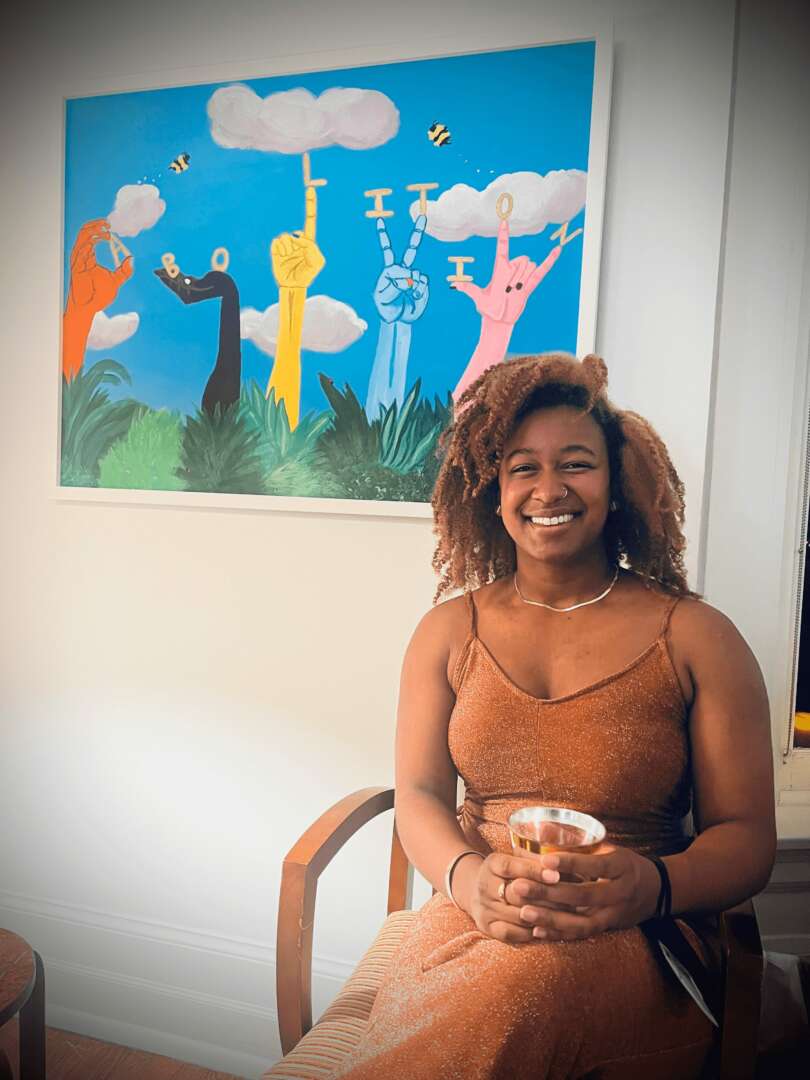

We recently connected with Megan Jordan and have shared our conversation below.
Megan, appreciate you joining us today. When did you first know you wanted to pursue a creative/artistic path professionally?
The first time I knew I wanted to pursue a creative career was when I took a summer job in Oakland, California to work at a think tank on an arts, culture, and equitable development research team. It was there that I learned there are entire ecosystems that appreciate and finance creative, innovative work of artists from all mediums and integrate the importance of arts and culture into policy creation and community engagement. Traveling out of Nashville to the Bay Area/Northern California was a mind-blowing experience that opened my eyes to a whole multitude of ways that creatives function and contribute to society and help humans better understand one another. What this looked like was meeting artists-in-residence that work within nonprofits, local government, and private sector residencies. And in Oakland, CA specifically, I just saw art everywhere I went—from murals on every block to live music being played in various places to even just the way people talk about arts. They understand that artists must be paid, and their crafts must be respected, and their creations must be protected. All of these observations gave me excitement and hope for crafting my own creative career back down in the Deep South. It raised my expectations of what artists in Nashville deserve and what our community needs structurally to get there. We need government and corporate buy-in to foster a healthy arts ecosystem. And we also need mutual aid and shared collective standards amongst artists within their own communities, so that we’re not competing for low wages or low project budgets, and so we can have a set standard that isn’t undercutting our peers. Specifically in Oakland, I worked with a spoken word artist, A Scribe Called Quess?, who used his artistic forms of poetry, story circles, and theatre to the oppressed, inspired by Augusto Boal, John O’Neal, and Free Southern Theater, to get community members across the U.S. to a shared understanding that all of our oppressions are intertwined across race, region, etc. Most people are housing insecure or economically insecure, and there are structurally embedded forces, policies, and beliefs in our culture, organizations, government, and greater society that perpetuate inequity and keep people divided. So, I learned from this artist and from my team how art and culture can be used to bridge social divides and connect people for the greater purpose of healing our society.
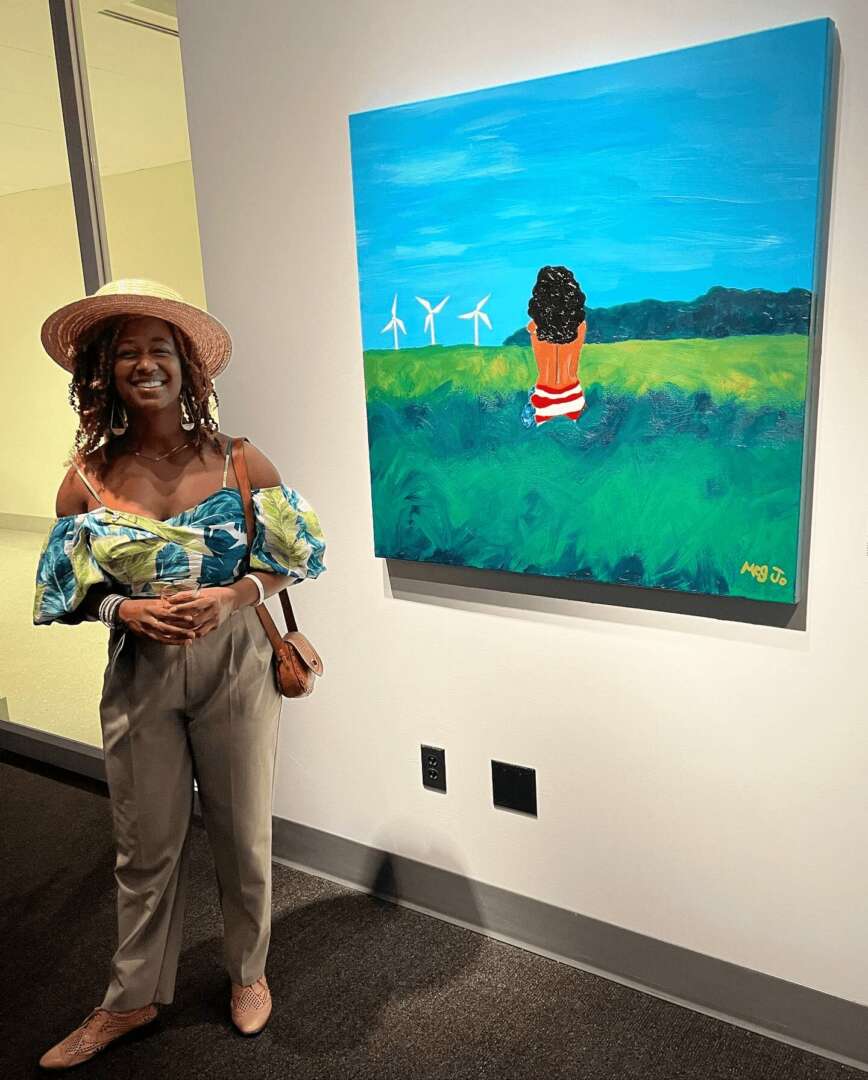
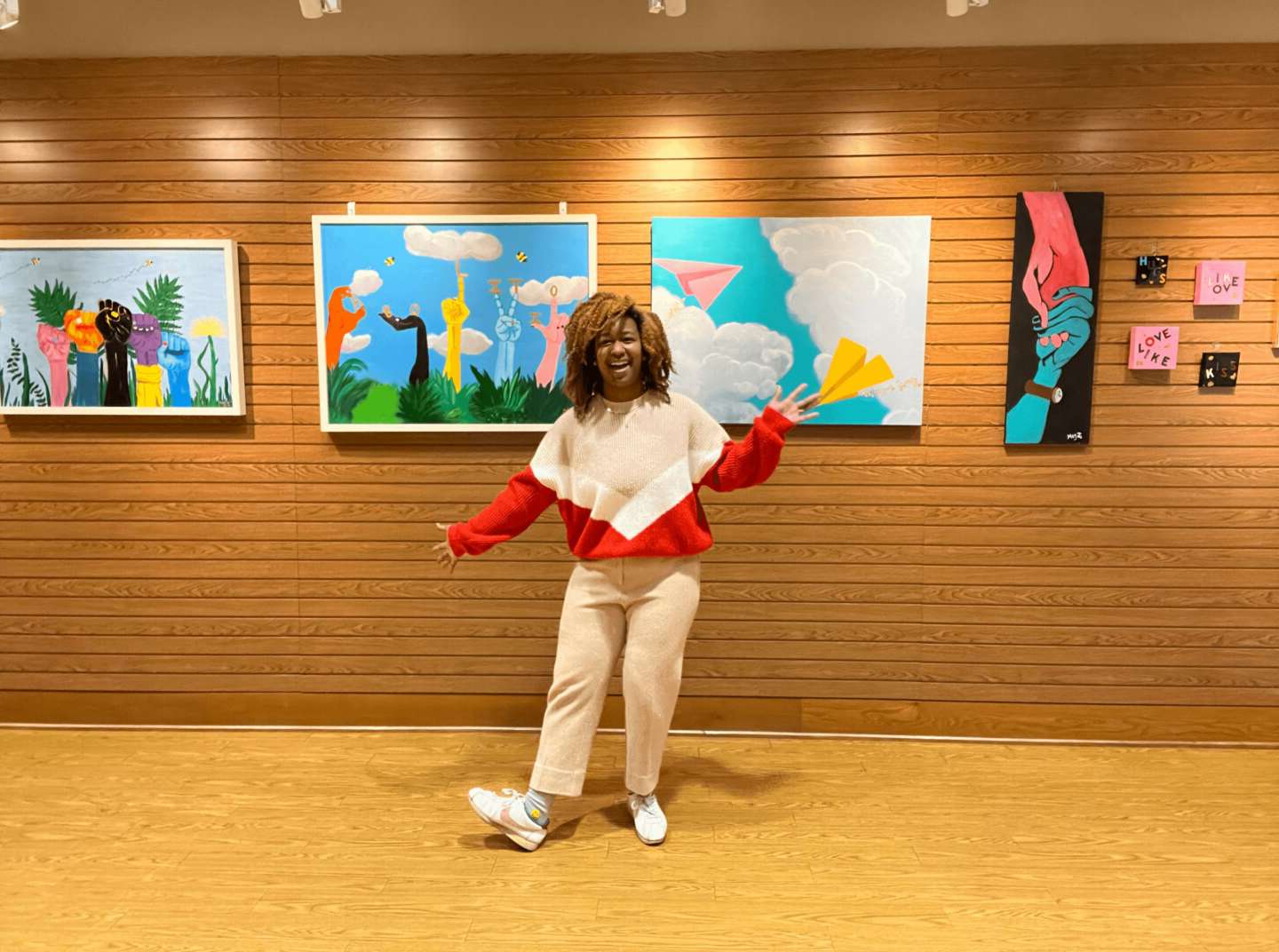
As always, we appreciate you sharing your insights and we’ve got a few more questions for you, but before we get to all of that can you take a minute to introduce yourself and give our readers some of your back background and context?
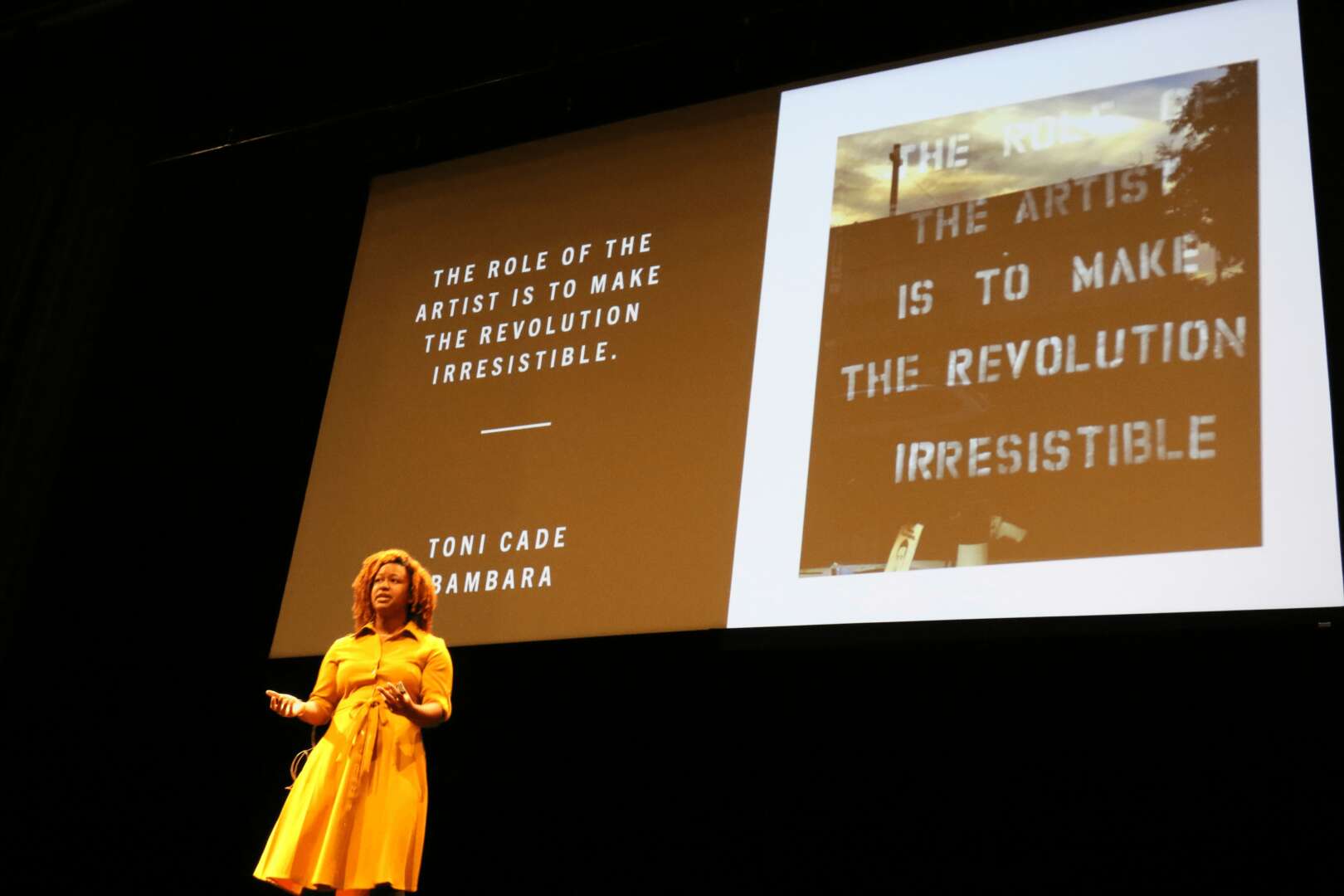
I got into the arts kind of later than most. I didn’t go to school for it. I started painting in 2016 during the presidential election after working as a labor organizer and then an environmental organizer for a PAC. I started painting for my own mental health during what was a very difficult year for many people, especially women and people of color. I began telling stories through my paintings. When I started my PhD, I studied social movements and the roles of artists within social movements—how do people communicate social justice sentiments effectively, get people to feel, and get people to act upon their feelings of passion for justice. I became fascinated with that and committed myself to figuring out how to better communicate my social justice ideals into my artistic works as well as how to integrate the stories and lessons I learned from wise others into the mission of my artistic practice. That led me to have the privilege of creating community murals sponsored by organizations like Black Lives Matter, Planned Parenthood, Unemployed Workers United, etc. My work has been exhibited at the United Nations COP27 Climate Change conference in Egypt as well as the National Museum of African American Music among other venues. I also show my work locally at coffee shops in Nashville and artist-run, mission-driven galleries. I’ve painted murals for nonprofits and corporations across the south, and I’ve served as an arts equity consultant for local government, nonprofits, and higher education institutions. My work has been awarded and recognized by foundations nationally. This includes the Tanne foundation, the W. K. Kellogg foundation, among others. What I am most proud of is actually when I got my first award from a foundation. It was in the letter that the foundation president wrote to me—in her letter she thanked me for making work to help people who can’t walk in my experience be able to walk in my experience and see society in a new way. That touched me so deeply that I cried for days, honestly, because I felt like I was really doing what I was setting out to do— fostering empathy, hope, and radical imagination. And now I’m just trying to figure out ways to multiply that and keep at that so that more people can feel the social vision and imagine new worlds inspired by arts and culture; for we need culture shifts if we want policy and institutions to also shift.
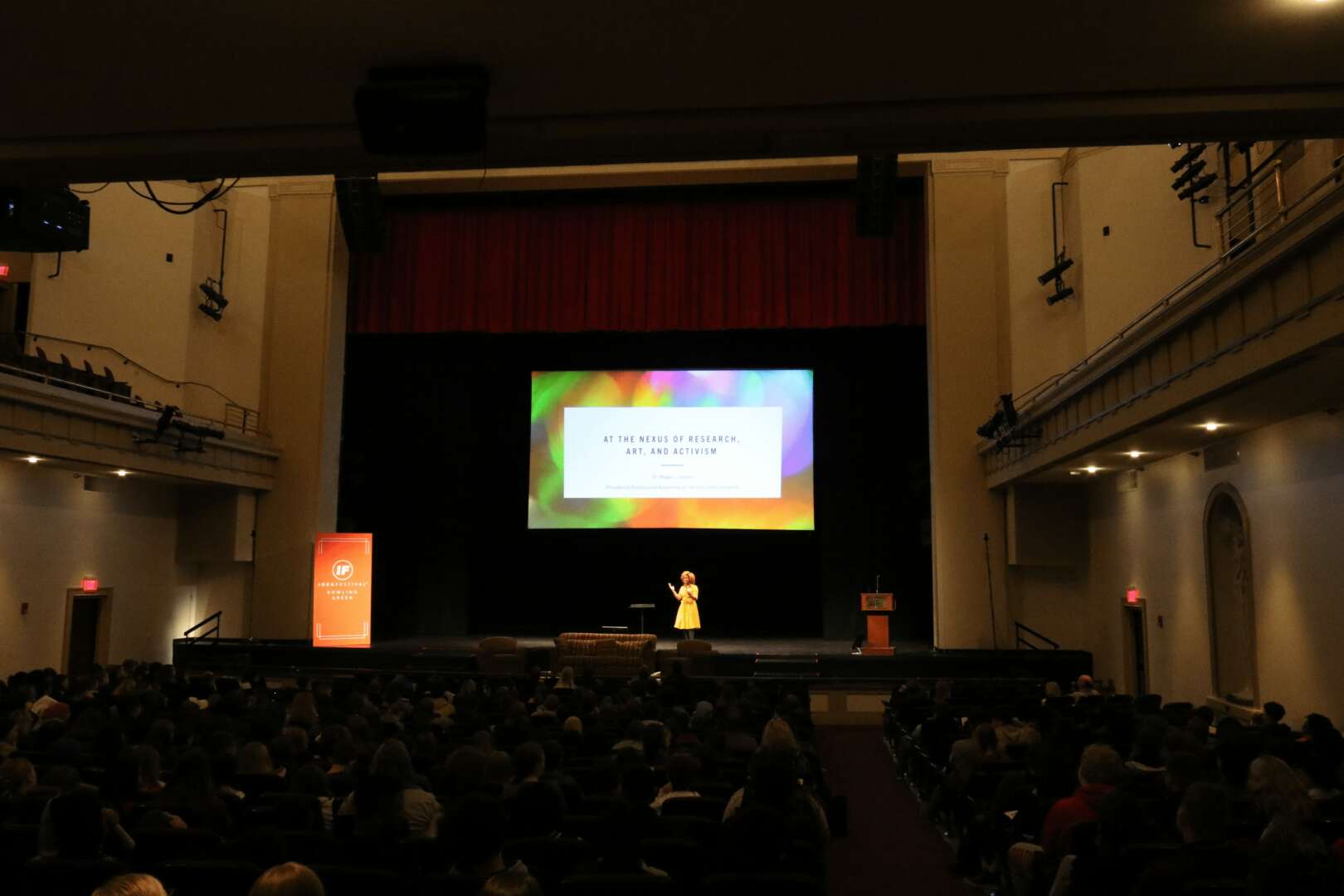
What can society do to ensure an environment that’s helpful to artists and creatives?
Society can do a much better job at paying artists more equitably, acknowledging the value artists bring to our society, and respecting creatives as workers entitled to basic worker rights.
Art is not just a luxury good for the wealthy. It is a community asset and tool for communications, engagement, and community wellbeing. Artists should be paid for their time and be integrated into projects and partnerships from start to finish, not called upon as last minute add-ons like cherries on a cake. Artists must be baked into the cake!
Organizations and individuals can do a better job at paying artists for their services in a timely fashion. You don’t pay your caterer late for food or give them an I.O.U., so don’t do that to artists, because they have bills and expenses too.
Are there any books, videos or other content that you feel have meaningfully impacted your thinking?
Art Thinking: How to Carve Out Creative Space in a World of Schedules, Budgets, and Bosses by Amy Whitaker
Healing Justice Lineages: Dreaming at the Crossroads of Liberation, Collective Care, and Safety edited by Cara Page & Erica Woodland
Aeffect: The Affect and Effect of Artistic Activism by Stephen Dumcombe
Contact Info:
- Website: https://www.megjoart.com/
- Instagram: https://www.instagram.com/meggojojo
- Linkedin: https://www.linkedin.com/in/megan-jordan-phd-55a65912a
- Youtube: https://youtube.com/@beeinacloud
- Other: https://open.substack.com/pub/beeinacloud
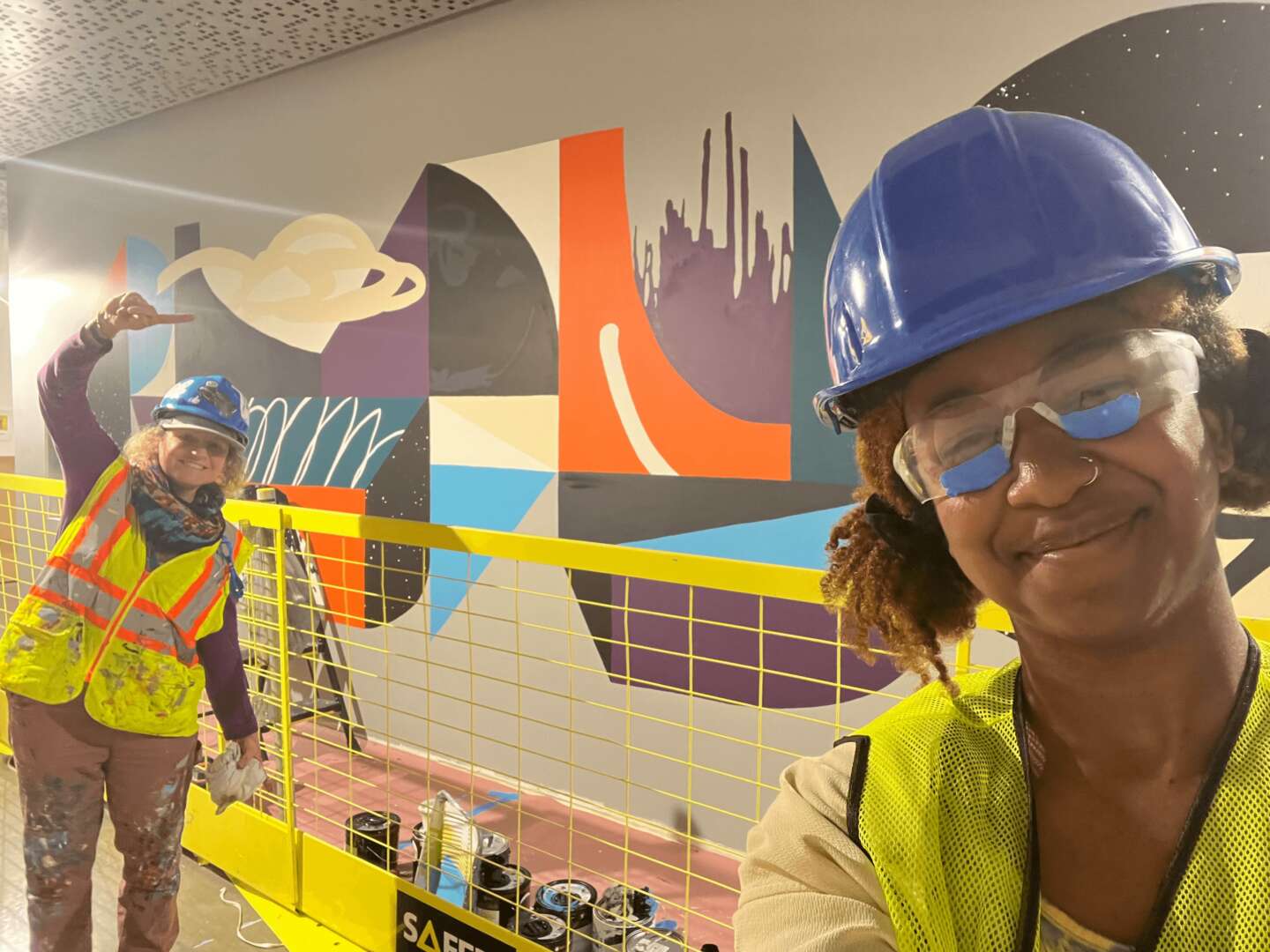
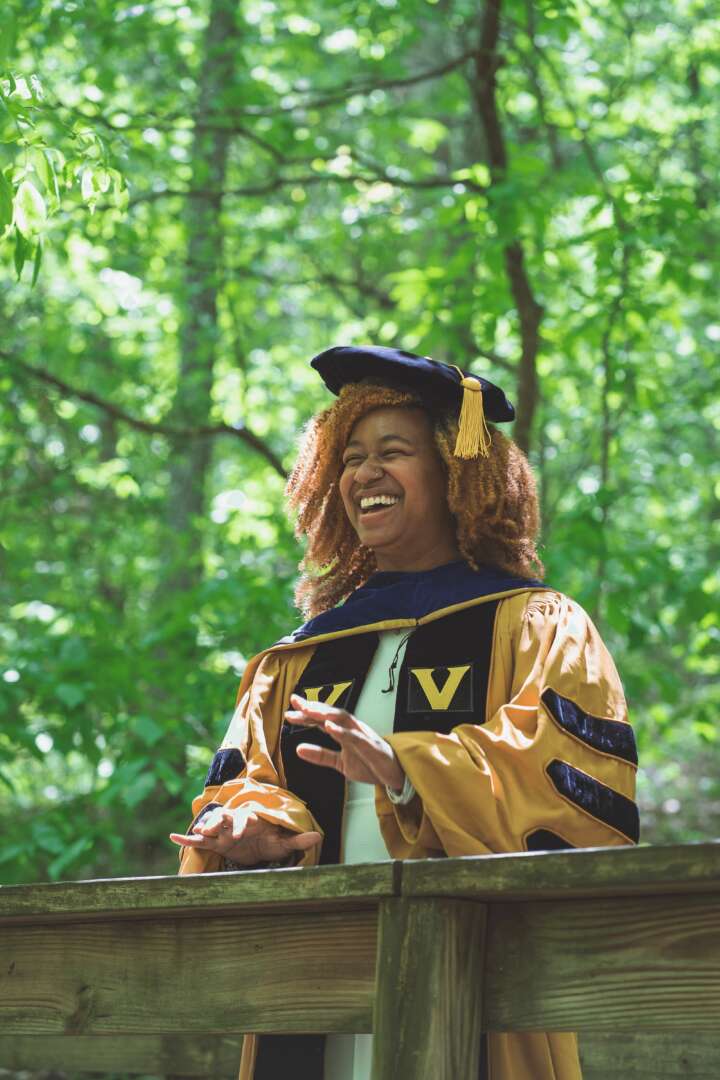
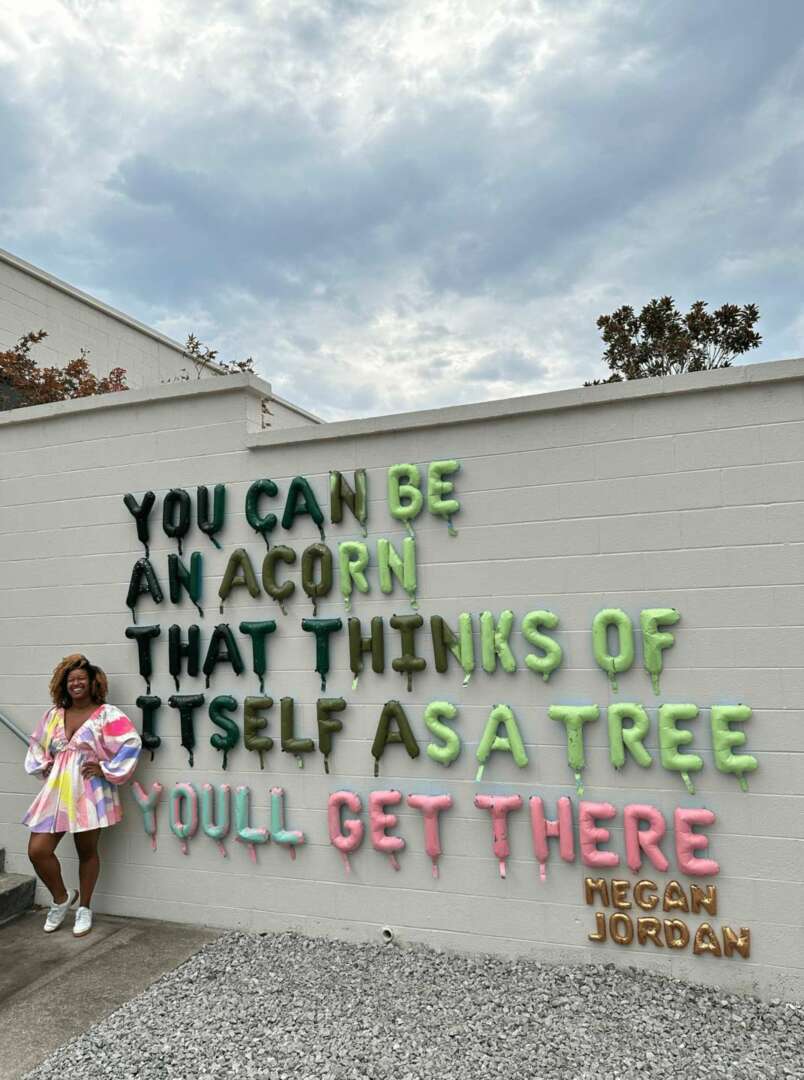
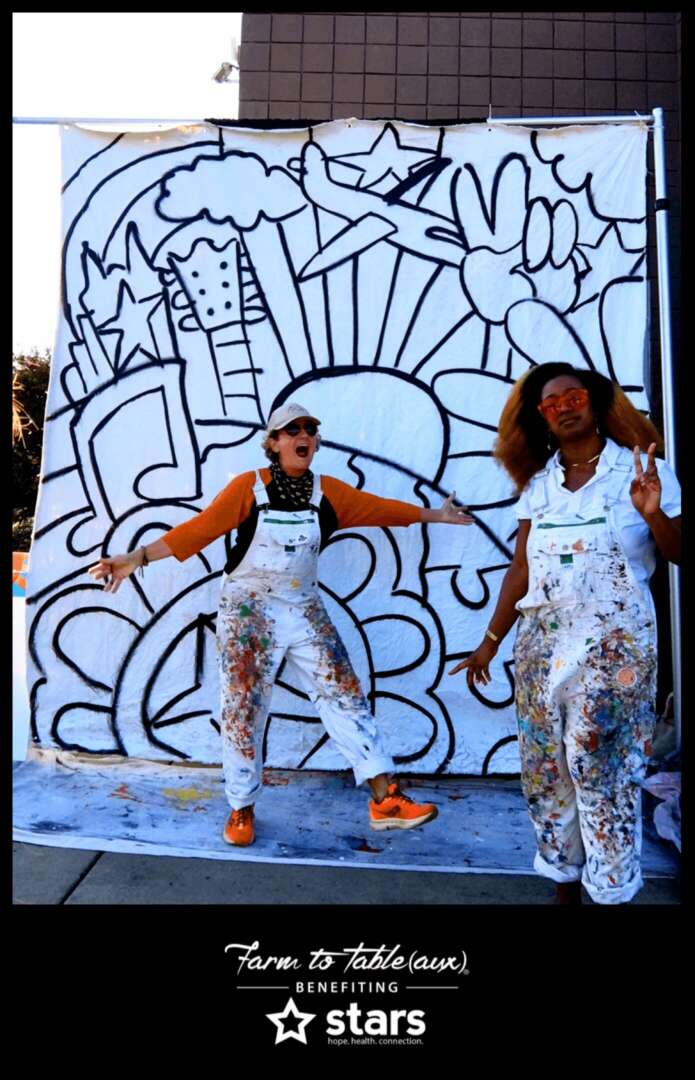
Image Credits
Acorn mural photo – Michael James Schneider
Yellow background headshot – Joseph Patrick
Green shirt headshot – Vanderbilt Communications