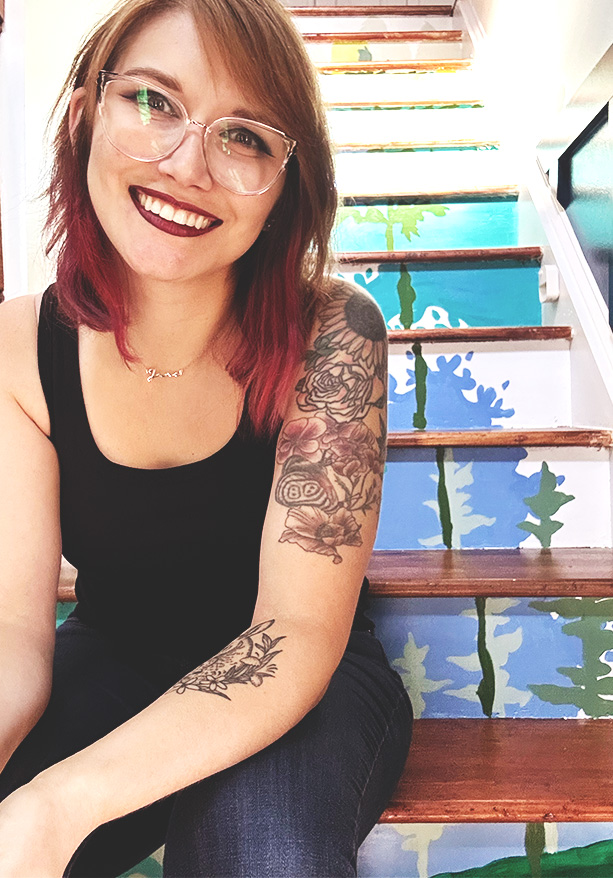

We caught up with the brilliant and insightful Megan Grant a few weeks ago and have shared our conversation below.
Megan, thanks for taking the time to share your stories with us today Can you recount a story of an unexpected problem you’ve faced along the way?
The biggest unexpected problem I have faced, and continue to face, is feeling the lack of time. I feel many creatives, and adults for that matter, can relate. The hours spent working my day job to have consistent income, being a mother to a small child, and also taking time to be present for others during the day. All while sprinkling in some self-care as well, which isn’t always creating something. I used to feel guilty about not utilizing the precious time I did have to work towards my artistic goals, but it made creating feel more like a chore. I did not want it to feel like a chore, and never do, because it brings me tremendous joy. Over the past few years, I have been told two things that have been incredibly helpful; one from an artist friend and one from a professor. My artist friend told me that it is best to paint when you feel the urge to paint, or almost like the painting is calling for you to return to it and it excites you to do so. The other, from my professor, stated that just because you take some time away from engaging in your creative endeavors doesn’t make you any less of an artist. Both pieces of advice have helped as they remind me that no matter what happens, my paintings and projects are always there waiting for me to return when I’m able.

Great, appreciate you sharing that with us. Before we ask you to share more of your insights, can you take a moment to introduce yourself and how you got to where you are today to our readers.
I am a Licensed Independent Clinical Social Worker and I provide individual outpatient therapy to adults ages 18+. I specialize in helping patients with depression, anxiety, anger, communication, and grief. I am also an artist. I love to paint and draw the world around me, while also illustrating human emotion through art. It is a new idea that I have been experimenting with and it has been a fun process. I am also looking for new ways to get art out to the community in a helpful way, so I’m looking forward to starting up a Creative Coping and Mindful Art Group at the local art museum and online in the coming year. When I help others, I approach them with empathy and encouragement because I truly believe everyone deserves to have a chance to reach their goals and feel good about their life. I bring a variety of life experiences to my art and passion for helping others, such as living in many different places, colorful work background, and being a mother to name a few. Despite these experiences that have helped me grow, and the hardships that were in between, I am proud that I have continued to explore these experiences through my art practice and also harness them to help me find new, creative ways to help others.

What do you think is the goal or mission that drives your creative journey?
The original goal of my work was to harness my love of bright, bold colors to positively impact the viewer, however, over the past year or so, it has shifted more into exploring emotions through painting, drawing, and other media. When I paint now, I focus on how I feel while creating the work. If I’m creating a work from a memory, or past event, I focus on how I felt while it was happening and allow myself to engage in creative urges and thoughts it illicit, such as throwing paint across the work or using rags to apply paint haphazardly. My hope is that, when viewed, others will explore their own feelings and emotions or think of what triggered the impulse to create and apply paint, collage, charcoal, etc. in such a way.

What’s a lesson you had to unlearn and what’s the backstory?
When I became more serious about my artwork and began calling myself an “artist”, I put myself in a creative mindset (or creative box) that I had to create works that other people would enjoy and would want to purchase. Though I was enjoying the process of painting and pushing myself to paint in a way that I thought would be more apt to sell, I was shutting down a lot of ideas and not allowing myself to create freely. I was focused on drawing attention to my work, spending countless hours on social media trying to promote my work and I could only think of selling it, becoming more well known. It actually began causing me to overthink and created unnecessary stress. I began unlearning this way of thinking through more seasoned artists and a few books. I discovered new ways of painting and was challenged to give into any impulse or thought that I had when it came to creating a work. I always find it funny that the seasoned artists could tell that I was holding myself back and shutting down ideas. I was also introduced to new ways of thinking about my creative mindset by the books: Art for God’s Sake by Philip Graham Ryken, Big Magic by Elizabeth Gilbert, and Art & Fear: Observations on the Perils (and Rewards ) of Artmaking by David Bayles and Ted Orland. I cannot recommend these books enough. This combination of books and guidance from more seasoned artists than myself challenged me and gave me permission to explore any creative idea that I wanted. It was, and continues to be, extremely freeing.
Contact Info:
- Website: https://meggrantart.carrd.co
- Instagram: https://www.instagram.com/meggrant.art/
- Linkedin: https://www.linkedin.com/in/megan-grant-licsw-a906b5b4
- Other: Email for inquiries: [email protected]