

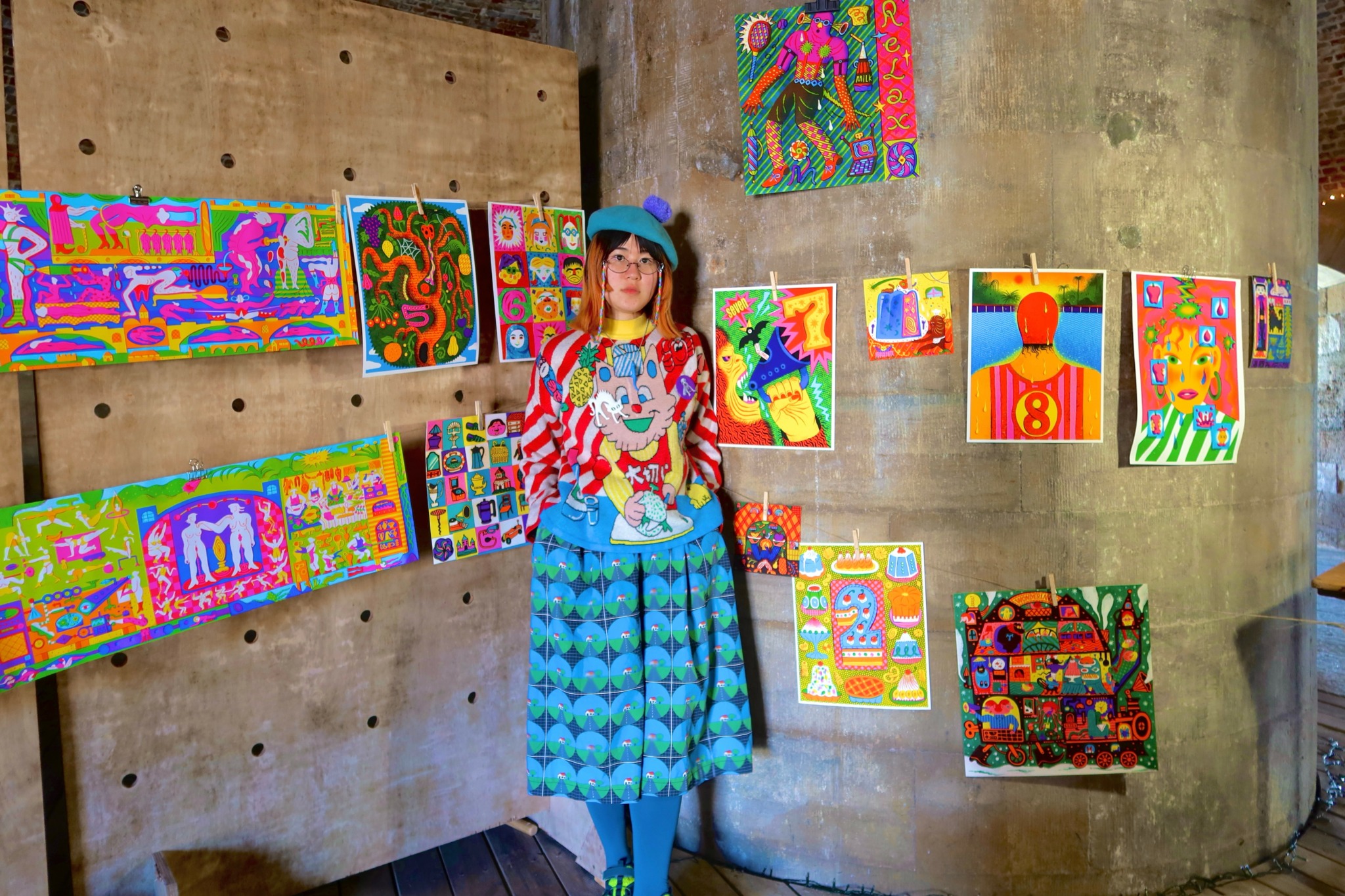

Alright – so today we’ve got the honor of introducing you to Megan Du. We think you’ll enjoy our conversation, we’ve shared it below.
Megan, thanks for joining us, excited to have you contributing your stories and insights. Can you take us back in time to the first dollar you earned as a creative – how did it happen? What’s the story?
The first time I earned money from my creative work was when I was in elementary school, and my “client” was my elderly neighbor Mrs. Dai . We had a unique friendship that transcended our age difference. She always took great care of me, and when my parents came home late from work, I would often go to her house to wait. She would warmly turn on the TV for me to watch cartoons, offer me snacks like candied winter melon and mung bean cakes, and sometimes even invited me to stay for dinner.
One day during art class, I drew her dog with crayons and gave the drawing to her as a token of appreciation for all the care she had given me. To my surprise, Mrs. Dai was overjoyed and insisted on buying the drawing from me. I told her it was a gift and that I couldn’t accept money, but she earnestly explained that it was a “work of an artist” and that she must pay for it. She even asked how much it should cost. In the end, I accepted a coin from her as a symbolic gesture.
That was the very first time I earned money from a creative work. Even though it happened so long ago, the memory remains incredibly vivid. In that moment, for the first time, I felt like a real artist, someone who had created something that had value. That simple exchange sparked a dream in me—to one day become an artist. But more than that, it taught me something even deeper: that art isn’t just about creating; it’s about connection. It’s a bridge between people, a way to bring us closer.
Mrs. Dai hung that drawing in her living room, proudly displaying it as if it were some great masterpiece. And from what I remember, it stayed there for years. With that coin, I bought a pack of soft candies, and we sat by the flower bed outside our apartment building, sharing the candies and spending an incredibly sweet afternoon together.
Great, appreciate you sharing that with us. Before we ask you to share more of your insights, can you take a moment to introduce yourself and how you got to where you are today to our readers.
Hello, I’m Megan Du, an illustrator and visual artist currently living in the UK. My journey into the world of illustration wasn’t a straight path, but one filled with discovery and creativity.
In China, there’s a traditional ceremony called “Zhuazhou( one-year-old catch),” where babies are placed in front of objects, and the one they grab is said to predict their future. During my own ceremony, I reached for a paintbrush, and perhaps from that moment, my artistic journey began.
As I grew, so did my fascination with color and creativity, evolving from a simple instinct to a deep passion for visual storytelling. While pursuing my degree in Visual Communication, I discovered the unique power of illustration to express emotions, thoughts, and narratives that words sometimes can’t capture. This realization ignited my lifelong commitment to exploring how art can communicate on a deeper, more evocative level.
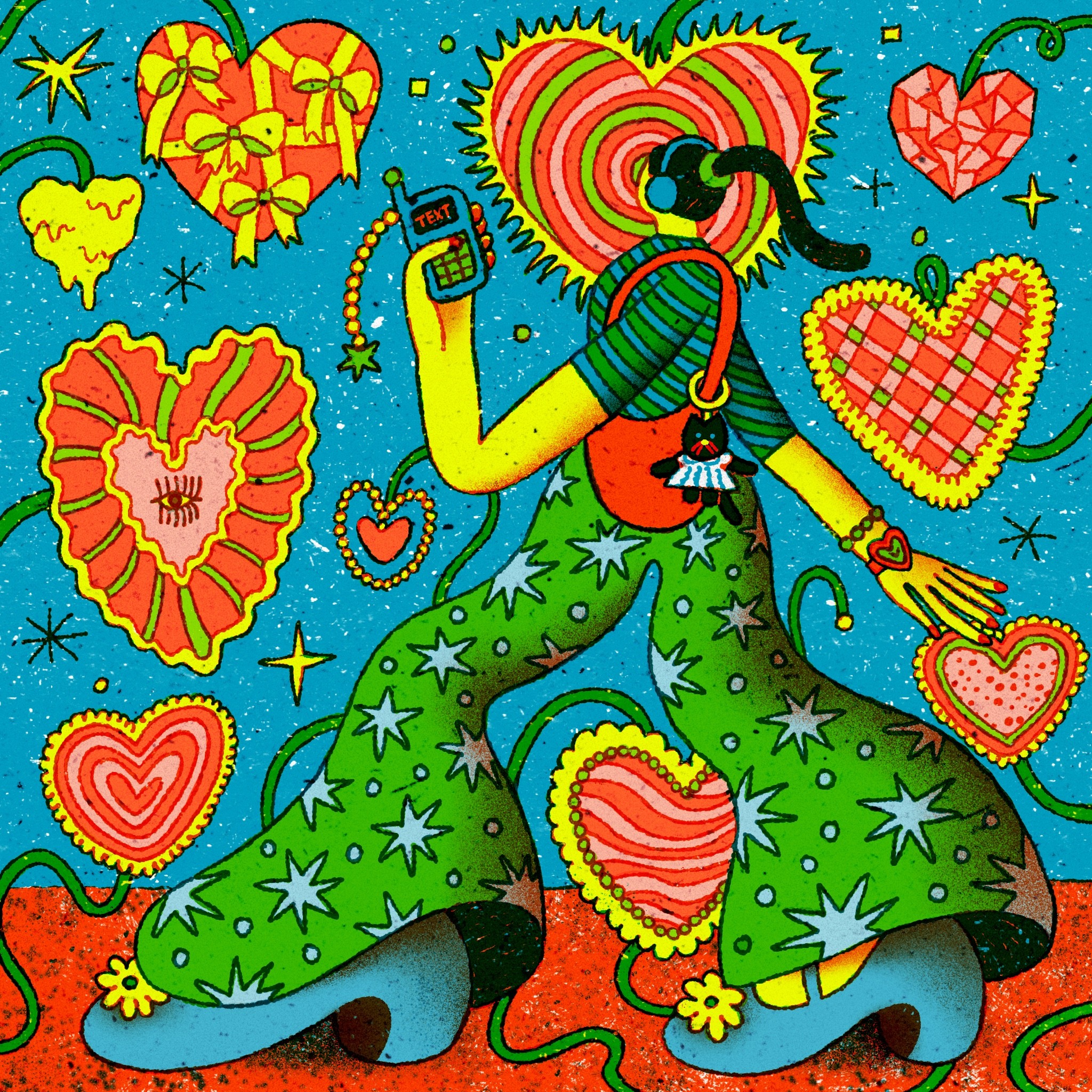
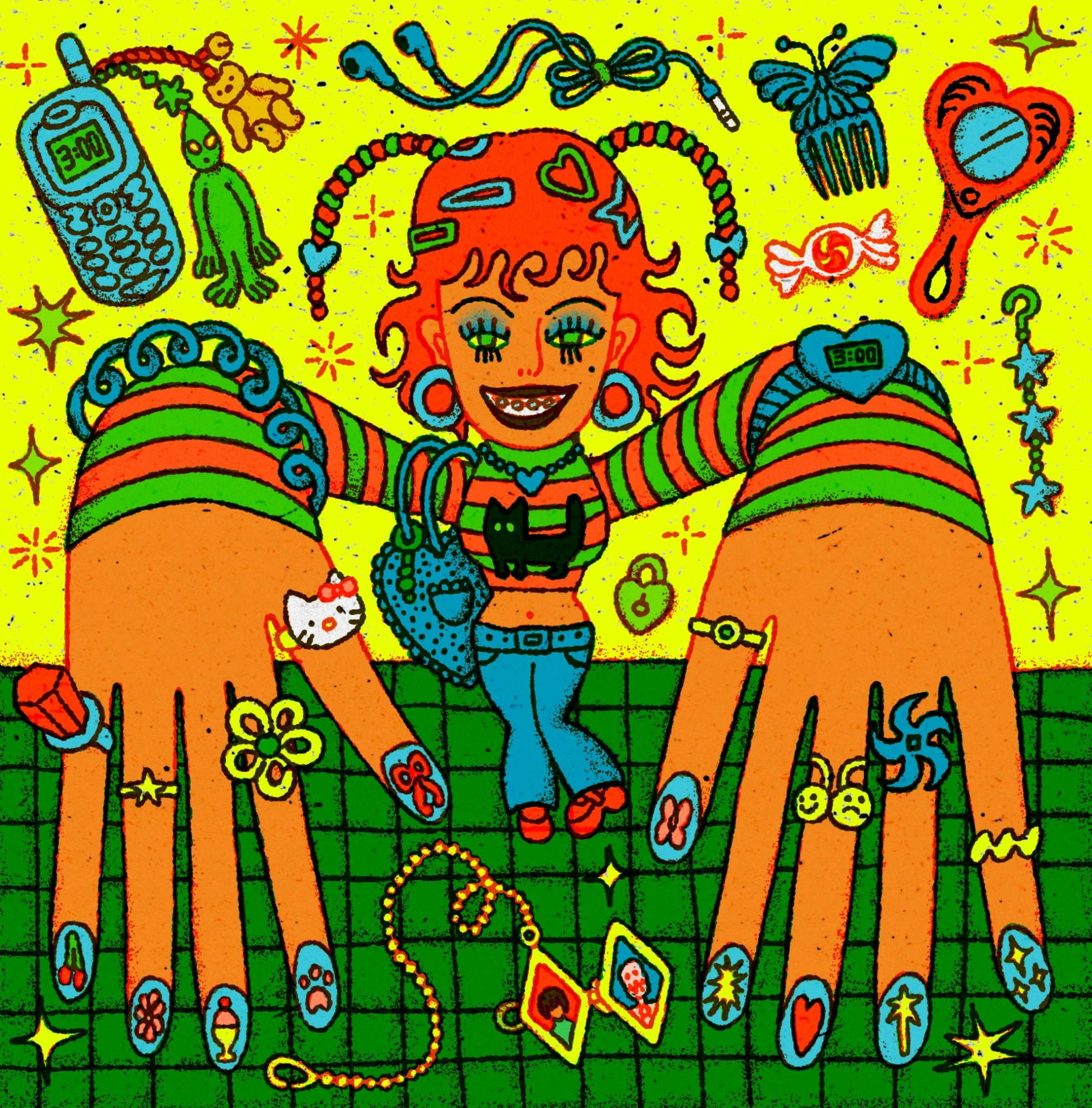
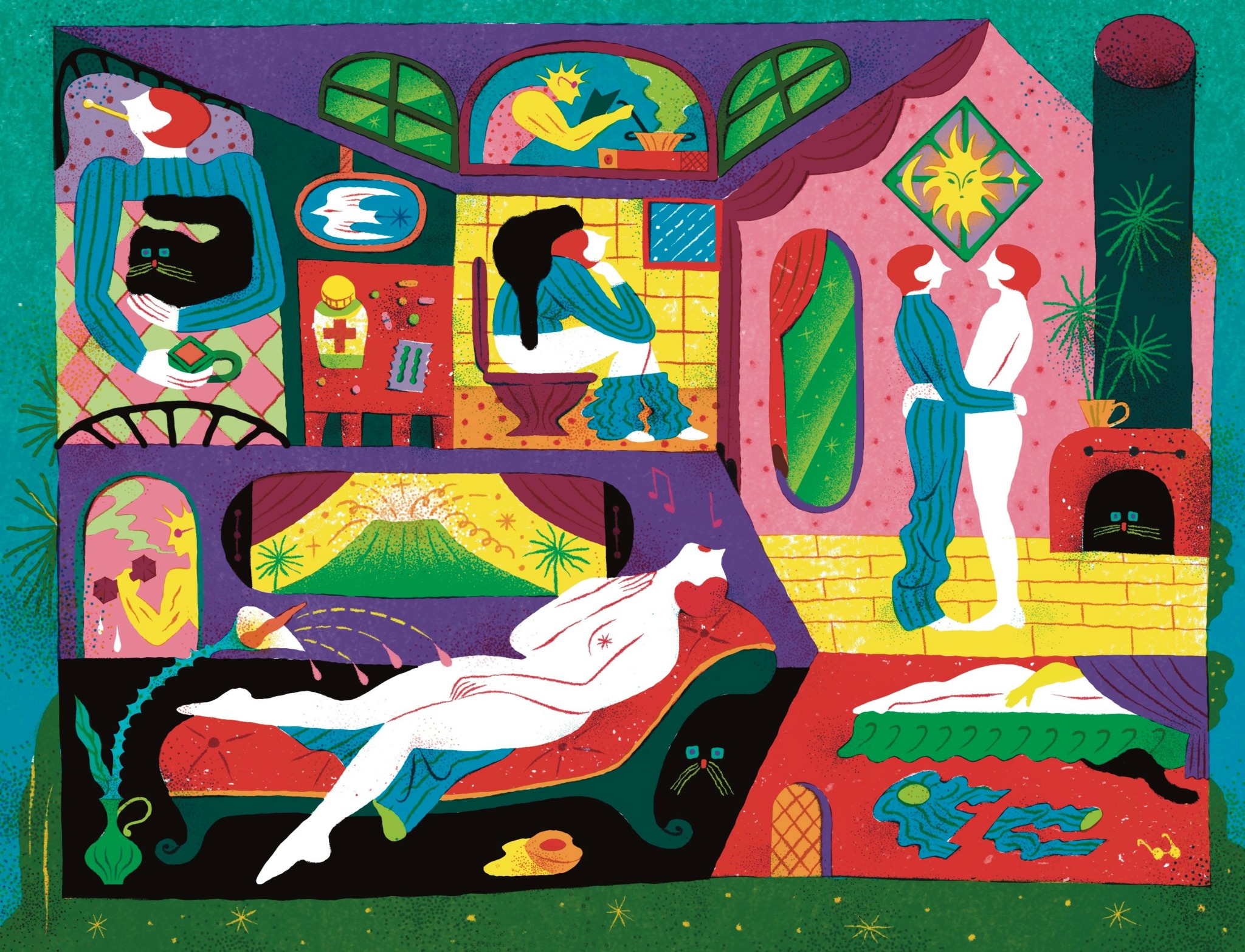
My work is heavily influenced by retro culture—especially the psychedelic styles of the 1970s. There’s something about the nostalgia and mysticism of that era that fascinates me, and I try to channel that timeless energy into my illustrations. I also consider myself a feminist, and much of my work centers on female narratives, using art as a platform to express my views and advocate for women’s empowerment.
During my university years, I had the chance to intern at my professor’s design studio, where I learned to balance creative passion with the business side of art—managing commissions, collaborating with clients, and bringing their visions to life. It was a pivotal experience that taught me the importance of communication and collaboration in the creative process.
After completing my undergraduate studies in Beijing, I moved to London to pursue my master’s degree. Every move to a new city brought fresh cultural experiences, keeping me open to new ideas and influences, which I love incorporating into my work. As my artistic journey evolved, I’ve been fortunate to receive several awards, including the World Illustration Award, IJungle Illustration Awards, and recognition from the Society of Illustrators. These moments were not just accolades but reflections of how far I’ve come. My work has also been featured in It’s Nice That and Creative Boom, connecting me with a global audience and clients around the world.
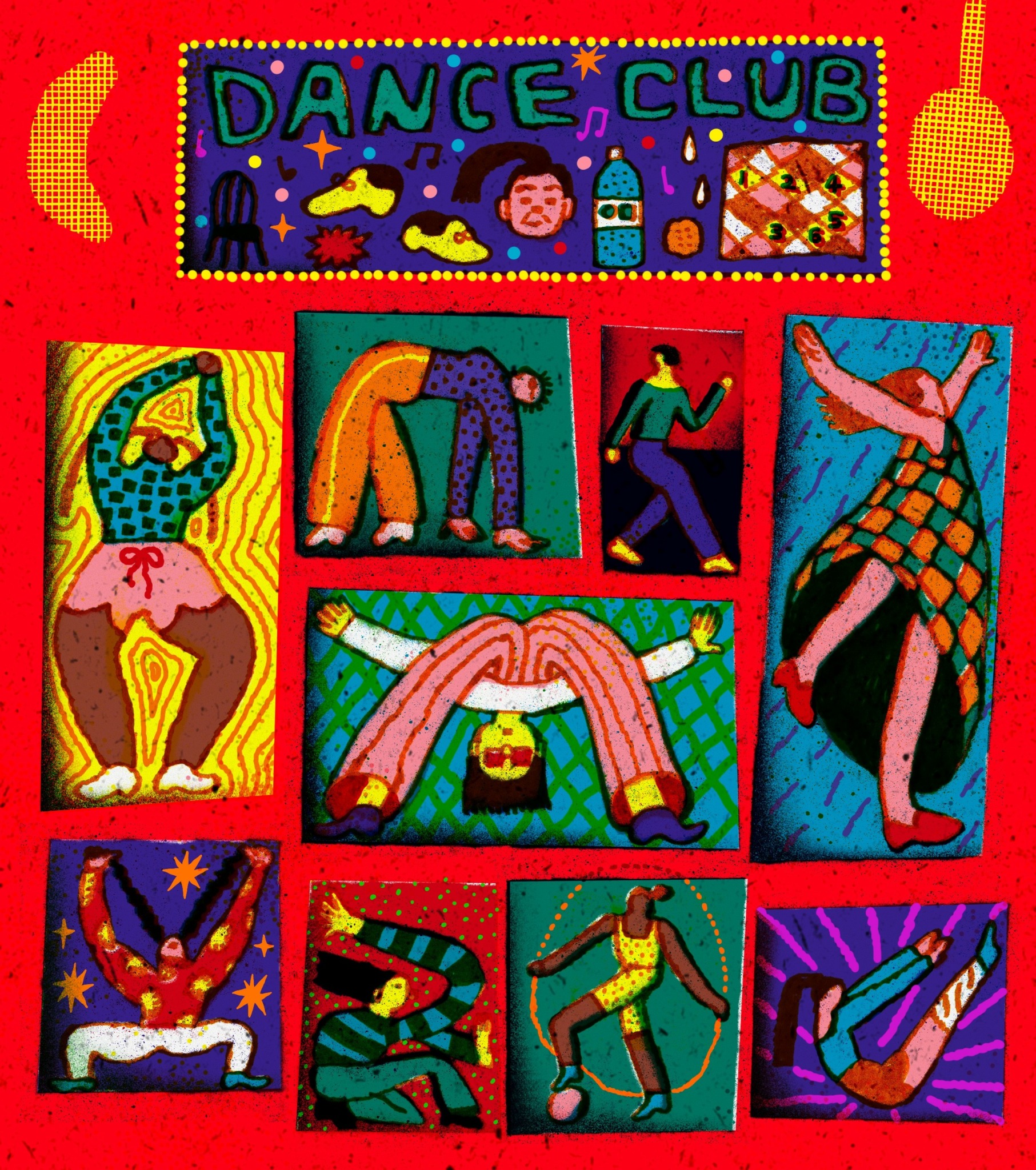
As a freelance illustrator, I’ve had the opportunity to work on various projects, from editorial illustrations for The New Yorker and Bloomberg to branding campaigns. One project that stands out involved creating illustrated badges for a brand campaign, where I used bold, playful elements to reflect the brand’s vibrant energy. The result was a visually engaging and unique representation of their identity.
Beyond commercial projects, I have a deep passion for creating art that resonates on a personal level. Last year, I collaborated with TATE Museum on a twelve-day social media campaign, producing twelve unique illustrations around different themes. It was an amazing experience to engage with such a diverse audience, bringing my storytelling style into the digital space in an interactive and accessible way.
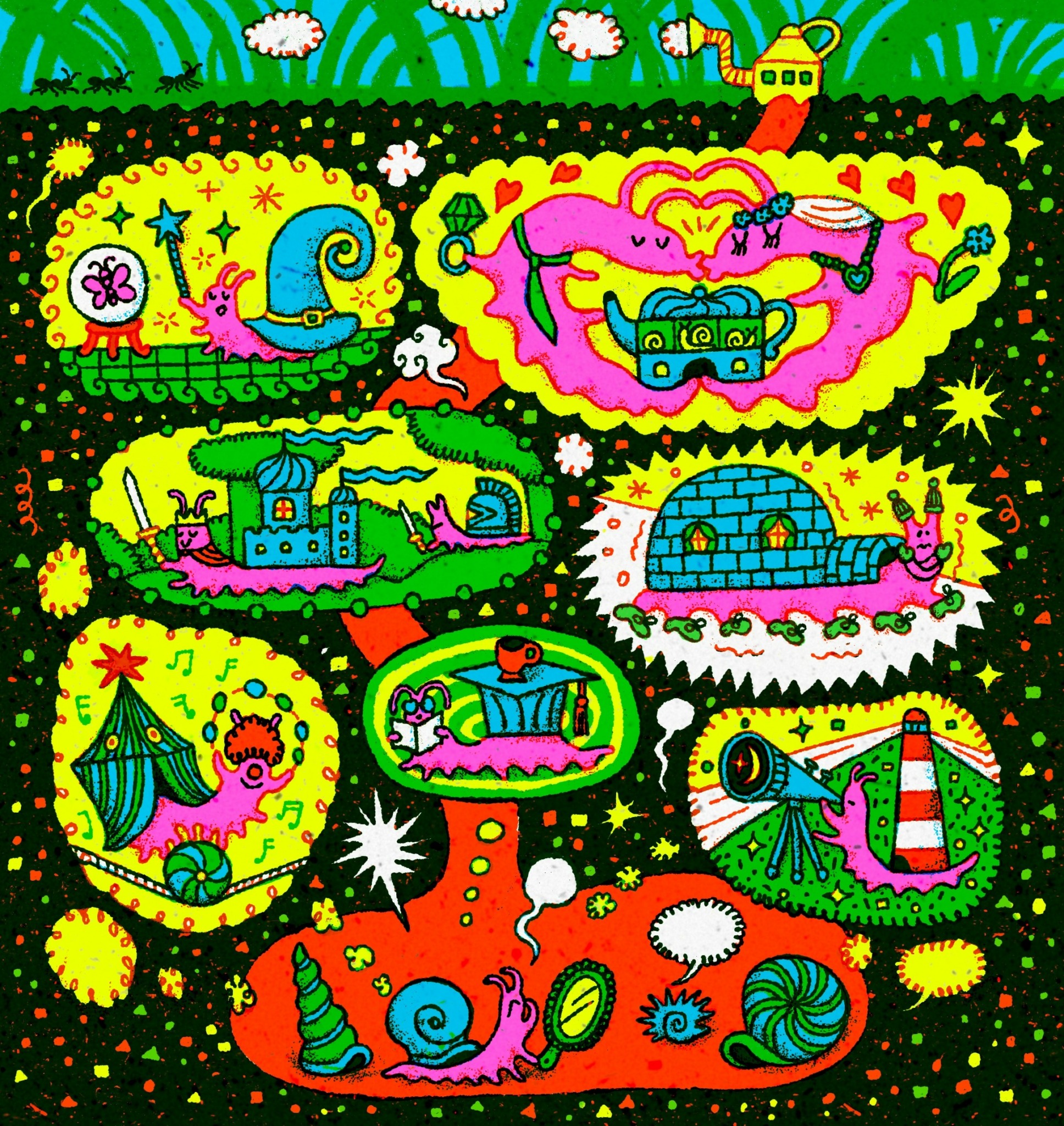
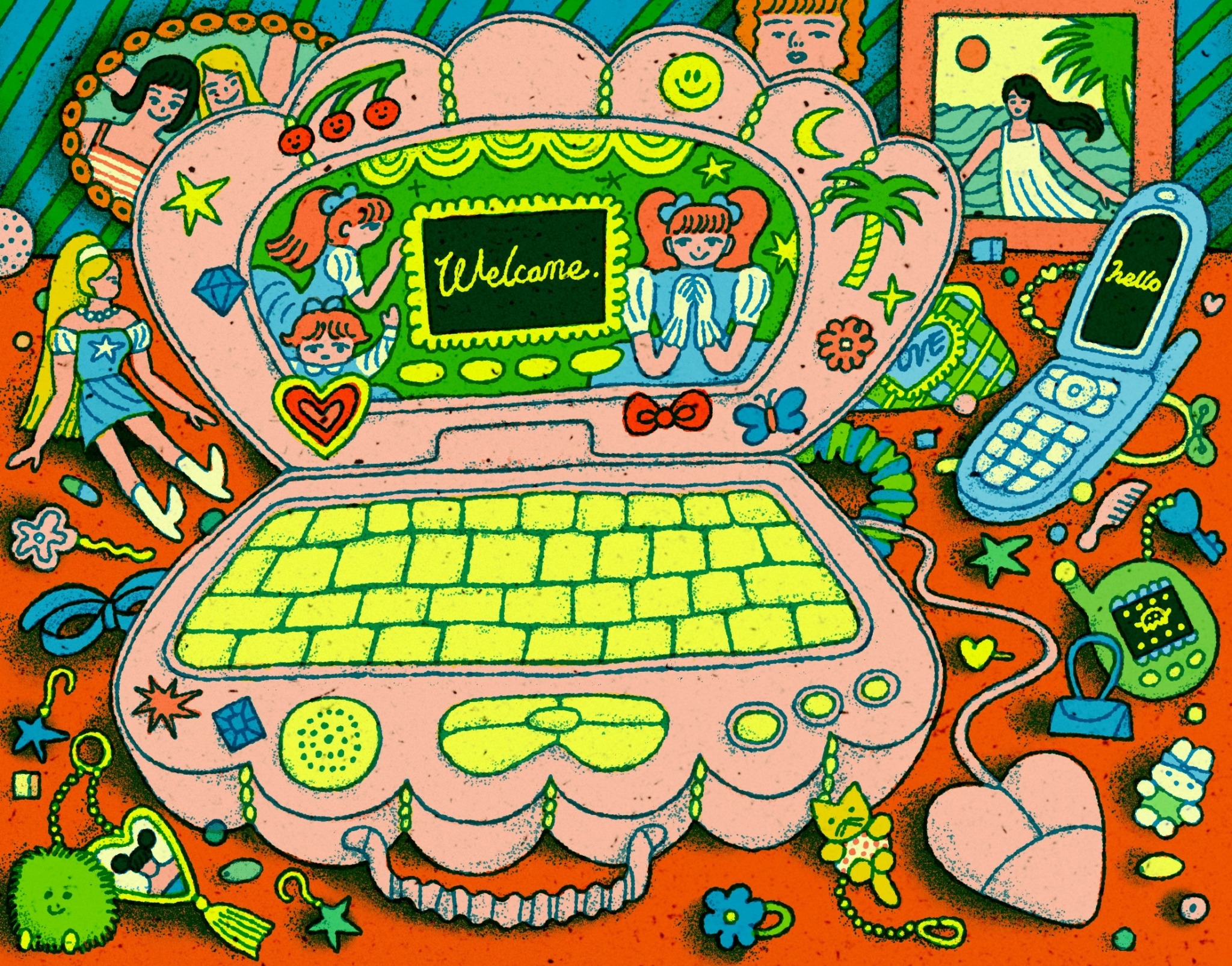
What sets me apart is my ability to combine vivid visuals with intricate, often humorous details that invite people to look deeper. I draw inspiration from retro aesthetics, feminism, and mysticism, aiming to create work that captivates visually while sparking curiosity and thought.
One of my proudest achievements was collaborating with a women’s charity on a project celebrating female strength and resilience. It was deeply fulfilling to see my illustrations tell the powerful stories of incredible women, using art to uplift their voices.
Looking ahead, I’m excited to continue pushing creative boundaries. After attending a summer course in picture book illustration at Cambridge, I’ve developed a passion for creating picture books that inspire younger audiences. I also hope to collaborate with brands that champion social change and female empowerment, using my art to convey meaningful messages.
At the end of the day, my goal is to create work that challenges perspectives, sparks joy, and celebrates the beauty in everyday moments. I’m excited to collaborate with like-minded clients and brands who value bold, meaningful storytelling. Let’s create something impactful together.
We often hear about learning lessons – but just as important is unlearning lessons. Have you ever had to unlearn a lesson?
Even though this may seem like a common lesson, as a freelancer, I’ve come to realize just how crucial it is to prioritize health and maintain a balance between work and life. Taking care of your body and mind, and avoiding the rush to constantly produce, is essential. I used to struggle with procrastination and, at times, perfectionism. These traits didn’t seem problematic to me—I believed I could always complete any task at the last minute, using the pressure of looming deadlines to boost my productivity. Though dangerous, this approach worked for me throughout my school years.
While freelancing as an illustrator and designer during my studies, my schedule was always full. I juggled work, academics, and socializing, often relying on deadlines to motivate myself. I pushed my body to the limit and, despite the risks, managed to stay on track academically. It was like walking a tightrope, always on the edge—until last year, when this fast-paced, unstructured lifestyle finally led to a breakdown.
Just before Christmas, I took on two magazine commissions simultaneously, even though I was already feeling unwell. Ignoring the warning signs from my body, I convinced myself I could handle the workload. After completing the high-pressure tasks, I fell ill. It was a wake-up call: while I could perform under stress, relying on it was dangerous, especially when unpredictable factors like health came into play. This was irresponsible both to myself and my clients.
Since then, I’ve learned to listen to my body and prioritize my well-being. I now plan my tasks more realistically and have learned to say no when projects stretch beyond my capacity, especially if they impact my rest. I also communicate more effectively with editors to manage expectations. This experience has helped me become a more organized and mindful creative professional. I focus more on a balanced diet, regular exercise, and maintaining a sustainable work-life balance, avoiding prolonged burnout.
For new creatives, it’s essential to learn how to manage your workload without overextending yourself. The journey is long, and while there will be times when you need to push harder, it’s crucial not to burn out. Learning to pace yourself and say no when necessary are vital skills for a sustainable career. Don’t sacrifice your well-being for short-term gains—taking care of your health ensures you can keep creating and growing over the long term.
How can we best help foster a strong, supportive environment for artists and creatives?
In my view, society can best support artists and foster a thriving creative ecosystem by focusing on three interconnected areas: accessible public platforms, community engagement, and comprehensive support systems that encourage creative growth.
First, it’s important to provide accessible public spaces where artists can display their work. This includes galleries, museums, and public art installations, even in smaller towns. These spaces should not only exhibit art but also collaborate with local artists on exhibitions, workshops, and events that invite community participation. When art is integrated into public spaces, it becomes more accessible and visible to everyone, creating a solid foundation for a culture that appreciates and supports creative expression.
Building on that, community involvement plays a key role. Art should be a natural part of daily life, not confined to traditional art spaces. Initiatives like local art markets, public exhibitions, or events in everyday venues—such as cafes or libraries—can help make art more relatable and approachable. This not only brings art into people’s everyday experiences but also gives artists more opportunities to connect with the public, making creativity a more integrated part of the community.
Beyond public engagement, education and support systems are essential for sustaining long-term artistic growth. Educational approaches that encourage creativity, critical thinking, and exploration can help artists develop their unique perspectives. From my experience in both China and the UK, I’ve seen how open-ended, exploratory art education, like in the UK, allows artists to push boundaries and innovate. A society that values this approach to education can contribute to the growth of a more dynamic and progressive creative community.
Finally, financial and legal support is an important layer of a thriving creative ecosystem. Artists benefit from having their intellectual property protected, and financial assistance such as grants, scholarships, or residencies can alleviate the pressure to constantly worry about making ends meet. Offering opportunities for mentorship and collaboration also helps build a stronger sense of community and shared learning, which can reduce the isolation that many artists experience.
In summary, a thriving creative ecosystem is built on multiple layers of support: starting with accessible public platforms that integrate art into daily life, followed by community engagement that encourages interaction, and rounded off with educational and financial systems that allow artists to continue growing and innovating. When these elements work together, they create an environment where artists—and the creative culture as a whole—can truly flourish.
Contact Info:
- Website: https://www.megandu.com
- Instagram: @megandu_
- Linkedin: https://www.linkedin.com/in/megan-du-3370111b3/
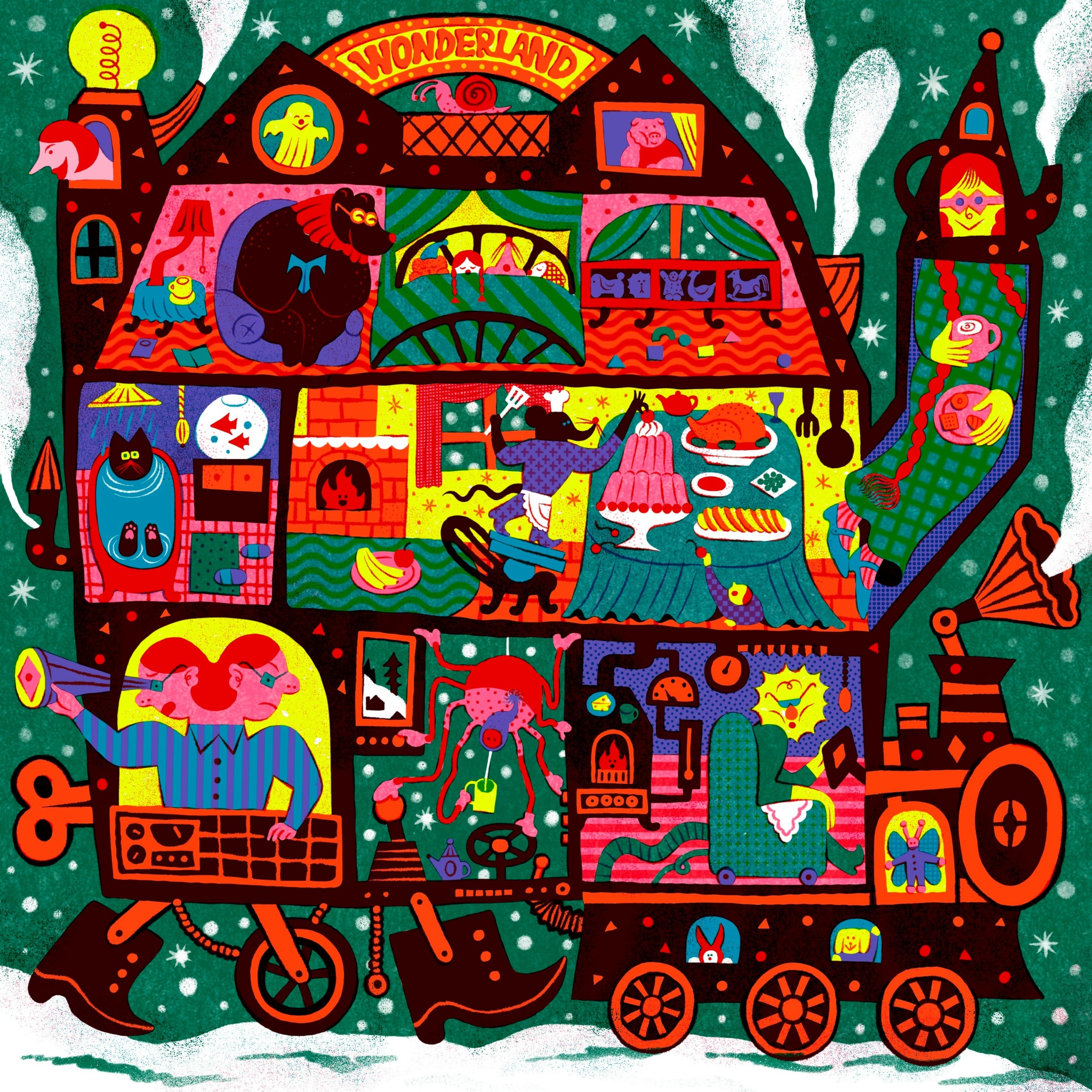
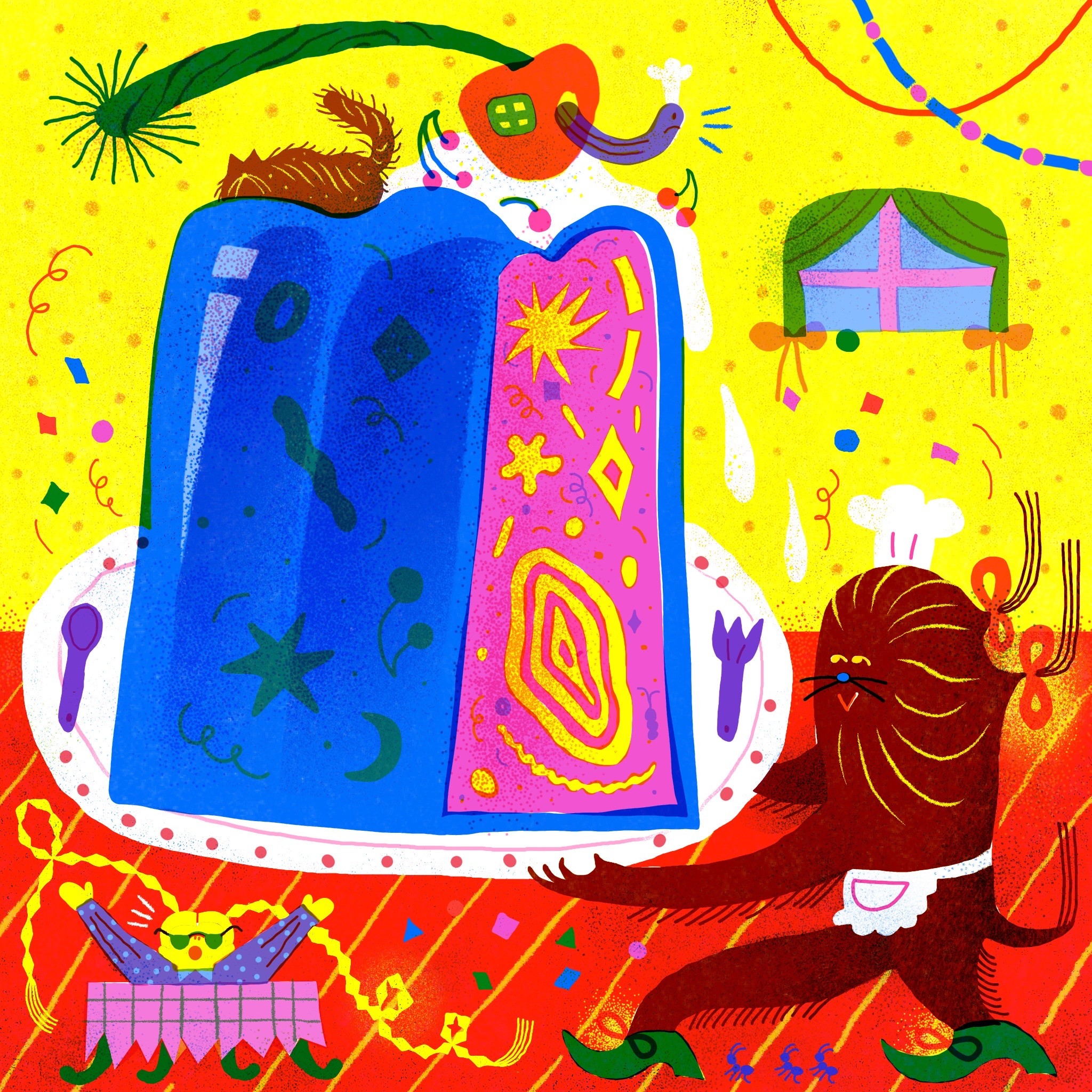
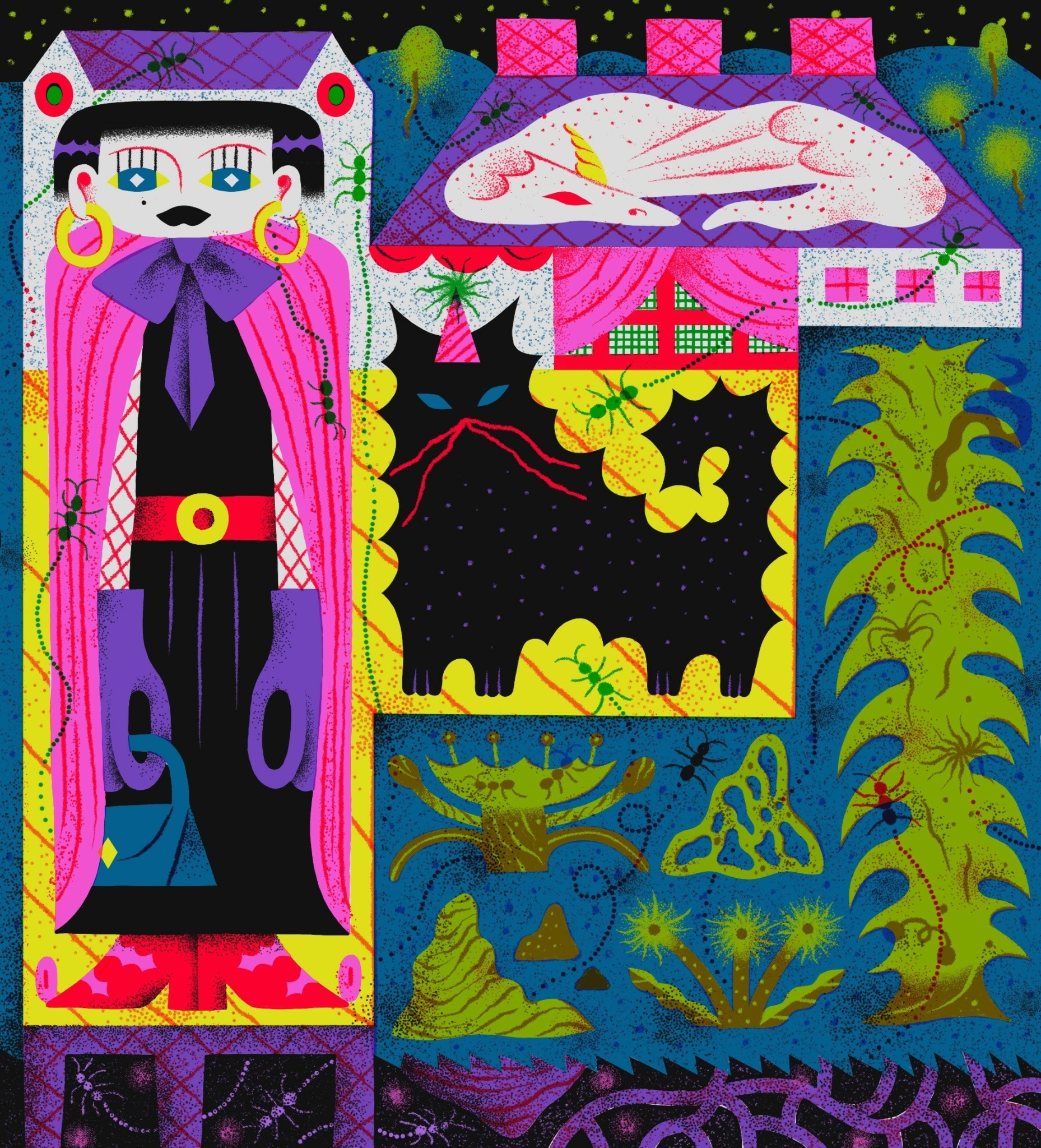
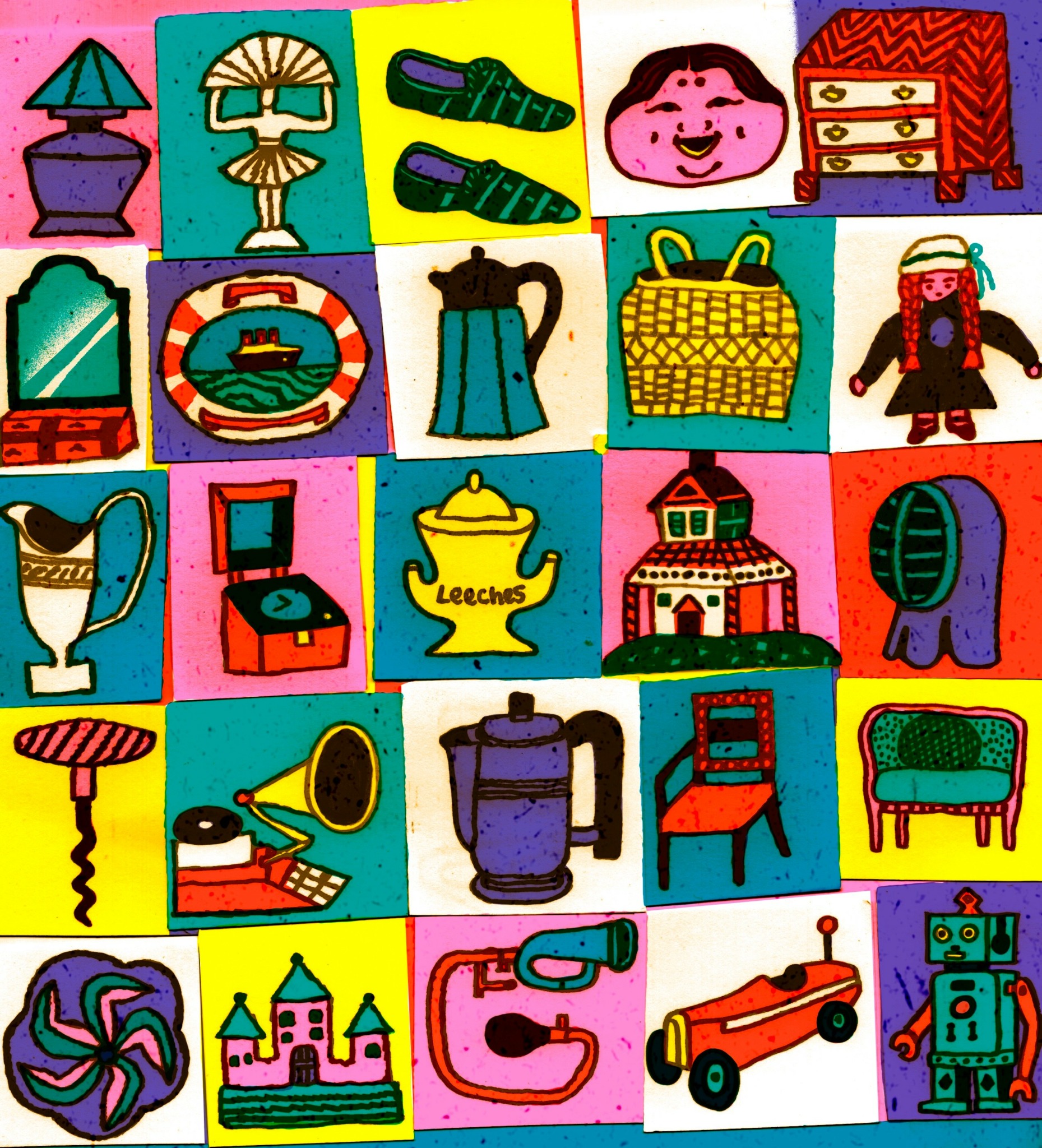
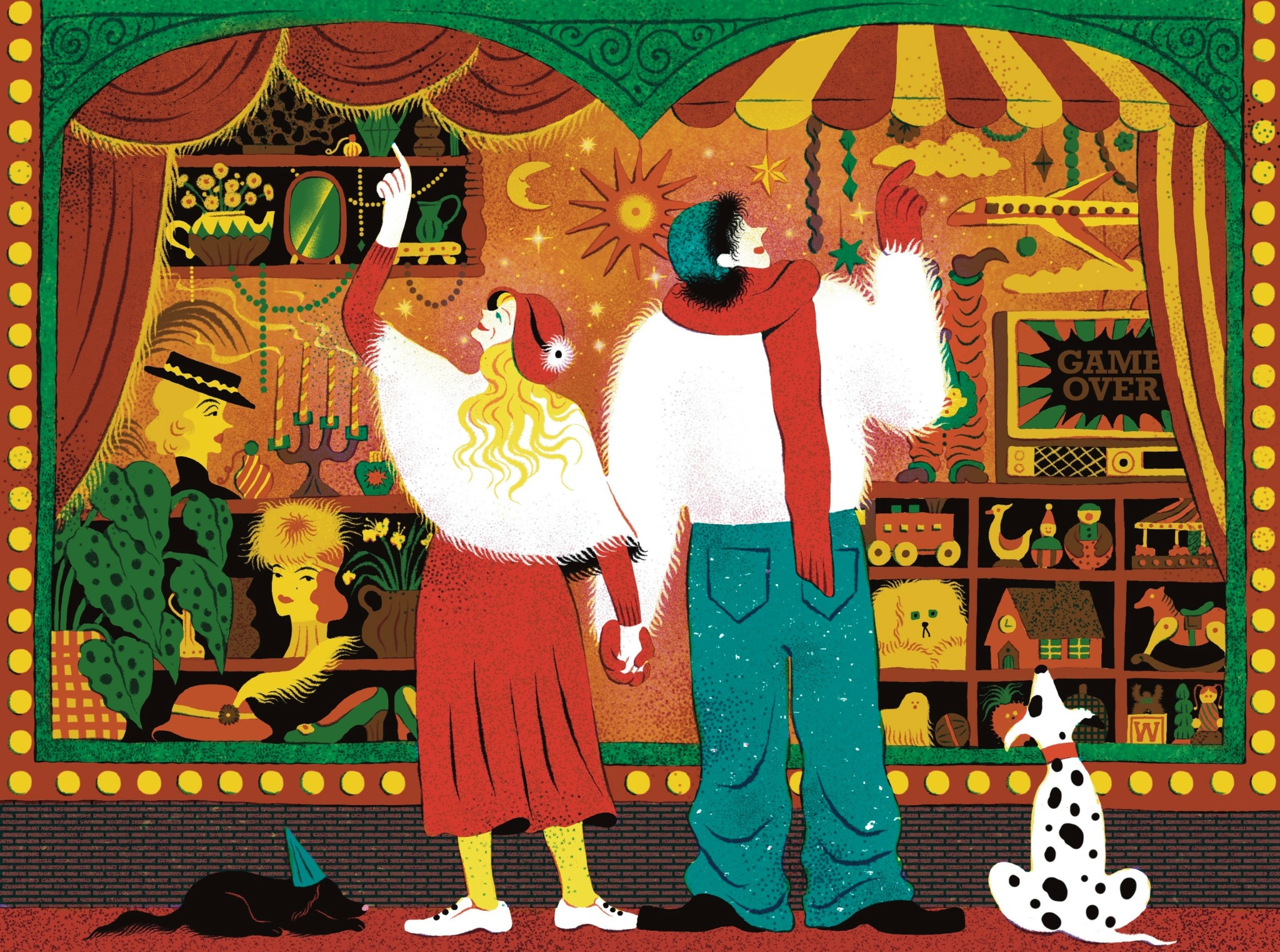
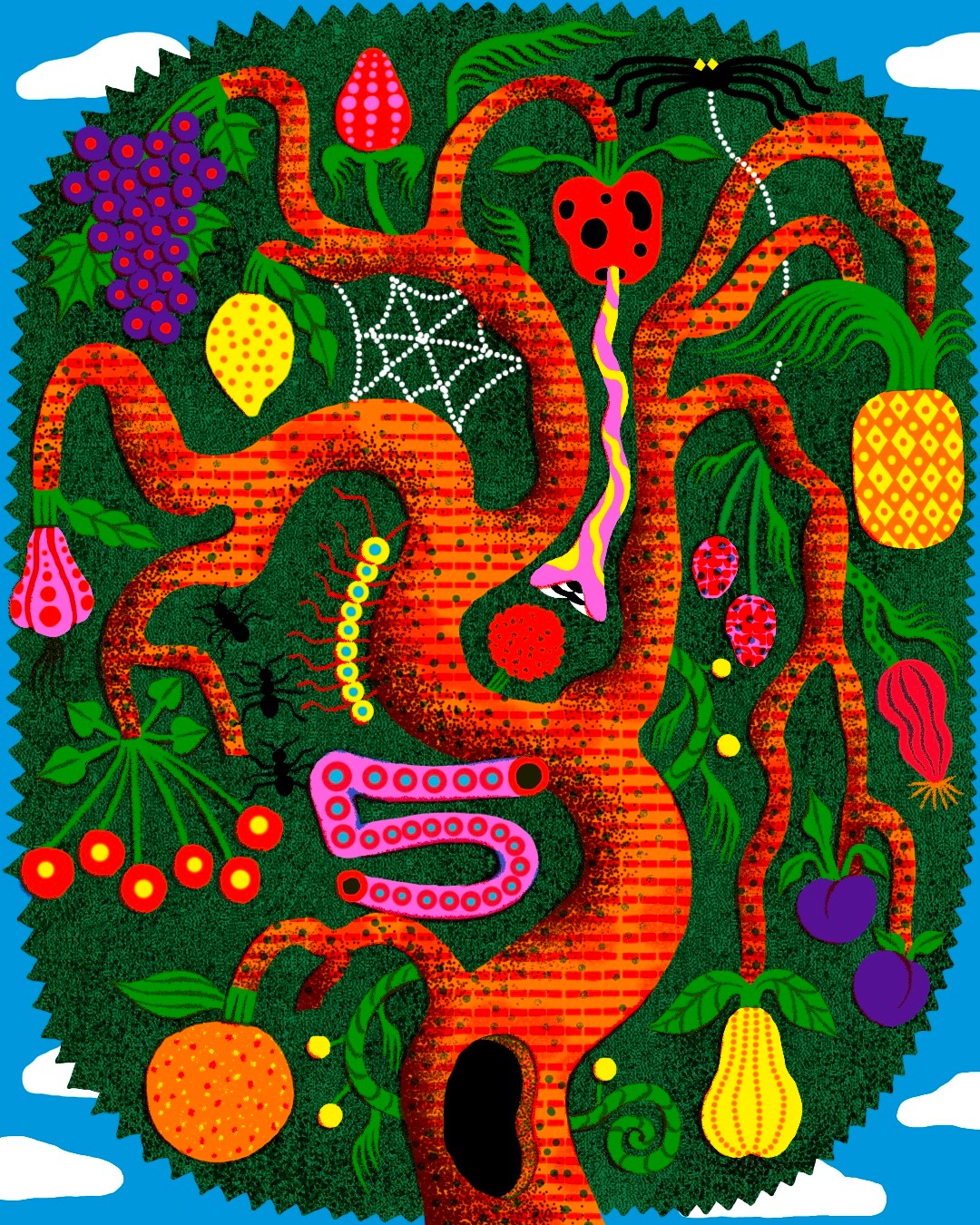
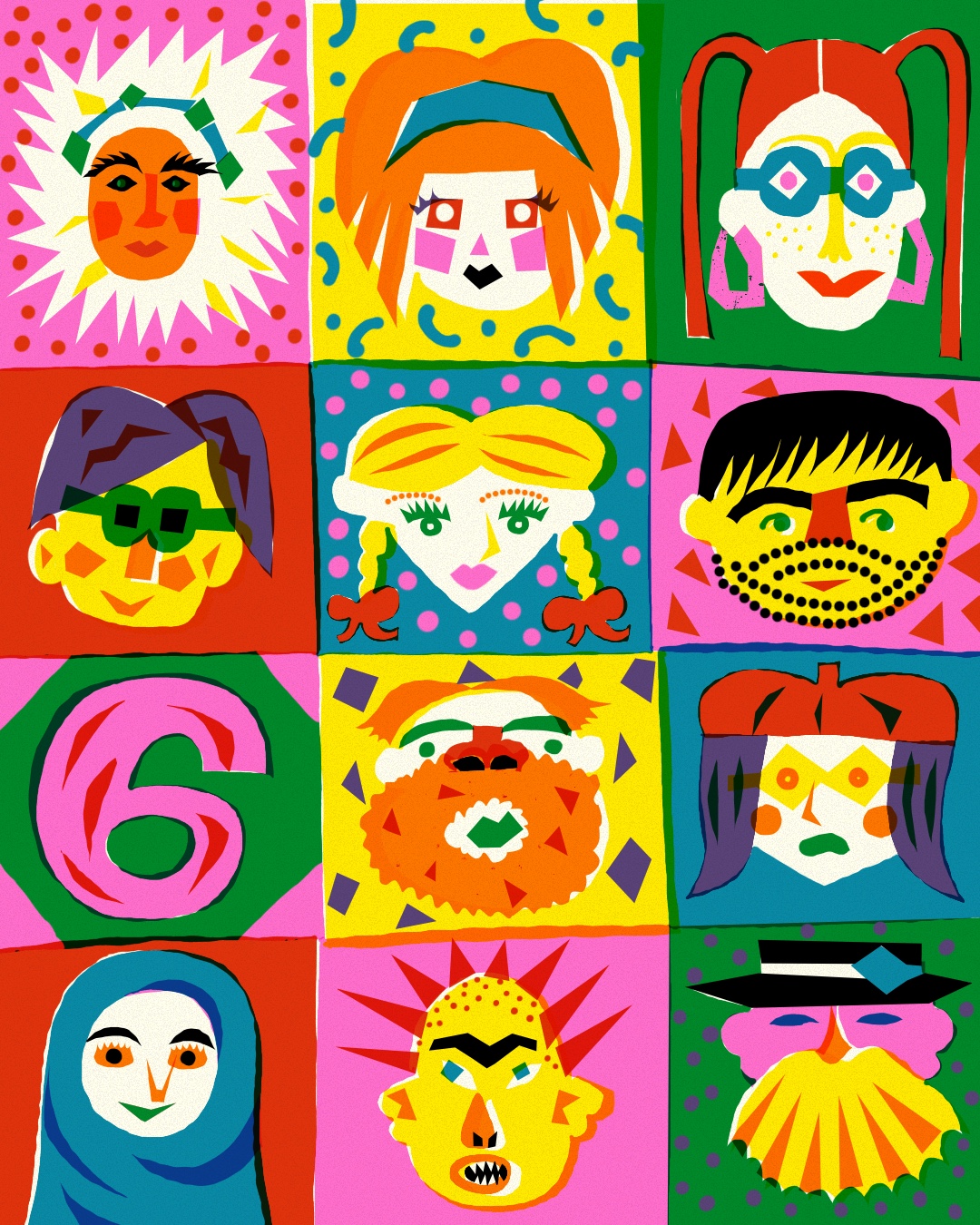
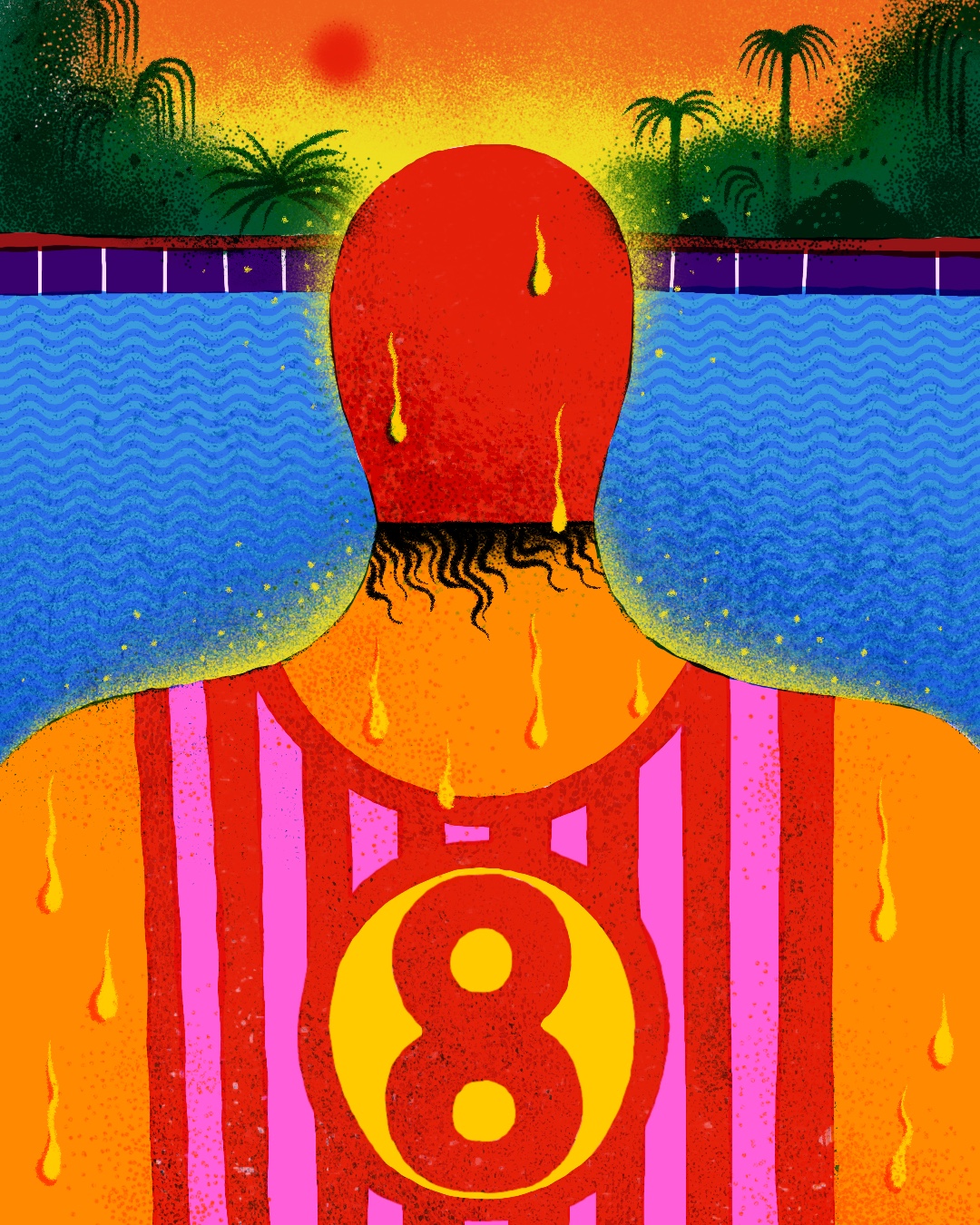
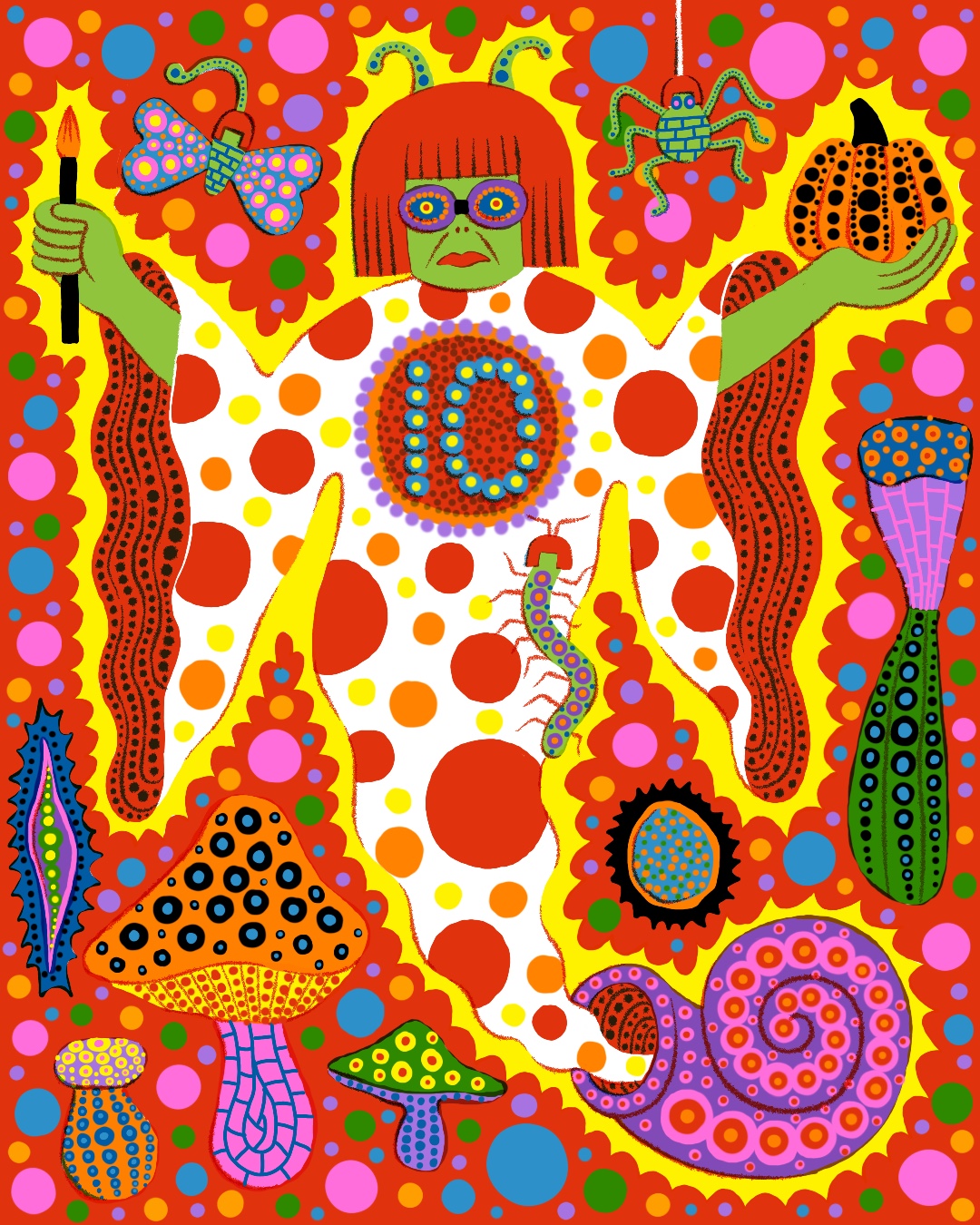
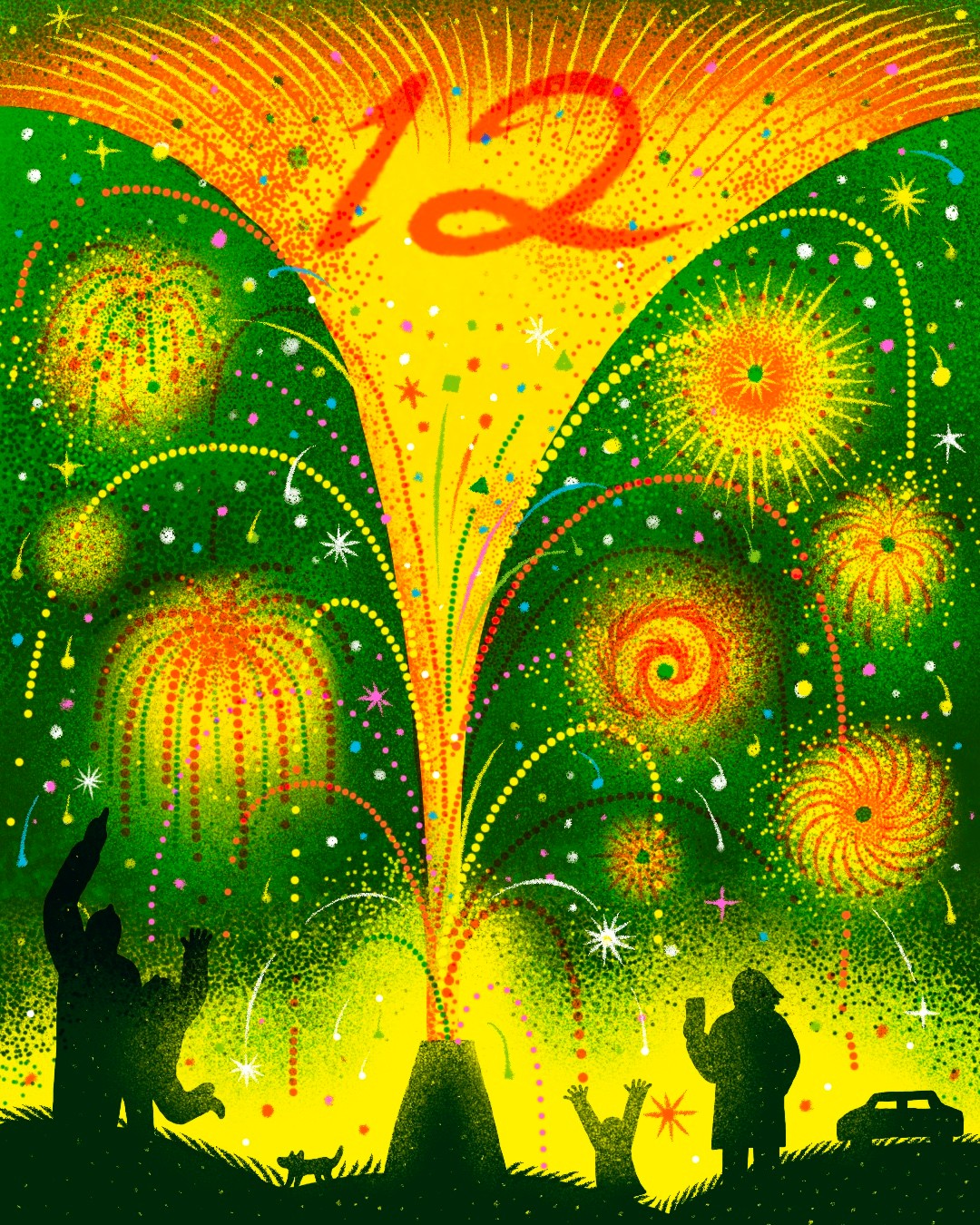
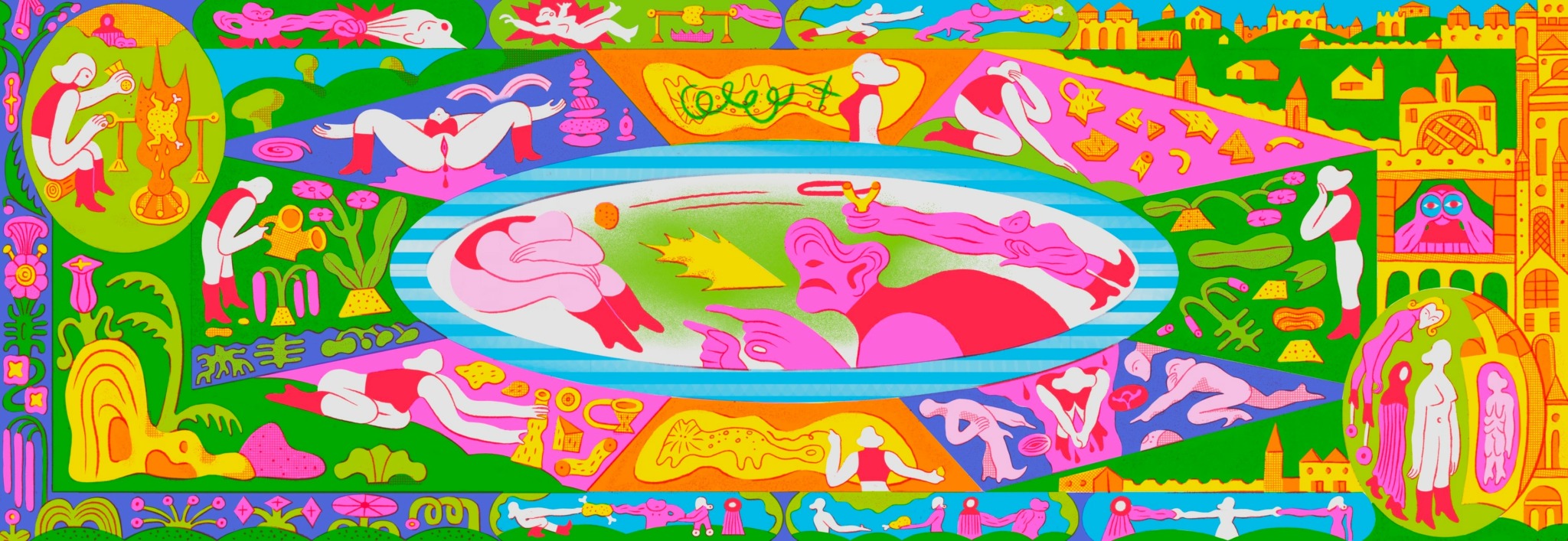
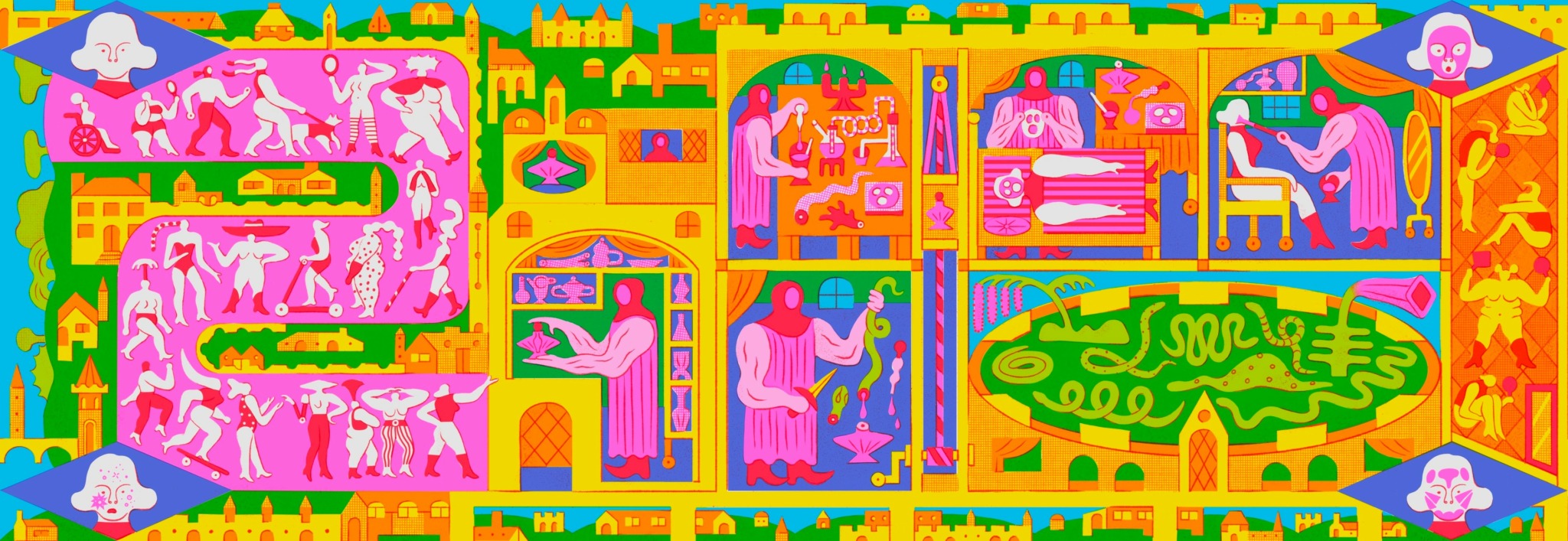
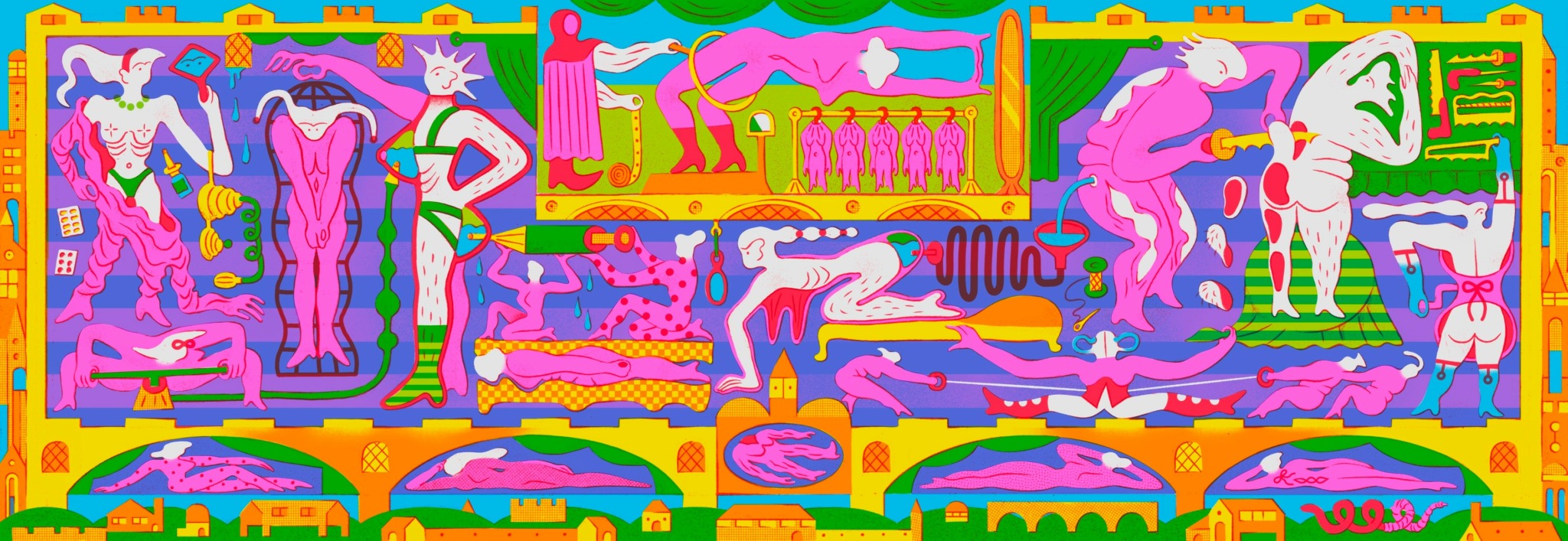
Image Credits
All images © Megan Du