

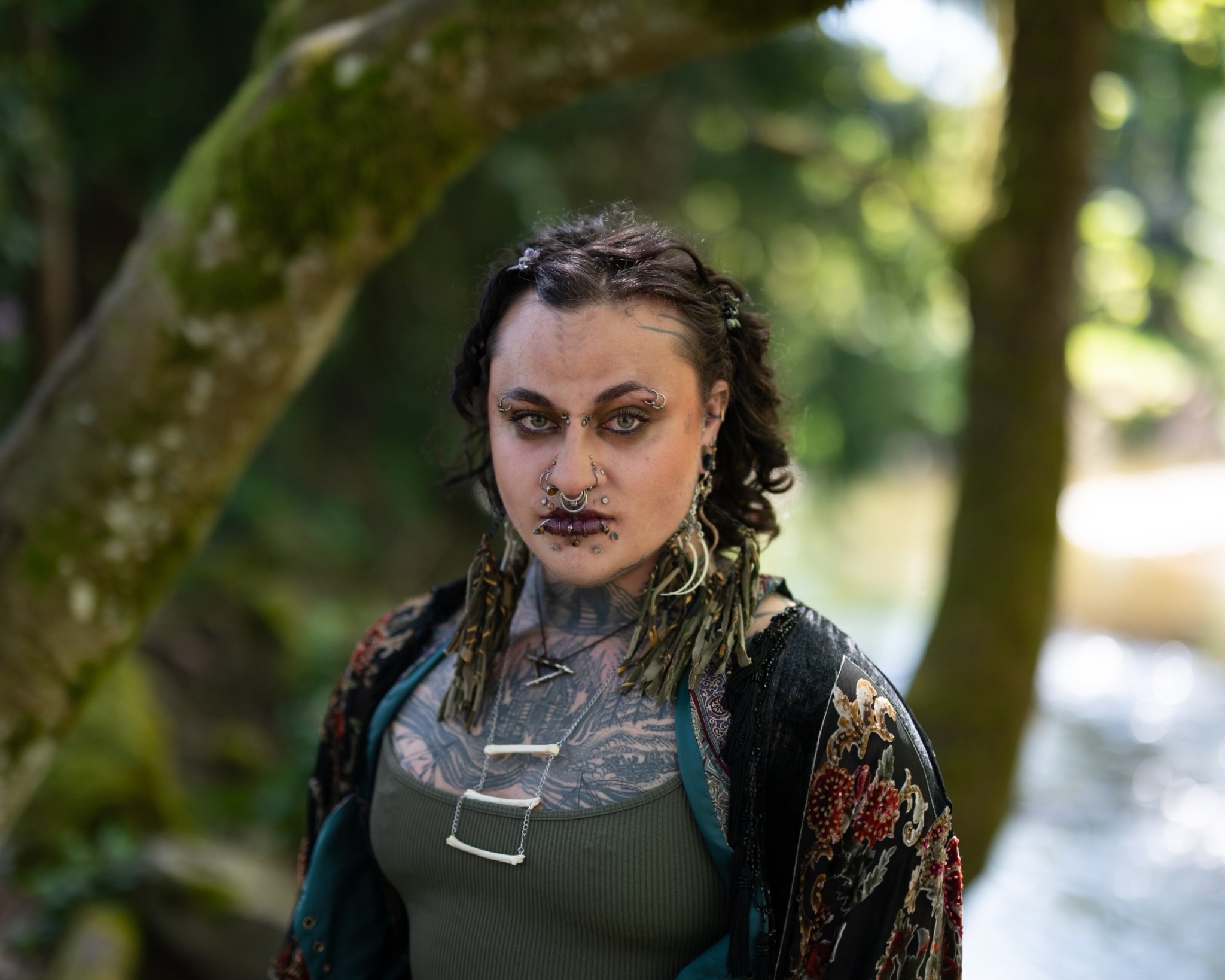

Alright – so today we’ve got the honor of introducing you to Mazmodae ” Feral Maz” Banburski-Fahey. We think you’ll enjoy our conversation, we’ve shared it below.
Mazmodae ” Feral Maz”, looking forward to hearing all of your stories today. Has your work ever been misunderstood or mischaracterized?
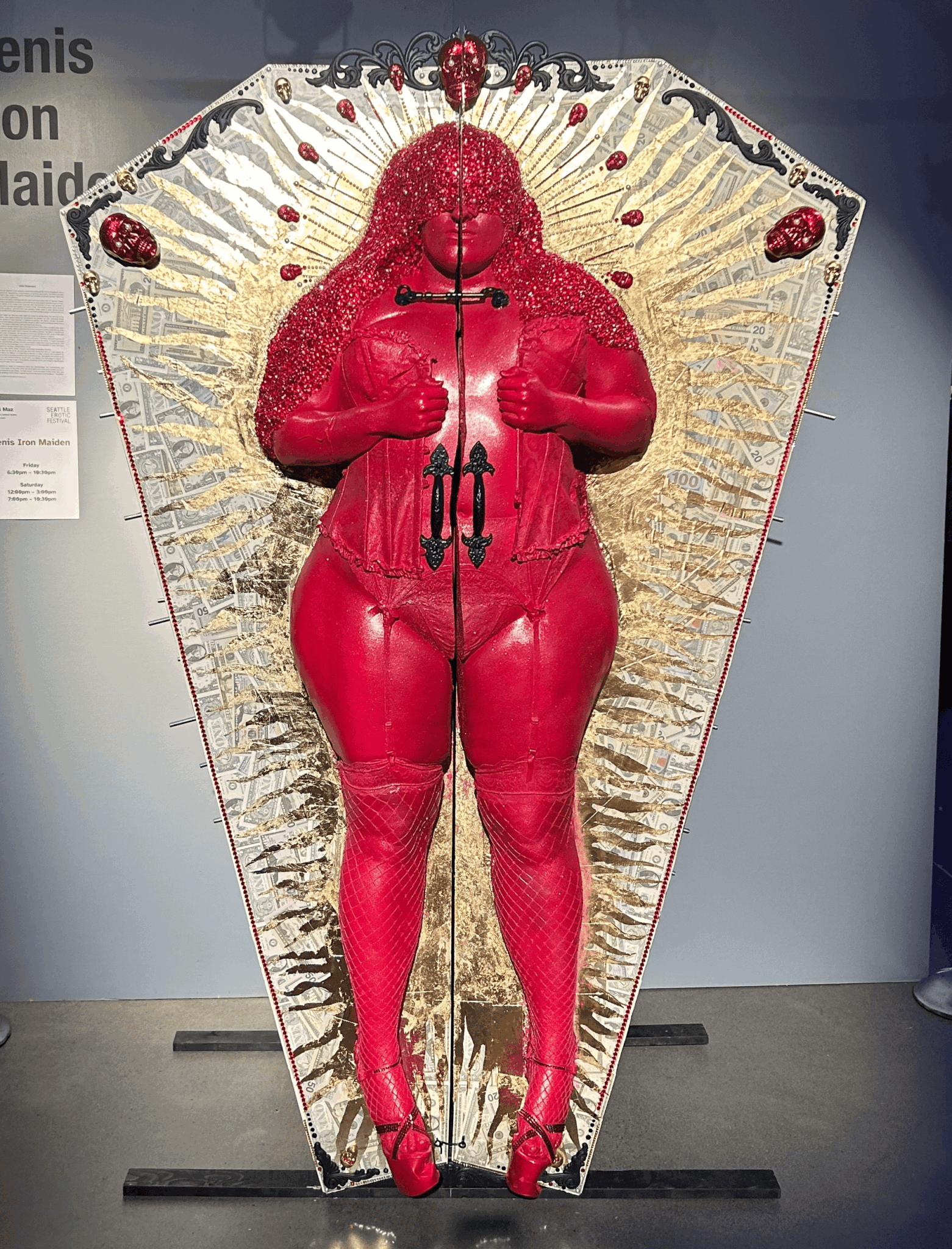
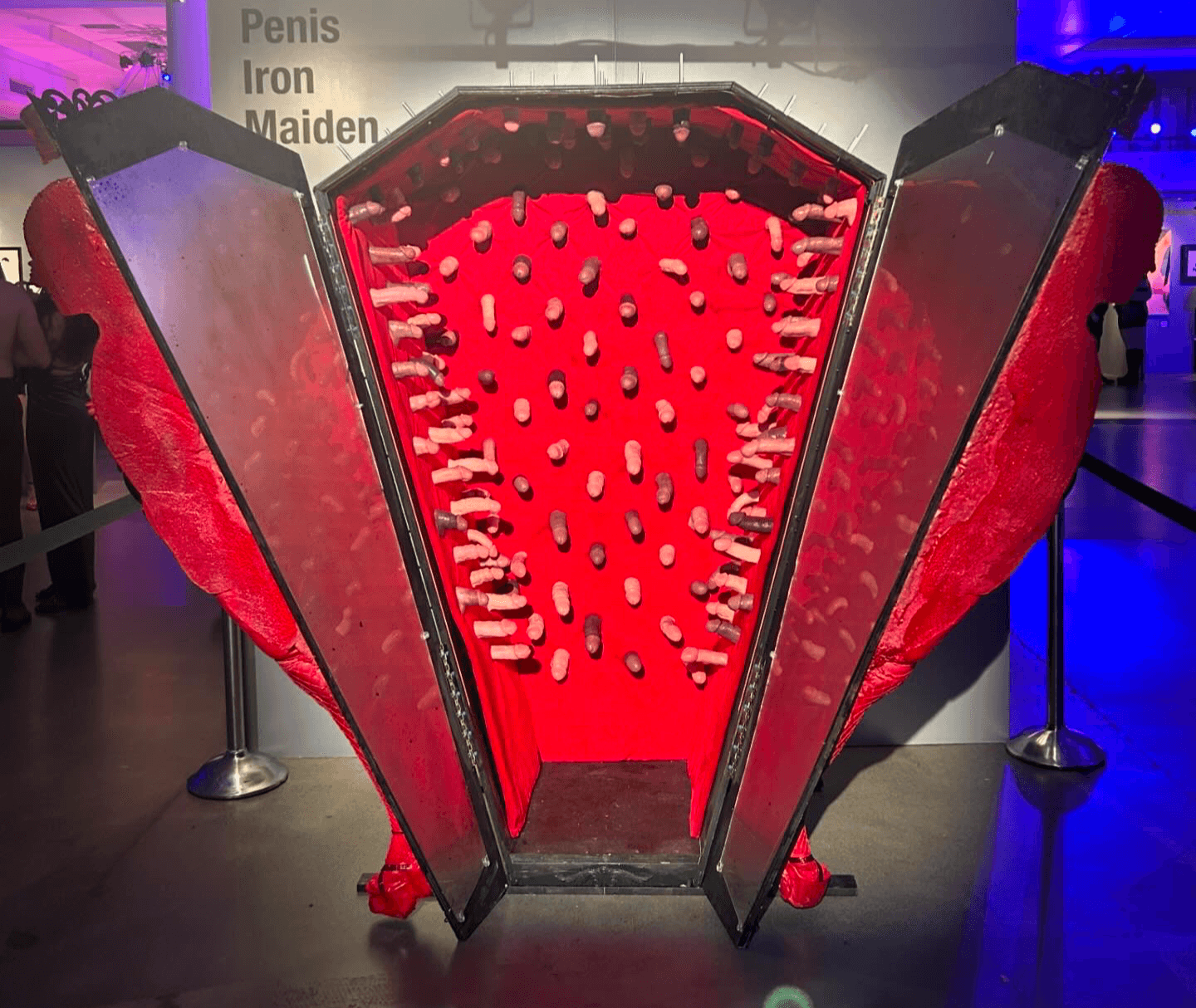
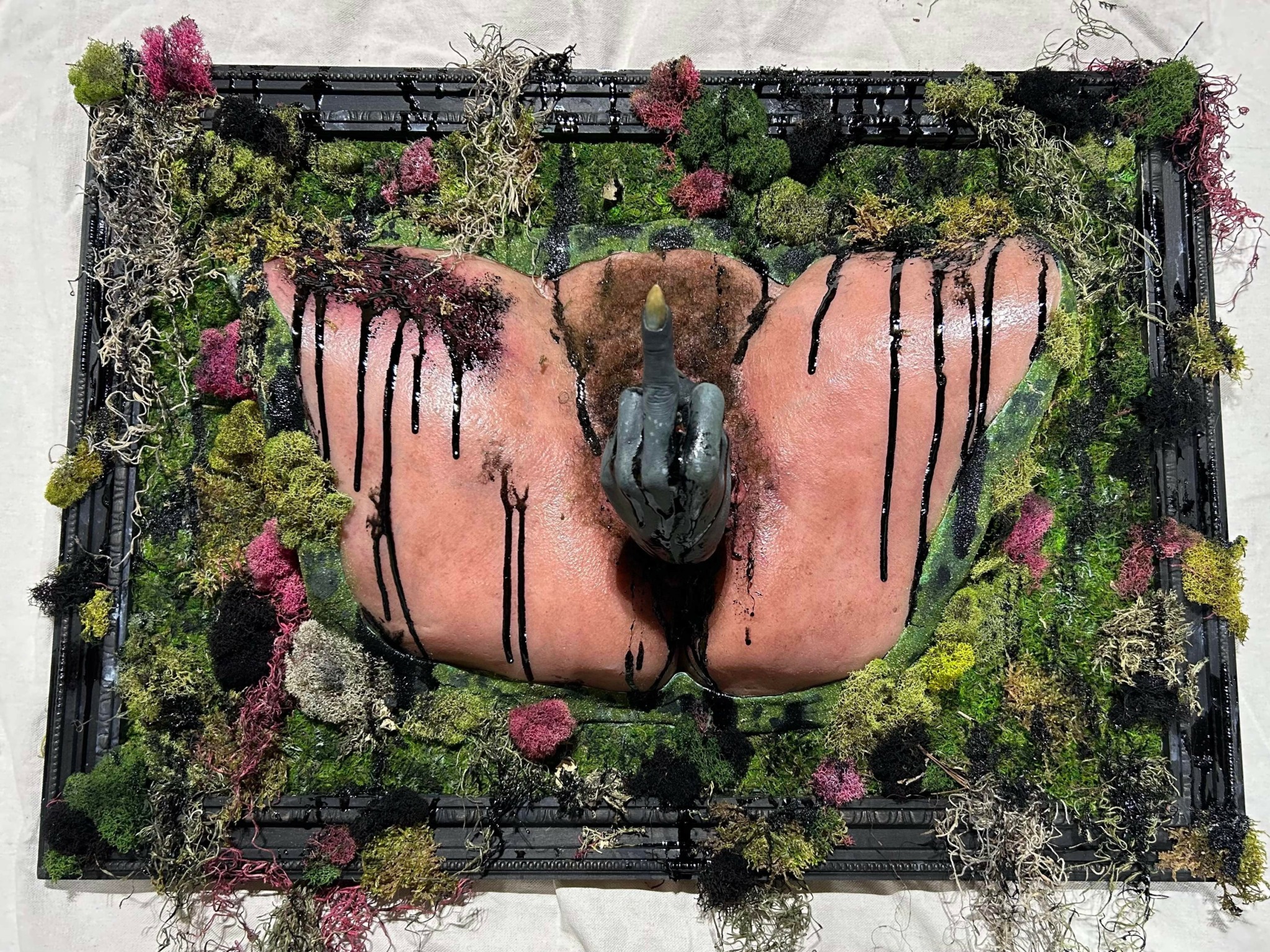
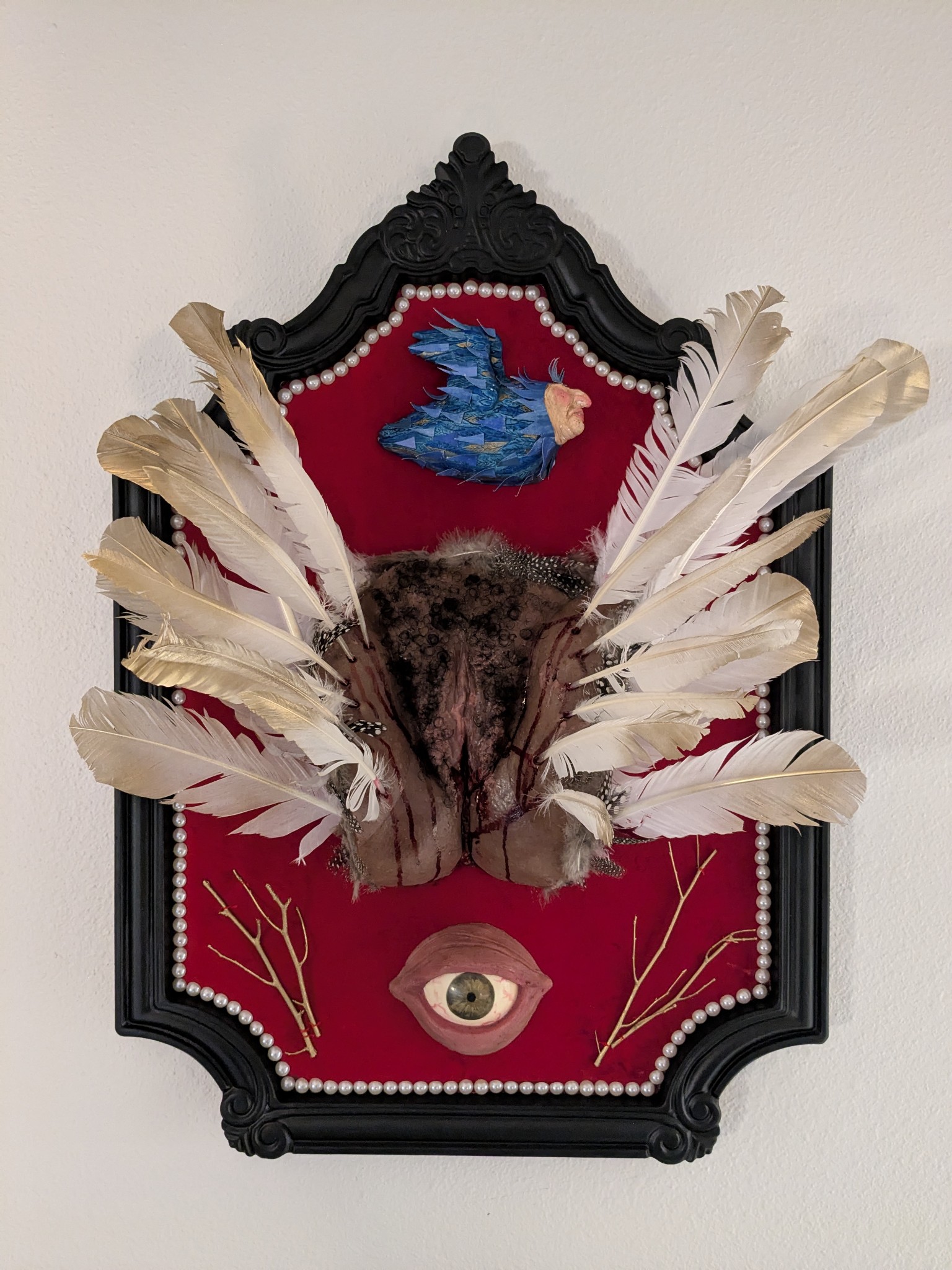
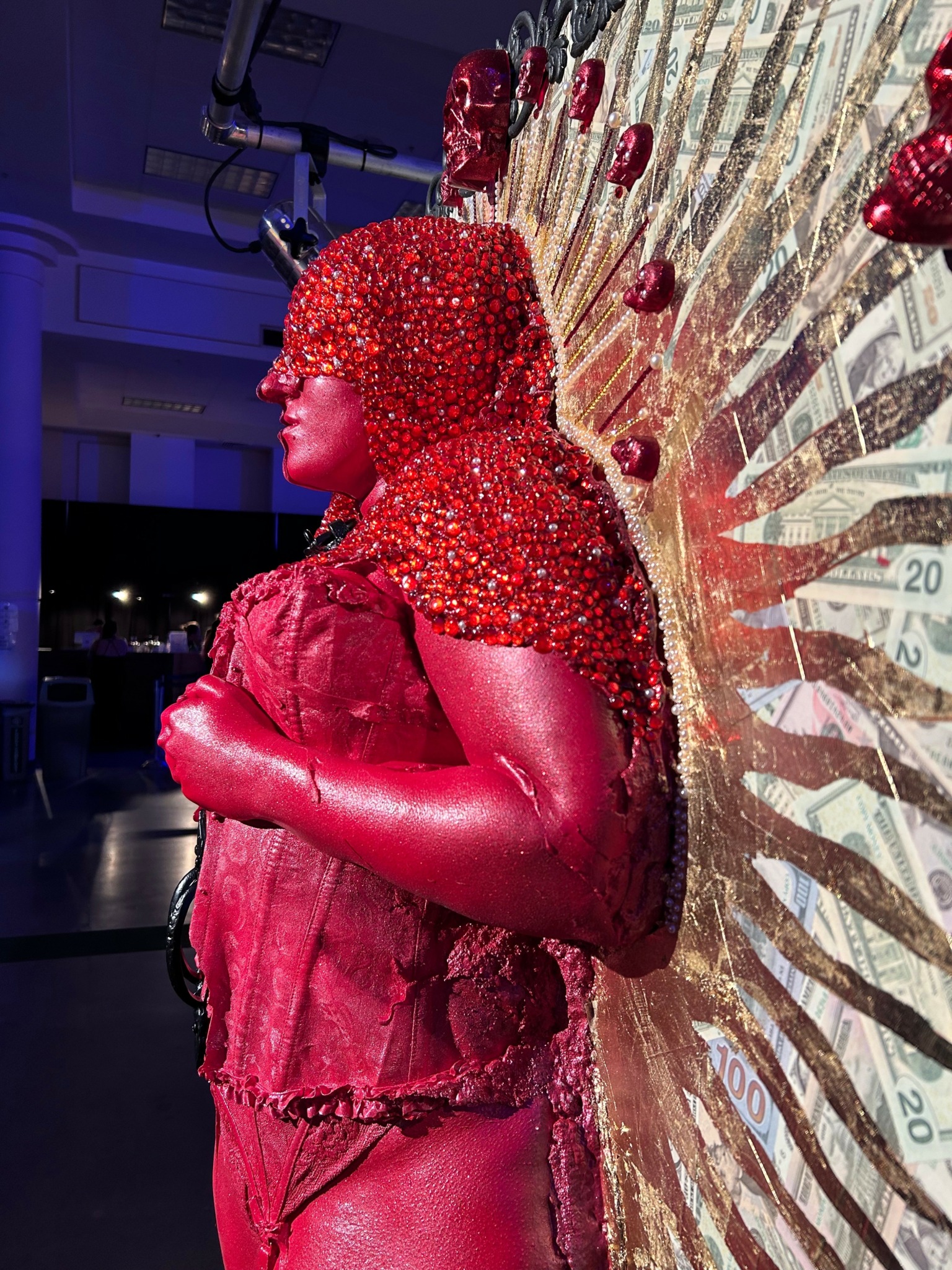
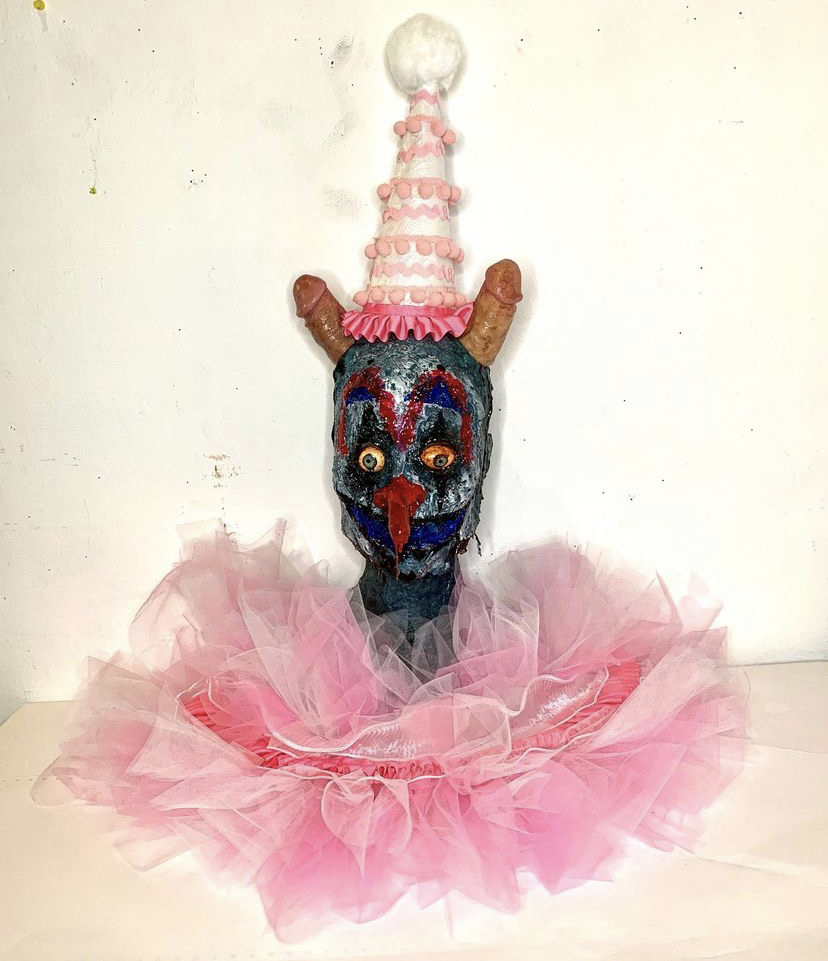
Some of the ways my work has been characterized is as “horror” or “erotic” or “fetish” art, and I don’t see my work that way at all. I understand that elements of my work, like nudity or blood, has some overlap with the horror and erotic genres, but when my art is categorized that way, it feels reductive and like the true intent of my work is being swept over. I think because both gore and sexuality are so demonized and pushed to the fringe of American society, people see a bit of blood or some genitals and decide right away ” this art belongs in this category”. I prefer to categorize my art as “Dark Surrealism”. How I explain to people that my work is decidedly NOT horror art or erotic art, is by pointing out the intent. Horror art is intended to scare. Erotic art is intended to arouse or be sexual. My work isn’t supposed to scare people or be sexual; it just so happens that it is visceral and often involves nude bodies. But it features lots of other themes too like architectural structures, plants and animals, jewels and filigree, fabric upholstery etc. Those things aren’t related to horror or eroticism inherently, and neither is nudity. When you clothe a figure in art, the type of clothing adds context to the piece by giving it a time period, class status, sub culture or something else. I don’t always want my art to be about specific locations or periods in time; often I just want it to be about human bodies. By removing clothing I can distill humans down to their most natural form. One of the rare times I included clothing in a sculpture was on my piece “PIM” and I chose to show a female figure with lace lingerie and a bejeweled veil. I wanted her to look like both a saint and a sex worker because the piece was about highlighting how sex workers have to operate in a society that vilifies them. The clothing added important context to the figure that otherwise wouldn’t have been there. But even when my piece was about sex work, it was about the taboo of the profession, the piece wasn’t intended to be arousing and that is what separates my work from pornography.
I can’t change that some viewers are unwilling to be uncomfortable for a bit to read into the deeper meaning behind my art. I’ve learned to accept that. I try and make work that makes people challenge their ideas about social issues and interpersonal issues, and if people aren’t ready to go there, then the work isn’t for them. My sculptures will still be here when they are ready.
Awesome – so before we get into the rest of our questions, can you briefly introduce yourself to our readers.
My pathway into being an artist has been fairly circuitous, which I’m sure is not a unique thing. I originally worked as a welder and metal fabricator before going to Massachusetts College of Art and Design. My dad was a welder and taught me how to weld things for around the farm when I was 11. I loved it and couldn’t get enough. When my mom wanted me to go to prep school for high school I was convinced I was too punk for that and begged to go to a technical high school instead. When all I got back from the preparatory schools was rejection letters, my mom let me apply to the technical school. I enrolled at Whittier Regional Vocational Technical High School, declared welding as my occupation and didn’t look back. While I was still in high school, my aunt and uncle introduced me to Jeff Schiff, an architectural fabricator in Chelsea MA, who was working on some metal stairs in their house. He let me do a trial work day with him and offered me a spot as his apprentice. I was ecstatic.
I continued working at Schiff Architectural Detail all through high school and at the time I hadn’t considered a career in art. I was at school one day when I got called into my guidance counsellor’s office. She essentially told me that my grades were good enough and she thought I should go to college. College wasn’t in my plans. I told her I already had a great career started and secondly I didn’t even know what I would study. She told me the school art teacher thought I should apply to art school. I didn’t even know there was such thing as art school. I decided it sounded interesting, so I gave it a shot. Fast forward to now, I’ve combined the techniques I’ve learned in art school like mold making, sculpting and foundry processes, to what I’ve learned from 16 years of welding into a small business. Aside from my personal art, I make molds of other artist’s sculptures, create custom prosthetics out of silicone and offer life casting ( molds made from a human model ) for either functional prosthetics or custom keep sakes. I love being able to work directly with other creative people and help make their visions a reality. I enjoy explaining my process to clients in as much detail as possible, so that they understand why I’m choosing a specific technique and hopefully learn something from the interaction. I’m a firm believer in sharing knowledge and skills, so I try and keep my consultation fees and services as affordable as possible. I don’t rush projects, because I think the best work takes time and patience. That included client interactions as well, not just the sculpting itself. I hope my work reflects all the care that goes into it.
What do you think is the goal or mission that drives your creative journey?
One of the main goals of my work is destigmatizing taboo subjects like mental health struggles, disability, trauma, grief etc and opening up space for having difficult but much needed conversations about them. Nearly every person on this planet has lost someone or had a traumatic experience, and so these experiences should be seen as relatable and unifying. Instead, because painful experiences are uncomfortable to talk about, we bury them.
Creating work that is surreal and visually interesting, grabs people’s attention. In those moments I hope that by making them spend time puzzling over the work, I might have a chance to have a conversation with the viewer. Through tricky conversations we build connection, and through repeated connection we build community. Creating a community that cares enough to talk about how disability affects daily struggles, or how mental illness has impacted employment; is creating a space that fosters healing and resilience. None of us individually knows the secret to healing, but if we each contribute one thing, that’s mutual aid. Art is my contribution.
What can society do to ensure an environment that’s helpful to artists and creatives?
It feels like every day on my social media feeds, I see a post from an artist I follow posting about how their sculpture or design was duped and now being distributed on a huge corporate website like Amazon or Temu. Almost 100% of the time the artist isn’t credited or compensated. That’s intellectual theft. Not only is it criminal and financially devastating to the artist, it’s heartbreaking too. Artists work way too hard on their craft just to have their work illegally reproduced by some massive company for fractions of the cost or effort it took the original creature. It’s an awful practice. That being said, consumers have a responsibility in this situation too, because they buy the knock-off art. If they didn’t, companies wouldn’t do this.
I understand that modern conveniences like next-day deliveries and online shopping can feel like a necessary evil. The services fit into our lives seamlessly and it can feel impossible to go back to living without them- they’re designed that way. I don’t expect everyone to just immediately stop buying products from big companies. That’s unrealistic. Maybe we could make a compromise though. What if boring essentials like toilet paper, hand sanitizer, detergent etc we can buy from box stores, but small things like gifts, decor , wrapping paper or greeting cards we buy directly from artists. Most of us can’t afford to be big-time art collectors or patrons of the arts, but there are ways we can integrate buying art into regular life. Whenever you are considering shopping for a new journal or pencil holder, things that aren’t necessary for survival but improve our lives, consider buying a handmade version of the item from an artist. I can guarantee it will be appreciated by the artist, and it will make your experience as a consumer more special as well.
Contact Info:
- Website: Mazmodae.com or Feralmaz.com
- Instagram: @_studio_maz_
- Linkedin: Mazmodae Banburski-Fahey
- Other: Spotify: Feral Maz
Bandcamp feralmaz.bandcamp.com where you can donate directly while downloading and streaming my music.
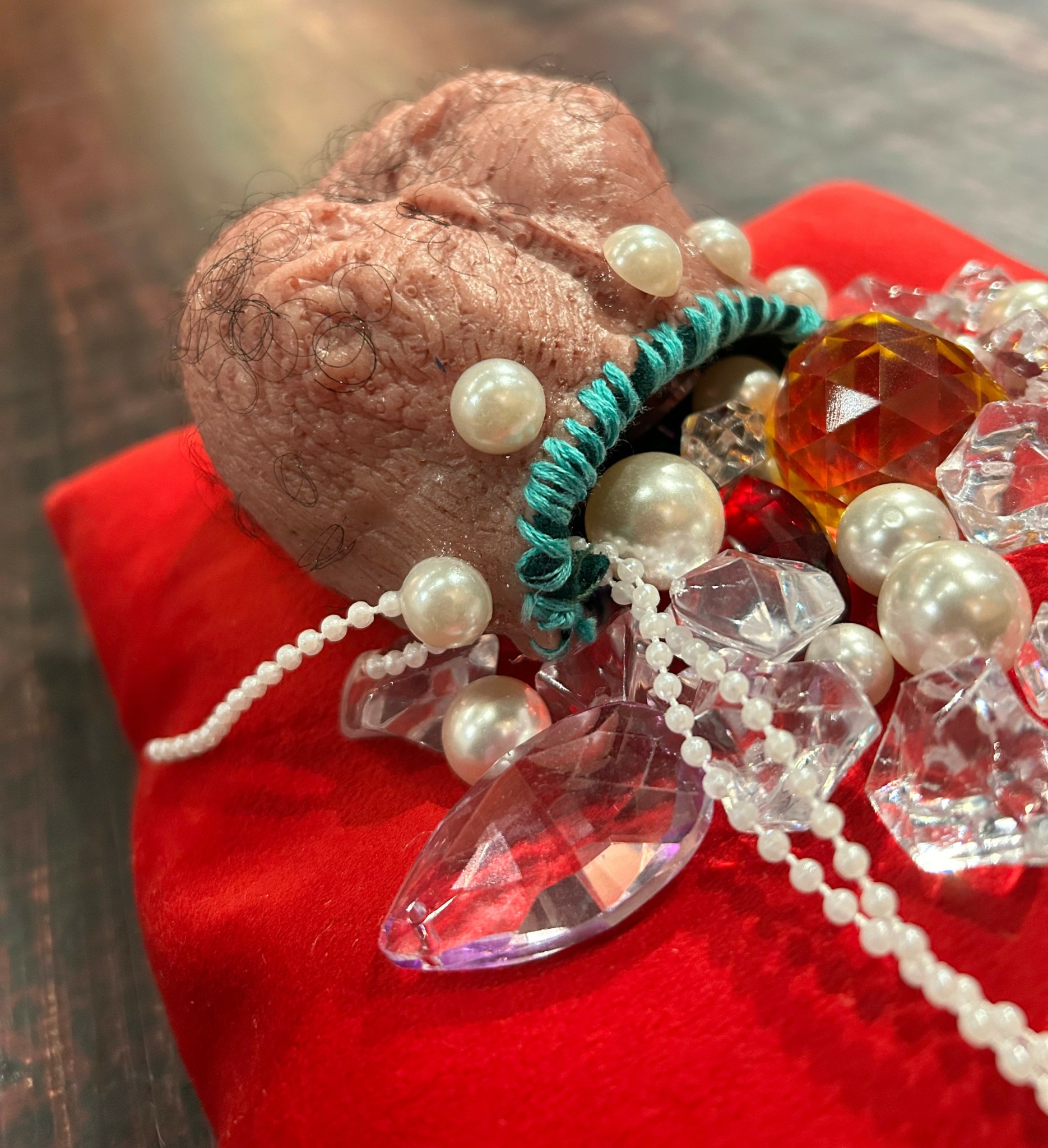
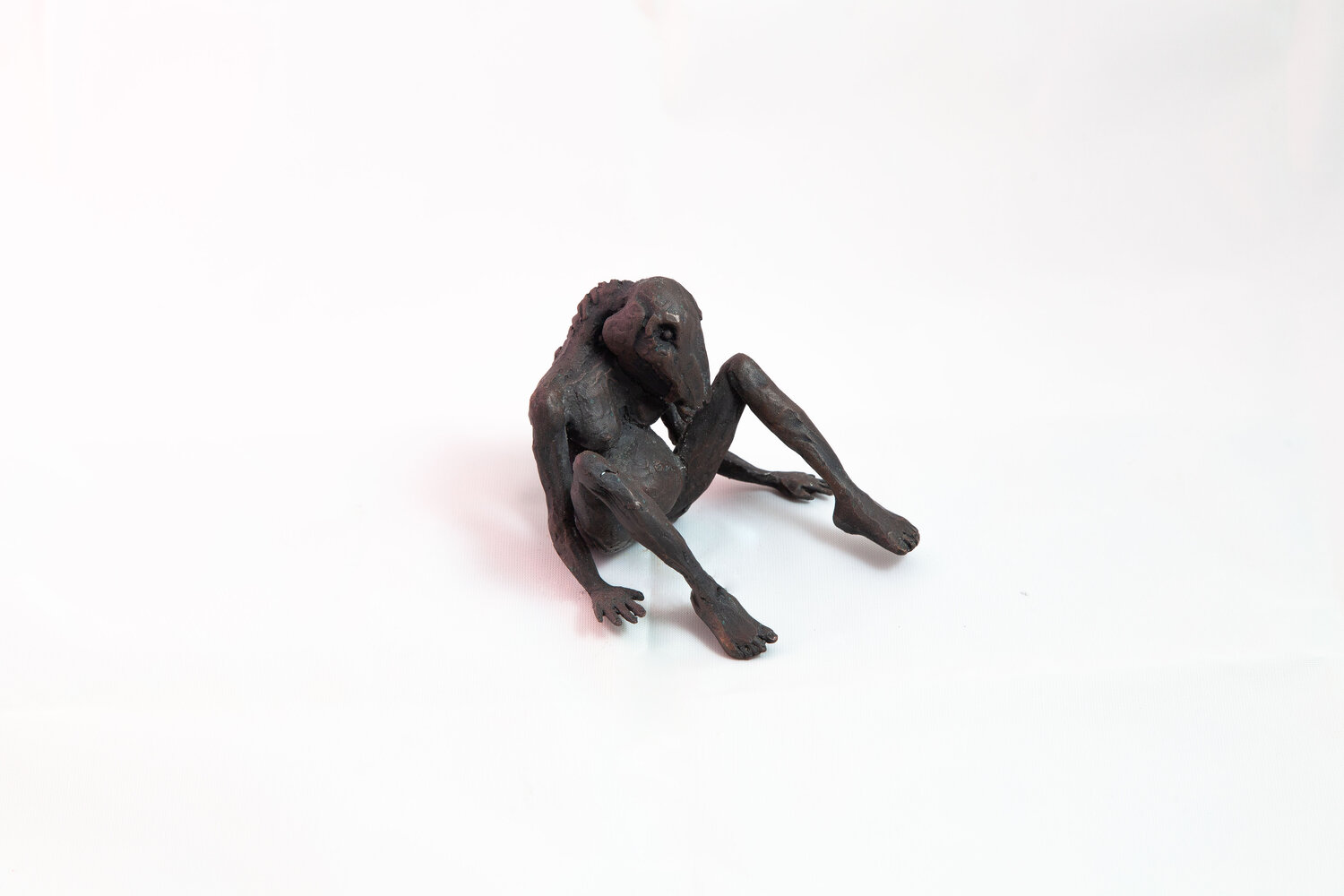
Image Credits
Kiara Winter
Mazmodae Banburski Fahey