

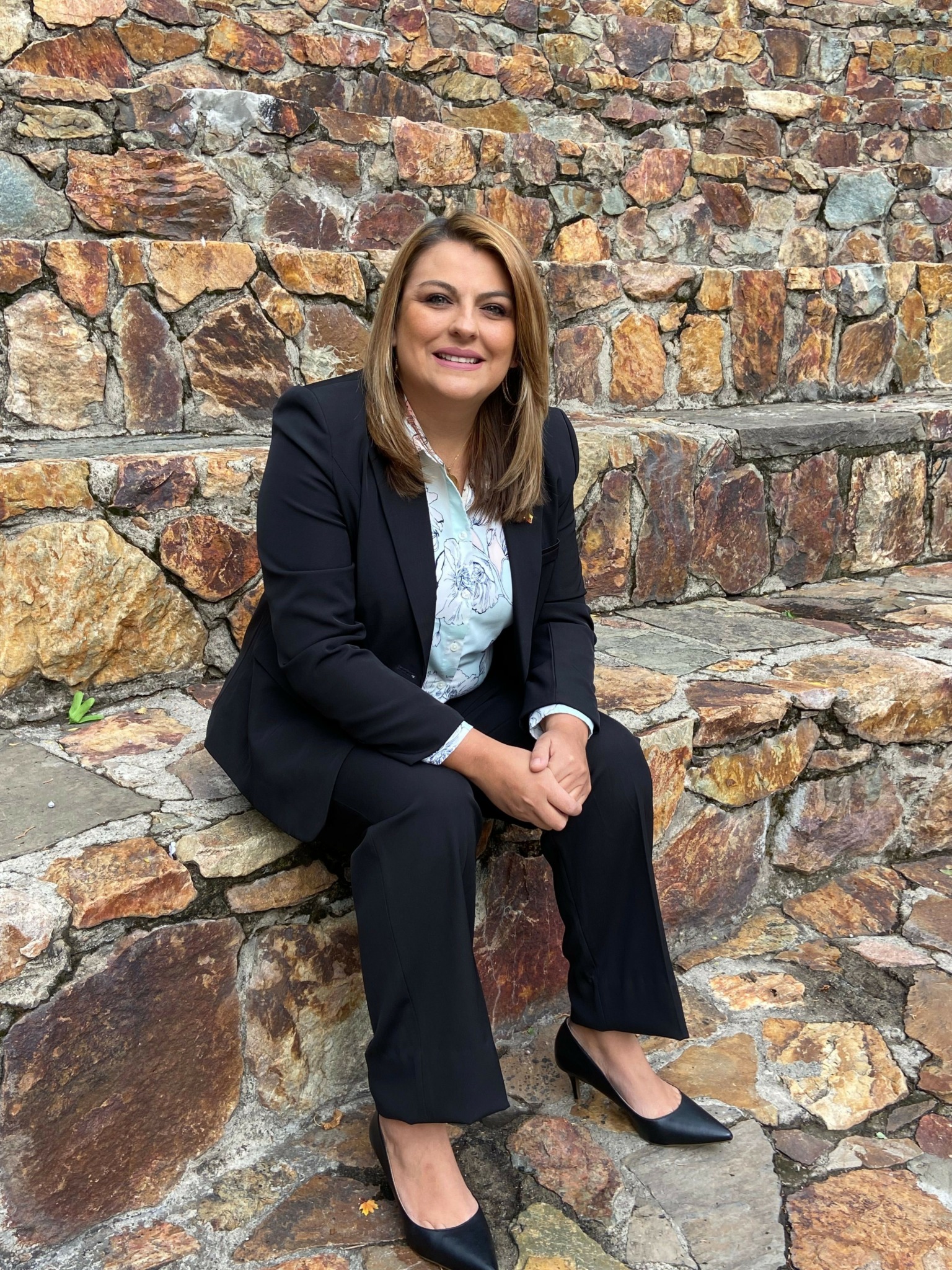

Alright – so today we’ve got the honor of introducing you to Mayra. We think you’ll enjoy our conversation, we’ve shared it below.
Mayra , looking forward to hearing all of your stories today. We’d love to hear you experience with and lessons learned from recruiting and team building.
In the beginning, it was just me—driven by a vision and a deep commitment to serve the Venezuelan community in Utah. Like many nonprofit leaders, I started with more passion than resources. There was no formal team, no structure, just an idea and the willingness to take the first step.
Very early on, I realized that if we wanted to grow and truly make an impact, I couldn’t do it alone. That was one of my biggest lessons: learning to trust others and to build something collectively. In the nonprofit world, especially when you rely heavily on volunteers, leadership is less about directing and more about inspiring, guiding, and empowering.
Recruiting our first team members was a very organic process. These weren’t traditional hires—we didn’t have salaries to offer. Instead, we connected with people through community events, word of mouth, and shared purpose. Most of our early volunteers came because they believed in the mission, because they wanted to give back, or because they were looking for a sense of belonging.
The “interview process” was also very different from a corporate setting. It was more about conversations than formal interviews. I focused on understanding their motivations: Why do you want to be part of this? What are your strengths? What brings you joy? From there, I tried to align their skills with roles where they could thrive. In many cases, people discovered talents they didn’t even know they had.
One unconventional aspect of our approach was that we didn’t wait for people to be “perfectly qualified.” We created space for growth. We trained as we went, we learned together, and we supported each other. That meant embracing mistakes as part of the process and building a culture where people felt safe to contribute and take initiative.
Learning to rely on my team didn’t happen overnight. At first, it was challenging to delegate—especially when you care deeply about the work. But over time, I understood that trusting others is not a risk, it’s an investment. When people feel trusted, they step up in incredible ways. Today, I can confidently say that our team is the heart of everything we do.
If I were starting again today, I would focus even earlier on building systems and leadership within the team. At the beginning, I carried too much on my own. I would now prioritize developing leaders from day one, creating clearer roles, and setting expectations earlier. That would have helped us grow more sustainably.
That said, I wouldn’t change the essence of how we built our team. Our strength has always come from our people—their passion, their resilience, and their willingness to serve. Learning to trust in others’ capacities has not only made me a better leader, but it has shaped the very foundation of our organization.
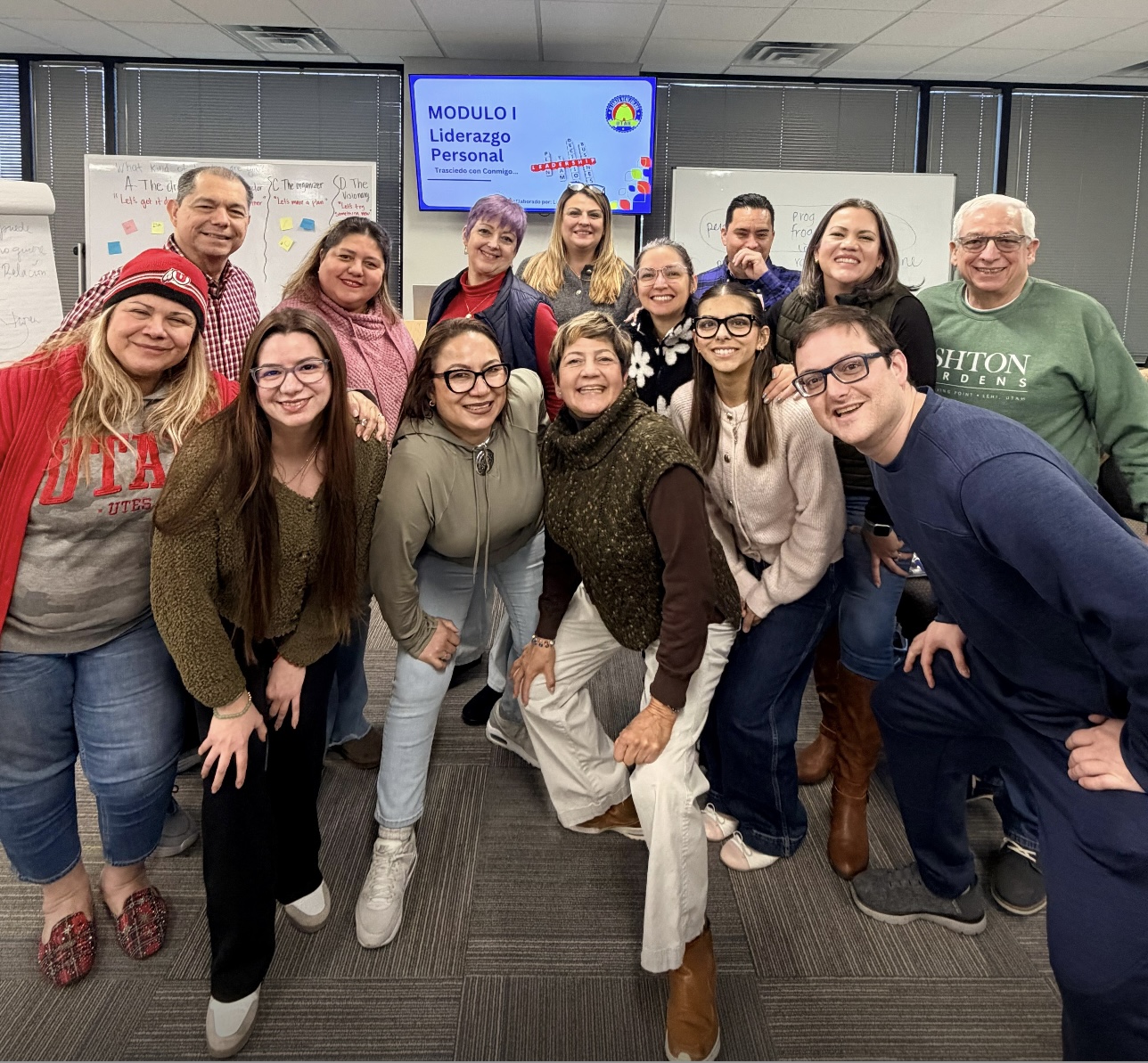
Mayra , before we move on to more of these sorts of questions, can you take some time to bring our readers up to speed on you and what you do?
I am the Executive Director of the Venezuelan Alliance of Utah, a nonprofit organization born from both personal experience and a deep commitment to community. As an immigrant and community advocate, my journey into this work came from seeing firsthand the needs, challenges, and incredible resilience of Venezuelan and Latino families building a new life in Utah.
What began as a desire to help quickly became a mission: to create a space where culture, support, and opportunity come together. Our work goes beyond services—we build community. Through cultural programs, youth initiatives, educational support, leadership development, and community events, we create spaces where families feel seen, valued, and empowered.
One of the things that sets our organization apart is that we lead with heart and with lived experience. We understand the fears, the hopes, and the barriers that many immigrant families face because we have lived them ourselves. That allows us to connect with people in a way that feels genuine and deeply human.
A large part of our work is solving problems that often go beyond immediate needs. Sometimes that means connecting families with resources, housing support, or educational opportunities. Other times it means creating preventive programs for youth—spaces where they can develop identity, leadership, and pride in their roots, reducing exposure to risk behaviors and social isolation.
I am especially proud of how we use culture as a bridge. Through events like Ritmo, Color y Folklore, we celebrate the richness and diversity of Latin America while creating belonging for the next generation. Culture is not just celebration for us—it is healing, identity, and empowerment.
What I want people to know most about our work is that we are building more than programs; we are building hope, connection, and long-term community impact. Every volunteer, every family, every young person who finds their voice through our programs reminds me why this work matters.
At the heart of everything we do is one belief: when people feel supported and represented, they can truly thrive.
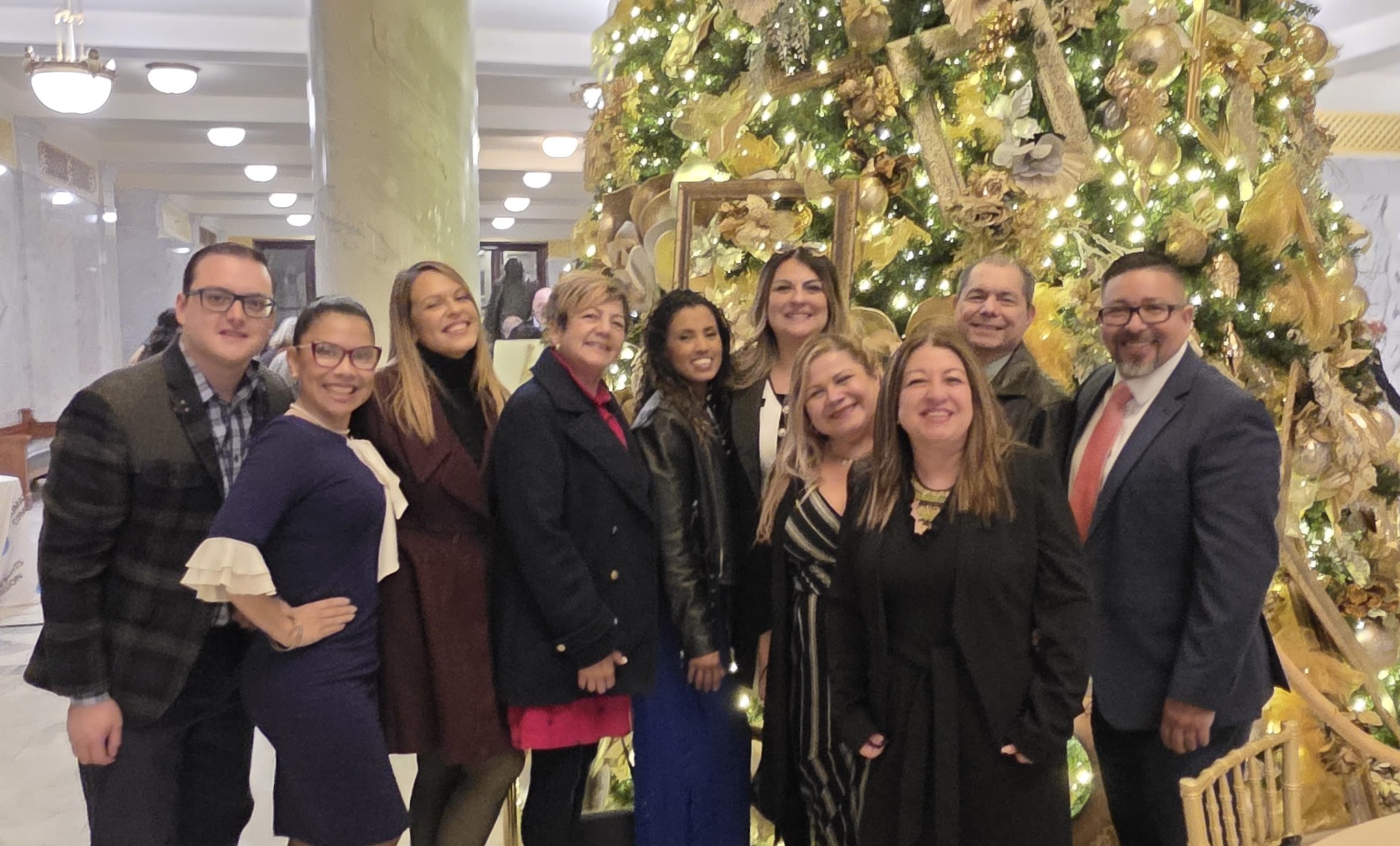
Let’s talk about resilience next – do you have a story you can share with us?
One of the most defining moments of my life—and the one that shaped my resilience—came during a time when I felt completely alone.
As a migrant, I experienced domestic violence with no family, no close friends, and no support system around me. I found myself in a women’s shelter for survivors of domestic violence, trying to rebuild my life while caring for my child. It was a place of safety, but also a place where reality became very clear—what it truly means to have no one.
Even though resources existed, I saw firsthand that access is not the same as support. Language, fear, and lack of guidance created invisible barriers, especially for many women who didn’t speak English. I could communicate, but I watched others struggle in silence, often unable to fully access the help available to them. And that made all the difference.
What impacted me the most was not just the pain these women carried, but their strength. Despite everything, they were determined—eager to rebuild, to regain confidence, to create a better future for their children. They didn’t lack courage; they lacked connection.
That’s when something shifted in me.
I began collecting small things—used toys, clothes, baby items—and sharing them with other mothers in the shelter. What started as a simple act of kindness quickly grew. More people wanted to help. More items came in. But more importantly, something deeper was happening: we were creating community in a place that often felt isolating.
That moment became what I now call the awakening of my purpose—to serve, to connect, and to become a bridge between people and the resources that can truly change their lives.
That experience didn’t just teach me resilience. It gave meaning to my pain. It showed me that even in the hardest moments, we have the power to transform our story into something that can uplift others.
And that is the foundation of everything I do today.
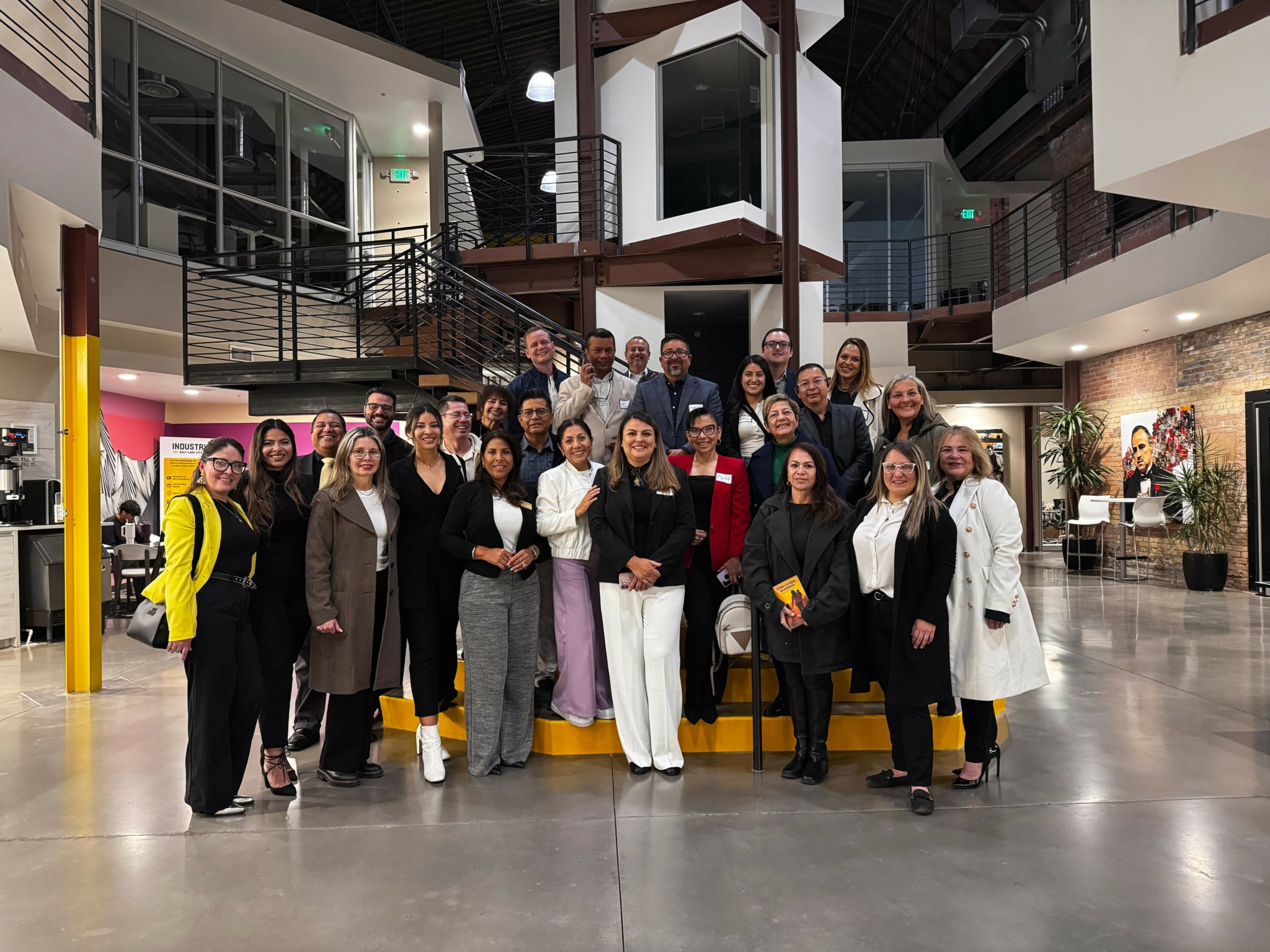
What do you think helped you build your reputation within your market?
I believe my reputation has been built on three core values: integrity, commitment, and ethical work.
In the community we serve, trust is everything. People are not just looking for services—they are looking to feel seen, respected, and valued as human beings. I’ve learned that real connection comes from showing up with honesty, with consistency, and with genuine respect for every person’s story.
For me, it’s not just about what we do, but how we do it. I make a conscious effort to lead with empathy, to listen, and to create spaces where people feel safe and supported. That’s what builds lasting relationships.
Of course, along the way, I’ve encountered situations where values don’t always align. But those experiences have also been part of my growth. Instead of focusing on conflict, I choose to focus on the positive impact we can create and the lessons we can take forward.
At the heart of my work is also a long-term vision. I want to leave a legacy for future leaders—especially within our community. I believe in leading by example, showing that it’s possible to serve with integrity, to be grateful, and to contribute positively as a member of society.
If people trust our work today, it’s because they can feel that everything we do comes from a place of purpose, respect, and responsibility.
Contact Info:
- Website: https://www.alianzavenezolana.org
- Instagram: alianzavenezolanautah
- Facebook: Alianza Venezolana de Utah
- Linkedin: Mayra Molina
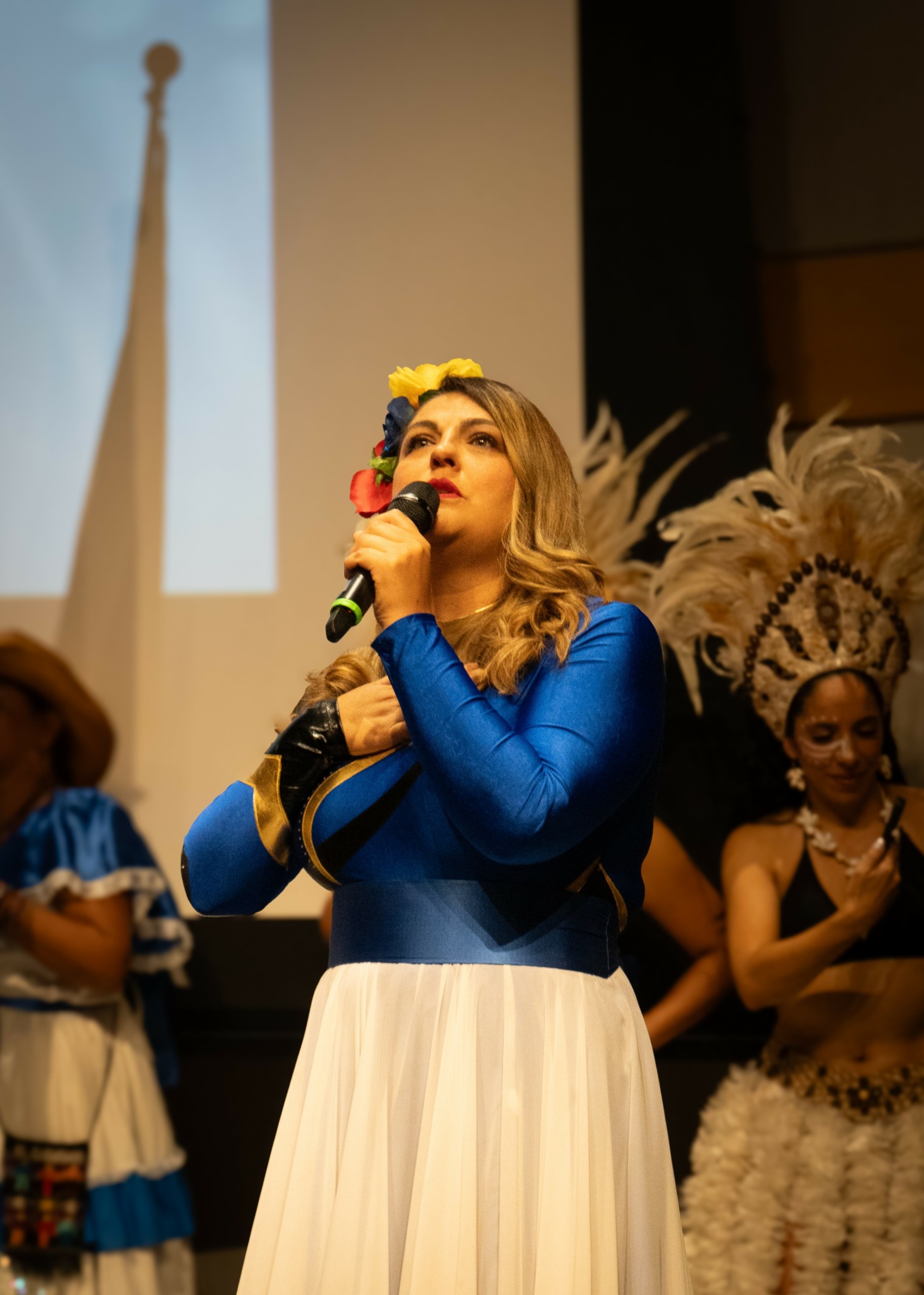
Image Credits
Photo by Sophia Garcia