

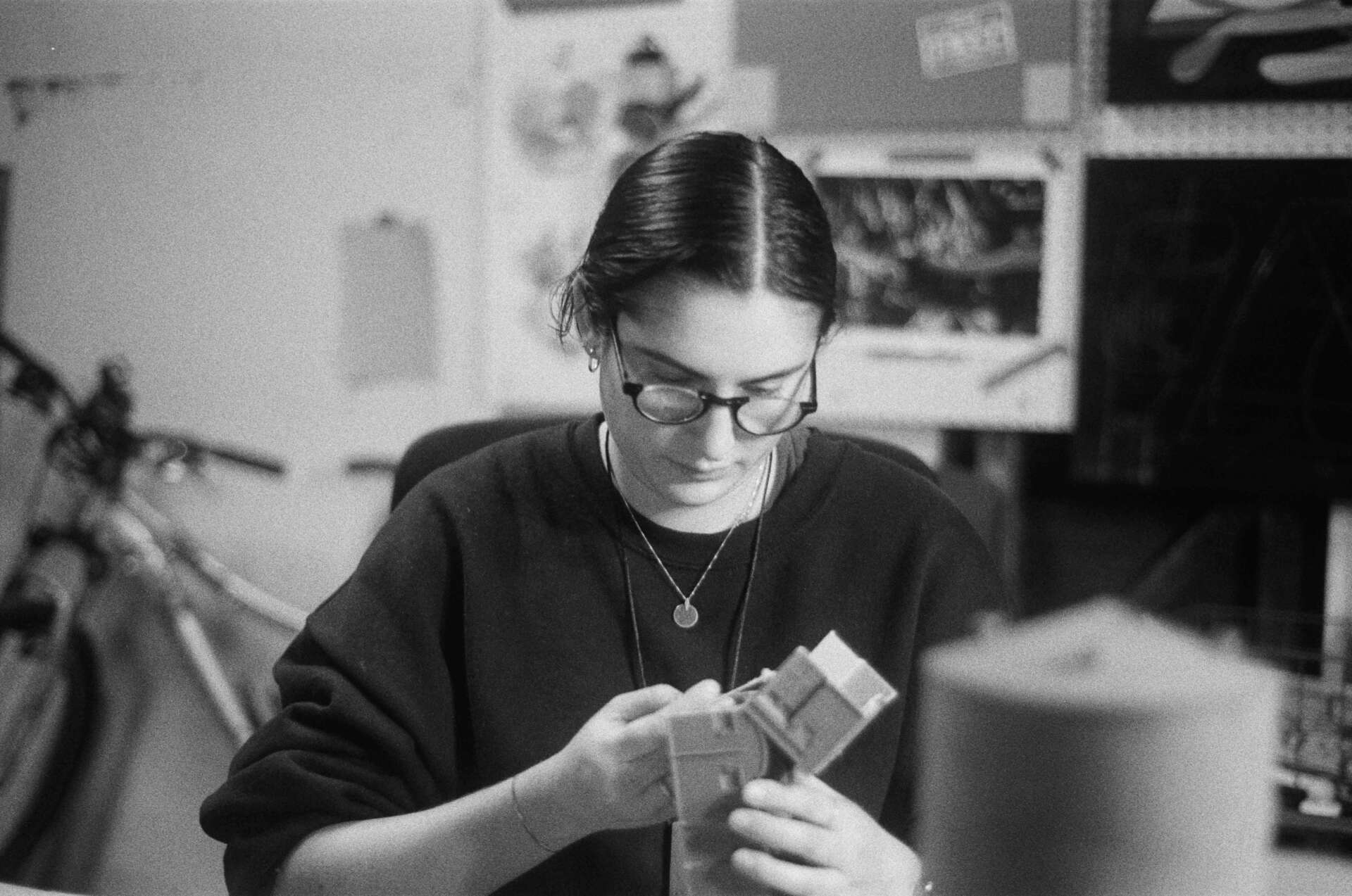

We recently connected with Maya Ragazzo and have shared our conversation below.
Maya, thanks for taking the time to share your stories with us today Can you talk to us about a project that’s meant a lot to you?
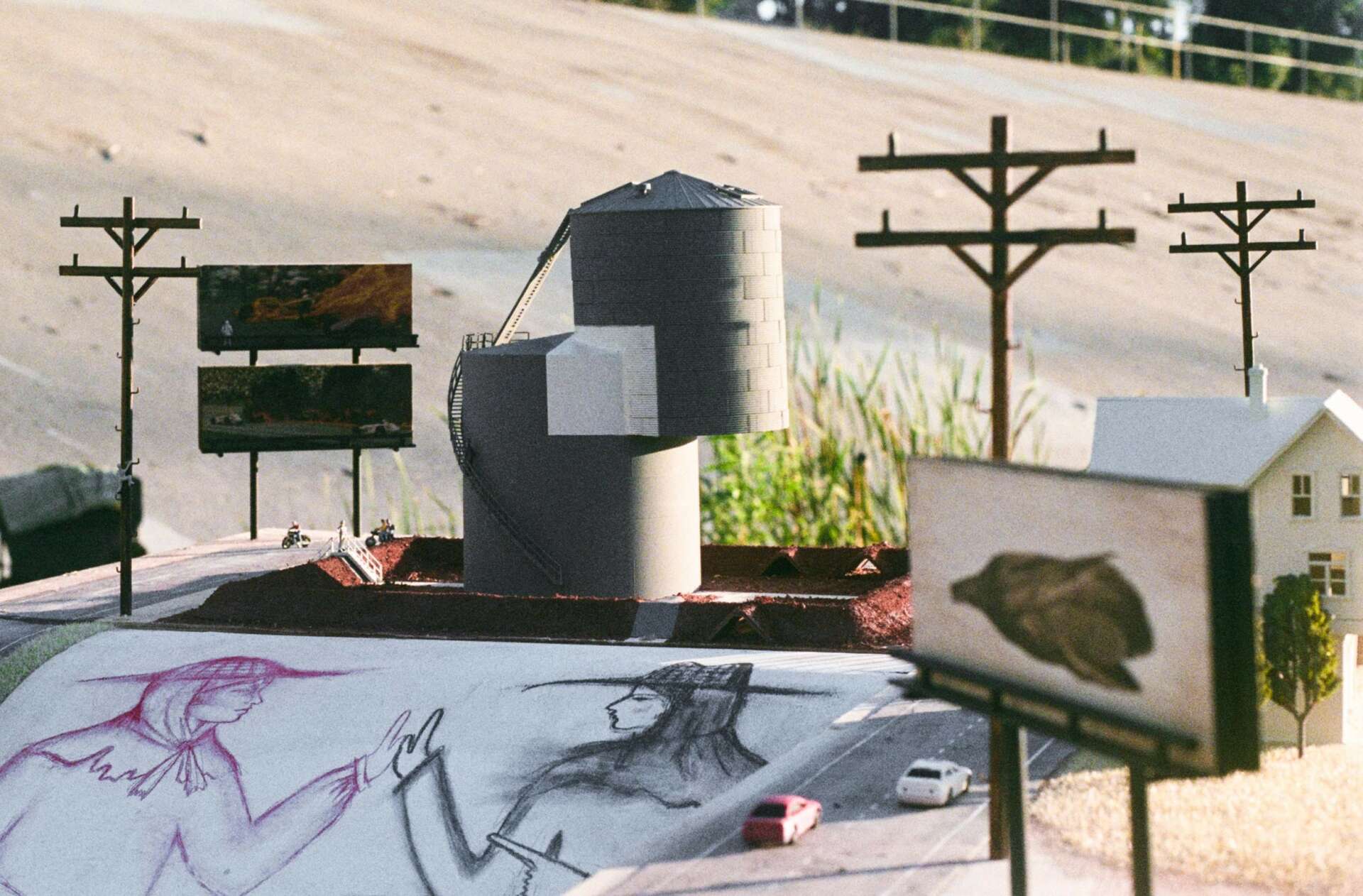
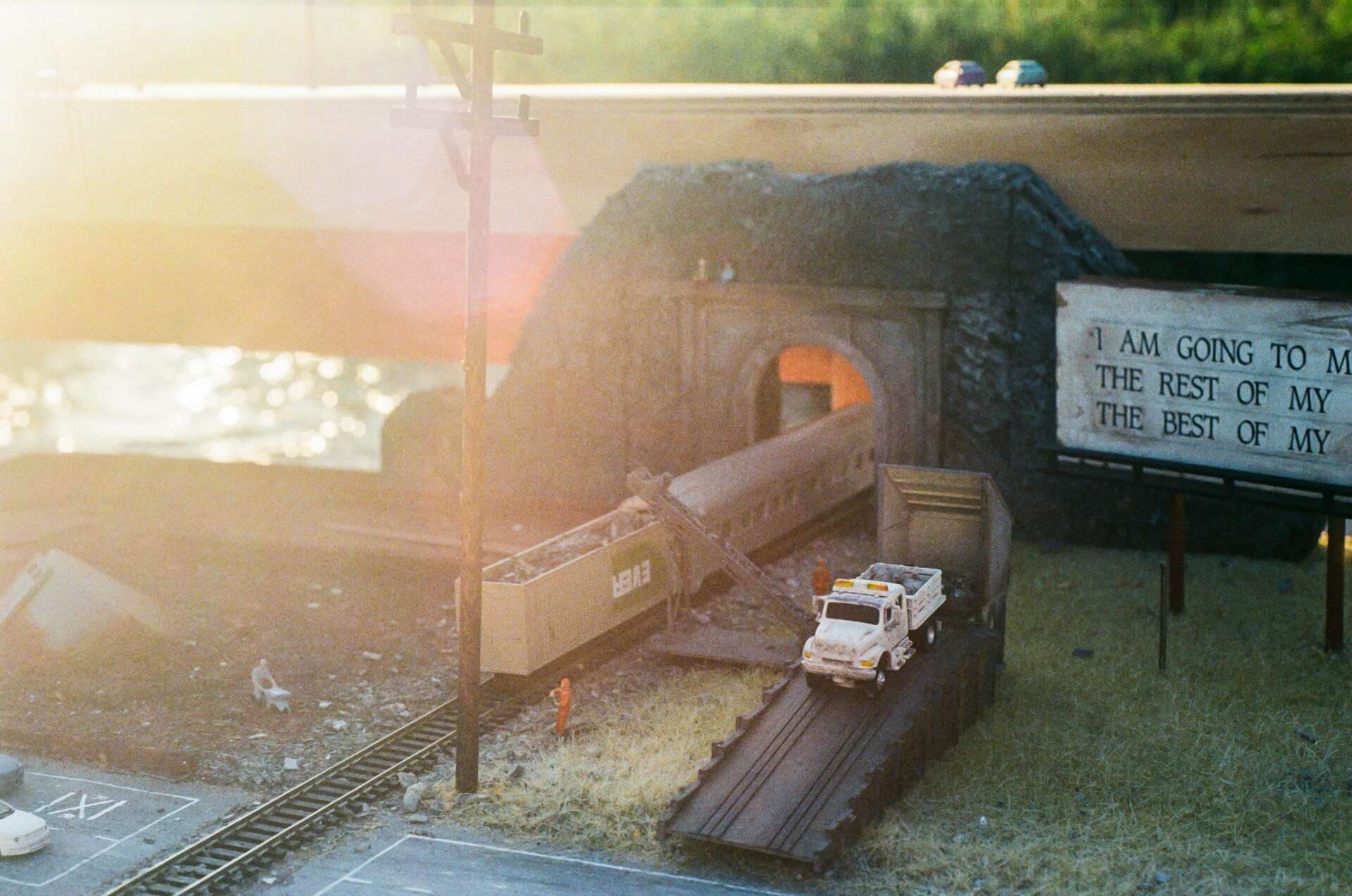
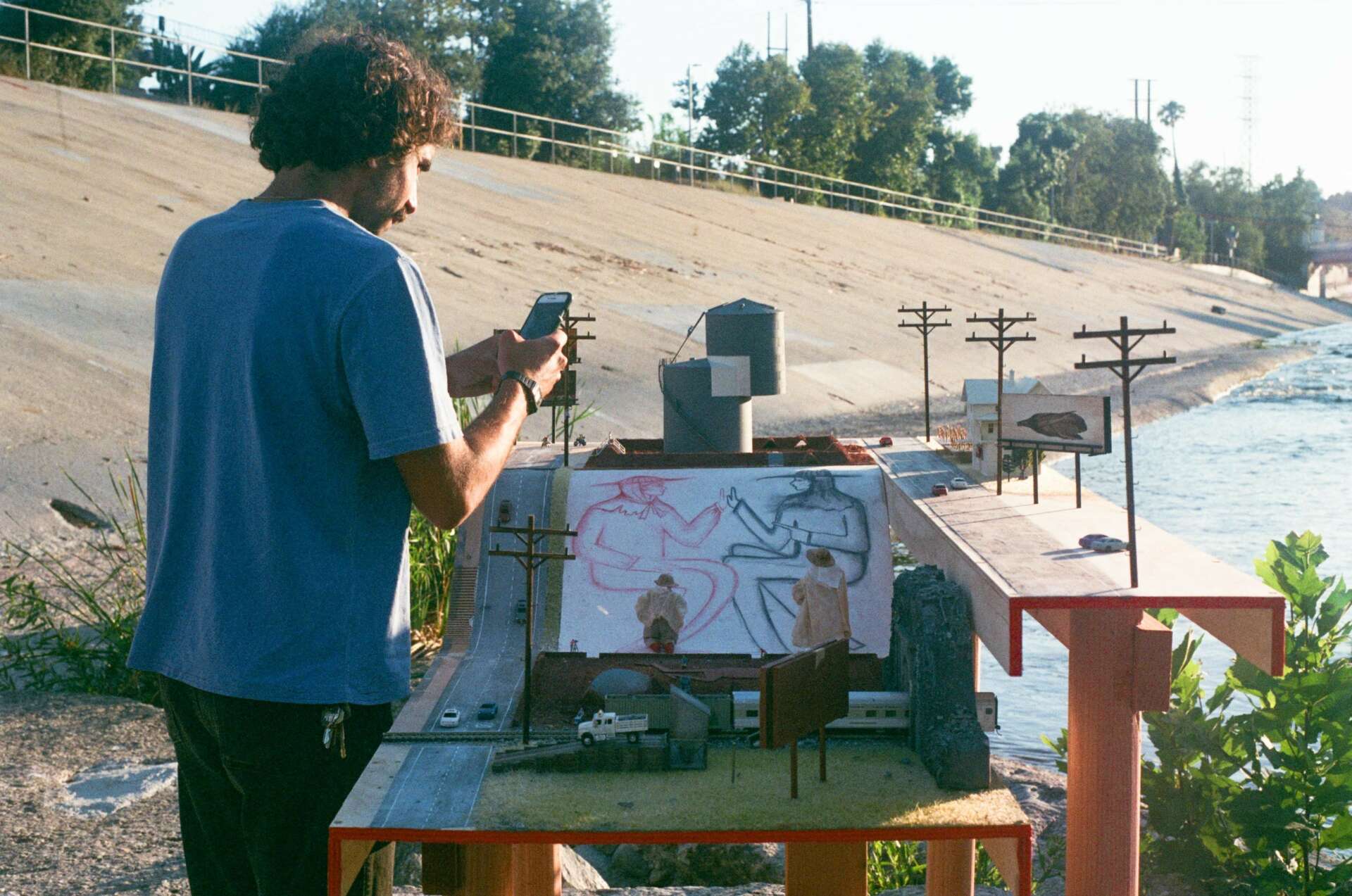
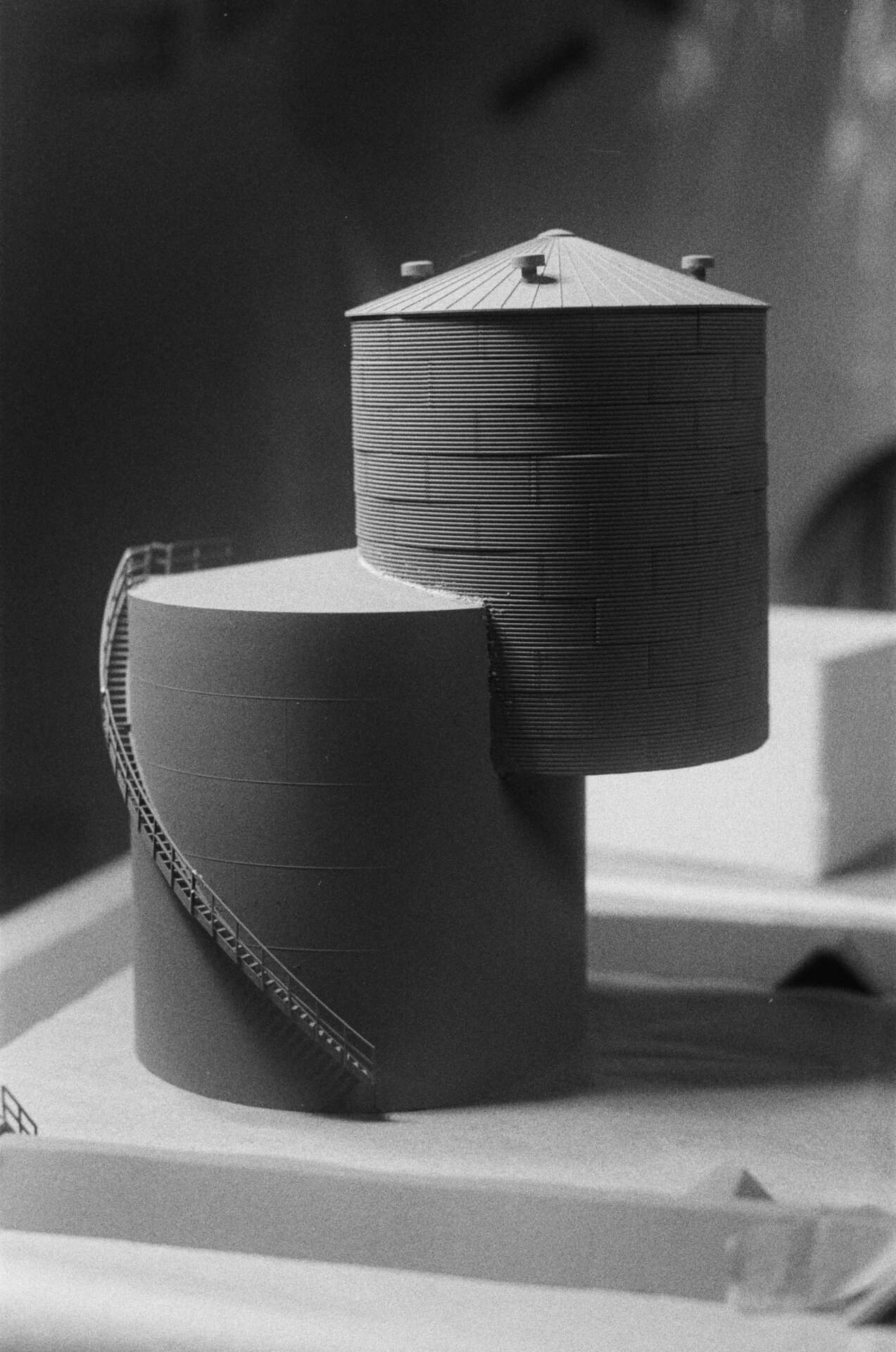
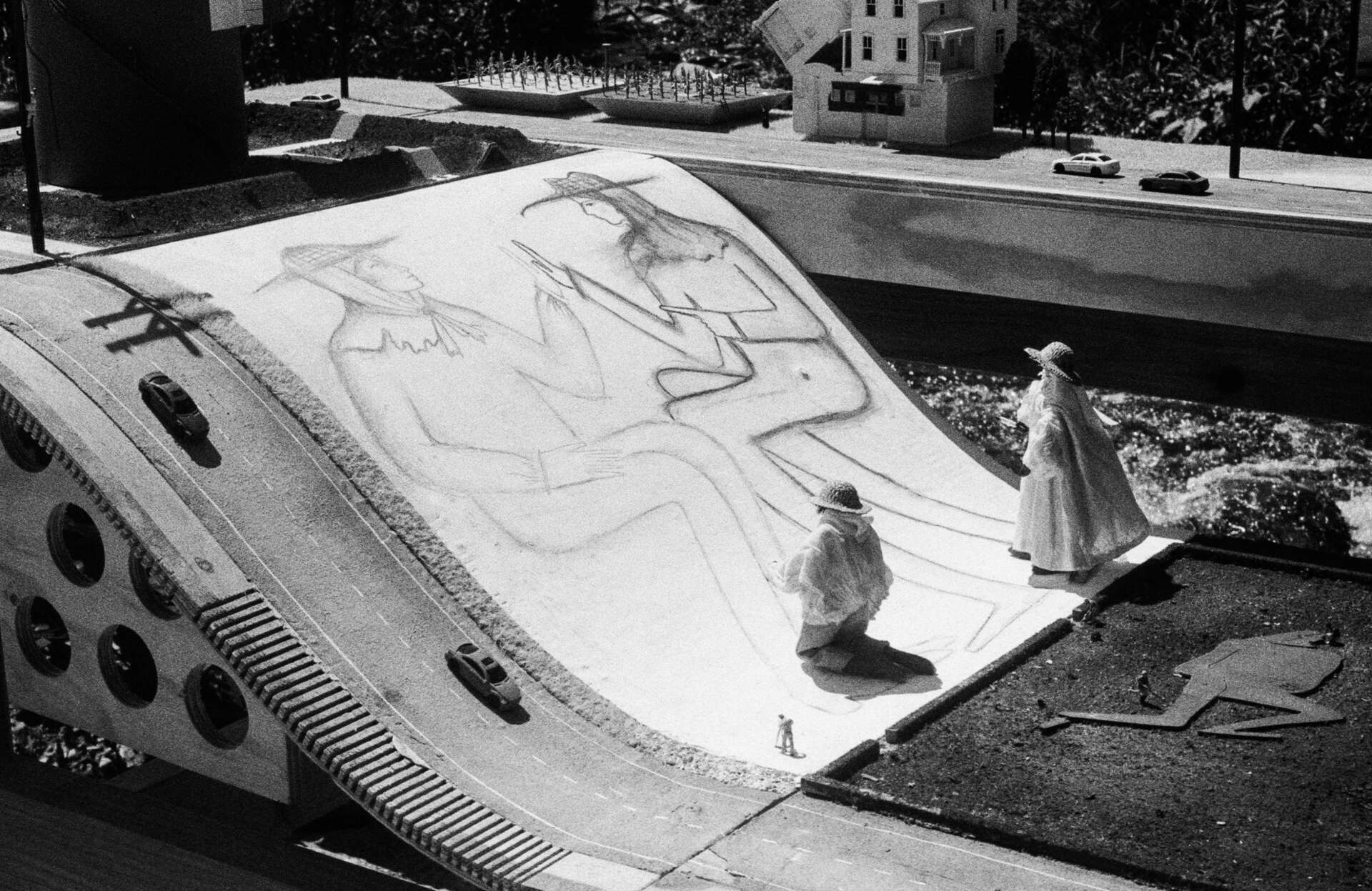
My most meaningful project as of late was being able to present a solo exhibition on the LA river. Curator Chloe Ginnegar has been presenting a series of one day installations along the LA river since 2019 under the pseudonym ‘Some Clouds’. She approached me to show work along the river and gave me free rein to present the project made up of my own desires. I was thrilled because I knew I wanted to show my talents as a model maker and weaver of narratives by creating a display of multiple scales, mysterious meanings, and tangible clues of how my brain sees and translates the world. My work doesn’t always do well in a white-wall gallery space, so I was excited to create a piece that was elevated by the natural surroundings that is the LA river. Where a model hobbyist might only achieve shadows by a single lamp, I had access to the sun. Moving clouds, rushing water, and sounds of wildlife brought my project to life. The piece, titled “There are Giants in the Sky”, was meant to touch upon the ideas of scale and perspective. We can feel bigger or smaller depending on the physicality of what we interact with. Feelings of comparative size might bring up questions of importance and power. Who is bigger than us? And does bigger mean more power? More control? Or is our own scale just a tool for us to be able to ground ourselves in the world we are plopped into? Questions of creation, and who is actually building the world we know are topics I wanted the viewer to think about. By presenting a small world, audience members already are able to feel their size by simply towering over the small cars, people, and telephone poles. Perhaps one would then look to the sky and ponder whether they are being looked down upon by some invisible giants in the sky. Being able to pose philosophical questions through my art is incredibly meaningful to me and allows me to be inquisitive about the world in my own poetic and visual way.
Great, appreciate you sharing that with us. Before we ask you to share more of your insights, can you take a moment to introduce yourself and how you got to where you are today to our readers.
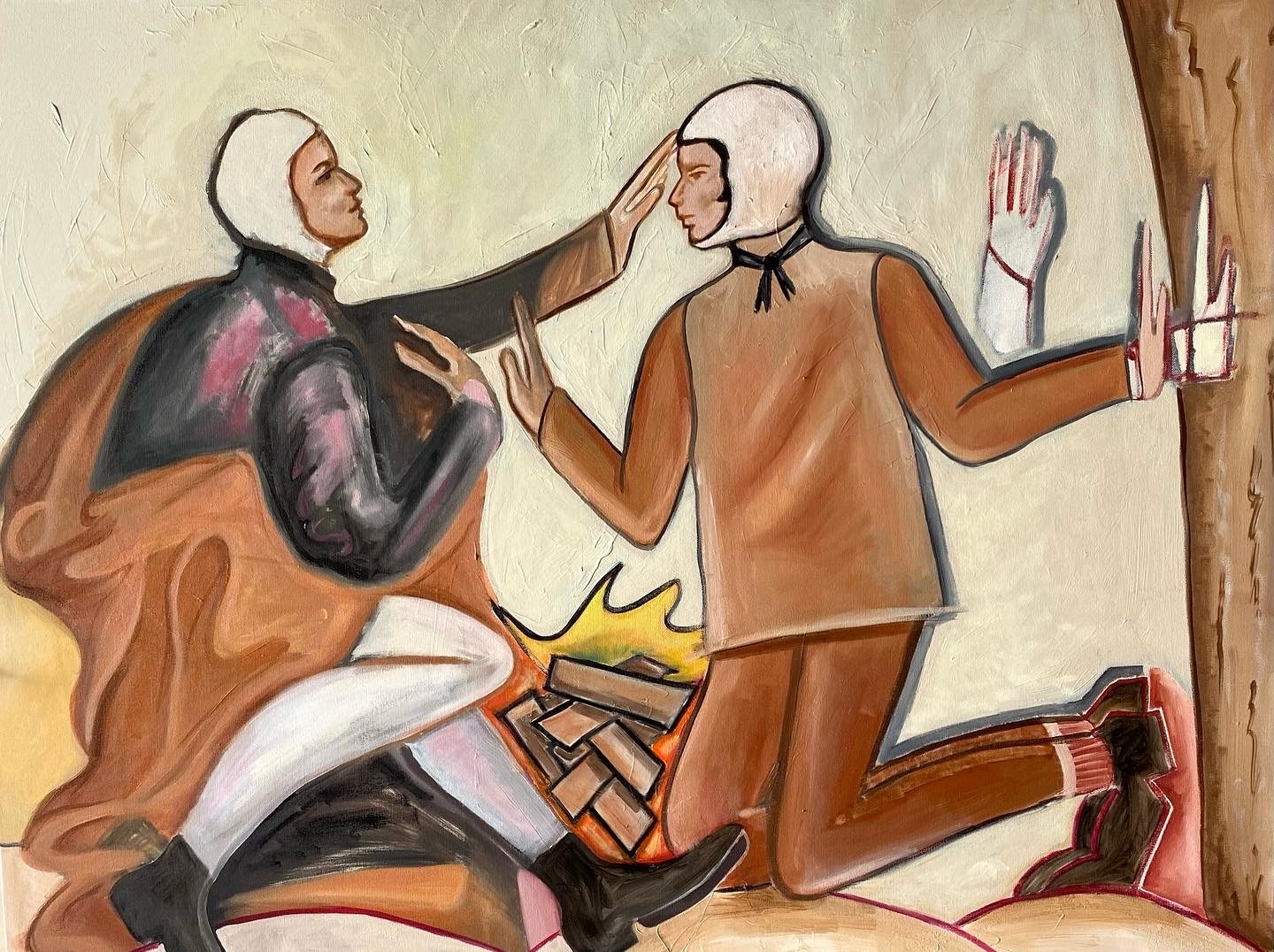
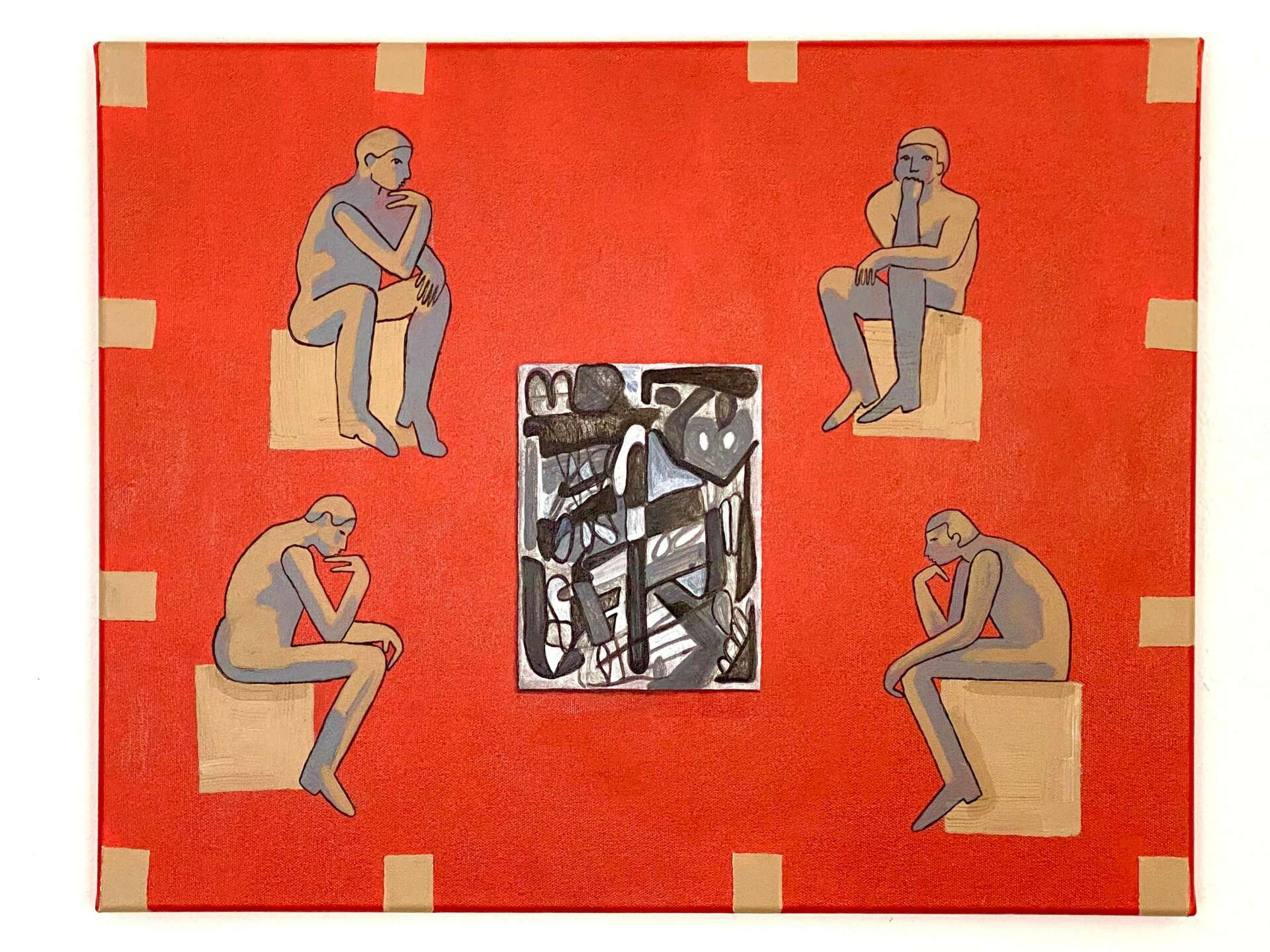
Who do you picture when you think of a model maker, or a chandelier builder? It might not be me. You might think of an older gentleman in his basement, avoiding his family duties, or an electrician in an industrial building with big meaty hands that are worn from years of woodworking. However, you might not picture me. A young woman whose inner world is often expressed in a gestural drawing or an oil painting. At work, I am a craftswoman. I have worked my way into the most niche markets of hand crafted objects. I became a professional model maker when I was 22, working as an assistant at a custom model railroad company. I made 7 floor apartment buildings that are the size of my hand, painted 8,000 bricks the size of a pinhead in order for a 20th century train station to look historically accurate. I got to play god by making rose gardens for the local nuns, and creating dramatic narratives by gluing down a number of coal miners trying to pull out a large mysterious gem from a treacherous cave. While model making spans from being a hobby to being used as a practical effect for a big budget movie, I have found that it is a way for me to build magical worlds and express entire systems of thought with as little room as a corner of my garage. My current work has led me to building chandeliers and custom lights, which is another niche skill that I never thought I would acquire. While a specific skillset might only remain active while I am working at a job, I choose to bring what I learn into my personal practice. I can now illuminate a space, or consider more thoughtfully how light might effect one of my paintings or sculptures. I have converted my garage in my Los Angeles apartment into an art studio. While I primarily use the space to work on oil paintings, I feel that it is a flexible enough environment where I can bring all of my creative pursuits into one space. The intersection of all my life experiences can be translated and transcribed in my studio and it will continually evolve as I grow as an artist and as a woman.
How can we best help foster a strong, supportive environment for artists and creatives?
Society can create higher paying jobs for non digital artists. Before the 20th century, art was highly revered and mostly funded by the Catholic Church. Because of the mass amounts of money going to the church, artists were considered integral parts in society. Painters, sculptures, and builders had a lifetime of work because masterpieces were being created to show the magnificence and importance of the church. In modern times, artists have to break their back to find a decently paying job that will support their life. Artists who are trying to make it now are told to get an MFA which can cost upwards of $100,000. If you do want a higher paying job as an artist, you either have to make it big (which is extremely difficult), or learn digital interfaces to get hired as a steady artist that ultimately uses a computer as their main tool. I want society to value hand craftsmanship and artistic talents, and for it to be monetarily supported so that artists don’t have to choose between being a starving artist or a corporate creative. I feel like I constantly have to justify the value of being an artist and it can be incredibly frustrating.
Is there mission driving your creative journey?
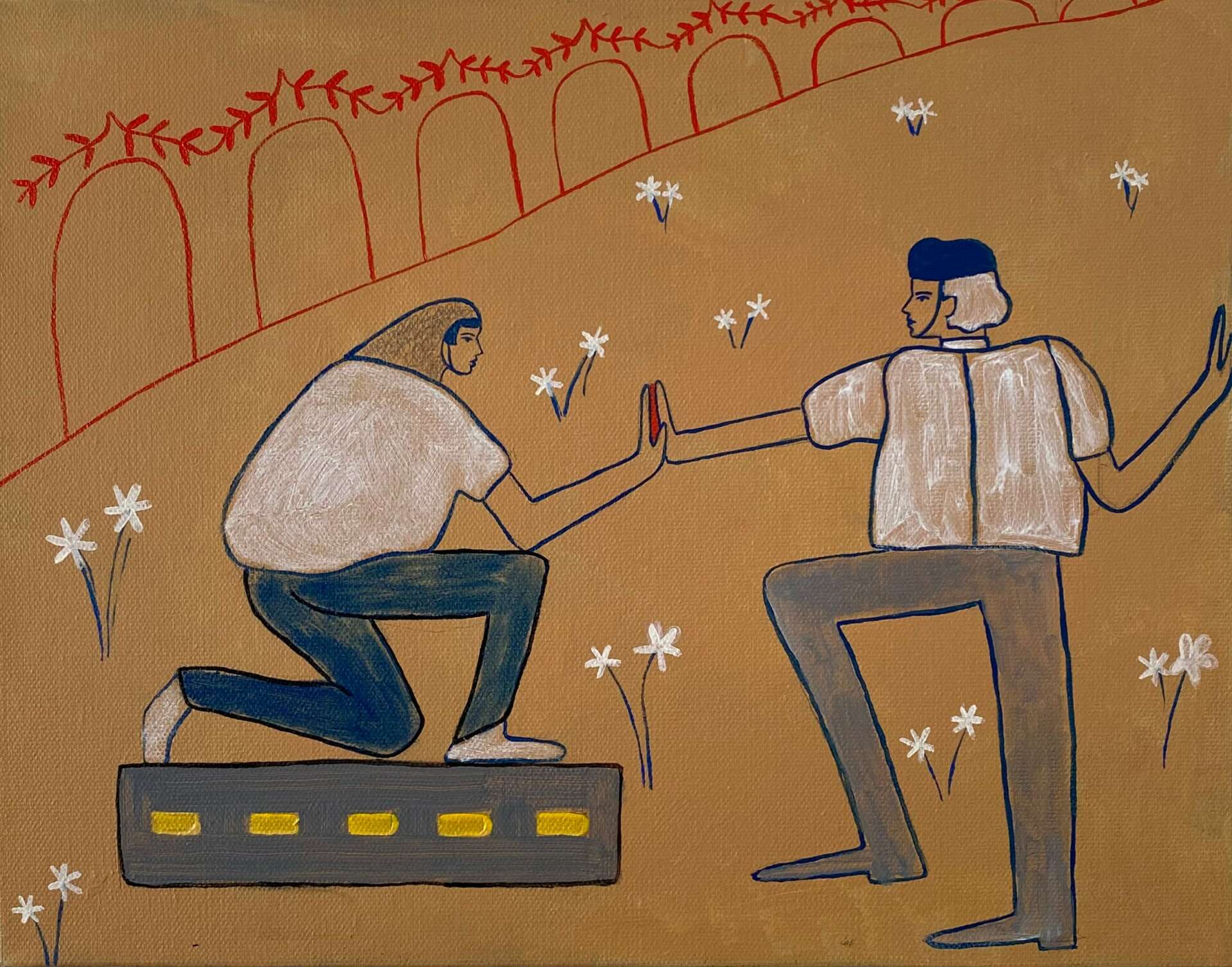
My goal is to make art that lasts hundreds of years. Physical objects are now built cheap and fast and is reflective of a society that values money over endurance. I want to focus my practice on oil portraiture, stone carvings, and miniature world building that leaves an impression both in physical space and in philosophical thought. It is a timeless act to capture and document human activity, for it serves as a piece of historical evidence for future generations to come. I could spend a lifetime working as an artist that is archiving the activity of humans through my work. Portraiture of durable materials are archival objects that don’t go away unless it is consciously trashed, burned, or destroyed in some way. The appeal of making art that has lasting power beyond my own lifespan is extremely motivating and requires me to pay attention to my own natural curiosities about oneself in the world. Art of this nature often gains value the longer it lasts, and unlike evolving digital technology that requires updated tools to translate the information, a painting or sculpture only requires a set of functioning eyes. It will be a challenge to incorporate my model making into this system of thought since models are delicate and often made of plastic, but I plan to use it as a tool to further my understanding of perspective and technical hands on skill building.
Contact Info:
- Website: https://maya-ragazzo.com/
- Instagram: https://www.instagram.com/mayaragazzo/
- Linkedin: https://www.linkedin.com/in/maya-ragazzo-ab4877167/
- Youtube: https://www.youtube.com/@mayaragazzo1047/videos
- Other: https://vimeo.com/mragazzo https://mayaragazzo.tumblr.com/ https://someclouds.info/
Image Credits
Bio Photo by Tehmina Dinshah