

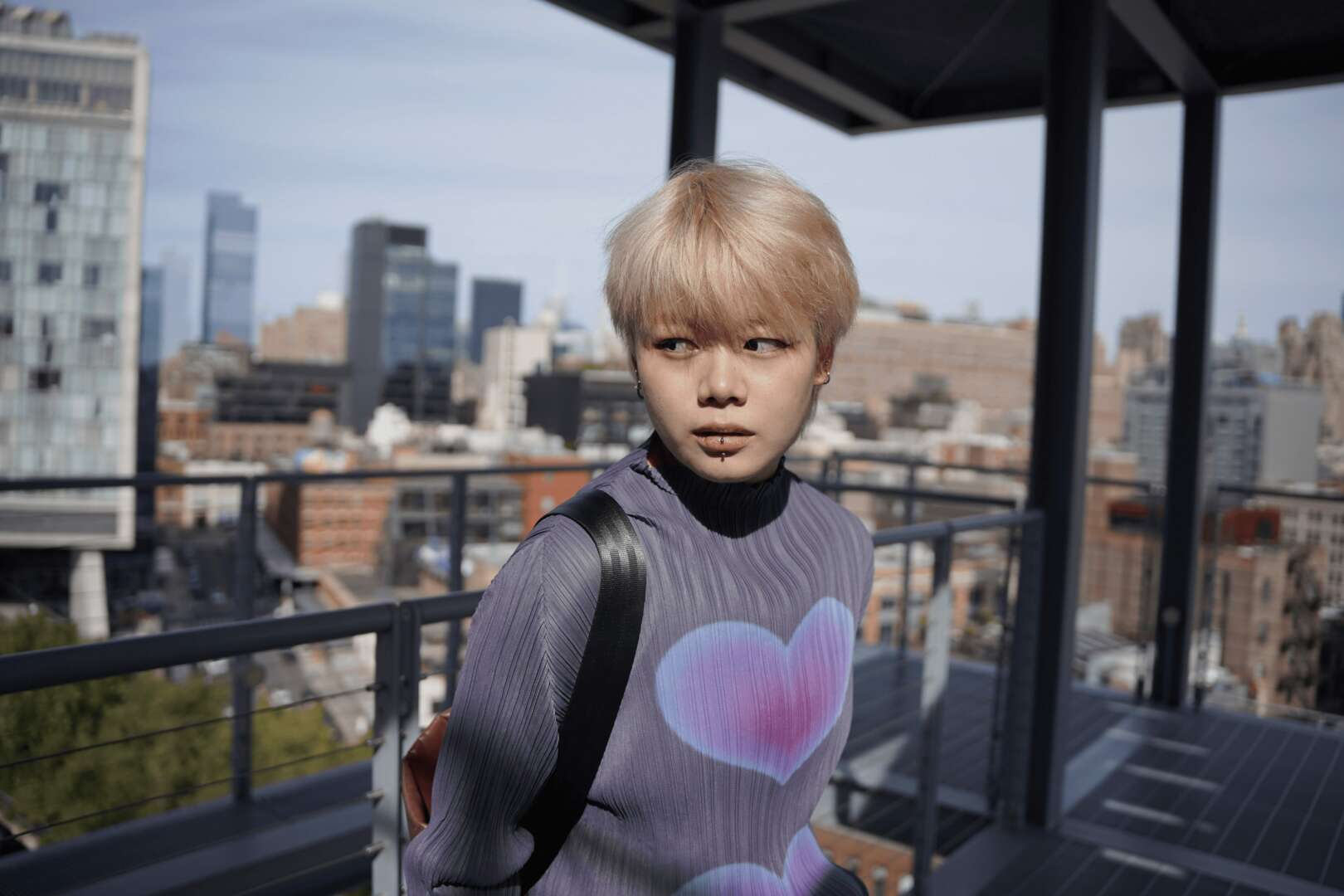

Alright – so today we’ve got the honor of introducing you to Max Chenxi Cao. We think you’ll enjoy our conversation, we’ve shared it below.
Max Chenxi, appreciate you joining us today. I’m sure there have been days where the challenges of being an artist or creative force you to think about what it would be like to just have a regular job. When’s the last time you felt that way? Did you have any insights from the experience?
I’m definitely happy with my life as a creative.
As a recent graduate with a degree in communication design, and an international student trying to find a job in the city while the job market is currently a wild mess, the past two months of summer have not been easy for me. Before graduation, I had a very ambitious and fulfilling vision for my future career. Ideally, I hoped to have a full-time job as a designer, while also working as a tattoo artist on weekends or in my spare time, continuing my pursuit of this art form. Although this vision hasn’t fully materialized yet, and finding a full-time job has been challenging, I am fortunate that my lifelong love for art and my experiences at art school have given me the skills and passion needed for creative work. With these, I have become a freelancer in the creative industry.
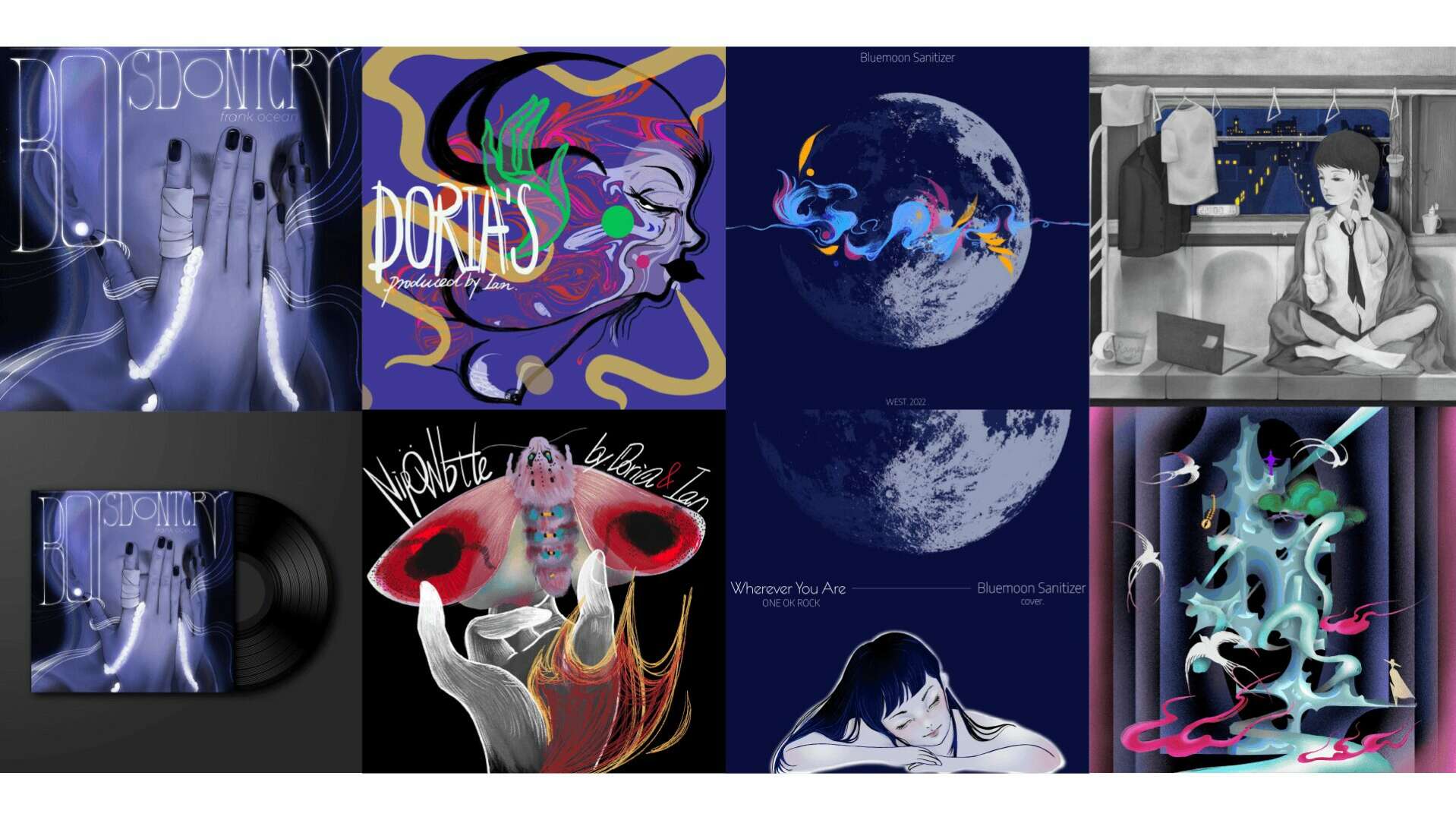
Compared to a stable “regular job,” I now have two challenging but fulfilling roles. Through referrals from friends and past project clients, I work on graphic design and illustration commissions. For example, in the past two months, I’ve designed album covers for several independent musicians, created a series of visual designs for a product company, and worked on creative marketing and planning for a tattoo artist’s social media. On the other hand, I need to continually update my tattoo designs to maintain visibility and exposure on the internet and social media, allowing more people to see my work and reach out to me. In addition to all these, I’m preparing to start planning my own studio and developing a series of cultural creative products such as stationaries, and accessories.
Although anxiety often accompanies my everyday life, this challenging work situation helps me maintain sensitivity to design work. Switching between different professional roles and identities allows me to refresh my vision and my creative mind.
As always, we appreciate you sharing your insights and we’ve got a few more questions for you, but before we get to all of that can you take a minute to introduce yourself and give our readers some of your back background and context?
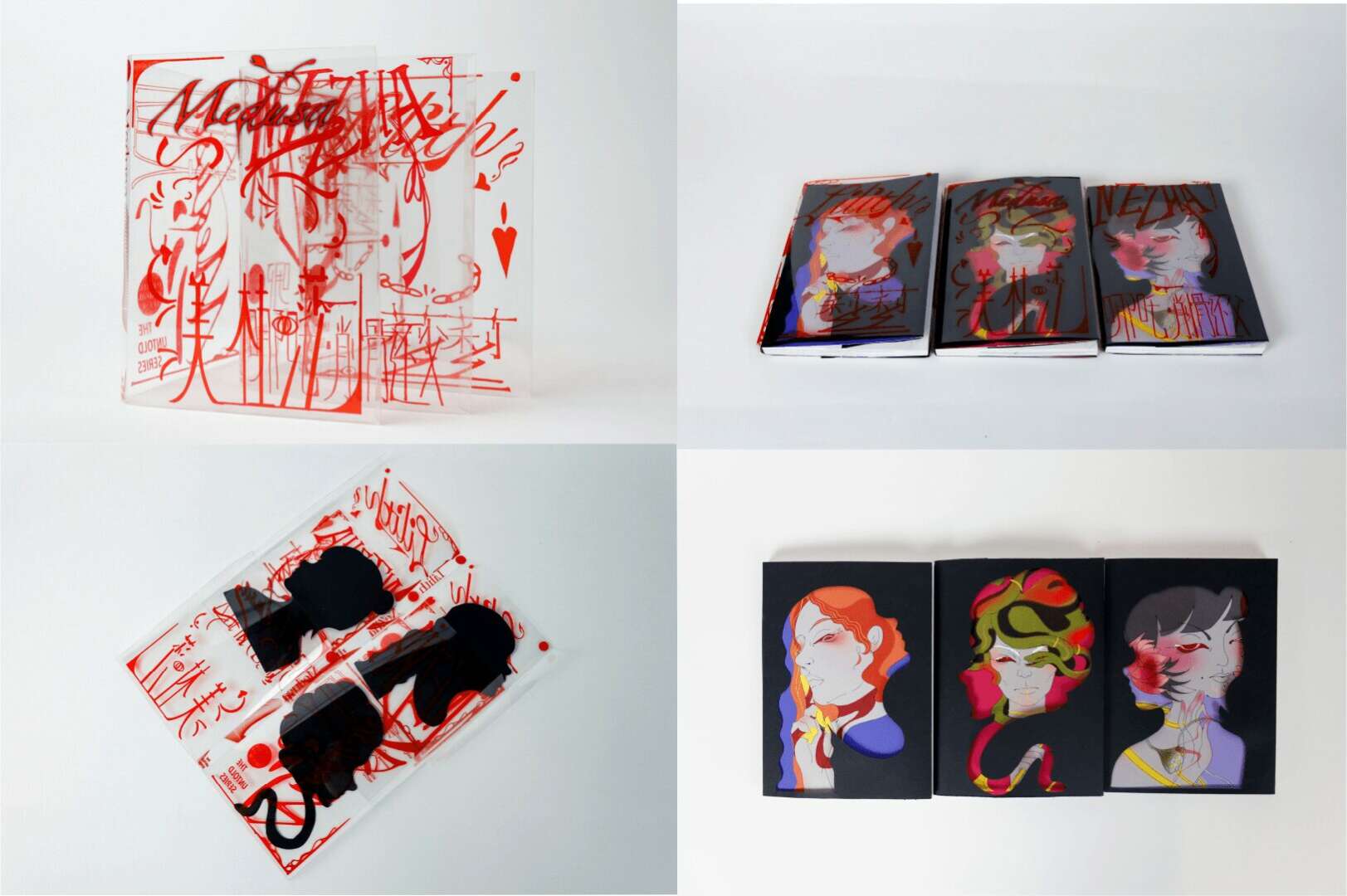
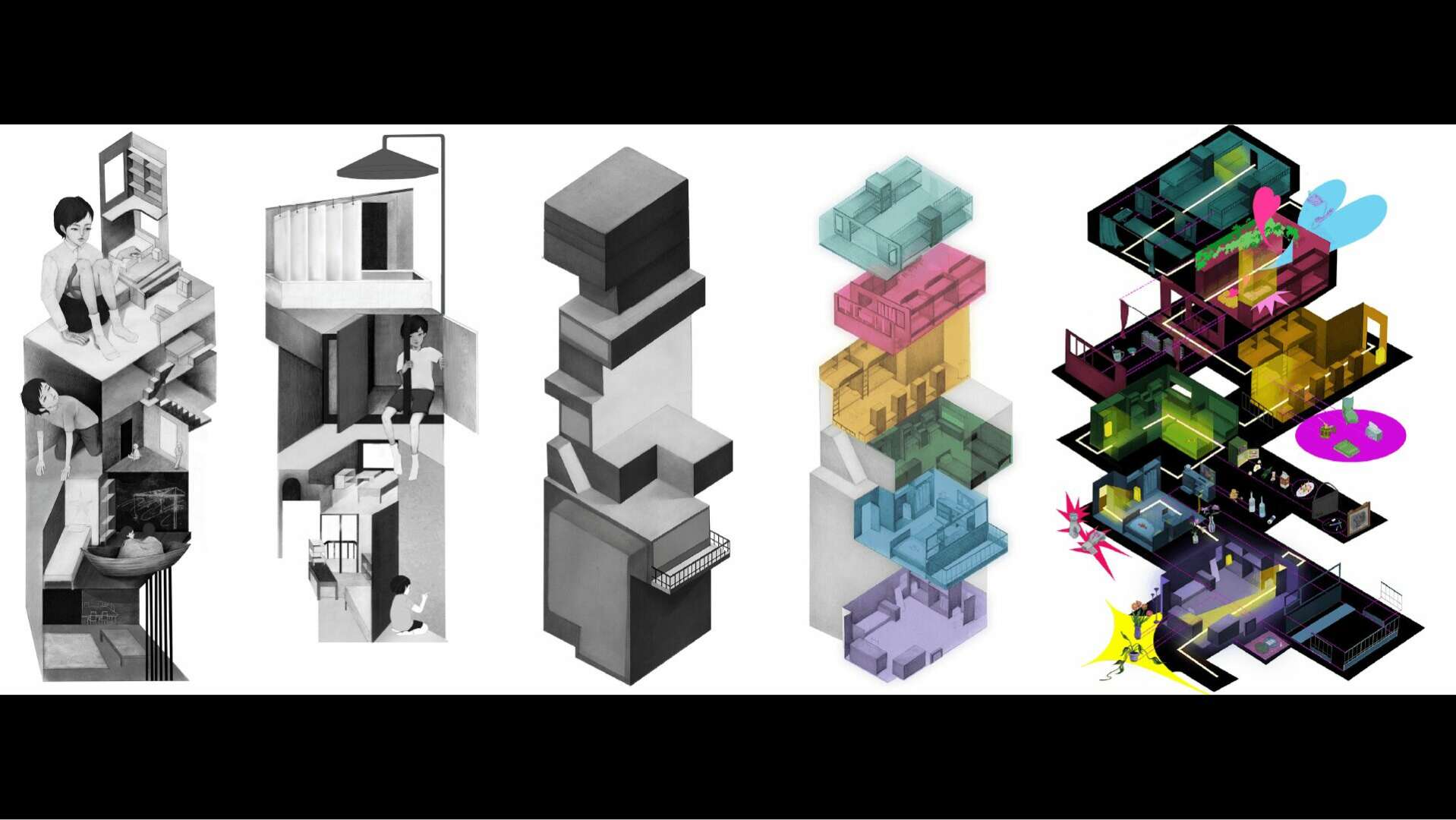
As a multi-disciplinary visual creative, my work spans various media and audiences, but what remains consistent is my attention to aesthetics and style. I place great importance on how to marry aesthetics with clients’ needs. Whether a designer should prioritize their personal style over design requirements has been a long-debated issue. I believe my strength lies in blending my own aesthetic, the client’s aesthetic, and the solution, in order to ensure that every aspect of the project is addressed. Of course, different professional roles offer different degrees of negotiating space on this matter.
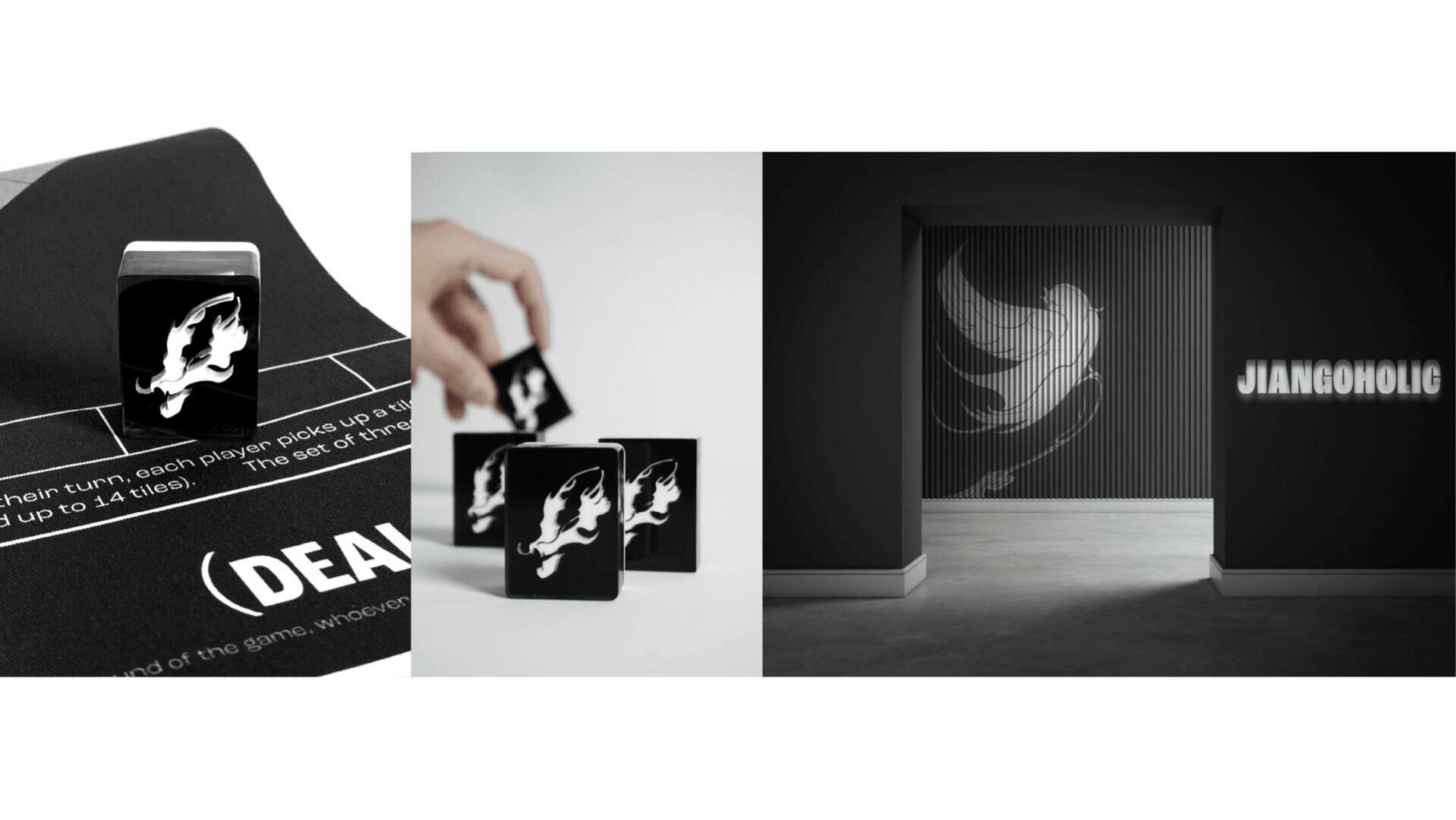
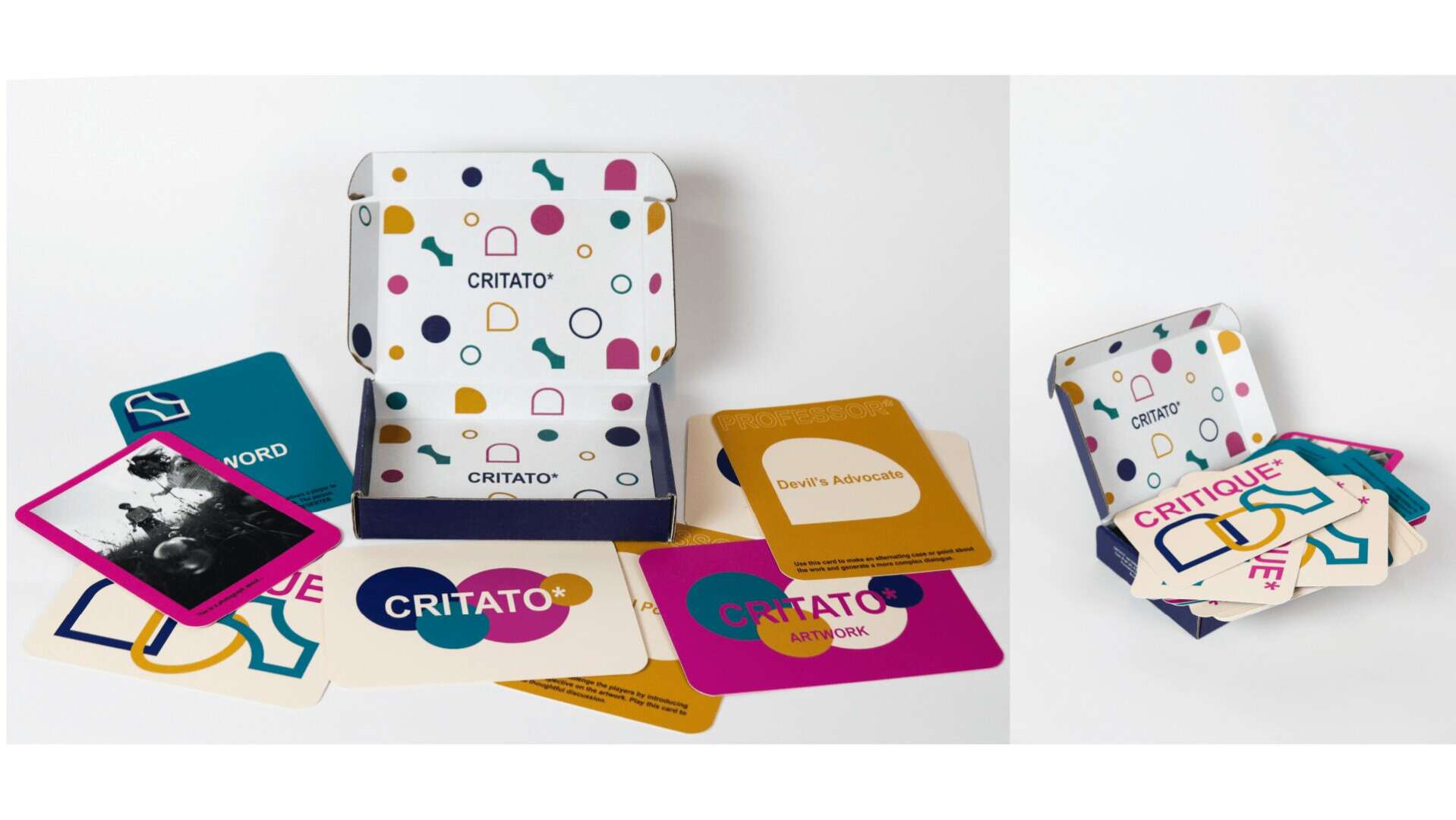
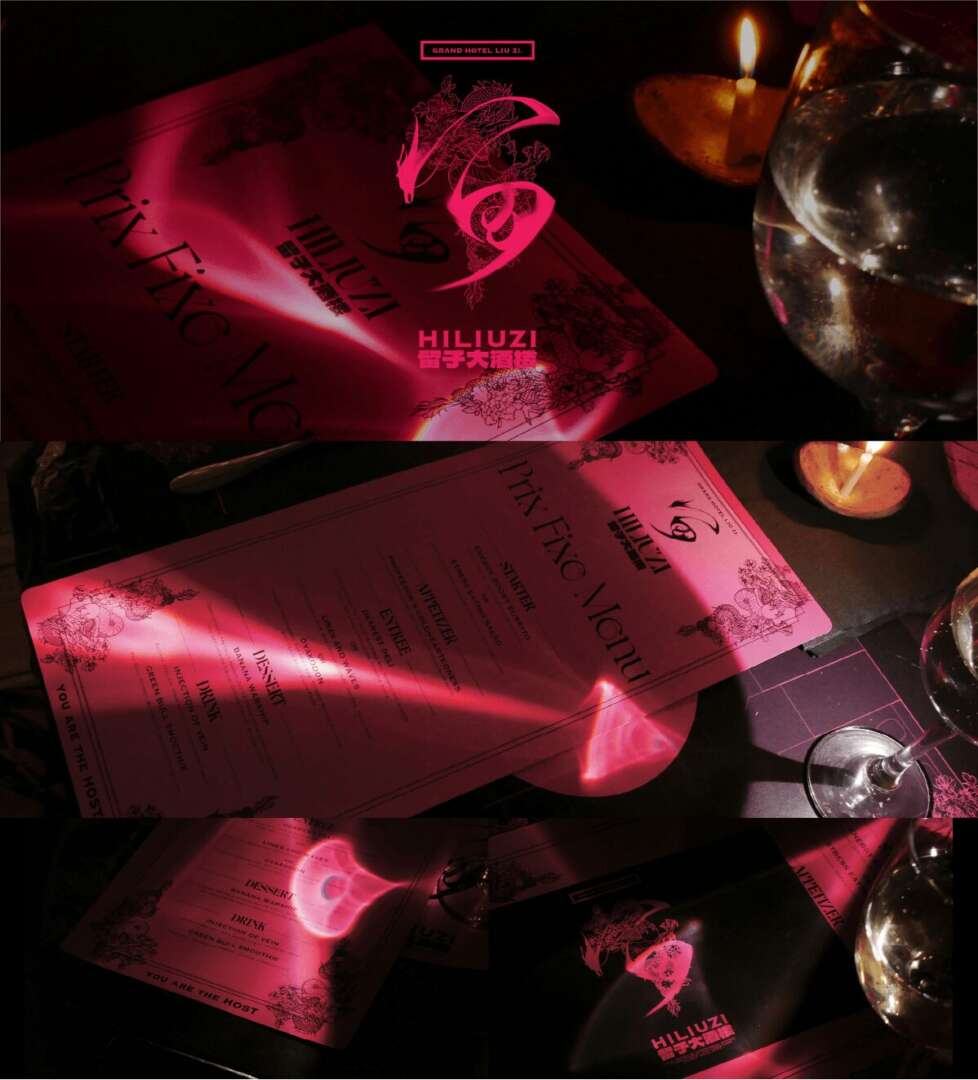
As a graphic designer, I provide services in branding, visual identity, and visual product design. I greatly enjoy interpreting a concept or conveying a client’s vision through visual language. I am also very interested in and eager to explore various forms of typography. Compared to emotional expression, the rational order in typography fascinates me. Additionally, I like to combine graphic design with physical products in personal projects, solving visual problems while enhancing the product’s practicality.
As an illustrator, I enjoy telling stories through images. Compared to goal-oriented design work, the world of illustration allows for more creative freedom. I particularly enjoy collaborating with music artists, especially when I listen to a music demo, discuss my feelings and the imagery the songs evoke, and then bring that vision to life. The collision of different art forms often generates unexpected sparks, and different artistic mediums can produce varied impacts. For instance, presenting my illustrations in printmaking might allow the story or viewpoint I want to convey to resonate more deeply with the audience.
Finally, as a tattoo artist, my work leans towards abstract, organic, stream-of-consciousness, and flowy styles. I am fascinated by the texture and form of human skin, designing tattoos to align with the muscle flow and shape of different body parts, and turning tattoo designs into tools for self-expression and decoration. I view tattoos as akin to jewelry or accessories, naturally growing with and adapting to the skin’s movement. Each unique piece blends seamlessly with each unique individual.
What’s the most rewarding aspect of being a creative in your experience?
I believe it is definitely the ability to express. As an artist and designer, after acquiring skills in my professional field, I thoroughly enjoy expressing information from different areas and disciplines in my own way. Daily readings, collections, or even random bits of information, daily hobbies, and even my favorite sports can be utilized and, through what might be called artistic processing, used to tell that information or story in my own voice.
For example, I am a fan of Muay Thai and combat sports. After encountering Muay Thai culture, I have always wanted to experience it in Thailand. However, upon further exploration of the local culture, I discovered an issue related to gender within the history and culture of Muay Thai. Female fighters are prohibited from climbing over the ropes into the ring because, according to cultural and historical beliefs, menstrual blood is considered unclean and filthy. Female fighters can only enter the ring by crawling under the ropes. After learning about this discriminatory rule, I designed a series of works using silkscreen printing, incorporating female reproductive organs as design elements fused with Muay Thai shorts, highlighting the unique strength and undeniable statement of women. I really enjoyed and took pleasure in this project, especially when using my artistic language to tell this story and express my views.
Is there something you think non-creatives will struggle to understand about your journey as a creative? Maybe you can provide some insight – you never know who might benefit from the enlightenment.
I think it might be a lack of understanding from non-creatives about why we support other creatives. From my personal experience, I really enjoy visiting art fairs or book fairs. For me, it’s not just an opportunity to connect with more talented works and creators but also a chance to support other people’s creativity. I believe many creatives have similar experiences. When I see works by artists I like, I want to collect them and keep them at home, even if it’s just a postcard or a small print. On one hand, it’s a way to accumulate and stimulate inspiration; on the other hand, it’s a way to show support for the artists.
However, when I share this with friends, they sometimes question why I would buy what seems like useless items. They argue that these works can be appreciated and downloaded online without spending money. I try to explain that a physical object provides a feeling that goes beyond the digital bytes on a screen. In the end, my friends started to understand, especially after I began selling my own work.
Contact Info:
- Website: https://maxchenxi.cargo.site/
- Instagram: @maimaitatt @drunkenlobster.o
- Linkedin: https://www.linkedin.com/in/max-chenxi-cao-20158a23a/
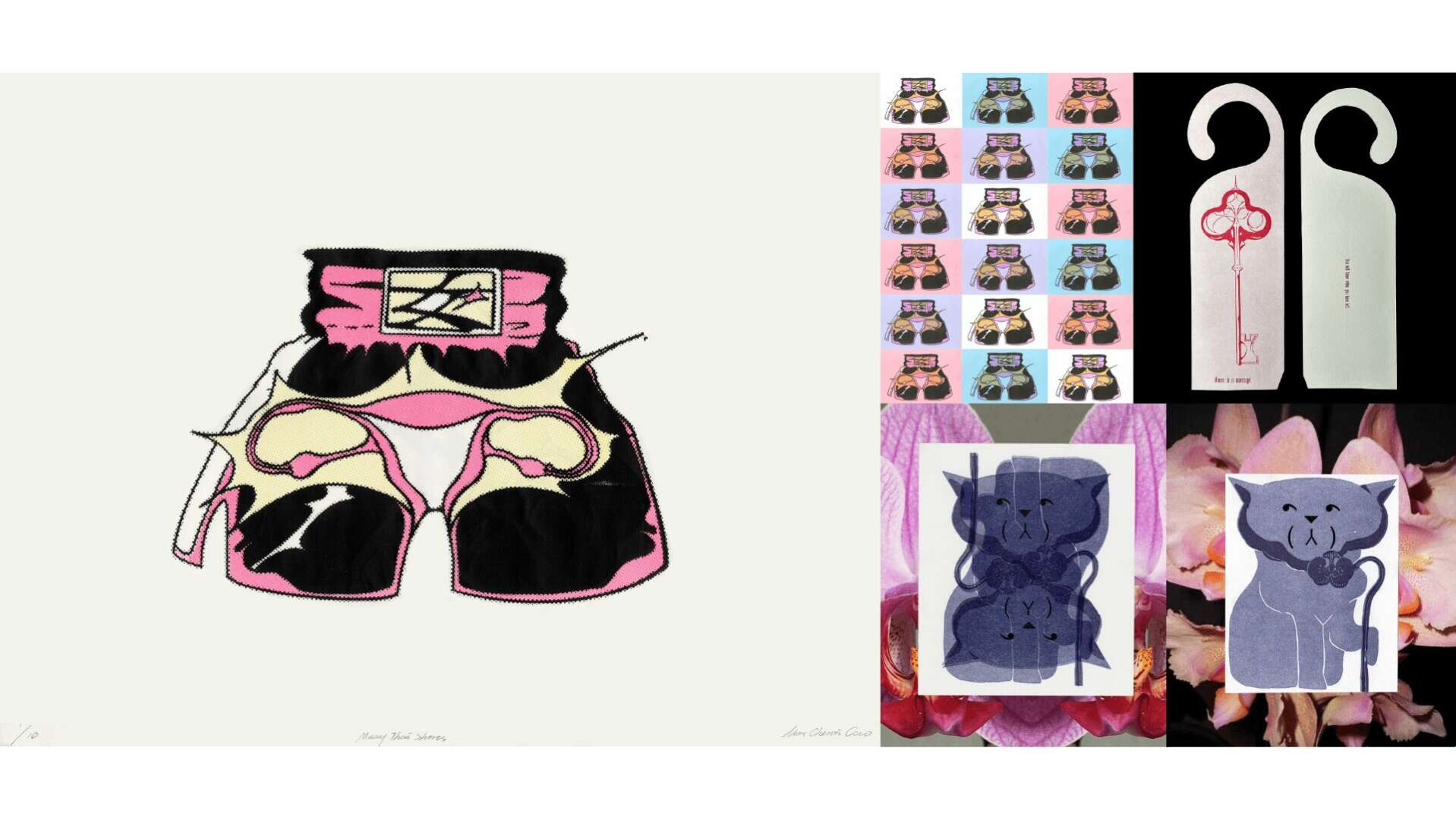
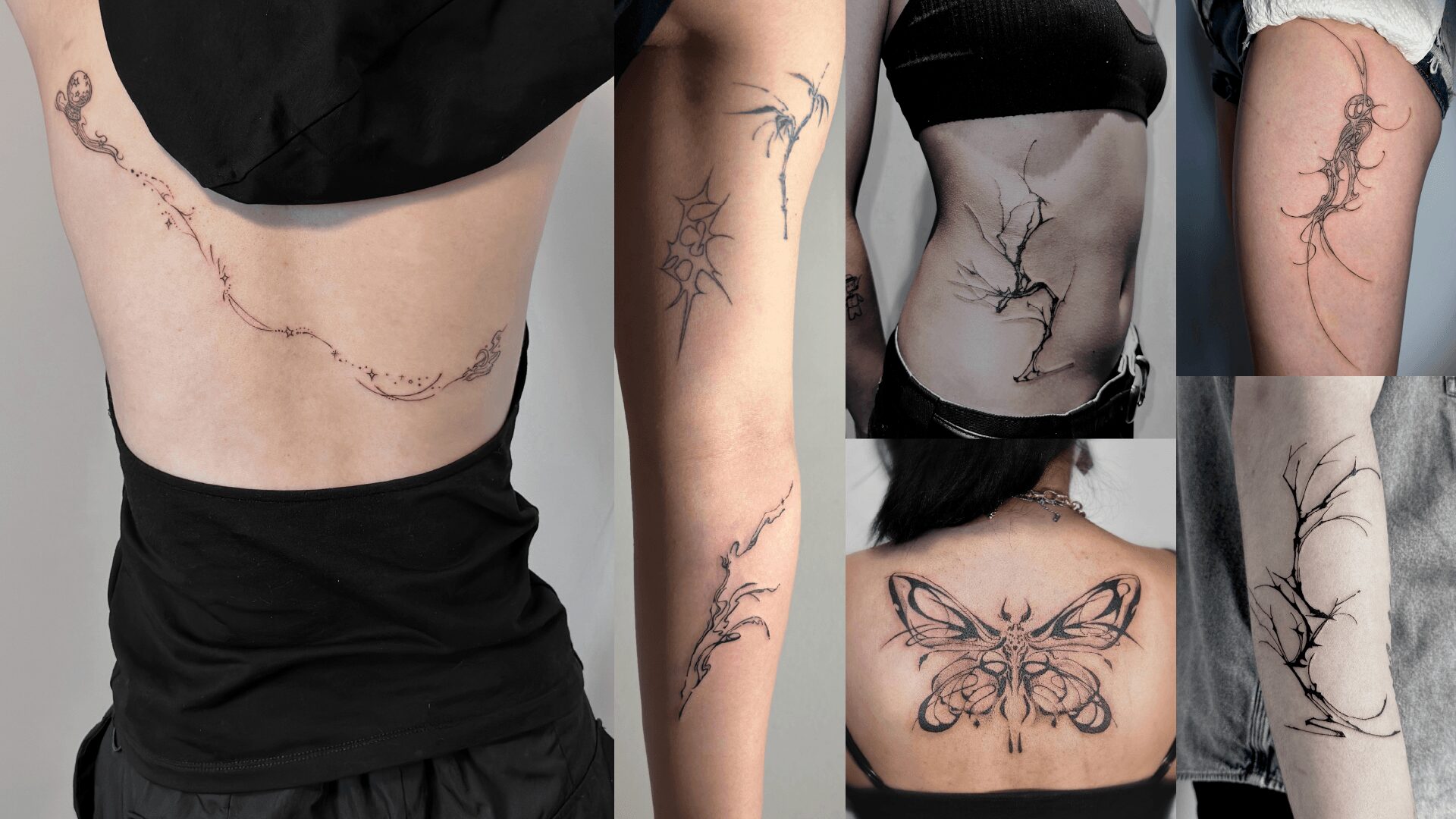
Image Credits
Max Chenxi Cao
wildbathtub
Doria Li
Bluemoon Sanitizer
Chuning Gao