

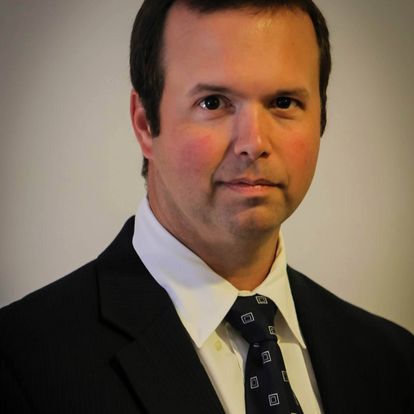

We were lucky to catch up with Matthew Paris recently and have shared our conversation below.
Matthew, thanks for joining us, excited to have you contributing your stories and insights. How did you learn to do what you do? Knowing what you know now, what could you have done to speed up your learning process? What skills do you think were most essential? What obstacles stood in the way of learning more?
I grew up in Houston, Texas. I never thought about writing or creative writing until I was older. English Literature was always my best subject in school and I knew I was really good at it. In my Sophomore year of high school, I was in my English class when the teacher came up to me and told me that she thinks this is a talent. It wasn’t until college where I explored writing pretty seriously.
What people don’t understand is that there are different forms of writing. If you want to write a movie then you have to do it in screenplay format. Meaning most of it is told in dialog and scenes. A television series is told in acts and dialog, a commercial is told through visual and audio. A podcast script is told through the elements of what you are going to say and each subject. However, they don’t teach this in school. You have to learn this by taking writers workshops or college where they have a few different classes on the form of writing.
I attended Texas Tech University where I earned my Bachelor of Arts degree. While in college I not only learned creative writing, but how do I write if I have writer’s block? How do you break through that? On some days, I have nothing to write and on others I have ten pages I knocked out in one day. Words have meaning if you write well you could really change people perspectives on things and issues.
The biggest obstacles of standing in your way is just life. For most writers it’s hard to make a living. They have families and they need to support them. I have friends who have said that this new year they’ll write a book. They never do it because they see the obstacles ahead. No matter what you write. If it’s a book, movie, or tv show, you need to know the obstacles. The hardest part is just sitting down to do it, but once you get going there is no stoping you.
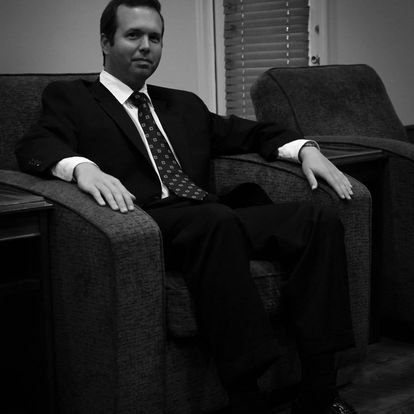
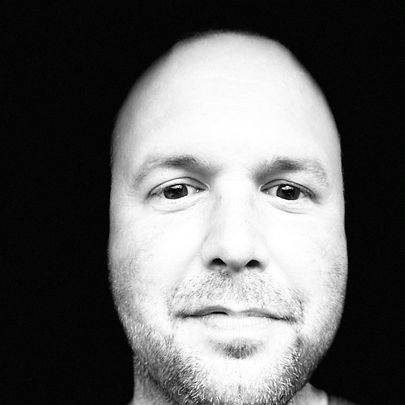
Matthew, before we move on to more of these sorts of questions, can you take some time to bring our readers up to speed on you and what you do?
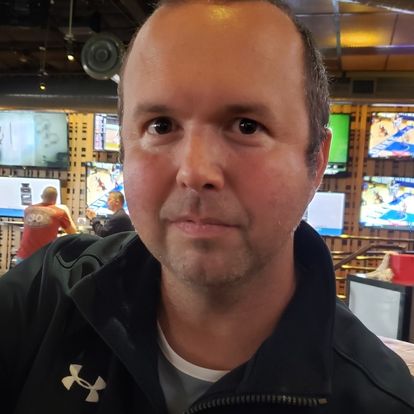
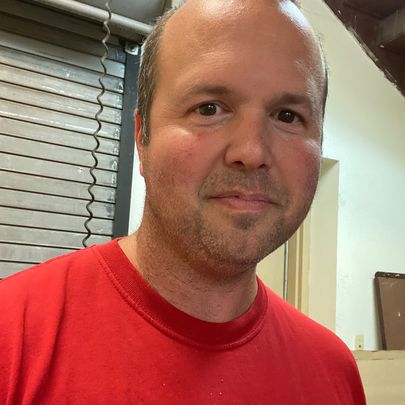
Growing up in Houston. I loved going to see movies on the weekends with my friends and family. The thing that always interest me was how are these films made. Now, I know every process of how they are made. I was not an arts kid, I was a sports kid. I played football and ran track. By doing that it built up a competitiveness in me and a work ethic that I still have to this day. I really didn’t get serious about writing or producing until I graduated from college. I lived in Los Angeles for two years working out there then I made my way to Austin.
In Austin, I worked with some filmmaker friends of mine behind the scenes. However, I wrote my first short film, “Crisis” and took it to Looknow Productions in Austin. The producers liked it a lot and we started pre-production. It’s very different than my original draft, but standing writing practice in films. The producers want to throw their two cents in it and sometimes it’s good. Once your finish with post production and the film is made. What do you do? Every filmmaker in the world would like to take their film to Sundance or Cannes. However, Those two festivals are the biggest in the world. It’s very tough to get in unless you have studio backing or a star attached to it. Why not go the smaller festival route? “Crisis” won the Platinum Remi Award at Worldfest-Houston and many other accolades. Once we got two awards, I knew we were in the driver’s seat. ‘Crisis” was sold for distribution and played on AT&T U-VERSE and DirecTV. The film played in the United States, Europe, Middle East, and Africa.
My second shirt film, “The Last Catch” also won many accolades. That movie was based on my sports experience as a coach and very much inspired by the 1989 movie, “Field of Dreams” starring Kevin Costner. The movie is about a father dying of cancer who tries to make amends with his son who plays college baseball. The father pushed him real hard to be the best at his chosen sport and the dad realizes he probably made a mistake. He wants one final catch with his son. “The Last Catch” won the Silver Remi Award at Worldfest-Houston and was named best screenplay the Orson Welles Award at the California Film Awards. “The Last Catch” was sold for distribution on the SortsHD Network on AT&T U-VERSE and DirecTV. The film played in the United States, Europe, Middle East, and Africa.
After the success of those two short films, I ended up working on some PSA’s and doing some acting. Writing and producing is still part of the process that is my favorite. It’s fun to see a concept go through pre-production, production, and post production. I started a production company called, Paris Group. I’ve done a lot of short subject and ads. A lot of commercials form my books that I’ve also written. Houston has a problem with human trafficking so, I did a PSA called Stop Human Trafficking in the City of Houston. I’ve gotten great feedback from it. A nice human rights story. I also started a podcast with my friend and producer out of London, England. Dan Dave Harris. He is no longer with us, but he came to me and said he would like to start a podcast. It’s a sports podcast called, “The Matthew Paris Show”. We are on Spotify, Deezer, Samsung, Google Podcast, and Listen Notes. We have listeners worldwide. From the United States to Germany, and France. The video version is on Always Press Record TV on Amazon Fire and Roku Channel.
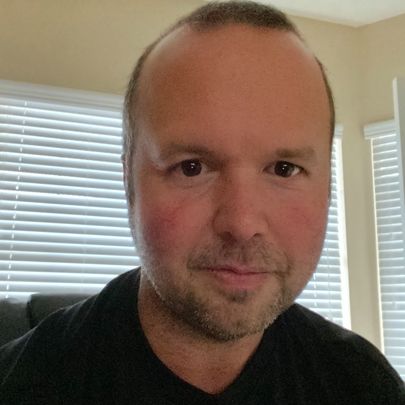
What can society do to ensure an environment that’s helpful to artists and creatives?
That great thing about writing a book is that you only need a paper and pen. The hardest part is sitting down to motivate yourself to do it. However, once you block out a few hours you can write a page or two. Even if you write a sentence, the author needs to feel good about it. Every little step helps to create something bog that you could be proud of and hopefully people will get the message. Now, once you’re done with your book what do you do? thanks to the wonders of technology an author can always self publish and promote the book themselves. It’s usually hard to get into a major publisher without an agent.
For a painting, you can sit down and draw yourself or draw a picture with pencils. The point is it’s all art. Most art if you think about it is done alone. Except, for making a film or tv series. In the early days, you needed funding. Major studios like Warner Bros and Paramount knew how to get funding because they knew how to make their money back. It’s a roll of the dice. For an independent filmmaker back then it was hard to get funding. You had to write a script and find a rich person to fund the film. However, most films financiers want their money back. It was tough in the 70s and 80s. A lot of filmmakers would propose presentations to doctors, lawyers, and dentist to try and finance the film. I know people who do it now. Today’s time it’s easier though. With the rise of technology you can film on your phone a little movie and you could get it out there. The Apple iPhone has great visuals and most Apple products have built in editing software. It will look good. So, you want to do some filmmaking practice you can film on your phone.
The average movie from development to finishing it takes about 4 years. You could cut that down if the filmmaker is smart. It’s all about creating a product you are proud of and people are proud of you for it. They also have fundraising websites where you can pitch to people what the story is about? The great thing is there are many ways to get to people to fund your film and the most important aspect is not to get discourage.

Is there mission driving your creative journey?
Sometimes, there is. I like being creative and creating something. Hopefully, the audience will get the message I’m trying to display. The process of filmmaking is what I like the most. However, about half of the battle is trying to get your crew on the same page as you. Every one of your crew has a different idea about where that film should go. As a producer or director that should not discourage you. However, you need them to create something, but you have to convince them that in the years to come they’ll be proud of the art that you and them have created in the years to come. The actually filming of it and doing it should be fun if you know what you want. That’s why we have storyboard artist to help plan shots and script supervisors to make sure the continuity is correct. Always make sure that you are prepared and ready to lead. But the struggle of making a film is what makes it great. Not the destination it’s the journey.
Contact Info:
- Website: https://www.imdb.com/name/nm3506185/?ref_=ext_shr_lnk
- Facebook: https://www.facebook.com/matthew.paris.965
- Youtube: https://www.youtube.com/live/oFNVfIuH610?si=E7q3a4wpzPDrXgNZ
- Other: “The Matthew Paris Show”
https://rss.com/podcasts/matthewparisshow/
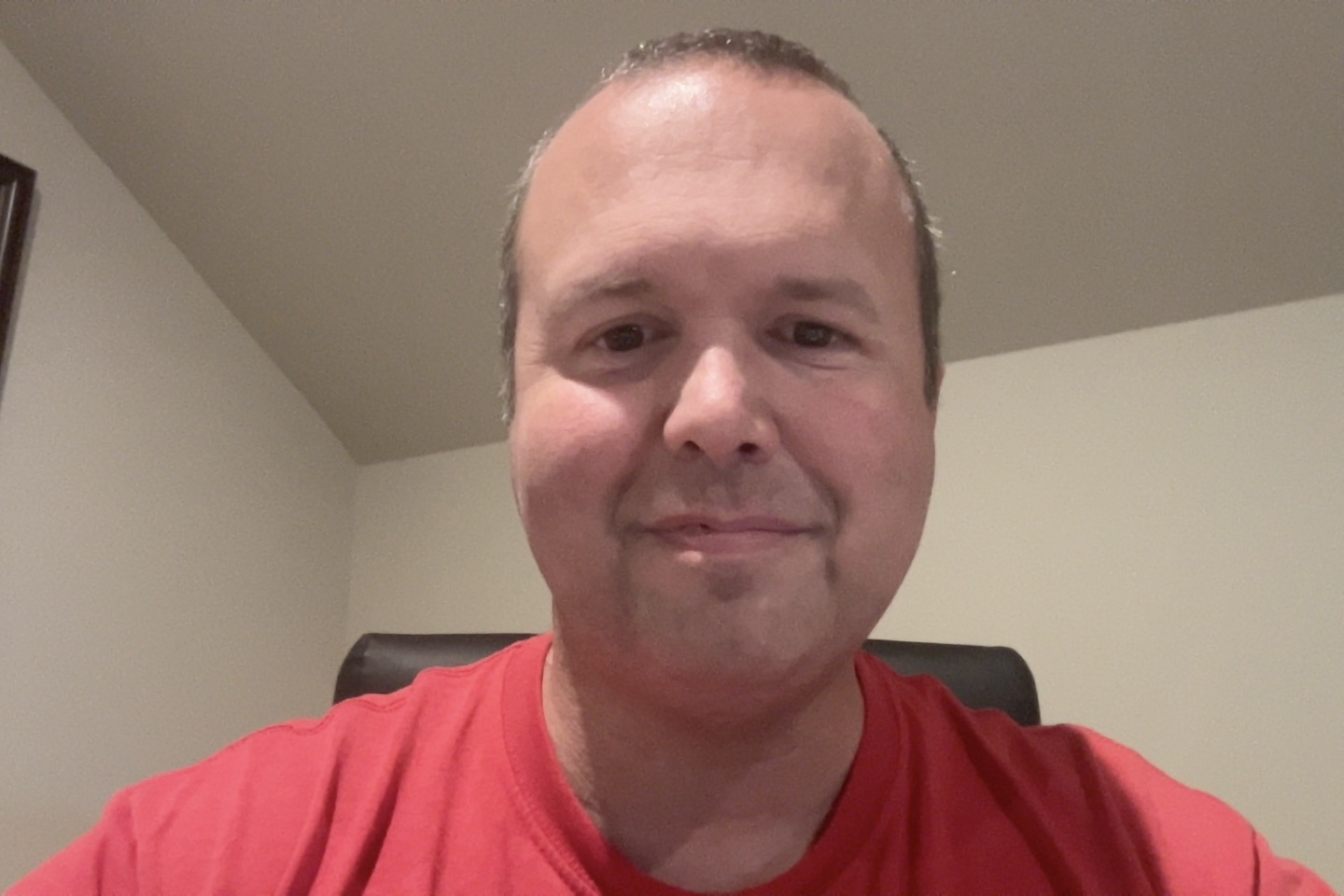
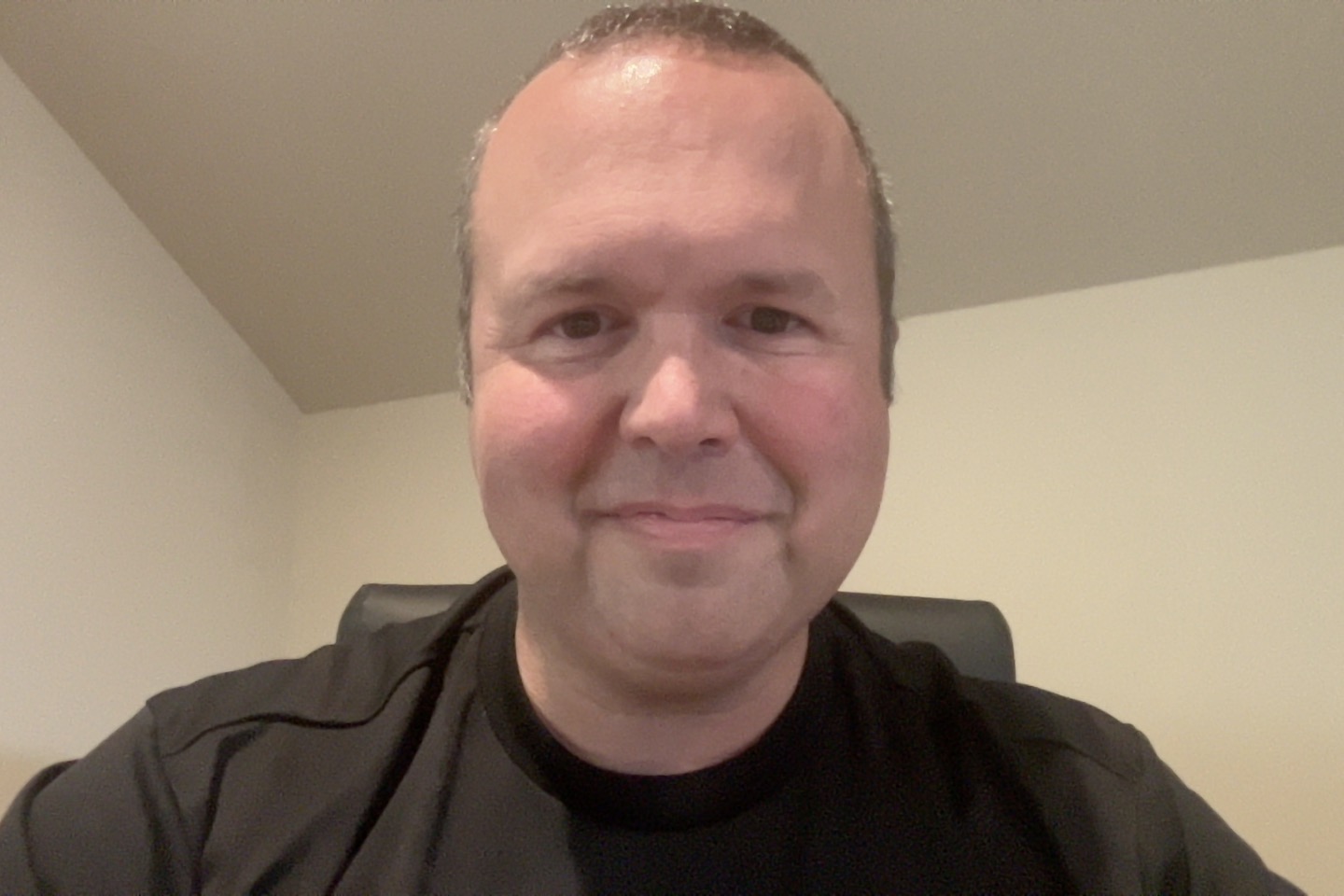
Image Credits
Matthew Paris